 EN
EN
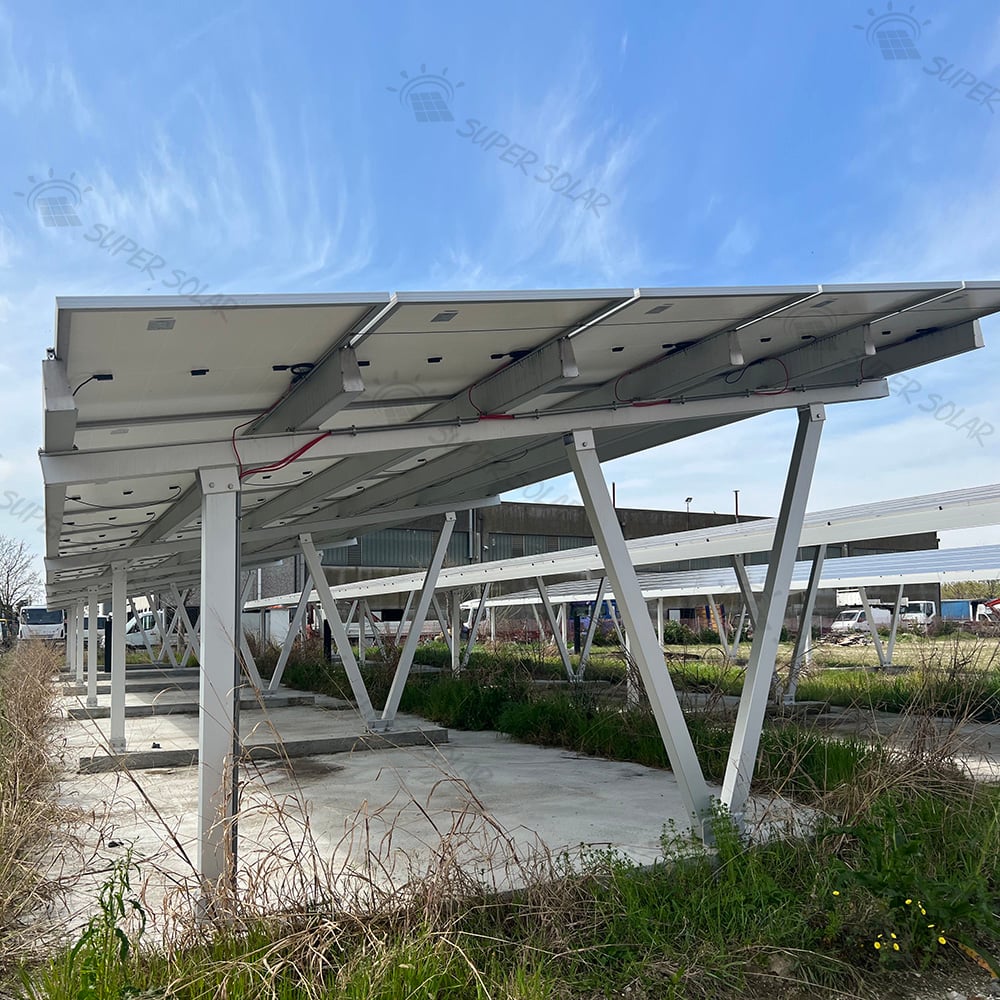
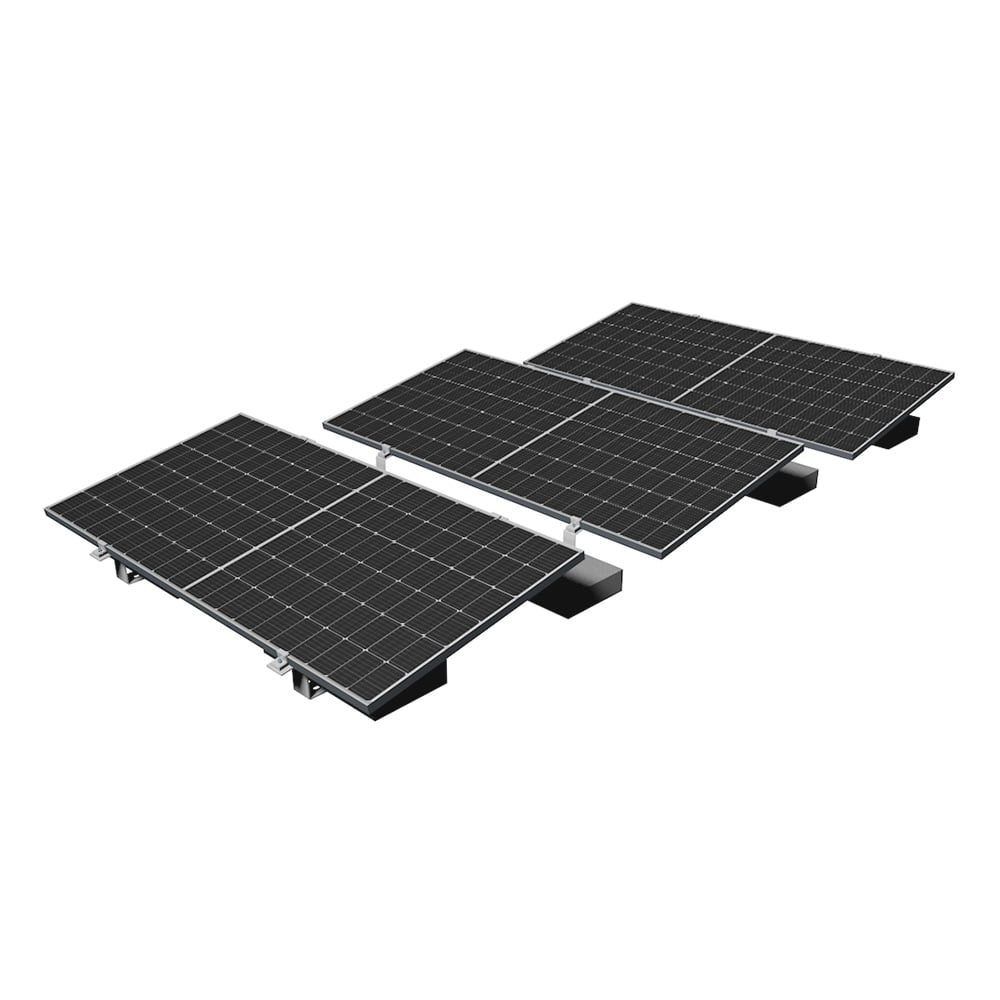
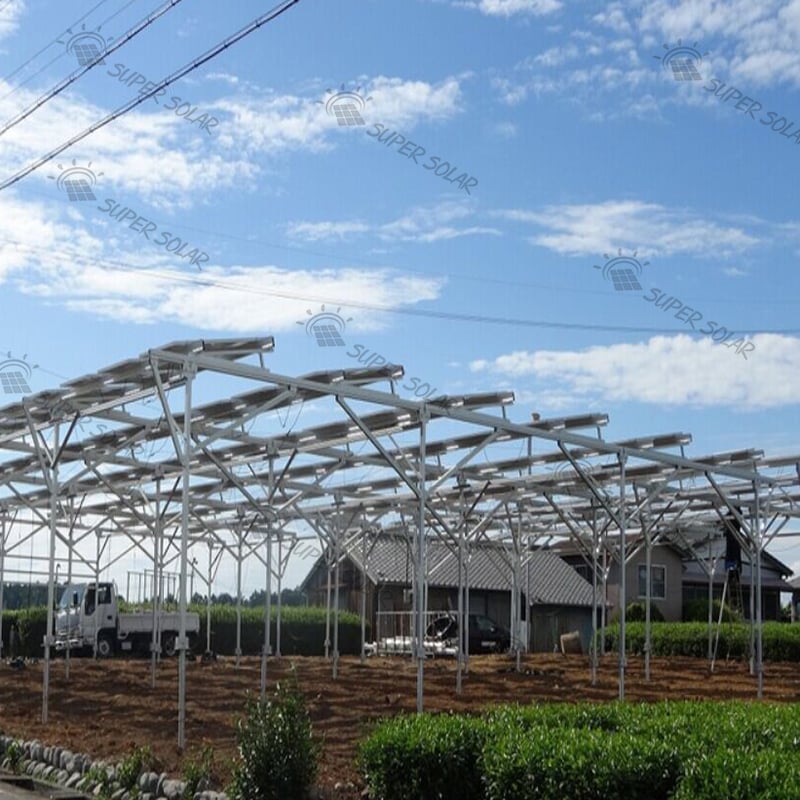
In the solar energy industry, operational and maintenance costs can significantly impact the profitability of a solar project. A single axis solar tracker plays a crucial role in maximizing energy output while maintaining cost efficiency. By focusing on product cost optimization, manufacturers can help EPC firms and solar plant operators reduce overall expenses. The right single axis solar tracker design balances durability, ease of maintenance, and performance efficiency. Investing in trackers that are engineered for low operational costs ensures that solar farms remain productive and economically viable over their entire lifecycle.
Material selection is a key factor in reducing maintenance costs. Manufacturers of single axis solar trackers often utilize corrosion-resistant steel or anodized aluminum for critical components. These materials withstand environmental stresses such as wind, rain, and temperature fluctuations. Using high-quality materials reduces the frequency of repairs and replacements, which lowers the total cost of ownership. Additionally, materials that resist corrosion and wear contribute to longer lifespans, minimizing unplanned downtime and ensuring consistent energy generation.
Designing a single axis solar tracker with optimized structural engineering can significantly reduce operational complexity. By analyzing load distribution, torsion resistance, and movement mechanisms, manufacturers can produce trackers that require minimal maintenance. Structural optimization includes reducing the number of moving parts, reinforcing joints, and ensuring stable alignment for solar panels. These design improvements not only enhance reliability but also simplify field inspections and maintenance tasks, ultimately decreasing labor costs.
The drive system of a single axis solar tracker determines the ease of operation and long-term maintenance requirements. Manufacturers who invest in robust drive mechanisms, such as precision gearboxes or low-friction motors, can reduce the need for frequent servicing. Low-maintenance drive systems are designed to operate smoothly under various environmental conditions, minimizing wear and tear. EPC firms benefit from these solutions as they lower maintenance schedules and reduce the risk of system downtime.
Bearings and pivot points are often the most maintenance-intensive parts of a solar tracker. Reducing the number of these components and using sealed or lubricated bearings can significantly cut operational expenses. Manufacturers that integrate self-lubricating or maintenance-free joints ensure smoother movement and reduce inspection requirements. Simplified mechanical components contribute to a more reliable system and enable operators to allocate resources more efficiently.
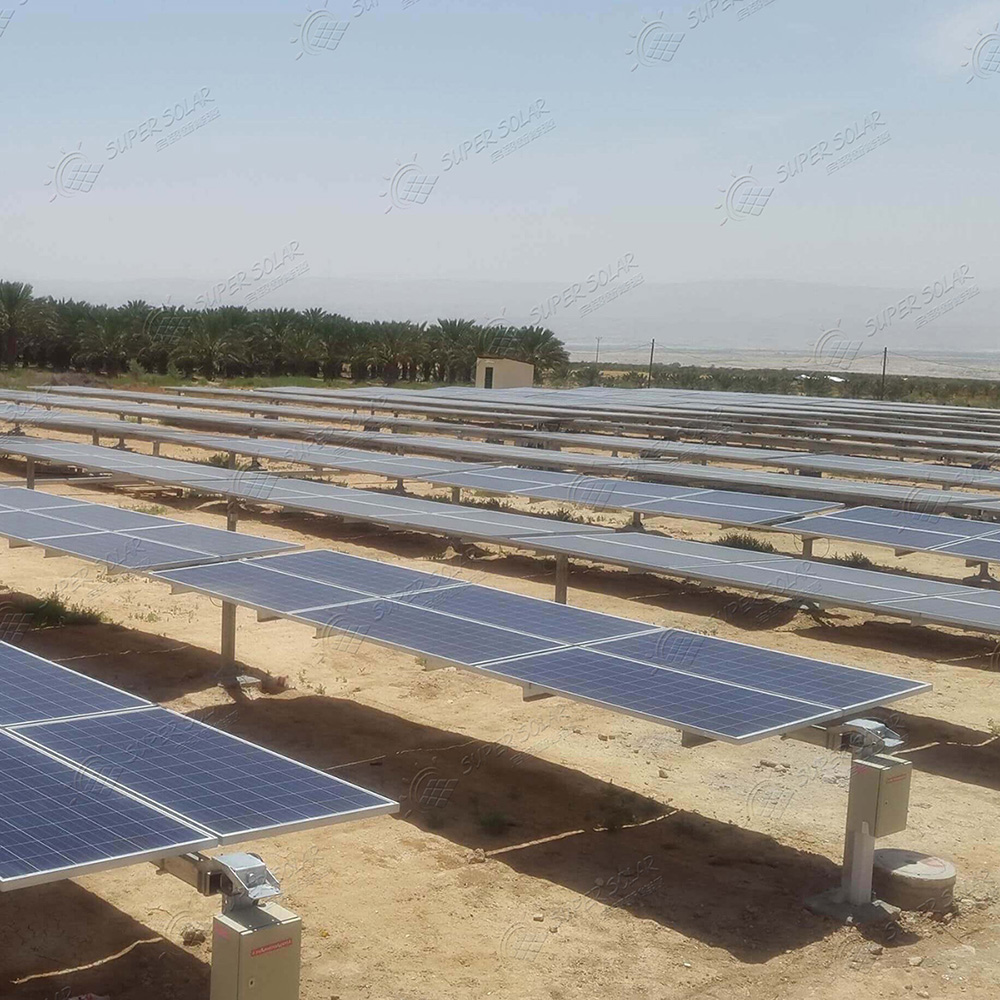
Advanced control systems can improve the performance of single axis solar trackers while minimizing maintenance needs. Manufacturers that provide smart tracking algorithms ensure that solar panels are consistently aligned with the sun, maximizing energy output. Automated tracking reduces manual adjustments and monitoring requirements, cutting labor costs and reducing human error. Additionally, precise alignment reduces mechanical stress, extending the lifespan of the tracker components.
Remote monitoring capabilities allow operators to track performance and detect potential issues early. Manufacturers that integrate IoT-enabled sensors and monitoring software provide real-time data on system health. Early detection of faults prevents minor problems from escalating into costly repairs. Remote diagnostics reduce the need for on-site inspections, lowering travel and labor costs while ensuring that the single axis solar tracker operates at peak efficiency.
The installation phase of a single axis solar tracker can influence long-term maintenance costs. Manufacturers that offer modular and pre-assembled components simplify the installation process, reducing labor hours and minimizing errors. Easier installation translates into fewer alignment issues and lower adjustment needs during operation. Modular designs also facilitate replacement of individual components without dismantling the entire tracker, cutting maintenance time and costs.
Providing clear maintenance manuals and training resources is another strategy manufacturers use to reduce operational costs. Well-documented procedures help operators perform routine inspections efficiently and safely. Manufacturers that offer structured maintenance schedules, spare parts lists, and step-by-step guidance empower solar plant operators to maintain trackers proactively, reducing unexpected downtime and prolonging system life.
Compliance with international and regional standards is critical for reducing operational risks. Single axis solar tracker manufacturers who follow ISO, IEC, and other relevant certifications ensure that their products meet strict quality and safety requirements. Adherence to standards reduces the likelihood of structural failure or operational issues, which directly impacts maintenance costs. Quality assurance protocols also give EPC firms confidence in the long-term performance of the tracker.
Manufacturers that perform extensive testing during production, including load testing, wind resistance simulations, and environmental stress evaluations, produce more reliable trackers. Rigorous quality control minimizes defects and component failures, reducing the need for frequent repairs. Solar operators benefit from products that have been thoroughly tested to withstand harsh conditions, ensuring stable energy production and lower maintenance expenditures.
A cost-effective tracker combines durable materials, optimized structural design, low-maintenance mechanical components, and advanced monitoring systems. These features minimize repair needs, reduce labor requirements, and extend the system’s lifespan, ultimately lowering overall operational expenses.
Advanced control systems ensure precise solar tracking, reduce manual intervention, and minimize mechanical stress on components. Remote monitoring and diagnostic tools enable early detection of issues, preventing minor problems from turning into expensive repairs.
Modular design simplifies installation and allows easy replacement of individual components. It reduces downtime during maintenance, limits labor costs, and facilitates upgrades without extensive system modifications.
Manufacturers should adhere to ISO, IEC, and other relevant certifications. These standards guarantee that the single axis solar tracker meets quality, safety, and structural requirements, reducing risks and maintenance expenses during its operational life.
 Hot News
2025-11-03
2025-10-22
2025-01-24
2024-06-12
2024-06-12