 EN
EN
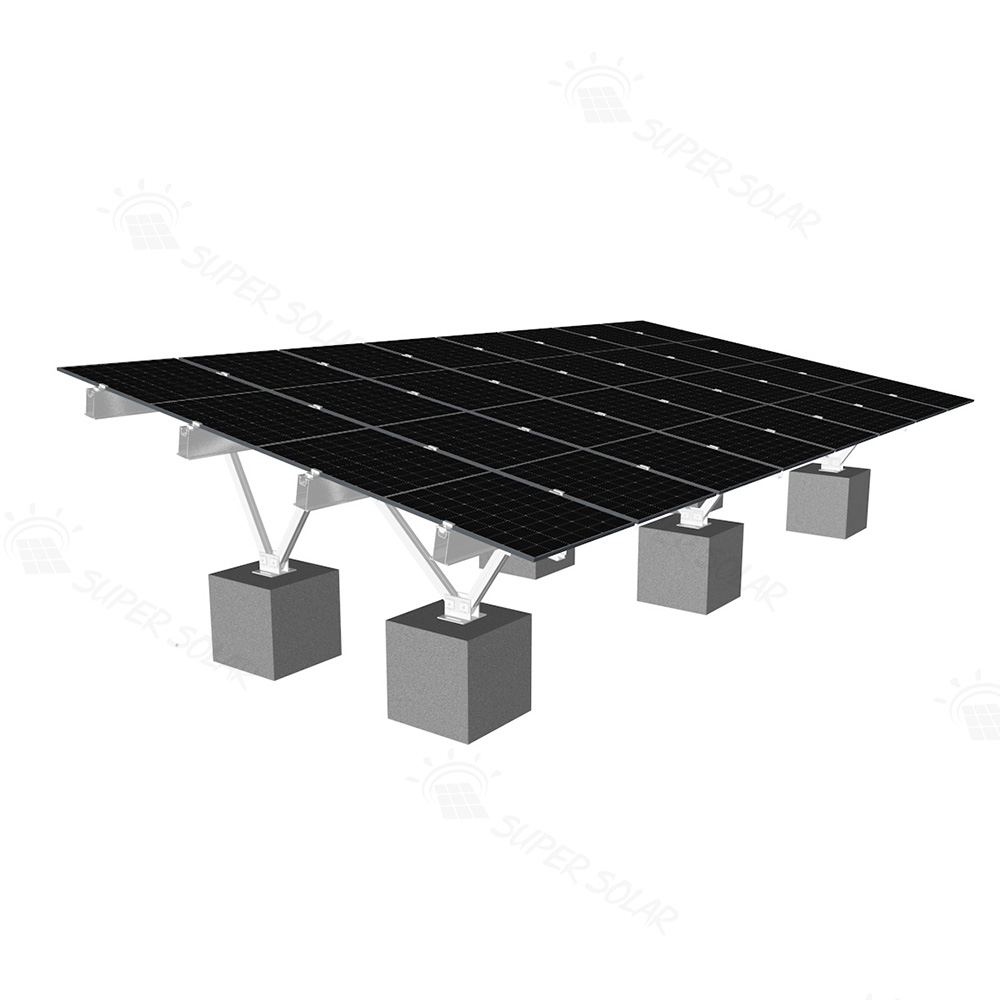
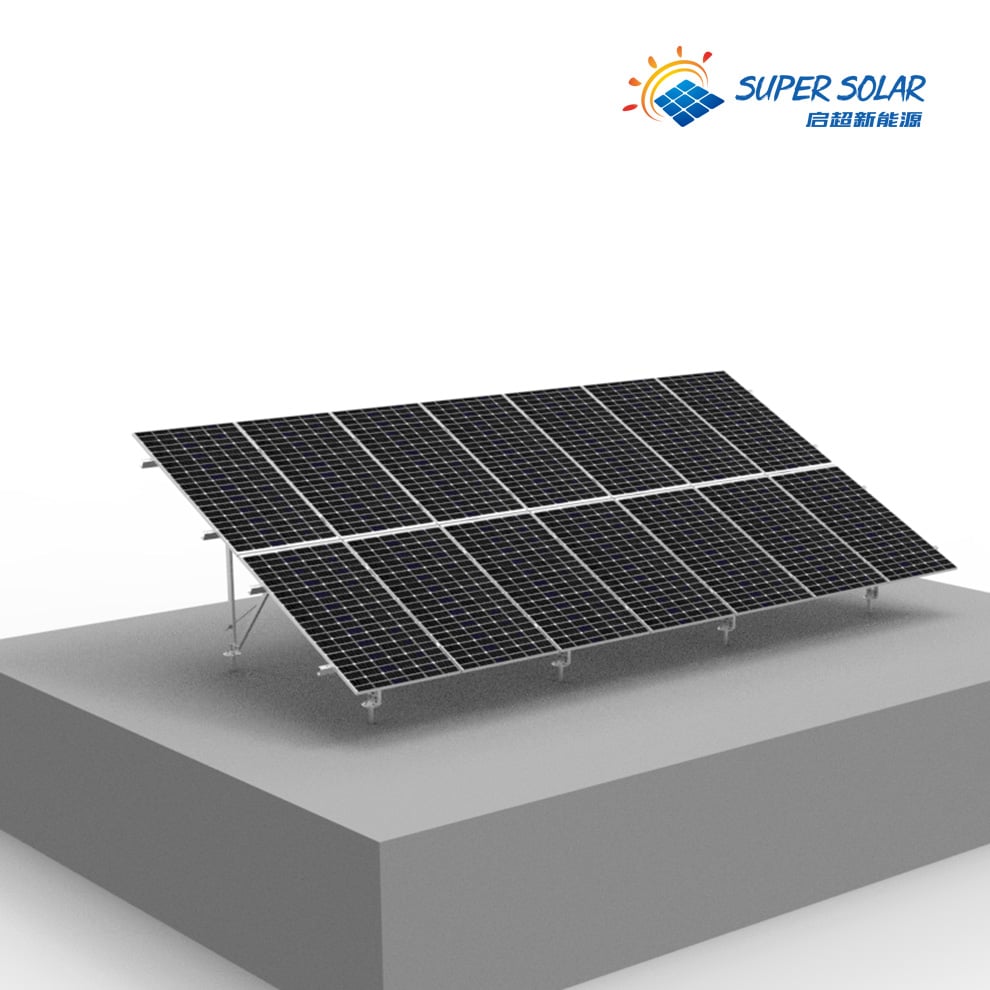
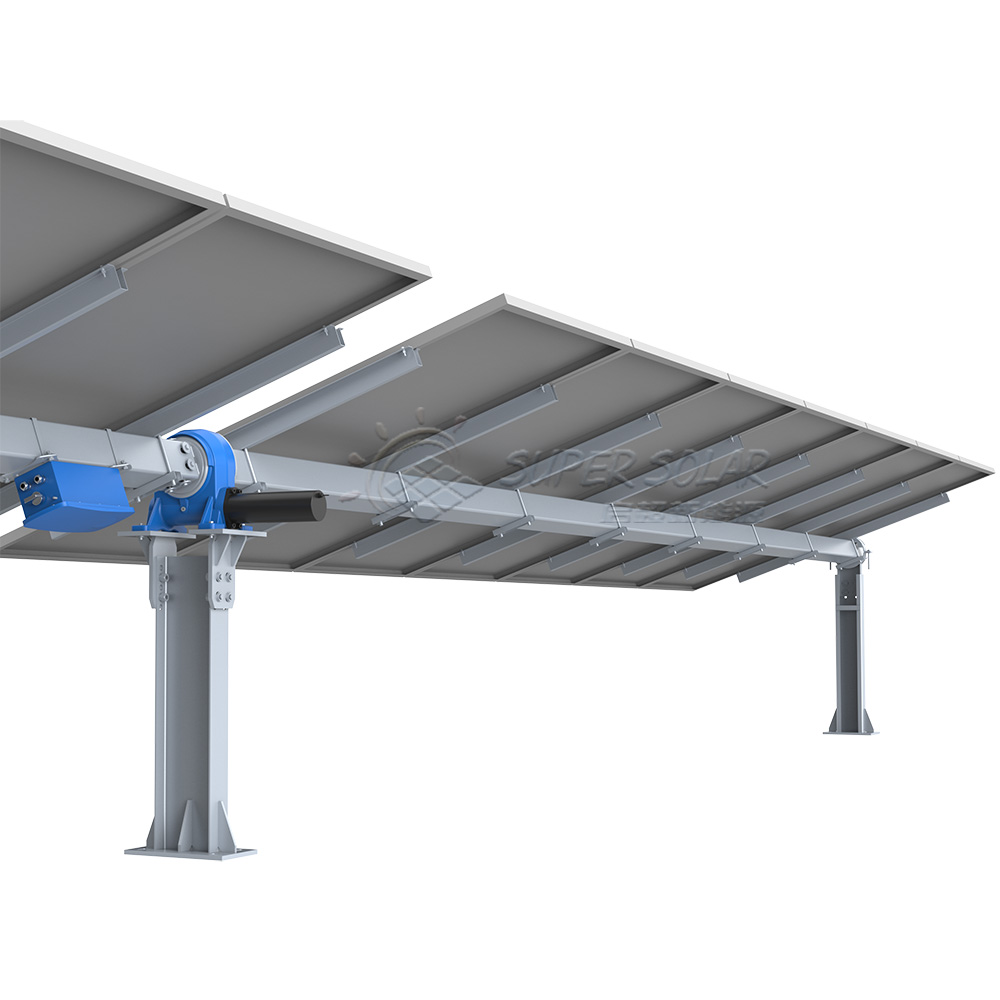

Choosing a reliable partner for single axis solar tracker projects is critical for ensuring the success and efficiency of solar installations. A trusted manufacturer or supplier not only delivers high-quality products but also provides engineering support, timely delivery, and effective after-sales service. Selecting a partner with proven expertise in single axis solar tracker technology ensures that your solar projects remain productive, cost-effective, and durable over their operational life. A strategic partnership reduces risks associated with installation, maintenance, and long-term performance, helping EPC firms and project developers achieve their goals efficiently.
High-quality materials are the foundation of a reliable single axis solar tracker. Manufacturers who use corrosion-resistant steel, anodized aluminum, or advanced composites produce trackers that withstand harsh environmental conditions. Evaluating the material quality ensures that the structure can endure wind, rain, and temperature variations without significant wear. Strong materials also reduce maintenance frequency and repair costs. Reliable partners provide certifications and detailed material specifications to guarantee product durability, which ultimately contributes to the solar project’s long-term performance and efficiency.
The design of a single axis solar tracker plays a crucial role in its operational efficiency and lifespan. A partner with strong design capabilities can optimize load distribution, torsion resistance, and mechanical stability. Properly engineered structures minimize stress on joints and bearings, reducing potential failure points. High-quality design also accommodates uneven terrain and varying site conditions, ensuring that solar panels remain correctly aligned. Choosing a partner with proven structural engineering experience guarantees that your project benefits from robust and reliable tracker systems.
A manufacturer’s engineering team reflects its ability to deliver dependable single axis solar trackers. Strong engineering expertise enables partners to provide precise calculations, structural simulations, and performance optimization. They can anticipate site-specific challenges and offer tailored solutions. Technical support during planning and installation phases ensures that trackers are installed correctly and operate efficiently. By partnering with a company that invests in engineering talent, EPC firms gain confidence in the reliability and longevity of the tracker system.
Manufacturers who employ advanced software tools for design simulations provide more accurate and efficient solutions. These tools can simulate wind load, snow accumulation, and sunlight angles, ensuring optimal panel alignment and mechanical stability. Partners that use precise modeling techniques reduce installation errors and future maintenance issues. Access to detailed 3D models and simulation data allows EPC firms to plan installation strategies effectively, improving overall project efficiency and reducing operational risks.
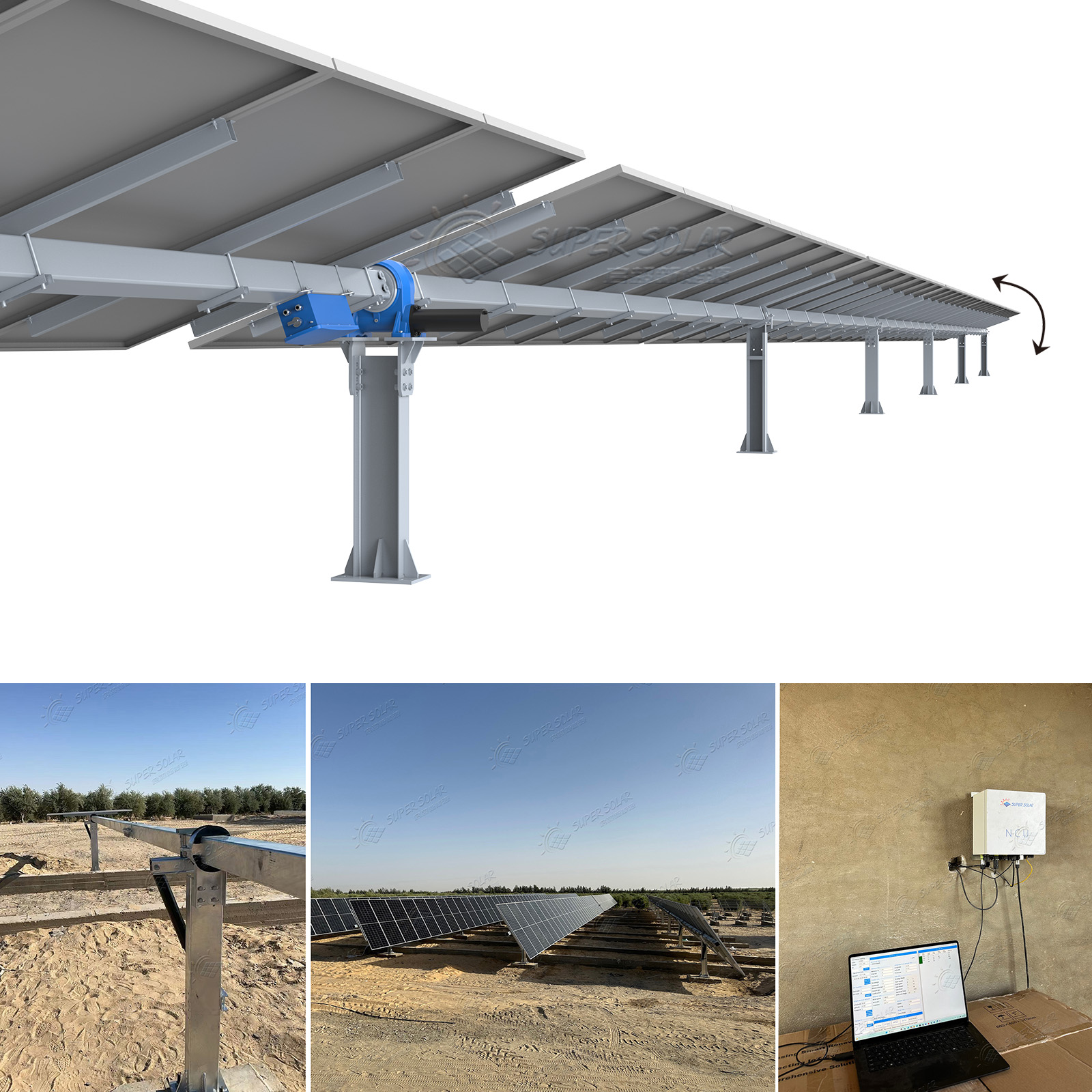
A reliable partner simplifies the installation of single axis solar trackers through pre-assembled components, clear instructions, and on-site guidance. Streamlined installation reduces labor costs, minimizes errors, and ensures that the trackers function as designed. Manufacturers that provide modular systems facilitate faster deployment and easier adjustments, which is particularly important for large-scale solar farms. Evaluating a partner’s installation approach ensures that your project can be completed efficiently and without unnecessary delays.
Long-term reliability depends on effective maintenance and support. Partners who offer comprehensive maintenance guidance, replacement parts availability, and timely technical assistance reduce the operational burden on solar plant operators. Regular inspections and proactive support help maintain tracker performance and prevent unexpected failures. Selecting a partner with strong after-sales service capabilities ensures continuous energy production and minimizes downtime throughout the lifecycle of the solar farm.
Adhering to industry standards and regulations is essential for project safety and performance. Reliable partners ensure that their single axis solar trackers comply with ISO, IEC, and other relevant certifications. Compliance demonstrates that the manufacturer follows rigorous quality control, safety protocols, and performance benchmarks. EPC firms benefit from reduced regulatory risks and higher confidence in the durability and effectiveness of the trackers.
Manufacturers who prioritize sustainability and environmental responsibility offer additional value to EPC firms. Sustainable practices include using recyclable materials, reducing energy consumption during production, and minimizing the carbon footprint. Partners that implement environmentally conscious strategies align with broader corporate social responsibility goals and enhance the overall reputation of the solar project. Evaluating a partner’s environmental commitment is an important aspect of selecting a reliable supplier for long-term collaboration.
A reliable partner provides clear and transparent pricing structures for single axis solar trackers. Detailed cost breakdowns, including material, design, installation, and maintenance fees, enable EPC firms to plan budgets accurately. Transparent pricing prevents unexpected expenses and facilitates efficient resource allocation. Evaluating the financial approach of a partner ensures that the project remains cost-effective throughout its lifecycle.
Beyond initial procurement, evaluating the total cost of ownership is essential. Reliable partners provide products that require minimal maintenance, have longer lifespans, and deliver consistent performance. Lower lifecycle costs contribute to higher return on investment and reduced operational risk. Partners that emphasize cost optimization through durable designs, efficient logistics, and effective support create long-term value for solar projects.
Partners with extensive experience in single axis solar tracker projects demonstrate their ability to deliver reliable and high-performance systems. Reviewing case studies, client references, and project portfolios provides insights into their technical capabilities and problem-solving skills. Experienced manufacturers are better equipped to handle complex site conditions and offer practical solutions for diverse solar installations.
Positive feedback from previous clients highlights the reliability, professionalism, and service quality of a partner. EPC firms can gauge a manufacturer’s commitment to customer satisfaction and product excellence through testimonials. Partners that consistently receive favorable reviews are more likely to provide dependable trackers and responsive support, fostering long-term collaborative relationships.
A reliable single axis solar tracker partner ensures timely delivery of components to prevent project delays. Efficient supply chain management and coordination with EPC teams streamline the installation process. Manufacturers that maintain well-organized logistics systems reduce the risk of missing deadlines and project interruptions. Choosing a partner with strong supply chain capabilities ensures smooth project execution.
Access to replacement parts is critical for maintaining tracker performance. Partners that stock essential components and provide rapid shipping options minimize downtime during repairs. Reliable suppliers offer well-structured inventory management, enabling EPC firms to plan maintenance schedules effectively. Ensuring spare part availability contributes to long-term operational stability and cost efficiency.
A reliable partner combines high-quality materials, strong engineering capabilities, proven installation processes, transparent pricing, and comprehensive after-sales support. These factors ensure durability, consistent performance, and reduced operational risks for solar projects.
Compliance with ISO, IEC, and other relevant certifications indicates that the manufacturer follows rigorous quality and safety standards. Choosing certified partners minimizes regulatory risks and ensures that trackers perform reliably under various environmental conditions.
Engineering and design capabilities allow the partner to provide optimized solutions for site-specific challenges. Advanced simulations, structural calculations, and tailored designs enhance tracker performance, reduce maintenance needs, and increase overall project efficiency.
 Hot News
2025-11-03
2025-10-22
2025-01-24
2024-06-12
2024-06-12