 EN
EN

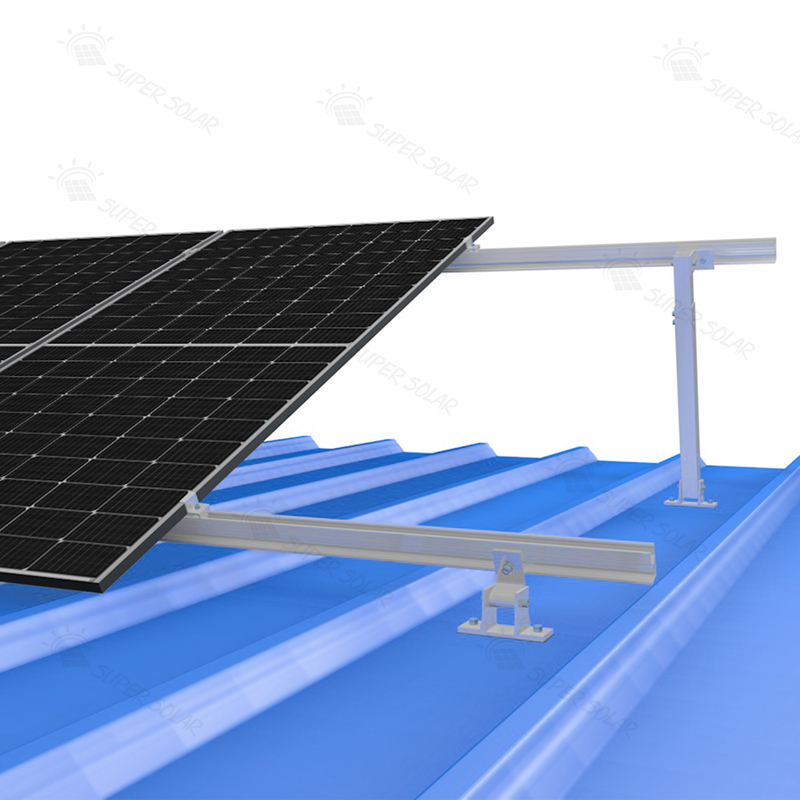
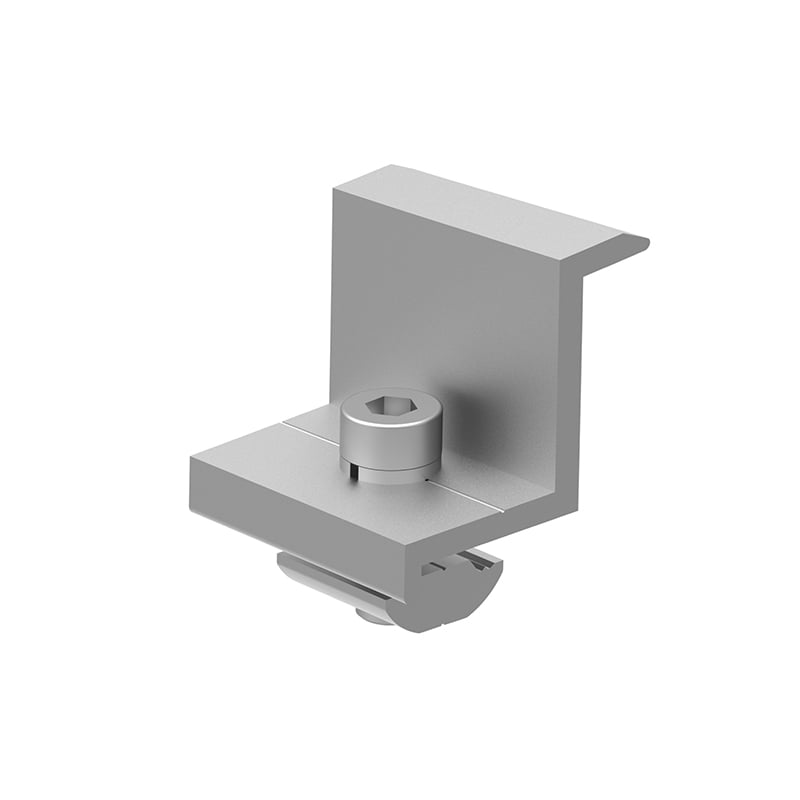
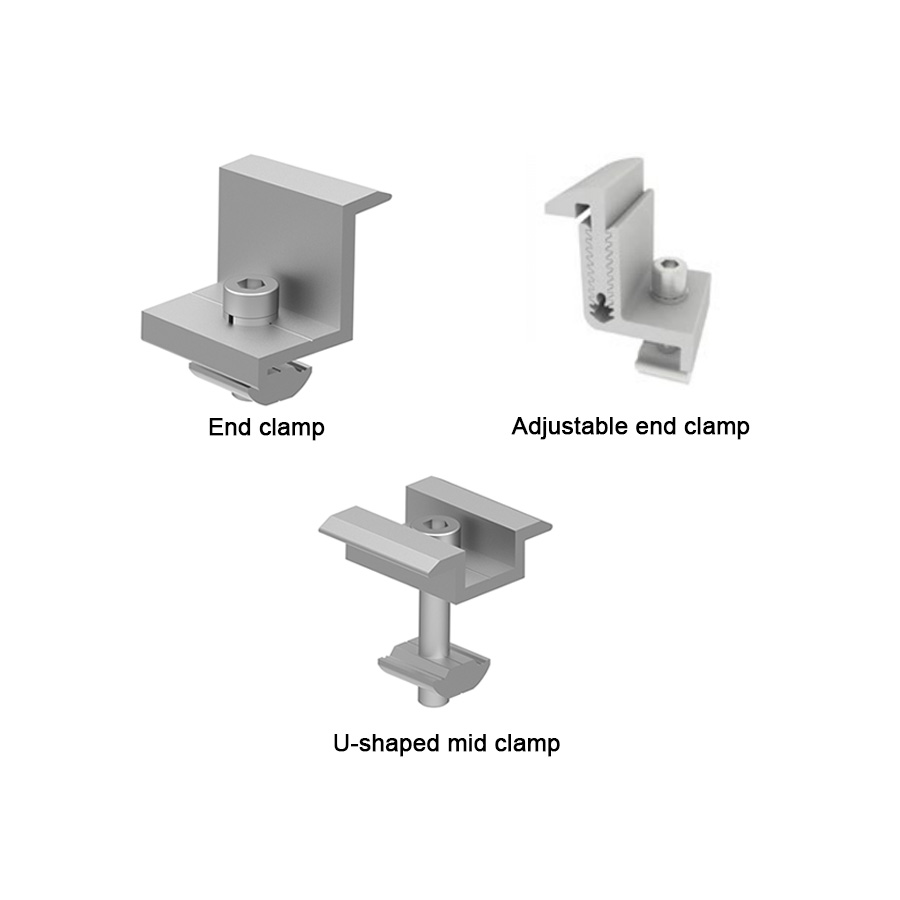

In the realm of modern sustainable architecture, metal roofs have gained significant traction due to their longevity, aesthetic appeal, and structural integrity. As the transition toward renewable energy accelerates, integrating photovoltaic systems onto these surfaces has become a standard practice. The most effective method for this integration involves using a standing seam solar clamp, which provides a secure attachment without compromising the roof's waterproofing layer. Selecting the correct components is the cornerstone of a successful metal roof solar mounting system. For contractors and project managers, the primary technical challenge lies in matching the clamp to the specific seam profile and determining whether the installation requires a non-penetrative or a drilling approach. Understanding the mechanical principles and material compatibility of these fasteners ensures the long-term stability and efficiency of the entire solar array.
The first step in selecting a standing seam solar clamp is a meticulous assessment of the roof’s seam geometry. Metal roofs come in various shapes, including vertical snap-lock, round bulb seams, and trapezoidal ribs. If the clamp does not perfectly align with the seam's contours, the entire metal roof solar mounting system could be compromised under mechanical stress. A mismatch often leads to slippage or structural failure, which can be catastrophic during high-wind events. Therefore, precision in the initial evaluation phase is non-negotiable for ensuring a reliable connection.
Before procurement, it is essential to use calipers to measure the height, top width, and base angle of the standing seam at multiple points. Since different manufacturers use varying roll-forming dies, even seams of the same general type can have subtle dimensional differences. A standing seam solar clamp relies on calibrated compression to generate friction; if the internal cavity is too large, the contact area will be insufficient to provide the necessary pull-out resistance. Conversely, a cavity that is too narrow might scratch the protective coating of the metal panels, leading to premature corrosion. High-quality standing seam solar clamp designs often include slight tolerances to accommodate minor variations in panel thickness or thermal expansion.
The electrochemical interaction between different metals is a critical factor in the durability of a metal roof solar mounting system. Most standing seam solar clamp units are manufactured from high-strength aluminum alloy AL6005-T5, which offers an excellent strength-to-weight ratio and natural corrosion resistance. However, in industrial or coastal environments, the risk of galvanic corrosion increases if stainless steel fasteners are not properly integrated with the aluminum body. When building a metal roof solar mounting system, ensure that all hardware, such as bolts and washers, are made of high-grade 304 or 316 stainless steel or feature specialized coatings like Dacromet. This prevents the degradation of the joint over a twenty-five-year service life, maintaining the structural bond between the panels and the roof.
Beyond physical fit, the technical performance metrics of a standing seam solar clamp determine its suitability for a specific geographic location. A robust metal roof solar mounting system must be engineered to withstand extreme environmental forces, including uplift from wind and downward pressure from snow. Reviewing third-party pull-out test reports is the most reliable way to verify a product's capabilities. These tests provide empirical data on how much upward and lateral force the clamp can sustain before the seam deforms or the clamp loses its grip.
Solar arrays located at the edges and corners of a roof are subjected to the highest negative wind pressures. The standing seam solar clamp must offer enough gripping force to transfer these loads effectively to the building's primary structure. Leading manufacturers provide performance curves that correlate fastening torque with load-bearing capacity. During the engineering phase of a metal roof solar mounting system, localized wind speed data must be used to calculate the required density of attachment points. If a specific standing seam solar clamp model offers higher rated capacity, it may allow for increased spacing between attachments, which reduces both material costs and labor time during installation.
The torque applied to the set screws is the defining variable in the performance of a standing seam solar clamp. Insufficient torque results in low frictional resistance, while excessive torque can cause plastic deformation of the roof seam or even puncture the metal sheet. Professional standing seam solar clamp products specify an optimal torque range (typically between 15-20N·m). In the field, installers should always utilize calibrated torque wrenches to ensure consistency across the entire metal roof solar mounting system. This precision ensures that every connection point is optimized for maximum grip without compromising the structural integrity of the roof panels.
A recurring debate in the design of a metal roof solar mounting system is whether a project should utilize a non-penetrative or a penetrative fastening method. The primary advantage of a standing seam solar clamp is its ability to provide a "zero-penetration" solution, securing the rails by gripping the seam rather than piercing the roof deck. However, certain roof types or extreme load requirements may necessitate a different approach. Choosing the right path depends on the specific priorities of the building owner and the technical constraints of the site.
Non-penetrative installation is the hallmark of the standing seam solar clamp. This method preserves the roof's waterproofing integrity by avoiding holes that could lead to leaks over time. For commercial facilities or warehouses with high-value inventory, maintaining the original roof warranty is often the top priority. Furthermore, a metal roof solar mounting system using these clamps is significantly faster to install, as it eliminates the need for messy sealants or specialized flashing. This "non-invasive" approach also allows for easier system removal or upgrades in the future, ensuring that the building's long-term utility is not diminished by the presence of a solar array.
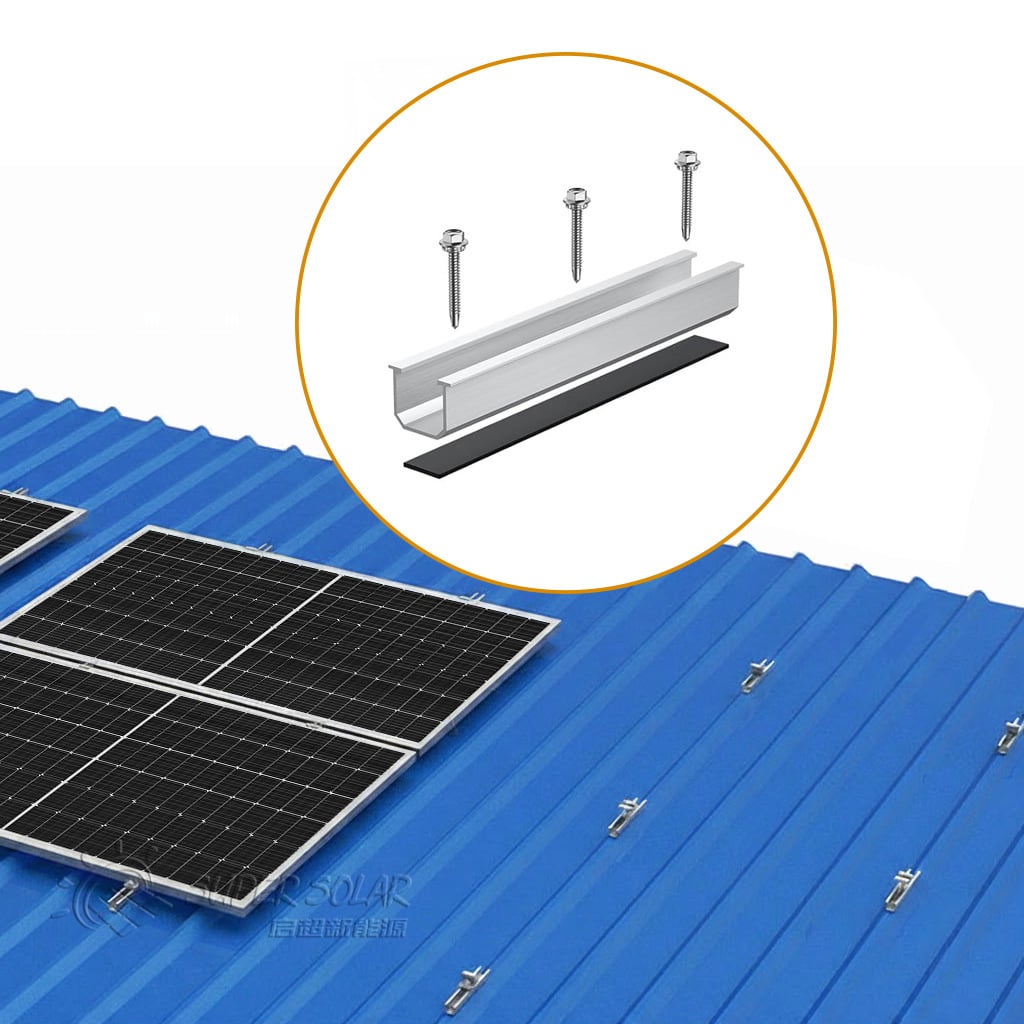
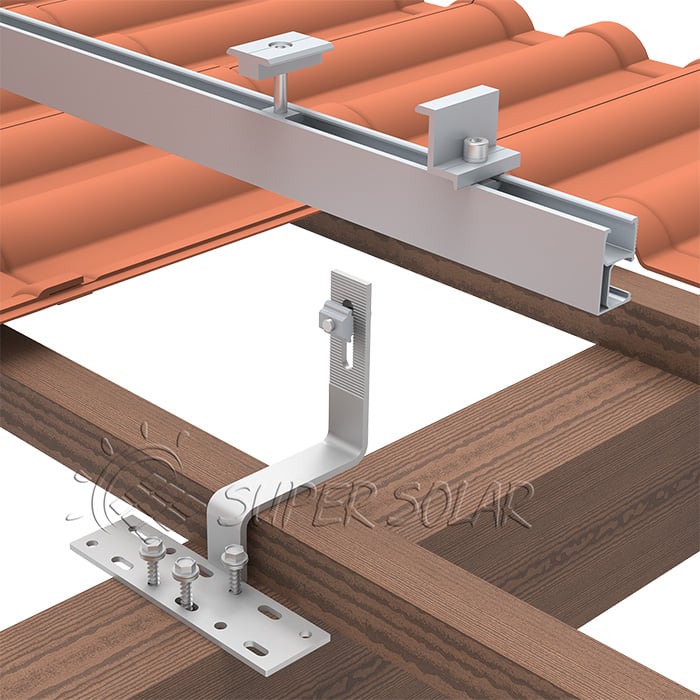
While non-penetrative methods are preferred, some low-slope roofs or specific corrugated profiles do not offer a seam robust enough for a standard standing seam solar clamp to grip effectively. In such cases, the metal roof solar mounting system might require L-feet or brackets that are screwed directly into the purlins through the roof sheet. While this provides a very high mechanical bond, it places a heavy burden on the quality of the waterproofing seals and EPDM washers used. Before opting for a penetrative method, engineers should exhaust all options for a specialized standing seam solar clamp that might fit the unique profile, as the long-term maintenance costs of a pierced roof can be substantial.
Once the appropriate standing seam solar clamp is selected, the focus shifts to how these components are integrated into the broader metal roof solar mounting system. A strategic layout does not just improve the energy harvest; it also streamlines the budget by minimizing redundant hardware. The flexibility and versatility of the clamp play a vital role in this optimization process, allowing for creative solutions in complex roof environments.
In most applications, the standing seam solar clamp serves as the interface between the roof and the support rails. Advanced clamp designs allow for multi-directional mounting, enabling the solar modules to be oriented in either portrait or landscape configurations. During the planning of a metal roof solar mounting system, it is important to consider the "stand-off" height provided by the clamp. Sufficient clearance between the panels and the roof deck promotes airflow, which cools the modules and improves their electrical conversion efficiency. Using a standing seam solar clamp with pre-assembled components can also reduce the time spent on the roof, which is a major factor in controlling labor costs for large-scale projects.
A high-quality standing seam solar clamp must be evaluated not just on its initial grip, but on its fatigue resistance over decades of thermal cycling. Metal roofs expand and contract significantly with temperature changes; if a metal roof solar mounting system is too rigid, it can cause stress fractures in the roof seams. Superior system designs incorporate mechanisms that allow for minor thermal movement without sacrificing security. Periodic inspections of the standing seam solar clamp tension can identify any loosening caused by vibration or thermal stress. By choosing clamps from reputable manufacturers with proven track records, stakeholders can safeguard the long-term financial returns of the solar investment.
The most accurate way to confirm compatibility is to compare the CAD drawings of your roof's profile with the internal dimensions of the standing seam solar clamp. The clamp should fully enclose the bulb or the top of the seam, and the set screws should engage with the strongest part of the metal. If documentation is unavailable, obtaining a physical sample of the standing seam solar clamp for a site test is recommended. If the clamp wobbles or cannot be tightened to the vertical axis during a trial fit, it is not the correct model for your metal roof solar mounting system and should be replaced with a compatible alternative.
Avoiding penetration is the primary goal for most standing seam roofs. The standing seam solar clamp is specifically designed to maintain the roof's water-tight barrier. Drilling should only be considered if the seam height is insufficient to provide a grip or if the roof structure is too weak to support the metal roof solar mounting system via friction alone. For the vast majority of standardized commercial and industrial standing seams, there is a specialized clamp available that can provide more than enough uplift resistance without ever piercing the metal, thus protecting the building's structural warranty.
In a typical metal roof solar mounting system, aluminum clamps (usually AL6005-T5) are the industry standard because they are lightweight, corrosion-resistant, and can be extruded into complex shapes. Aluminum forms a natural oxide layer that protects it from the elements. Stainless steel clamps, while offering higher ultimate strength, are significantly heavier and more expensive to manufacture. They are generally reserved for niche applications in highly acidic or saline environments. For most standing seam solar clamp requirements, an aluminum body paired with stainless steel hardware provides the best balance of longevity, cost-effectiveness, and strength.
In regions prone to hurricanes or high wind speeds, you must demand comprehensive pull-out test data for the standing seam solar clamp. It is not just about the clamp's material strength, but its "footprint" on the seam. Consider using heavy-duty standing seam solar clamp models that feature dual set screws to distribute the pressure over a larger area, preventing the metal from tearing. Additionally, the metal roof solar mounting system design should include a higher frequency of attachments at the roof perimeters and corners. Always use a lock washer or vibration-resistant fastening method to ensure the clamps do not loosen over time due to wind-induced vibrations.
 Hot News
2025-11-03
2025-10-22
2025-01-24
2024-06-12
2024-06-12