 EN
EN

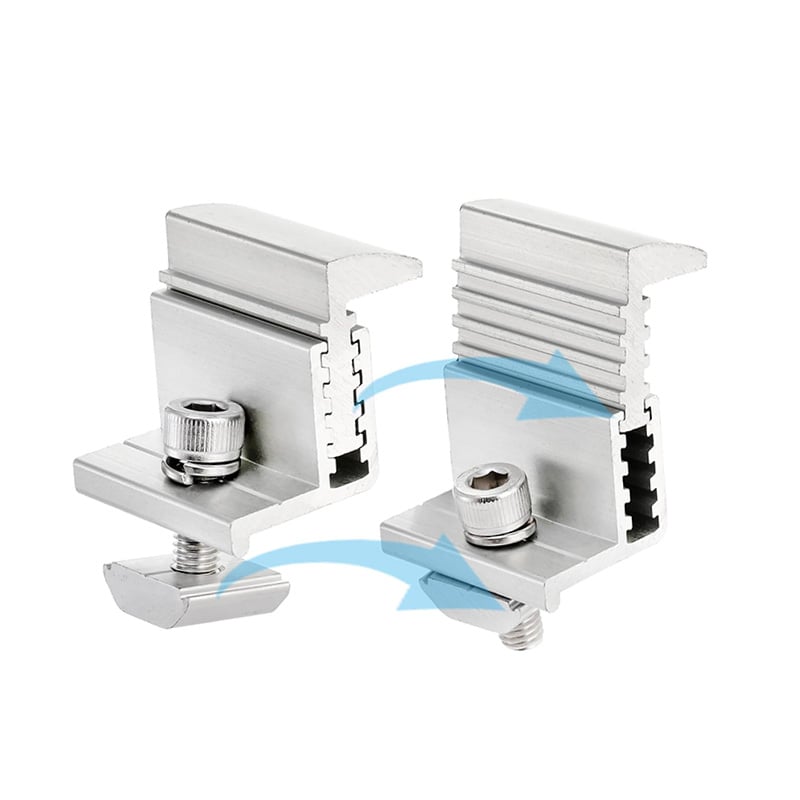
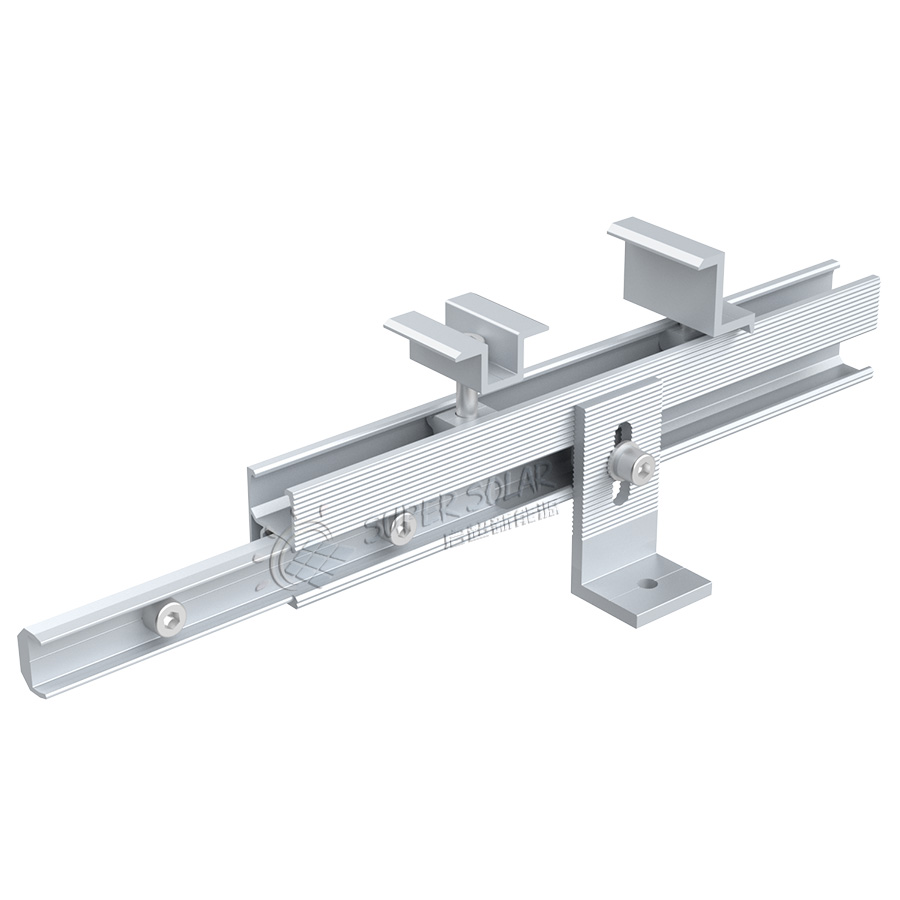

The selection of a metal roof solar mounting system is a multi-faceted engineering challenge that requires a deep understanding of the structural geometry of the existing roof panels. Because metal roofing is not a monolithic category, the mounting hardware must be precisely matched to the specific profile—whether it is standing seam, trapezoidal, or corrugated—to ensure long-term stability and waterproofing. A mismatched system can lead to localized stress concentrations, mechanical failure during high wind events, or the catastrophic loss of roof warranty due to improper penetrations. As the solar industry evolves, the shift toward non-penetrating and minimally invasive attachment methods has become the gold standard for preserving the lifespan of the building envelope while maximizing energy production.
When evaluating a metal roof solar mounting system, the primary objective is to create a secure interface between the photovoltaic modules and the roof’s structural members. This interface must account for the mechanical properties of the metal, the spacing of the purlins or rafters, and the environmental loads specific to the project site. Engineers often prioritize solutions that distribute weight evenly across the roof surface, preventing the deformation of the metal panels under heavy snow or intense uplift. By identifying the unique characteristics of each metal roof profile, installers can select specialized components that streamline the installation process, reduce labor costs, and provide a reliable foundation for the clean energy infrastructure.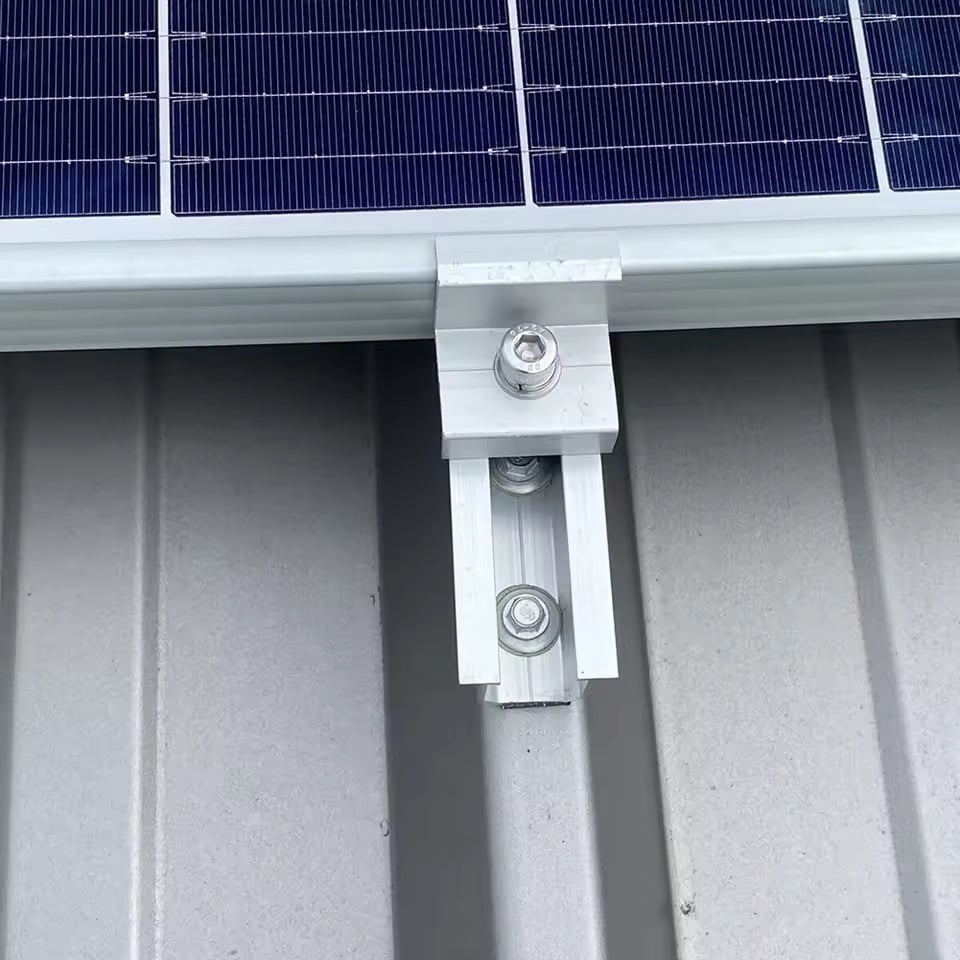
For roofs featuring standing seam profiles, the most effective metal roof solar mounting system is one that utilizes high-strength aluminum clamps. These clamps are designed to grip the vertical or folded ribs of the metal panels without puncturing the material. This non-penetrating approach is highly favored because it leaves the roof’s waterproofing layer entirely intact. The mechanical connection is established through friction and compression, often using stainless steel set screws that engage with the seam geometry. This method is particularly suitable for high-end architectural metal roofs where the building owner wishes to maintain the original factory warranty.
The versatility of standing seam clamps allows them to fit a wide array of seam shapes, from simple snap-lock designs to complex double-fold mechanical seams. By avoiding the use of fasteners that go through the roof, the installer eliminates the need for messy sealants or flashing kits. This results in a cleaner job site and a significantly faster installation timeline. Furthermore, because these clamps can be placed anywhere along the continuous length of the seam, the layout of the solar array can be optimized for maximum sun exposure without being restricted by the underlying structural spacing of the building's rafters.
Metal roofs are dynamic structures that expand and contract significantly with temperature fluctuations throughout the day. A standing seam based metal roof solar mounting system excels in this environment because the clamps "ride" on the seams, allowing the roof panels to move freely underneath the solar array. This prevents the "sawing" effect or fastener fatigue that can occur when a rigid mounting system resists the natural thermal movement of the metal. Ensuring that the mounting hardware does not impede this movement is critical for preventing long-term damage to the roof’s seams and maintaining the structural integrity of the entire assembly.
From a reliability standpoint, standing seam clamps undergo rigorous pull-out and uplift testing to ensure they can withstand extreme weather. The load is transferred directly into the seam, which is inherently one of the strongest parts of the roof panel. For large-scale industrial projects, this system provides a highly scalable solution that balances material efficiency with robust performance. By choosing a high-quality clamp designed for the specific seam profile, project managers can ensure that the solar modules remain securely anchored for the full 25-year lifespan of the PV system, regardless of the environmental challenges it may face.
Trapezoidal metal roof profiles present a different set of challenges compared to standing seam systems. These roofs feature flat "valleys" and raised "peaks" in a repeating geometric pattern. A trapezoidal metal roof solar mounting system typically involves attaching brackets directly to the raised ribs of the panels. Because these ribs are the highest point on the roof surface, water naturally sheds away from them, making them the safest location for fasteners. To ensure a watertight seal, high-quality trapezoidal mounts utilize EPDM rubber gaskets and specialized self-drilling screws with integrated sealing washers.
The structural advantage of the trapezoidal metal roof solar mounting system is its ability to tie directly into the underlying purlins if necessary. However, many modern solutions allow for "skin-only" attachment, where the brackets are secured only to the metal sheet itself. This is made possible by using high-strength rivets or thin-sheet screws that provide excellent pull-out resistance. This method is exceptionally fast and reduces the need for installers to spend time locating and drilling into the heavy steel sub-structure. By focusing on the peaks of the profile, the system minimizes the risk of leaks and ensures that the fasteners are not located in areas where water tends to pool or flow heavily.
Managing the weight of the solar array on a trapezoidal roof requires careful consideration of the rib's load-bearing capacity. The mounting brackets are often designed to span the top of the rib, distributing the downward pressure across a larger surface area to prevent crushing or deformation. In regions with high snow loads, the density of these brackets can be increased to ensure the load is shared effectively. The trapezoidal metal roof solar mounting system must also resist lateral forces caused by wind, which is achieved through the mechanical interlocking of the bracket with the rib's unique angles and dimensions.
Efficiency is a major driver for choosing trapezoidal mounting solutions. Many manufacturers provide pre-assembled components that include the gasket and fasteners, allowing for a "one-click" installation process. This reduces the number of parts that need to be managed on the roof and minimizes the potential for human error. For commercial warehouses and distribution centers with vast trapezoidal roof surfaces, these streamlined systems offer the best balance of low material cost and high-speed deployment. The resulting solar array is structurally sound, aesthetically clean, and fully optimized for the specific geometry of the ribbed metal surface.
Corrugated metal roofs, characterized by their consistent wavy or sinusoidal pattern, require a metal roof solar mounting system that can adapt to curved surfaces. Unlike trapezoidal ribs, corrugated waves do not have flat tops, which necessitates brackets with a matching radius or universal feet that can pivot to fit the curve. These brackets are typically installed on the "crown" of the wave to prevent water ingress. High-grade corrugated mounting kits include thick EPDM pads that compress against the curve of the metal, creating a gasketed seal that prevents moisture from reaching the fastener hole.
The installation process for a corrugated metal roof solar mounting system often involves long rails that provide structural rigidity across the waves. These rails are secured to the brackets, creating a flat plane for the solar modules to sit on. This is particularly important for older corrugated roofs that may have slight sagging or irregularities. By using a railed system, installers can "level out" the solar array, ensuring a professional appearance and preventing stress on the glass of the PV panels. The flexibility of the bracket design ensures that the system can be used on various corrugated pitches and heights, making it a highly versatile tool for residential and agricultural solar projects.
Corrugated roofs are frequently found in rural or coastal areas where environmental durability is a top priority. A robust corrugated metal roof solar mounting system must utilize materials that resist galvanic corrosion, which occurs when dissimilar metals—like aluminum and steel—come into contact in the presence of moisture. Using stainless steel fasteners and anodized aluminum brackets, combined with rubber isolation layers, ensures that the mounting system does not accelerate the rusting of the roof panels. This attention to material science is what separates a professional-grade mounting solution from a generic one.
Furthermore, the mechanical stability of corrugated mounts is tested against cyclic loading, which simulates the repetitive pushing and pulling of the wind over many years. Because corrugated metal is often thinner than architectural standing seam panels, the mounting system must be designed to distribute these forces without tearing the metal sheet. Proper fastener selection, such as using specialized bulbs-tite rivets or high-thread-count screws, provides the necessary grip to keep the array secure. When installed correctly, a corrugated metal roof solar mounting system provides a rock-solid foundation that enhances the building's value and energy independence without compromising the integrity of the thin-gauge metal.
No, standing seam clamps are specifically engineered to grip the vertical or folded ribs of a standing seam roof and generally will not work on trapezoidal profiles. Trapezoidal roofs lack the vertical "lip" that a clamp needs to latch onto. For trapezoidal roofs, you should use a metal roof solar mounting system that features brackets designed to be fastened directly to the top of the ribs. Using the wrong type of attachment can lead to a loose installation that is unsafe and likely to fail under environmental stress.
To prevent leaks, you must use high-quality components designed for waterproofing. For standing seam roofs, the system is naturally leak-proof because it is non-penetrating. For trapezoidal and corrugated roofs that require fasteners, ensure the brackets come with factory-installed EPDM gaskets and use screws with sealing washers. Always install the fasteners on the "peaks" or "crowns" of the roof profile rather than the valleys, as water flows away from these high points. Following the manufacturer's torque specifications is also critical to ensure the gaskets are compressed enough to seal without being crushed.
In many cases, a modern metal roof solar mounting system is designed for "skin-only" attachment, meaning it only secures to the metal panels themselves. This is common for standing seam and many trapezoidal systems where the metal gauge is thick enough to provide the necessary pull-out strength. However, for thinner corrugated roofs or in areas with extremely high wind or snow loads, your engineer may require the system to be anchored directly into the rafters or purlins. Always consult the mounting system's load charts and your local building codes to determine the required attachment method.
If you use a high-quality metal roof solar mounting system made from compatible materials like aluminum and stainless steel, the risk of rust is extremely low. Professional systems include EPDM or rubber barriers to prevent direct contact between the aluminum mounting components and the steel roof, avoiding galvanic corrosion. Additionally, by using non-penetrating clamps on standing seam roofs or properly sealed fasteners on other profiles, you prevent water from reaching the raw edges of the metal where rust usually starts. Keeping the roof surface clean of metal shavings during installation is also a key step in preventing surface rust.
 Hot News
2025-11-03
2025-10-22
2025-01-24
2024-06-12
2024-06-12