 EN
EN

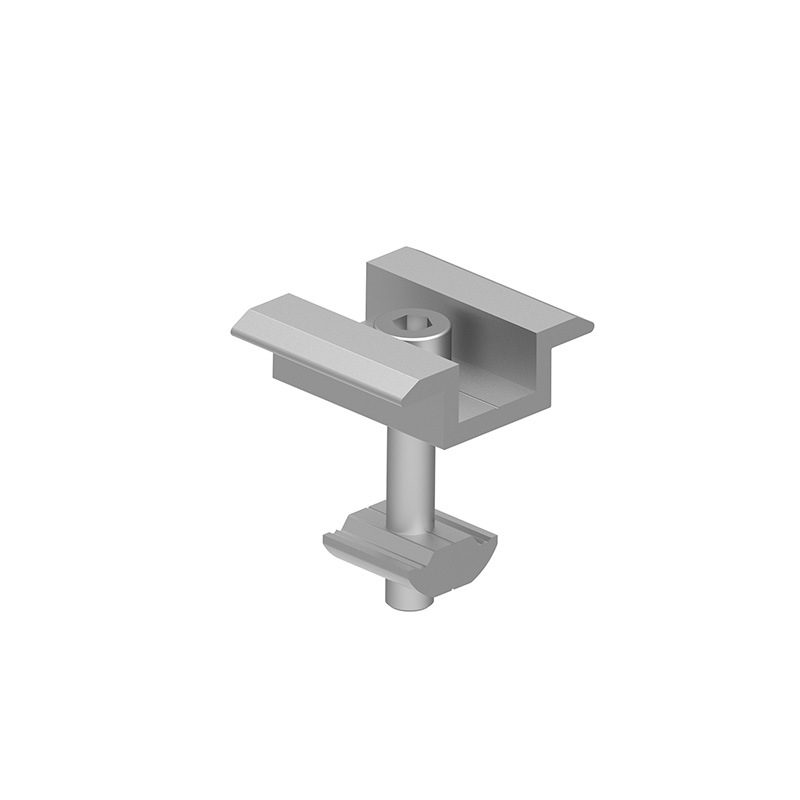
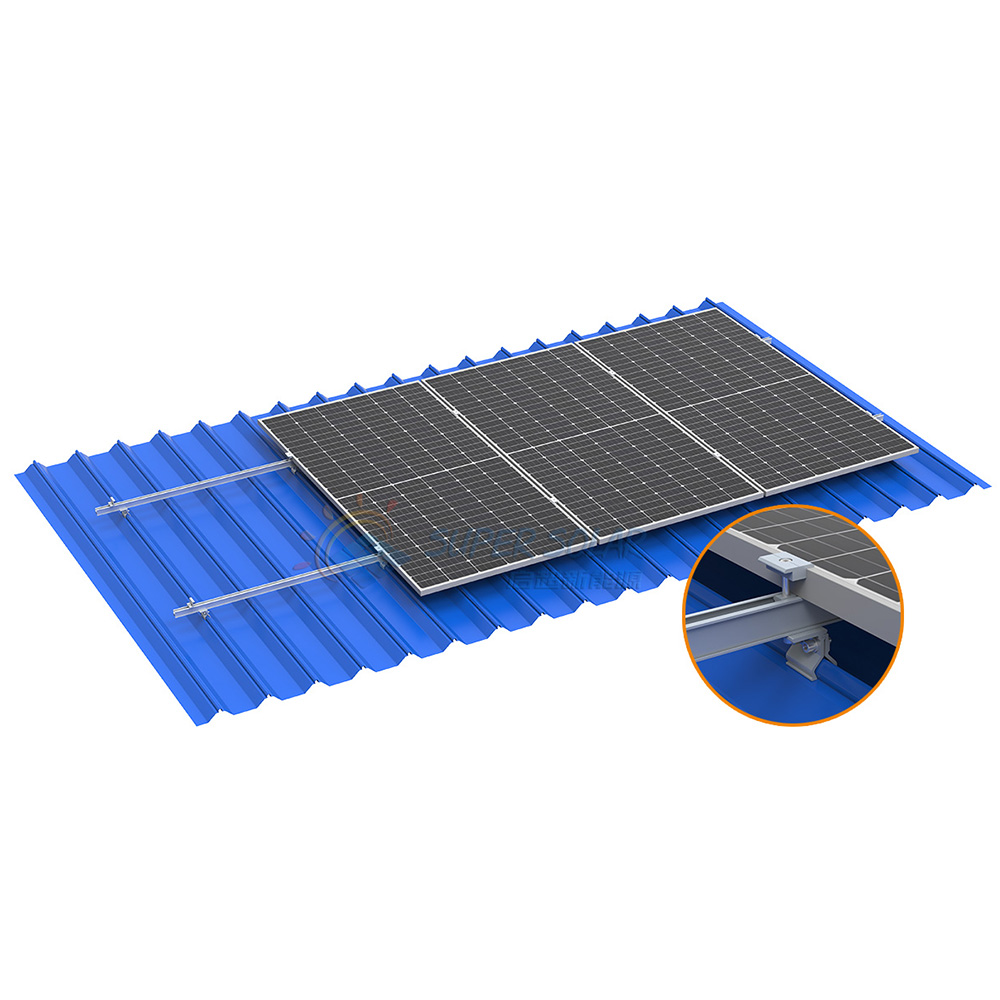

Selecting the right mounting architecture is the most critical decision in the design phase of any rooftop photovoltaic project. For metal roofs, the debate typically centers on a standing seam clamp vs rail approach, as both offer distinct mechanical advantages depending on the specific site requirements. A standing seam clamp is a specialized fastener that grips the vertical ribs of a metal roof, often allowing for a rail-less installation or serving as the base for a railed one. Understanding the nuances between these two systems requires a deep dive into structural load distribution, material costs, and the specific geometry of the building's envelope. For many large-scale commercial installers, the choice is driven by the desire to minimize roof penetrations while maximizing the speed of deployment on the job site.
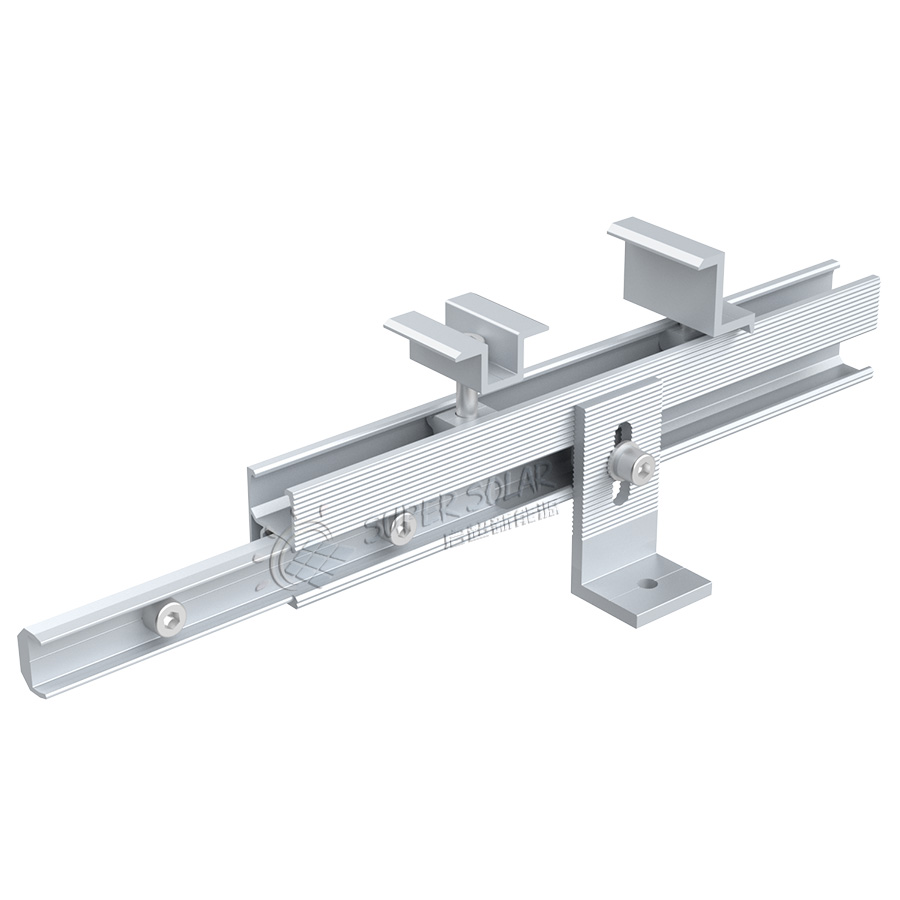
The fundamental difference lies in how the solar modules are supported and how the weight is transferred to the building. In a traditional rail-based setup, long aluminum channels bridge the gaps between attachment points, creating a rigid skeleton for the panels. Conversely, a solar rail vs clamp system comparison often highlights the streamlined nature of using clamps alone to secure modules directly to the seams. This choice impacts everything from the wind uplift resistance to the thermal management of the solar cells. By analyzing the engineering constraints of each method, stakeholders can determine which solution provides the best balance of safety, durability, and financial return over the 25-year lifespan of a typical solar energy system.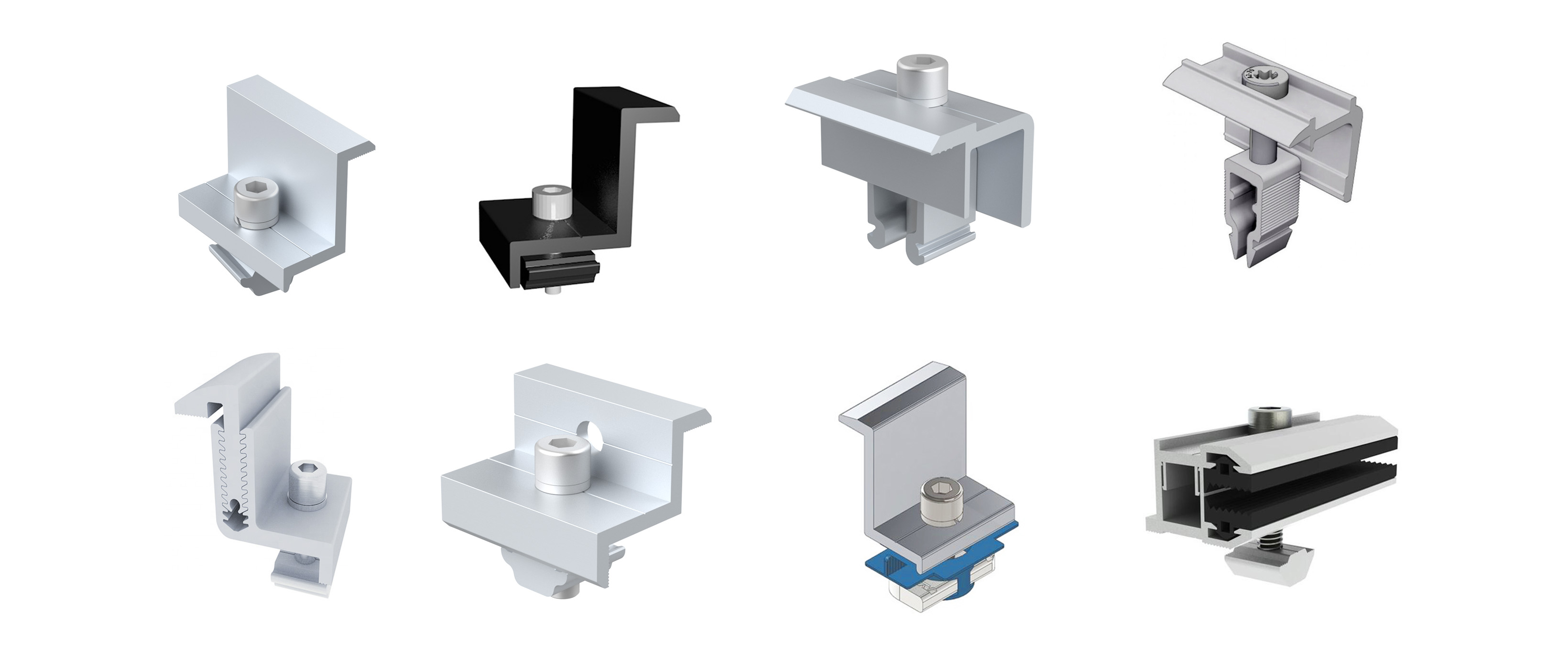
When evaluating standing seam clamp vs rail systems from a logistics perspective, the clamp-only or rail-less method often emerges as the clear winner in terms of simplicity. Because rails can be several meters long, they require specialized freight handling, significant storage space on the construction site, and multiple workers to move them onto the roof. In contrast, a standing seam clamp is a compact unit that can be shipped in standard boxes and easily carried by a single installer in a tool belt. This reduction in the physical volume of materials not only lowers shipping costs but also simplifies the inventory management process for the Engineering, Procurement, and Construction (EPC) firm.
On the roof, the absence of long rails means that the installation crew does not have to spend time cutting, splicing, or grounding long runs of aluminum. The solar rail vs clamp system workflow is transformed into a repetitive, standardized process of placing a clamp and securing a module. This is particularly advantageous on large, flat industrial metal roofs where hundreds of modules need to be laid down in a short window of time. By eliminating the rail-cutting phase, installers reduce the risk of metal shavings being left on the roof, which can lead to unsightly rust spots and potential damage to the roof's protective coating over time.
The labor hours required for a mounting installation are a significant portion of the total project budget. A standing seam clamp vs rail comparison reveals that while rails provide a very forgiving installation surface—allowing for easy alignment of panels—they require more upfront time to install. Each rail must be leveled and squared to ensure the final array looks professional and functions correctly. This can be a meticulous process, especially if the roof surface has minor irregularities. However, once the rails are in place, the panel mounting itself is very fast.
In a solar rail vs clamp system that utilizes a rail-less design, the clamps must be positioned with extreme precision from the very beginning. Because there is no rail to bridge the gap, each clamp must be perfectly aligned with the neighboring ones to ensure the module edges meet correctly. While this requires a higher level of skill during the layout phase, the overall time spent on the roof is usually much lower because the "rail installation" step is skipped entirely. For experienced teams who have mastered the layout process, the efficiency gains of using only a standing seam clamp can lead to completing projects days or even weeks faster than traditional railed methods.
The primary concern for any building owner installing solar is the potential for leaks. When comparing standing seam clamp vs rail systems on a metal roof, both typically leverage the non-penetrating nature of the standing seam. A high-quality standing seam clamp is designed to lock onto the roof's rib using friction and mechanical compression, which means zero holes are drilled into the building. This is a massive improvement over traditional asphalt or trapezoidal metal roof mounts that require thousands of penetrations, each of which is a potential failure point for the building's waterproofing layer.
Maintaining this integrity is crucial for preserving the manufacturer's warranty on the metal roof. In the solar rail vs clamp system debate, the clamp-only approach is often seen as the "cleanest" solution because it minimizes the total weight and the number of components in contact with the roof surface. By distributing the load of the solar array across the existing structural ribs of the roof panels, these systems avoid the stress concentrations that can lead to metal fatigue. For facilities with sensitive equipment or inventory inside, the peace of mind provided by a non-penetrating standing seam clamp is often the deciding factor in project approval.
Structural engineers must carefully calculate how the solar array will handle wind uplift and snow loads. In a standing seam clamp vs rail configuration, the rails act as a structural member that can help distribute loads across multiple seams. If one seam is slightly weaker, the rail bridges the gap and transfers the force to the neighboring ribs. This provides a high factor of safety in regions prone to extreme weather or high wind speeds. The rigidity of the rail also prevents the solar modules from flexing too much, which can protect the silicon cells from developing micro-cracks over years of environmental stress.
Conversely, a solar rail vs clamp system that goes rail-less must rely entirely on the strength of the individual seams at the point of attachment. This means the standing seam clamp must be engineered with a high "pull-out" strength rating. Modern clamps are more than capable of meeting these requirements, but the layout must be carefully planned to ensure the load is distributed evenly across the roof. In many cases, specialized clamps with larger contact areas are used to ensure that the downward pressure from heavy snow does not crush the delicate profile of the standing seam. When properly engineered, both systems offer excellent structural stability, but the choice often depends on the specific wind zone and local building code requirements.
The financial argument in the standing seam clamp vs rail discussion usually favors the rail-less or clamp-centric approach for large-scale projects. Aluminum is a globally traded commodity, and the sheer volume of metal required for miles of solar rails can add up to a significant portion of the material costs. By opting for a solar rail vs clamp system that eliminates the rails, an EPC can often save 15% to 20% on the mounting hardware alone. These savings are amplified by the reduced shipping and handling costs mentioned previously, making the "clamp-only" solution highly attractive for competitive bidding on commercial tenders.
However, it is important to consider the "total installed cost." While the material for a standing seam clamp system is cheaper, the specialized clips and integrated grounding components required for a rail-less setup might have a higher unit price than standard rail clamps. Additionally, if the roof requires extensive leveling that only a rail system can provide, the cost of labor to fix a rail-less installation could offset the material savings. Investors looking at the long-term ROI must weigh these upfront savings against the specific technical needs of the building to ensure that the most cost-effective standing seam clamp vs rail decision is made for the specific project context.
Maintenance is a key component of the total cost of ownership for a PV system. In a standing seam clamp vs rail comparison, the simplicity of the clamp-only design often leads to lower long-term maintenance needs. There are fewer bolts to check and no long stretches of aluminum that might expand and contract at different rates than the roof itself. Thermal expansion is a major factor in metal roofing; a rail-based system must include expansion joints to prevent the rails from bucking or pulling the clamps off the seams as temperatures fluctuate. A well-designed solar rail vs clamp system accounts for this by allowing the modules to "float" or by using shorter rail segments.
Furthermore, a rail-less system utilizing a standing seam clamp often provides better access to the roof surface for cleaning and inspections. There are fewer obstructions for debris or bird nests to accumulate under the panels. In the event that a single panel needs to be replaced, some rail-less systems allow for easier removal of individual modules without disturbing the rest of the row. This operational flexibility adds value over the decades of the system's life. Ultimately, while both systems are low-maintenance, the streamlined nature of the standing seam clamp often results in a more resilient and easier-to-manage asset for the building owner.
One subtle but important difference in the standing seam clamp vs rail debate is how each system affects the temperature of the solar modules. Solar panels are semi-conductors that become less efficient as they get hotter. Therefore, maintaining a gap for airflow under the panels is essential for maximizing energy production. A rail-based system naturally provides a larger "plenum" or air space between the roof and the panels, as the height of the rail adds to the height of the clamp. This can lead to better passive cooling and a slightly higher energy yield in hot climates.
In a solar rail vs clamp system that uses a low-profile rail-less design, the modules sit much closer to the metal roof surface. While this is often preferred for aesthetic reasons—as it creates a sleek, integrated look—it can restrict airflow if not properly designed. Manufacturers like SuperSolar address this by offering a standing seam clamp with an integrated height extension. This allows installers to achieve the sleek look of a rail-less system while maintaining enough clearance for cooling. When deciding between a standing seam clamp vs rail setup, the local climate and the expected "temperature coefficient" of the chosen solar modules should be taken into account to ensure the system meets its production targets.
For many commercial buildings and high-end residential projects, the visual impact of the solar array is a high priority. In the standing seam clamp vs rail comparison, the rail-less approach is almost always considered more aesthetically pleasing. By eliminating the visible silver or black aluminum rails that can stick out from the ends of the array, the panels appear to "hover" just above the roofline. This low-profile look is often a requirement for buildings in historic districts or for companies that want their sustainability efforts to look as modern and integrated as possible.
The choice of a solar rail vs clamp system can also affect the "symmetry" of the installation. Rails allow for modules to be placed in a very straight, uniform grid regardless of slight variations in the roof seams. While a standing seam clamp system must follow the lines of the existing roof, modern adjustable clamps allow for enough "play" to ensure a clean finish. For architects and developers, the ability to use a standing seam clamp to create a beautiful, functional, and non-destructive solar addition is a major selling point that can increase the overall value of the property.
Yes, when properly engineered, a standing seam clamp system can meet or exceed the wind load requirements of a rail-based system. The key is the frequency and quality of the attachment points. While rails help distribute the load, a rail-less system simply uses more clamps to ensure each module is securely anchored directly to the roof's structural ribs. Manufacturers perform extensive "pull-test" evaluations to ensure that the friction grip of the clamp on the seam is sufficient to withstand hurricane-force winds.
It is generally not recommended to switch mounting architectures mid-project without consulting your structural engineer. The layout for a standing seam clamp vs rail system is different; rail-less systems require the clamps to be positioned exactly where the module corners or edges meet, whereas railed systems allow the clamps to be placed anywhere along the rail's path. Switching would require a complete recalculation of the bill of materials and a new layout plan to ensure the structural integrity and grounding of the system are maintained.
Traditionally, rails served as the primary grounding path for the solar array, but modern standing seam clamp designs have largely closed this gap. Many high-quality clamps now include integrated grounding pins or washers that pierce the anodized coating of the solar module frame, creating a continuous electrical path through the clamp and into the roof's grounding system. Whether you choose a solar rail vs clamp system, as long as you use UL-certified components designed for integrated grounding, the electrical safety of the system will be equivalent.
Metal roofs expand and contract significantly with temperature changes. A standing seam clamp is ideal for this environment because it "rides" on the seam, moving with the roof panel. In a rail-based system, if the rails are too long and do not have expansion joints, they can fight against the roof's natural movement, potentially causing the clamps to loosen or the roof seams to fatigue. Therefore, a rail-less system or a system with short, independent rail segments is often technically superior for very long metal roof spans where thermal movement is most pronounced.
 Hot News
2025-11-03
2025-10-22
2025-01-24
2024-06-12
2024-06-12