 EN
EN

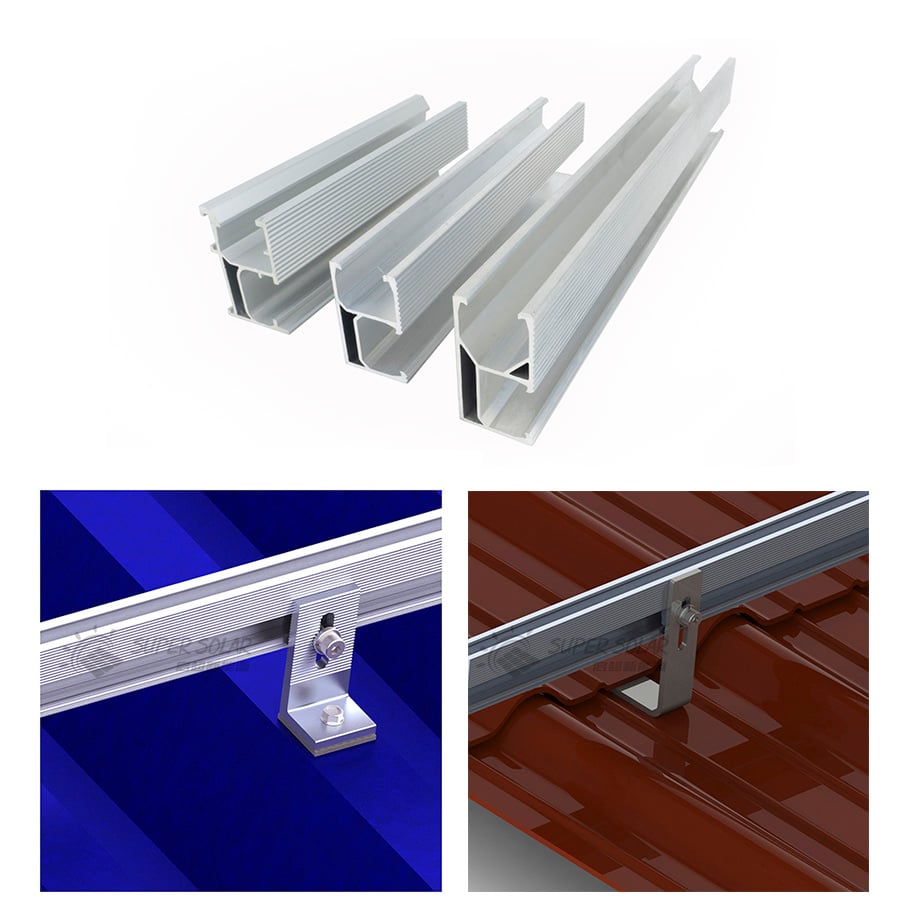
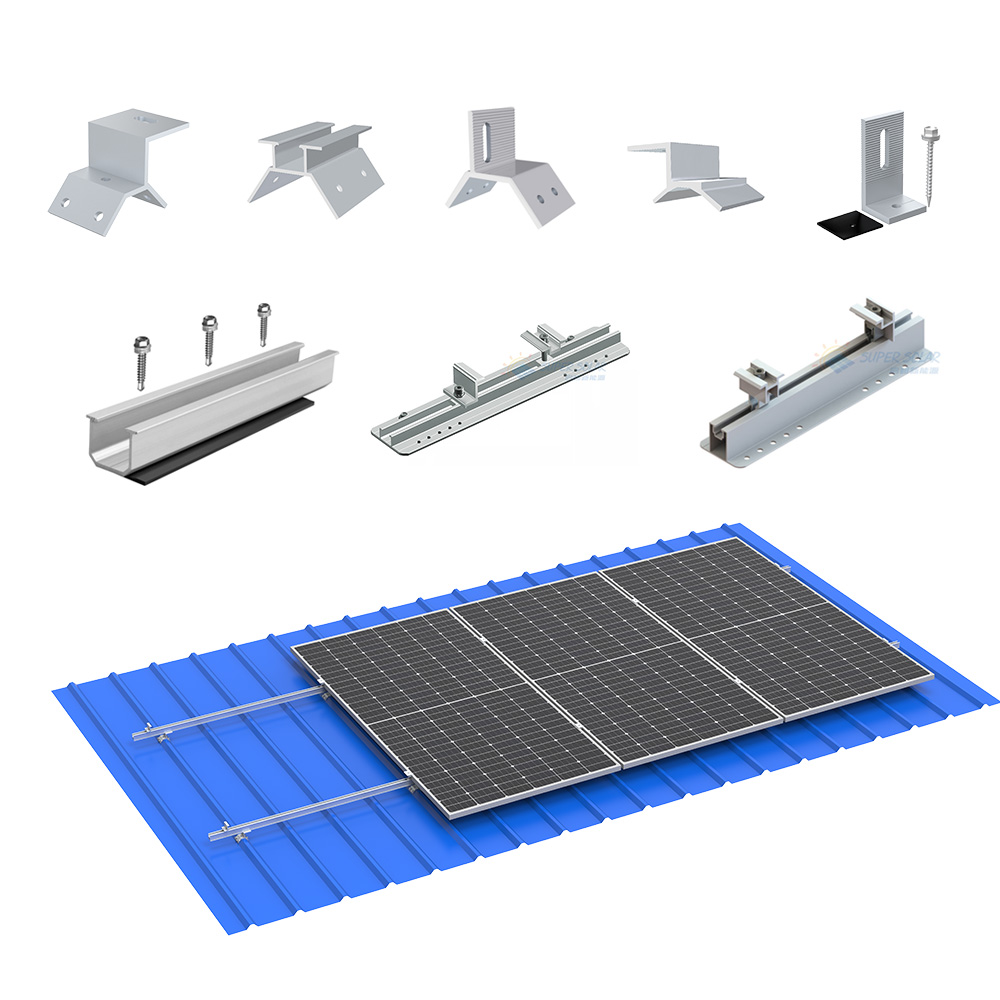

Standing seam solar clamps represent a critical innovation in the renewable energy sector, specifically designed to address the challenges of mounting photovoltaic systems on metal roofs without compromising the structural integrity of the building. The core function of these components is to provide a secure, long-term attachment point for solar rails or modules by gripping the raised seams of the roof panels. This mechanical connection relies on compression rather than penetration, which is a fundamental shift from traditional roofing attachments that require drilling holes. By utilizing high-strength aluminum alloys and precision-engineered stainless steel hardware, these clamps ensure that the solar array remains fixed even under significant environmental stress.
The engineering behind a standing seam solar clamp focuses on the distribution of force. When the set screws are tightened against the seam, they create a friction-based lock. It is important to note that the clamp does not "pinch" the metal to the point of deformation in a high-quality installation; instead, it utilizes the geometry of the seam to create a stable mounting base. This method is particularly effective because it preserves the thermal expansion and contraction capabilities of the standing seam roof. Since the roof panels are designed to move slightly with temperature changes, a non-penetrating mounting system that "rides" on the seams prevents the stress concentrations that usually lead to leaks or fatigue in traditional roofing setups.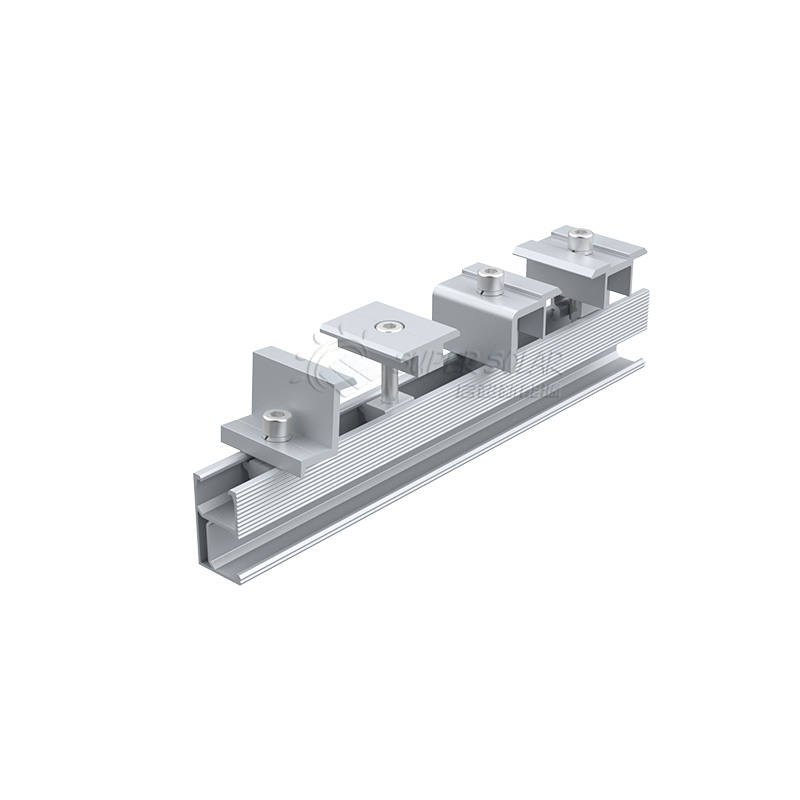
The way a standing seam solar clamp handles mechanical loads is a testament to modern industrial design. When wind uplift forces act upon a solar array, the tension is transferred through the mounting rails directly into the clamps. Because these clamps are locked onto the vertical or folded ribs of the metal roof, the load is spread across the entire length of the seam rather than being concentrated at a single puncture point. This distribution is vital for maintaining the wind load ratings required by local building codes. Engineers calculate the pull-out strength based on the specific profile of the roof seam, ensuring that the friction coefficient between the clamp material and the roof coating is sufficient to prevent sliding or detachment during extreme weather events.
In terms of downward pressure, such as heavy snow loads, the clamp acts as a bridge that transfers the weight of the PV modules to the roof's structural sub-frames. The standing seam solar clamp is designed with a wide base or specific contact points that prevent the concentrated weight from crushing the seam profile. Most professional-grade clamps undergo rigorous testing, including salt spray tests for corrosion resistance and ultimate tensile strength tests. This ensures that the non penetrating solar mounting system remains durable for the 25-year lifespan typical of solar power installations. The choice of materials, usually 6005-T5 aluminum, provides an excellent strength-to-weight ratio, which minimizes the dead load added to the roof structure while maximizing the gripping force available.
A common concern during the installation of a seam clamp solar system is whether the pressure required for a secure fit will damage the protective coatings of the metal roof. High-quality standing seam solar clamp designs incorporate rounded-tip set screws or specialized inserts that engage with the metal without piercing the paint or the galvanization layer. This is crucial for preventing galvanic corrosion and maintaining the manufacturer's warranty on the roofing material. When the hardware is torqued to the manufacturer’s specifications, the pressure is sufficient to create a "cold weld" effect or a high-friction mechanical bond that resists lateral movement without compromising the substrate.
Furthermore, the geometry of the clamp is often tailored to specific seam types, such as snap-lock or mechanical fold seams. This precision fit ensures that the force is applied to the strongest part of the seam. By avoiding the use of sharp edges and ensuring even pressure distribution, the standing seam solar clamp protects the roof’s aesthetic and functional longevity. For commercial projects where roof warranties are a significant financial consideration, the use of a verified non penetrating solar mounting method is often the only approved way to install solar. This level of surface protection allows building owners to embrace green energy without the looming fear of water ingress or structural degradation over time.
The most significant benefit of using a standing seam solar clamp is the total elimination of roof penetrations. In traditional solar installations, every mounting bracket requires multiple screws that pass through the roofing material and into the wooden or steel rafters below. Each of these holes is a potential leak point that relies on chemical sealants or flashing to remain watertight. Over decades of exposure to UV radiation and thermal cycling, these sealants can degrade, leading to moisture intrusion that damages the building's interior and insulation. By switching to a seam clamp solar approach, the roof remains a continuous, unbroken shield against the elements.
This non penetrating solar mounting strategy is particularly valuable for "cool roofs" or high-end architectural metal roofs where the primary value lies in the roof's durability. Because the standing seam solar clamp attaches only to the exterior rib, the building envelope remains 100% intact. There is no need for messy caulking or complex flashing kits that add labor time and material costs. From a maintenance perspective, this means there are no seals to check or re-apply every few years. The simplicity of a mechanical clamp on a standing seam not only speeds up the installation process but also provides peace of mind to the facility manager, knowing that the solar upgrade has not shortened the life of the existing roofing system.
When evaluating the long-term performance of a standing seam solar clamp, one must consider its resistance to environmental fatigue. Unlike penetrate-and-seal methods, which can fail as the building settles or as materials expand at different rates, a clamp-based system is naturally more flexible. The clamp moves with the seam. This prevents the "sawing" action that can occur when a fixed bolt prevents a metal roof panel from expanding during a hot afternoon. Because the seam clamp solar hardware is typically made of stainless steel, it resists rust and maintains its torque settings even in coastal environments or areas with high industrial pollution.
Maintenance for these systems is remarkably low. While it is always recommended to perform an annual inspection of any solar array, the standing seam solar clamp rarely requires adjustment once properly torqued. The lack of rubber gaskets or silicone bits means there is nothing to dry out or crack under the sun's intense heat. For installers, this translates to fewer "truck rolls" for repairs and a higher level of customer satisfaction. The stability of a non penetrating solar mounting solution ensures that the alignment of the solar rails remains consistent over time, preventing stress on the glass panels of the PV modules themselves.
The global market for metal roofing features a wide variety of seam profiles, ranging from thin vertical ribs to wide decorative bulbs. To address this diversity, the standing seam solar clamp is often available in multiple configurations. Some designs are universal, utilizing a sliding mechanism or adjustable jaws to fit various widths, while others are precision-machined for a specific brand of roofing. This adaptability is what makes the seam clamp solar solution so versatile for both residential and large-scale industrial projects. Whether the roof is a "T" seam, a "bulb" seam, or a traditional double-lock standing seam, there is a clamp engineered to provide the perfect fit.
When a standard standing seam solar clamp does not perfectly match a unique or legacy roof profile, manufacturers like SuperSolar provide customization services. This ensures that even for non-standard architectural designs, a non penetrating solar mounting solution is still viable. Customization might involve changing the height of the clamp to provide more clearance for airflow under the panels, which helps keep the modules cool and improves their efficiency. Having access to a variety of clamp sizes and shapes allows engineers to optimize the layout of the PV system without being restricted by the structural layout of the roof's sub-structure, as the clamps can be placed anywhere along the continuous seam.
The standing seam solar clamp serves as the foundational interface for two primary types of mounting architectures: railed and rail-less. In a railed system, the clamps are installed along the seams, and long aluminum rails are bolted to the top of the clamps. The solar panels are then attached to the rails. This method is excellent for ensuring a perfectly flat plane for the solar array, even if the roof has minor undulations. The non penetrating solar mounting clamps provide the necessary height and stability to support the heavy rail spans, making it a robust choice for areas with high snow loads.
Alternatively, many modern installers are moving toward rail-less configurations to save on material costs and shipping weight. In this setup, the standing seam solar clamp itself acts as the primary support for the module's edge or corner. Specialized components are added to the seam clamp solar base to hold the panels directly. This significantly reduces the parts count and the total weight on the roof. Regardless of the chosen architecture, the reliability of the clamp remains the most critical factor. The ability of a single clamp design to support multiple mounting styles highlights the efficiency of the standing seam solar clamp as a universal component in the solar professional's toolkit.
One of the most overlooked benefits of the standing seam solar clamp is the drastic reduction in installation time. Traditional mounting involves measuring, marking, pre-drilling, cleaning holes, applying sealant, and then driving lag bolts. This process is labor-intensive and leaves significant room for human error. In contrast, a seam clamp solar installation involves simply sliding the clamp into place on the seam and tightening the set screws with a calibrated power tool. This streamlined workflow can reduce the labor hours required for the mounting phase of a project by up to 50%, allowing crews to complete more installations in a shorter timeframe.
Furthermore, because no drilling is involved, there is no metal "swarf" or debris created during the process. Metal shavings left on a roof can quickly rust and stain the surface, leading to aesthetic issues and potential corrosion. Using a standing seam solar clamp keeps the job site clean and professional. The ease of use also makes it safer for installers, as they spend less time in awkward positions trying to find rafters or managing heavy drilling equipment. The non penetrating solar mounting method is essentially a "plug and play" solution for metal roofs, making it the preferred choice for EPC (Engineering, Procurement, and Construction) firms looking to maximize their operational efficiency.
From a financial perspective, the standing seam solar clamp offers a superior return on investment. While the individual components might have a different price point than simple L-feet and lag bolts, the total project cost is often lower due to the saved labor and the elimination of expensive flashing materials. Additionally, the risk of a roof leak—and the subsequent insurance claims or repair costs—is virtually eliminated. For commercial property owners, the ability to maintain the original roof warranty is a significant economic advantage. Many roofing manufacturers will void a warranty if the surface is penetrated, but they openly endorse the use of a verified standing seam solar clamp.
The longevity of the seam clamp solar system also adds to the long-term value of the property. When a solar array eventually reaches the end of its life and needs to be replaced or removed, the clamps can be taken off, leaving the roof in its original condition. There are no holes to patch and no permanent scars on the building. This flexibility is a key selling point for leased buildings where the tenant might be required to restore the property to its original state at the end of a lease term. Choosing a high-quality non penetrating solar mounting system is an investment in both the energy-producing asset and the protective shell of the building itself.
The security of a standing seam solar clamp is achieved through high-torque mechanical friction and geometric locking. The clamp is designed to wrap around the specific shape of the roof's seam. When the stainless steel set screws are tightened, they compress the clamp body against the metal rib. Because the seam itself is a folded or locked piece of heavy-gauge metal, it provides a rigid anchor. The screws are engineered with rounded or blunt tips to ensure they grip the material without breaking the surface coating, creating a bond that can withstand hundreds of pounds of uplift force.
In most cases, using a non penetrating solar mounting system like a standing seam solar clamp is the only way to keep your roof warranty intact. Most major metal roof manufacturers specifically prohibit drilling holes into their panels, as this introduces points of failure for waterproofing. Because the clamps only grip the exterior rib and do not create any openings in the building envelope, they are generally accepted and even recommended by roofing brands. However, it is always best practice to check the specific terms of your warranty and use a clamp that is compatible with your roof profile.
While the standing seam solar clamp is exceptionally versatile, it is specifically designed for "standing seam" profiles where there is a raised vertical rib. It is not suitable for corrugated metal roofs or R-panel roofs that lack the necessary rib geometry for a friction clamp to grab. For those types of roofs, different mounting solutions are required. However, for any roof with a standing seam—whether it is a snap-lock, mechanical seam, or tee-seam—there is almost always a compatible clamp version available. If you have a very rare or custom roof shape, manufacturers can often provide a customized clamp to match the dimensions.
No, one of the primary advantages of a seam clamp solar installation is that it is a completely dry process. You do not need any silicone, butyl tape, or liquid sealants. The mechanical grip of the clamp provides all the necessary stability. Because there are no holes being made, there is no path for water to enter, and therefore no need for chemical barriers. This makes the installation much cleaner, faster, and more reliable in extreme temperatures where sealants might fail to cure properly or might degrade over time due to weather exposure.
 Hot News
2025-11-03
2025-10-22
2025-01-24
2024-06-12
2024-06-12