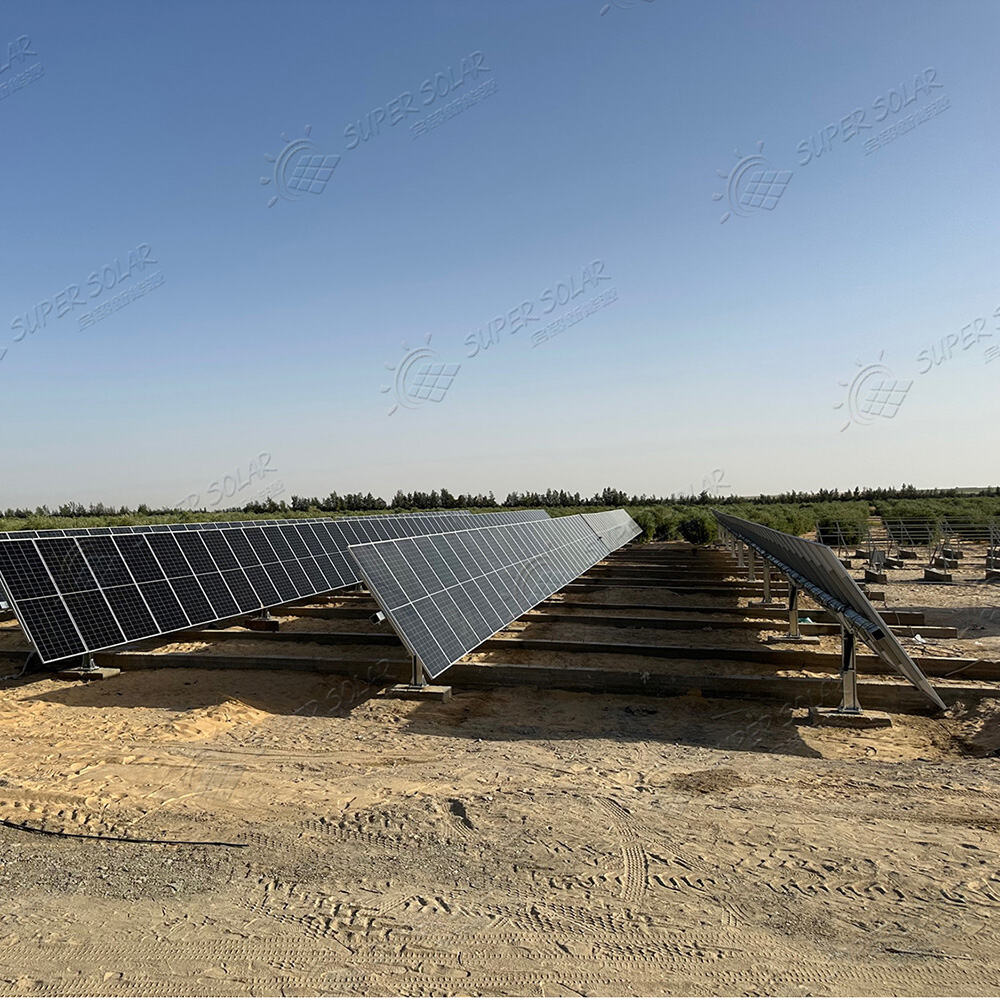
ground type solar carport mounting system
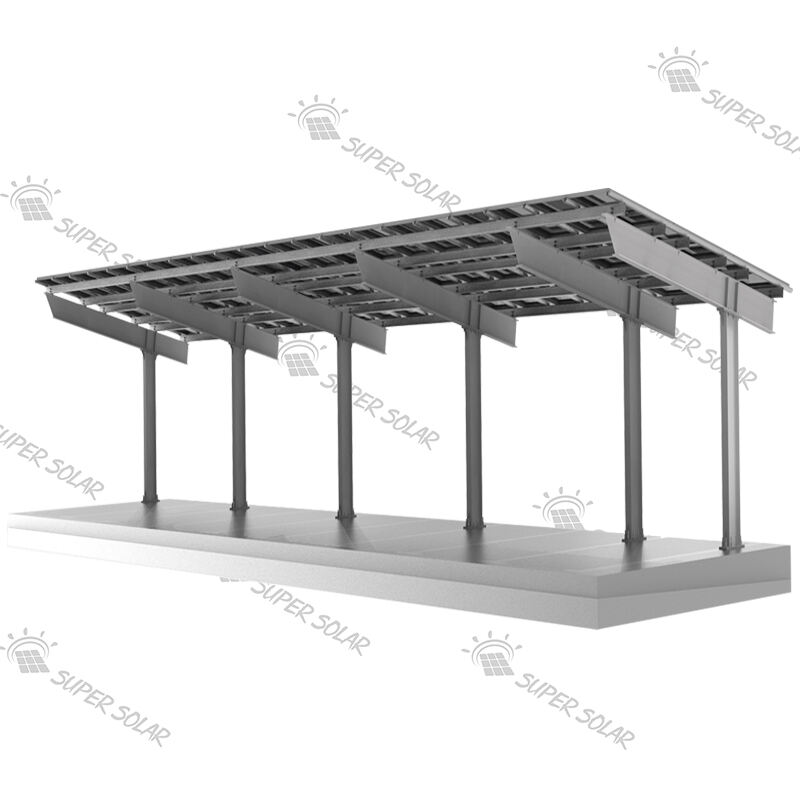
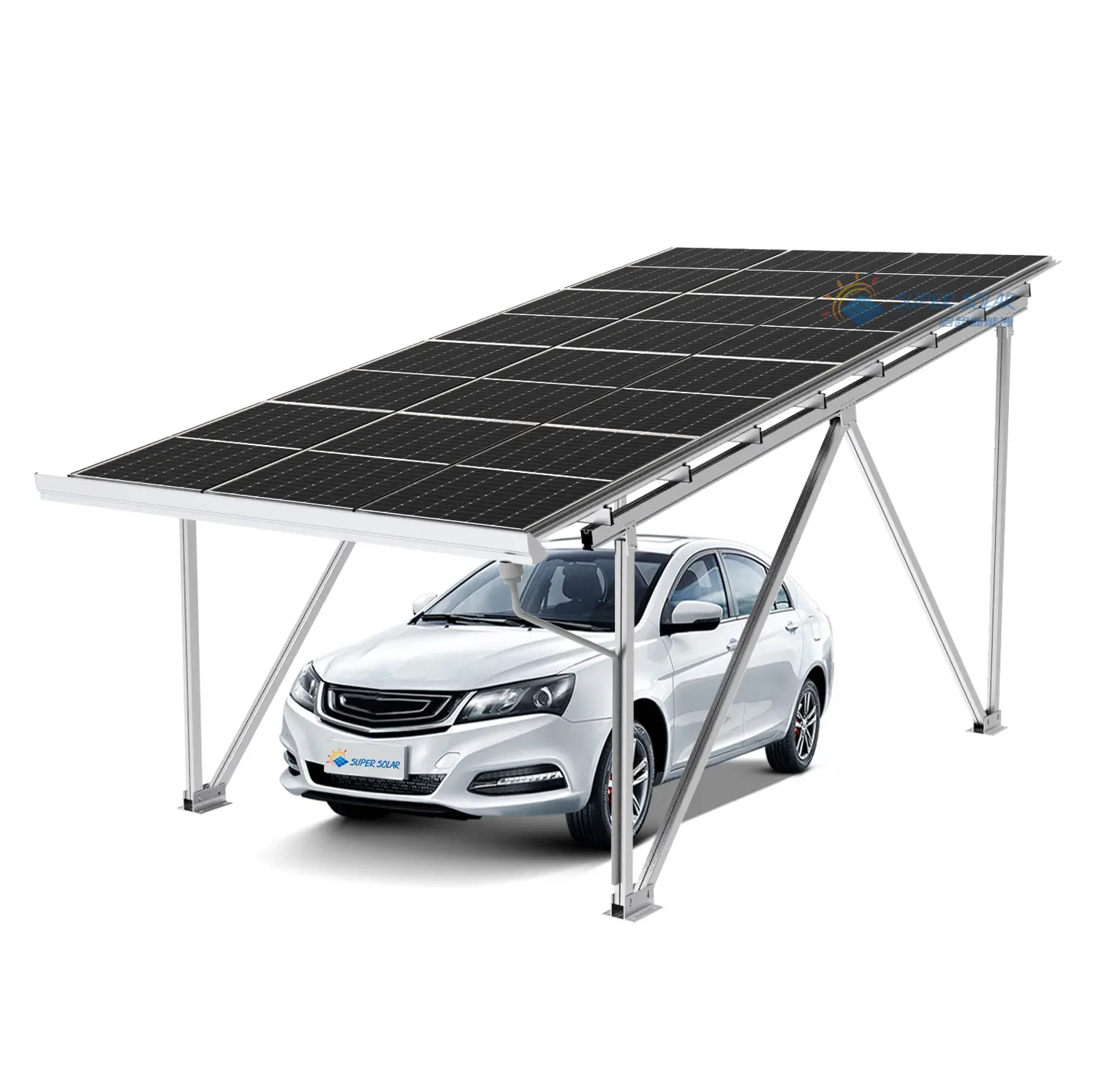
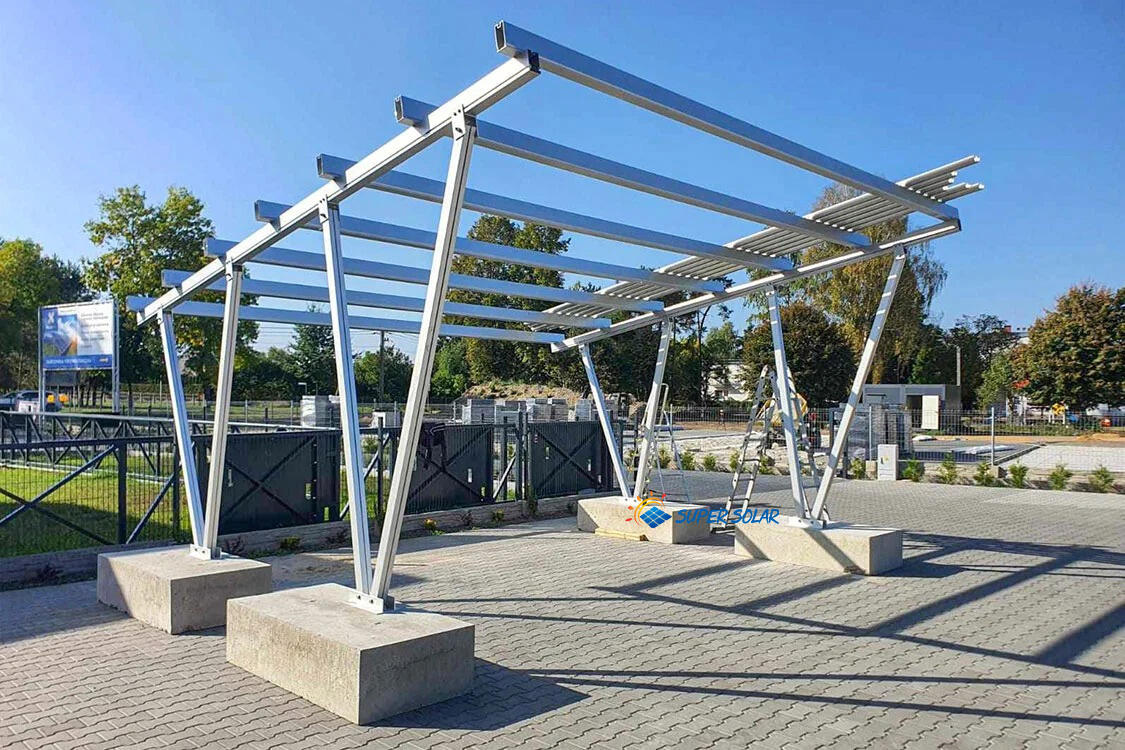
A ground type solar carport mounting system represents an innovative dual-purpose infrastructure solution that combines vehicle protection with renewable energy generation. This sophisticated mounting structure elevates solar panels above parking areas, creating covered spaces for cars while simultaneously harnessing solar power. The ground type solar carport mounting system features robust steel or aluminum framework designed to withstand various weather conditions while supporting substantial photovoltaic panel loads. The primary function of this system extends beyond traditional parking structures by integrating clean energy production directly into everyday commercial and residential spaces. Modern ground type solar carport mounting systems incorporate advanced engineering principles to ensure optimal panel positioning for maximum solar exposure throughout the day. The technological features include adjustable tilt mechanisms, corrosion-resistant materials, and modular design components that facilitate scalable installations. These systems typically utilize galvanized steel posts anchored deep into concrete foundations, providing exceptional stability and longevity. The elevated design allows for natural air circulation beneath panels, improving their efficiency through passive cooling. Applications for ground type solar carport mounting systems span across shopping centers, corporate campuses, residential complexes, airports, and educational institutions. The versatility of these installations makes them particularly attractive for organizations seeking to maximize land utilization while reducing carbon footprint. Installation processes are streamlined through prefabricated components and standardized connection methods, reducing construction time and costs. The ground type solar carport mounting system also incorporates integrated cable management systems and optional features like electric vehicle charging stations. Safety considerations include compliance with local building codes, wind load calculations, and seismic resistance standards. These systems can accommodate various panel sizes and types, from traditional silicon panels to flexible thin-film technologies. The modular nature allows for future expansion as energy needs grow or technology advances.
 EN
EN