mounting solar panels
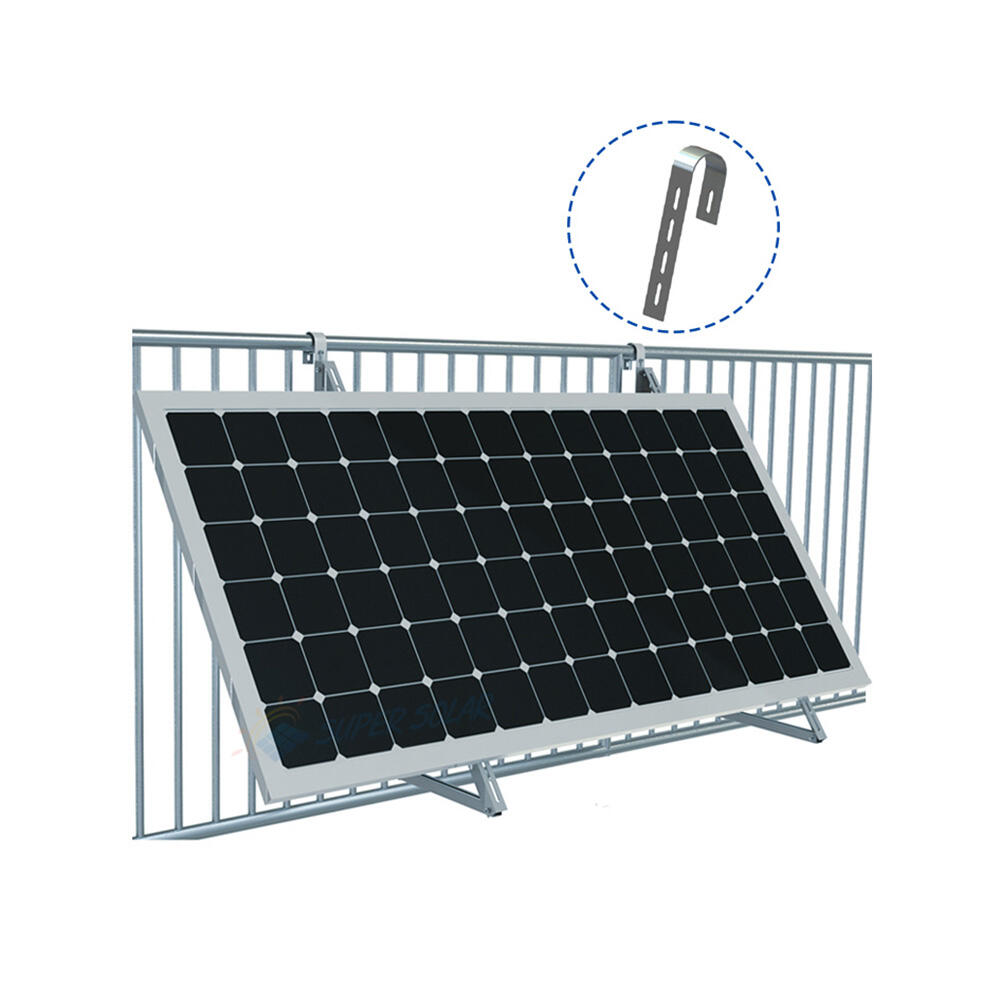
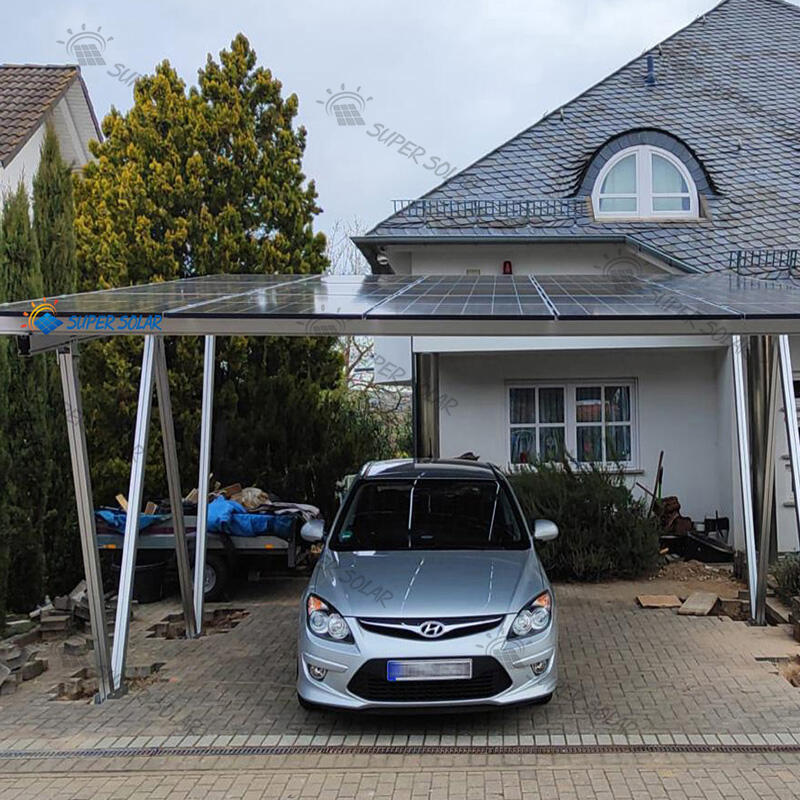
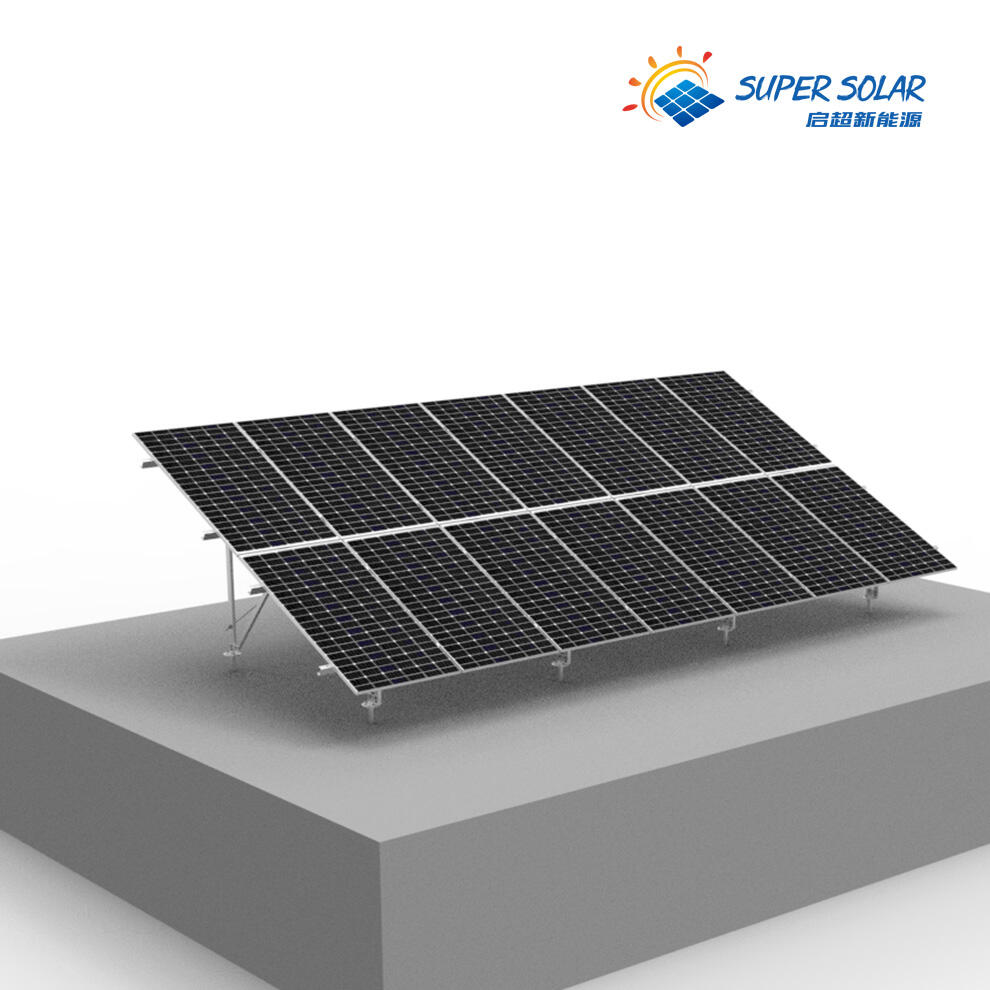
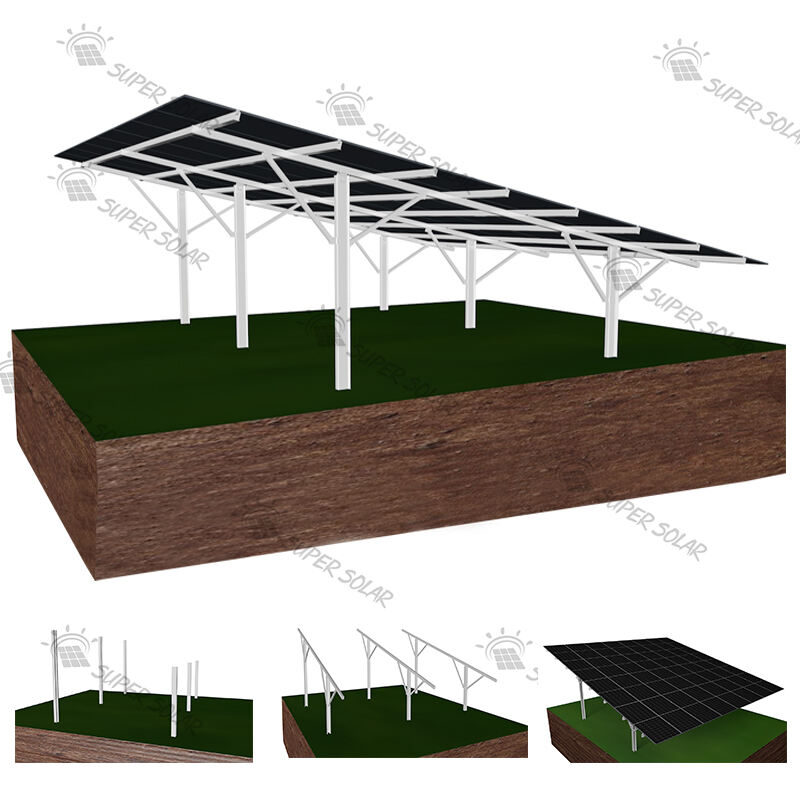
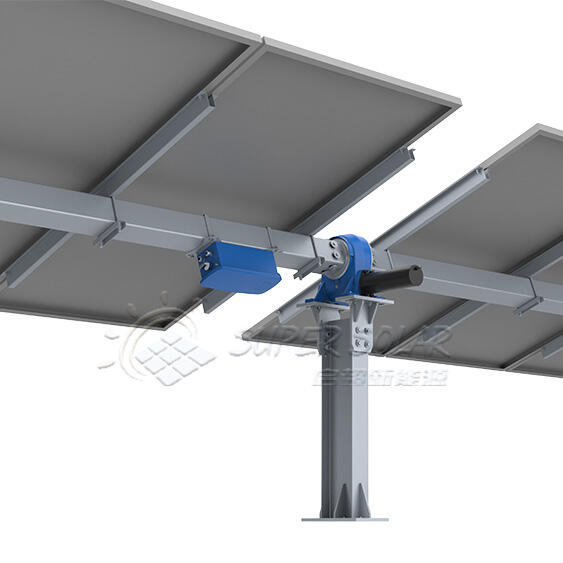
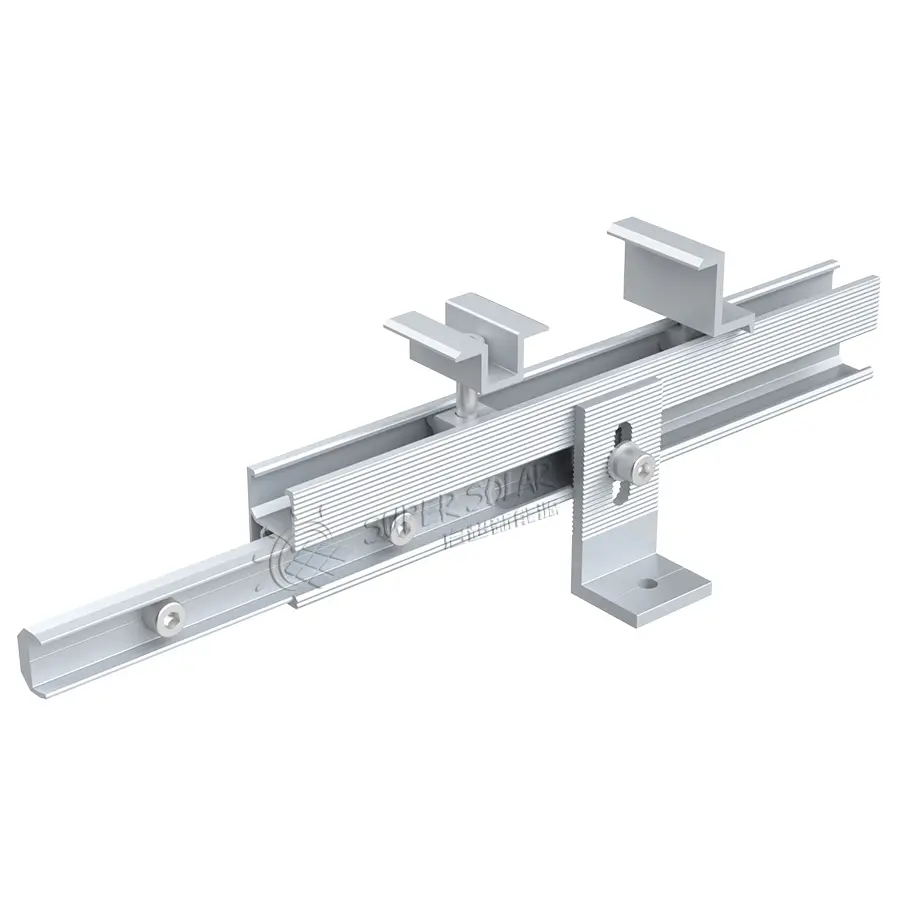
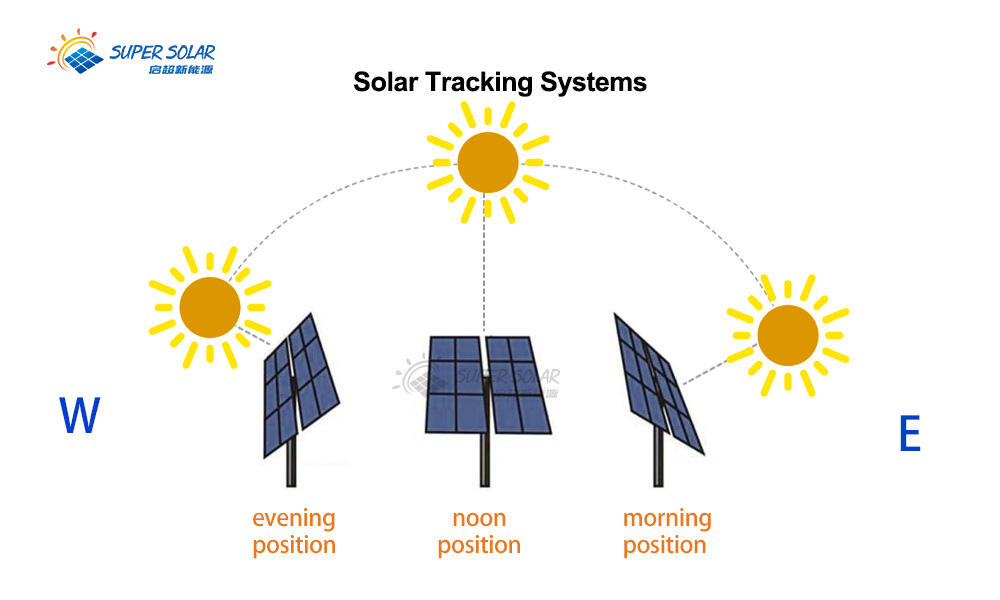
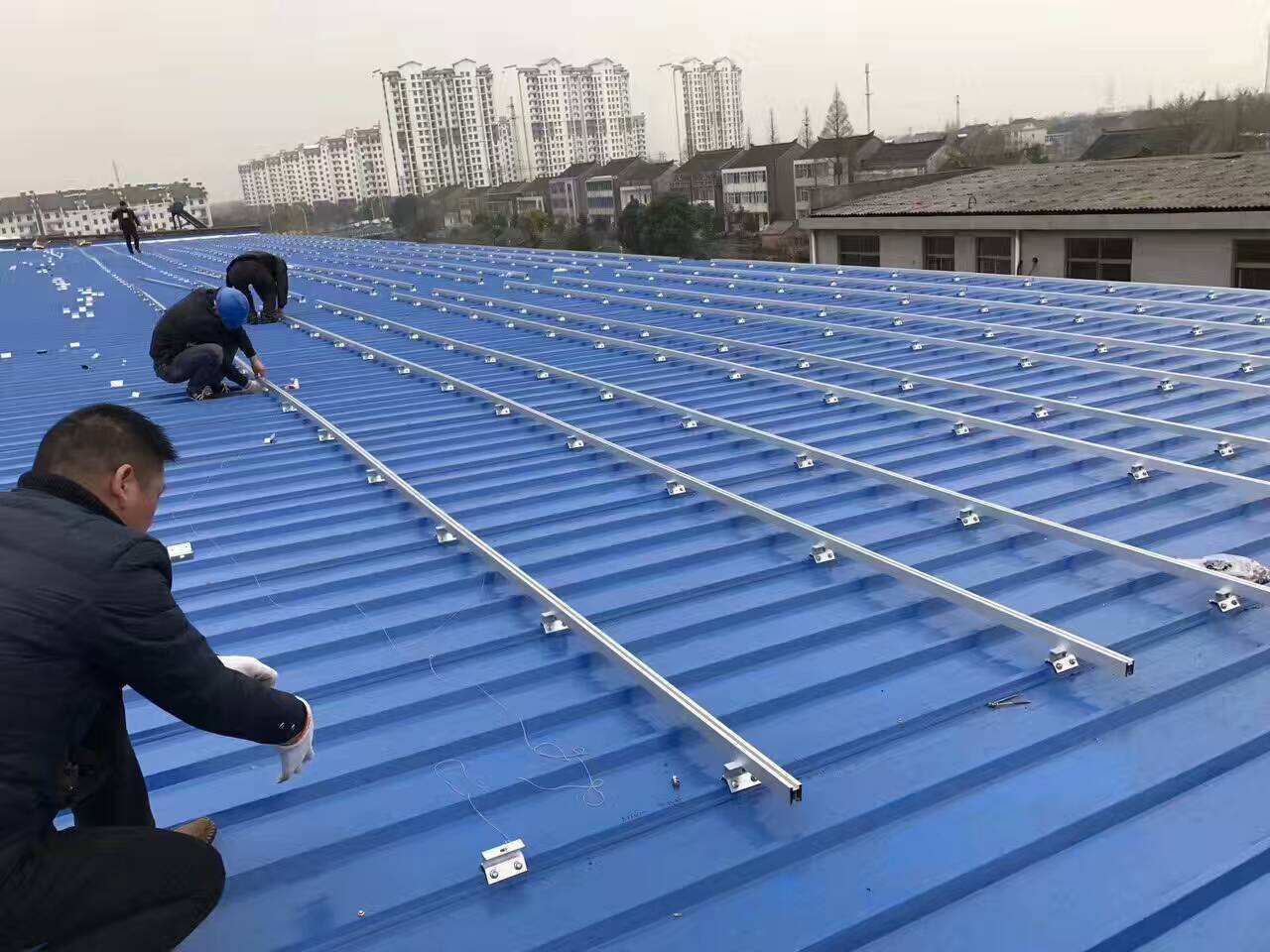
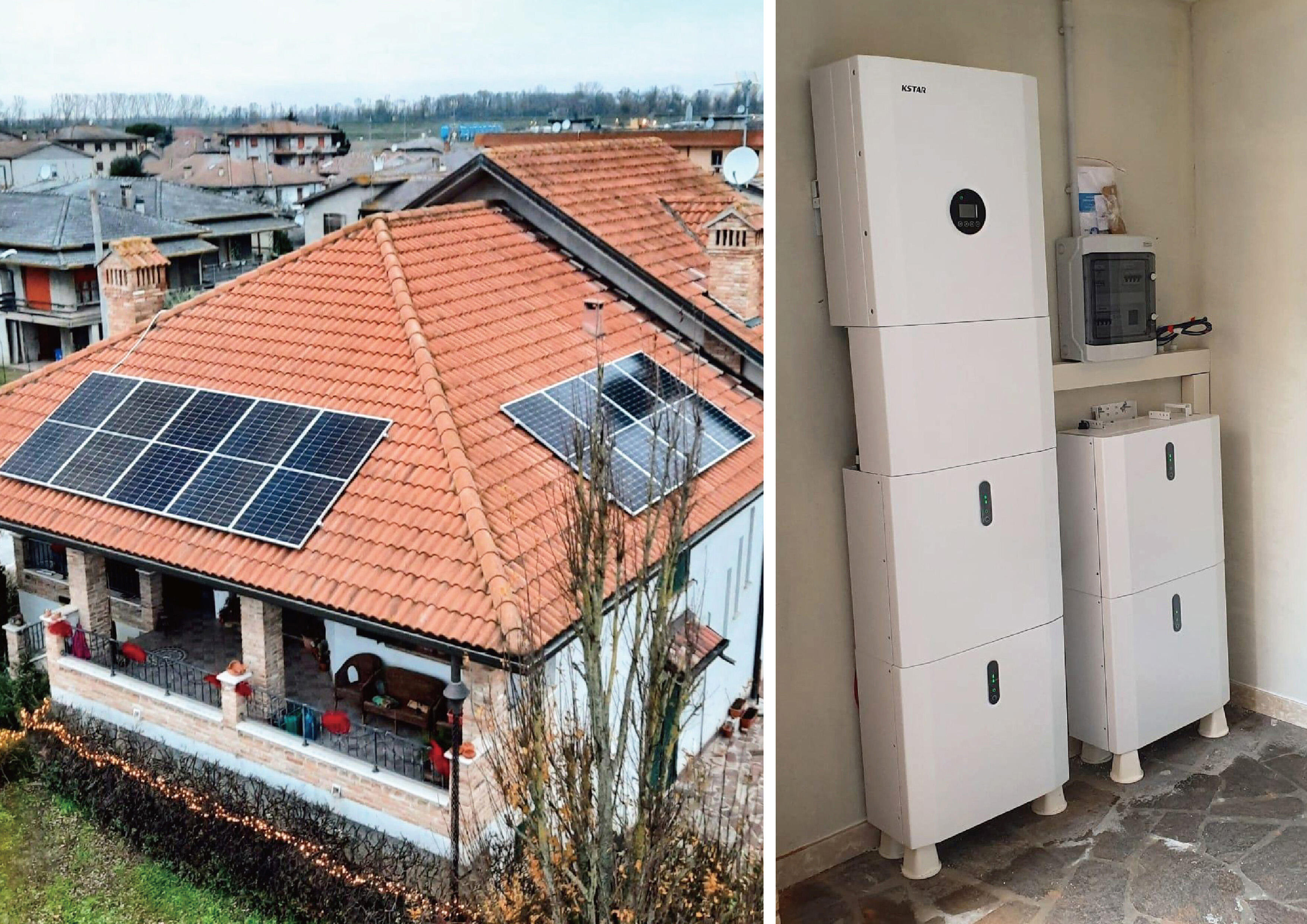
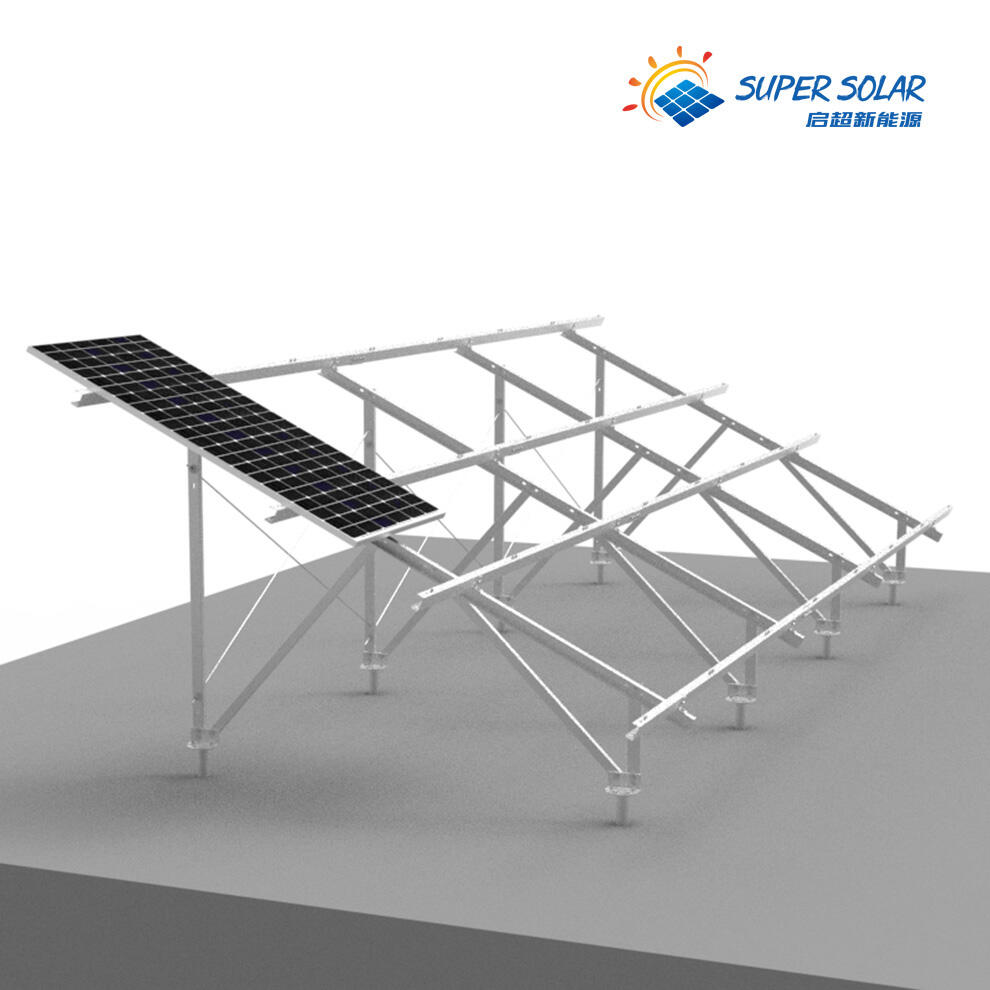
Mounting solar panels represents a critical component in photovoltaic energy systems, serving as the essential framework that secures solar modules to various surfaces and structures. These specialized mounting systems provide the fundamental infrastructure necessary for successful solar installations across residential, commercial, and utility-scale projects. The primary function of mounting solar panels involves creating a stable, durable connection between photovoltaic modules and their installation surface, whether on rooftops, ground-mounted arrays, or specialized structures. Modern mounting solar panels incorporate advanced engineering principles to optimize panel positioning, ensure structural integrity, and maximize energy production efficiency. The technological features of contemporary mounting systems include corrosion-resistant materials such as anodized aluminum and stainless steel components, precision-engineered clamps and rails that accommodate various panel sizes, and innovative grounding solutions that ensure electrical safety compliance. These mounting solar panels utilize sophisticated design elements like adjustable tilt mechanisms, integrated drainage channels, and thermal expansion joints to address environmental challenges and performance optimization. Applications for mounting solar panels span diverse installation scenarios, from residential rooftop systems requiring lightweight, aesthetically pleasing solutions to large-scale commercial installations demanding robust structural support. Ground-mounted systems utilize specialized mounting solar panels designed for concrete foundations or driven pile installations, while carport and canopy applications employ elevated mounting structures that serve dual purposes. Tracking systems represent advanced mounting solar panels applications that automatically adjust panel orientation throughout the day to follow sun movement, significantly enhancing energy production. The versatility of mounting solar panels extends to challenging installation environments, including curved surfaces, metal roofing, tile systems, and flat commercial rooftops with varying load requirements and structural considerations.
 EN
EN