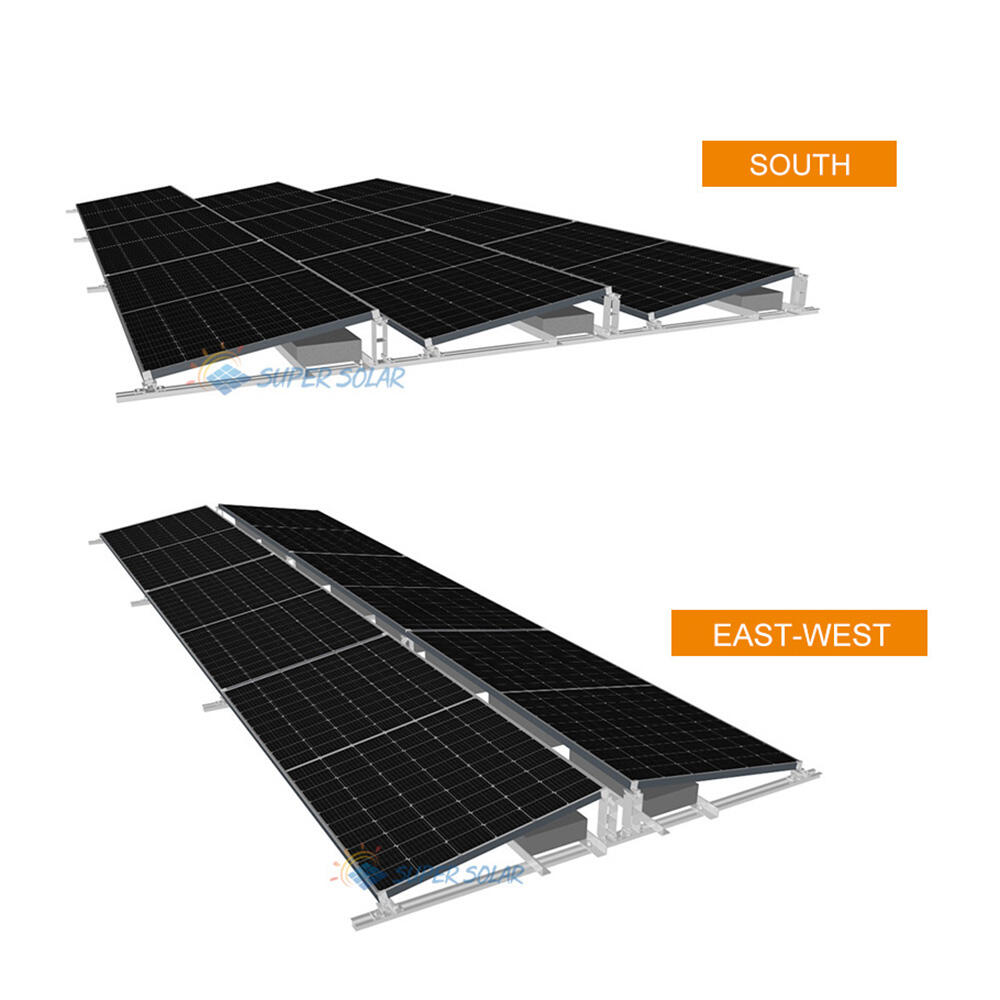
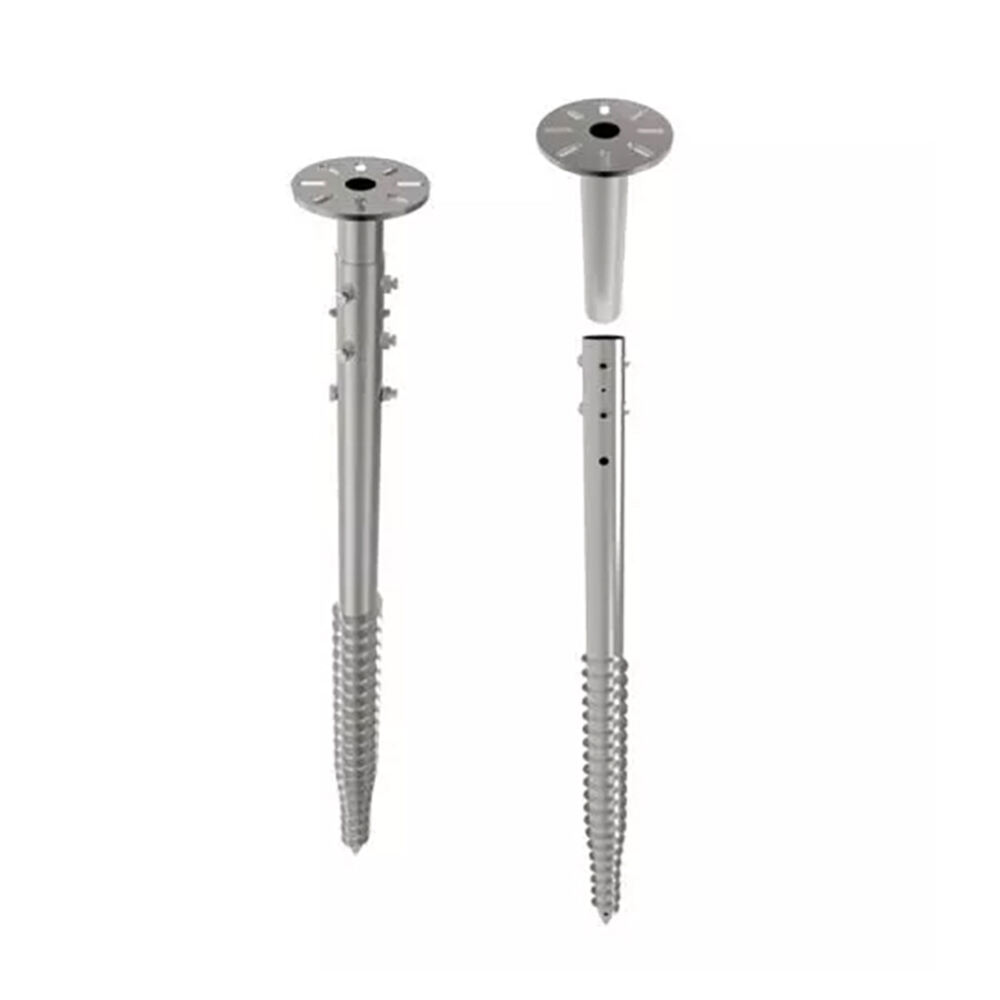
pv carport system made in china
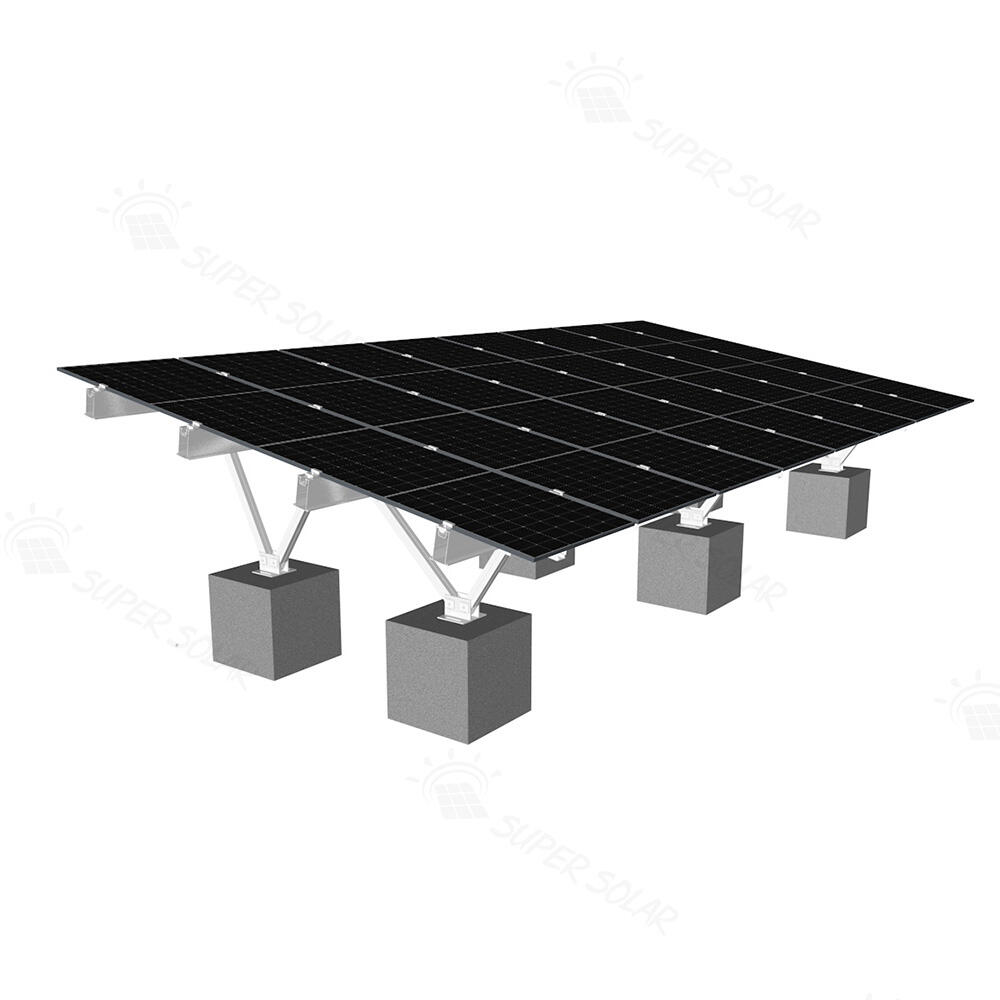
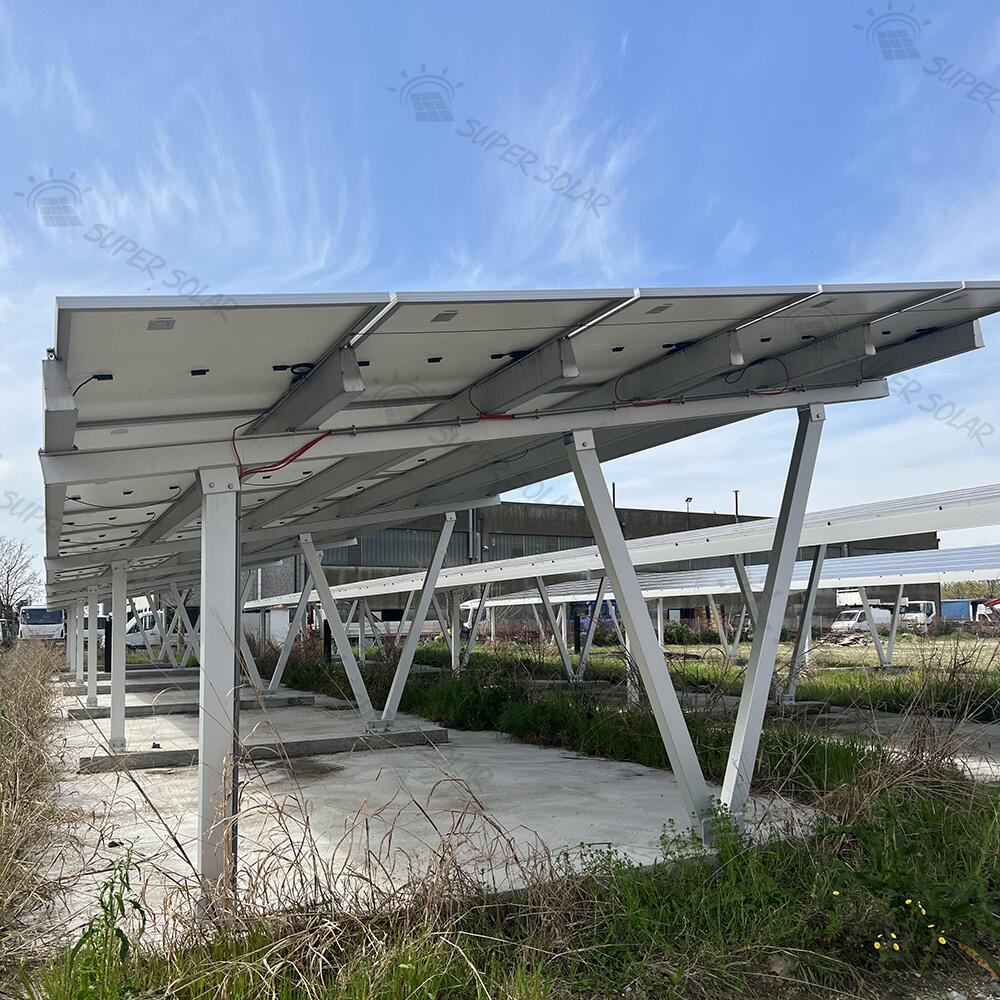
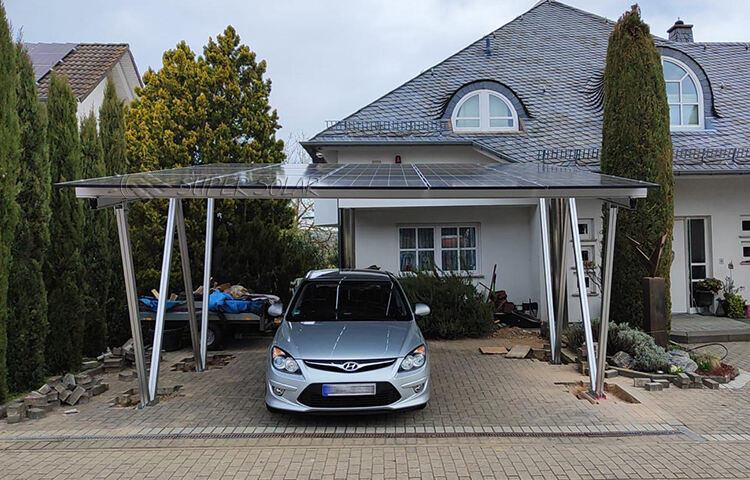
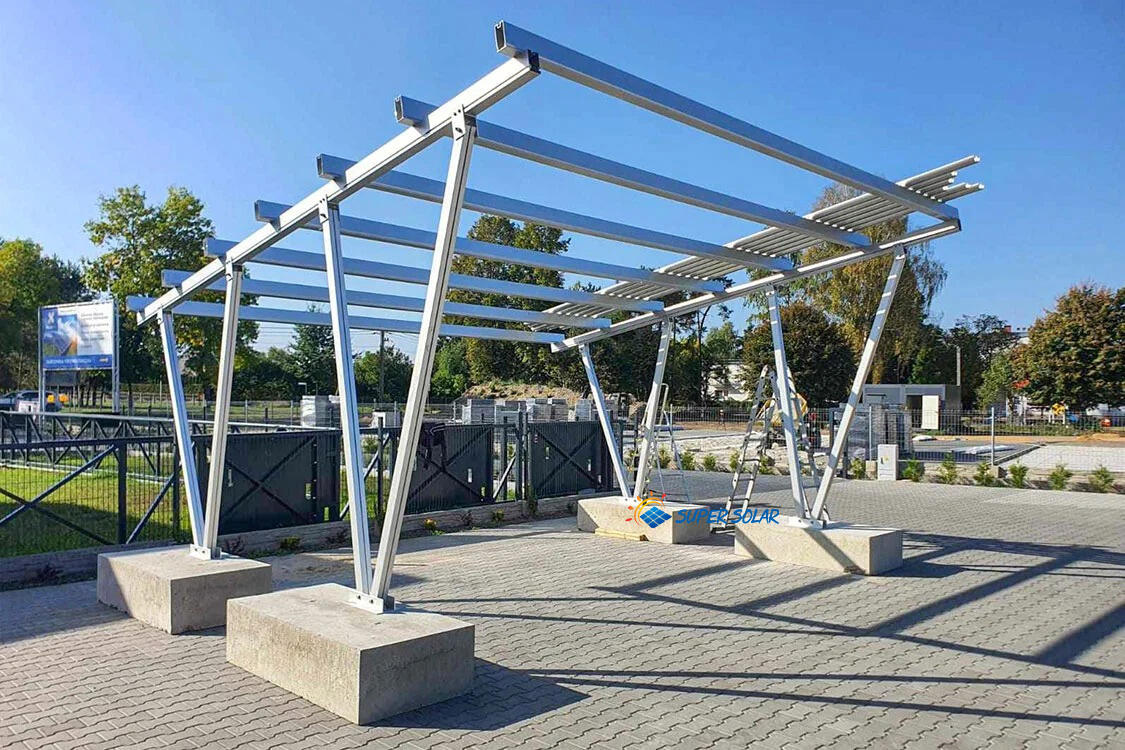
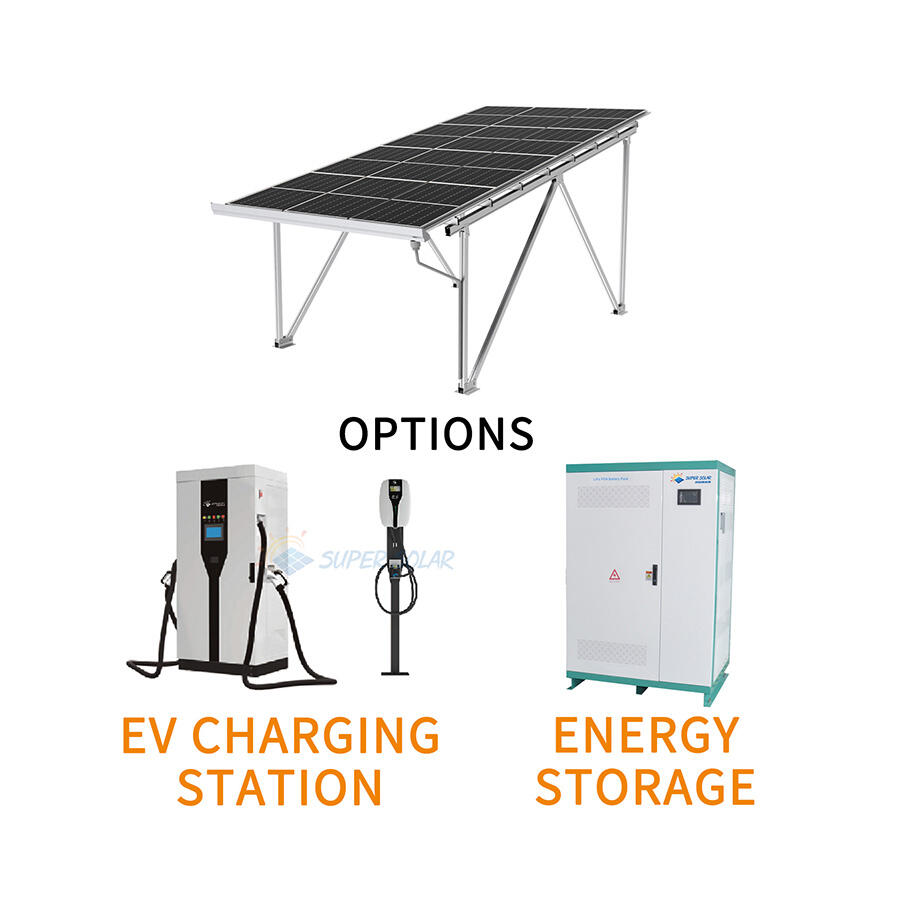
The pv carport system made in china represents a revolutionary integration of solar energy technology and practical vehicle protection infrastructure. These innovative structures combine photovoltaic panels with parking canopies to create dual-purpose installations that generate clean electricity while providing shelter for vehicles. Chinese manufacturers have developed sophisticated engineering solutions that optimize both energy production and structural integrity, making these systems increasingly popular worldwide. The main functions of the pv carport system made in china include solar energy generation, weather protection for parked vehicles, and efficient space utilization. These carports feature high-efficiency solar panels mounted on robust aluminum or steel frameworks that can withstand various weather conditions including wind, rain, and snow loads. The technological features encompass advanced mounting systems with adjustable tilt angles to maximize solar exposure, integrated cable management systems for clean installations, and modular designs that allow for scalable configurations. Many pv carport system made in china models incorporate smart monitoring capabilities that track energy production, system performance, and maintenance requirements through mobile applications or web interfaces. Applications span across commercial parking lots, residential driveways, shopping centers, office complexes, airports, and industrial facilities. The versatility of these systems makes them suitable for both ground-mount and elevated installations, accommodating different site requirements and aesthetic preferences. Chinese manufacturers have perfected the balance between cost-effectiveness and quality, utilizing advanced materials like tempered glass, anodized aluminum frames, and corrosion-resistant hardware. The standardized production processes ensure consistent quality while maintaining competitive pricing. Installation procedures have been streamlined through prefabricated components and comprehensive instruction manuals, reducing setup time and labor costs. Environmental benefits include carbon footprint reduction, decreased reliance on grid electricity, and protection of vehicle surfaces from UV damage and weather exposure.
 EN
EN