Enhanced Vehicle Protection and User Comfort
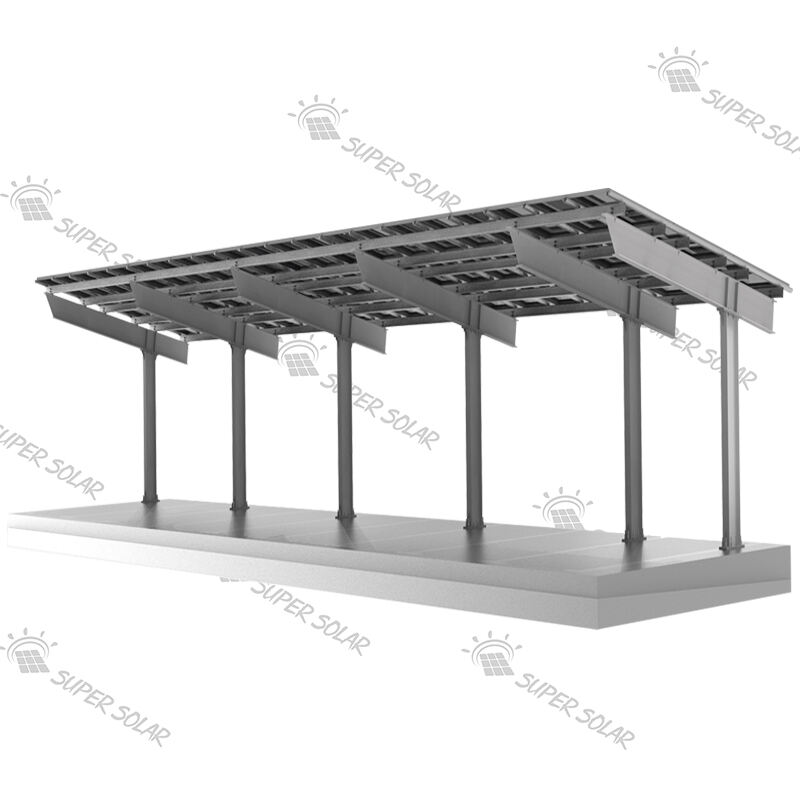
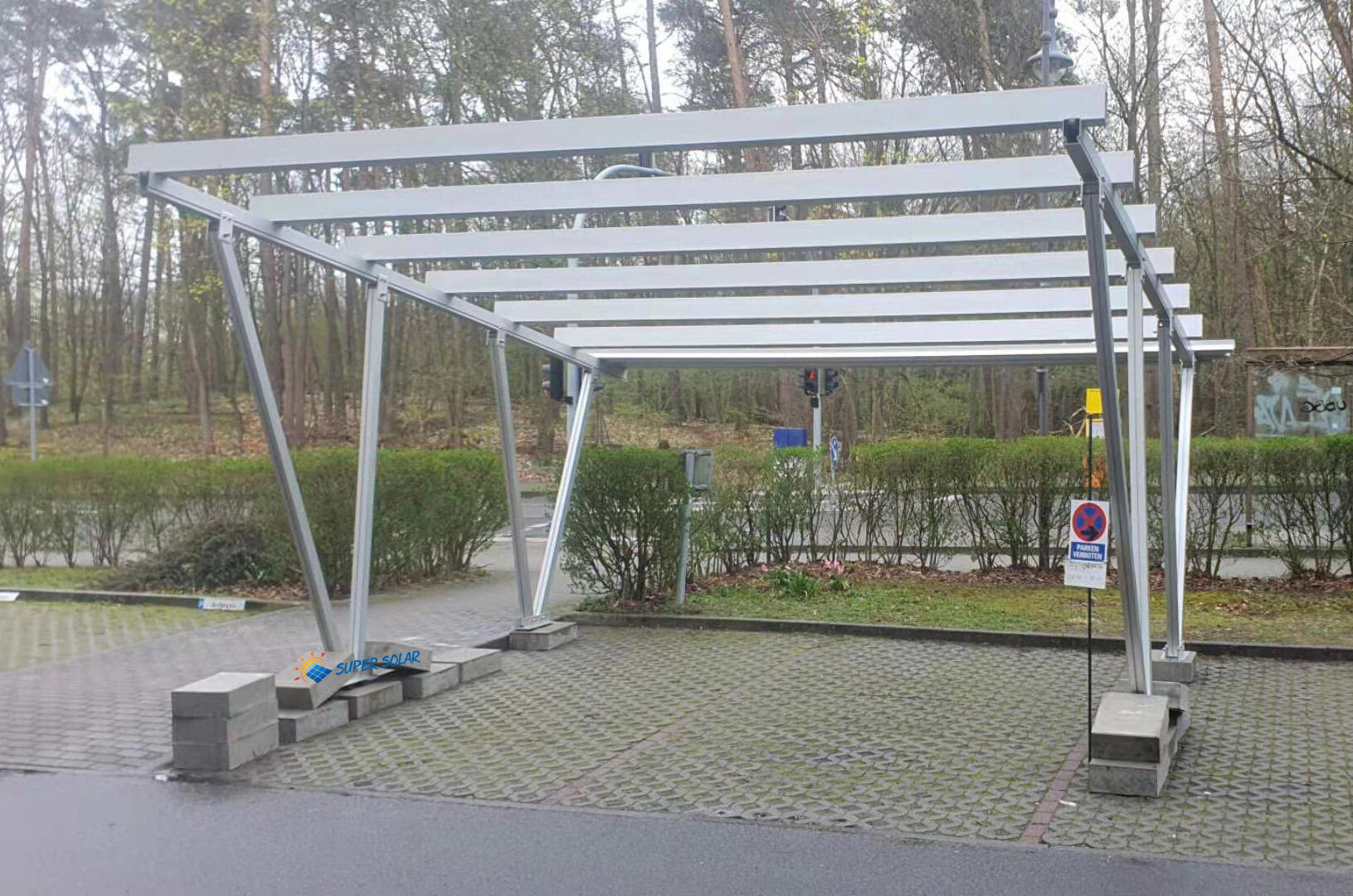
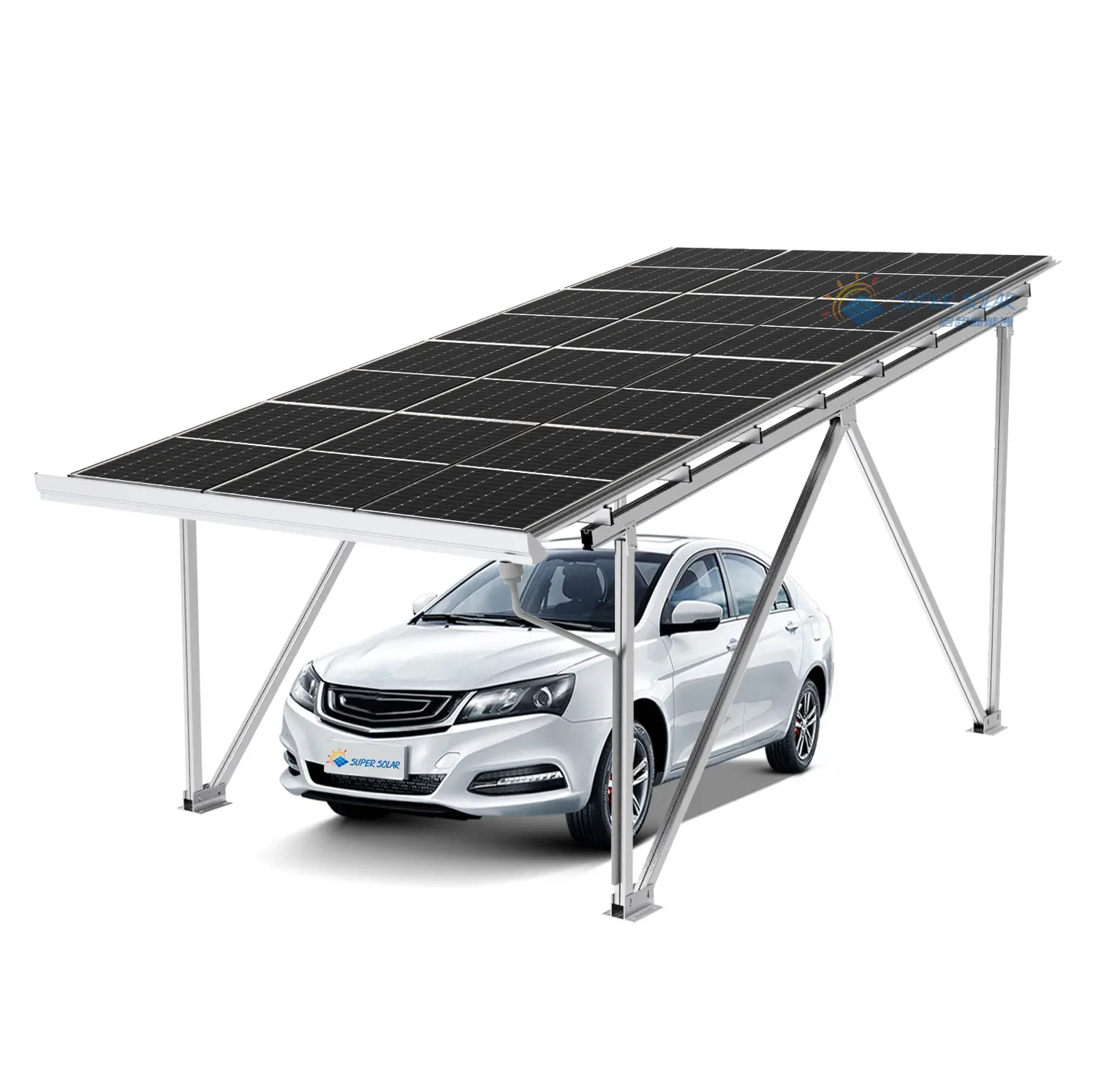
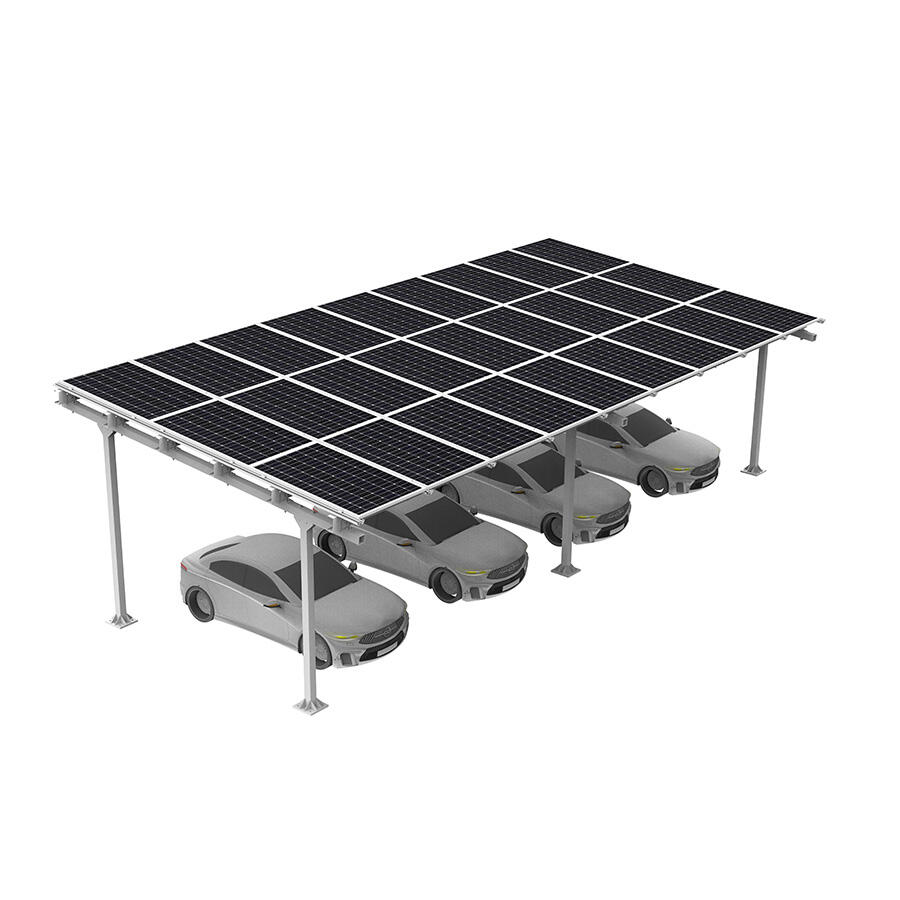
Solar on carport installations provide comprehensive vehicle protection that extends far beyond basic weather shielding, delivering tangible benefits that preserve vehicle condition and enhance user experience. The robust canopy structure shields vehicles from damaging ultraviolet radiation that can fade paint finishes, crack dashboard materials, and deteriorate interior components over extended exposure periods. Hail protection becomes particularly valuable in regions prone to severe weather events, as the reinforced panel mounting systems can withstand significant impact forces that would otherwise cause costly vehicle damage. Snow and ice accumulation prevention eliminates the time-consuming and potentially hazardous task of clearing vehicles during winter months, while also reducing the risk of scratch damage from scraping tools. Rain protection keeps vehicles dry and reduces the likelihood of water-related issues such as rust formation, electrical problems, and interior moisture damage. The thermal benefits prove substantial, as covered parking significantly reduces interior vehicle temperatures during summer months, eliminating the need for extensive air conditioning upon entry and reducing fuel consumption or battery drain in electric vehicles. Winter benefits include prevention of frost formation on windshields and windows, eliminating scraping requirements and reducing warm-up time. The covered environment creates comfortable spaces for vehicle loading and unloading activities, protecting users from precipitation and extreme temperatures while handling groceries, equipment, or personal items. Pedestrian comfort improves dramatically as covered walkways between vehicles and building entrances provide shelter during inclement weather. Security enhancements result from integrated LED lighting systems powered by the solar installation, improving visibility during evening hours and deterring criminal activity. The professional appearance of solar on carport structures often increases property values while demonstrating environmental responsibility to customers, tenants, and community members. Vehicle maintenance requirements decrease due to reduced exposure to environmental contaminants, bird droppings, tree sap, and other elements that can damage vehicle surfaces and mechanical components.
 EN
EN