Exceptional Structural Durability and Weather Resistance
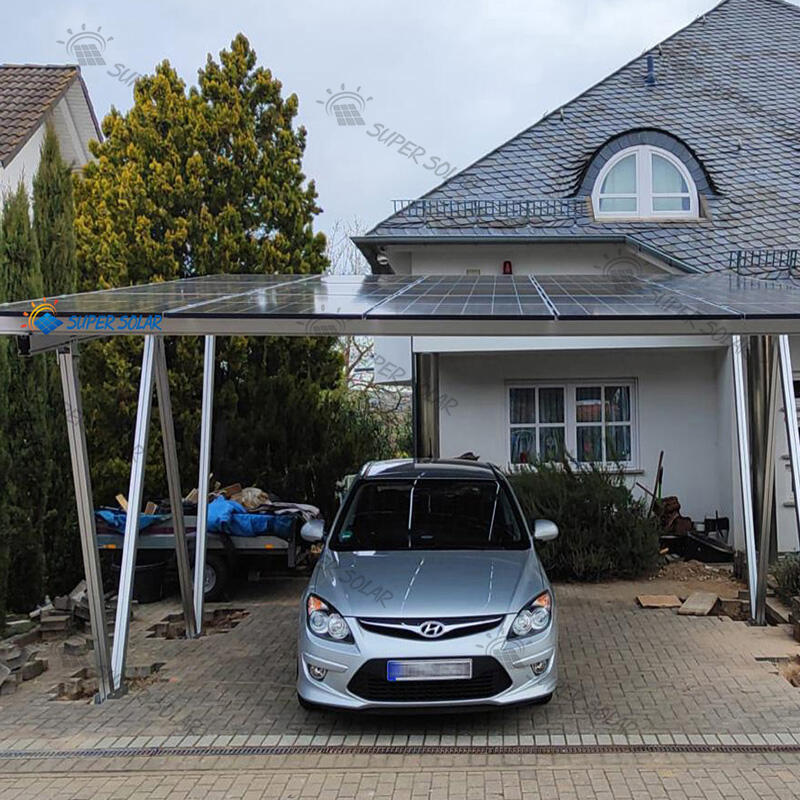
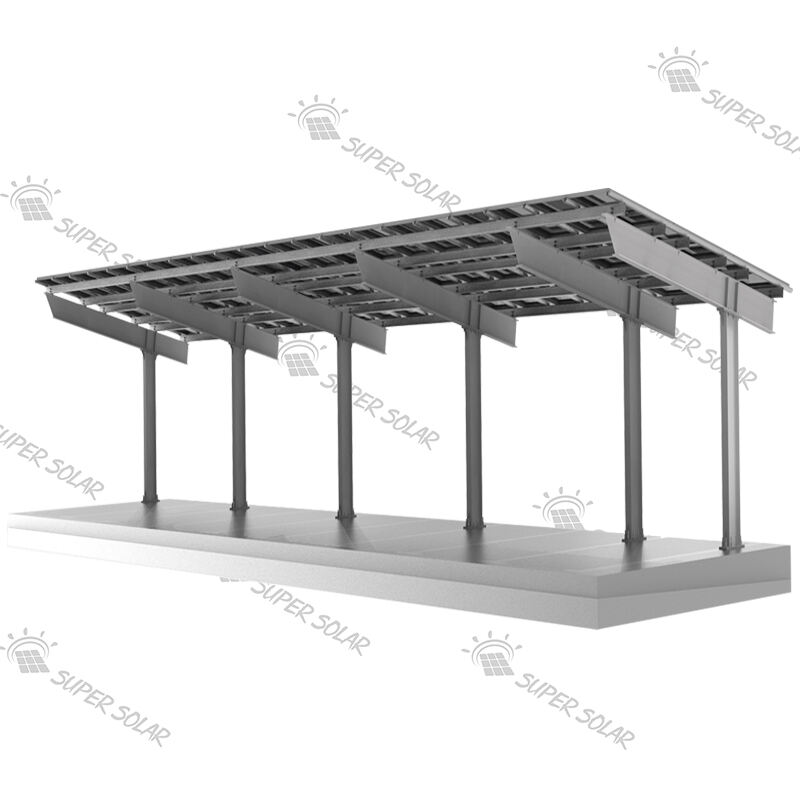
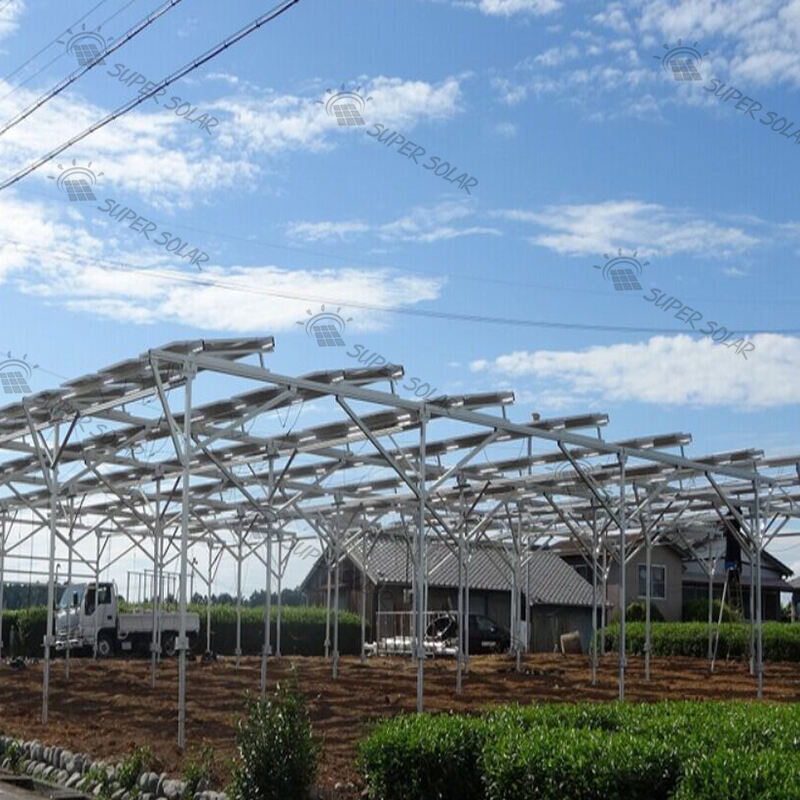
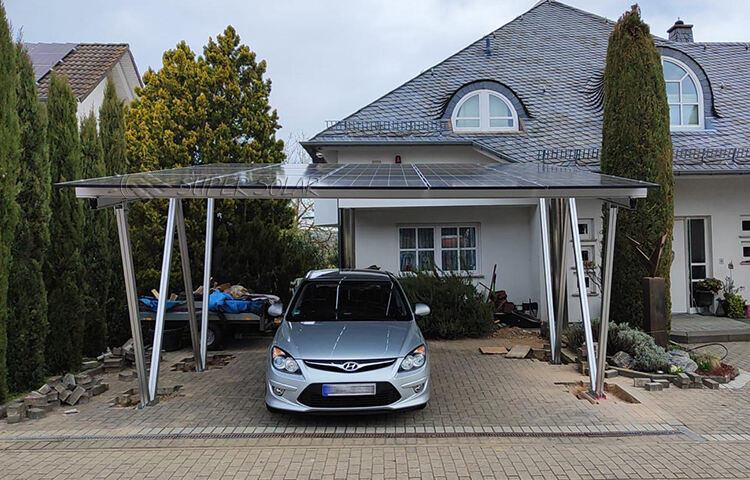
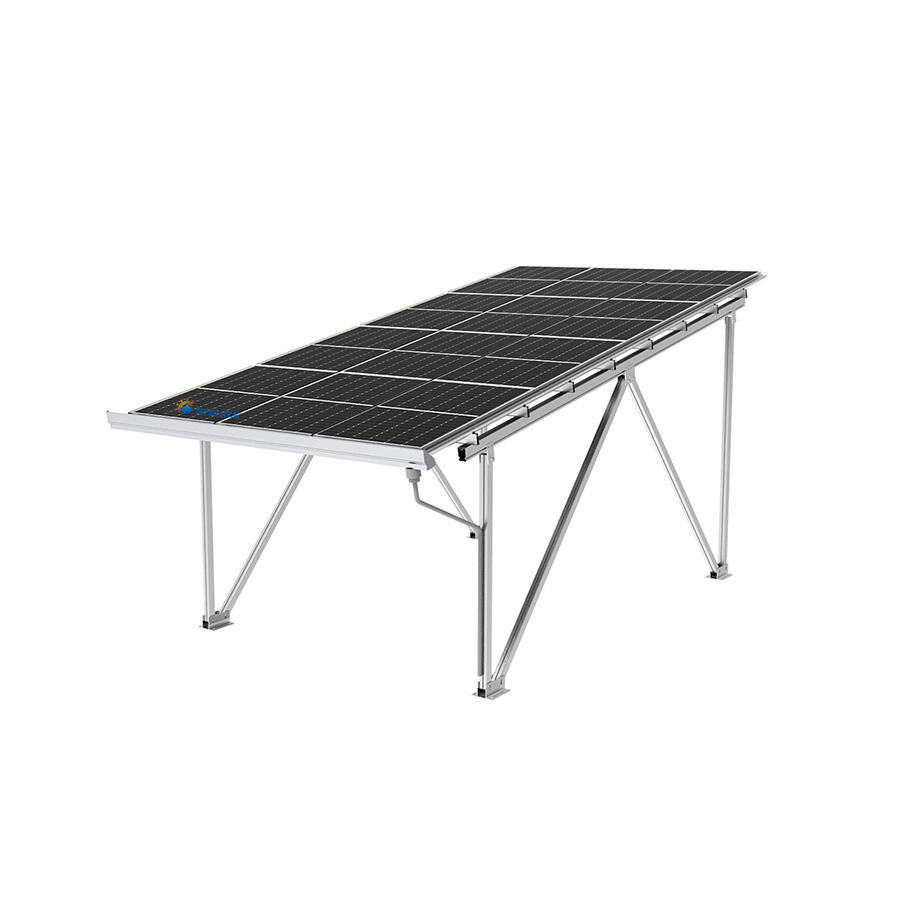
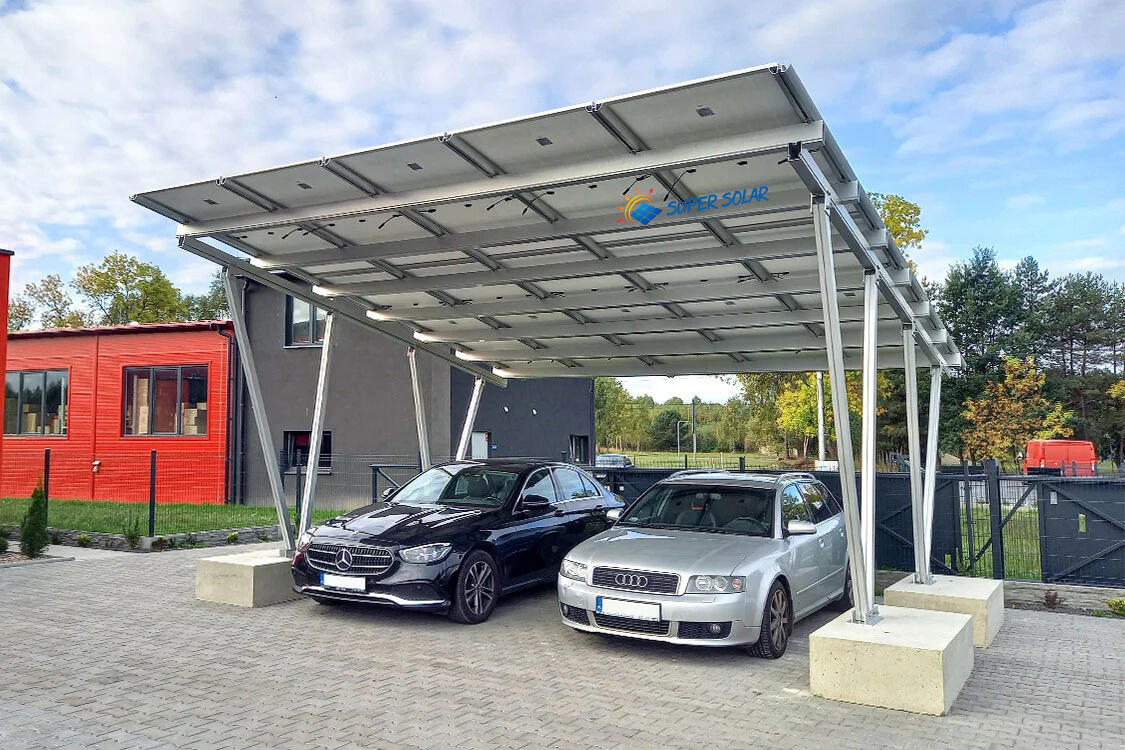
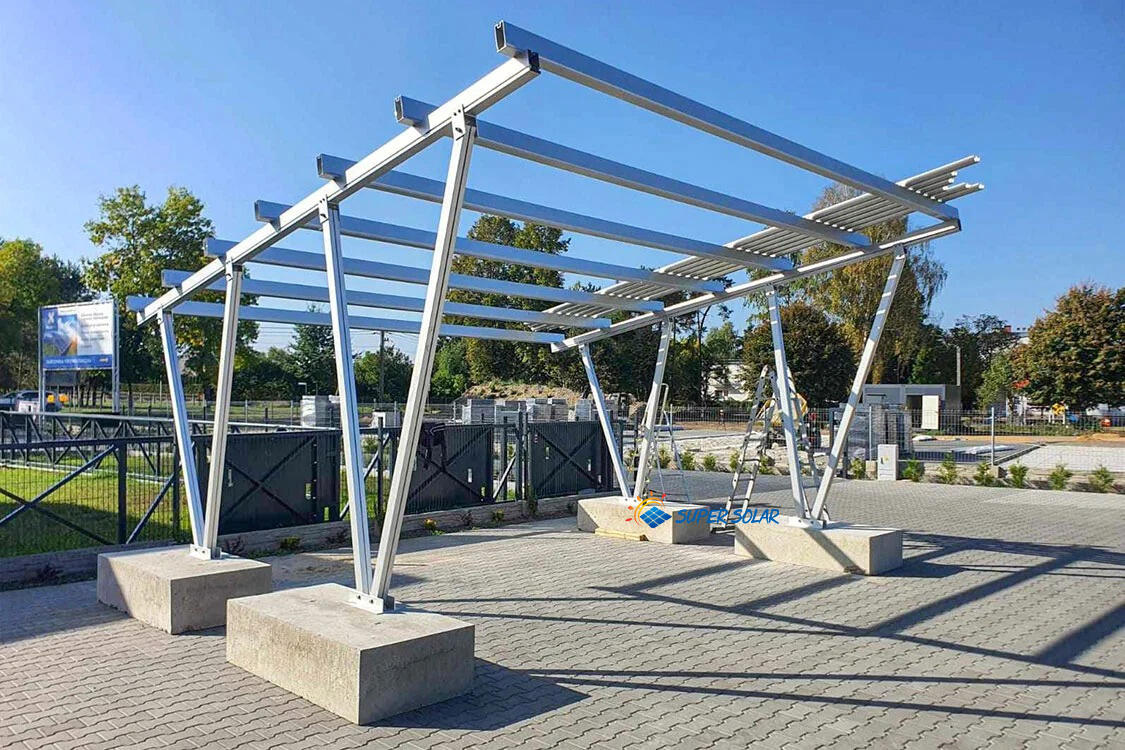
Steel solar carports demonstrate unmatched structural resilience through advanced engineering and premium materials that ensure reliable performance across diverse environmental conditions and extended operational lifespans. The galvanized steel framework provides superior strength-to-weight ratios compared to alternative materials, enabling designs that withstand wind loads exceeding 150 mph while maintaining stability during seismic events. Corrosion-resistant coatings protect steel components from moisture, salt spray, and chemical exposure, ensuring decades of reliable service without structural degradation that commonly affects other construction materials. Professional engineers calculate precise load distributions that account for solar panel weights, snow accumulation, wind uplift forces, and dynamic loads from vehicle impacts, creating robust structures that exceed local building code requirements by significant safety margins. The steel construction methodology incorporates redundant support systems that prevent catastrophic failures, with multiple load paths ensuring continued structural integrity even if individual components experience stress or damage. Hot-dip galvanizing processes create metallurgical bonds between steel substrates and protective zinc coatings, providing self-healing properties that automatically seal minor scratches or surface damage to prevent rust formation. Steel solar carports maintain dimensional stability across temperature variations that would cause significant expansion and contraction in other materials, ensuring consistent solar panel alignment and electrical connection integrity throughout seasonal temperature cycles. The inherent fire resistance of steel construction provides additional safety benefits, particularly important for installations near buildings or in areas with wildfire risks, as steel components will not contribute to fire spread or release toxic fumes during emergency situations. Maintenance requirements remain minimal throughout operational lifespans, as steel components resist pest damage, rot, and weathering that require ongoing attention in wooden structures or degradation common in plastic materials. Professional installation teams use engineered connection systems including high-strength bolts and welded joints that create permanent assemblies capable of withstanding decades of environmental exposure without loosening or failure. Quality control processes ensure consistent material properties and manufacturing standards that guarantee uniform performance across entire installations, providing property owners with confidence in long-term durability and minimal unexpected maintenance costs.
 EN
EN