 EN

 Hot News

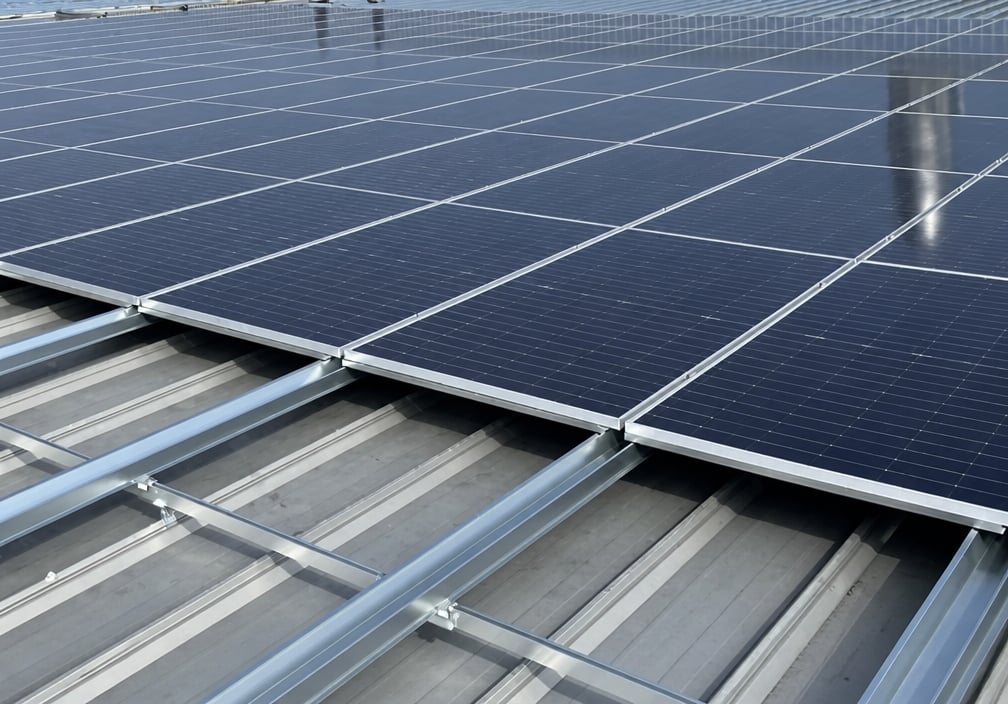
Solar L-foot brackets are widely used in metal roof solar mounting systems. Although they are relatively small components, their dimensions, material, fixing method, and compatibility with roof structures all affect the performance of the complete mounting system.
For solar installers, distributors, and EPC contractors, choosing the right L-foot bracket is not simply about finding the lowest unit price. It is important to confirm that the bracket matches the roof profile, mounting rail, fastening method, and project requirements.
If you are sourcing solar L-foot mounting brackets for residential, commercial, or industrial PV projects, here are seven important specifications to check before placing an order.
Material selection is one of the first things to consider when purchasing solar L-foot brackets.
Aluminum alloy is commonly used for solar mounting brackets because it offers a good balance of strength, weight, and corrosion resistance.
For example, Super Solar's L-foot mounting solutions use AL6005-T5 aluminum alloy with stainless steel fasteners.
When evaluating a supplier, check:
Aluminum alloy grade and temper
Bracket thickness and structural dimensions
Surface finish and treatment
Fastener material and corrosion compatibility
Material consistency between production batches
For projects in coastal or humid environments, corrosion resistance deserves particular attention. The compatibility of different metals should also be considered to reduce the risk of galvanic corrosion.
Do not evaluate material quality by appearance alone. Request material specifications and relevant technical documentation from the manufacturer.
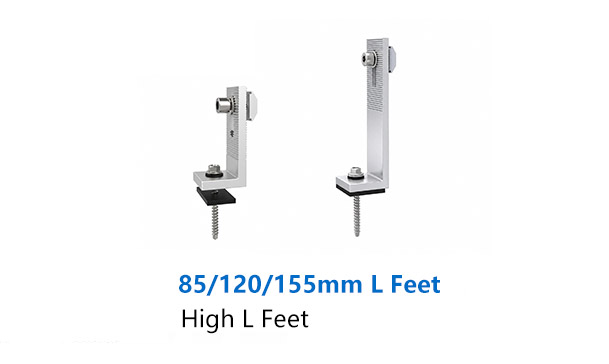
Not all solar L-foot brackets have the same dimensions or structure.
Different projects may require different bracket heights, base dimensions, thicknesses, and hole configurations.
Before ordering, confirm the following:
| Specification | What to Check |
|---|---|
| Overall height | Clearance between the roof and mounting rail |
| Base dimensions | Compatibility with the roof fixing area |
| Material thickness | Suitable for the specified structural design |
| Hole diameter | Compatible with the selected fasteners |
| Hole position | Matches the installation layout |
| Bracket shape | Fits the required rail and roof configuration |
A bracket that looks similar to an existing model may not fit the same mounting system.
For distributors and wholesalers, maintaining standardized dimensions can also simplify inventory management and product replacement.
If you have an existing sample or technical drawing, provide it to the manufacturer for dimension matching.
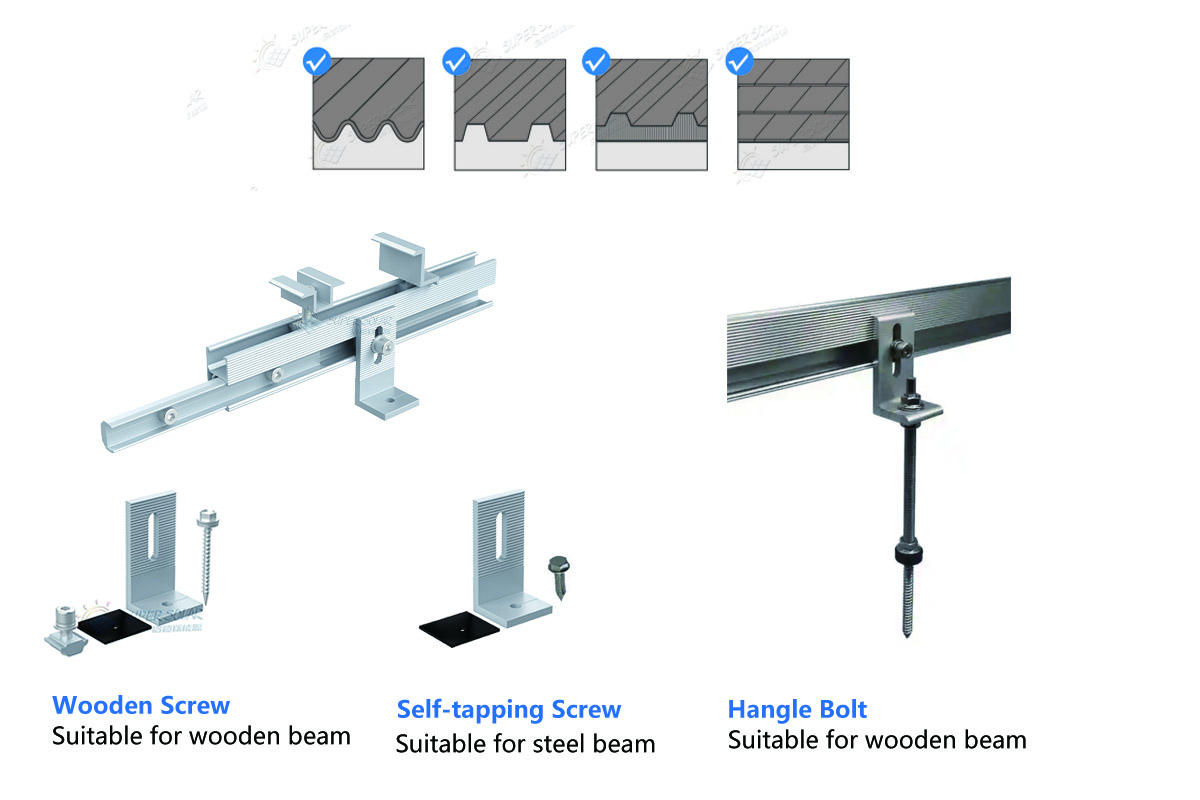
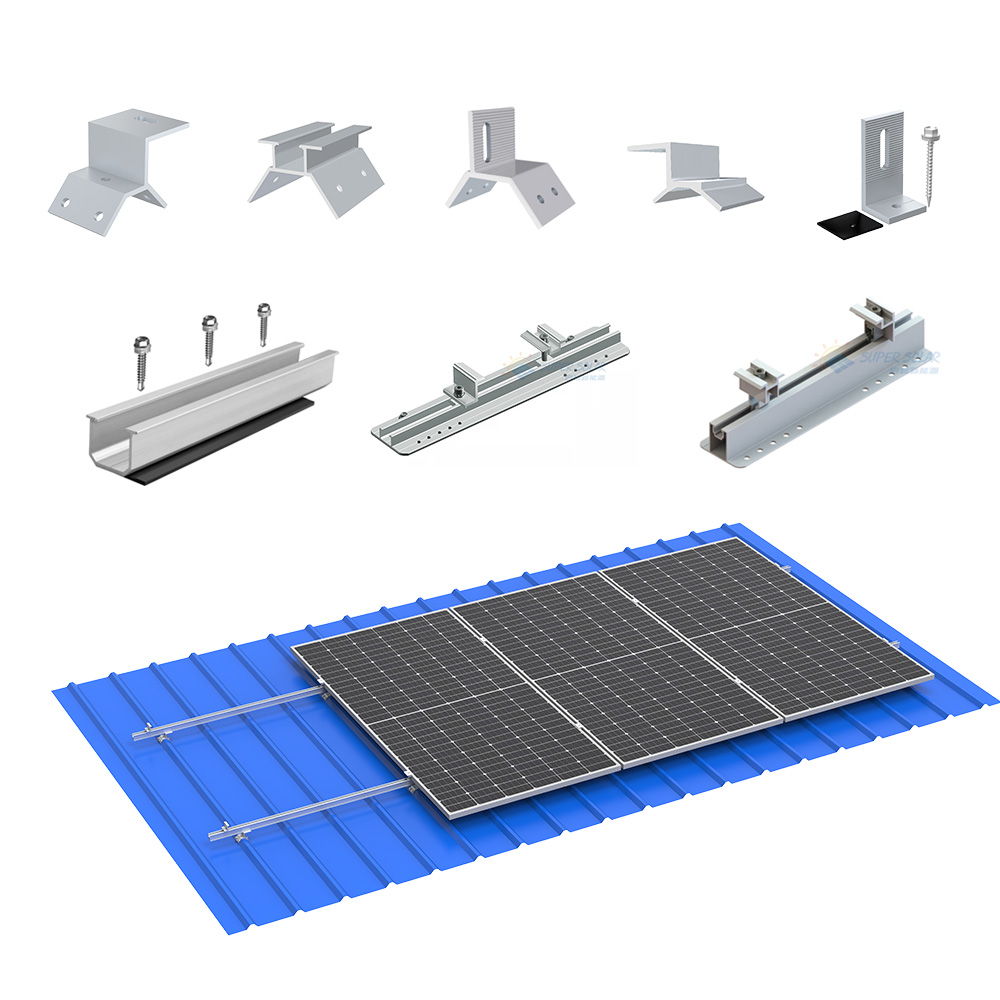
Roof compatibility is one of the most important factors in selecting an L-foot bracket.
Different metal roof profiles require different mounting and fastening arrangements.
Trapezoidal metal roofs are commonly used in industrial and commercial buildings.
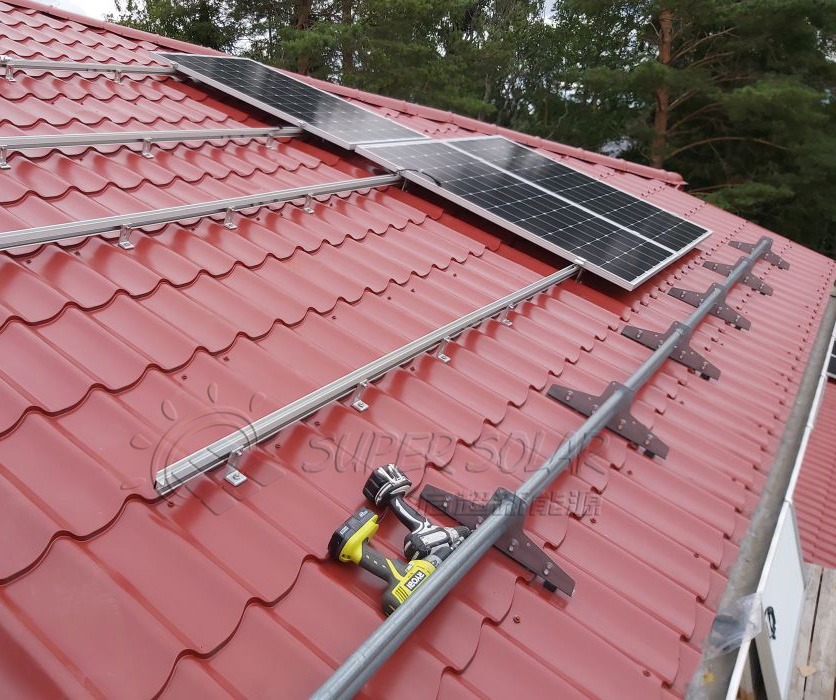
L-foot brackets can be fixed to suitable roof areas using approved self-tapping screws, subject to the roof profile, sheet thickness, supporting structure, and engineering requirements.
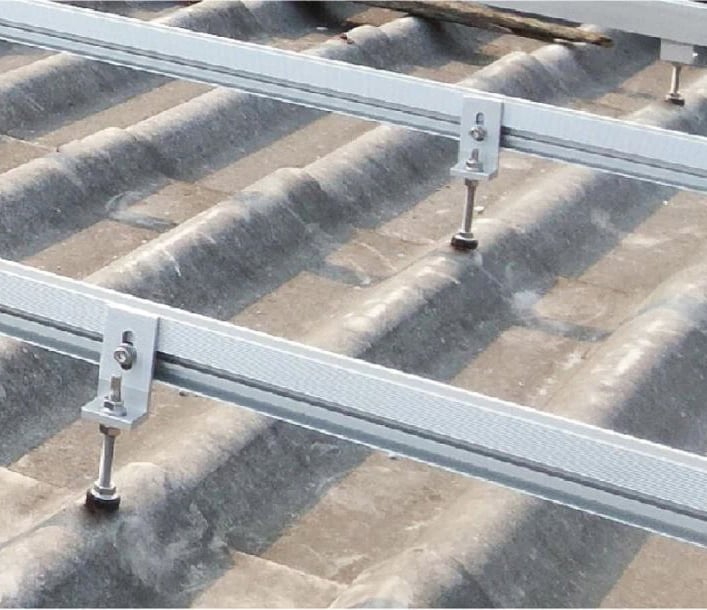
Corrugated roofs have curved ridges and valleys. The bracket position and fixing arrangement must match the roof geometry.
Appropriate sealing components and fastening details are necessary to help maintain roof waterproofing.
Standing seam roofs usually require a compatible seam clamp solution to avoid unnecessary penetration of the roof sheet.
A conventional screw-fixed L-foot should not automatically be assumed to be suitable for every standing seam profile.
The correct solution depends on the seam shape and the mounting system design.
Important: Always confirm the actual roof profile before selecting a mounting bracket. A product designed for one metal roof type may not be suitable for another.
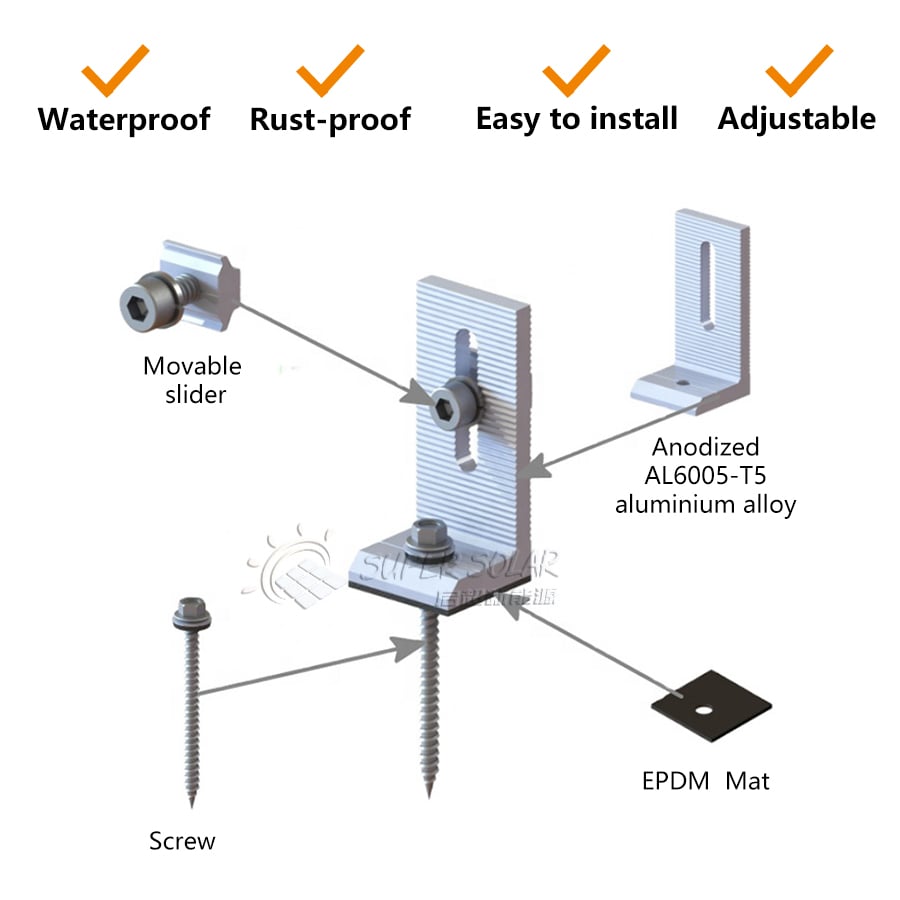
The fastening method directly affects how the L-foot connects to the roof structure.
Common fastening arrangements include:
Self-tapping screws for suitable metal roof applications
Stainless steel bolts and nuts for component connections
Compatible roof clamps for suitable standing seam applications
Waterproofing is another important consideration.
Depending on the roof and bracket design, sealing solutions may include:
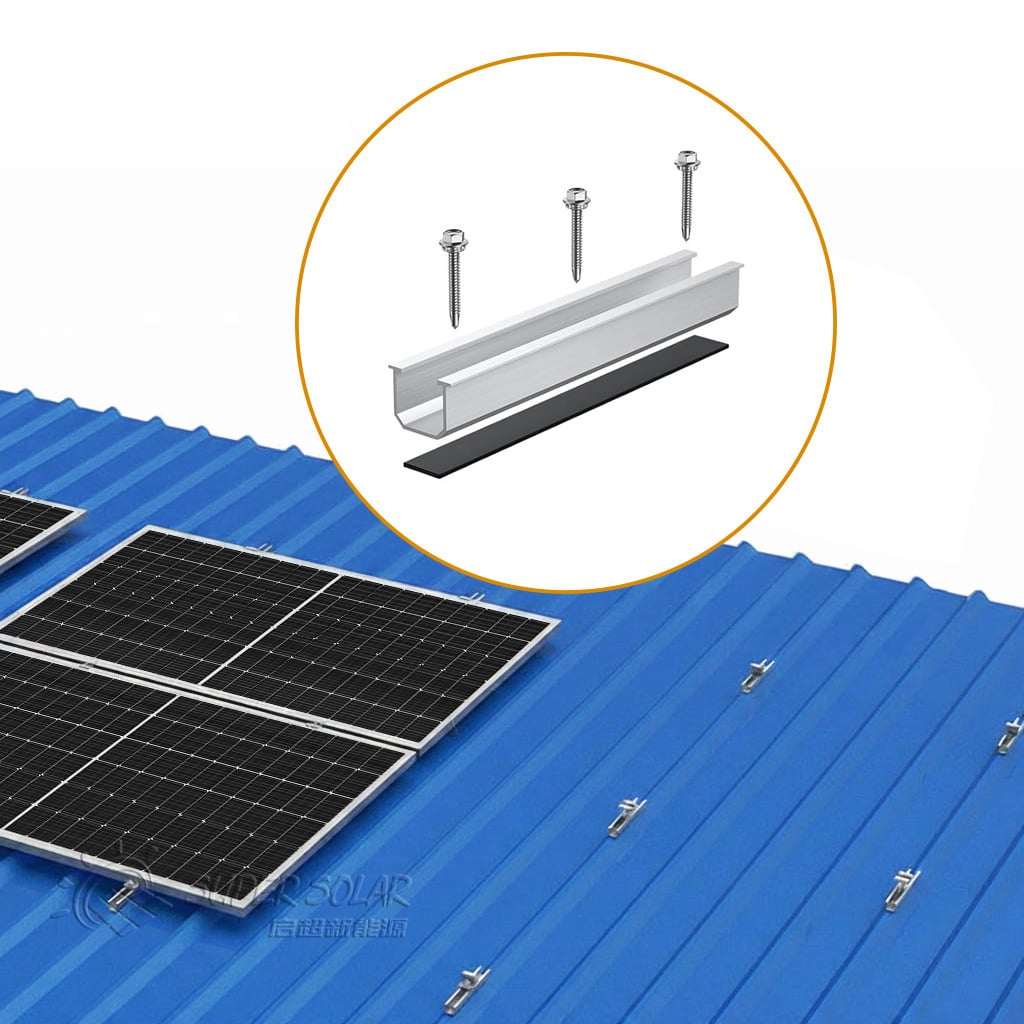
EPDM rubber sealing pads
Butyl sealing tape
Compatible sealing washers
Properly designed fastener sealing details
When evaluating a supplier, ask whether the L-foot is supplied with the required sealing components or whether they need to be ordered separately.
The roof fixing details should be reviewed as a complete system rather than treating the L-foot as an isolated component.
Incorrect screw placement, unsuitable fasteners, or poor sealing practices can increase the risk of roof leakage.
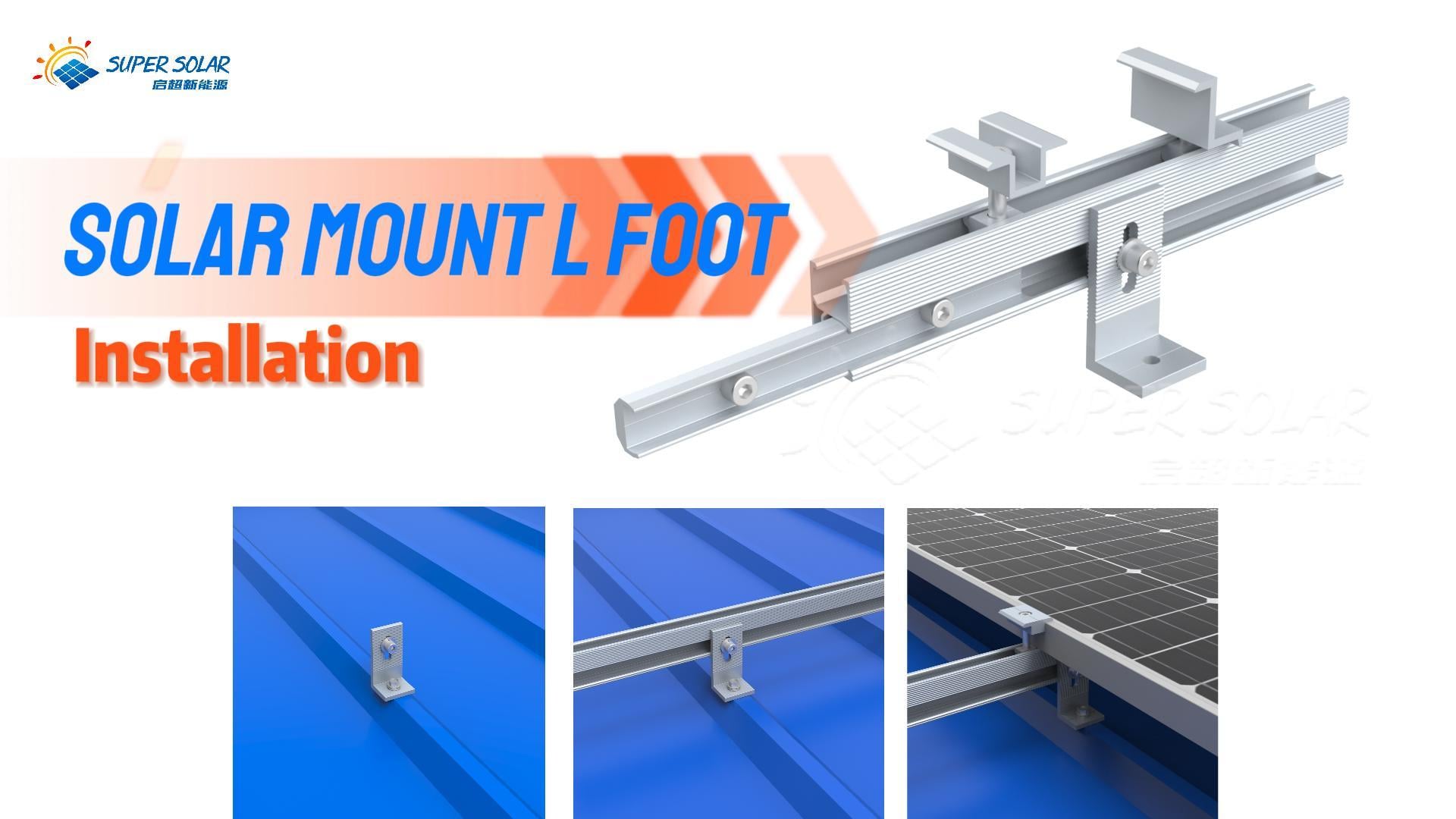
An L-foot bracket normally serves as a connection between the roof fixing point and the solar mounting rail.
Therefore, the top connection must match the rail design.
Before ordering, confirm:
Rail width and connection dimensions
Bolt and nut specifications
Slot or hole configuration
Required installation clearance
Compatibility with the selected rail series
For a complete metal roof solar mounting system, the L-foot is typically used together with mounting rails, rail connectors, mid clamps, and end clamps.
A compatible component combination helps simplify installation and reduce unnecessary adjustments on site.
For bulk procurement, it is often more efficient to source matched mounting components from the same manufacturer.
A solar mounting bracket must be selected according to the requirements of the complete mounting system.
Important project factors include:
Local design wind speed
Snow load, where applicable
Roof sheet thickness and supporting structure
Solar module dimensions and arrangement
Rail span and bracket spacing
Fastener type and fixing capacity
The L-foot should not be evaluated independently of the complete structural load path.
The roof sheet, supporting purlins, fasteners, mounting rails, and brackets all contribute to the performance of the installation.
For large commercial and industrial projects, request a system design review and relevant structural calculations before confirming the bracket configuration.
A manufacturer's general product specification should not be treated as a substitute for project-specific engineering verification.
For distributors, wholesalers, and EPC contractors, the manufacturer's supply capability is just as important as the product itself.
Before selecting a solar mounting bracket supplier, consider the following:
Product customization
Can the manufacturer customize bracket height, dimensions, hole positions, or shapes according to your drawings?
OEM and private labeling
Can the supplier provide customized packaging, product labels, and branding for your distribution business?
Sample and drawing support
Can you obtain technical drawings and samples before placing a bulk order?
Complete product supply
Can the manufacturer supply matching mounting rails, clamps, fasteners, and other accessories?
Production and delivery
Can the supplier provide a clear production schedule, packaging information, and international shipping support?
For distributors, standardized product specifications and customized packaging can help improve inventory management and strengthen their own product offering.
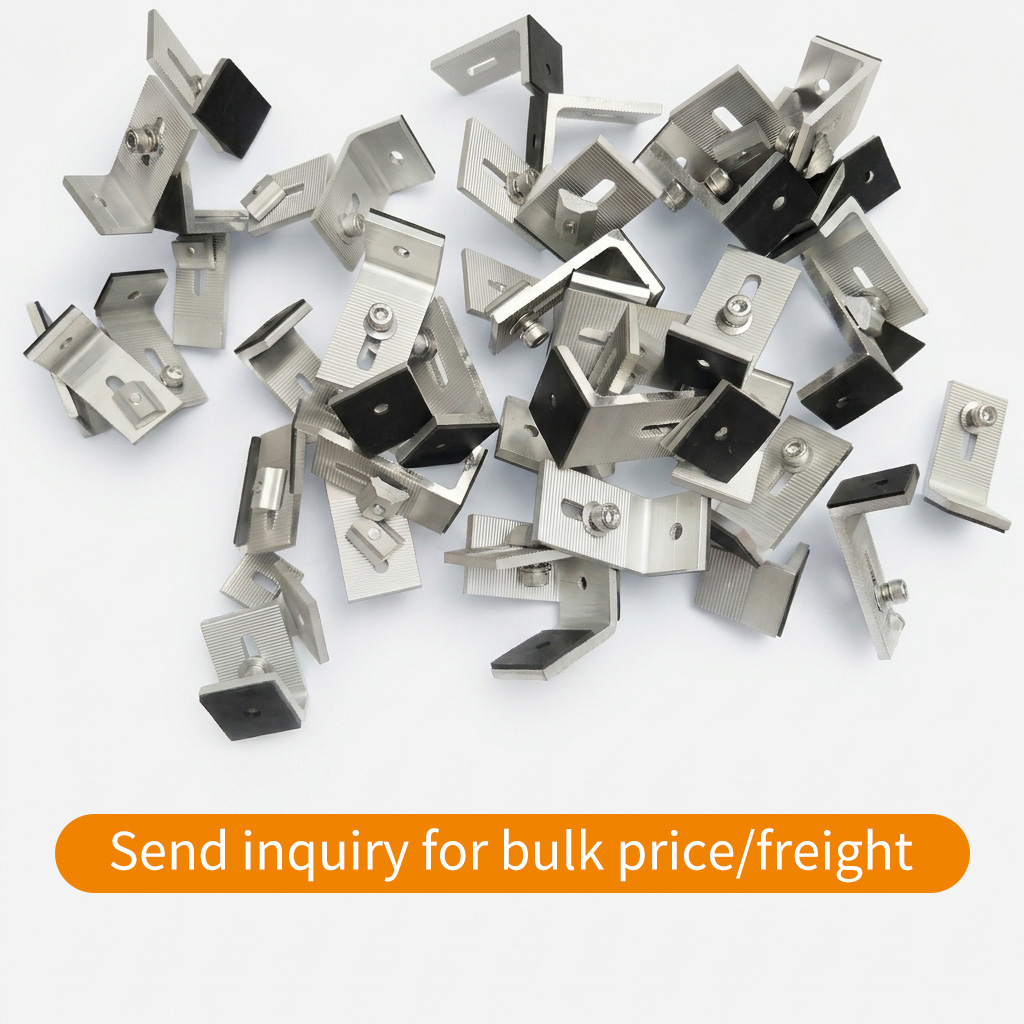
Before confirming your purchase, use this checklist to review the main requirements.
| Item | Information to Confirm |
|---|---|
| Application | Trapezoidal, corrugated, or other metal roof |
| Material | Aluminum alloy grade and fastener material |
| Dimensions | Height, width, thickness, and hole positions |
| Fixing method | Self-tapping screws or compatible roof clamps |
| Waterproofing | EPDM, butyl tape, or other suitable sealing details |
| Rail compatibility | Rail dimensions and connection hardware |
| Engineering | Project loads and fixing requirements |
| Customization | Drawings, samples, OEM and packaging |
| Supply | Quantity, lead time, and delivery arrangements |
Providing these details when requesting a quotation helps manufacturers recommend a more suitable configuration and reduces unnecessary communication during procurement.
Super Solar is a solar mounting system manufacturer and exporter established in 2017, serving installers, distributors, wholesalers, and EPC contractors in international markets.
Our solar L-foot mounting solutions are designed for metal roof applications and can be supplied with matching mounting components.
We support customers with:
AL6005-T5 aluminum alloy L-foot solutions
Stainless steel fastening components
Customized bracket heights, dimensions, and hole configurations
Matching solar mounting rails and clamps
OEM and customized packaging
Technical drawings and project-based design support
Whether you are purchasing standard L-foot brackets for distribution or developing a customized mounting solution for a commercial rooftop project, our team can help you review the requirements.
 |
 |
Aluminum alloy is commonly used because of its relatively low weight and corrosion resistance. Super Solar offers L-foot solutions using AL6005-T5 aluminum alloy with stainless steel fasteners.
Yes, but the fixing arrangement must match the roof profile. Trapezoidal and corrugated roofs may use screw-fixed brackets, while standing seam roofs generally require compatible seam clamps.
Waterproofing depends on the complete roof fixing design, including fasteners, sealing components, installation position, and roof construction. EPDM pads and butyl sealing materials can be used in suitable configurations.
Yes. Customization may include bracket height, dimensions, hole positions, and overall shape, depending on the project requirements and manufacturing feasibility.
Yes. Super Solar supports bulk supply and OEM packaging for installers, wholesalers, and distributors. Contact the sales team to discuss order quantities and packaging requirements.
Provide the roof profile, required bracket dimensions, material requirements, mounting rail specifications, estimated quantity, and project location. Drawings or reference samples are also helpful.
Looking for a reliable solar L-foot bracket manufacturer for your next metal roof project?
Send us your drawings, product specifications, or estimated order quantity.
Our team can help you review the mounting configuration and provide suitable product recommendations.
Contact Super Solar for product catalogs, technical drawings, samples, and bulk quotations.