 EN
EN


Ground mount solar racking cost is one of the most important variables in a ground-mounted photovoltaic project because the racking system connects the solar modules to the site and determines how securely, efficiently, and economically the array can be installed. A useful cost analysis should not look only at the price of rails or posts. It should account for structural materials, foundations, hardware, engineering, shipping, installation, site conditions, and the configuration of the solar array.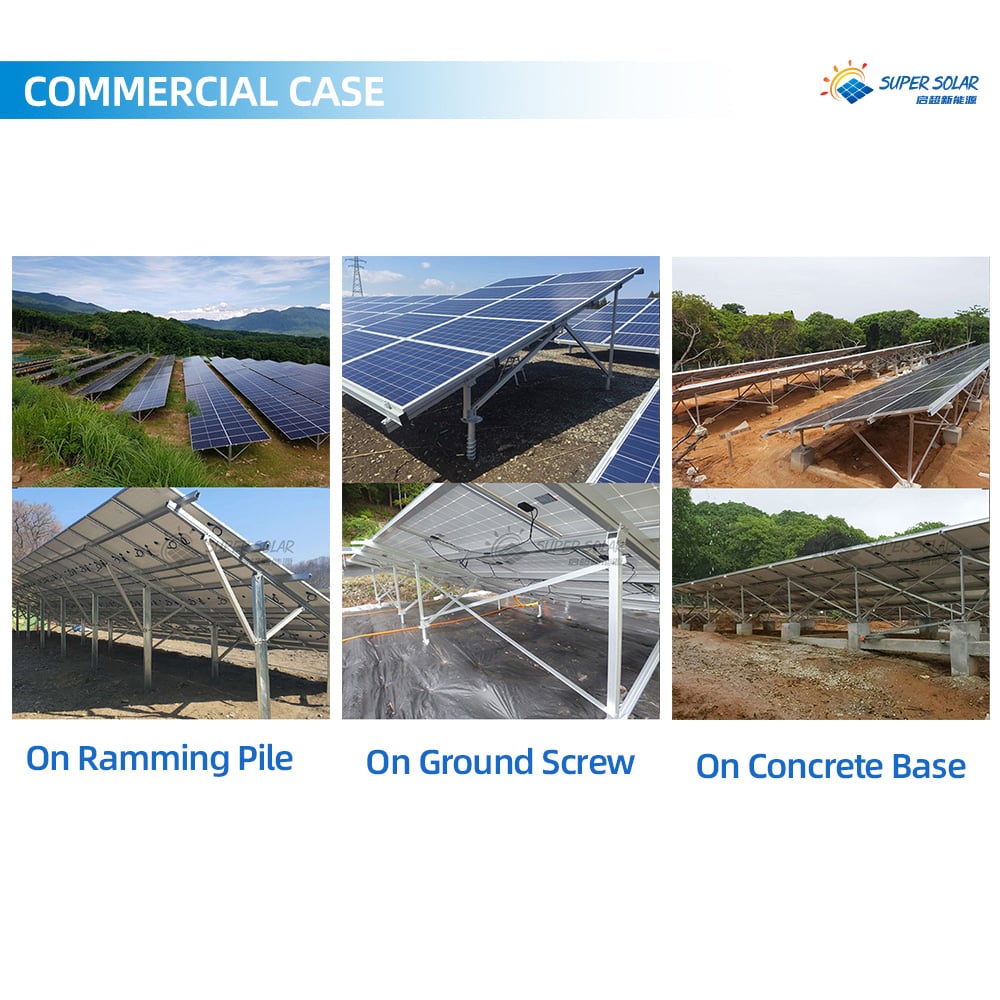
For buyers comparing a solar racking price from different suppliers, the most reliable approach is to compare complete system scope rather than a single unit price. A lower quotation may exclude foundations, clamps, fasteners, engineering, or freight, while a slightly higher quotation may include more of the components required for installation. Understanding what is included makes the final budget easier to control.
A ground-mounted system is made from several structural and connection components, and each one contributes to the total project cost. The final ground mount solar racking cost depends on the quantity, material, dimensions, and installation requirements of these components.
Posts are the primary vertical supports in many ground-mounted solar structures. Their dimensions and spacing depend on the module layout, structural loads, soil conditions, wind exposure, and the selected foundation method. Heavier steel sections can increase material cost, but they may reduce the number of supports or provide a structural advantage in demanding conditions.
Rails, beams, and other horizontal members support the modules and transfer loads into the posts. Their length and profile are influenced by module dimensions and array design. Aluminum can be attractive for some components because of its corrosion resistance and ease of handling, while galvanized or coated steel is commonly used where high structural strength and durability are priorities.
The solar racking price should therefore be evaluated according to the structural specification rather than material weight alone. Two systems may have similar-looking layouts but use different steel grades, profiles, coatings, or support spacing. These differences can affect both the purchase price and the amount of labor required during installation.
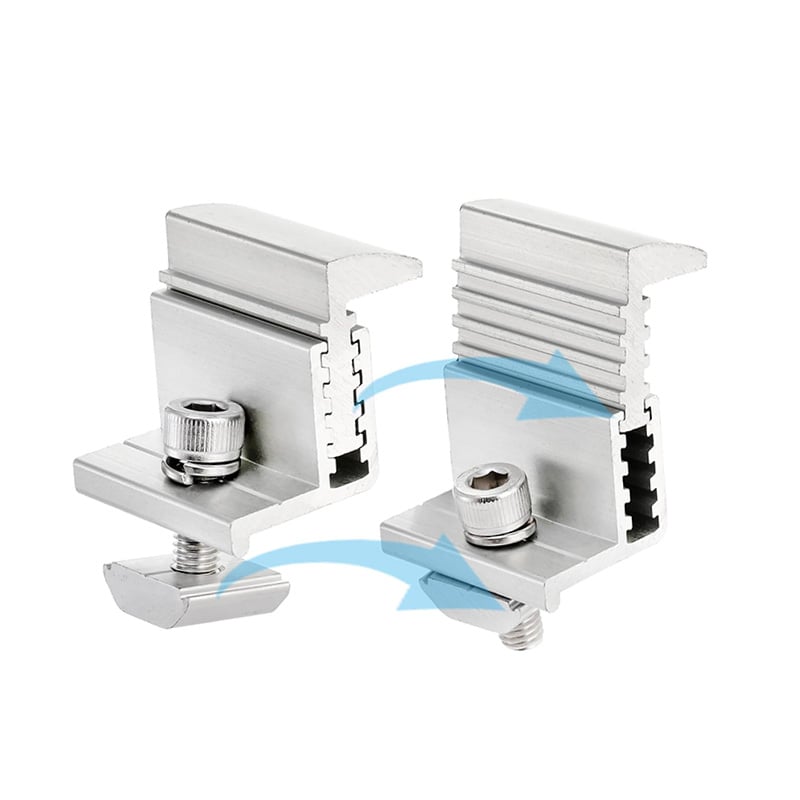
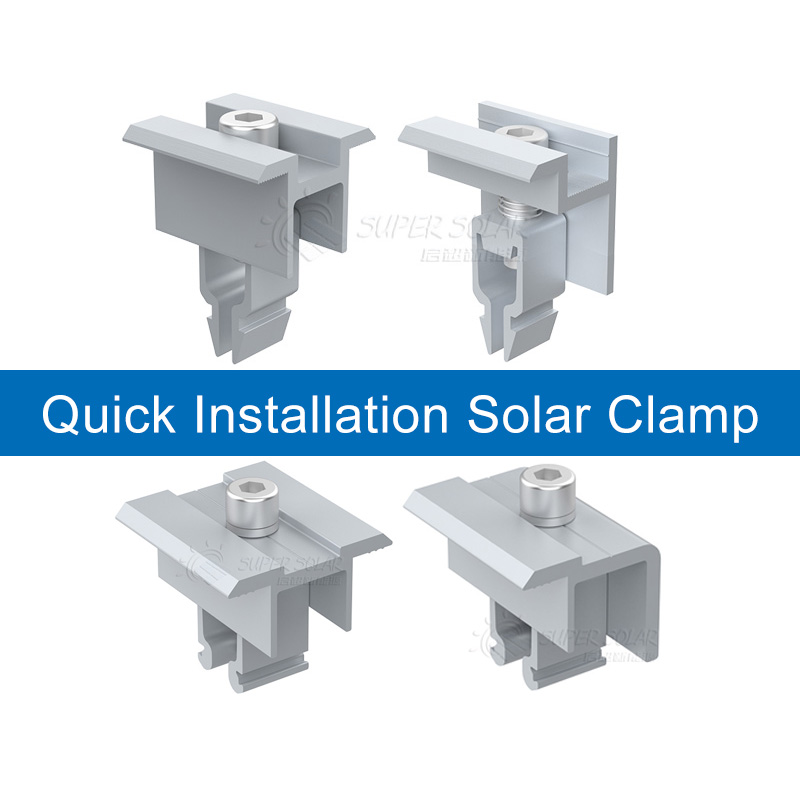
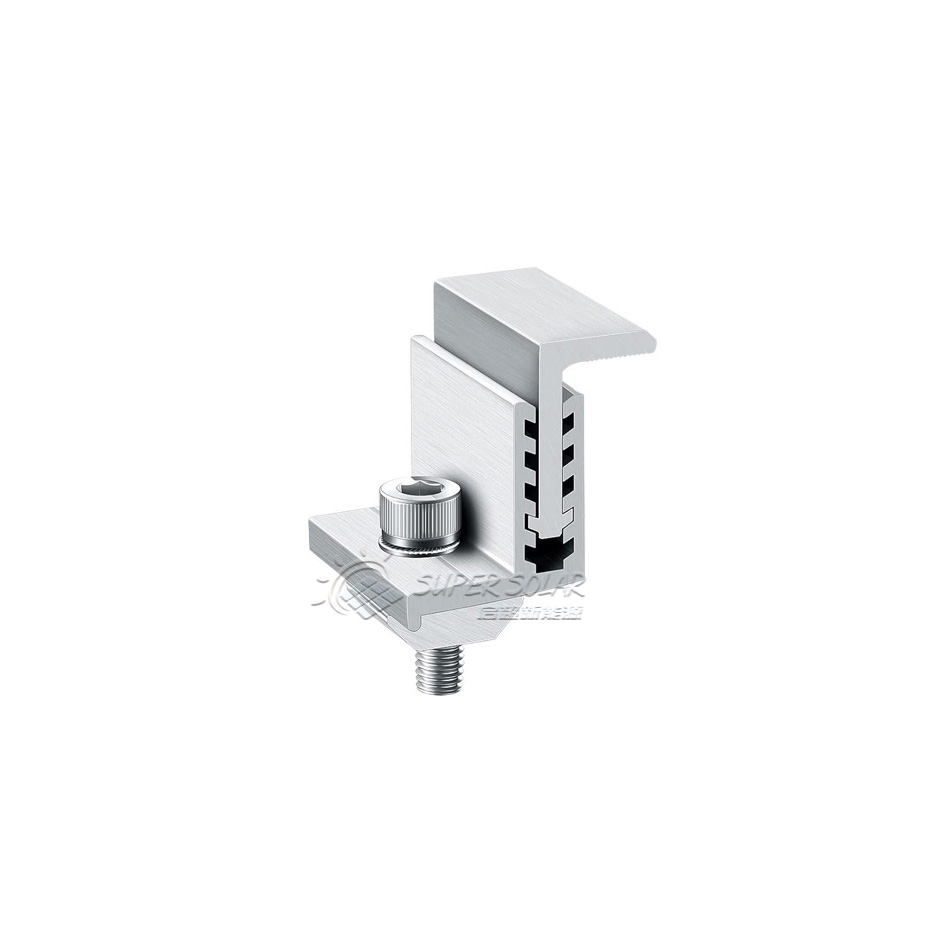
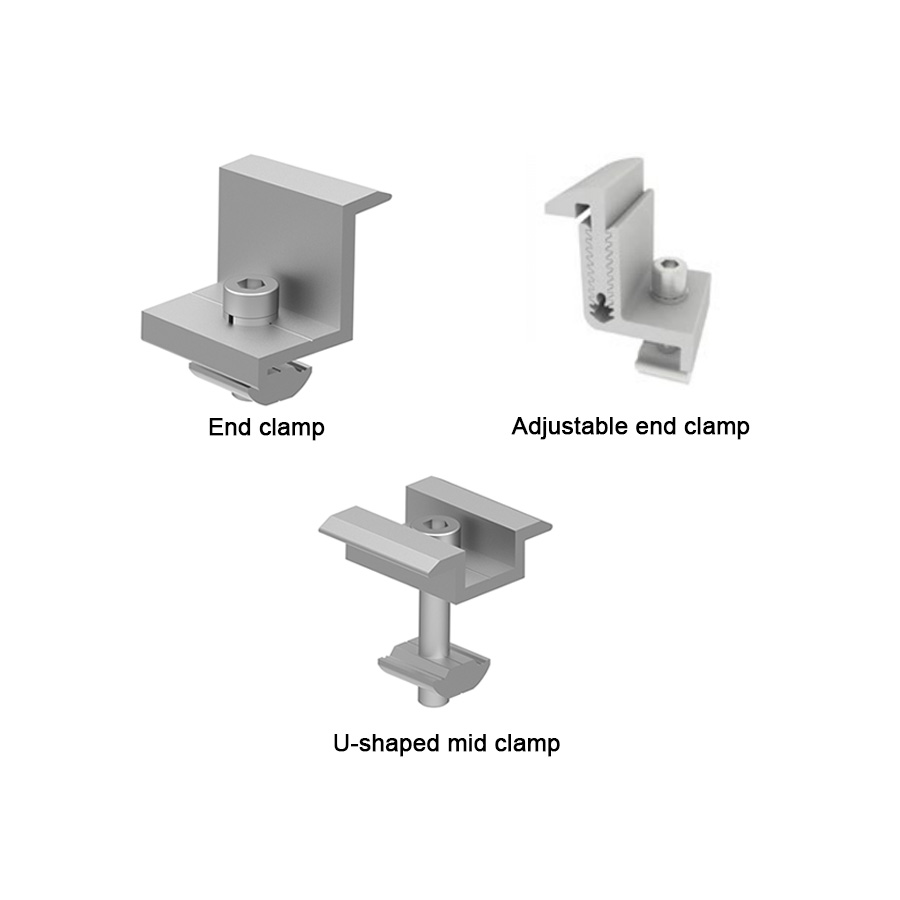
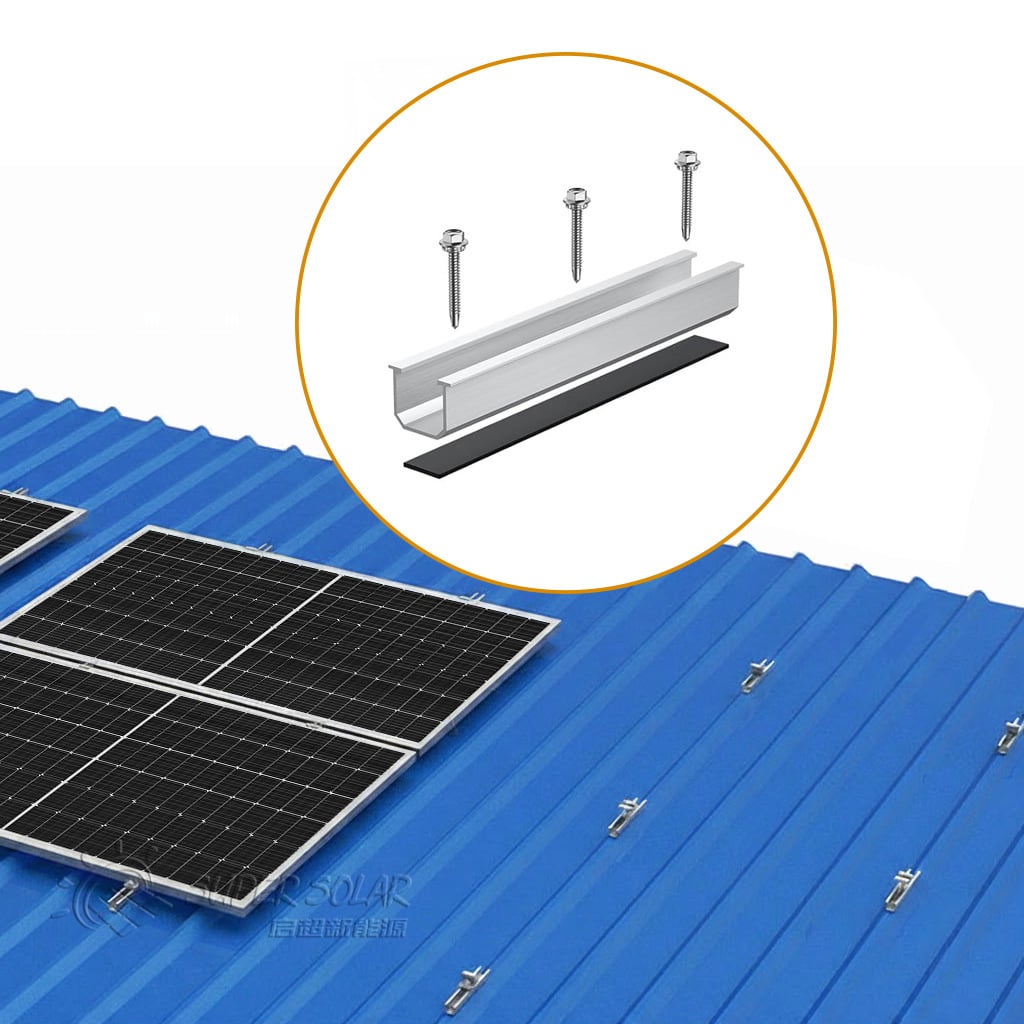
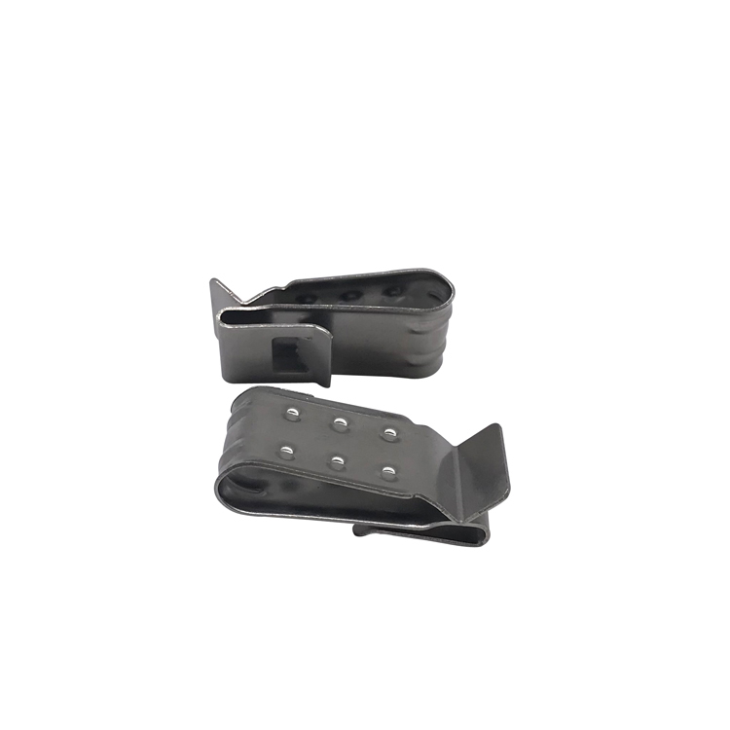
Module clamps and fasteners may represent a smaller portion of the material budget, but they are essential to a complete racking package. End clamps, mid clamps, bolts, nuts, washers, grounding components, and connection plates must match the module frame and structural design.
A quotation that appears inexpensive may become less competitive if these small parts are excluded. Buyers should confirm whether the quoted solar racking price includes all standard connection hardware and whether the components are supplied in quantities suitable for the stated number of modules.
Corrosion resistance is another consideration. Hardware used outdoors must be selected for the environment and compatible with adjacent structural materials. In coastal, humid, or chemically aggressive locations, material selection can have a meaningful impact on long-term maintenance and replacement costs.
The foundation is one of the biggest reasons ground mount solar racking cost can vary between projects. Unlike a rooftop array, a ground-mounted structure interacts directly with soil, terrain, drainage, and site access. A system that works efficiently on one site may require a different foundation or additional engineering on another.
Driven piles can provide an efficient foundation solution when soil conditions and local regulations allow them. Steel posts are driven into the ground using specialized equipment, reducing the need for extensive concrete work. This can shorten installation time and reduce certain foundation-related costs.
Ground screws are another option for suitable sites. They can be installed with relatively limited excavation and may be useful where the project requires reduced disturbance to the ground. However, their suitability depends on soil composition, load requirements, local practice, and equipment availability.
When comparing the solar racking price between foundation options, buyers should consider more than the component quotation. Equipment mobilization, installation labor, testing, transportation, and site preparation can change the total installed cost significantly.
Concrete foundations may be selected where soil conditions, structural requirements, or local construction practices make driven or screw foundations unsuitable. Concrete can provide a robust support method, but excavation, rebar, formwork, concrete delivery, curing time, and labor can increase project costs.
Rocky, highly compacted, unstable, or uneven ground can also increase the total budget. Additional drilling, grading, reinforcement, or specialized installation equipment may be required. Sloped sites may require longer posts, adjustable structures, retaining measures, or a different array layout.
For this reason, a realistic ground mount solar racking cost estimate should be based on actual site information whenever possible. Soil reports, topographic information, wind and snow loads, and access conditions can help suppliers prepare a more accurate structural proposal.
The physical design of the array has a direct relationship with material quantity and installation complexity. Buyers should define the intended module type, array capacity, row arrangement, tilt, and site constraints before comparing quotations.
Fixed-tilt structures are often straightforward to design and install. The support geometry remains at a set angle, which can simplify structural calculations and reduce the number of moving or adjustable components. For many commercial and utility-scale projects, this makes fixed structures a practical choice.
Adjustable structures allow the tilt angle or configuration to be changed, but additional hardware and more complex installation can increase cost. Whether the flexibility provides enough project value depends on the application and operating requirements.
A supplier's solar racking price should clearly identify the configuration being quoted. Comparing a basic fixed-tilt structure with an adjustable design without accounting for these differences can produce a misleading price comparison.
Module orientation, row spacing, panel dimensions, and array height influence the amount of structural material required. A layout with more posts or shorter spans can increase component quantities, while longer spans may require stronger structural members.
Project scale also changes purchasing economics. Larger projects may benefit from standardized components, bulk material procurement, optimized packaging, and more efficient installation. Smaller projects may not receive the same economies of scale.
The relationship between scale and ground mount solar racking cost is therefore not always linear. A larger system can have a lower cost per watt or per module even though its total racking expenditure is much higher. Buyers should compare normalized metrics such as cost per module, cost per kilowatt, and cost per square meter alongside the total quotation.
Material selection affects both the initial solar racking price and the expected service performance of the structure. Ground-mounted systems remain exposed to rain, humidity, temperature changes, wind, and potentially snow or corrosive conditions throughout their operating life.
Steel is widely used for ground-mounted structures because it provides high strength and can support efficient structural designs. Galvanization or other protective coatings can improve resistance to outdoor corrosion.
The coating specification matters when comparing suppliers. Hot-dip galvanization, coating thickness, steel grade, and fabrication quality can all affect durability and cost. A buyer should ask for the applicable material and coating standards instead of comparing quotations only by the amount of steel used.
A low solar racking price may not be advantageous if it is achieved through inadequate material specifications or insufficient corrosion protection. Structural integrity and long-term outdoor performance should remain part of the purchasing decision.
Aluminum may be used for rails, clamps, or other parts because it is relatively lightweight and naturally forms a protective oxide layer. Its lower weight can simplify handling in certain installation situations.
However, aluminum and steel components need to be designed with appropriate connections and corrosion considerations. The compatibility of different materials should be assessed, particularly in wet or coastal environments.
The best material combination depends on structural loads, project location, module design, installation methods, and supplier engineering. Buyers should compare the complete system specification rather than assuming that one material is automatically less expensive or more durable.
The purchase quotation is only one part of the project budget. Installation and logistics can have a substantial effect on the final cost, particularly when the site is remote or requires specialized equipment.
Installation labor depends on the foundation type, terrain, array size, module layout, and level of prefabrication. Systems with clearly labeled components and standardized connections can reduce assembly time and simplify site work.
Equipment requirements also matter. Driven piles may require piling machinery, while concrete foundations may require excavation and concrete-handling equipment. Ground screws may need specialized installation tools.
When evaluating ground mount solar racking cost, it is useful to ask suppliers for installation assumptions. A system that costs less to purchase but requires substantially more labor may have a higher total installed cost.
Ground-mounted structures contain long rails, posts, beams, and many smaller hardware items. Packaging and transportation therefore require careful planning. Freight costs depend on shipment distance, cargo volume, weight, packaging efficiency, and delivery requirements.
A supplier may quote a competitive solar racking price on an ex-works or factory basis, while another quotation may include additional delivery services. These terms should be normalized before comparing offers.
Packaging quality also affects project efficiency. Proper bundling and labeling can reduce sorting time at the jobsite and lower the risk of missing components. For international projects, buyers should also clarify export packaging, documentation, and delivery responsibilities.
A structured comparison can prevent buyers from selecting a quotation that appears cheap but does not cover the complete project requirement. The objective is to identify the most competitive total value rather than the lowest line-item price.
Start by creating a common specification for all suppliers. Include module dimensions, module quantity, array configuration, tilt angle, foundation type, design loads, material grades, coating requirements, and installation assumptions.
Then confirm the exact scope of supply. Check whether posts, rails, clamps, fasteners, grounding components, foundation hardware, and structural accessories are included. Engineering calculations and drawings should also be identified separately when they are required.
Only after the technical scope is aligned does a solar racking price become meaningfully comparable. This approach is especially important for B2B procurement because a small difference in unit pricing can be outweighed by missing components or additional site work.
A useful procurement comparison should consider material cost, freight, labor, equipment, foundation work, engineering, and potential maintenance requirements. Buyers can calculate a project-level cost per watt or per module to make different system sizes easier to compare.
It is also helpful to review the supplier's production capacity, quality control, customization capability, lead time, and documentation. For commercial projects, consistent supply and clear technical support can reduce procurement risk.
The lowest solar racking price is not necessarily the lowest project cost. A complete quotation with appropriate engineering and reliable components may deliver better value when installation and lifecycle requirements are included.
Budgeting should begin with the project characteristics rather than a generic price assumption. Early estimates can use historical project data, but a supplier quotation should be updated after the key technical and site parameters are known.
At the planning stage, define the number of modules, approximate system capacity, module dimensions, preferred mounting configuration, project location, and likely foundation method. These inputs provide a starting point for estimating structural quantities.
It is also useful to separate the budget into racking materials, foundations, installation, transportation, engineering, and contingency. This makes it easier to identify which cost category is driving the project.
For buyers requesting a solar racking price from manufacturers, providing a detailed project specification can improve quotation accuracy. Suppliers can then estimate material quantities and propose a suitable structure instead of giving a generic catalog price.
Cost control does not always mean choosing lighter or cheaper components. It can involve optimizing post spacing, standardizing component sizes, improving packaging, reducing unnecessary custom fabrication, and selecting a foundation method that fits the site.
Procurement teams should also check lead times before finalizing the design. Delays in structural components can affect the installation schedule and create additional labor or equipment costs.
A clear technical drawing and bill of materials can further reduce purchasing errors. When the scope is documented, suppliers can quote against the same requirements, making both price and quality easier to evaluate.
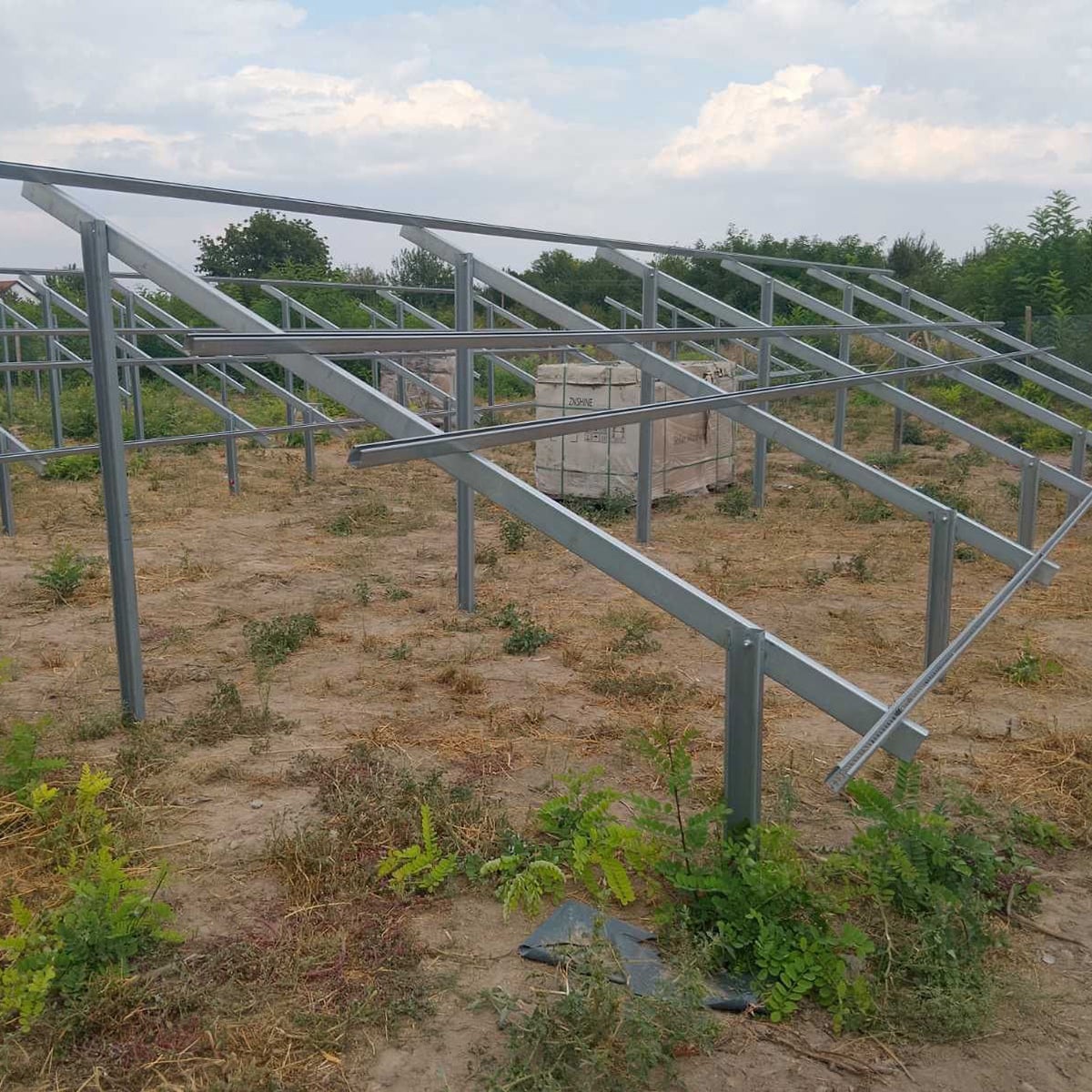
Ground mount solar racking cost can include posts, rails, beams, clamps, fasteners, grounding components, and other structural hardware. Depending on the supplier and quotation terms, foundations, engineering, freight, and installation may be separate. Buyers should request a detailed bill of materials and scope of supply before comparing offers.
The main factors include structural material, coating, foundation type, soil conditions, array size, module layout, design loads, site terrain, customization, freight, and installation requirements. The same racking configuration can have different total costs on different sites because foundation and labor conditions vary.
No. A lower quotation may exclude important components, engineering, freight, or installation-related requirements. It may also use different material grades or coating specifications. The better comparison is the total cost for an equivalent technical scope and the expected performance of the complete system.
Provide the supplier with module dimensions and quantity, array capacity, layout, tilt angle, project location, soil information, design loads, foundation preference, and delivery requirements. The more complete the project information, the more accurately a manufacturer can calculate structural quantities and provide a project-specific quotation.
 Hot News
2025-11-03
2025-10-22
2025-01-24
2024-06-12
2024-06-12