 EN
EN
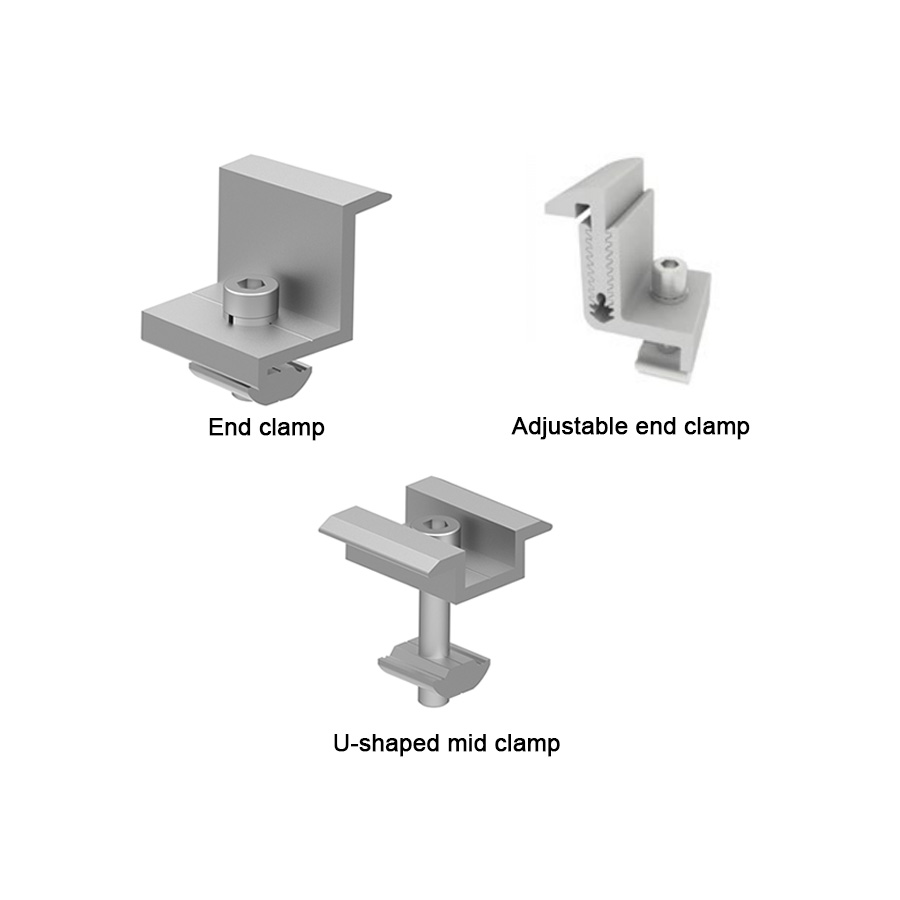
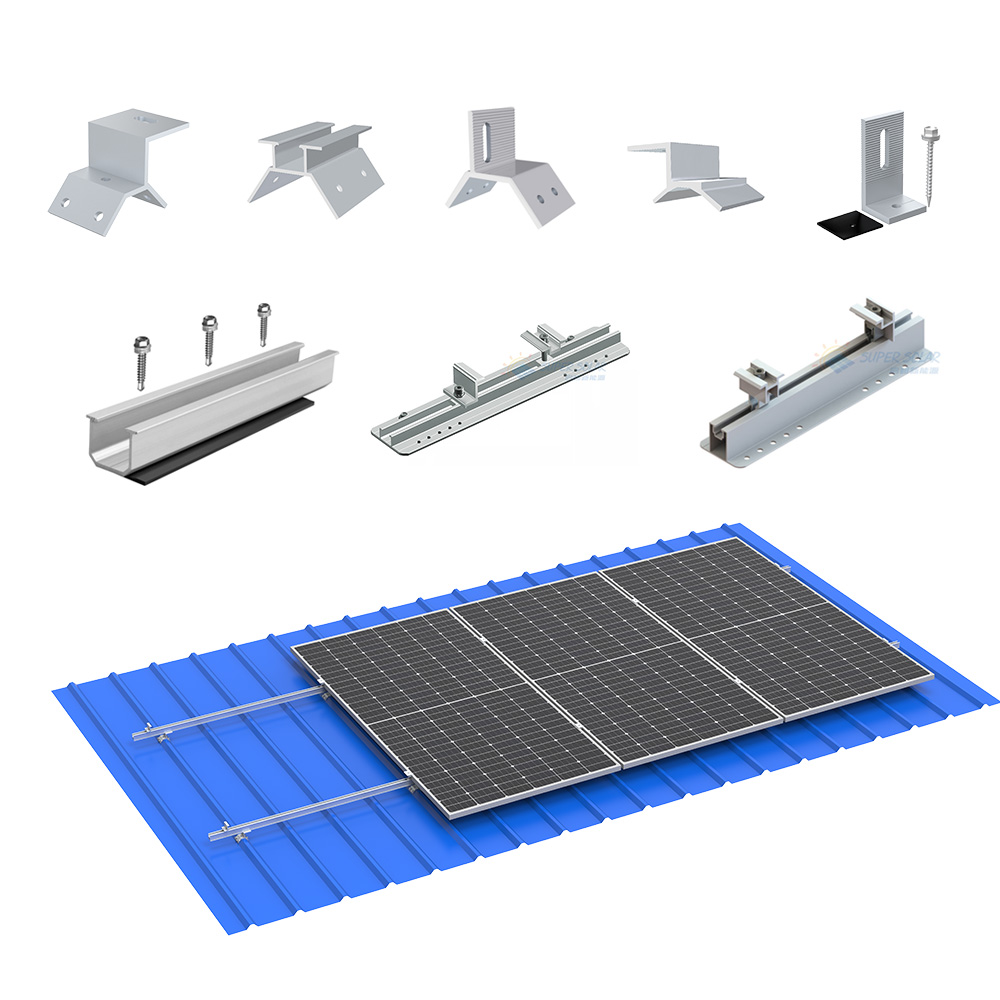
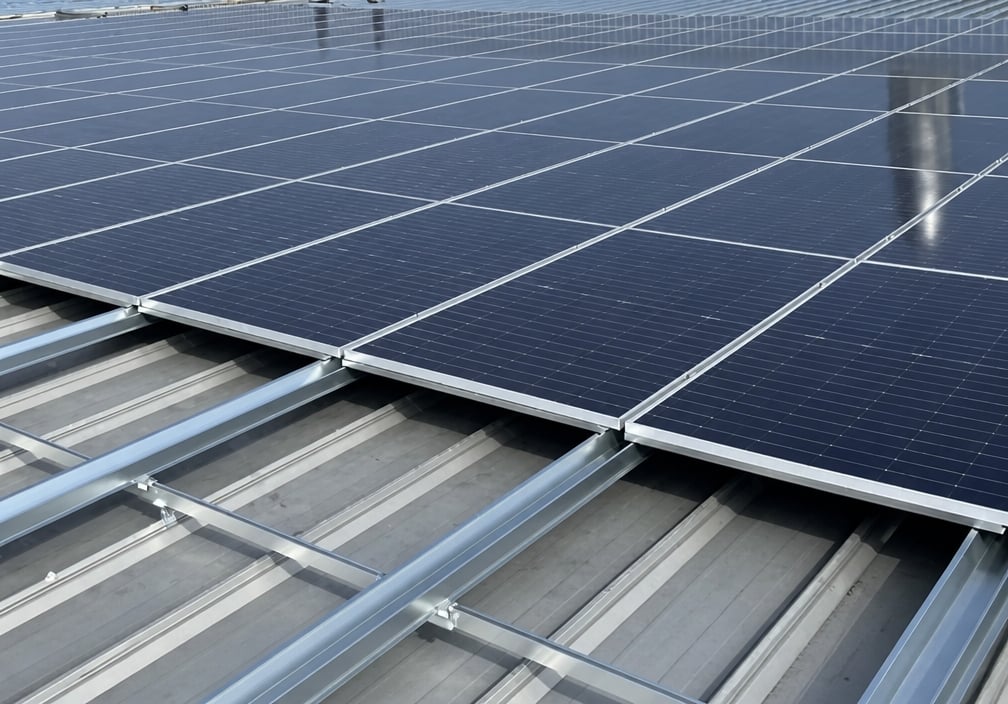

Solar mounting system cost is influenced by much more than the price of the structural components themselves. A complete solar mounting solution may include rails, posts, brackets, clamps, fasteners, foundations, protective coatings, engineering, transportation, and installation. The final cost depends on how these elements are selected and how well they match the project site and solar module configuration.
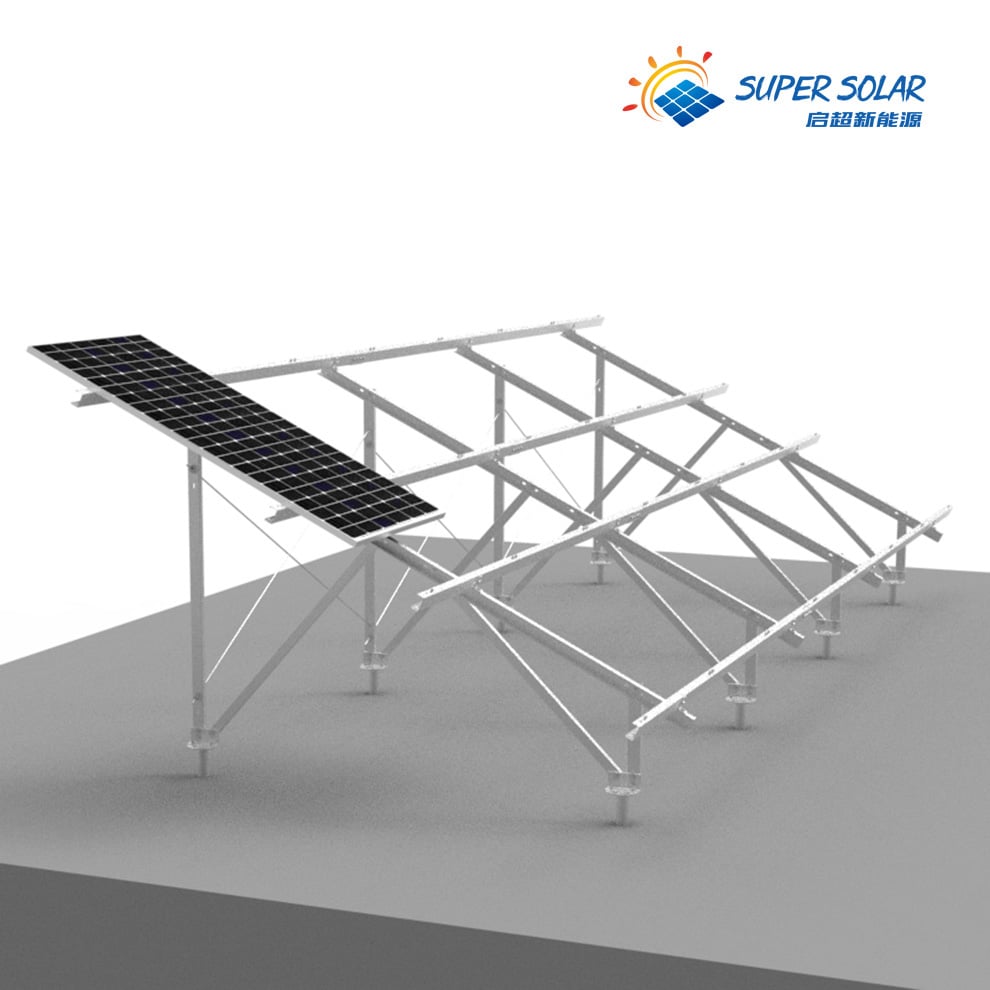
For commercial and industrial buyers, understanding these cost drivers is important when comparing suppliers. A quotation with a lower solar support structure price does not always represent a lower total project cost. Differences in materials, structural design, foundation requirements, customization, and installation can significantly change the final budget.
The materials used in a mounting system have a direct influence on its initial cost, structural performance, and outdoor durability. Comparing suppliers requires looking at both the material type and the specifications behind it.
Steel is widely used for ground-mounted solar structures because it provides high structural strength and can support large module arrays. The steel grade selected for posts, beams, and other load-bearing members affects the amount of material required for the design.
A stronger structural section may allow longer spans or fewer support points in certain applications. However, heavier or higher-grade materials can increase the initial solar support structure price. The correct choice depends on wind loads, snow loads, module weight, array geometry, and local structural requirements.
Buyers should avoid comparing steel structures only by weight or price per kilogram. Two systems with similar weights can have different structural efficiencies because of differences in profiles, dimensions, connection methods, and engineering. A properly optimized structure can sometimes reduce overall material consumption without compromising structural requirements.
Material thickness is another important consideration. Using thinner components may reduce the initial solar support structure price, but the design must still meet applicable load requirements. A reliable supplier should be able to provide technical specifications and structural calculations rather than relying only on a basic material quotation.
Aluminum is commonly used in certain solar mounting applications, particularly for rails, clamps, and lightweight structural components. Its relatively low weight can make transportation and installation easier, while its corrosion resistance is useful in outdoor environments.
However, aluminum does not automatically produce a lower-cost system. The material price, profile design, extrusion requirements, connection hardware, and structural loads all influence the final cost. In some applications, a mixed steel-and-aluminum structure may provide a practical balance between strength, weight, and corrosion resistance.
When comparing the solar support structure price between different material combinations, buyers should consider the complete structure rather than a single component. A lightweight rail may look inexpensive, but additional supports or connection components could change the overall project cost.
The selected materials should also be compatible with each other. Proper connection design can help reduce galvanic corrosion and improve long-term reliability. Material selection therefore needs to consider both purchase cost and the environmental conditions in which the mounting system will operate.
The size and layout of a solar installation have a major impact on the amount of mounting material required. Larger projects can benefit from standardized designs and bulk procurement, while unusual layouts may require more customized components.
Solar module dimensions directly affect rail length, support spacing, clamp selection, and structural layout. Larger or heavier modules may require different support arrangements from smaller modules.
The number of panels also determines the total quantity of mounting components. A small commercial installation may require a relatively simple structure, while a large solar farm can involve thousands of posts, rails, clamps, and fasteners.
Module orientation is another factor. Portrait and landscape configurations can require different rail arrangements and support positions. If the layout is changed after the structural design has been completed, additional engineering or component changes may be necessary.
When requesting a solar support structure price, buyers should provide accurate module dimensions and quantities whenever possible. A supplier can then calculate material requirements more precisely instead of providing a generic price based on assumptions.
The distance between rows influences both the physical size of the installation and the quantity of structural components. Tighter layouts may reduce land requirements, but they need to account for shading, access, maintenance, and installation requirements.
Longer rows can sometimes reduce the number of structural connections, but they may require stronger beams or different support spacing. Shorter rows may simplify transportation and installation but increase the number of structural components.
The relationship between layout and solar mounting system cost is therefore highly project-specific. A design that uses fewer components is not automatically better if it creates installation difficulties or fails to make efficient use of the available site.
For large projects, structural optimization can have a meaningful impact on the total budget. Even a small reduction in material per module can become significant when multiplied across a large installation.
Foundation requirements are among the most important factors affecting the cost of ground-mounted solar structures. The same mounting design can have very different installation costs depending on the soil, terrain, and foundation method.
Ground screws and driven piles are commonly considered for suitable ground-mounted projects. They can provide efficient installation without the same level of concrete work associated with traditional foundations.
Driven piles require suitable equipment and soil conditions. Their installation speed can help reduce labor requirements, but difficult ground may require additional drilling, testing, or specialized equipment.
Ground screws can be useful where their load capacity and installation requirements match the site conditions. Their cost depends on screw dimensions, material specifications, installation depth, soil resistance, and equipment.
Therefore, the solar support structure price should not be considered separately from the foundation method. A supplier quotation for structural components may appear competitive while the required foundation work creates additional project expenses.
Concrete foundations may be necessary when ground conditions do not support other foundation solutions or when specific structural requirements call for them. Excavation, reinforcement, concrete, formwork, curing, and labor can increase the overall installation budget.
Rocky ground can also increase costs because standard piling or screw installation may not be practical. Additional drilling or specialized machinery may be required before the mounting structure can be installed.
Soft or unstable soil presents a different challenge. The foundation may need greater depth, larger dimensions, or additional structural engineering. Soil testing can therefore be valuable before finalizing a mounting system quotation.
For this reason, buyers should provide soil information whenever possible when requesting a solar support structure price. Site-specific engineering can produce a more realistic estimate than a standard catalog quotation.
The physical environment directly affects the structural requirements of a solar mounting system. Wind, snow, temperature, humidity, and corrosion conditions can all influence the amount and type of material required.
Wind load is particularly important for elevated solar arrays because the modules and supporting structures are exposed to aerodynamic forces. High-wind locations may require stronger posts, deeper foundations, closer support spacing, or reinforced connections.
Snow load can also affect structural design in regions with significant seasonal accumulation. Heavier snow loads may require stronger beams and additional supports to maintain structural safety.
These requirements can increase the solar support structure price because the structure may need more material or stronger components. However, reducing structural capacity simply to obtain a lower quotation can create significant risks during the operating life of the installation.
A proper design should therefore be based on local environmental requirements. Buyers should provide the project location and applicable design loads when requesting a quotation.
Coastal installations can expose mounting structures to salt-laden air and high humidity. In these environments, corrosion protection becomes particularly important.
Hot-dip galvanized steel is commonly considered for outdoor steel structures, while aluminum and corrosion-resistant hardware may be used for selected components. The coating specification, thickness, and surface treatment can affect both durability and initial cost.
A higher solar support structure price may be justified when additional corrosion protection is required for a demanding environment. Buyers should compare coating standards and material specifications rather than choosing a system based solely on the lowest quotation.
Environmental conditions should be included in the initial design stage. Retrofitting corrosion protection after installation can be more difficult and expensive than selecting appropriate materials from the beginning.
Standardized mounting systems can often reduce engineering and manufacturing complexity. However, many commercial projects require modifications because of their specific module types, site conditions, or installation requirements.
Fixed-tilt systems use a predetermined module angle and relatively straightforward structural geometry. Their simpler design can reduce the number of adjustable components and simplify installation.
The solar mounting system cost of a fixed structure depends on the tilt angle, module layout, structural loads, foundation type, and material specifications. A basic fixed-tilt system can be economical when the site has straightforward conditions.
However, fixed does not mean identical for every project. Different regions may require different structural dimensions because wind and snow loads vary. The same module arrangement can therefore result in different material requirements from one location to another.
When comparing the solar support structure price of fixed systems, buyers should ensure that all suppliers are quoting against the same tilt angle, load conditions, module configuration, and foundation assumptions.
Adjustable structures can accommodate different installation conditions or module orientations, but additional adjustment mechanisms and connection points can increase manufacturing and installation complexity.
Customized mounting systems may also require specially fabricated posts, rails, brackets, or clamps. Engineering and tooling costs can influence the initial quotation, particularly for relatively small production quantities.
Customization can nevertheless reduce the total project cost when it solves a specific installation problem. For example, an optimized structure may reduce unnecessary material, simplify assembly, or better accommodate unusual terrain.
The right approach is to evaluate customization according to project value. A slightly higher solar support structure price may be reasonable if the customized design significantly reduces installation time or improves structural efficiency.
The way a mounting system is manufactured also affects its cost. Production efficiency, component standardization, quality control, and order quantity can all influence the final quotation from a supplier.
Large-volume orders can provide opportunities for more efficient procurement and production. Standardized components can also reduce fabrication time and simplify inventory management.
For manufacturers, repeatable profiles and connection methods can improve production efficiency. These savings may be reflected in a more competitive solar support structure price for larger projects.
Smaller customized orders may require more engineering and production preparation per unit. This does not necessarily make them uneconomical, but the supplier may need to account for additional setup and fabrication costs.
Buyers should therefore provide expected order quantities and project schedules when requesting pricing. This allows manufacturers to evaluate whether standard components or project-specific production is more appropriate.
Engineering is an important but sometimes overlooked part of mounting system cost. Structural calculations, technical drawings, load analysis, and component specifications require professional resources.
Quality control also contributes to production costs. Material inspection, dimensional checks, coating inspection, welding control, and final packaging can increase manufacturing expenses but help maintain consistent product quality.
A quotation that excludes engineering or quality documentation may appear cheaper than a more comprehensive offer. Comparing the solar support structure price fairly requires checking whether these services are included.
For B2B procurement, documentation can also simplify project approval and communication between suppliers, engineers, contractors, and installation teams. The value of technical support should therefore be considered alongside the component price.
The factory quotation is not necessarily the final cost of a mounting system. Long structural components can create transportation challenges, while installation requirements can vary considerably between projects.
Rails, beams, posts, and other structural members may occupy considerable cargo space. Freight costs depend on shipment distance, cargo volume, weight, packaging method, and delivery terms.
Efficient packaging can reduce wasted container space and protect components during transportation. Proper bundling and labeling can also make it easier for installation teams to identify components at the jobsite.
When comparing solar mounting system cost, buyers should confirm whether freight is included in the quotation. Factory pricing, FOB pricing, CIF pricing, and delivered pricing represent different cost scopes and should not be compared directly without adjustment.
International buyers should also account for customs procedures, import requirements, and local transportation when calculating the complete project budget.
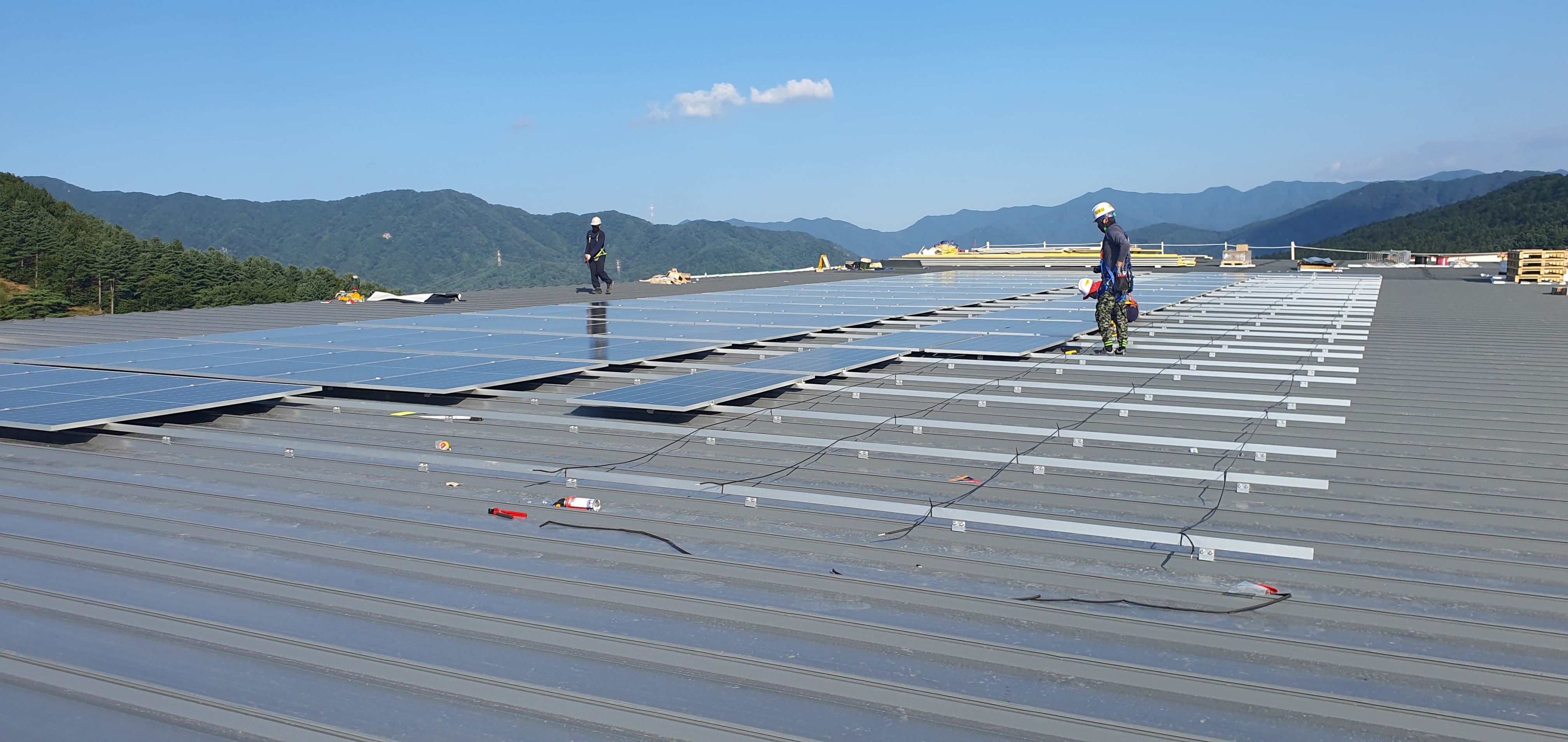
Installation cost depends on the foundation method, terrain, system design, labor rates, and equipment requirements. A structure that is quick to assemble can reduce onsite labor even if its component price is slightly higher.
Prefabricated components and standardized connections can help simplify installation. Clear installation drawings and labeled hardware can also reduce assembly errors and unnecessary delays.
For ground-mounted projects, machinery may be required for pile driving, drilling, or ground screw installation. Equipment availability can have a significant effect on project cost.
Consequently, the most useful solar support structure price comparison includes both material and installation considerations. Looking only at the supplier's factory price can give an incomplete picture of the actual investment.
Cost control should focus on improving the efficiency of the complete system rather than simply selecting the lowest-priced components. A balanced approach can help maintain structural performance while reducing unnecessary expenses.
Structural optimization can reduce unnecessary steel or aluminum without compromising required load capacity. Proper support spacing, beam dimensions, connection design, and module layout can all contribute to material efficiency.
Standardizing components where practical can reduce fabrication complexity and simplify replacement or future procurement. It can also improve packing efficiency and installation procedures.
Buyers should ask suppliers to provide a bill of materials when comparing quotations. This makes it easier to identify differences in component quantities and specifications.
The goal is not simply to find the lowest solar support structure price. It is to achieve the most appropriate structural design for the required loads, installation conditions, and project scale.
A complete comparison should include structural materials, foundations, engineering, freight, labor, equipment, and expected maintenance requirements. Looking at these costs together provides a more realistic picture of the project's economics.
Buyers should also verify material grades, corrosion protection, load calculations, warranties, production capabilities, and delivery schedules. These factors can affect project risk even when they do not appear as obvious line items in the quotation.
A supplier offering a competitive solar support structure price together with engineering support and consistent manufacturing may provide better overall value than a supplier offering a lower component price with limited technical support.
The best procurement decision is therefore based on equivalent specifications and total project requirements. Once the technical scope is standardized, price differences become much easier to understand and evaluate.
There is no single factor that determines solar mounting system cost for every project. Material specifications, foundation type, soil conditions, wind and snow loads, system size, module configuration, and installation requirements can all have a major effect. For ground-mounted projects, foundation and site conditions are often especially important.
Not necessarily. A higher solar support structure price may reflect stronger materials, better corrosion protection, more engineering, customization, or additional services. However, price alone cannot prove quality. Buyers should compare material specifications, structural calculations, coating standards, manufacturing quality, and scope of supply.
Buyers can reduce costs by optimizing the structural design, standardizing components, selecting an appropriate foundation method, improving packaging efficiency, and comparing complete quotations. Providing accurate module and site information can also prevent over-design and unnecessary customization.
Suppliers generally need module dimensions and weight, module quantity, array configuration, tilt angle, project location, foundation preference, soil information, wind and snow loads, corrosion conditions, and delivery requirements. More complete project information allows the supplier to calculate material quantities and provide a more accurate quotation.
 Hot News
2025-11-03
2025-10-22
2025-01-24
2024-06-12
2024-06-12