 EN
EN


Requesting a solar mounting quotation is an important step in planning a photovoltaic installation because the mounting structure affects not only the initial equipment budget but also structural reliability, installation efficiency, transportation, and project compatibility. A professional quotation should be based on actual project requirements rather than a simple request for a unit price.
For commercial, industrial, and utility-scale projects, buyers often contact several manufacturers or distributors before making a purchasing decision. However, quotations are only useful for comparison when suppliers receive similar technical information. A clear request helps a solar mounting supplier quote the correct structure, calculate the required components, and identify potential installation issues before production begins.
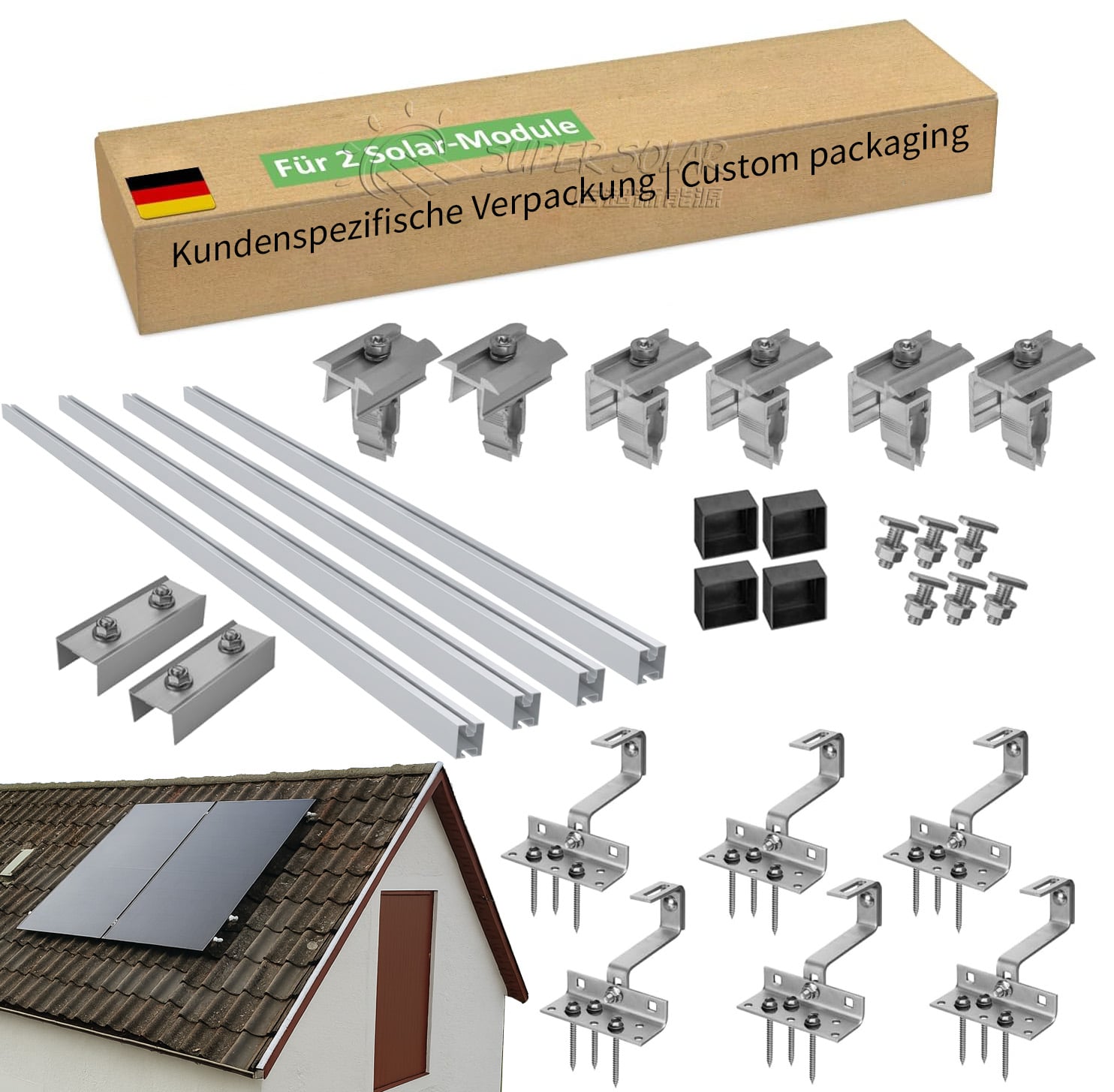
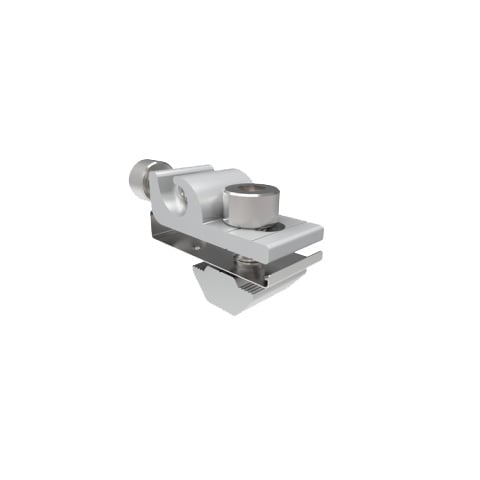
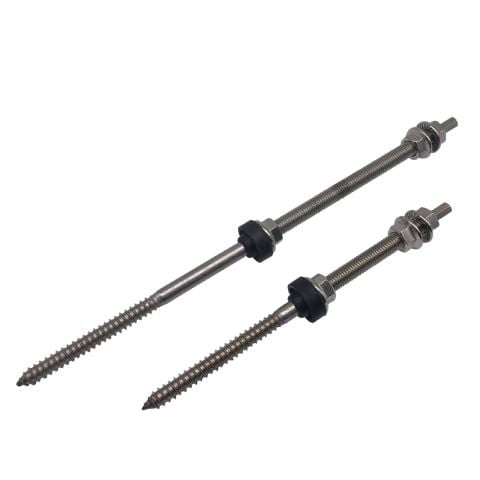
A solar mounting supplier quote may include structural components such as rails, beams, posts, brackets, clamps, fasteners, grounding accessories, and foundations. Depending on the supplier and project scope, engineering drawings, structural calculations, packaging, and delivery may also be included. Understanding these details makes the quotation process much more efficient.
The quality of a quotation depends heavily on the information provided to the supplier. Before requesting pricing, buyers should prepare the basic technical and commercial details that determine the mounting system configuration.
The first information a supplier normally needs is the solar panel specification. Provide the exact module dimensions, including length, width, and frame thickness, because these measurements determine clamp selection, rail positioning, and the overall mounting layout.
Module weight is also important for structural calculations. Heavier modules can affect the required support spacing and load distribution. If the project uses more than one module type, each specification should be identified separately.
The total number of modules should also be stated. A supplier can use the quantity to estimate the number of rails, posts, clamps, brackets, and other structural components. For larger projects, providing the planned DC capacity in addition to the panel quantity can make the project scope clearer.
Module orientation should also be specified where possible. Portrait and landscape mounting may require different rail arrangements and support configurations. If the final layout has not yet been determined, the buyer should tell the supplier so that the quotation can include a suitable preliminary design.
Providing complete module information helps prevent a supplier from preparing a generic quotation that may not match the actual panels. It also makes different supplier offers easier to compare because each company is working from the same basic requirements.
The project location is another essential part of a solar mounting quotation request. Suppliers need to understand the environmental conditions that the structure will face at the installation site.
Wind speed and snow load can affect the required structural strength. A project in a high-wind area may require stronger posts, closer support spacing, deeper foundations, or reinforced connections. Areas with substantial snow loads may require additional structural capacity as well.
The site terrain should also be described. Buyers should indicate whether the installation area is flat, sloped, uneven, rocky, or otherwise difficult to access. Terrain conditions can influence the mounting design and installation method.
Soil information is particularly important for ground-mounted systems. If available, provide soil test results, soil type, bearing capacity, or information about previous foundation work. This allows the supplier to assess whether driven piles, ground screws, concrete foundations, or another solution may be appropriate.
The more accurately the site conditions are described, the more useful the solar mounting supplier quote will be. Without this information, a supplier may need to make assumptions that later lead to design changes or additional costs.
A quotation should reflect the actual mounting application. Solar mounting systems are not limited to one structural configuration, and the appropriate solution depends on the location, installation surface, module arrangement, and project requirements.
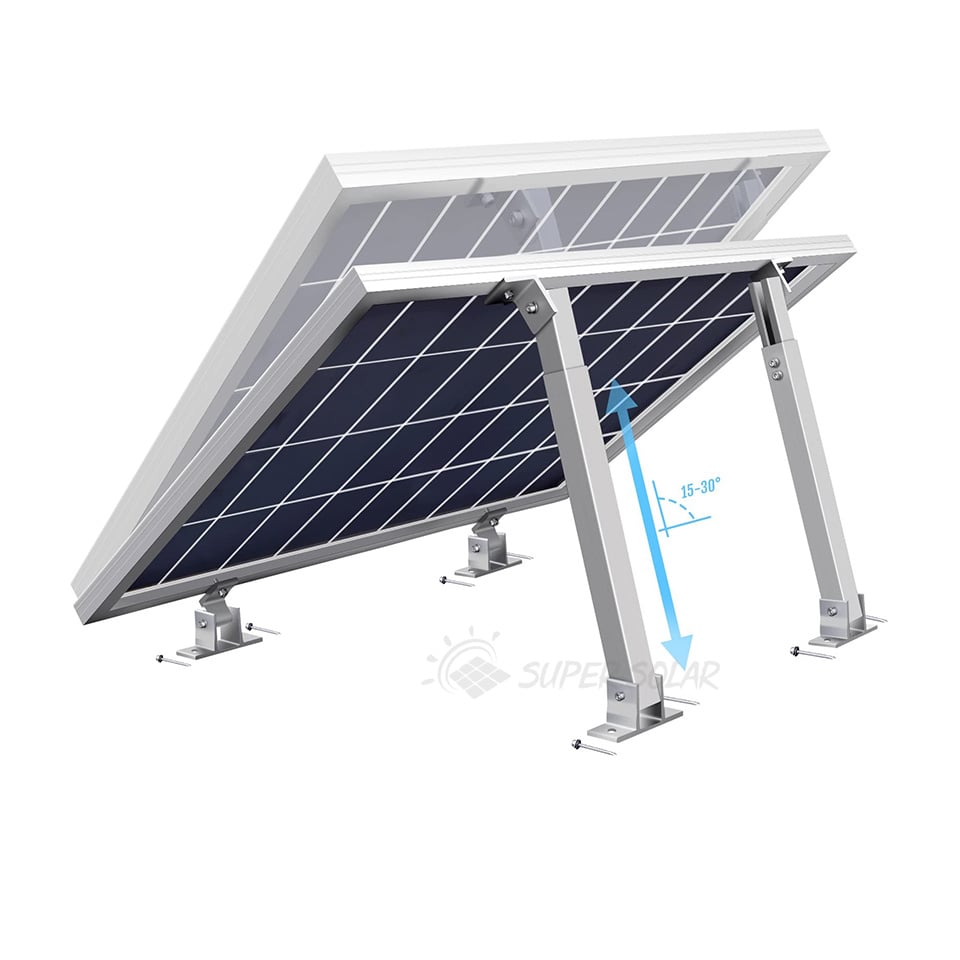
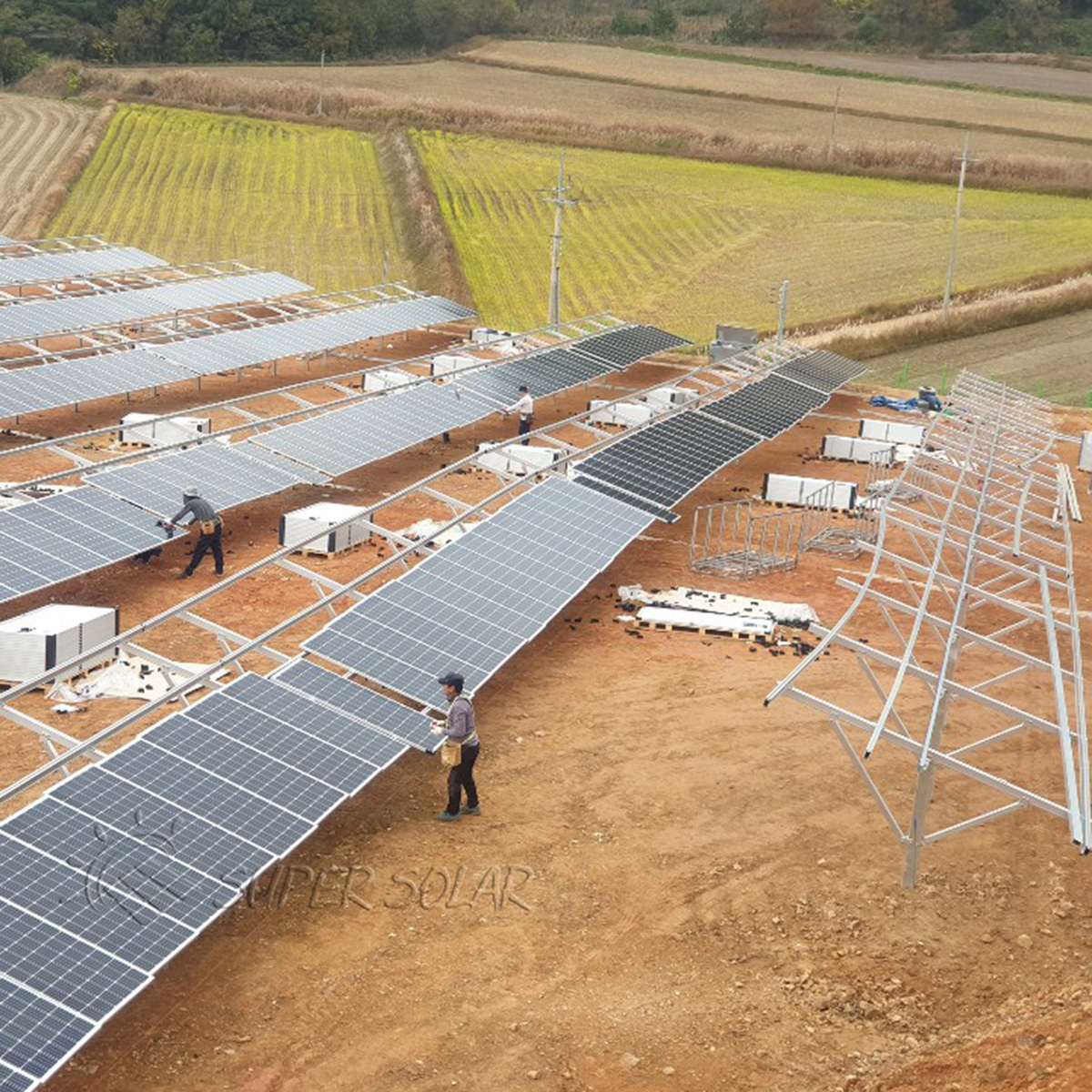
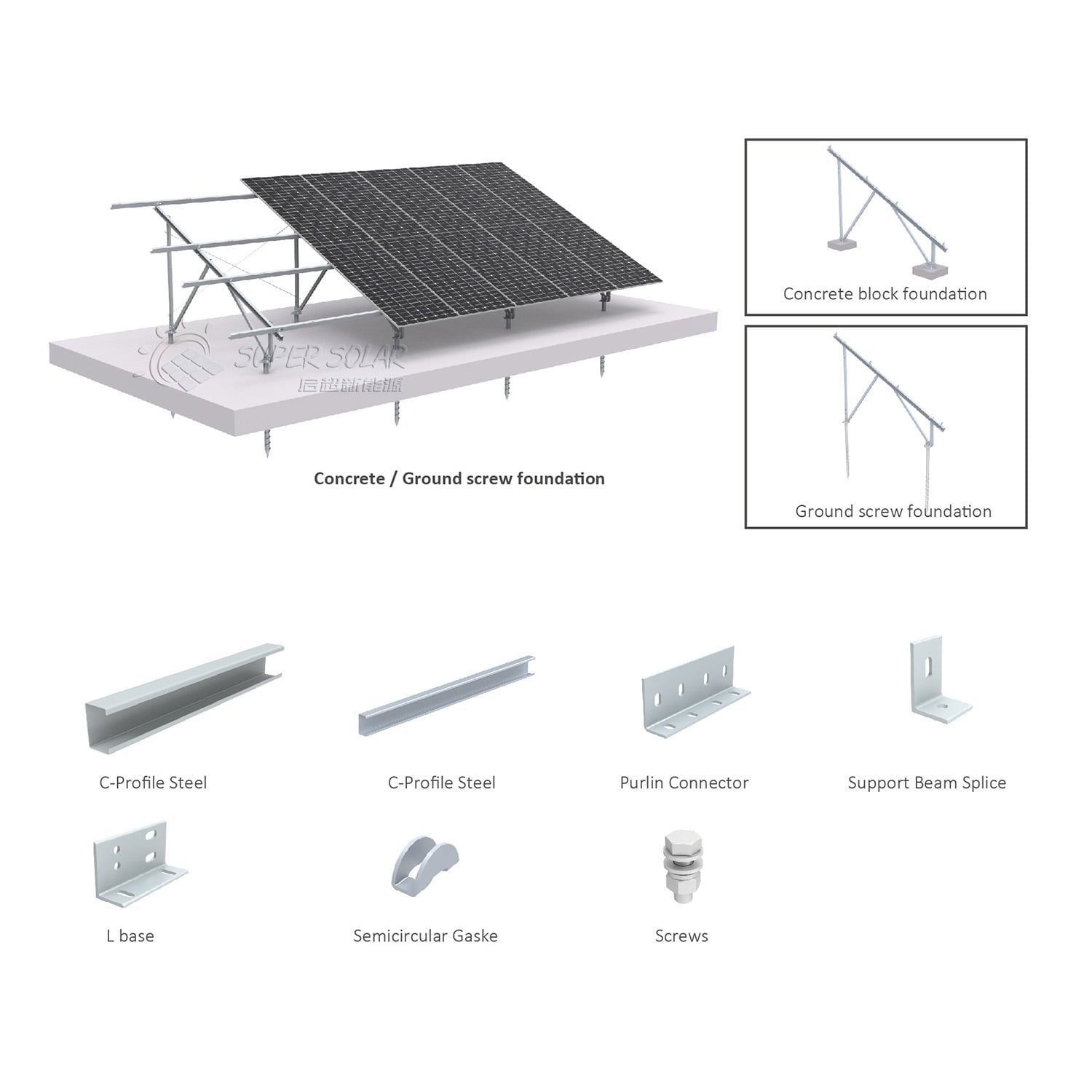
Ground-mounted systems are commonly used for commercial, industrial, agricultural, and utility-scale solar installations. They generally use posts, beams, rails, brackets, clamps, and foundations to support the modules above the ground.
When requesting a quotation for a ground-mounted system, provide information about the number of modules, desired tilt angle, row configuration, and foundation preference. If the project has a preliminary site plan, sharing the drawing can help the supplier estimate structural quantities more accurately.
Ground conditions should also be considered at this stage. A system designed for driven piles may not be suitable for rocky terrain, while a foundation solution appropriate for one soil type may require modification on another site.
Buyers should ask whether the quoted price includes the complete foundation hardware or only the above-ground structure. This distinction is important because a quotation for posts and rails alone does not necessarily represent the total mounting system cost.
A professional supplier can often provide structural drawings, component lists, and installation guidance together with the quotation. These documents help the buyer understand exactly what is being purchased.
Rooftop solar projects require a different set of considerations because the mounting structure interacts with an existing building. The roof type, roof material, structural capacity, waterproofing requirements, and attachment method all influence the quotation.
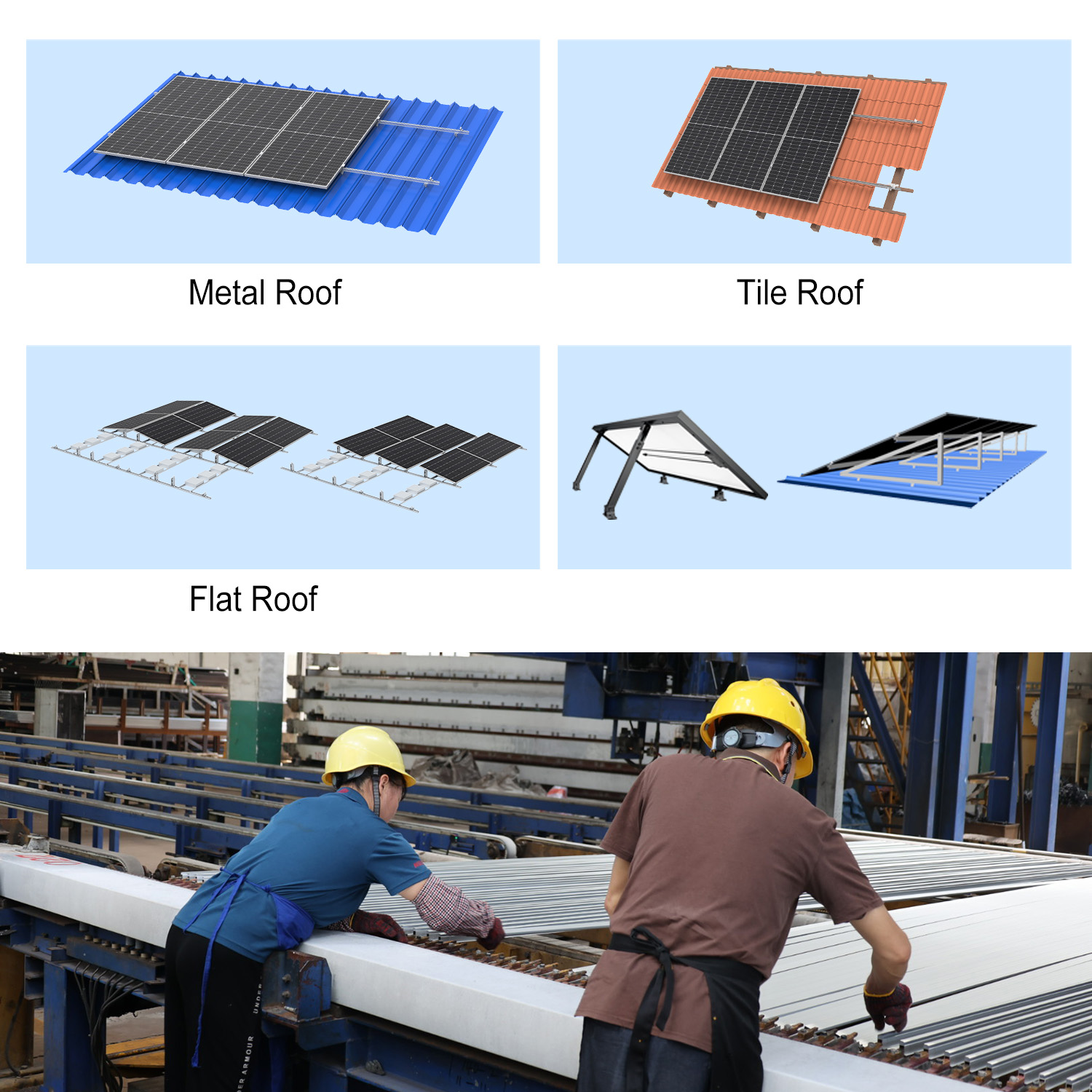
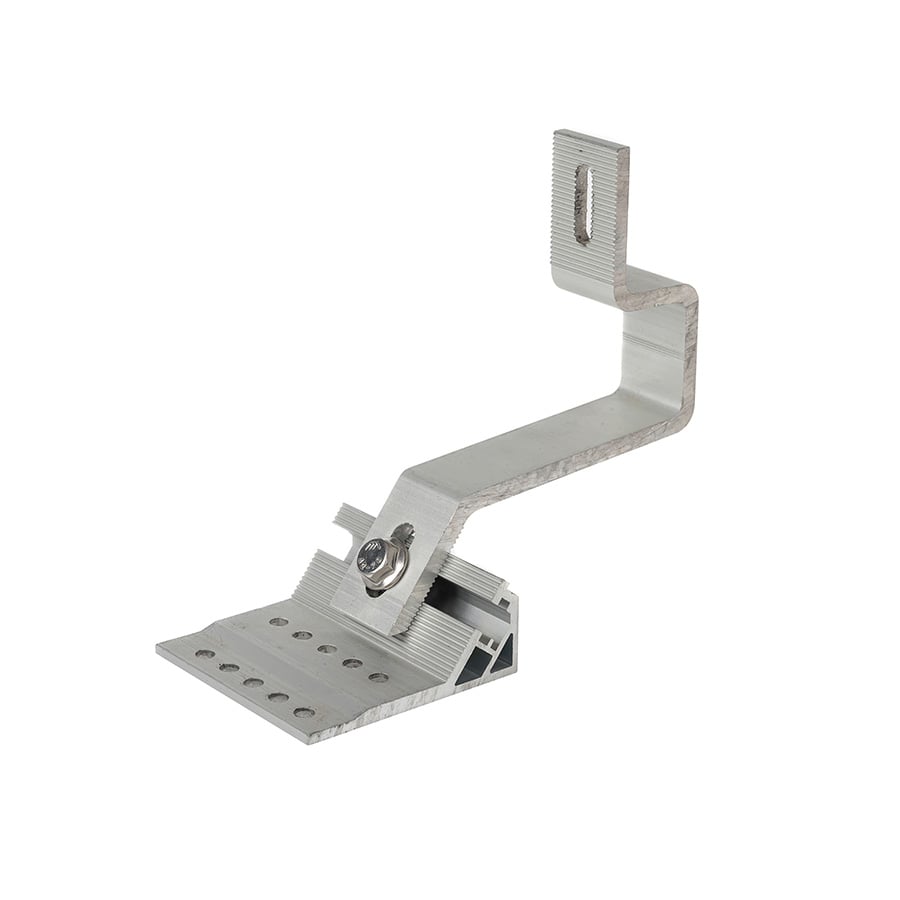
For metal roofs, clamps or specialized brackets may be used depending on the roof profile. Tile roofs may require roof hooks or other attachment components. Flat roofs may use ballasted or mechanically fixed systems depending on the building and local requirements.
Buyers should clearly state the roof type when requesting a solar mounting supplier quote. Providing photographs, roof drawings, dimensions, or construction details can help suppliers recommend compatible components.
Specialized installations may also require customized brackets or non-standard rail lengths. These requirements can affect engineering and manufacturing costs, so they should be identified before the quotation is finalized.
The more specific the application information, the less likely the buyer will receive a quotation based on an unsuitable standard configuration.
One of the most important parts of requesting a quotation is defining what the supplier should actually price. A simple request such as “Please send your solar mounting price” may produce very different responses from different companies.
Ask the supplier to provide a bill of materials whenever possible. The list should identify the main structural components and quantities required for the proposed installation.
Typical components may include mounting rails, support beams, posts, brackets, clamps, splice connectors, bolts, nuts, washers, grounding components, and foundation hardware.
For ground-mounted systems, the foundation components should be clearly identified. If piles or ground screws are included, the quotation should specify their dimensions and quantity.
A detailed bill of materials makes it easier to determine whether two quotations cover the same scope. One supplier may include grounding accessories and connection hardware while another may quote these items separately.
The bill of materials can also help during installation because contractors can check whether the delivered components correspond with the approved design.
Engineering services should be clearly separated from physical components in the quotation. Depending on the project, buyers may require structural calculations, layout drawings, installation drawings, or foundation recommendations.
The supplier should state whether these documents are included in the quoted price. If engineering is charged separately, the quotation should explain the scope and applicable fees.
Technical drawings are particularly useful when the mounting system needs to be customized. They allow the buyer or project engineer to review dimensions, connection details, material specifications, and installation requirements before production.
For larger projects, structural calculations may also be required for local approval or internal engineering review. Buyers should communicate these requirements at the quotation stage rather than requesting them after production has started.
Clear technical documentation can reduce misunderstandings and make the final procurement process much smoother.
Technical information is only one part of the request. Commercial details should also be included so suppliers can prepare a quotation that is useful for purchasing and project planning.
The requested quantity should be stated clearly. For example, buyers can provide the number of complete mounting systems, the number of modules, or the planned system capacity.
The delivery location is equally important. Freight costs can vary considerably depending on the destination, cargo volume, transportation method, and delivery requirements.
International buyers should also specify the preferred trade terms when appropriate. Different Incoterms can result in different quotation scopes, so buyers should avoid comparing factory prices directly with delivered prices.
If the destination port is known, provide the port name. If delivery is required to a specific warehouse or construction site, provide the location as accurately as practical.
A clear delivery requirement allows the solar mounting supplier quote to include more realistic logistics costs and reduces the risk of unexpected transportation expenses later.
Ask suppliers to state their estimated production lead time. Lead time can depend on material availability, order quantity, customization, production schedules, and engineering requirements.
Payment terms should also be included in the commercial comparison. Different suppliers may offer different deposit percentages, balance arrangements, or payment methods.
Warranty information should be reviewed together with the technical specification. Buyers should confirm what components are covered, the warranty period, and any conditions that apply to the warranty.
It is also useful to ask about replacement components and after-sales technical support. For large commercial installations, access to replacement hardware and technical assistance can be important if installation issues occur.
These commercial details help transform a basic price request into a complete purchasing evaluation.
Receiving several quotations does not automatically make the purchasing decision easier. If suppliers use different specifications or quotation scopes, the prices may not be directly comparable.
The first step is to create a common comparison basis. All suppliers should quote against the same module dimensions, quantity, mounting orientation, tilt angle, structural loads, foundation requirements, and site conditions.
Material specifications should also be aligned. For steel structures, compare steel grade, section dimensions, thickness, and corrosion protection. For aluminum components, compare alloy, profile, and relevant surface treatment.
Check whether the same accessories are included. Clamps, fasteners, grounding parts, splice connectors, and foundation hardware can represent a meaningful portion of the complete package.
A solar mounting supplier quote should therefore be reviewed line by line rather than judged by the final number alone. A quotation that appears higher may simply contain a more complete scope.
Standardizing the technical requirements is one of the most effective ways to make supplier comparison fair.
The supplier's product price is not necessarily the final project expense. Buyers should consider engineering, packaging, freight, customs, local transportation, foundation work, installation labor, and equipment requirements.
For example, a lower-priced mounting structure may require more onsite assembly or specialized installation equipment. Another system may cost more at the factory but use prefabricated components that reduce labor time.
Freight is also important for long structural members such as rails and beams. Packaging efficiency can affect container utilization and therefore transportation costs.
When comparing a solar mounting quotation, calculate the expected total project cost rather than selecting the supplier with the lowest unit price.
This approach gives purchasing teams a clearer understanding of the actual economic value of each offer.
Incomplete quotation requests can lead to inaccurate pricing, repeated communication, and unexpected changes after an order has been placed. Avoiding these problems can make procurement significantly more efficient.
One common mistake is asking suppliers for a price without providing module specifications, project location, or installation conditions. The supplier then has to make assumptions about the system design.
A generic price may be useful for preliminary market research, but it should not be treated as a final project quotation. The actual price can change after structural calculations and site information are reviewed.
Another problem is comparing a price per module from one supplier with a price per square meter or per kilowatt from another. These measurements may include different components and cannot be compared directly.
Buyers should identify the required pricing unit and quotation scope from the beginning. This reduces confusion and creates a more useful procurement record.
For a serious project, providing a basic technical specification is usually worth the additional preparation time.
A quotation should clearly distinguish between included and excluded items. Foundations, engineering, grounding accessories, freight, installation tools, and customized components may not always be included.
Buyers should ask suppliers to identify exclusions explicitly. This is particularly important when comparing international suppliers because shipping and delivery terms can vary substantially.
If a supplier provides a very low solar mounting supplier quote, check whether the quotation covers the complete system or only selected structural components.
It is also useful to confirm whether taxes, customs duties, local transportation, or unloading costs are included. These expenses may fall outside the supplier's quoted scope.
A clear list of exclusions prevents unexpected additions during the purchasing and installation stages.
A structured quotation request can save time for both buyers and suppliers. Instead of sending several separate messages, prepare the essential project information in one concise request.
A useful request should begin with the project type and estimated capacity. State whether the system is ground-mounted, rooftop, carport, or another configuration.
Next, provide the module brand or model if available, along with module dimensions, weight, quantity, and orientation. If the exact module has not been selected, provide the expected dimensions and weight range.
Include the project location and available environmental information. Wind speed, snow load, soil conditions, roof type, or other relevant site information can improve quotation accuracy.
Then specify the expected delivery location, required quantity, preferred foundation type if known, and target delivery schedule. If drawings are available, attach the site layout or preliminary design.
Finally, request a detailed bill of materials, unit prices, total price, lead time, payment terms, warranty, engineering scope, packaging details, and delivery terms. This gives suppliers a clear framework for preparing a useful quotation.
Once quotations have been received, review the technical and commercial information together. Confirm that the proposed structure matches the module and site requirements before focusing on the final price.
Check the bill of materials against the approved design. Make sure the required clamps, fasteners, grounding components, posts, rails, and foundation hardware are included.
Review engineering documents and structural assumptions carefully. If the supplier made assumptions about wind load, snow load, soil conditions, or installation method, verify that they are appropriate for the project.
Confirm production lead time and delivery terms before issuing a purchase order. Changes after production begins can cause delays and additional costs.
A well-prepared solar mounting quotation should ultimately provide enough information for the buyer to understand what will be supplied, how it will be installed, and what the expected total project cost will be.
A quotation request should normally include the project type, location, solar module dimensions, module weight, quantity, mounting orientation, tilt angle, site conditions, environmental loads, foundation requirements, delivery location, and expected quantity. Drawings or site plans can also help suppliers prepare a more accurate proposal.
Provide as much project-specific information as possible instead of requesting a generic price. Module specifications, project location, soil or roof conditions, structural loads, system capacity, and delivery requirements allow the supplier to calculate the appropriate components and provide a more realistic quotation.
Compare material specifications, structural design, bill of materials, foundation scope, engineering services, corrosion protection, accessories, lead time, warranty, freight, payment terms, and exclusions. Most importantly, make sure all suppliers are quoting against the same technical requirements.
Not necessarily. Some suppliers provide mounting components only, while others may offer engineering, installation guidance, or complete installation services. Buyers should confirm whether labor, equipment, foundation work, freight, and onsite installation are included before comparing the total project price.
 Hot News
2025-11-03
2025-10-22
2025-01-24
2024-06-12
2024-06-12