 EN
EN

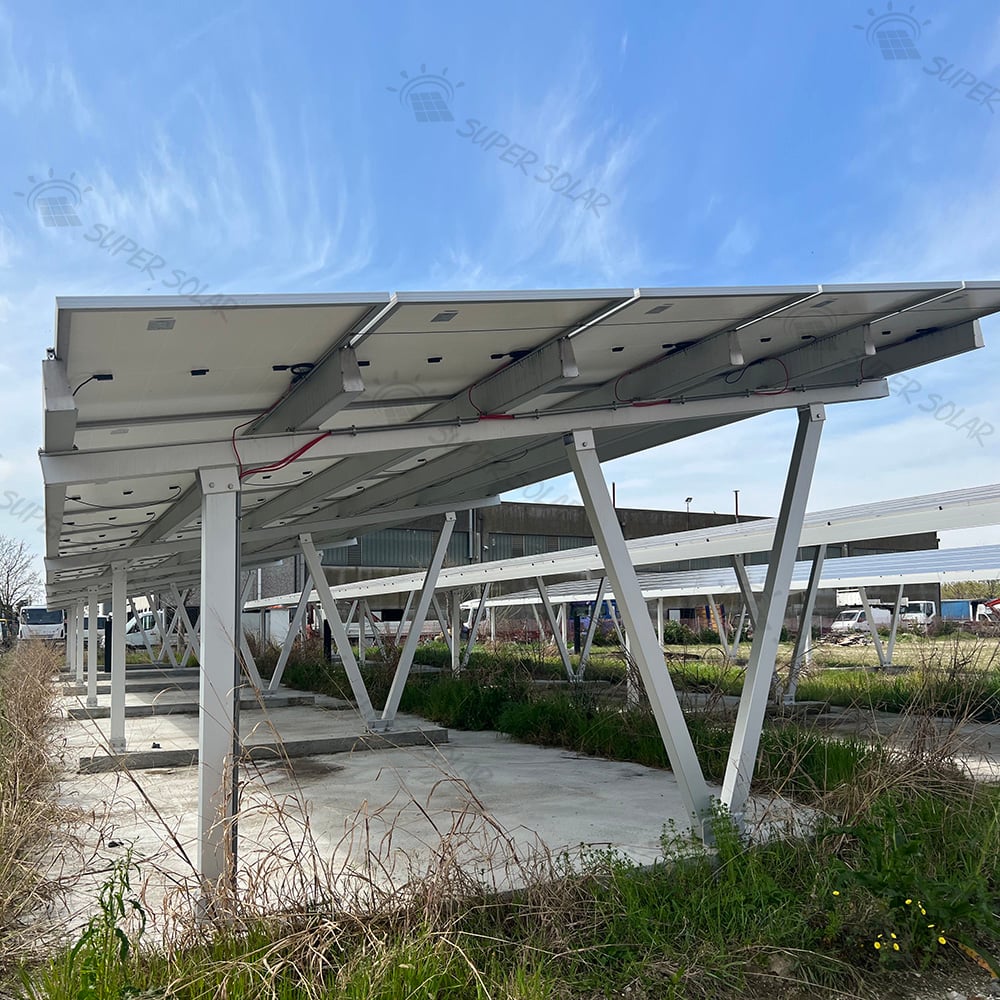
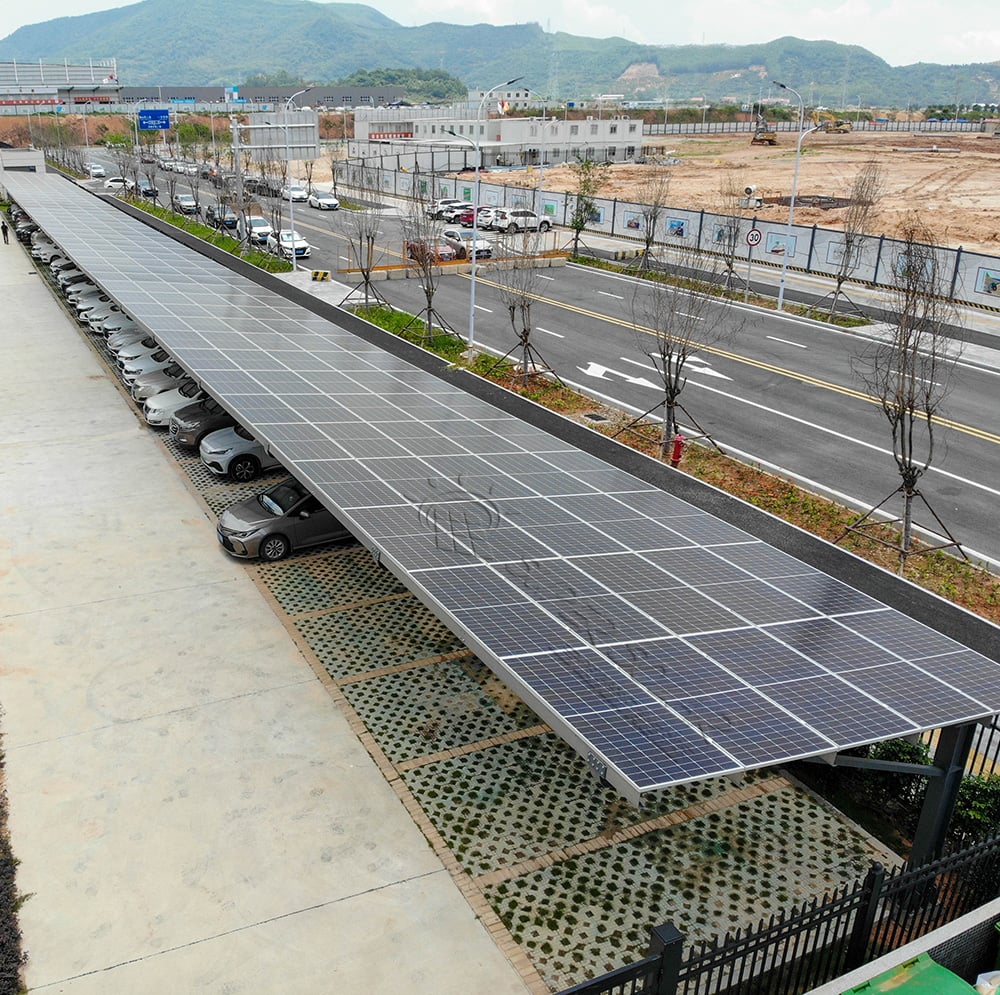
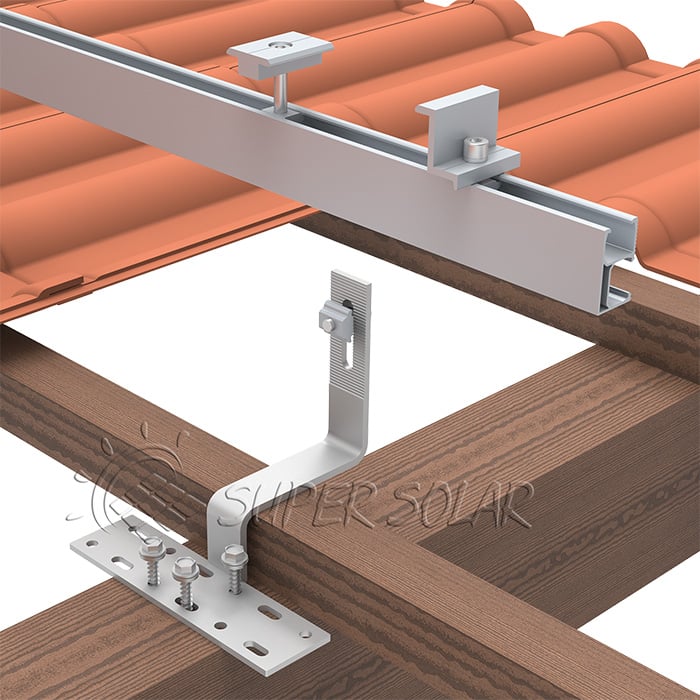

Ground mount solar project cost is rarely limited to the price of solar panels, mounting structures, inverters, and other major equipment. A project can appear financially attractive during the initial planning stage and still exceed its original budget because of site preparation, foundation work, transportation, engineering, labor, permitting, electrical installation, and other supporting expenses.
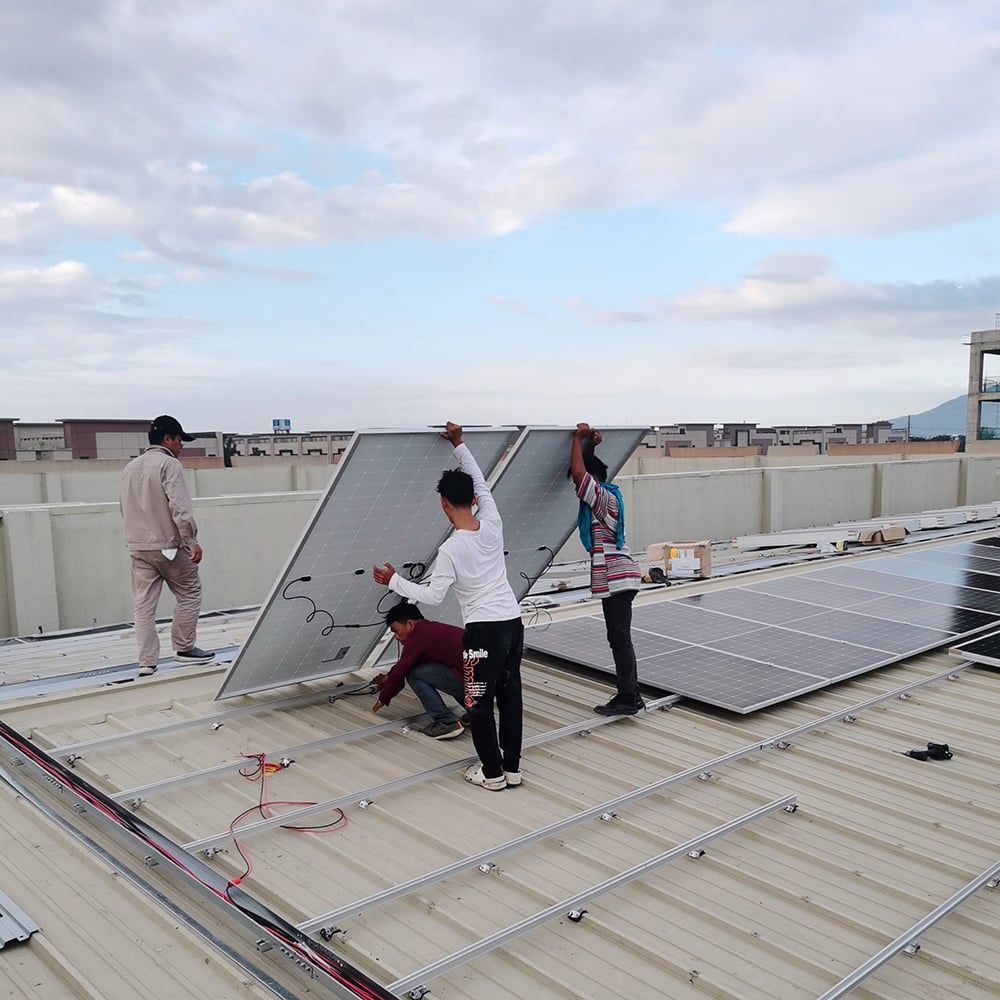
These hidden costs are especially important for commercial and utility-scale projects because relatively small increases in individual cost categories can become significant when multiplied across a large installation. A realistic solar installation budget should therefore account for the entire project scope rather than focusing only on equipment prices.
Understanding where unexpected expenses can occur allows project developers, EPC contractors, procurement teams, and commercial buyers to establish a more reliable budget before construction begins. It also makes supplier quotations easier to compare and helps identify cost-saving opportunities without compromising the quality or structural requirements of the installation.
The condition of the installation site has a direct effect on ground mount solar project cost. A site that looks suitable from satellite imagery or a preliminary inspection may still require substantial preparation before the mounting structures and modules can be installed.
Ground-mounted solar arrays generally require relatively clear and accessible installation areas. Existing vegetation, trees, bushes, agricultural residue, rocks, and other obstacles may need to be removed before construction starts.
The cost of clearing depends on the size of the site, vegetation density, terrain, equipment requirements, and local disposal regulations. A relatively small clearing expense can become substantial when the project covers a large area.
Trees may require additional work because roots can interfere with foundations and underground electrical infrastructure. In some locations, specialized equipment may also be necessary to remove stumps or large rocks.
The original solar installation budget should therefore include site clearing rather than assuming that the land is ready for construction. A detailed site survey can help identify these requirements before contractors begin work.
It is also important to consider whether cleared vegetation or construction debris must be transported away from the site. Disposal and transportation charges can add to the cost even after the physical clearing work is complete.
Uneven terrain can create additional construction requirements. Excessive slopes may require grading, specialized mounting designs, or adjustments to foundation depths and structural layouts.
Grading can involve excavation, filling, compaction, and the movement of large quantities of soil. These activities require machinery, fuel, operators, and additional time, all of which affect the final ground mount solar project cost.
Drainage is another frequently overlooked consideration. Solar arrays can change how rainwater moves across a site, while poor existing drainage can make construction difficult and potentially damage access roads or foundations.
Temporary and permanent access roads may also be required for construction vehicles. Heavy equipment used for pile driving, drilling, material delivery, and module installation needs reliable access to different sections of the project.
Including these items in the initial solar installation budget helps prevent major adjustments after construction has already started.
Foundation work can become one of the largest sources of unexpected expenses in a ground-mounted solar project. The appropriate foundation method depends heavily on soil characteristics, terrain, structural loads, and local construction conditions.
A preliminary site inspection does not always provide enough information to determine the appropriate foundation design. Soil testing may be required to understand bearing capacity, density, groundwater conditions, and resistance to driven piles or ground screws.
Geotechnical investigations can add an upfront expense, but they can reduce the risk of expensive foundation changes later. Without sufficient soil information, the initial design may rely on assumptions that prove unsuitable during installation.
Different areas of the same project site may also have different soil characteristics. This can lead to variations in foundation depth, pile length, or installation requirements.
The results of soil testing may require the mounting structure to be redesigned. Additional steel, deeper foundations, or alternative installation equipment can increase ground mount solar project cost.
For larger projects, including geotechnical investigation in the initial solar installation budget provides a more realistic picture of the total construction requirements.
Rocky soil can make pile driving difficult and may require pre-drilling or specialized equipment. Hard ground can increase installation time and equipment costs even when the original structural design remains unchanged.
Soft or unstable soil presents another challenge. Foundations may need to be longer, larger, or reinforced to achieve the required structural performance.
Ground screws may also require different dimensions depending on soil resistance. Concrete foundations can involve excavation, reinforcement, concrete delivery, formwork, and curing time.
These conditions can turn an apparently straightforward installation into a more complex construction project. Buyers should therefore avoid assuming that a standard mounting structure price represents the complete foundation cost.
A contingency allowance for uncertain ground conditions can make the solar installation budget more resilient when the site has not yet undergone detailed investigation.
Mounting structures are usually included as a visible equipment cost, but several associated expenses can be overlooked when preparing a project budget.
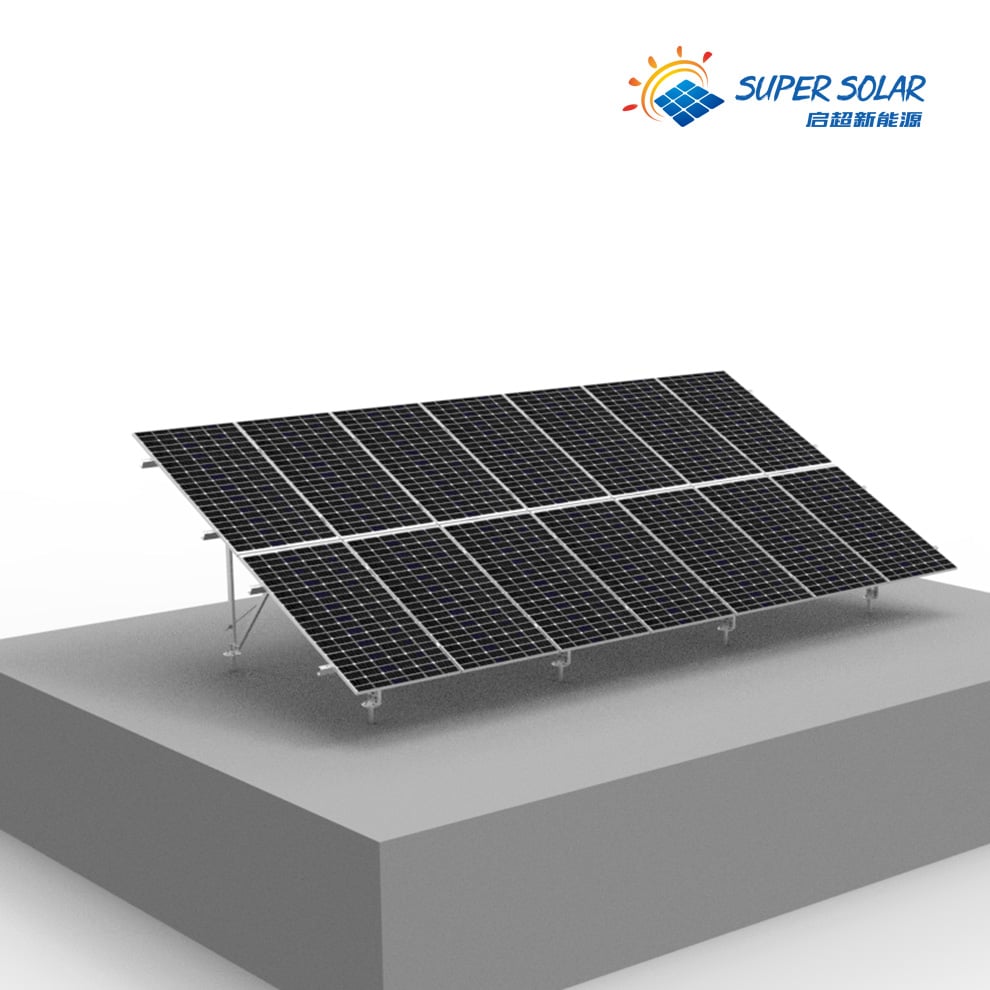
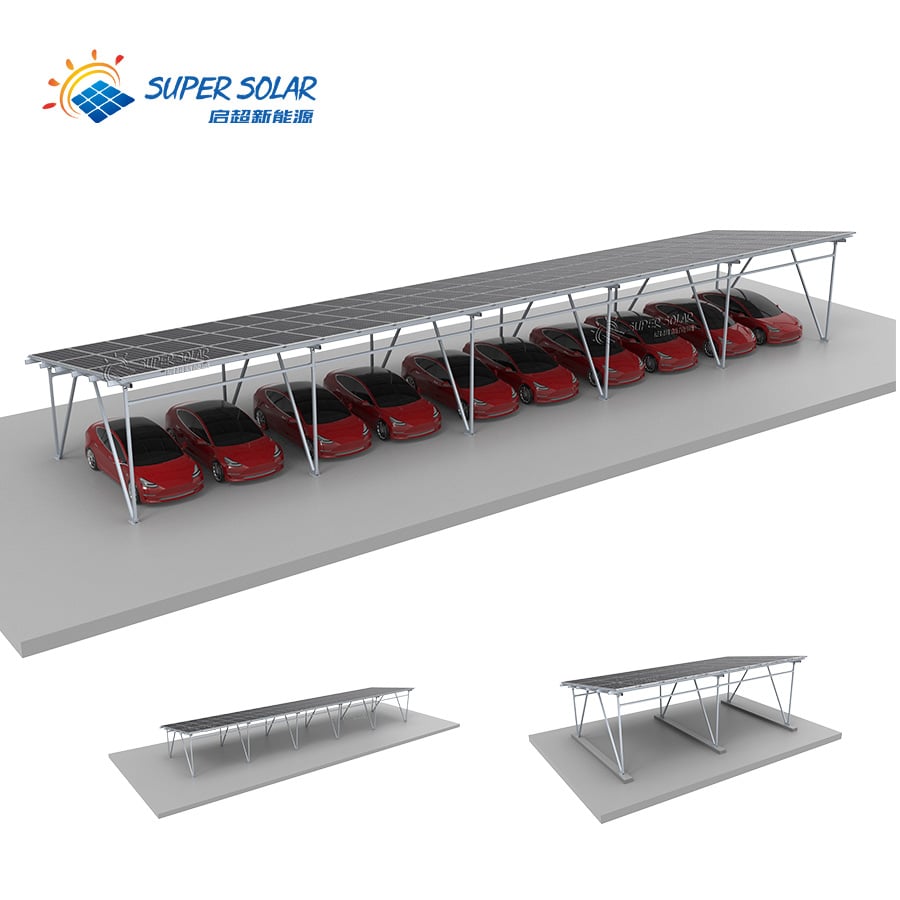
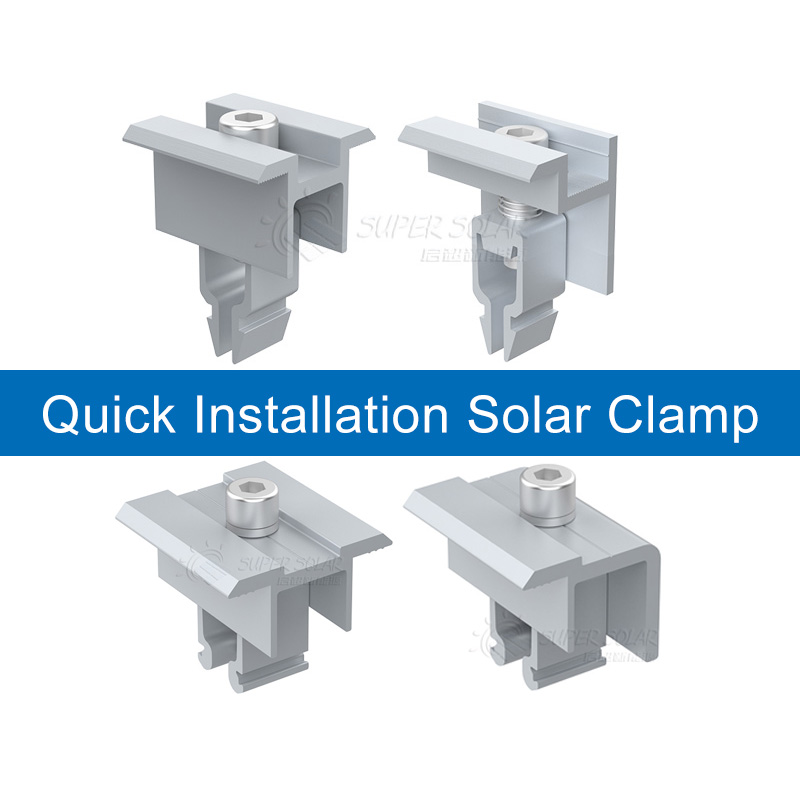
A complete ground-mounted solar structure can contain posts, beams, rails, brackets, clamps, splice connectors, bolts, nuts, washers, grounding components, and foundation hardware.
A supplier quotation may cover the main structural members while excluding certain accessories. These excluded components can create additional procurement costs once installation begins.
Material specifications also influence the final price. Steel grade, thickness, profile dimensions, galvanization, aluminum alloy, and corrosion protection requirements can all change the cost of the structure.
For large projects, small differences in component pricing can become significant because thousands of individual parts may be required. The solar installation budget should therefore be based on a detailed bill of materials rather than a simple estimated structure price.
Buyers should confirm exactly what is included in each quotation and request clarification for any components listed as optional or excluded.
Standard mounting systems can reduce manufacturing and engineering costs, but ground-mounted projects do not always have standard site conditions. Unusual module dimensions, terrain, wind loads, snow loads, or foundation requirements may require customization.
Customized posts, rails, brackets, or connection components can increase manufacturing costs. Additional engineering may also be required to verify structural performance.
Engineering drawings and structural calculations are sometimes quoted separately from the physical mounting system. If these services are not included in the initial quotation, they can become an unexpected expense later.
The solar installation budget should therefore identify both equipment and engineering costs from the beginning. This is especially important when the project requires local structural approval.
A detailed technical scope can help buyers avoid paying for unnecessary customization while still ensuring that the structure is properly designed for the project.
Transportation can have a larger effect on ground mount solar project cost than expected because mounting systems contain long structural members and large quantities of hardware.
Posts, rails, and beams can take up significant cargo space even when their total weight is relatively moderate. This means freight costs may depend heavily on cargo volume and packaging efficiency.
International shipments may involve ocean freight, port charges, customs procedures, inland transportation, and unloading. Each stage can contribute to the final delivered cost.
A factory quotation may therefore look considerably lower than the actual amount required to deliver the mounting system to the project site.
Buyers should confirm whether the supplier quotation is based on factory pickup, FOB, CIF, or another delivery arrangement. These terms determine which transportation costs are included.
The solar installation budget should use a delivered-cost estimate whenever possible, particularly for projects located far from the manufacturing source.
Packaging is another cost that can be overlooked. Structural components need to be bundled and protected during transportation, while smaller hardware needs to be packaged in a way that prevents loss or damage.
Large projects may require temporary storage before installation. If the site is not ready when materials arrive, additional warehouse or yard costs can occur.
Material handling at the project site can also require forklifts, cranes, telehandlers, or other equipment. The cost depends on the size and weight of the components and the distance between storage areas and installation locations.
Poor packaging or labeling can create additional labor because workers may need to sort and identify components before assembly.
A well-planned logistics strategy can therefore reduce both direct transportation costs and indirect installation expenses.
Labor is a major part of construction expenditure, but it can be difficult to estimate accurately before the installation method and site conditions are fully understood.
Ground-mounted systems require workers for foundation installation, structural assembly, module mounting, electrical work, testing, and site cleanup.
Labor requirements depend on the structure design and the level of prefabrication. Systems with standardized components and straightforward connections may be faster to assemble than highly customized structures.
Local labor rates can also vary significantly between regions. Projects in remote areas may require additional compensation for travel, accommodation, meals, or extended working arrangements.
If construction takes longer than expected, labor costs can rise even when the original equipment quotation remains unchanged.
The solar installation budget should therefore include realistic labor assumptions based on the actual installation method and project location.
Heavy equipment may be required for pile driving, drilling, grading, lifting, and material handling. Equipment rental charges can include daily rates, transportation, fuel, operators, and mobilization fees.
Remote projects can be particularly expensive because machinery may need to be transported considerable distances before construction begins.
Equipment downtime can also create hidden costs. Poor site access, weather interruptions, unsuitable soil, or delayed material delivery can leave equipment idle while rental charges continue.
Selecting an installation method that matches locally available equipment can help control ground mount solar project cost.
Before construction begins, project teams should identify the required machinery and estimate how long each piece of equipment will be needed.
Regulatory and professional expenses may not be as visible as equipment costs, but they can still affect the overall project budget.
Solar projects may require planning approvals, construction permits, electrical permits, environmental reviews, or other local authorizations depending on the project location and scale.
The applicable requirements vary between jurisdictions. Some projects may require relatively straightforward approvals, while larger installations can involve multiple agencies.
Permit fees themselves may be relatively small compared with construction costs, but the associated documentation and professional services can add substantially to the budget.
Delays caused by incomplete documentation can also affect contractor schedules and equipment utilization.
Project developers should identify applicable permits early and include related expenses in the solar installation budget rather than treating them as administrative details outside the project cost.
Professional engineering services may be required for structural, civil, electrical, or geotechnical aspects of the project.
Structural engineers may need to review the mounting system and foundation design, while electrical engineers may be involved in system layout, cable routing, grounding, and grid connection requirements.
Inspection fees may also apply during construction. Some projects require inspections of foundations, structural assemblies, electrical systems, or final installations.
These services help ensure that the completed system meets project specifications and applicable requirements, but they should be included in the overall financial plan.
A detailed budget should separate engineering, inspection, permitting, and equipment costs so project managers can identify where additional expenses are occurring.
The mounting structure is only one part of a ground-mounted solar installation. Electrical and supporting infrastructure can create additional costs that are not always visible in early equipment estimates.
Ground-mounted arrays often require electrical cables to travel from module strings to inverters, combiner equipment, transformers, or other project infrastructure.
Depending on the project design, underground cables may require trenching, conduit, protective materials, backfilling, and restoration.
Long cable routes can increase both material and labor costs. Difficult terrain can make trenching more complicated and require additional excavation equipment.
Cable protection requirements can also vary according to local electrical standards and site conditions.
These expenses should be included in the solar installation budget from the beginning rather than being added after the mounting structure has already been priced.
Inverters and transformers are major project components, but supporting infrastructure can also affect the budget.
Equipment pads, foundations, enclosures, fencing, grounding systems, monitoring equipment, and access infrastructure may all be required depending on project scope.
The distance between the solar array and electrical equipment can affect cable quantities and trenching requirements.
Large projects may also require additional communications or monitoring infrastructure to support system operation and project management.
A complete ground mount solar project cost estimate should therefore consider the relationship between structural, civil, and electrical work rather than evaluating each component in isolation.
Although the main focus of a project budget is usually construction, ongoing site-related expenses can also affect the financial performance of a ground-mounted installation.
Vegetation can grow beneath and around solar modules, particularly on agricultural or undeveloped land. Regular mowing, trimming, or other vegetation management may be necessary to maintain access and prevent plants from interfering with equipment.
The frequency of maintenance depends on climate, soil, vegetation type, and site management practices.
Large sites may require specialized machinery or contracted maintenance services. Difficult terrain can increase the time and equipment required for vegetation control.
If vegetation management is ignored, it can also make inspection and maintenance more difficult.
Including expected site maintenance in the broader solar installation budget provides a more complete view of project expenses.
Ground-mounted modules may accumulate dust, pollen, dirt, or other deposits depending on the local environment. Cleaning requirements vary by location and rainfall conditions.
Regular inspections can identify loose connections, corrosion, damaged components, drainage problems, or structural issues before they become more expensive problems.
Some mounting hardware may eventually need replacement due to damage, corrosion, or installation errors.
Keeping spare clamps, fasteners, and other small components available can reduce downtime when replacements are needed.
Although these costs are generally smaller than initial construction expenses, they should still be considered when evaluating the total cost of a ground-mounted solar project.
A reliable budget should include both visible equipment expenses and potential costs associated with the site, construction process, and project administration.
Direct costs generally include solar modules, mounting structures, inverters, electrical equipment, foundations, cables, and installation labor.
Indirect costs can include engineering, permitting, inspections, project management, transportation coordination, temporary facilities, and other supporting services.
Separating these categories makes it easier to identify where the initial estimate may be incomplete.
It also helps project teams compare supplier quotations on an equivalent basis. A supplier offering a low equipment price may not include engineering, freight, or installation-related services.
A complete cost structure gives procurement teams a much clearer understanding of the actual ground mount solar project cost.
Even a detailed project estimate cannot eliminate all uncertainty. Soil conditions may differ from preliminary assumptions, material prices may change, or construction may take longer than expected.
A contingency allowance provides financial room for these uncertainties. The appropriate amount depends on how mature the project design is and how much site information has already been confirmed.
Projects with completed geotechnical studies, detailed engineering, confirmed supplier quotations, and well-defined construction plans generally have fewer unknowns than early-stage projects.
The contingency should not be used to hide poorly researched costs. Instead, it should provide protection against genuinely uncertain conditions.
This approach makes the solar installation budget more realistic while giving project managers a clearer framework for controlling costs.
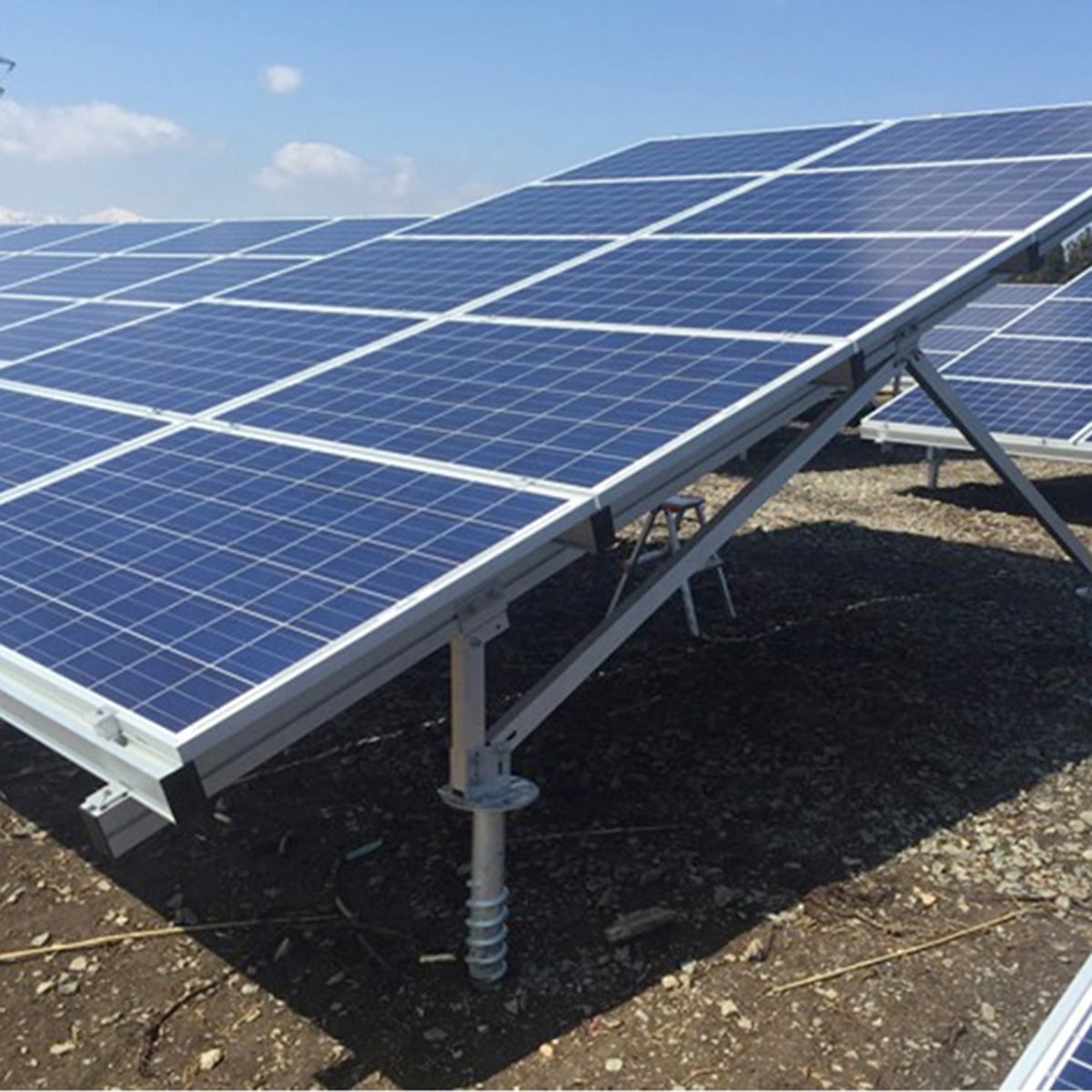
Ground mount solar project cost can include solar modules, mounting structures, foundations, inverters, electrical equipment, cables, site preparation, labor, transportation, engineering, permits, inspections, and construction equipment. The exact scope depends on the project size and development stage.
Common hidden costs include land clearing, grading, drainage, soil testing, difficult foundations, freight, temporary storage, equipment mobilization, permitting, engineering, cable trenching, and site maintenance. These costs can be relatively small individually but significant when combined.
Detailed site surveys, geotechnical investigations, accurate structural designs, complete supplier quotations, and early logistics planning can reduce unexpected expenses. Buyers should also compare complete project costs rather than focusing only on equipment prices.
A solar installation budget should separate equipment, foundations, civil work, electrical infrastructure, labor, transportation, engineering, permitting, and ongoing site costs. Adding a reasonable contingency for uncertain conditions can further protect the project from unexpected expenses.
 Hot News
2025-11-03
2025-10-22
2025-01-24
2024-06-12
2024-06-12