 EN
EN
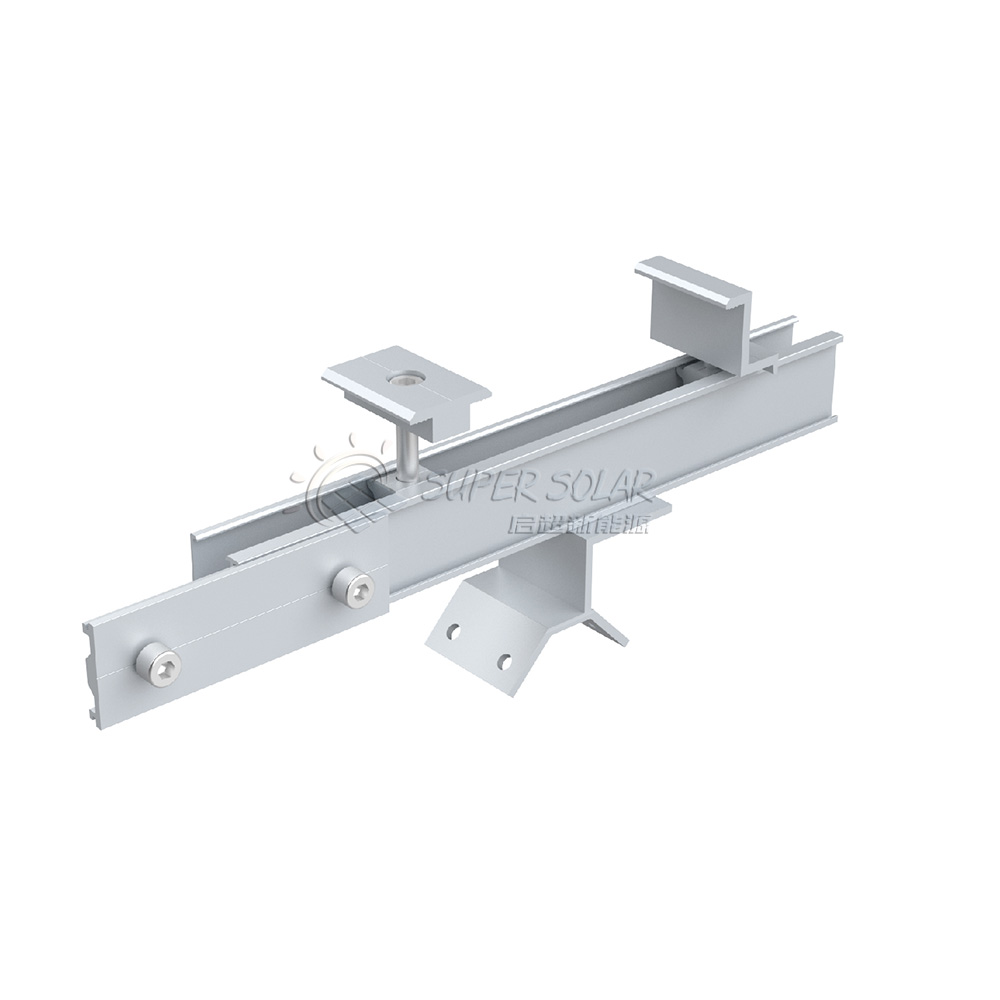
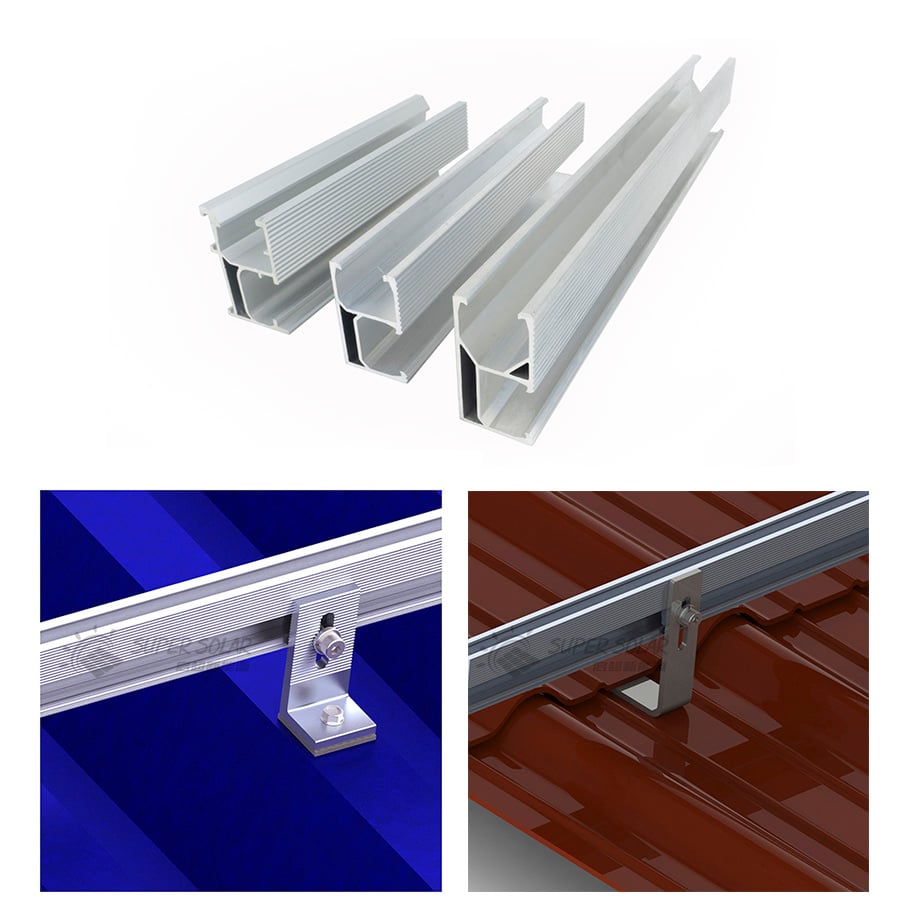
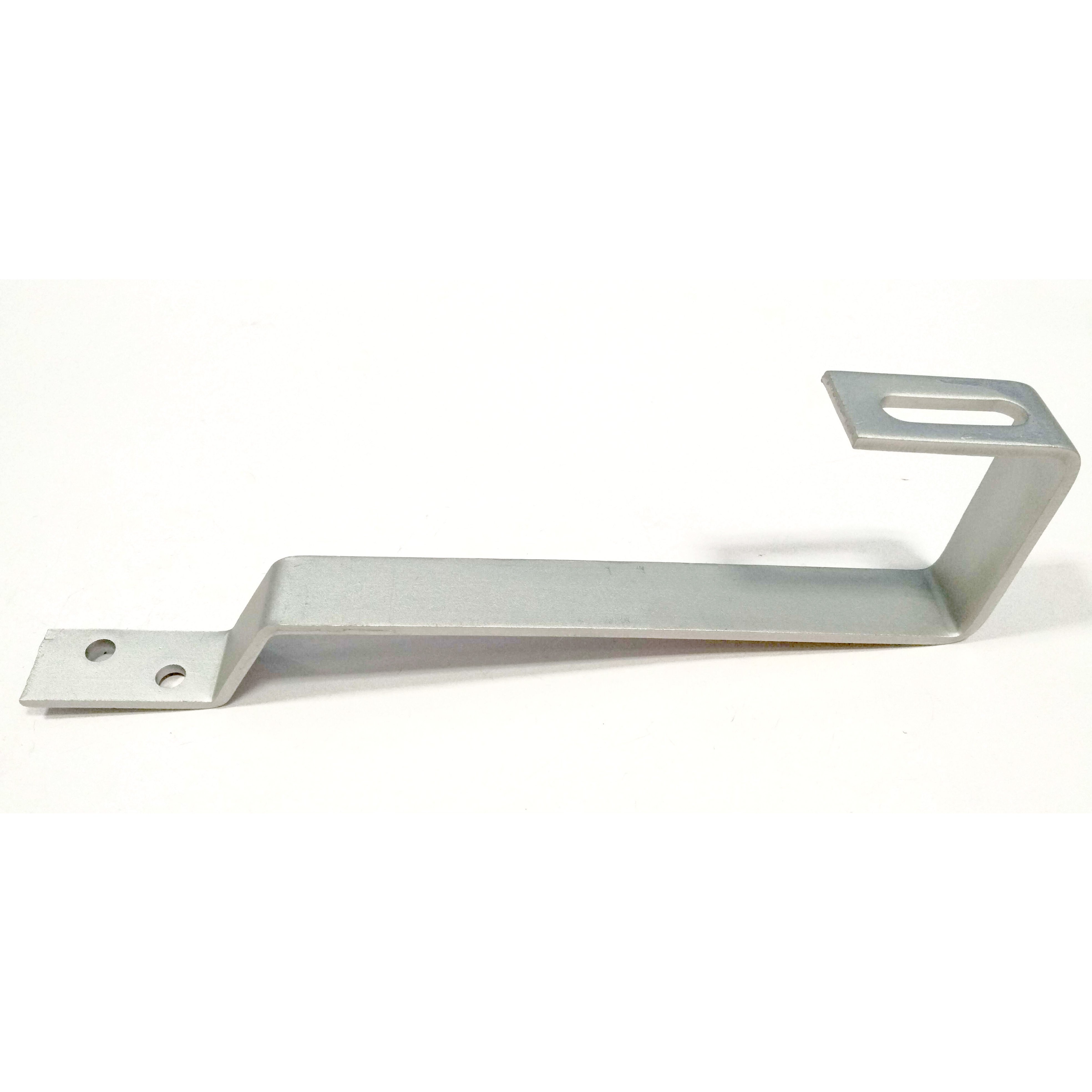

A 500kW commercial solar ground mount project represents a substantial renewable energy installation designed to provide businesses with a reliable source of on-site electricity. Unlike small residential rooftop systems, a commercial ground-mounted solar project requires coordinated planning across site selection, system design, structural engineering, electrical configuration, construction, commissioning, and long-term operation. A successful installation must balance available land, solar resource, electrical demand, equipment selection, installation conditions, and project economics.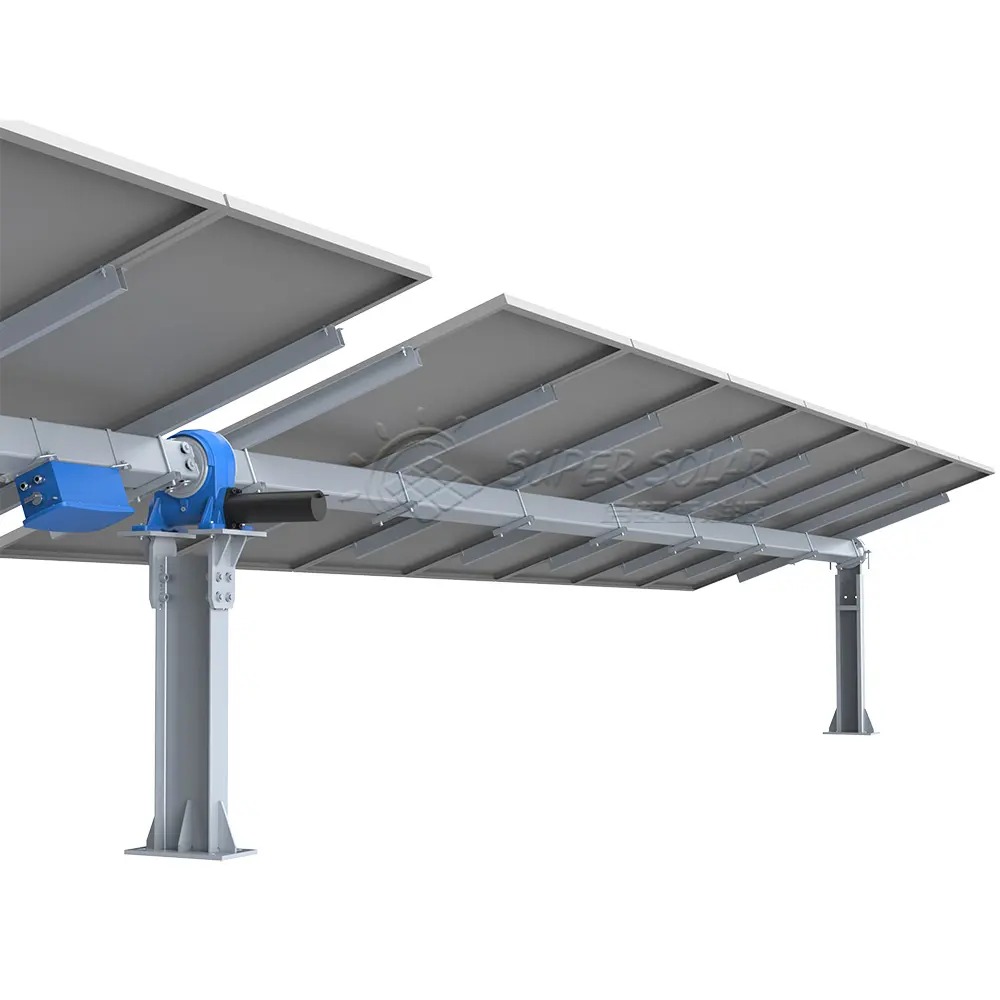
This solar project case study examines the planning and implementation considerations associated with a 500kW commercial ground mount system. The project provides a practical reference for businesses, developers, EPC contractors, and system integrators evaluating similar commercial photovoltaic installations. Instead of focusing only on the installed capacity, the case highlights the decisions that influence system performance, construction efficiency, and operational reliability.
A 500kW system is large enough to make equipment configuration and site planning particularly important. The project needs sufficient usable land for module rows, access paths, inverter equipment, electrical infrastructure, maintenance areas, and appropriate spacing between structures. At the same time, the system should be designed around the actual electricity consumption profile of the commercial facility so that the generated electricity can be used effectively.
The foundation of a commercial ground-mounted photovoltaic project is a detailed assessment of the proposed installation site. Before equipment is selected, the project team needs to understand the site's physical characteristics, solar conditions, electrical infrastructure, and construction requirements.
The first stage of the project involved assessing whether the available land could accommodate a 500kW photovoltaic system while maintaining practical access for installation and maintenance. Usable area is more important than total land area because setbacks, drainage areas, access routes, equipment zones, and structural spacing can reduce the portion that can actually be covered by solar modules.
Solar resource was also considered during the design process. The orientation and tilt of the modules influence the amount of electricity generated throughout the year. Shading from nearby buildings, trees, structures, utility equipment, or other rows of modules can reduce energy production and therefore needs to be considered before the final layout is approved.
Ground conditions are another important factor. Soil characteristics can influence foundation selection and structural installation methods. A preliminary site investigation helps determine whether driven piles, ground screws, concrete foundations, or another mounting approach is appropriate for the project.
The surrounding environment also affects the system design. Wind exposure, rainfall, temperature, corrosion conditions, and local terrain can influence structural requirements and equipment placement. These factors are especially important for commercial installations because the system is expected to operate reliably over many years.
A complete site assessment therefore combines solar analysis with civil and electrical considerations. This approach helps prevent problems from being discovered after construction has already started.
The 500kW system capacity provides a clear framework for selecting photovoltaic modules, inverters, mounting structures, cables, protection equipment, and other balance-of-system components. The exact equipment configuration depends on the module power, inverter specifications, site conditions, and local electrical requirements.
Module selection should consider electrical characteristics as well as physical dimensions. Higher-power modules can reduce the total number of modules required for a given system capacity, potentially affecting mounting layout, cabling, installation labor, and land utilization.
Inverter configuration is equally important. Commercial projects can use different inverter architectures depending on the project's electrical design. The selection may involve centralized or distributed inverter configurations, with the final choice depending on system size, array layout, shading conditions, maintenance requirements, and grid connection requirements.
String design must also be coordinated with inverter operating ranges. The number of modules connected in each string should remain within the permitted voltage and current ranges under expected operating conditions. Temperature variation is particularly important because photovoltaic module voltage changes with temperature.
The electrical design also includes DC and AC protection, disconnect equipment, grounding, cable routing, monitoring, and grid interconnection components. Each element contributes to the overall safety and reliability of the installation.
For a commercial solar ground mount system, configuration should therefore be treated as an integrated engineering process rather than simply adding enough modules to reach a nominal 500kW capacity.
Ground-mounted photovoltaic systems provide flexibility in site arrangement, but that flexibility also creates structural and civil engineering requirements. The mounting structure must support the modules securely while remaining compatible with the site's soil, weather, and terrain conditions.
The mounting structure provides the mechanical connection between the solar modules and the ground. Its design must account for module dimensions, array configuration, wind loads, snow loads where applicable, and local structural requirements.
Material selection is also important for commercial projects. Aluminum and galvanized or otherwise corrosion-resistant steel are commonly considered for different structural components. The appropriate material depends on the environmental conditions and structural design.
Foundation design needs to be matched to actual ground conditions. A solution that works well on one site may not be suitable for another because soil strength, rock layers, groundwater, and terrain can vary significantly.
Installation efficiency is another consideration. A well-designed structure should allow installers to work efficiently while maintaining proper module alignment and structural tolerances. This can reduce construction time and help maintain consistency across the solar array.
The structure should also provide sufficient clearance for electrical cable management and maintenance activities. Poorly planned cable routing can create unnecessary installation complexity and increase the risk of damage during operation.
Ultimately, the mounting structure is not simply a support frame. It forms part of the project's long-term reliability strategy and should be selected based on both engineering requirements and practical construction conditions.
The array layout determines how effectively the available land can be used. Rows of modules need sufficient spacing to limit inter-row shading while leaving practical routes for installation, inspection, vegetation management, and equipment maintenance.
Row spacing should be evaluated according to the site's latitude, module tilt, module dimensions, and expected solar path. Excessively narrow spacing can increase shading losses, while excessive spacing can reduce the amount of capacity that can be installed on the available land.
Maintenance access should be considered from the beginning rather than added after the layout is complete. Commercial solar projects require periodic inspection, cleaning where necessary, electrical maintenance, vegetation control, and potential replacement of components.
Equipment locations also influence the layout. Inverters, transformers, switchgear, monitoring equipment, and grid connection infrastructure need suitable positions that allow safe access and practical cable routing.
Drainage should be considered as part of the overall site plan. Construction and array placement should not unintentionally interfere with existing drainage patterns or create areas where water accumulates around foundations.
A well-planned layout therefore balances energy production, land utilization, construction efficiency, safety, and long-term maintenance requirements.
After the system layout and structural design are established, the project moves into electrical engineering and physical installation. Coordination between civil, mechanical, and electrical teams is particularly important for a commercial solar project.
The DC side begins with the photovoltaic modules and strings. Modules are connected according to the designed string configuration, with cables routed from the array toward the appropriate inverter equipment.
Cable selection needs to account for current capacity, environmental exposure, voltage drop, insulation requirements, and installation conditions. Proper cable management also helps protect conductors from mechanical damage and unnecessary exposure to environmental conditions.
The inverter converts the DC electricity generated by the photovoltaic array into AC electricity suitable for the site's electrical system. Inverter output is then connected to the appropriate distribution and protection equipment.
The AC side may include switchgear, disconnects, protection devices, transformers, metering equipment, and grid interconnection infrastructure depending on the project design. These components must be coordinated with the facility's existing electrical system.
Grounding and protection are essential parts of the electrical design. The photovoltaic array, mounting structures, electrical equipment, and relevant conductive components need to be incorporated into the project's grounding and protection scheme according to applicable standards.
Before energization, electrical testing and inspection should verify polarity, insulation, continuity, grounding, protection settings, and equipment operation. Careful commissioning helps identify installation issues before the system enters normal operation.
Construction generally begins with site preparation and foundation installation. The exact sequence depends on the ground mounting method and site conditions, but accurate positioning of foundations is essential for the subsequent structure installation.
After the foundations are completed, mounting structures are installed and aligned. Modules can then be mounted according to the approved array layout, with attention paid to mechanical fastening, torque requirements, and cable management.
Electrical installation proceeds alongside or after module installation. DC cables are connected to strings and routed toward the inverter equipment, while AC equipment and grid connection components are installed according to the electrical design.
Quality control should be maintained throughout construction rather than being postponed until commissioning. Structural alignment, fastener installation, cable routing, connector connections, grounding, and equipment installation should be checked during the relevant construction stages.
Commissioning provides the final opportunity to verify system functionality before commercial operation. The project team can inspect equipment, perform electrical tests, confirm inverter operation, configure monitoring systems, and verify that the system responds correctly under operating conditions.
A structured construction and commissioning process reduces rework and provides clearer documentation for future operation and maintenance.
A 500kW installation is ultimately intended to generate useful electricity for commercial operations. Understanding performance requires looking beyond the nominal system capacity and considering actual operating conditions.
Installed capacity represents the rated power of the photovoltaic system under defined test conditions, but actual energy generation varies throughout the year. Solar irradiation, temperature, module orientation, shading, system losses, inverter efficiency, and equipment availability all influence production.
Module temperature can affect electrical output, while weather conditions determine how much sunlight reaches the array. This means daily and seasonal generation can vary considerably even when the installed system remains unchanged.
System losses should also be considered when evaluating expected production. Losses can arise from DC resistance, inverter conversion, module mismatch, shading, soiling, cable connections, and other components of the electrical system.
Monitoring data provides a practical way to evaluate actual performance. Energy production, inverter status, alarms, and other operating information can help the project team identify abnormal conditions.
Comparing actual production with expected production can also help identify maintenance requirements. A persistent deviation may indicate equipment faults, shading changes, soiling, communication issues, or other operational problems.
For this reason, performance assessment should focus on actual operating data rather than relying solely on the nominal 500kW system rating.
The value of a commercial photovoltaic system depends partly on how its electricity generation aligns with the facility's consumption. Businesses with significant daytime electricity demand may be able to consume a substantial portion of solar generation directly on site.
Understanding the facility's load profile can therefore influence the system design and expected commercial benefits. Electricity consumption patterns may vary by operating hours, production schedules, seasonal activity, and equipment usage.
A solar installation may reduce the amount of electricity that needs to be supplied from the grid during periods when the photovoltaic system is generating power. The actual financial effect depends on electricity tariffs, self-consumption, export arrangements, demand charges, and other local conditions.
For project owners, this makes the energy-use profile an important part of the original feasibility assessment. A technically successful installation should also be evaluated against the commercial facility's electricity requirements.
Monitoring can help businesses understand how much electricity the solar system generates and how that generation interacts with facility demand. This information can support ongoing operational management and maintenance decisions.
The commercial value of a ground-mounted solar system therefore depends not only on how much electricity the array can generate, but also on how effectively that electricity can be used.
Long-term operation is an important part of any commercial solar installation. Although photovoltaic systems do not require the same type of continuous mechanical operation as many industrial machines, regular inspection and monitoring remain necessary.
Routine inspections can identify physical or electrical problems before they develop into larger operational issues. Inspection activities may include checking modules, mounting structures, cables, connectors, inverters, protection equipment, and monitoring systems.
Vegetation management can be particularly relevant to ground-mounted projects. Plants that grow too high around the array can create shading and may interfere with maintenance access.
Module cleanliness can also affect energy production depending on the local environment. Dust, pollen, agricultural residue, bird activity, and other contaminants can accumulate on module surfaces. Cleaning requirements should therefore be determined according to actual site conditions.
Structural inspections can help identify loose connections, corrosion, damage, or other mechanical problems. These checks are particularly useful after severe weather events.
Electrical monitoring complements physical inspections by providing information about inverter status, production levels, alarms, and abnormal operating patterns.
A preventive maintenance approach can help maintain stable operation while reducing the likelihood that small issues develop into extended periods of reduced generation.
A commercial solar monitoring platform provides visibility into system operation. Depending on the equipment and monitoring architecture, operators can review generation data, inverter status, alarms, and other system information remotely.
Monitoring makes it easier to identify unexpected production changes. For example, if one inverter or section of the array produces significantly less electricity than comparable sections, the difference may warrant further inspection.
Historical production data can also provide useful information for evaluating system performance over time. Operators can compare daily, monthly, and seasonal production against expected operating patterns.
Alarm notifications can help maintenance teams respond to equipment problems more quickly. However, monitoring should complement rather than completely replace physical inspections because not every mechanical or site condition can be detected electronically.
Clear maintenance records are also valuable. Recording inspections, repairs, equipment replacements, and unusual operating events creates a useful history of the project.
For a commercial ground-mounted system, consistent monitoring and documentation can therefore support more efficient operation throughout the project's service life.
The 500kW commercial solar ground mount project demonstrates that system capacity is only one part of a successful photovoltaic installation. Site conditions, engineering, equipment configuration, construction coordination, electrical integration, and ongoing operation all contribute to project performance.
Early site assessment can prevent significant changes later in the project. Understanding land conditions, shading, terrain, soil, access, drainage, and electrical infrastructure before finalizing the design helps the project team develop a more realistic system layout.
Equipment selection should also follow the project requirements rather than being based solely on nominal ratings. Modules, inverters, mounting structures, cables, and protection equipment need to work together as one system.
Constructability is another important consideration. A technically sound design may still create unnecessary delays if installation access, component handling, cable routes, or foundation construction are difficult.
Documentation should be maintained throughout the project. Engineering drawings, equipment specifications, installation records, inspection results, and commissioning data can all support future operation and maintenance.
Communication between project stakeholders is equally important. Owners, engineers, EPC teams, electrical contractors, structural teams, and equipment suppliers need a clear understanding of project requirements.
These planning practices help turn a 500kW concept into a practical commercial solar installation that can be constructed, commissioned, monitored, and maintained effectively.
A detailed solar project case study can help future project developers understand the decisions involved in commercial photovoltaic deployment. Rather than focusing only on the final installed capacity, it provides a framework for evaluating the complete project lifecycle.
For businesses considering ground-mounted solar, the case highlights the importance of matching system design with actual site conditions. The same 500kW capacity can require different engineering solutions depending on land characteristics, climate, electricity infrastructure, and operational requirements.
For EPC contractors and system integrators, project documentation can provide useful references for planning installation sequences, electrical integration, structural requirements, and commissioning procedures.
For procurement teams, the project can also help identify the categories of equipment and technical information that need to be evaluated before purchasing decisions are made.
Most importantly, the case demonstrates that commercial solar development is a coordinated engineering process. Capacity, equipment, land, electrical design, construction, and operation must all be considered together.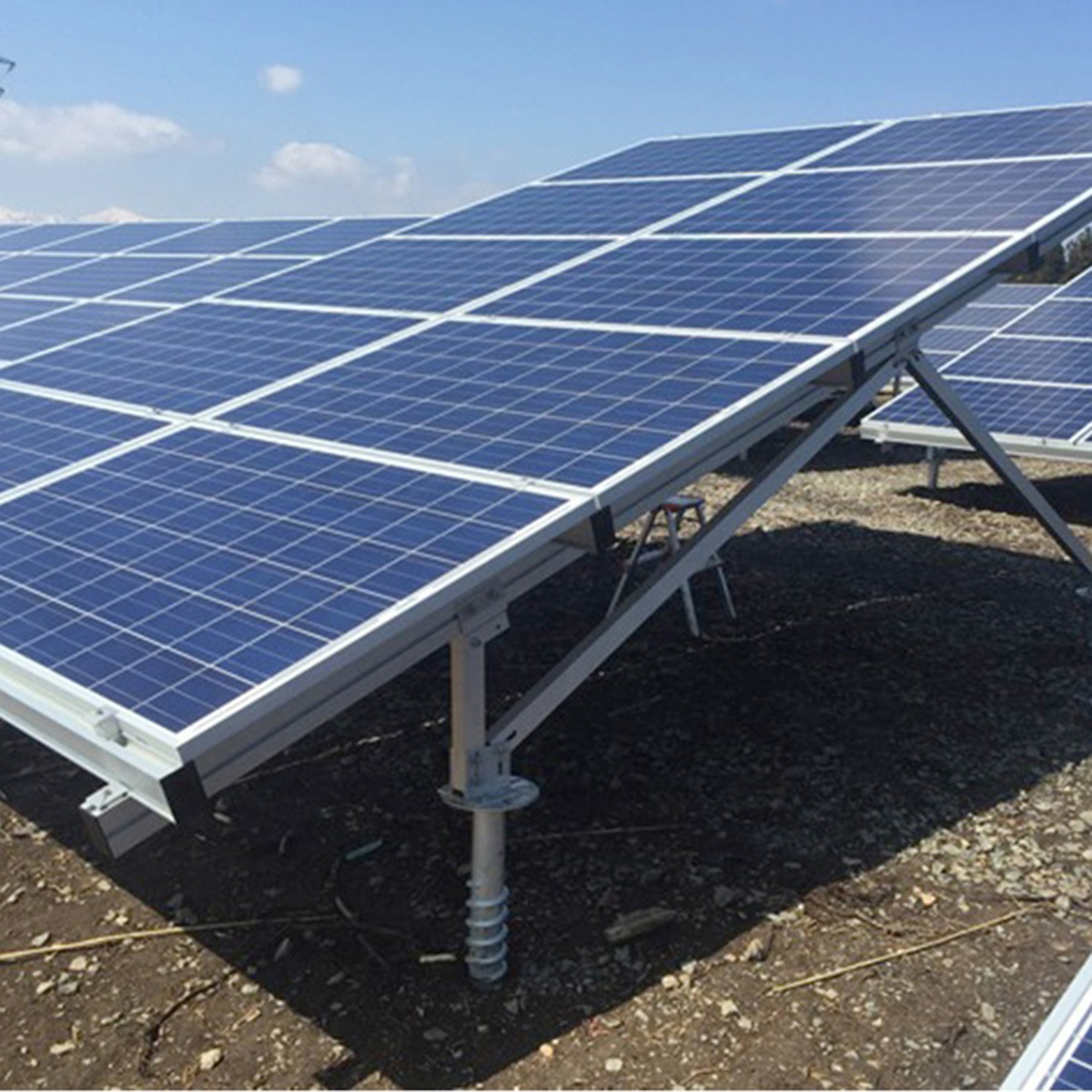
A 500kW commercial solar ground mount project is a photovoltaic installation with a nominal capacity of approximately 500kW, using structures installed directly on the ground rather than mounting the modules primarily on a building roof. It is generally designed for commercial, industrial, institutional, or other larger electricity users.
The actual number of solar modules depends on the power rating of the selected modules. The land requirement also varies according to module dimensions, row spacing, tilt angle, access requirements, setbacks, equipment placement, and site conditions.
The system may include photovoltaic modules, inverters, mounting structures, DC and AC cables, electrical protection equipment, monitoring systems, and grid interconnection equipment.
The required land area depends on module power, array geometry, row spacing, module tilt, terrain, access roads, setbacks, and local permitting requirements. Therefore, there is no single land-area figure that applies to every 500kW project.
The physical footprint of the modules is only one part of the calculation. Additional space is required between rows to manage shading and provide access, while inverters, electrical equipment, maintenance routes, drainage, and safety clearances also influence the final site plan.
A detailed preliminary layout is the most reliable way to determine whether a particular parcel can accommodate the planned capacity.
A typical commercial ground-mounted system requires photovoltaic modules, mounting structures, foundations, inverters, DC and AC cables, electrical protection equipment, grounding components, monitoring equipment, and grid connection infrastructure.
Depending on the project, transformers, switchgear, metering equipment, combiner equipment, communication devices, and other balance-of-system components may also be required.
The exact configuration should be determined through electrical, structural, civil, and grid-interconnection engineering rather than using a standard equipment list for every project.
Project documentation records the technical decisions, equipment specifications, installation procedures, inspection results, and commissioning information associated with the system.
This information can help operators understand how the system was designed and installed when maintenance or troubleshooting is required. It can also provide useful references for future inspections, component replacement, and performance evaluation.
For developers and EPC contractors, documenting a completed solar project case study can additionally provide a practical reference for evaluating similar commercial ground mount projects.
 Hot News
2025-11-03
2025-10-22
2025-01-24
2024-06-12
2024-06-12