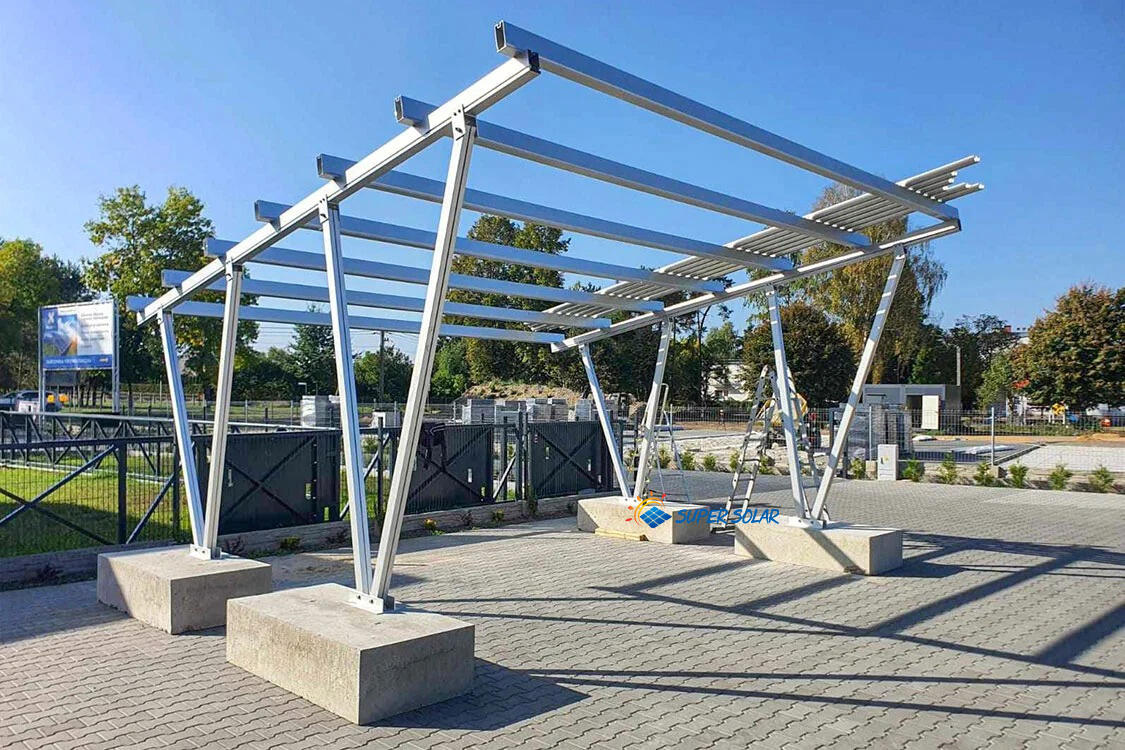
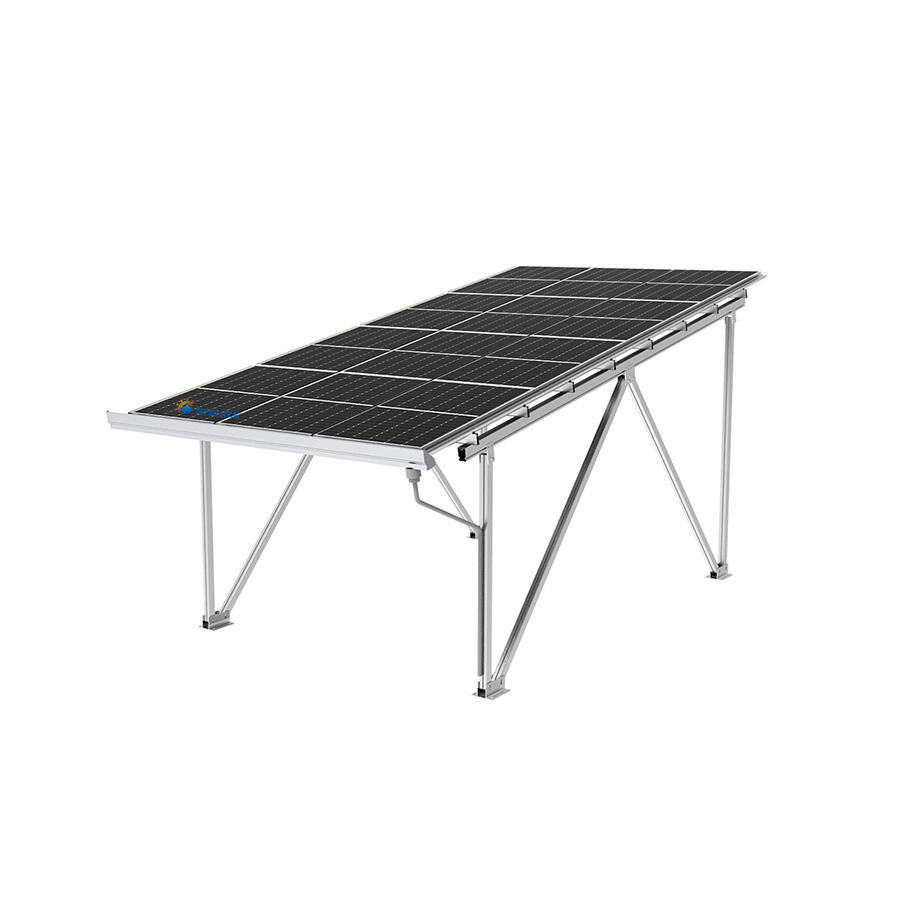
алюминиевый солнечный навес
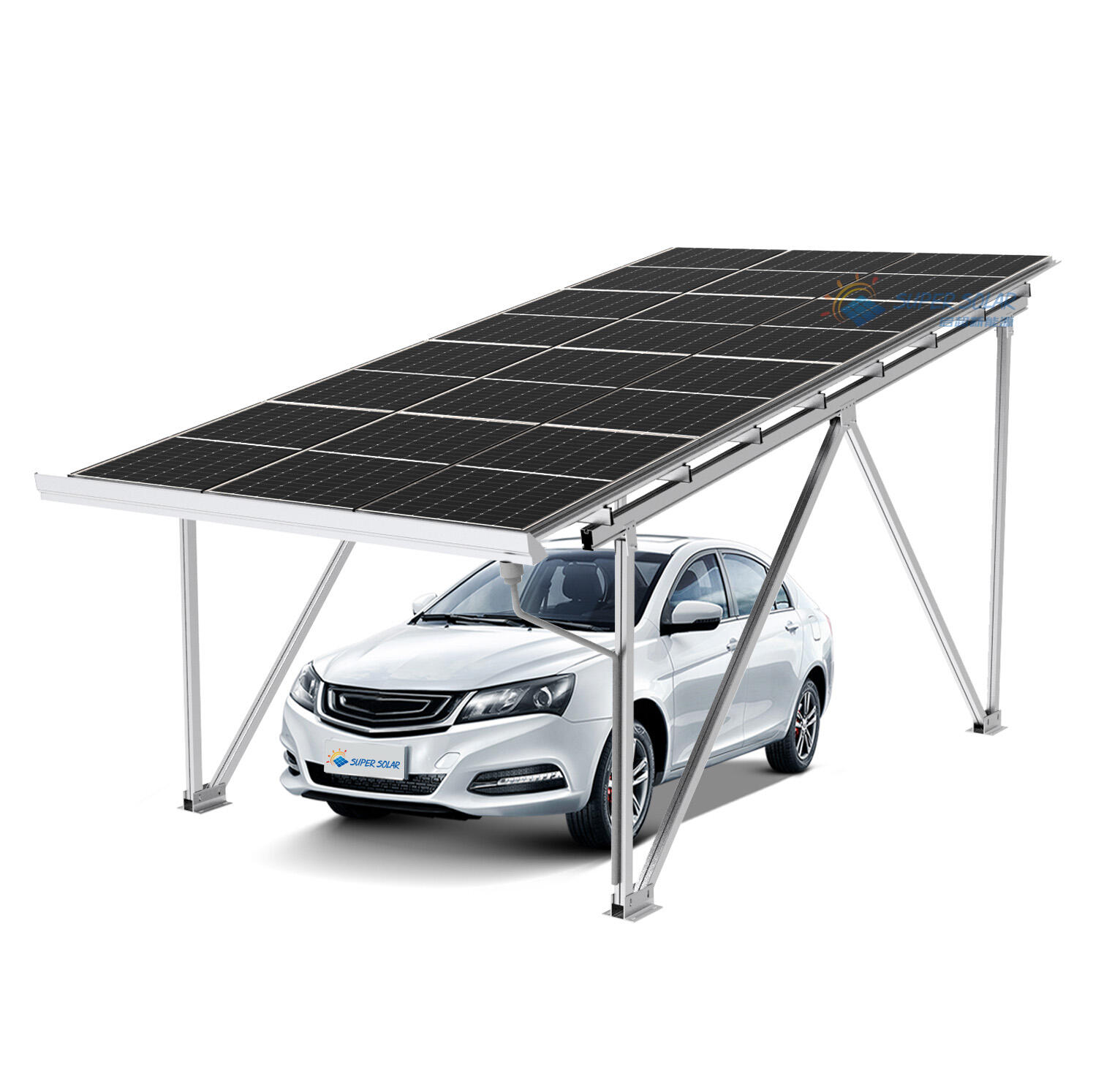
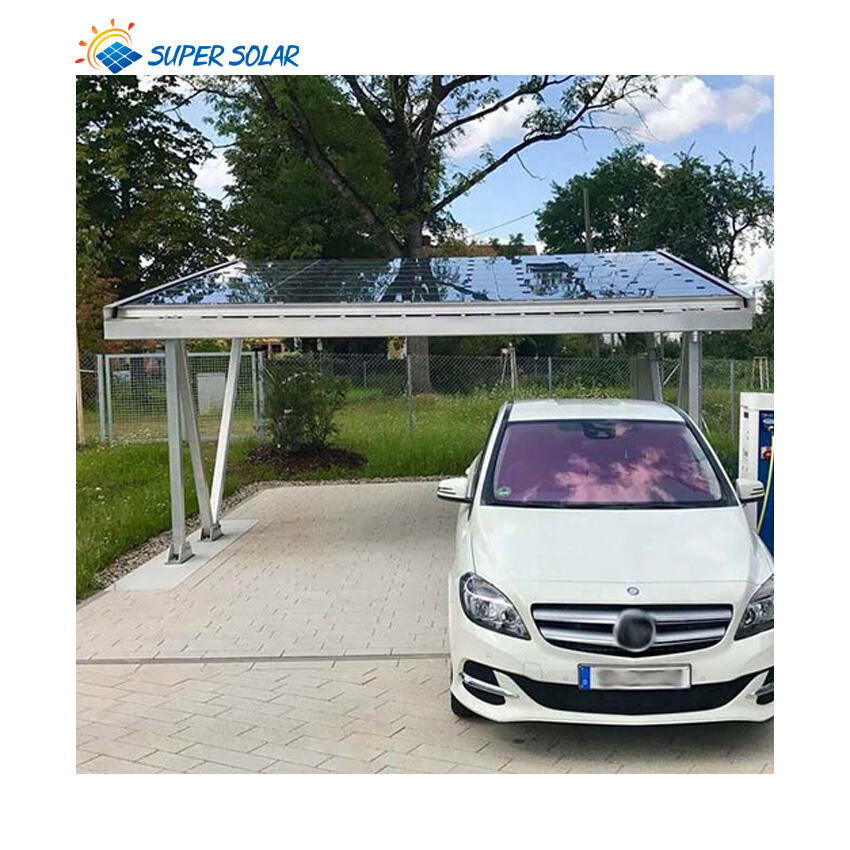
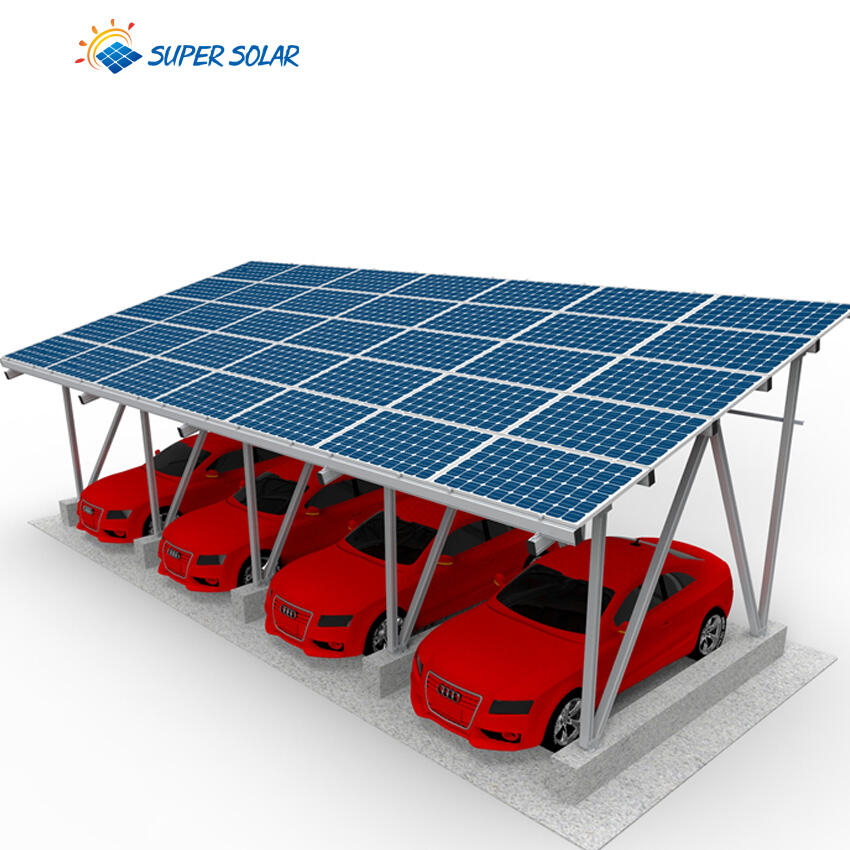
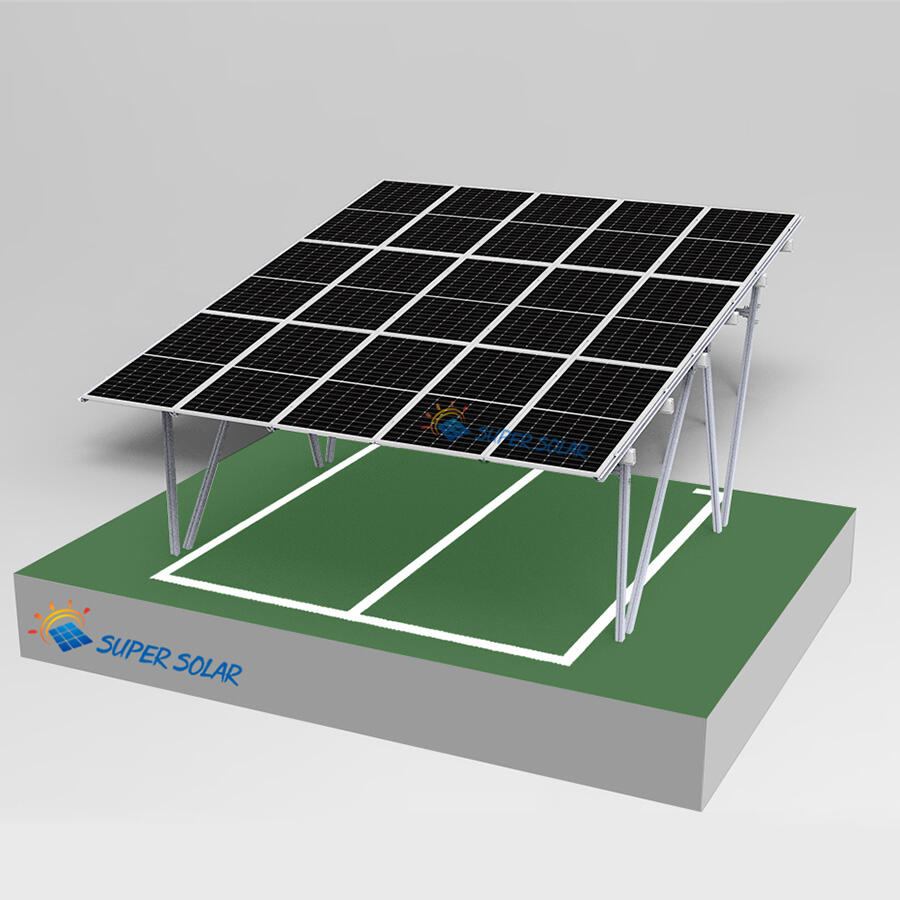
Алюминиевый солнечный навес представляет собой революционную конструкцию двойного назначения, сочетающую защиту транспортных средств и генерацию возобновляемой энергии. Эта инновационная система интегрирует фотогальванические панели в прочную алюминиевую конструкцию, создавая крытые парковочные места и одновременно вырабатывая чистое электричество. Конструкция алюминиевого солнечного навеса позволяет максимально эффективно использовать земельные участки, выполняя несколько функций на одной и той же площади, что делает её идеальным решением для коммерческой недвижимости, жилых комплексов и общественных объектов. Лёгкая, но прочная алюминиевая конструкция обеспечивает долговечность и экономичность на протяжении всего процесса установки. Эти сооружения обладают устойчивостью к погодным воздействиям и защищают транспортные средства от суровых климатических условий, включая дождь, снег, град и вредное ультрафиолетовое излучение. Повышенная конструкция обеспечивает естественную вентиляцию под навесом, предотвращая накопление тепла, которое обычно наблюдается в закрытых парковочных сооружениях. Современные алюминиевые солнечные навесы оснащены передовыми монтажными технологиями, которые фиксируют солнечные панели под оптимальными углами для максимального сбора энергии. Модульная конструкция позволяет адаптировать систему под различные планировки парковок и потребности в энергии. Установка, как правило, требует минимального вмешательства в грунт, сохраняя существующие ландшафты и системы дренажа. Алюминиевая рама требует минимального обслуживания благодаря коррозионной стойкости и покрытию порошковой краской. Эти навесы могут быть спроектированы так, чтобы выдерживать значительные ветровые и снеговые нагрузки, соответствуя местным строительным нормам и стандартам безопасности. Интеграция светодиодных систем освещения, питающихся от выработанной солнечной энергии, создаёт хорошо освещённые парковочные зоны, повышающие безопасность и видимость в ночное время. Системы интеллектуального мониторинга отслеживают показатели выработки и потребления энергии, предоставляя ценные данные для оптимизации работы. Конструкция алюминиевого солнечного навеса может использоваться с различными технологиями солнечных панелей, включая монокристаллические, поликристаллические и тонкоплёночные варианты, в зависимости от конкретных целей в области энергоснабжения и бюджетных ограничений.
 EN
EN