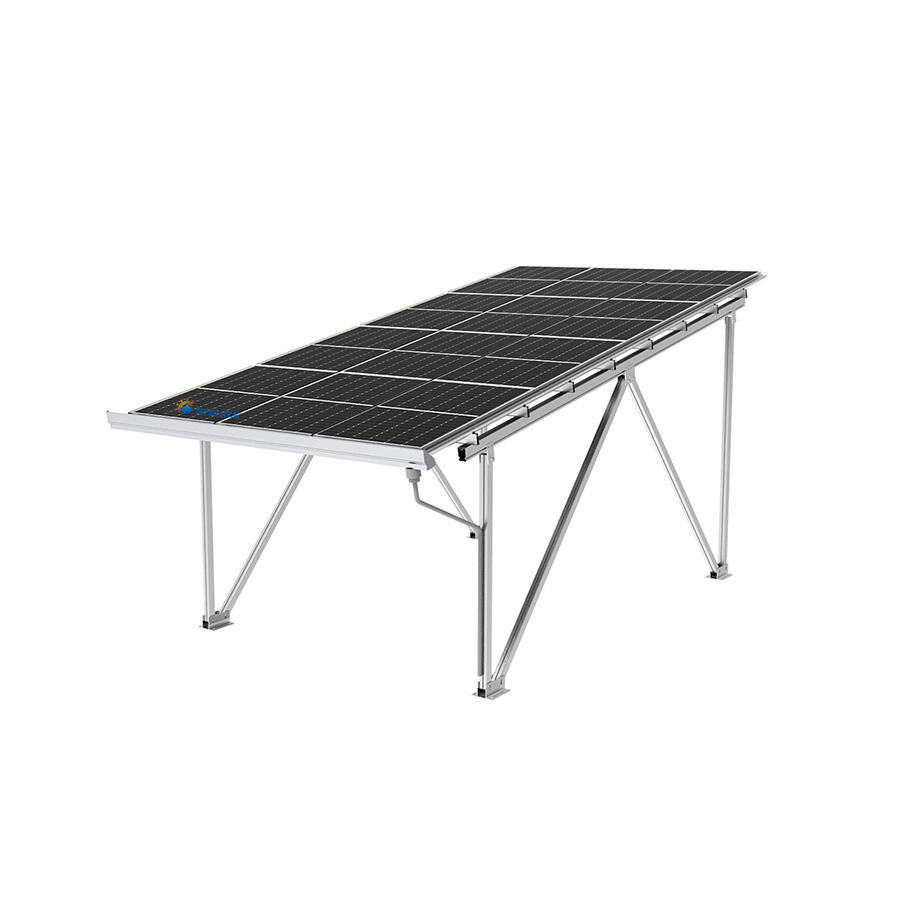
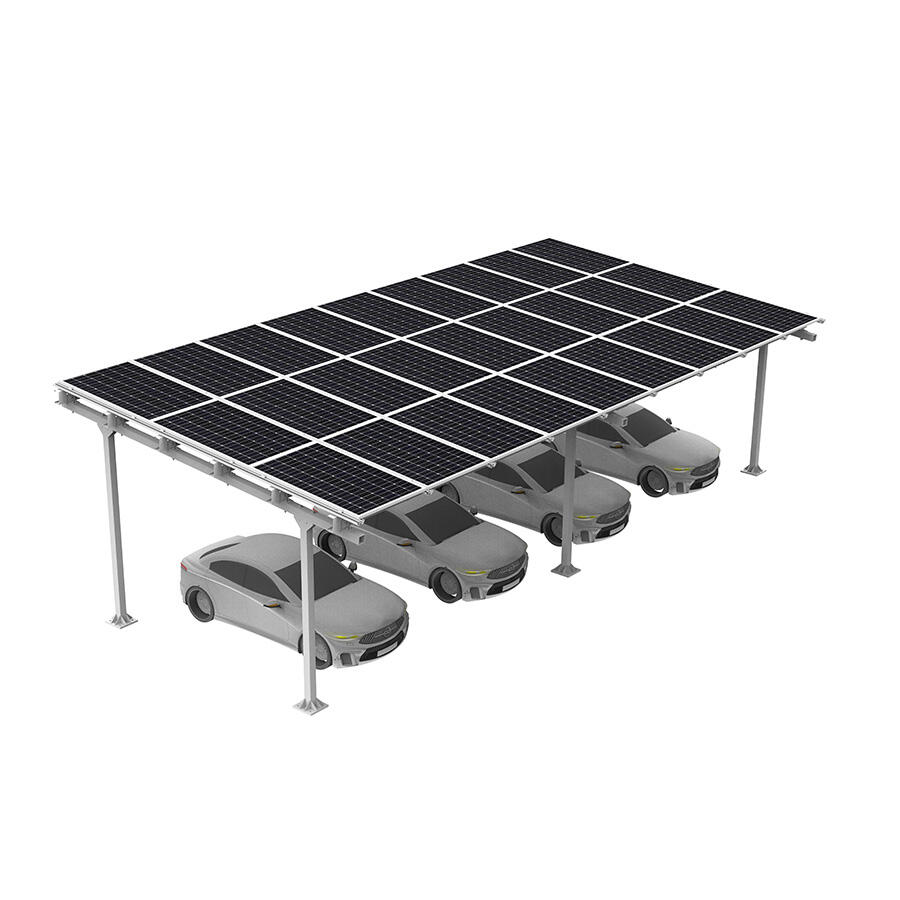
солнечная панель карпорт
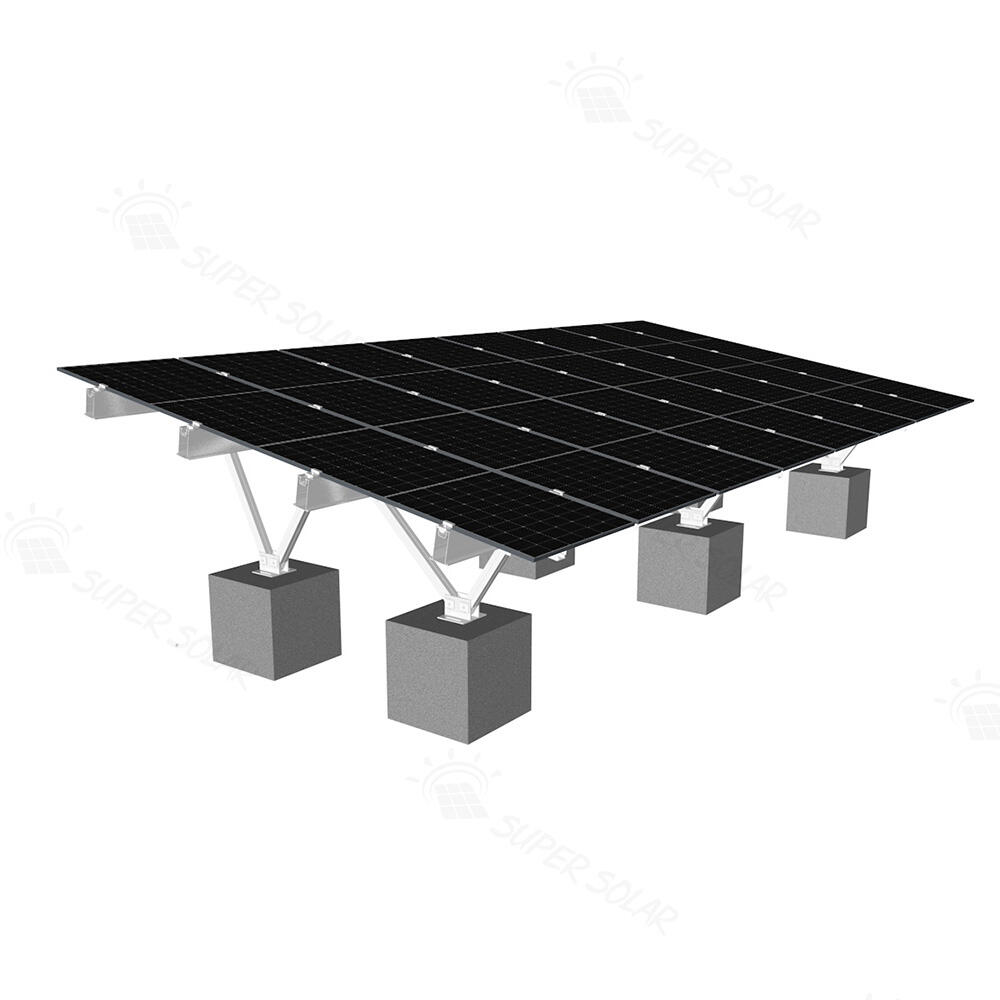
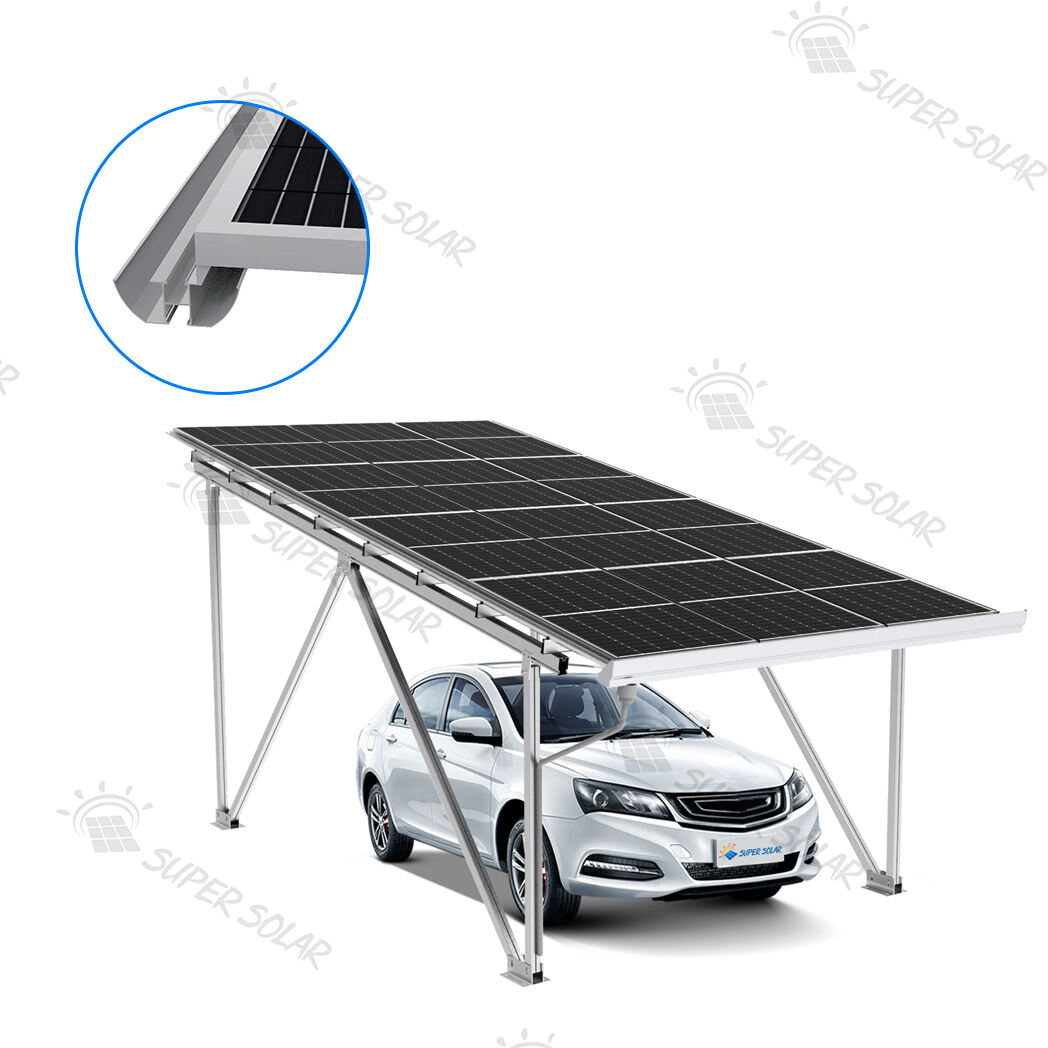
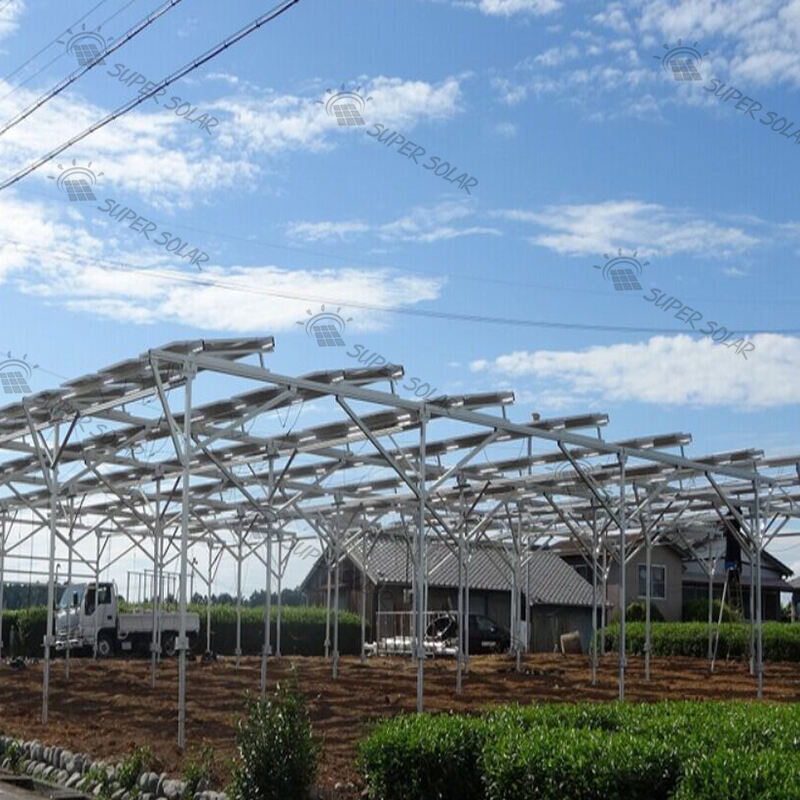
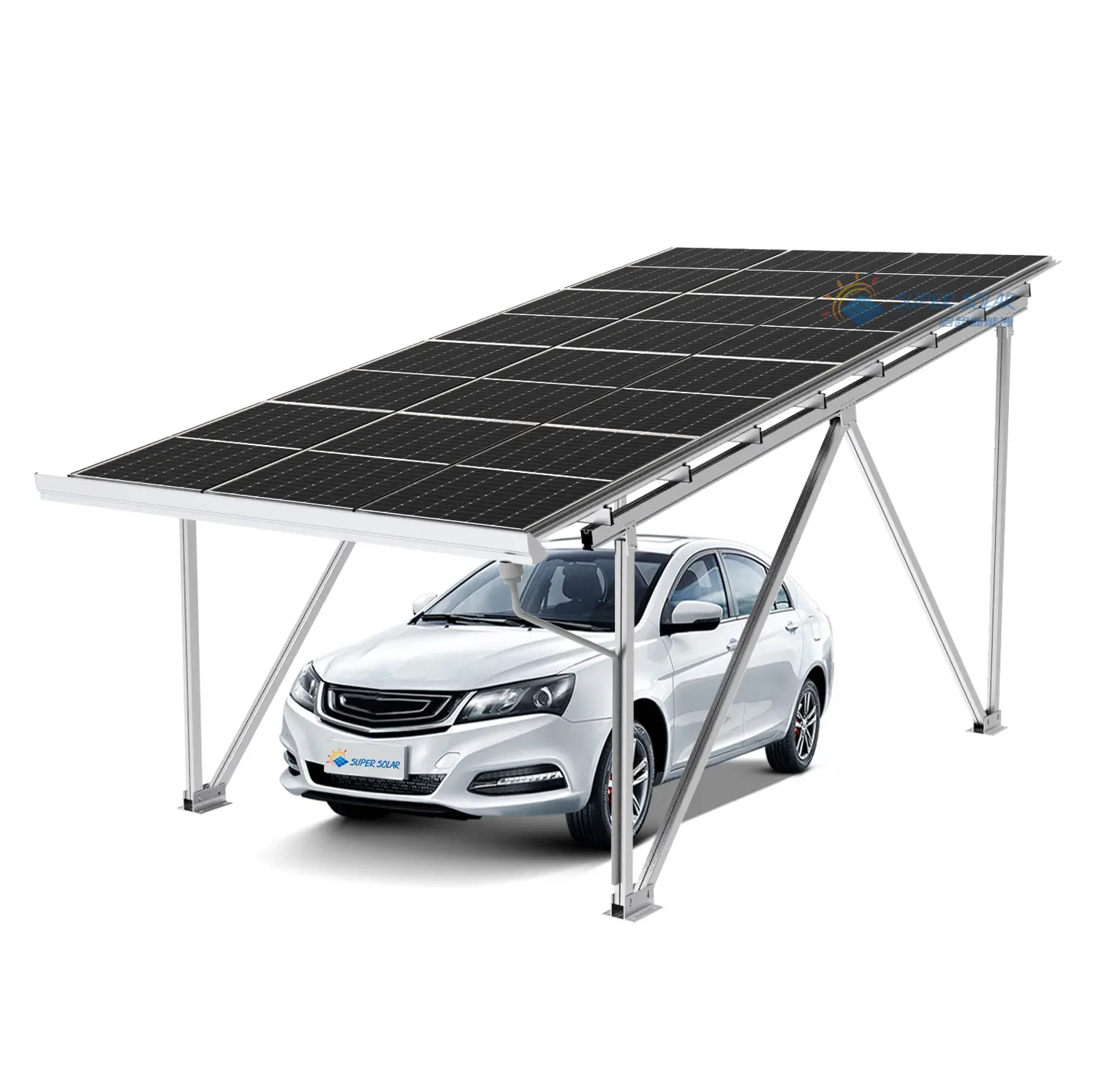
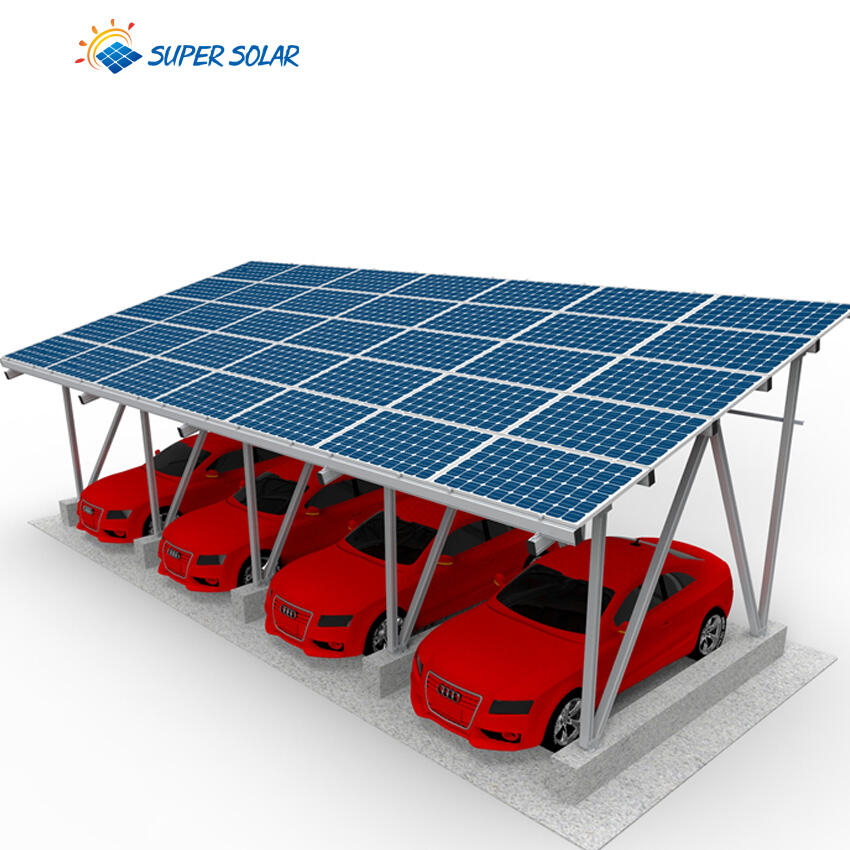
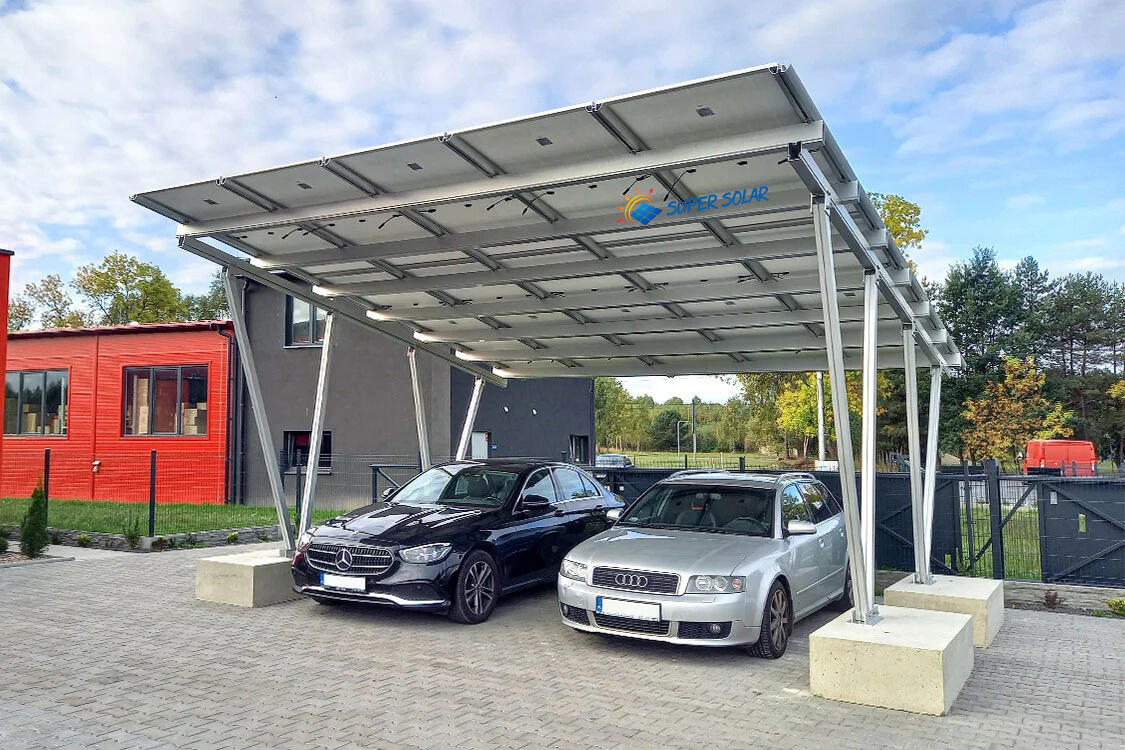
Автомобильный навес с солнечными панелями представляет собой инновационную конструкцию двойного назначения, сочетающую защиту транспортных средств и генерацию возобновляемой энергии. Это интеллектуальное инфраструктурное решение интегрирует фотоэлектрические панели в сооружение для закрытой парковки, создавая многофункциональное пространство, отвечающее как транспортным, так и энергетическим потребностям. Навес с солнечными панелями состоит из прочной рамы, предназначенной для выдерживания различных погодных условий и поддерживающей массив солнечных панелей на своей крыше. Конструкция, как правило, выполнена из оцинкованной стали или алюминия и оснащена инженерными фундаментами, обеспечивающими долгосрочную устойчивость и долговечность. Фотоэлектрическая система включает высокоэффективные солнечные панели, инверторы, системы мониторинга и электрические компоненты, преобразующие солнечный свет в пригодное для использования электричество. Современные проекты навесов с солнечными панелями предусматривают использование передовых систем крепления, оптимизирующих угол наклона и расстояние между панелями для максимальной выработки энергии при сохранении достаточного зазора для доступа транспортных средств. Электрическая инфраструктура включает интеллектуальные инверторы, преобразующие постоянный ток от панелей в переменный ток, подходящий для подключения к сети или использования на месте. Во многих установках используются встроенные светодиодные системы освещения, работающие от вырабатываемой солнечной энергии, что повышает видимость и безопасность в ночное время. Конструкция навеса может вместить различные типы транспортных средств — от стандартных легковых автомобилей до крупных коммерческих автомобилей — с возможностью настройки размеров и конфигураций. Продвинутые системы мониторинга предоставляют данные о работе в реальном времени, позволяя пользователям отслеживать выработку энергии, эффективность системы и потребности в обслуживании через мобильные приложения или веб-платформы. Навесы с солнечными панелями находят применение в жилом, коммерческом и промышленном секторах. Владельцы домов используют такие сооружения для защиты автомобилей, одновременно снижая счета за электроэнергию и углеродный след. Коммерческие предприятия устанавливают навесы с солнечными панелями на парковках, чтобы продемонстрировать свою экологическую ответственность и получать доход за счёт экономии энергии. Образовательные учреждения и медицинские центры внедряют такие системы для достижения целей устойчивого развития, обеспечивая при этом закрытую парковку для студентов, сотрудников и посетителей. Технология продолжает развиваться благодаря новым разработкам в области эффективности панелей, интеграции аккумуляторных систем хранения и функций подключения к интеллектуальным сетям.
 EN
EN