 EN
EN
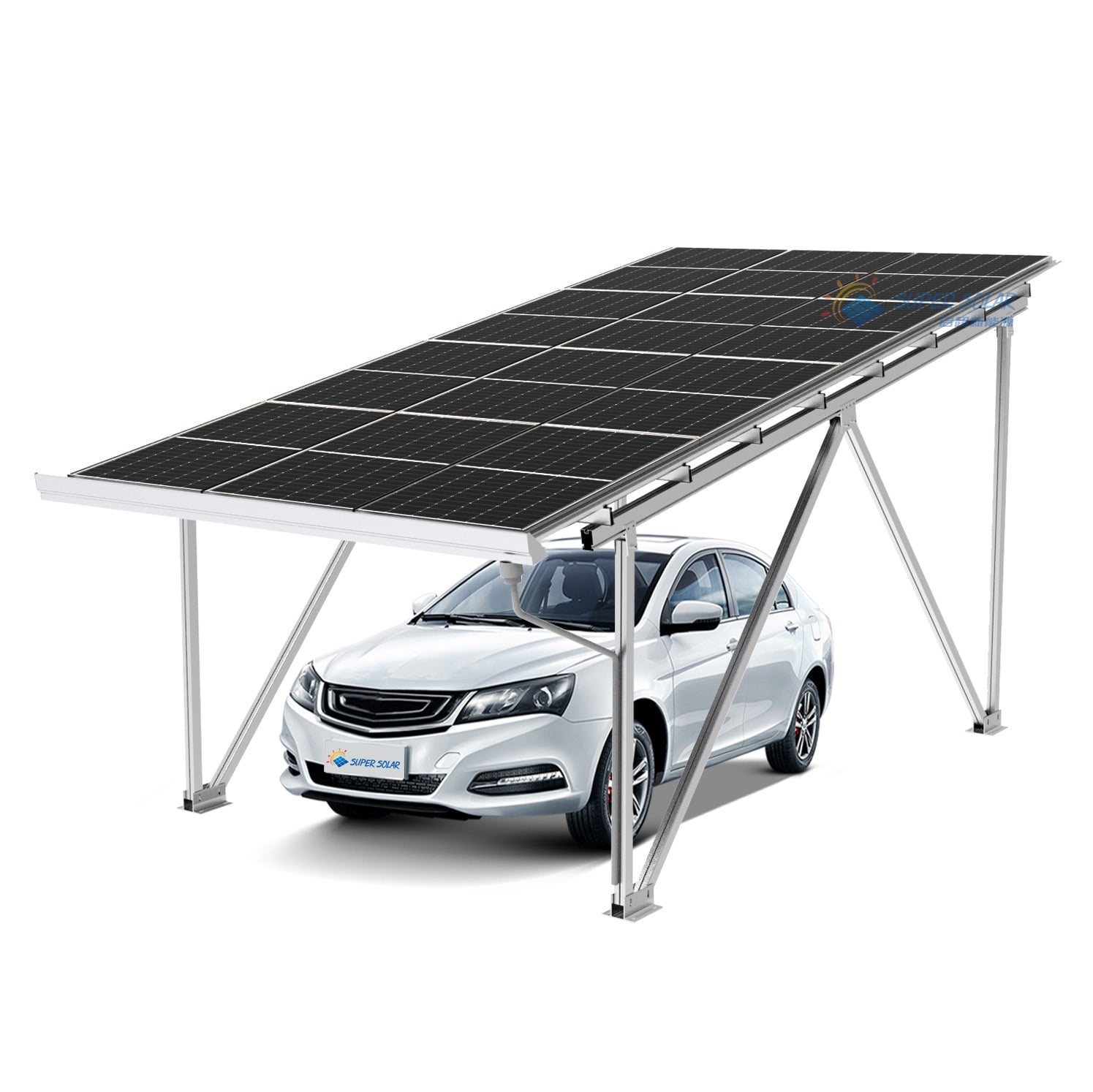

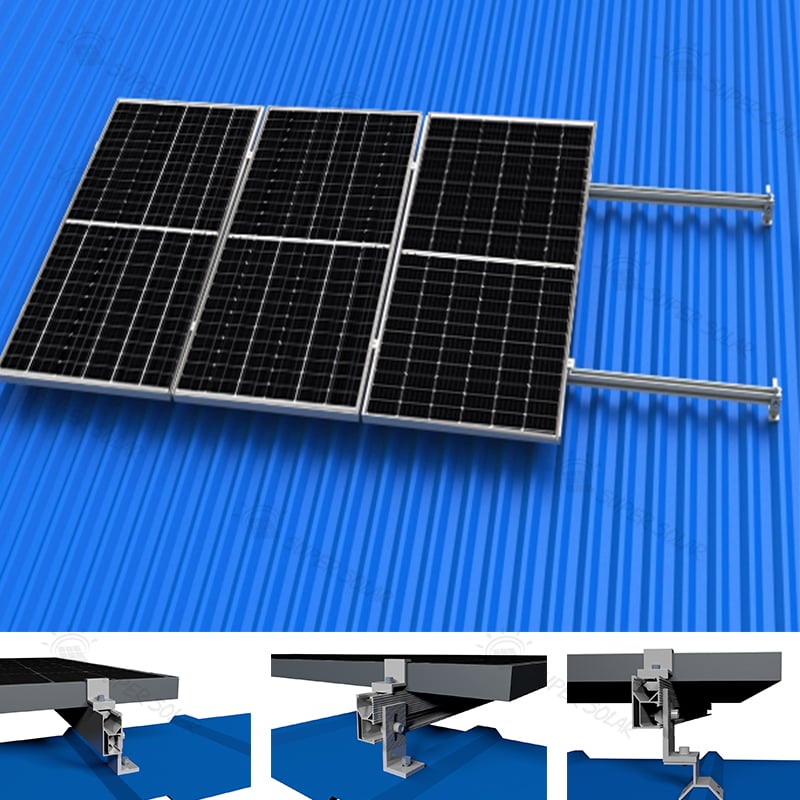
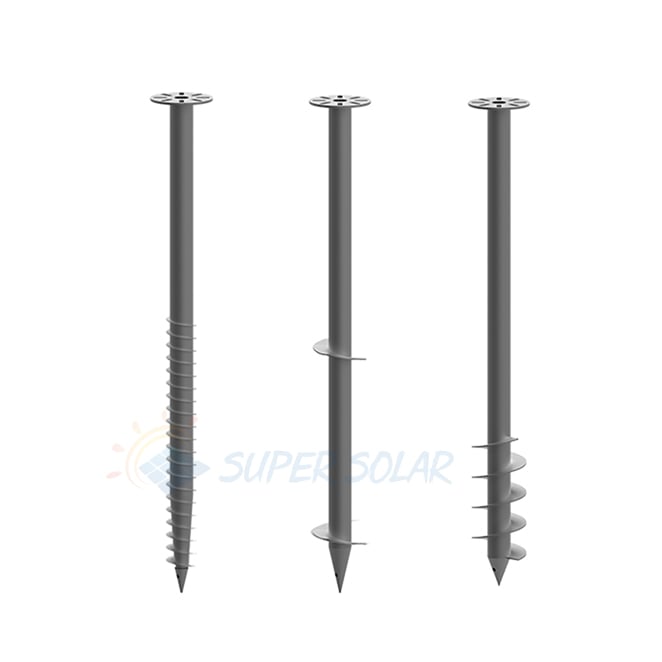
Evaluating financial trade-offs between different structural mounting technologies is a critical step in maximizing utility-scale project ROI. The decision typically comes down to choosing between a fixed structural system or an active tracking system. Within any utility or commercial installation, the core of that decision resides in the specific solar ground mounting system you select, as it directly shapes your upfront capital expenditure and long-term energy yield per dollar invested.
Navigating the choice between a fixed tilt solar mounting system cost structure and the associated solar tracker cost requires looking beyond the initial purchase price. A complete financial analysis must account for site preparation, installation labor, long-term operations and maintenance, and predictable energy generation over the life of the power plant.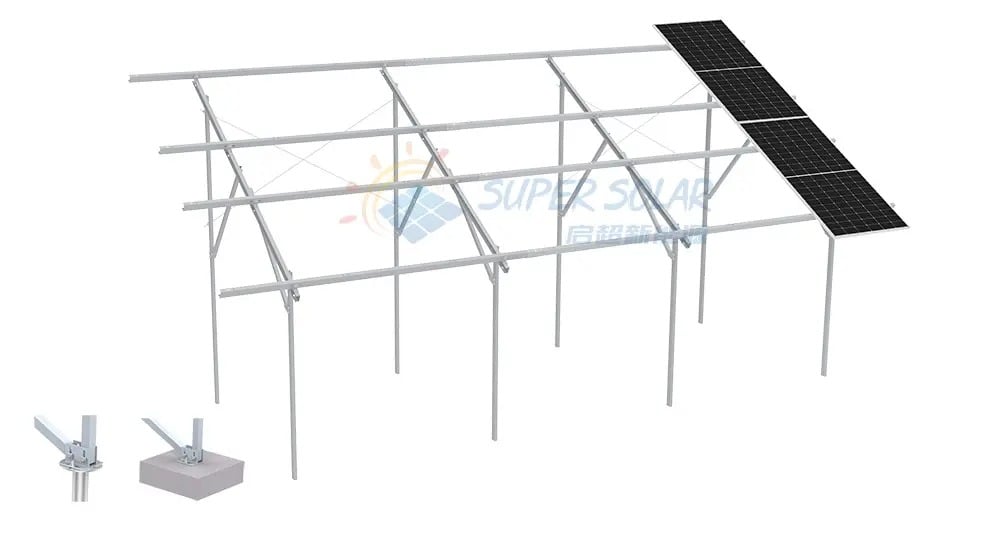
The fixed tilt solar mounting system cost is highly competitive because of its straightforward structural design and minimal component count. The bill of materials consists almost entirely of structural steel posts, triangle brackets, purlins, and module clamps. Because there are no motors, torque tubes, or electronic controllers, manufacturing expenses are kept to a minimum.
This simplicity also lowers international logistics and shipping costs. Fixed structural components can be densely packed into standard shipping containers, maximizing freight efficiency and reducing transport expenses per megawatt, making fixed mounting structures an attractive option for managing upfront capital expenditure.
Conversely, the initial solar tracker cost is substantially higher due to the inclusion of electromechanical components like torque tubes, drive motors, articulating bearings, slewing drives, and electronic control units. These sophisticated components require precision manufacturing and specialized testing, which increases the baseline material cost per watt.
Additionally, the engineering phase for a tracking system is more intensive, as the structure must withstand dynamic wind forces and potential aeroelastic fluttering. This requires advanced wind tunnel testing and structural modeling to ensure tracking rows can safely stow during high-wind events, contributing to a higher upfront capital requirement.
From an operational perspective, a fixed tilt solar mounting system cost model benefits from near-zero maintenance overhead. Because the structure is completely static, there are no mechanical parts to wear out or calibrate, limiting routine maintenance to periodic structural bolt checks and structural integrity inspections.
In contrast, managing a solar tracker cost involves budgeting for ongoing maintenance of moving parts and electrical control hardware throughout the project lifecycle. Drive systems require regular lubrication, bearings must be checked for wear, and tracking sensors must be calibrated to ensure accuracy, which increases the total operational expenditure over a 25-year lifecycle.
The primary financial justification for accepting a higher initial solar tracker cost is the substantial boost in energy generation. Single-axis trackers follow the sun from east to west, increasing daily energy yield by 15% to 25% or more compared to a fixed structural layout, which is especially valuable in regions with high solar irradiance.
However, in areas with lower solar irradiance, frequent cloud cover, or challenging terrain, yield gains from tracking technology may be significantly reduced. In these scenarios, the lower fixed tilt solar mounting system cost becomes the more financially prudent choice, ensuring predictable financial returns without operational maintenance risks.
The installation logistics of a fixed structural array are highly efficient and require less specialized labor. Field crews can quickly master the repetitive process of driving posts, assembling pre-fabricated triangle brackets, and mounting rails. The lack of complex electrical wiring for tracking motors means mechanical installation can be completed rapidly, reducing field labor expenses.
Installing tracking systems is a more complex process that requires skilled labor and precision alignment. Torque tubes must be perfectly aligned across long rows, and the integration of drive motors and control systems requires specialized electrical technicians. Any installation errors can lead to mechanical binding, extending construction timelines.
Site terrain and geotechnical conditions play an important role in cost comparison. Fixed structural arrays are highly adaptable to irregular topography and steeper ground slopes, as pile heights can be easily adjusted to accommodate changes in the landscape, minimizing the need for extensive earth grading work.
Tracking systems, however, have stricter tolerances regarding ground slope to prevent mechanical stress on long torque tubes. Significant slope variations often require extensive land grading or a reduction in row lengths, both of which can increase civil construction costs or reduce total land-use efficiency.
The equipment cost for a tracker system can be 30% to 50% higher than a fixed configuration. When factoring in specialized components that drive up the overall solar tracker cost, alongside the simplified design of a fixed tilt solar mounting system cost profile, the upfront CAPEX gap remains significant for large utility projects.
Not in all environments. While tracking systems generate 15% to 25% more energy in high-irradiance, clear-sky regions, their advantage shrinks considerably in areas with frequent cloud cover or high diffuse light. In diffuse-light climates, the lower fixed tilt solar mounting system cost delivers a much stronger financial return and a shorter payback period.
Fixed mounting systems handle steeper, irregular terrain with minimal site grading, keeping civil engineering costs low. Tracker systems require flatter ground or extensive grading to prevent mechanical binding in moving components, adding significant site-preparation expenses to the baseline solar tracker cost.
 Hot News
2025-11-03
2025-10-22
2025-01-24
2024-06-12
2024-06-12