 EN
EN


Selecting the ideal structural framework for commercial projects requires balancing upfront capital costs, operational complexity, and long-term energy yield. While fixed structures offer unmatched simplicity, adjustable alternatives introduce flexibility to optimize seasonal performance. Understanding the mechanical and financial differences allows procurement managers and EPC contractors to make informed decisions before deploying a solar ground mounting system.
The choice between a fixed tilt solar ground mount and an adjustable tilt solar mount influences everything from structural engineering to field labor timelines within the overall solar ground mounting system architecture. Evaluating these systems side-by-side reveals how mechanical adjustability impacts the overall lifecycle value of a commercial solar farm.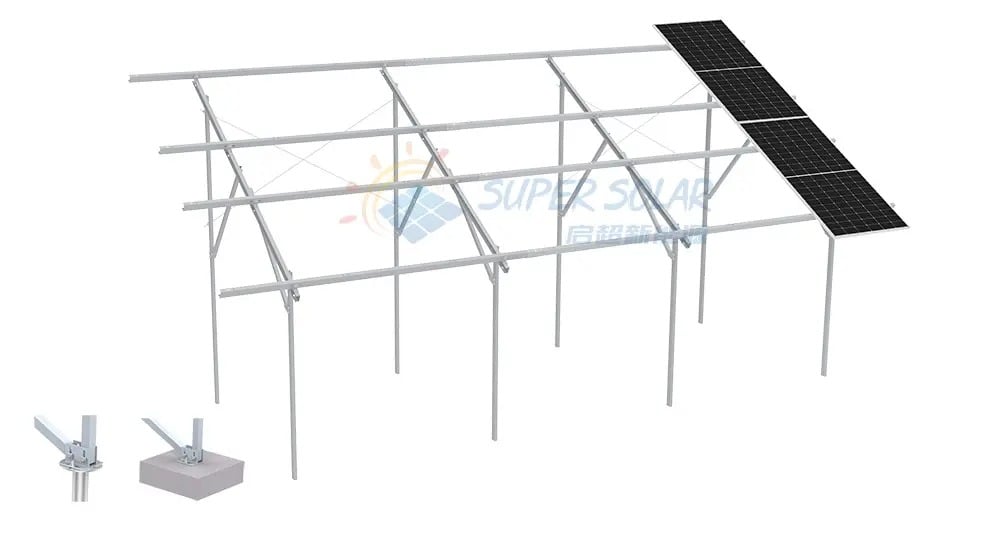
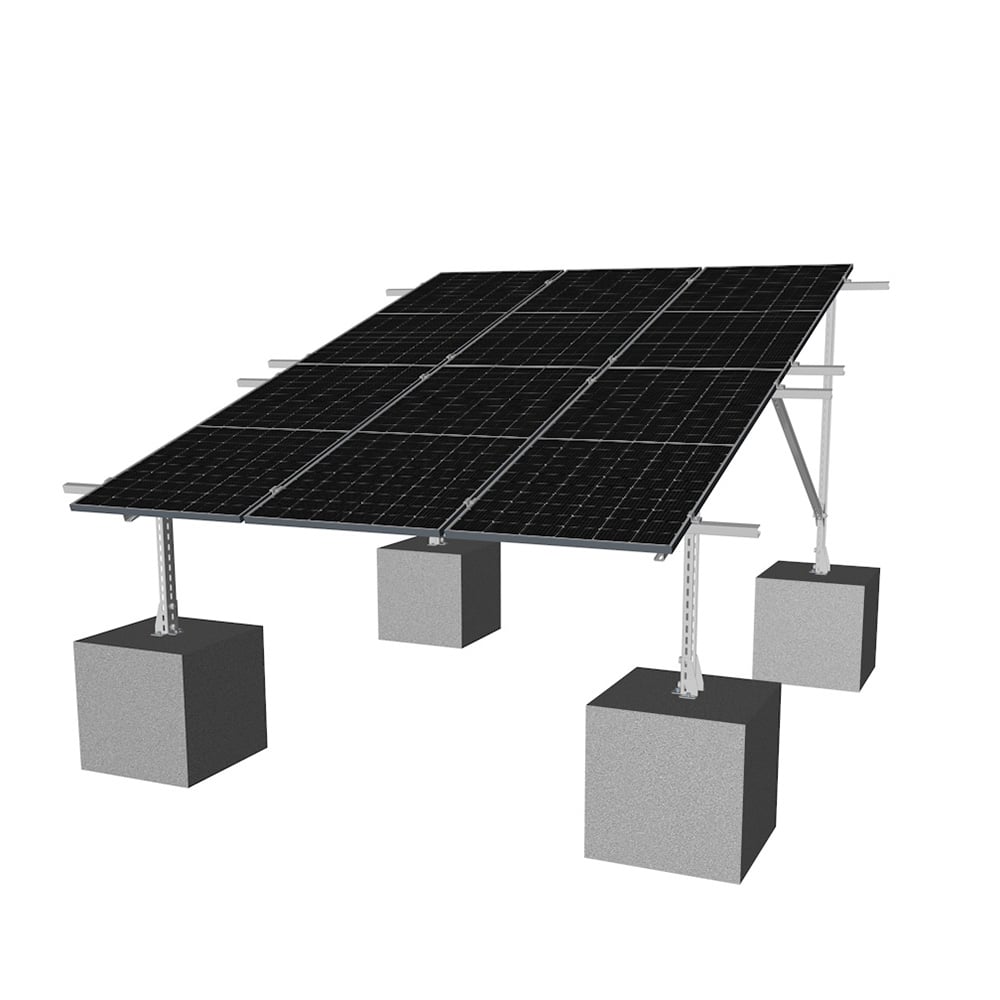
A fixed tilt solar ground mount is engineered for absolute static permanence. Because the structure contains no moving components or adjustable joints, structural engineers optimize steel and aluminum profiles for unchanging wind and snow configurations, minimizing structural deflection and material fatigue over a multi-decade operational lifespan.
This simplicity translates into mechanical reliability. Without manual articulation or rotating hardware, a fixed tilt solar ground mount faces virtually zero risk of component wear or mechanical binding. For large-scale projects in remote or severe environments, the static nature of the fixed frame provides predictable structural performance.
Conversely, an adjustable tilt solar mount incorporates specialized pivot hinges, telescoping legs, or multi-position brackets to alter the tilt angle at specific seasonal intervals. Engineering must account for variable load paths as wind lift characteristics change depending on the chosen angle setting, requiring moving joints to handle heavy loads without introducing loose tolerance play.
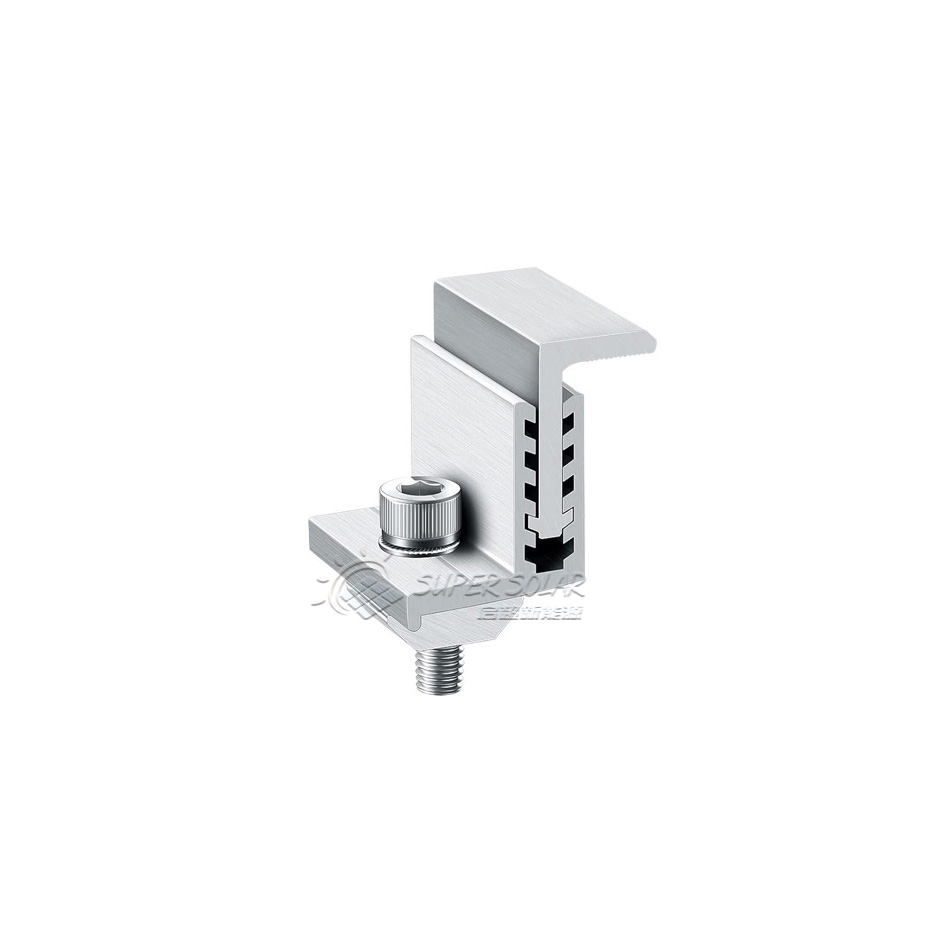
The locking mechanisms on an adjustable tilt solar mount are critical design elements. These components must securely anchor the structural frame in its designated position for months at a time, resisting wind buffeting and thermal expansion. Engineering teams specify robust fasteners to ensure manual adjustments can be performed safely by field maintenance crews.
The primary advantage of utilizing an adjustable tilt solar mount is optimizing the angle of incidence according to seasonal solar positions. Increasing the tilt angle during winter when the sun is low, and flattening it during summer, captures more solar irradiance, boosting total energy production by several percentage points compared to a fixed baseline.
Conversely, a standard fixed tilt solar ground mount relies on a compromise angle calculated to maximize total annual generation. While this misses incremental seasonal gains, it eliminates the need for ongoing manual labor and site intervention. In projects near the equator where solar elevation variations are minimal, the yield differences are rarely enough to justify added structural complexity.
Environmental factors like regional wind speeds play a major role in system layout selection. A fixed tilt solar ground mount must withstand worst-case wind events at its permanent angle, which often results in heavier structural member sizes for steeper angles, increasing the total volume of steel required.
An adjustable tilt solar mount offers a unique advantage in high-wind regions, as some designs allow the system to be adjusted to a flatter, low-profile angle ahead of anticipated severe weather events. This reduces total wind forces acting on the structure, potentially allowing for lighter component weights, though it requires an active site management team capable of executing adjustments quickly.
From an operations and maintenance perspective, the fixed tilt solar ground mount represents the lowest possible overhead option. With no moving parts to inspect, lubricate, or replace, regular maintenance is limited to structural bolt torque verification and visual inspections for corrosion, maintaining lean operational budgets.
Implementing an adjustable tilt solar mount introduces a recurring labor requirement into the operational model. Manually adjusting structural rows several times per year requires dedicated field crews and precise scheduling. Asset owners must weigh the projected revenue gains from increased seasonal energy yield against ongoing labor costs and potential safety liabilities.
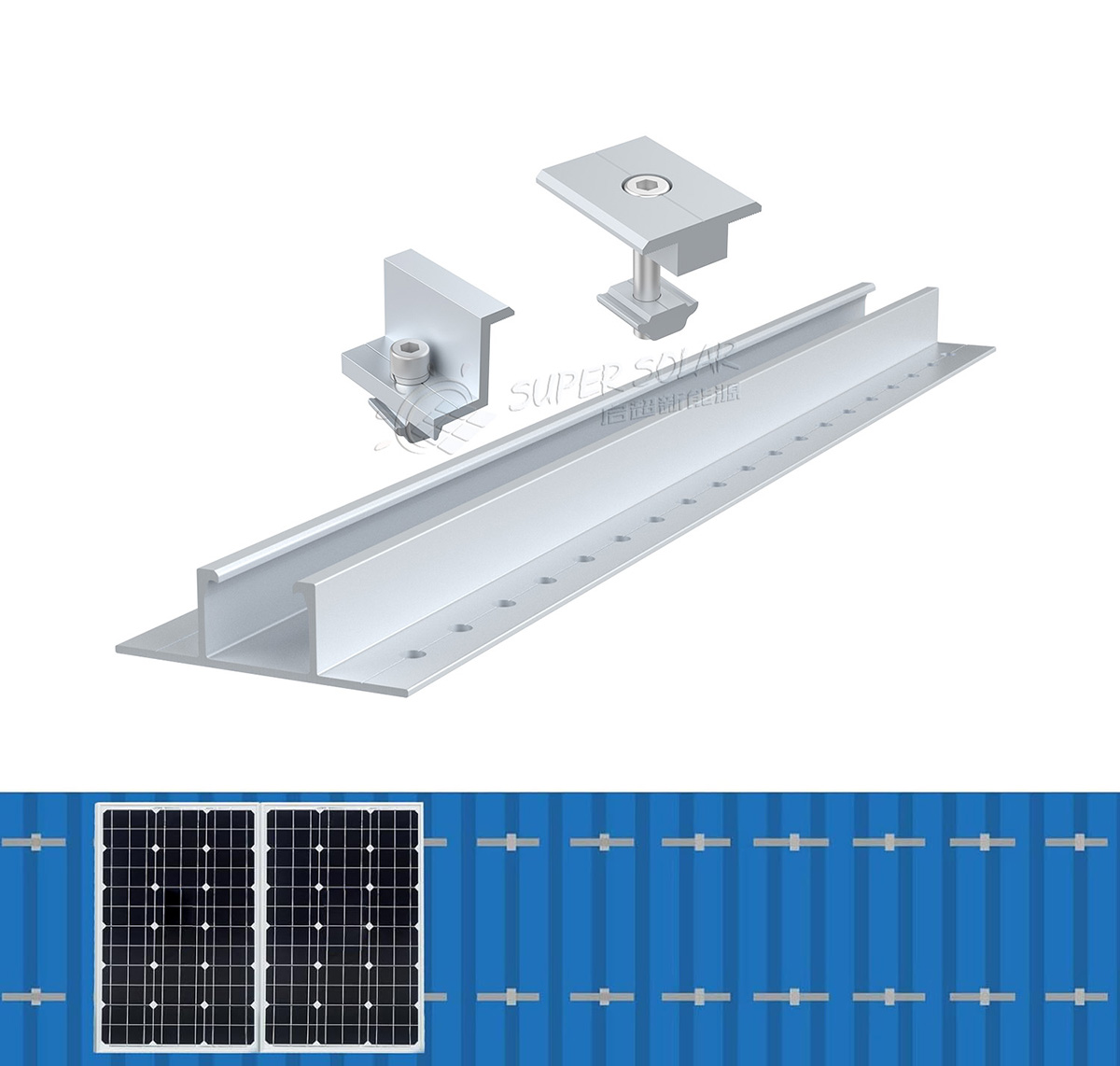
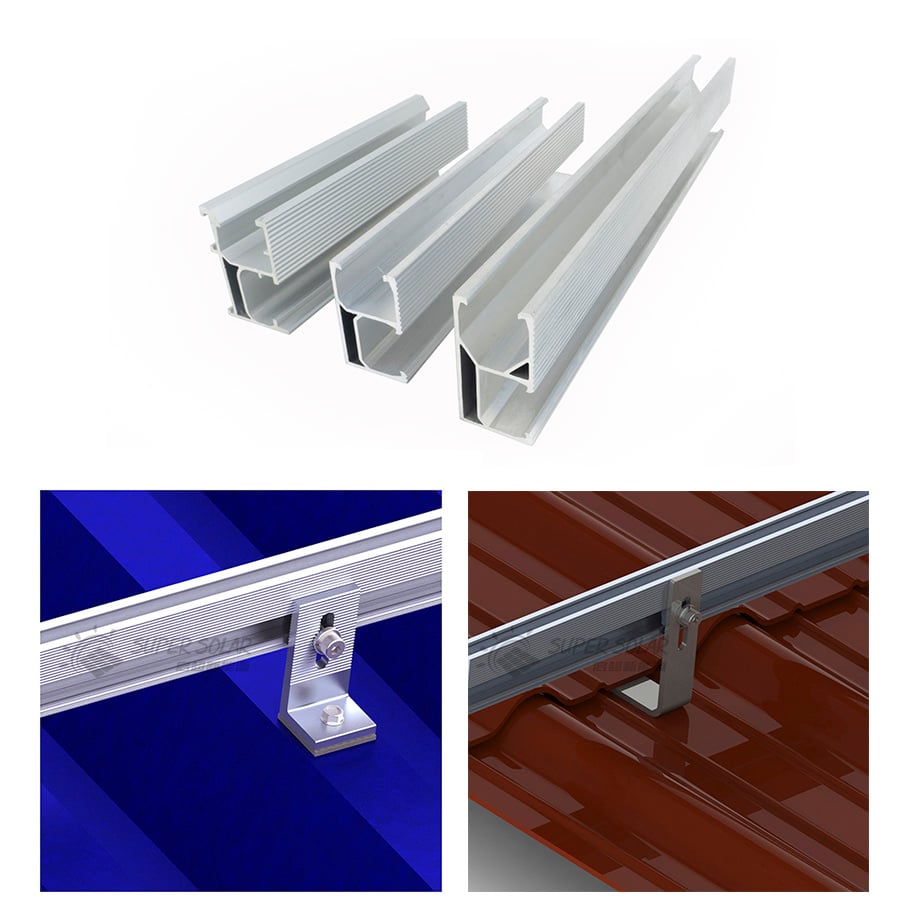
From a procurement standpoint, the simplicity of a fixed tilt solar ground mount ensures a streamlined supply chain with short manufacturing lead times. The structural components consist primarily of standardized steel channels and aluminum rails, which can be sourced efficiently from high-capacity manufacturing facilities, simplifying inventory management.
Procuring an adjustable tilt solar mount involves managing a more complex bill of materials, including custom hinge assemblies, locking pins, and adjustable legs. The long-term durability of these articulating components is paramount, requiring strict quality control at the manufacturing plant to ensure high-grade corrosion resistance for all moving joints.
A fixed tilt solar ground mount locks panels at a permanent angle using rigid frame components such as triangle brackets, while an adjustable tilt solar mount incorporates pivot mechanisms that allow the tilt angle to be changed manually across seasons. The fixed framework is completely static, whereas the adjustable assembly balances seasonal optimization with greater mechanical complexity.
Terrain has a direct impact on engineering layout choices. A fixed tilt solar ground mount handles steeper and more irregular terrain with minimal site grading because its foundation piles can be adjusted in height to accommodate changes in the landscape. An adjustable tilt solar mount typically requires flatter surfaces to ensure the articulation mechanisms remain aligned and operate uniformly across the array row.
A fixed tilt solar ground mount generally offers a lower total cost of ownership due to significantly lower initial procurement costs and near-zero ongoing maintenance expenses. While an adjustable tilt solar mount generates more revenue through higher seasonal energy yield, recurring manual adjustment labor costs can diminish those financial gains on utility-scale projects.
 Hot News
2025-11-03
2025-10-22
2025-01-24
2024-06-12
2024-06-12