 EN
EN
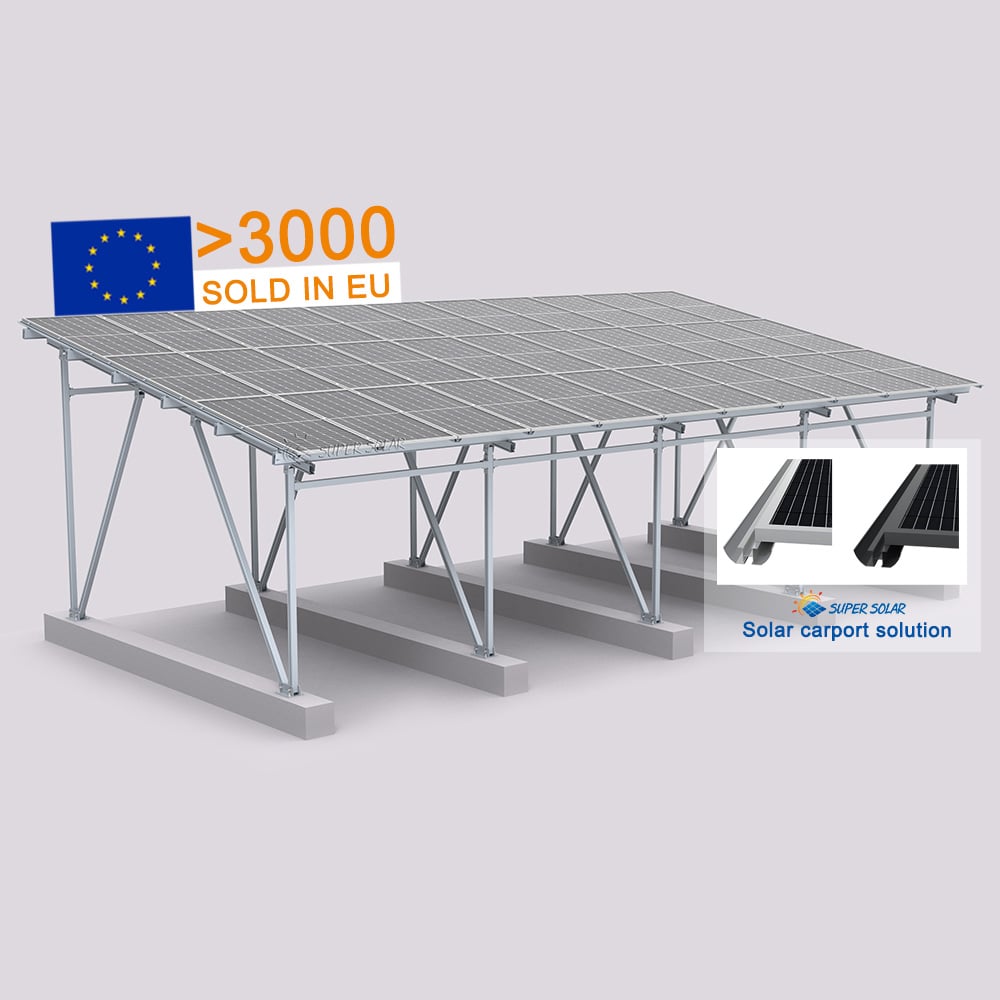
A well-designed solar ground mounting system is the backbone of any fixed tilt installation. Whether you are developing a commercial solar farm or a utility-scale project, structural decisions made during the design phase directly affect long-term performance, installation efficiency, and maintenance access. Getting the foundation logic right from the start saves significant cost and reduces rework during field installation.
This guide focuses specifically on fixed tilt configurations, where the panel angle remains constant rather than tracking the sun. A robust fixed tilt ground mount solar system is simpler to build, easier to maintain, and more cost-effective than tracker-based systems. Understanding key design factors helps engineers and procurement teams specify the right fixed tilt solar racking for their site conditions and energy goals.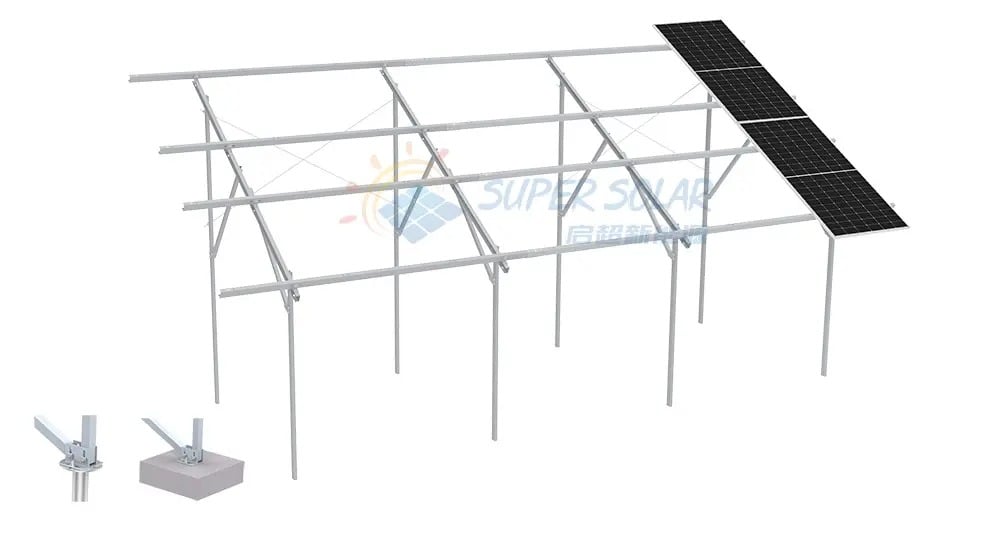
Before specifying fixed tilt ground mount solar infrastructure, a detailed site assessment is essential. Soil type, bearing capacity, and ground slope influence the type of foundation anchor used. In soft soils, driven piles require deeper penetration, while rocky terrain may need ballasted or concrete pier solutions to ensure a 25-year project life.
Slope gradient affects row spacing and layout geometry. Even modest ground slopes change shading geometry between rows. On sloped terrain, engineering layout software must account for elevation differences to ensure each row receives adequate irradiance without front-row shading causing rear-row power losses.
Row spacing in a fixed tilt configuration is calculated based on panel tilt angle, site latitude, and desired ground coverage ratio. A higher ground coverage ratio places more panels per unit area but increases inter-row shading risk. Most fixed tilt solar racking designs balance land use efficiency with acceptable shading losses during winter when the sun angle is lowest.
Standard utility-scale practice involves using the December 21 sun angle at the project latitude as the baseline for minimum row pitch. This ensures rows do not shade each other during the worst-case solar geometry of the year. Layout tools model these spacing requirements accurately before structural steel is ordered from the factory.
The triangle bracket is the defining structural element of a fixed tilt ground mount solar project. It connects the rear post to the front rail, creating a rigid geometry that holds panels at the design tilt angle. This shape distributes wind and snow loads efficiently down through the posts into the ground anchor, minimizing deflection and reducing frame fatigue over time.
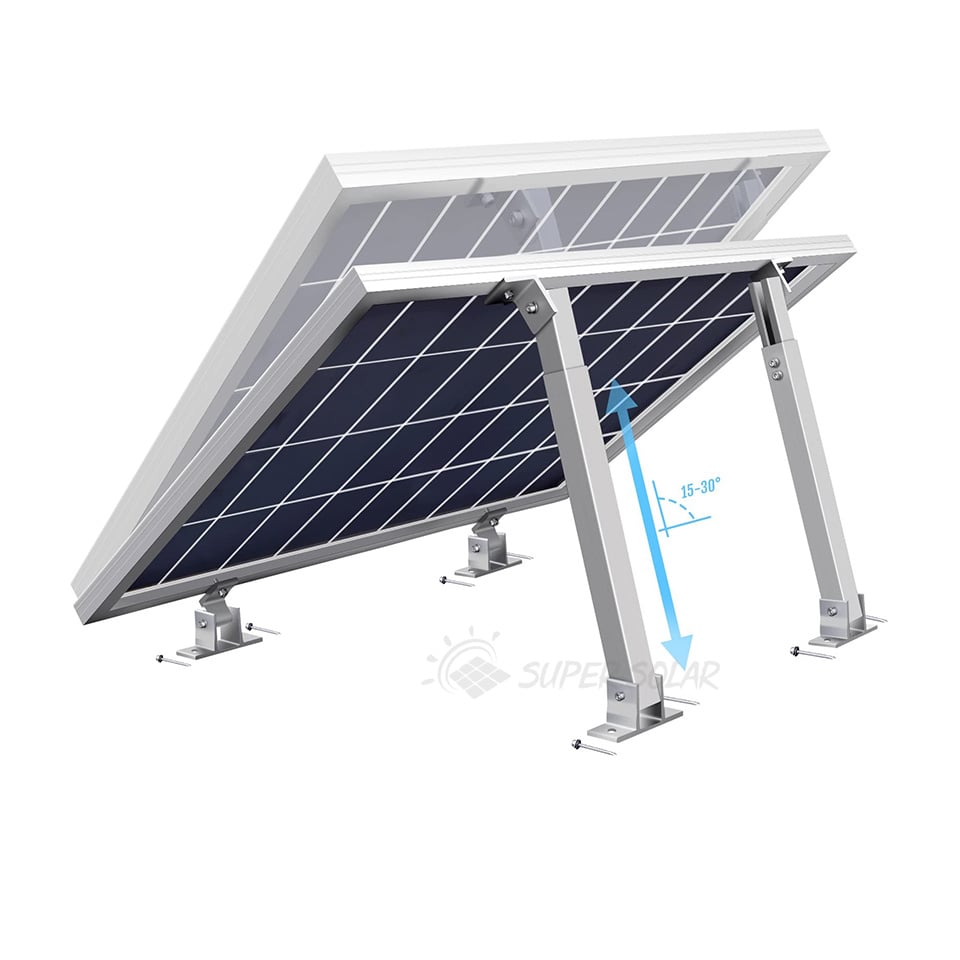
The tilt angle of the fixed tilt solar racking is fixed at manufacture, typically ranging from 10 to 30 degrees depending on latitude and energy goals. Higher tilt angles improve winter energy capture but increase wind load surface area, meaning the framework must be designed with larger cross-sections or closer post spacing to handle the additional force.
Most commercial fixed tilt solar racking components are manufactured from hot-dip galvanized steel or anodized aluminum. Galvanized steel is preferred for driven pile systems due to its strength-to-cost ratio, while aluminum is selected for purlin rails and module clamps where weight reduction and natural corrosion resistance are priorities.
In coastal or high-humidity environments, a fixed tilt ground mount solar installation must meet stricter corrosion standards. This involves specifying thicker zinc coatings, stainless steel fasteners, or specialized aluminum alloys rated for marine exposure, preventing early degradation through proper site classification.
The installation of a fixed tilt ground mount solar array begins with precise pile driving according to layout drawings. Each pile position is marked using a surveyed grid, and post verticality is checked during driving to ensure the system sits plumb. Small deviations in post alignment compound across a row, causing panel clamp misalignment and forcing time-consuming manual corrections.
After piles are set, cross-beams and triangle brackets are attached to establish the final tilt geometry. Connection hardware is torqued to specification and verified before rail installation begins. This sequential build process ensures the base structure is verified before panels are placed, reducing structural risks.
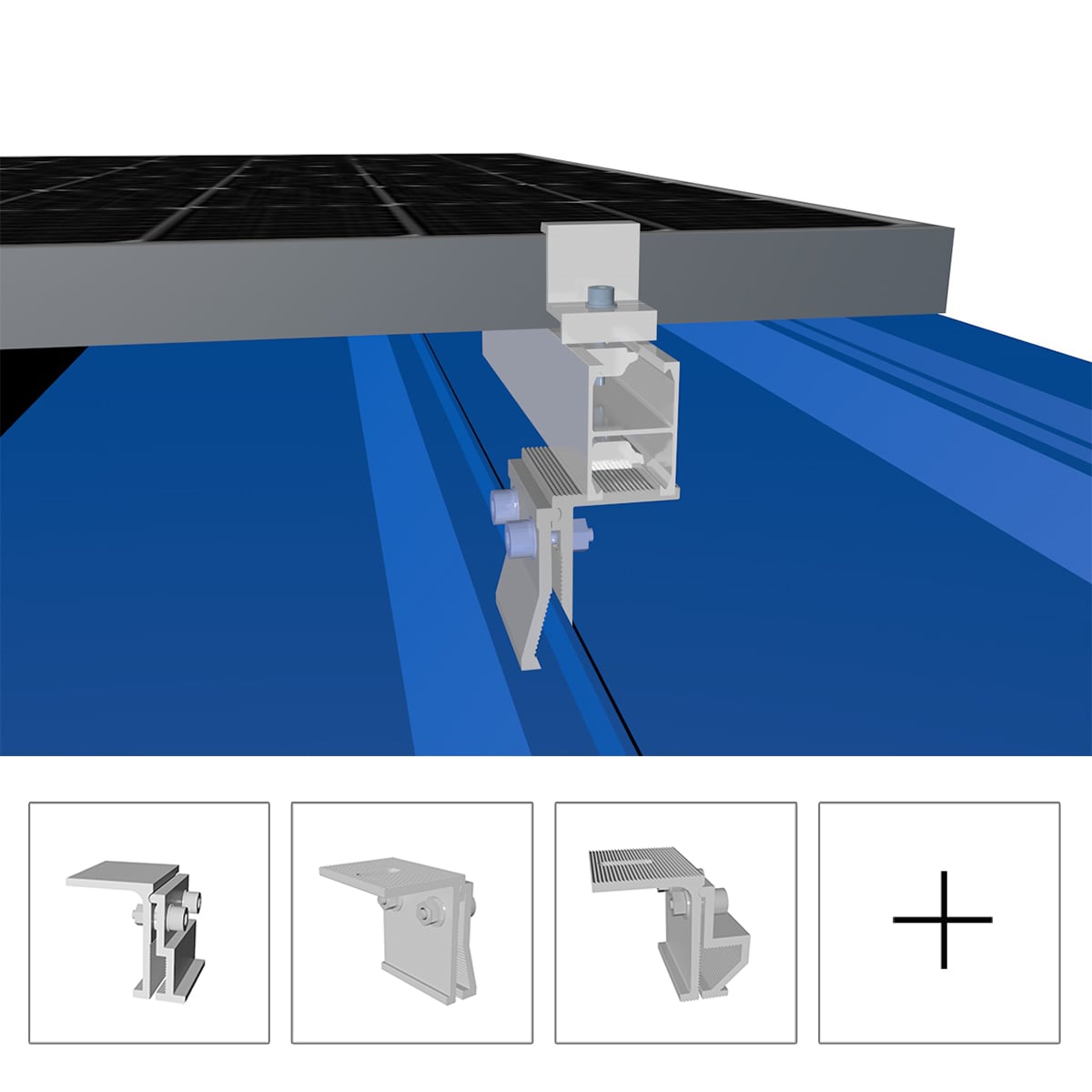
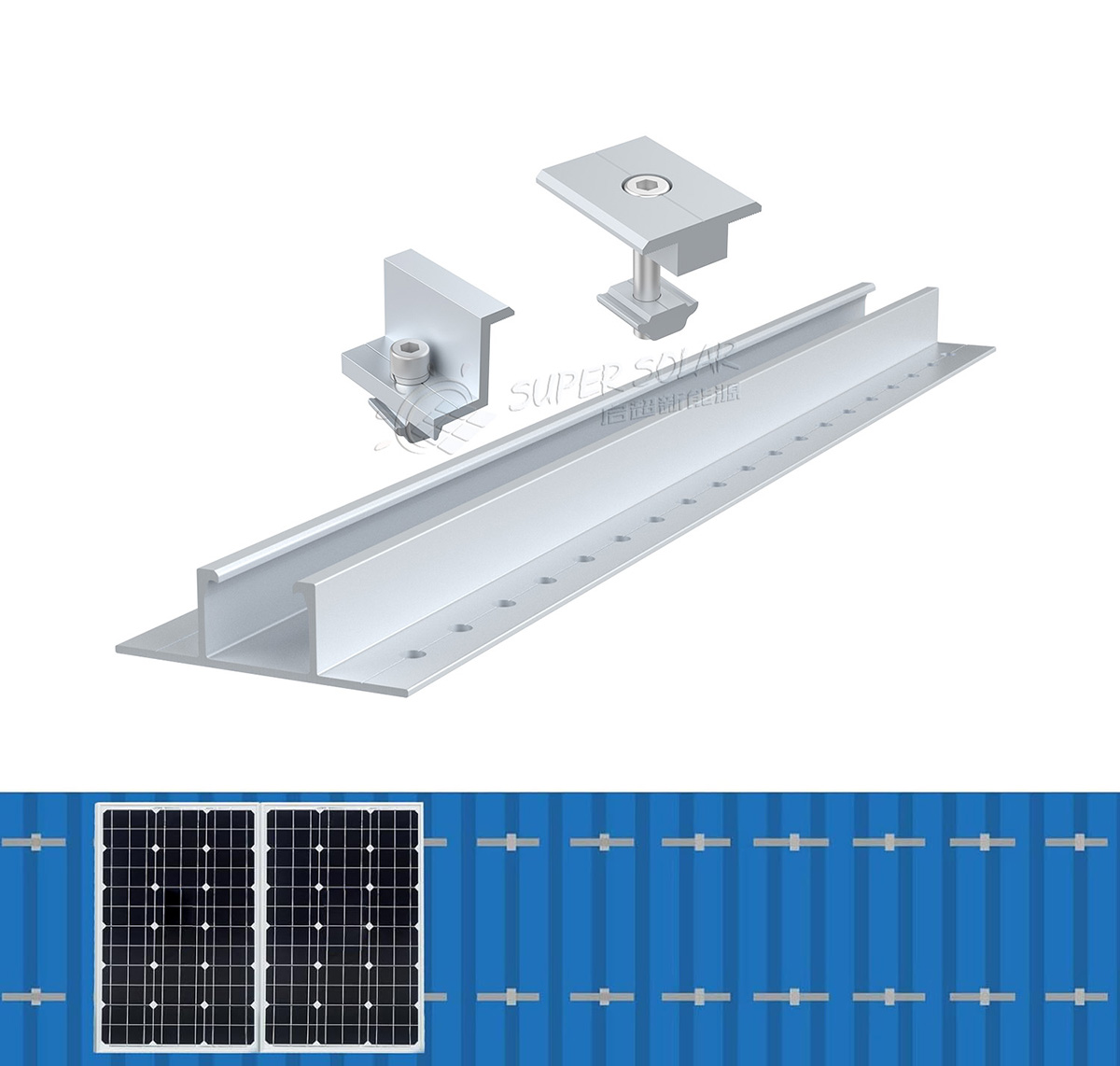
Panels are mounted onto rails using mid-clamps and end-clamps sized for specific module frame thicknesses. Clamp torque values must match module manufacturer specifications to avoid frame damage while securing the panels within the fixed tilt solar racking assembly. A final walkthrough inspection checks clamp installation, rail continuity, grounding connections, and cable management before electrical commissioning.
Documentation is the critical final step. As-built drawings recording actual pile depths, post positions, and tilt angles for the fixed tilt ground mount solar project create a clear reference for future maintenance and post-installation structural reviews throughout the asset lifecycle.
Selecting the ideal structural framework for commercial projects requires balancing upfront capital costs, operational complexity, and long-term energy yield. While fixed structures offer unmatched simplicity, adjustable alternatives introduce flexibility to optimize seasonal performance. Understanding the mechanical and financial differences allows procurement managers and EPC contractors to make informed decisions based on specific project requirements.
The choice between a fixed tilt solar ground mount and an adjustable tilt solar mount influences everything from structural engineering to field labor timelines. Evaluating these systems side-by-side reveals how mechanical adjustability impacts the overall lifecycle value of a commercial solar farm.
A fixed tilt solar ground mount is engineered for absolute static permanence. Because the structure contains no moving components or adjustable joints, structural engineers optimize steel and aluminum profiles for unchanging wind and snow configurations, minimizing structural deflection and material fatigue over a multi-decade operational lifespan.
This simplicity translates into mechanical reliability. Without manual articulation or rotating hardware, a fixed tilt solar ground mount faces virtually zero risk of component wear or mechanical binding. For large-scale projects in remote or severe environments, the static nature of the fixed frame provides predictable structural performance.
Conversely, an adjustable tilt solar mount incorporates specialized pivot hinges, telescoping legs, or multi-position brackets to alter the tilt angle at specific seasonal intervals. Engineering must account for variable load paths as wind lift characteristics change depending on the chosen angle setting, requiring moving joints to handle heavy loads without introducing loose tolerance play.
The locking mechanisms on an adjustable tilt solar mount are critical design elements. These components must securely anchor the structural frame in its designated position for months at a time, resisting wind buffeting and thermal expansion. Engineering teams specify robust fasteners to ensure manual adjustments can be performed safely by field maintenance crews.
The primary advantage of utilizing an adjustable tilt solar mount is optimizing the angle of incidence according to seasonal solar positions. Increasing the tilt angle during winter when the sun is low, and flattening it during summer, captures more solar irradiance, boosting total energy production by several percentage points compared to a fixed baseline.
Conversely, a standard fixed tilt solar ground mount relies on a compromise angle calculated to maximize total annual generation. While this misses incremental seasonal gains, it eliminates the need for ongoing manual labor and site intervention. In projects near the equator where solar elevation variations are minimal, the yield differences are rarely enough to justify added structural complexity.
Environmental factors like regional wind speeds play a major role in system layout selection. A fixed tilt solar ground mount must withstand worst-case wind events at its permanent angle, which often results in heavier structural member sizes for steeper angles, increasing the total volume of steel required.
An adjustable tilt solar mount offers a unique advantage in high-wind regions, as some designs allow the system to be adjusted to a flatter, low-profile angle ahead of anticipated severe weather events. This reduces total wind forces acting on the structure, potentially allowing for lighter component weights, though it requires an active site management team capable of executing adjustments quickly.
From an operations and maintenance perspective, the fixed tilt solar ground mount represents the lowest possible overhead option. With no moving parts to inspect, lubricate, or replace, regular maintenance is limited to structural bolt torque verification and visual inspections for corrosion, maintaining lean operational budgets.
Implementing an adjustable tilt solar mount introduces a recurring labor requirement into the operational model. Manually adjusting structural rows several times per year requires dedicated field crews and precise scheduling. Asset owners must weigh the projected revenue gains from increased seasonal energy yield against ongoing labor costs and potential safety liabilities.
From a procurement standpoint, the simplicity of a fixed tilt solar ground mount ensures a streamlined supply chain with short manufacturing lead times. The structural components consist primarily of standardized steel channels and aluminum rails, which can be sourced efficiently from high-capacity manufacturing facilities, simplifying inventory management.
Procuring an adjustable tilt solar mount involves managing a more complex bill of materials, including custom hinge assemblies, locking pins, and adjustable legs. The long-term durability of these articulating components is paramount, requiring strict quality control at the manufacturing plant to ensure high-grade corrosion resistance for all moving joints.
Evaluating financial trade-offs between different structural mounting technologies is a critical step in maximizing utility-scale project ROI. The decision typically comes down to choosing between a fixed structural system or an active tracking system. While fixed options offer simplicity and lower initial capital requirements, tracking systems enhance energy yield at a higher premium.
Navigating the choice between fixed tilt solar mounting system cost structures and the associated solar tracker cost requires looking beyond the initial purchase price. A complete financial analysis must account for site preparation, installation labor, long-term operations and maintenance, and predictable energy generation over the life of the power plant.
The fixed tilt solar mounting system cost is highly competitive because of its straightforward structural design and minimal component count. The bill of materials consists almost entirely of structural steel posts, triangle brackets, purlins, and module clamps. Because there are no motors, torque tubes, or electronic controllers, manufacturing expenses are kept to a minimum.
This simplicity also lowers international logistics and shipping costs. Fixed structural components can be densely packed into standard shipping containers, maximizing freight efficiency and reducing transport expenses per megawatt, making fixed mounting structures an attractive option for managing upfront capital expenditure.
Conversely, the initial solar tracker cost is substantially higher due to the inclusion of electromechanical components like torque tubes, drive motors, articulating bearings, slewing drives, and electronic control units. These sophisticated components require precision manufacturing and specialized testing, which increases the baseline material cost per watt.
Additionally, the engineering phase for a tracking system is more intensive, as the structure must withstand dynamic wind forces and potential aeroelastic fluttering. This requires advanced wind tunnel testing and structural modeling to ensure tracking rows can safely stow during high-wind events, contributing to a higher upfront capital requirement.
From an operational perspective, a fixed tilt solar mounting system cost model benefits from near-zero maintenance overhead. Because the structure is completely static, there are no mechanical parts to wear out or calibrate, limiting routine maintenance to periodic structural bolt checks and structural integrity inspections.
In contrast, managing a solar tracker cost involves budgeting for ongoing maintenance of moving parts and electrical control hardware throughout the project lifecycle. Drive systems require regular lubrication, bearings must be checked for wear, and tracking sensors must be calibrated to ensure accuracy, which increases the total operational expenditure over a 25-year lifecycle.
The primary financial justification for accepting a higher initial solar tracker cost is the substantial boost in energy generation. Single-axis trackers follow the sun from east to west, increasing daily energy yield by 15% to 25% or more compared to a fixed structural layout, which is especially valuable in regions with high solar irradiance.
However, in areas with lower solar irradiance, frequent cloud cover, or challenging terrain, yield gains from tracking technology may be significantly reduced. In these scenarios, the lower fixed tilt solar mounting system cost becomes the more financially prudent choice, ensuring predictable financial returns without operational maintenance risks.
The installation logistics of a fixed structural array are highly efficient and require less specialized labor. Field crews can quickly master the repetitive process of driving posts, assembling pre-fabricated triangle brackets, and mounting rails. The lack of complex electrical wiring for tracking motors means mechanical installation can be completed rapidly, reducing field labor expenses.
Installing tracking systems is a more complex process that requires skilled labor and precision alignment. Torque tubes must be perfectly aligned across long rows, and the integration of drive motors and control systems requires specialized electrical technicians. Any installation errors can lead to mechanical binding, extending construction timelines.
Site terrain and geotechnical conditions play an important role in cost comparison. Fixed structural arrays are highly adaptable to irregular topography and steeper ground slopes, as pile heights can be easily adjusted to accommodate changes in the landscape, minimizing the need for extensive earth grading work.
Tracking systems, however, have stricter tolerances regarding ground slope to prevent mechanical stress on long torque tubes. Significant slope variations often require extensive land grading or a reduction in row lengths, both of which can increase civil construction costs or reduce total land-use efficiency.
Designing an adjustable structural frame for utility-scale solar farms requires a deep understanding of structural engineering, material science, and mechanical functionality. Unlike static structures, adjustable configurations must provide reliable structural support while allowing for periodic manual angle modifications. Implementing correct design principles ensures these systems deliver expected energy yield increases safely.
A successful adjustable tilt ground mount solar system balances structural rigidity with ease of operation, creating a configuration that allows field crews to quickly alter the tilt angle of large PV arrays to optimize seasonal energy capture through careful attention to component tolerances and structural interfaces.
The kinematic design of an adjustable tilt ground mount solar array must accommodate multiple predefined operational positions. Standard configurations are engineered to lock into specific seasonal angles, such as a shallow angle for summer and a steeper angle for winter. Pivot points and structural hinges must be precisely positioned to ensure the frame remains manageable during manual adjustments.
Structural geometry must ensure that as the angle changes, ground clearances remain compliant with local codes. This includes maintaining adequate clearance at the steepest angle to prevent snow accumulation or vegetation from shading the lower edge of the modules. Engineering teams utilize modeling software to simulate the full range of motion.
The locking mechanism is the most critical safety component of a tilting solar panel ground mount. When secured in its operational position, locking hardware must form a rigid connection capable of transferring extreme wind and snow loads down into foundation piles using heavy-duty locking pins, multi-hole adjustment plates, or telescoping legs.
The design of these locking interfaces must prevent mechanical play or looseness within joints. Over time, constant wind buffeting can cause minor movement in loose joints, leading to bolt wear and hole elongation. Design principles dictate that locking mechanisms must provide a tight, positive-lock engagement that completely eliminates movement.
Structural engineers designing a tilting solar panel ground mount must run load simulations for every approved angle setting. Structural forces change dramatically based on tilt angle; a steep winter setting experiences higher wind lift, while a flat summer setting may experience higher snow loads. The entire structure must handle the worst-case load combination across all operational configurations.
Foundation design must account for these variable forces. Driven steel piles must have sufficient embedment depth and skin friction to resist both downward loads of winter snow and upward tension forces caused by high winds hitting a steeply tilted array, ensuring onsite operations remain fully code-compliant.
Material selection for moving parts of an adjustable tilt ground mount solar system is critical for preventing premature wear and corrosion. While main structural members are typically made from hot-dip galvanized steel, pivot hinges and adjustment pins often require specialized materials like stainless steel pins with self-lubricating bronze or polymer bushings.
Corrosion protection at pivot points is paramount. When dissimilar metals come into contact, galvanic corrosion can occur, especially in humid environments. Design principles require the inclusion of non-conductive isolation washers or specialized coatings to separate aluminum rails from steel brackets, preserving connection integrity.
For large-scale commercial applications, scalability depends heavily on component standardization. An adjustable tilt ground mount solar system should utilize identical, repeating components to simplify factory manufacturing and reduce inventory management, allowing procurement teams to secure high-volume pricing.
Standardized packaging plays an important role in international logistics. Designing adjustable brackets and telescoping legs that nest tightly together allows for maximum container utilization, lower shipping costs per megawatt, and easier handling upon arrival at the construction site, maintaining project timelines and budgets.
During the engineering phase, developers should create a detailed cost-benefit matrix to validate the deployment of a tilting solar panel ground mount. This analysis compares increased material costs of articulating hardware and recurring labor costs for seasonal adjustments against projected revenue gains from extra energy produced.
The design should prioritize features that minimize field labor during adjustment periods. Incorporating quick-release mechanisms, clear angle markings, and compatibility with standard field tools significantly reduces the time required per row, optimizing the operational business model and ensuring long-term profitability.
In global utility-scale solar markets, ensuring structural integrity and supply chain reliability is paramount for project success. Selecting a mounting partner requires verifying that their manufacturing processes and structural designs comply with international quality and safety standards. Independent certifications serve as crucial proof that a factory can consistently produce high-quality structural components.
For EPC contractors, project developers, and institutional investors, a verified certification portfolio reduces risk and ensures regulatory compliance. A supplier's credentials influence project bankability, insurance approval, and local permitting processes, helping ensure a secure, high-performance asset.
Working with an ISO certified solar mounting manufacturer ensures the factory operates under a verified quality management framework. An ISO 9001 certification confirms the supplier follows strict, documented procedures across all stages of production, from raw material procurement to final manufacturing, minimizing component defects.
In addition to quality management, top-tier suppliers often maintain ISO 14001 for environmental management and ISO 45001 for occupational health and safety. These credentials indicate the supplier runs a modern, responsible manufacturing facility. For multinational corporations with strict ESG mandates, partnering with an ISO certified solar mounting manufacturer is often a mandatory procurement requirement.
Beyond general factory management standards, a mounting supplier must possess a valid solar mounting certification demonstrating compliance with international building and safety codes. In the European market, a CE marking and compliance with EN 1090 are essential for validating structural safety and load-bearing performance.
For projects destined for North America, certification to UL 2703 is critical. This standard evaluates the mechanical loading capacity, fire performance, and electrical bonding safety of the racking assembly. Having these verified certifications simplifies the local permitting process and reassures structural engineers that the system is fully code-compliant.
The long-term durability of a ground-mounted array depends heavily on its ability to resist corrosion. Reliable suppliers provide third-party verification for surface treatments, such as hot-dip galvanization or specialized zinc-aluminum-magnesium coatings. A valid solar mounting certification should include testing data confirming coatings comply with ASTM or ISO standards for salt spray resistance.
These independent audits confirm that the protective layer is thick and uniform enough to prevent rust and structural degradation over a 25-to-30-year operational life. Procurement managers should review these certification reports to verify that material quality matches specific environmental requirements.
Before a mounting design is introduced to the market, its structural aerodynamics must be validated through independent wind tunnel testing. Leading suppliers collaborate with specialized boundary-layer wind tunnel laboratories to simulate extreme wind conditions and determine accurate lift, drag, and down-force coefficients to optimize structural designs.
A supplier holding a validated wind tunnel testing certificate can provide highly optimized, code-compliant structural configurations. This independent validation proves the racking system can handle localized wind turbulence and dynamic loading without risking structural failure, protecting expensive PV modules from severe weather events.
An authoritative ISO certified solar mounting supplier must maintain complete material traceability throughout the manufacturing pipeline, meaning every batch of steel or aluminum alloy can be traced back to its original mill test certificate. This level of transparency prevents the introduction of low-grade metals into production.
Regular third-party factory audits ensure quality control standards remain consistent over time. Independent inspectors conduct unannounced visits to verify calibration of fabrication machinery, audit welding quality, and check final product tolerances, guaranteeing components delivered to the job site perform exactly as engineered.
For EPC contractors managing high-value utility projects, verifying a supplier's certifications is a critical element of risk management and due diligence. Using uncertified racking hardware can result in local building permit rejections, increased insurance premiums, or structural failures that jeopardize the project.
Ultimately, robust certifications enhance project bankability. Financial institutions and institutional investors require independent validation of all critical structural components before approving project financing. Partnering with a fully certified supplier ensures a smooth path to financial closing, regulatory approval, and reliable long-term energy generation.
The optimal tilt angle depends on site latitude and energy yield priorities. A common starting point is to match the angle to the latitude, but simulations often show a slightly lower angle maximizes annual energy output while reducing structural wind loads on the fixed tilt solar racking frame.
Pile depth depends on soil bearing capacity and local environmental load requirements. A geotechnical report guides the design, but typical driven pile depths for a fixed tilt ground mount solar system range from 1.2 to 2.0 meters. In weaker soils, helical piles or concrete piers may replace driven steel piles.
Yes, it can be installed on moderately sloped terrain by adjusting pile heights to maintain a consistent panel tilt relative to horizontal. Steeper slopes require more detailed row spacing calculations to prevent inter-row shading, and layout plans must be re-evaluated using slope-corrected solar geometry.
An adjustable tilt solar mount can increase annual energy yield by 3% to 8% depending on project latitude and adjustment frequency. The yield increase is more pronounced at higher latitudes where variance between summer and winter solar angles is greatest.
A fixed tilt solar ground mount is never adjusted; its angle remains permanent throughout its operational life. An adjustable system is typically altered two to four times per year to align with major seasonal shifts between summer, autumn, winter, and spring.
A fixed tilt solar ground mount generally offers a lower total cost of ownership due to significantly lower initial procurement costs and near-zero ongoing maintenance expenses. While adjustable mounts generate more revenue through higher energy yield, recurring manual adjustment labor costs can diminish those financial gains.
The equipment cost for a tracker system can be 30% to 50% higher than a fixed tilt configuration. When factoring in installation labor, specialized electrical integration, and civil site preparation, the total upfront CAPEX for a tracker-based project is generally higher per watt.
Active tracking systems are most financially viable in regions with high direct normal irradiance (DNI) and minimal cloud cover, such as arid or desert environments, where the 15% to 25% generation boost easily outweighs initial capital and long-term maintenance costs.
Fixed mounting systems handle steeper and more irregular terrain with minimal site grading, keeping civil costs low. Tracker systems require flatter ground or extensive grading to prevent mechanical binding in moving components, adding significant site-preparation expenses to the project budget.
The most reliable locking mechanisms are heavy-duty, multi-hole telescoping legs or thick structural gusset plates secured with high-tensile structural bolts. These designs provide a positive-lock connection that eliminates mechanical play and transfers heavy wind forces safely into foundations.
Wind uplift forces increase significantly as the tilt angle becomes steeper. The structural frame, articulating joints, and driven piles must be engineered to withstand higher forces at the steepest approved winter angle, requiring thicker steel profiles and deeper pile embedment.
Yes, provided they are designed with marine-grade materials. Using high-purity anodized aluminum, heavy hot-dip galvanization on steel parts, stainless steel fasteners, and specialized polymer bushings prevents corrosion and ensures adjustable joints remain functional over a 25-year lifespan.
An ISO certified solar mounting manufacturer guarantees the factory follows strict, audited quality management procedures. This ensures consistent product dimensions, reliable structural welds, and complete material traceability, minimizing risks of component failures and field delays.
UL 2703 is a standard used in North America to evaluate mechanical load capacity, electrical grounding continuity, and fire safety of solar mounting systems. This certification ensures the structural array is safe from electrical hazards and can withstand designated wind and snow loads.
Wind tunnel certification provides precise aerodynamic data, allowing engineers to design more efficient structures. Rather than over-engineering components based on generic building codes, suppliers can optimize profiles, reducing material weight and lowering equipment and logistics costs.
 Hot News
2025-11-03
2025-10-22
2025-01-24
2024-06-12
2024-06-12