 EN
EN


The decision between deploying a solar tracking system and opting for fixed tilt mounting
remains one of the most important engineering and financial considerations facing utility-scale solar developers in 2026. As global utility-scale photovoltaic deployment accelerates and project margins tighten, developers are under growing pressure to maximize energy yield while maintaining acceptable capital expenditure and operational risk profiles. In projects spanning hundreds of megawatts, even small differences in annual generation efficiency can translate into millions of dollars in long-term revenue variance.
For utility-scale decision-makers, the debate is no longer centered solely around whether a solar tracking system produces more electricity than fixed tilt mounting — that advantage is already well established. The more critical question is whether the additional energy gain, typically ranging between 15% and 25% under real-world utility-scale operating conditions, justifies the higher upfront investment, increased land requirements, and additional operational complexity associated with tracking technology.
In utility-scale project development, this tradeoff between cost and lifetime revenue has become increasingly important as power purchase agreement pricing becomes more competitive and investors demand lower levelized cost of energy (LCOE) figures. While fixed tilt mounting continues to offer simplicity, structural robustness, and lower capital cost, modern solar tracking system technology has evolved significantly in terms of reliability, intelligent control systems, wind stow protection, and maintenance efficiency.
This comprehensive comparison evaluates solar tracking systems and fixed tilt mounting across critical dimensions including energy production, CAPEX, LCOE, O&M requirements, land utilization, environmental suitability, and grid integration value. The objective is to provide EPC contractors, developers, utilities, and infrastructure investors with a realistic framework for evaluating which technology delivers superior long-term value under different project conditions in 2026 and beyond.
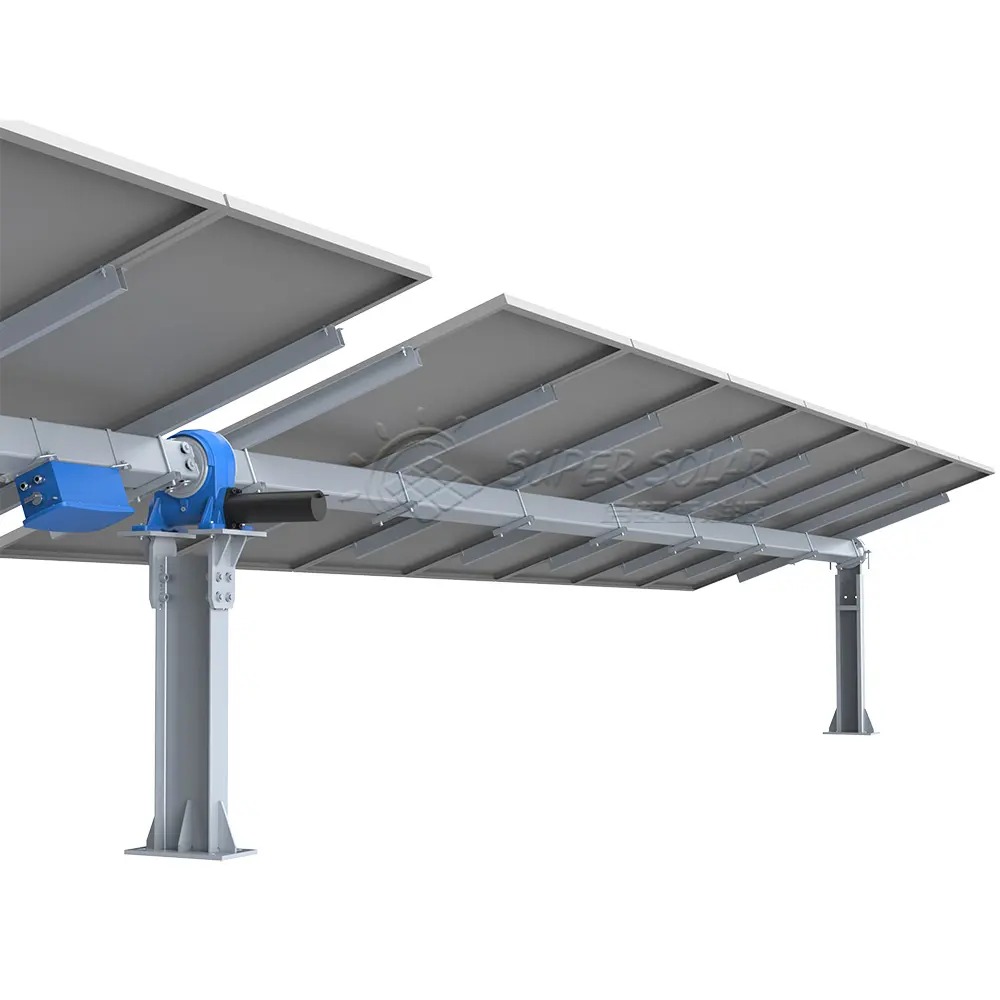
A solar tracking system operates by continuously adjusting the orientation of photovoltaic modules to follow the sun’s movement throughout the day. In utility-scale applications, the dominant configuration is the single-axis tracker, which rotates solar panels along a north-south axis to optimize east-to-west solar exposure.
This continuous adjustment allows the panel surface to maintain a more favorable angle of incidence relative to incoming solar irradiance during a larger portion of daylight hours. Compared to fixed tilt mounting, this dynamic positioning significantly increases total daily energy capture, particularly during morning and late-afternoon periods when fixed systems operate at less efficient angles.
Under typical utility-scale operating conditions, a single-axis solar tracking system generally delivers between 15% and 25% higher annual energy generation compared to an equivalent fixed tilt array. In high direct normal irradiance (DNI) regions such as the Middle East, the southwestern United States, Australia, and parts of Latin America, generation gains may exceed 30% under optimized site conditions.
For a 250 MW utility-scale project, even a conservative 18% increase in annual generation can represent tens of thousands of additional megawatt-hours annually, creating substantial long-term revenue advantages under utility-scale power pricing structures.
Dual-axis tracking systems can produce even greater yield gains by adjusting both horizontally and vertically throughout seasonal solar movement cycles. However, the significantly higher mechanical complexity, increased maintenance burden, and elevated structural costs associated with dual-axis systems have limited their adoption in large-scale utility projects. As a result, the global utility-scale solar tracking system market remains overwhelmingly dominated by single-axis technology.
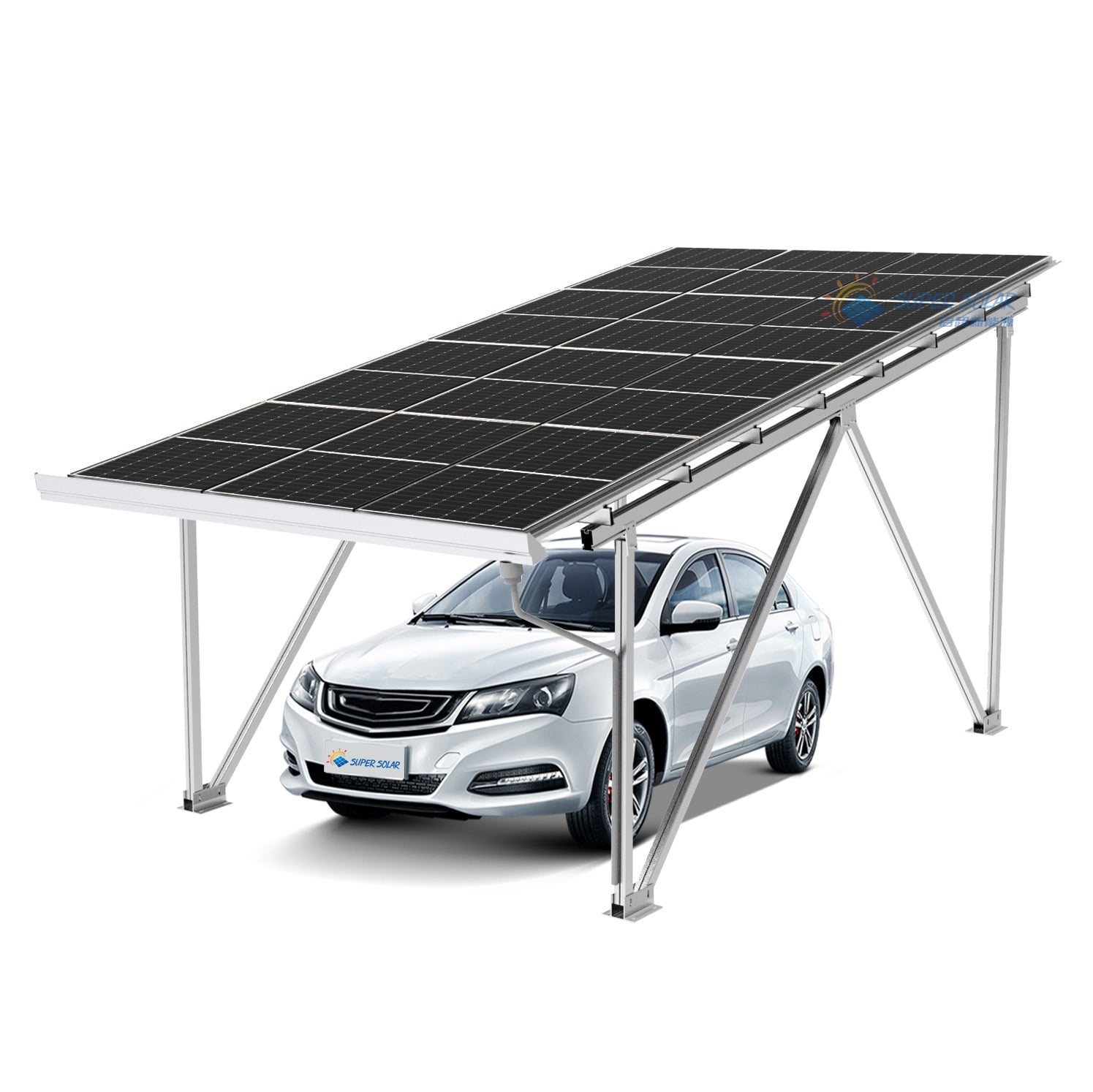
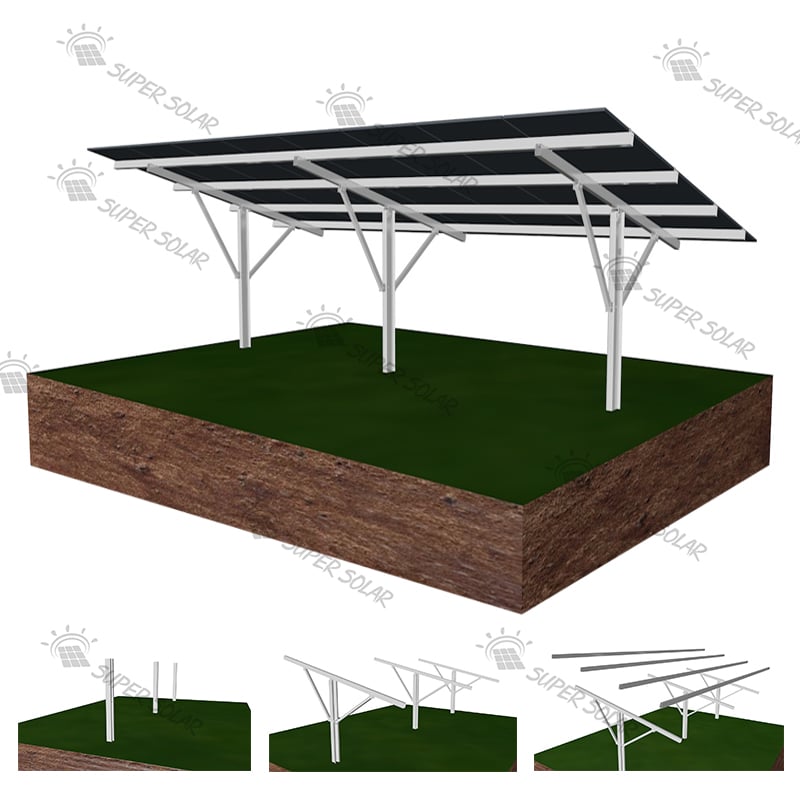
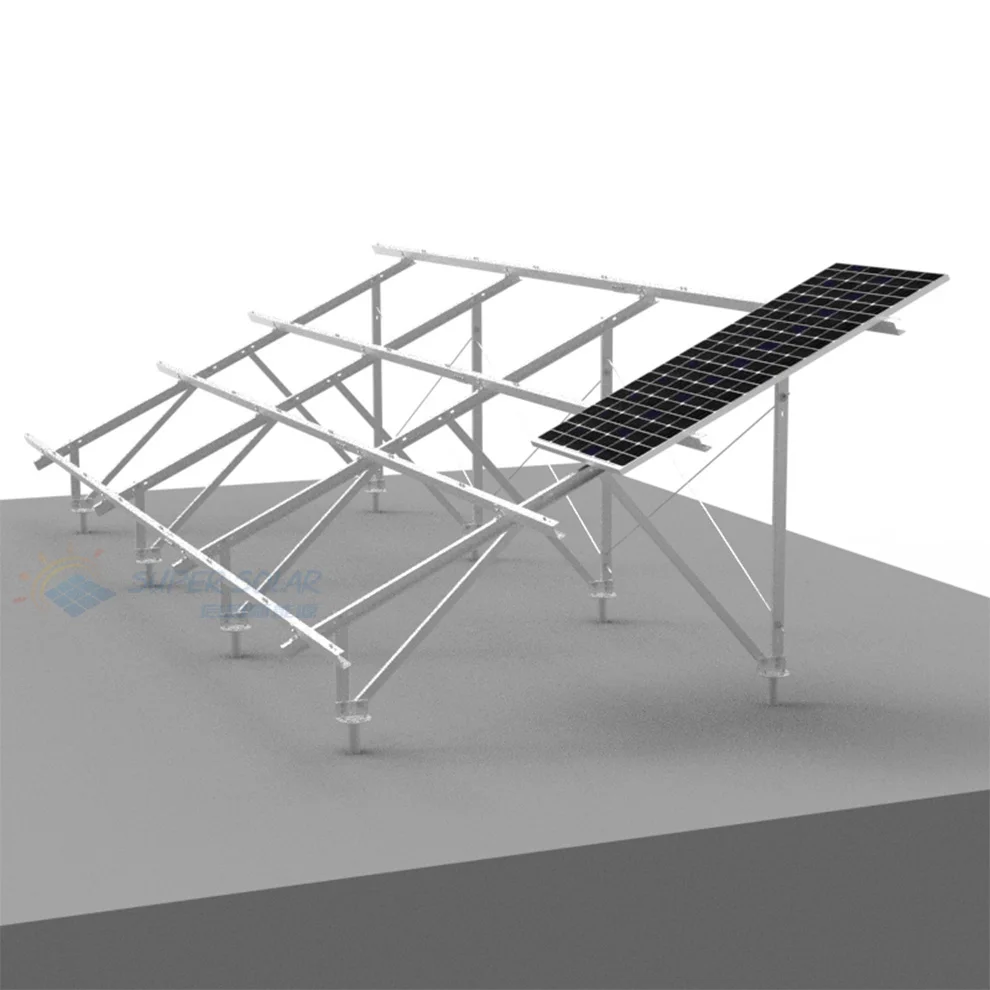
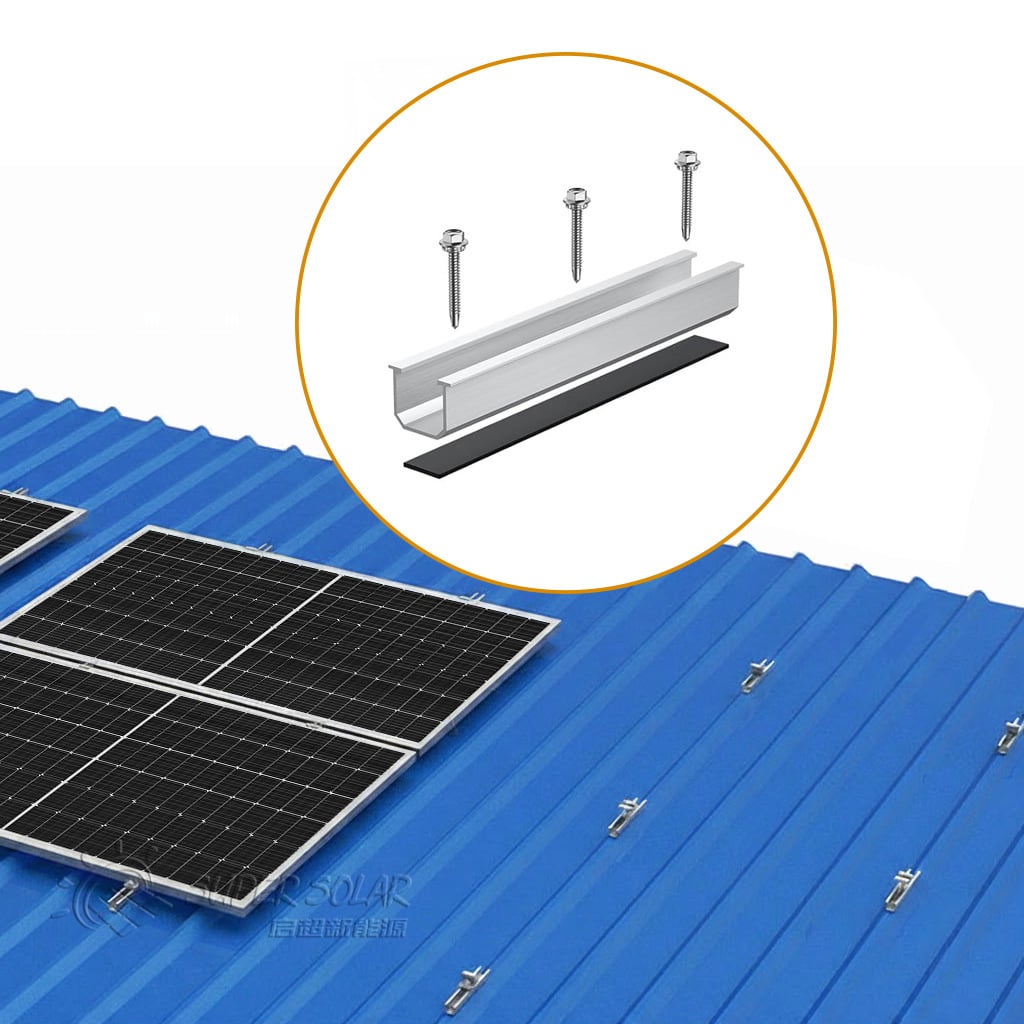
Fixed tilt mounting systems position photovoltaic modules at a predetermined angle optimized for site latitude and expected annual irradiance conditions. Once installed, panel orientation remains constant throughout the operational life of the project, regardless of daily or seasonal solar movement.
The primary advantage of fixed tilt mounting lies in its simplicity. Without motors, actuators, bearings, controllers, or moving mechanical assemblies, fixed tilt systems offer lower upfront capital expenditure, reduced installation complexity, and minimal ongoing mechanical maintenance requirements.
This simplicity translates directly into lower engineering risk and greater operational predictability. For developers operating under strict capital constraints or conservative financing structures, fixed tilt mounting remains highly attractive due to its stable performance profile and lower initial investment requirements.
Fixed tilt systems also perform particularly well in:
In lower-DNI climates where cloud cover reduces the directional advantage of solar tracking systems, the energy production gap between tracking and fixed tilt narrows considerably. Under these conditions, the incremental revenue generated by tracking technology may not fully offset the additional capital and operational costs.
Another important advantage of fixed tilt mounting is its higher power density. Because fixed systems do not require wide rotational clearance between rows, panel spacing can be tighter, allowing more installed capacity per acre or hectare. In regions with expensive land acquisition costs, this factor can significantly influence project economics.
The most immediate disadvantage of a solar tracking system compared to fixed tilt mounting is its higher upfront cost. Modern utility-scale tracker systems require additional components including drive motors, torque tubes, bearings, controllers, communication systems, weather sensors, and stow protection systems.
Industry procurement data in 2026 indicates that single-axis solar tracking systems typically add approximately:
compared to fixed tilt mounting structures.
For large utility-scale projects, this cost difference becomes highly significant:
| Project Size | Estimated Additional Tracker Investment |
|---|---|
| 100 MW | $4 million – $10 million |
| 250 MW | $10 million – $25 million |
| 1 GW | $40 million – $100 million |
This additional CAPEX is often the primary source of hesitation among project investors and developers evaluating tracker deployment.
However, focusing exclusively on initial capital cost can create misleading conclusions. The additional generation provided by a solar tracking system frequently compensates for the higher investment within several years of operation. In high-irradiance markets with favorable electricity pricing conditions, tracker systems commonly achieve economic payback parity within approximately five to eight years.
After this breakeven point, the additional energy production becomes a long-term revenue advantage that compounds throughout the 25- to 35-year operational lifespan of the project.
For utility-scale solar economics, levelized cost of energy is often the most important performance metric.
Although solar tracking systems increase initial CAPEX, their higher annual generation frequently lowers overall LCOE by spreading fixed project costs across greater lifetime electricity production.
Under optimized utility-scale conditions, a solar tracking system may improve:
Modern LCOE modeling increasingly favors solar tracking systems in regions with:
In contrast, fixed tilt mounting often produces superior risk-adjusted economics in markets characterized by low irradiance, flat electricity pricing structures, or severe land limitations.
For developers, the central economic challenge is therefore balancing:
Fixed tilt mounting remains structurally simple from an operational perspective. Once installed, maintenance requirements are generally limited to corrosion inspections, fastener verification, cleaning operations, and occasional structural assessments.
Because there are no moving mechanical assemblies, long-term O&M costs remain highly predictable.
A solar tracking system introduces additional operational responsibilities due to its dynamic mechanical design. Potential maintenance considerations include:
Industry benchmarks indicate that tracker-based systems generally increase annual O&M expenditure by approximately:
above comparable fixed tilt installations.
However, tracker technology has improved substantially over the past decade. Modern utility-scale solar tracking systems now incorporate:
These improvements have significantly reduced downtime risk and increased operational reliability compared to earlier tracker generations.
For large utility-scale projects with dedicated technical teams, the incremental O&M burden associated with solar tracking systems is often manageable relative to the additional revenue generated by higher energy output.
Terrain suitability plays a major role in determining whether a solar tracking system is economically practical.
Single-axis trackers perform most efficiently on relatively flat terrain with limited east-west slope variation. Excessive terrain irregularity increases civil engineering complexity, row alignment challenges, and shading risk, potentially eroding the financial advantage of tracking technology.
As a general guideline, solar tracking systems are best suited to sites with:
Beyond these thresholds, installation complexity and grading requirements increase substantially.
Fixed tilt mounting is considerably more adaptable to difficult terrain conditions. Adjustable structural configurations allow deployment across irregular landscapes, terraced sites, and uneven agricultural land without the same level of engineering complexity required for tracker systems.
Land utilization is another important consideration. Because tracker rows rotate throughout the day, wider row spacing is required to avoid inter-row shading during low solar angles. As a result, solar tracking systems generally require larger land footprints per installed megawatt compared to fixed tilt systems.
For projects where land cost is a major economic factor, this reduced site density can materially impact total project economics.
Fixed tilt mounting systems are structurally robust and highly resistant to environmental stress due to their static geometry. In high-wind regions, fixed tilt systems can be conservatively engineered to withstand extreme weather conditions with relatively predictable aerodynamic behavior.
Modern solar tracking systems manage environmental risk differently through intelligent stow functionality.
When high winds are detected, tracker rows automatically reposition into low-angle or horizontal stow configurations that reduce aerodynamic loading on the structure. This automated response significantly reduces structural stress during severe weather events.
Similarly, hail stow functionality has become an increasingly important advantage of solar tracking systems in storm-prone markets. Advanced weather monitoring systems can automatically reposition panels to steep angles during hail events, reducing direct glass impact exposure.
These intelligent environmental protection systems have become increasingly sophisticated and are now considered standard features in leading utility-scale solar tracking system platforms.
One of the most strategically important advantages of a solar tracking system is its ability to reshape the daily energy production curve.
Fixed tilt systems typically generate a symmetrical midday-heavy production profile centered around solar noon. While predictable, this output pattern may not align well with electricity demand peaks, particularly in markets where late-afternoon pricing premiums are significant.
A solar tracking system extends productive generation into both morning and late-afternoon periods by continuously optimizing panel orientation relative to solar position.
This extended production window offers several advantages:
In merchant electricity markets or time-of-use pricing environments, this production curve advantage can materially improve project revenue beyond simple annual generation gains alone.
The rapid expansion of utility-scale battery storage deployment has further strengthened the case for solar tracking systems.
Compared to fixed tilt arrays, tracker systems produce flatter and more distributed generation profiles throughout the day. This characteristic can improve battery charging efficiency and reduce inverter clipping risk during midday peaks.
A solar tracking system can also reduce the severity of curtailment events in transmission-constrained regions by spreading generation more evenly across daylight hours.
For hybrid solar-plus-storage projects, this operational flexibility creates meaningful economic value through:
As battery integration becomes increasingly standard in utility-scale solar development, these advantages are becoming more influential in technology selection decisions.
A solar tracking system is generally favored when projects involve:
In these environments, the 15%–25% generation gain delivered by tracking technology often produces superior long-term project economics despite higher upfront investment.
Fixed tilt mounting remains highly competitive under conditions where:
In these scenarios, the lower cost and reduced complexity of fixed tilt mounting can deliver more favorable risk-adjusted returns.
Under typical utility-scale operating conditions, a single-axis solar tracking system generally produces between 15% and 25% higher annual energy generation compared to fixed tilt mounting. In high-DNI regions with strong solar irradiance and optimized site layouts, generation gains may exceed 30%.
Yes. Solar tracking systems typically increase project CAPEX by approximately $0.04 to $0.10 per watt compared to fixed tilt mounting. However, the additional electricity generation frequently offsets this cost premium within five to eight years in favorable utility-scale markets.
Fixed tilt systems are mechanically simpler and therefore generally require less maintenance. However, modern solar tracking systems have achieved major reliability improvements through predictive monitoring software, automated diagnostics, and advanced stow protection systems.
Solar tracking systems are often better suited for hybrid solar-plus-storage applications because they produce flatter daily generation profiles, improve late-afternoon production, reduce clipping risk, and support more efficient battery charging strategies.
Fixed tilt mounting is often more economical in projects with irregular terrain, low irradiance levels, limited land availability, or strict upfront capital constraints. In these situations, the additional generation benefits of a solar tracking system may not fully justify the increased investment cost.
 Hot News
2025-11-03
2025-10-22
2025-01-24
2024-06-12
2024-06-12