 EN
EN


When international buyers source a solar ground mounting system from China, the biggest challenge is often not pricing — it is trust. Utility-scale developers, EPC contractors, and procurement teams need confidence that the supplier can consistently deliver structurally reliable products, maintain stable lead times, comply with international standards, and provide long-term support after shipment. In large-scale solar projects, a supplier mistake can delay installation schedules, increase engineering costs, or create long-term operational risk that far exceeds the initial purchase price difference.
China has become the global manufacturing center for solar racking solutions because of its mature aluminum and steel supply chain, large-scale fabrication capability, and highly competitive production costs. However, the market is crowded with both genuine manufacturers and trading companies, making supplier evaluation increasingly difficult for overseas buyers.
For experienced procurement teams, selecting a solar ground mounting system supplier is fundamentally a process of risk reduction. Buyers are no longer simply comparing quotations — they are assessing manufacturing capability, export experience, engineering reliability, quality management systems, and supply chain stability.
This article addresses the ten most important questions professional B2B buyers ask when evaluating Chinese solar racking manufacturers. Beyond technical answers, each section explains what these questions reveal about a supplier’s true manufacturing strength, export capability, and long-term partnership value.
One of the first concerns B2B buyers raise is material quality. A solar ground mounting system must withstand wind loading, corrosion, UV exposure, temperature fluctuation, and structural fatigue for more than 25 years. Material selection directly determines the long-term durability and bankability of the project.
Professional Chinese manufacturers typically use:
Aluminum alloy 6005-T5 or 6061-T6
Hot-dip galvanized steel compliant with ASTM A123
Stainless steel SUS304 or SUS316 fasteners
Experienced buyers should always request:
Material test certificates
Galvanization thickness reports
Salt spray testing data
Tensile strength documentation
A manufacturer capable of providing complete in-house quality inspection records generally demonstrates stronger production control than suppliers relying only on third-party mill certificates.
For utility-scale solar ground mounting system projects in coastal or high-humidity environments, corrosion resistance becomes especially critical. Reliable manufacturers understand these application differences and can recommend appropriate coating thickness and fastener specifications based on local climate conditions.
Factories with mature export experience will also proactively discuss anti-corrosion lifecycle expectations instead of focusing only on initial pricing.
Experienced EPC contractors know that product catalogs alone are insufficient for real-world project approval. Every solar ground mounting system must be evaluated according to local wind load, snow load, soil condition, seismic requirements, and module configuration.
Professional Chinese manufacturers should provide:
Structural calculations
Foundation recommendations
Wind load analysis
Snow load verification
Layout optimization support
Strong suppliers typically maintain dedicated engineering teams familiar with:
ASCE 7 standards
Eurocode requirements
AS/NZS compliance frameworks
Regional permitting requirements
This engineering capability is one of the clearest differences between a true manufacturer and a low-cost trading company.
For overseas buyers, engineering responsiveness is also a major trust factor. A factory that can quickly revise drawings, optimize steel consumption, and support project-specific customization demonstrates long-term cooperation capability beyond simple product supply.
This is often the most important question in the entire procurement process.
A direct solar ground mounting system manufacturer controls:
Raw material procurement
Production scheduling
Quality management
Welding consistency
Surface treatment processes
Packaging standards
Delivery timelines
Trading companies, by contrast, often outsource production to multiple factories depending on pricing availability. This creates inconsistency in material quality, lead time control, and after-sales accountability.
Professional buyers typically verify suppliers through:
Business license review
Factory audit reports
Production line videos
ISO certifications
Third-party inspection records
Satellite verification of factory location
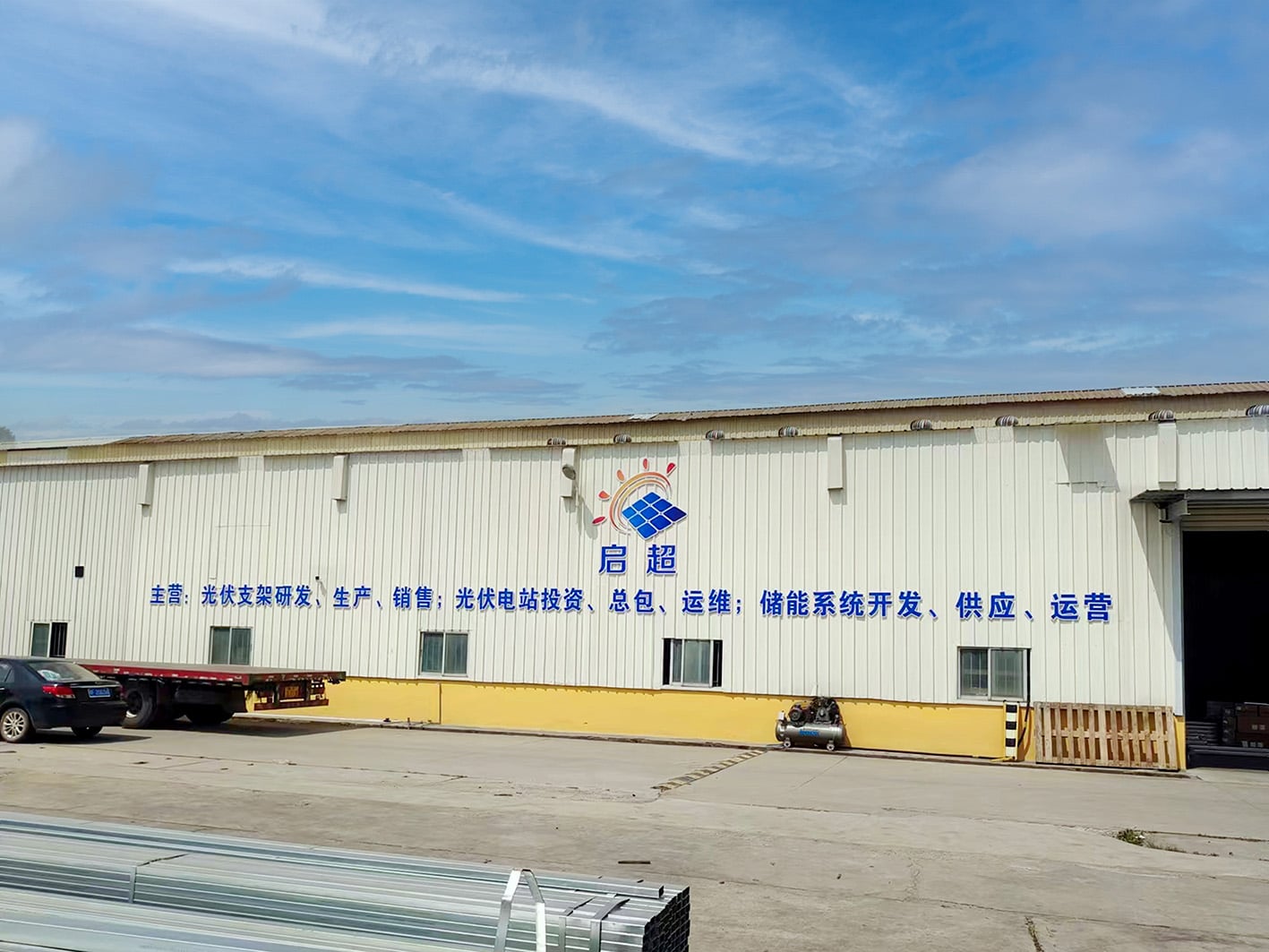
A genuine solar ground mounting system factory should have visible:
CNC processing equipment
Extrusion or steel processing capability
Galvanizing coordination systems
Warehousing facilities
Export packing areas
Manufacturers with stable export business also tend to maintain stronger internal process management because overseas projects require consistent quality documentation and delivery discipline.
Supply chain stability has become increasingly important in global solar procurement, especially following recent fluctuations in raw material pricing and international shipping conditions.
Professional buyers want to know whether a solar ground mounting system supplier can maintain stable delivery performance during periods of high market demand.
Typical lead times for customized projects generally range from:
25–45 working days after drawing confirmation
However, the real issue is not simply speed — it is production reliability.
Strong manufacturers typically maintain:
Stable raw material sourcing channels
Long-term steel and aluminum supplier partnerships
Export-oriented production planning
Inventory management systems
Dedicated container loading processes
For utility-scale projects, delayed racking delivery can disrupt module installation schedules and create significant EPC cost overruns. Buyers therefore increasingly prioritize factories with proven export logistics experience rather than simply choosing the lowest quotation.
Certifications are one of the strongest indicators of export readiness.
Depending on the target market, buyers may require:
CE certification
EN 1090 compliance
UL 2703 certification
AS/NZS structural compliance
ISO 9001 quality management certification
Experienced solar ground mounting system manufacturers should be able to provide current certification documentation quickly and transparently.
However, sophisticated buyers also understand that certificates alone are not enough. What matters more is whether the supplier has successfully completed real export projects under those standards.
Factories with long-term international project experience generally have stronger understanding of:
Customs documentation
Packaging regulations
Structural approval processes
Regional engineering requirements
International quality expectations
This practical export knowledge significantly reduces procurement risk for overseas buyers.
Export experience is one of the strongest trust indicators in global solar supply chains.
A solar ground mounting system manufacturer with years of international project experience is typically more capable of handling:
Utility-scale shipment coordination
Multi-container loading
Incoterms management
Customs documentation
Packaging optimization
Port delivery scheduling
Experienced exporters also better understand the communication expectations of overseas EPC contractors and procurement teams.
Buyers should request:
Export market history
Reference project lists
Shipment photos
Container loading records
Client references when available
Factories exporting regularly to Europe, Southeast Asia, the Middle East, Australia, or Latin America usually develop stronger process stability because international customers impose stricter quality and delivery expectations.
For B2B buyers, this export track record often matters more than aggressive pricing.
Professional buyers understand that unusually low pricing often signals hidden quality compromises.
The core cost drivers of a solar ground mounting system include:
Aluminum or steel grade
Material thickness
Galvanization quality
Fastener specification
Structural design complexity
Fabrication precision
Reliable manufacturers typically provide itemized quotations showing:
Material cost
Surface treatment cost
Fabrication cost
Packaging cost
Logistics terms
Transparent pricing builds buyer confidence because it allows procurement teams to evaluate whether cost reductions come from legitimate engineering optimization or from hidden material downgrades.
For long-term partnerships, pricing transparency is often more valuable than achieving the absolute lowest initial quotation.
For overseas buyers, after-sales responsiveness is a major trust issue.
A professional solar ground mounting system supplier should provide:
Installation guidance
Assembly drawings
Technical troubleshooting
Replacement part support
Engineering consultation
Warranty response procedures
Many experienced Chinese manufacturers now assign dedicated export account managers to support international projects throughout the installation process.
This becomes especially important for utility-scale projects where installation delays can create significant financial penalties.
Strong after-sales capability also signals confidence in product quality. Manufacturers willing to provide long-term technical support are generally more invested in maintaining consistent production standards.
Third-party inspection has become standard practice for large solar ground mounting system orders.
Professional inspection agencies such as:
SGS
TÜV
Bureau Veritas
can verify:
Material thickness
Galvanization quality
Dimensional accuracy
Packaging condition
Fastener specifications
Production consistency
Reliable manufacturers typically welcome inspection because it reinforces buyer confidence and reduces future disputes.
Factories reluctant to support third-party inspection should be evaluated carefully, regardless of pricing competitiveness.
For utility-scale procurement, inspection costs are relatively small compared to the financial impact of shipment defects or installation delays.
Shipping coordination is a critical part of utility-scale solar procurement.
Experienced solar ground mounting system exporters generally provide:
FOB / CIF / DDP options
Container loading optimization
Export packing solutions
Moisture protection packaging
Customs documentation support
Packaging quality is particularly important because damaged racking components can delay installation schedules and increase labor costs at the project site.
Strong export-oriented factories understand how to minimize these risks through:
Reinforced pallet systems
Anti-corrosion wrapping
Container space optimization
Secure steel bundling methods
For overseas EPC buyers, reliable export execution is often just as important as the product itself.
Buyers can verify manufacturer authenticity through factory audits, business license review, ISO certification checks, production videos, third-party inspections, and satellite verification of factory facilities. Genuine manufacturers typically maintain dedicated production equipment, warehousing areas, and engineering departments.
Most reputable Chinese manufacturers offer 10–25 years of structural warranty depending on material type, coating specification, and project environment. Warranty coverage for galvanization or anodizing performance may be listed separately.
Large pricing differences are often caused by variations in material thickness, steel grade, galvanization coating, fastener quality, or structural design standards. Extremely low pricing frequently indicates hidden quality compromises that may increase long-term project risk.
Yes. Most experienced manufacturers provide customized engineering support based on module dimensions, site conditions, wind load requirements, soil conditions, and project layout requirements. Utility-scale projects commonly require site-specific optimization.
Export experience reduces procurement risk because experienced manufacturers better understand international certifications, logistics coordination, customs requirements, packaging standards, and communication expectations. This significantly improves delivery reliability and overall project execution efficiency.
 Hot News
2025-11-03
2025-10-22
2025-01-24
2024-06-12
2024-06-12