 EN
EN

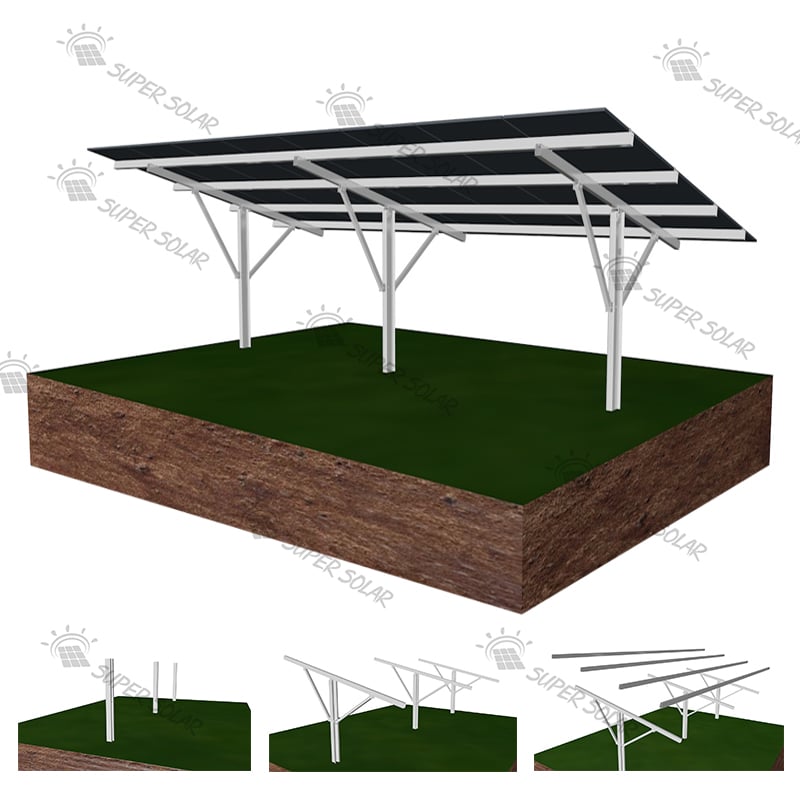
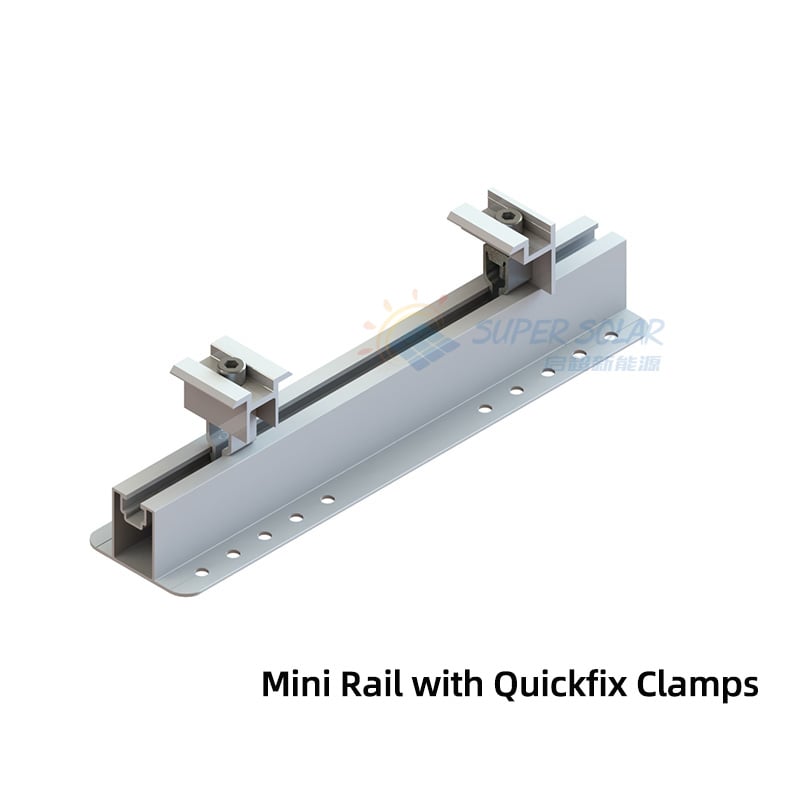
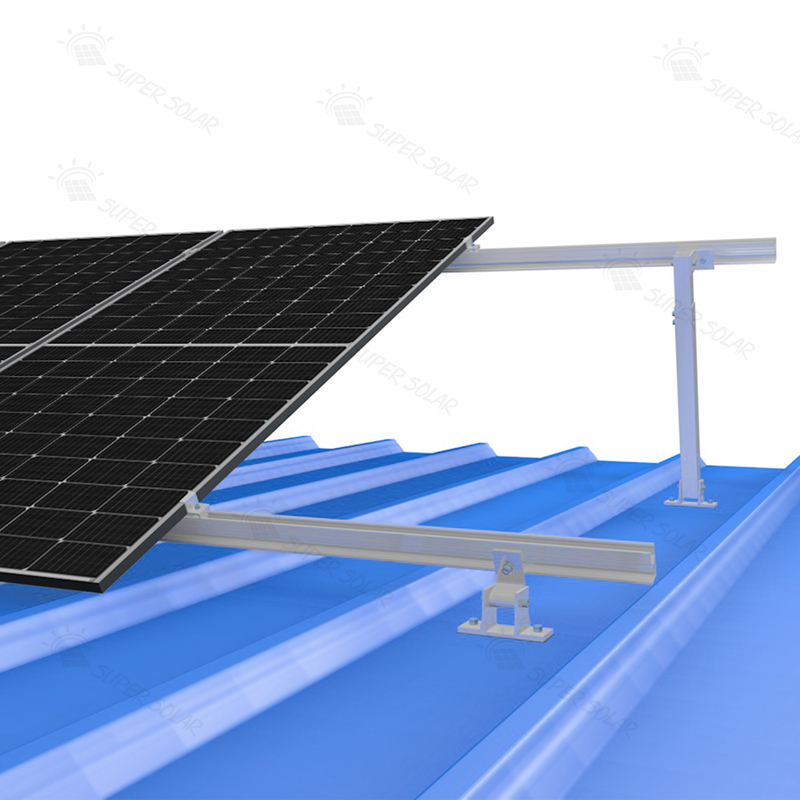
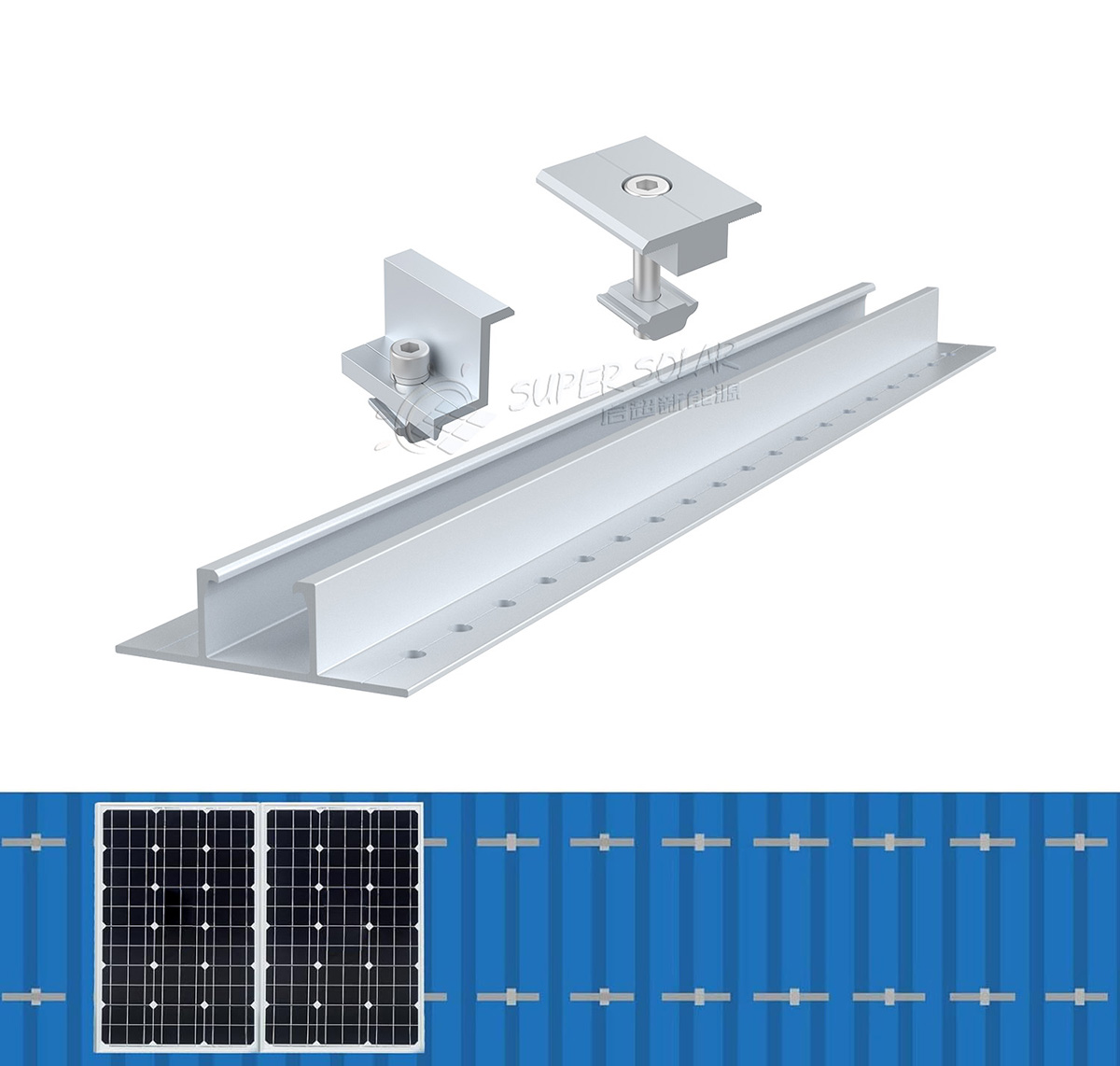
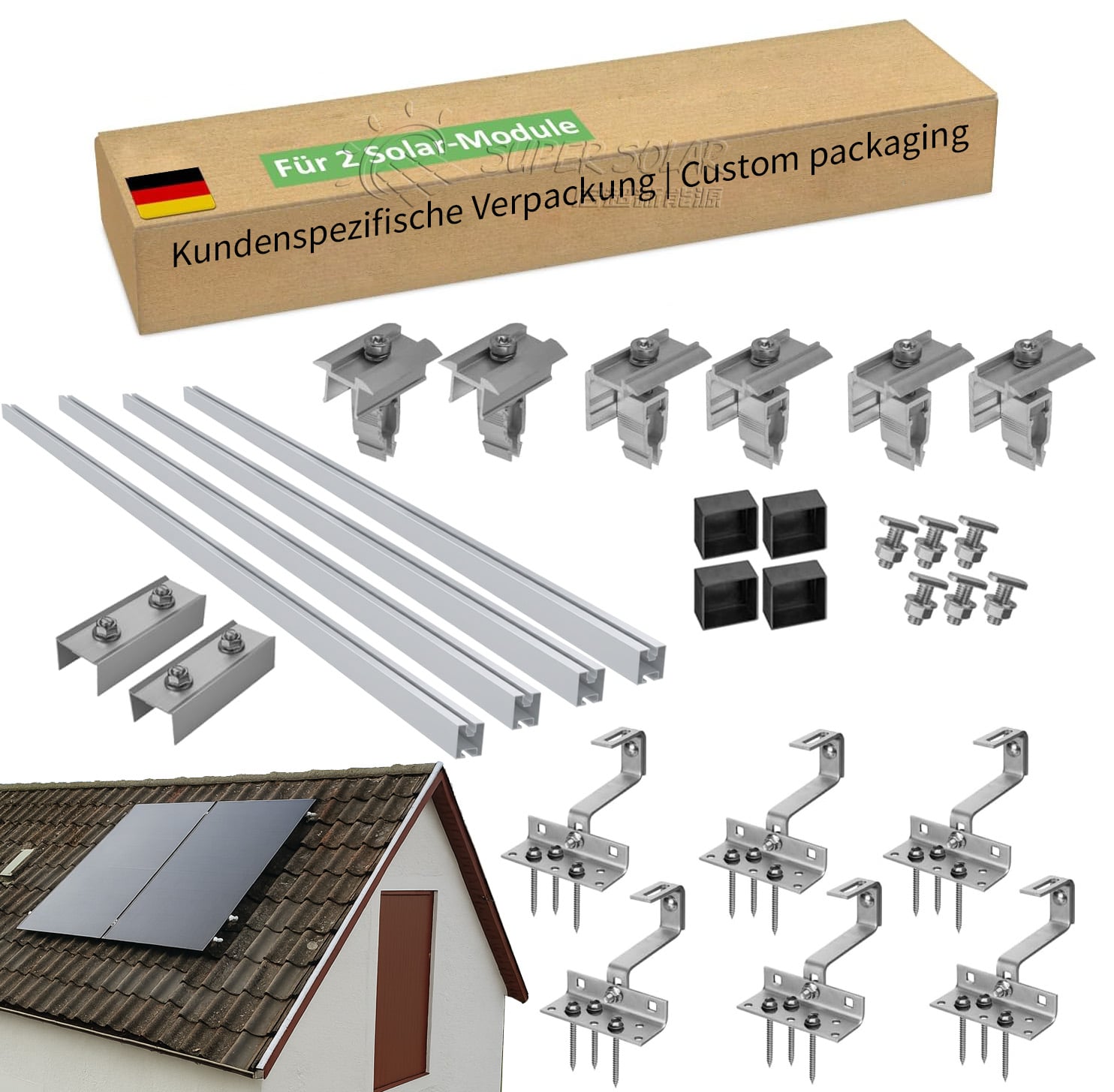
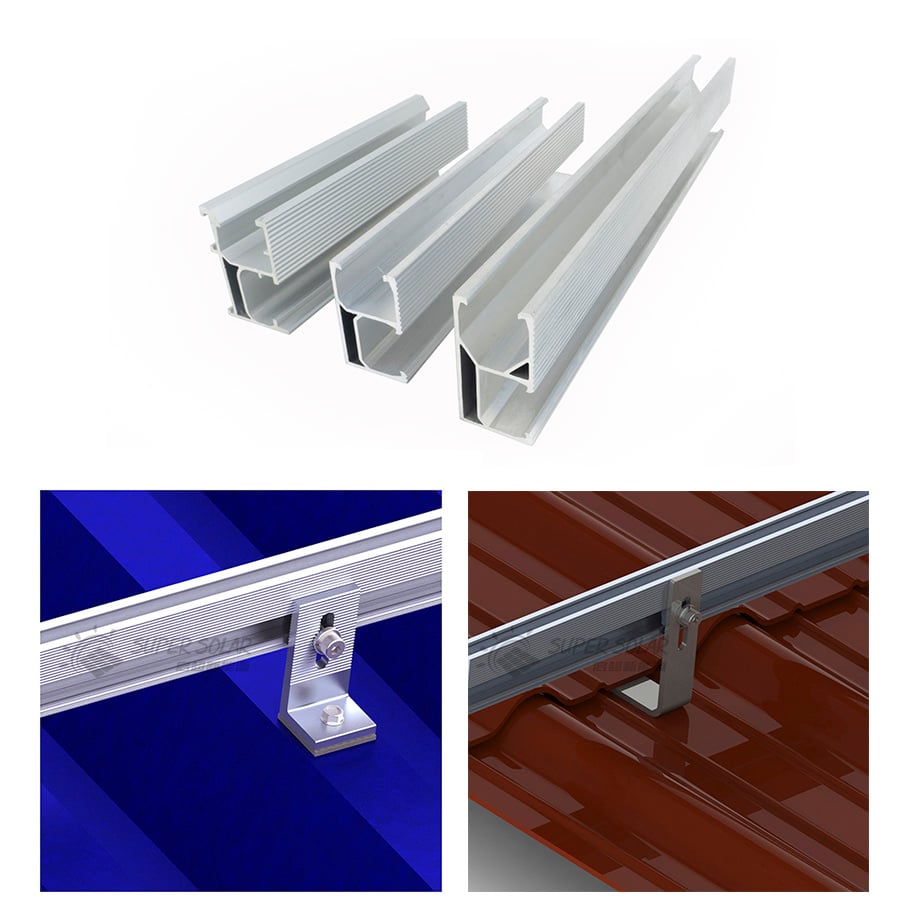
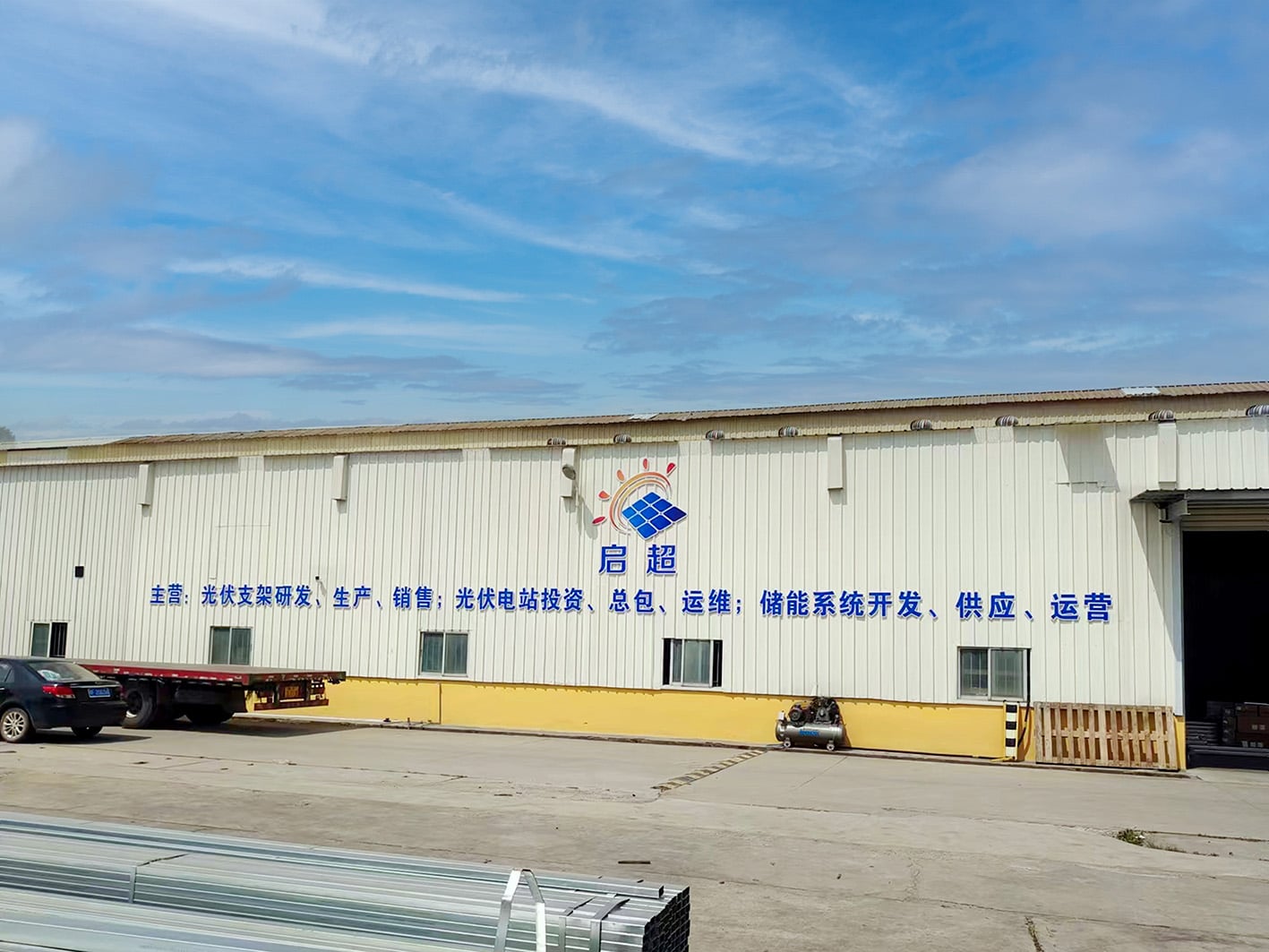

Selecting the right supplier for your solar roof mounting system is one of the most important decisions in any solar project. While solar panels and inverters often receive most of the attention, the mounting structure is what supports the entire system for the next 25 years or more. A weak supplier can lead to delayed deliveries, inconsistent product quality, engineering errors, and costly installation problems that directly impact project profitability.
solar mounting supplier
For EPC contractors, distributors, developers, and installers, choosing a supplier should never be based on price alone. A reliable supplier must demonstrate real engineering capability, certified manufacturing standards, proven export experience, and the ability to support customized project requirements. In today's increasingly competitive solar market, buyers are also paying closer attention to whether a supplier is a true manufacturer or simply a trading company with limited technical involvement.
This guide explains the most important factors buyers should evaluate before selecting a solar mounting supplier, especially for international B2B procurement projects.
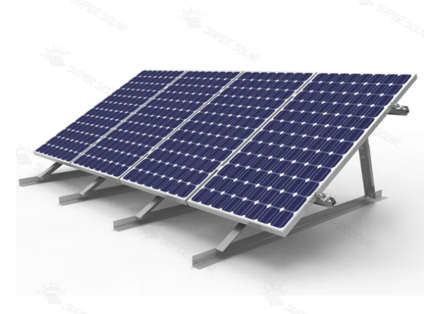
A professional solar mounting supplier is not simply shipping rails and clamps. A qualified supplier should function as a technical partner capable of supporting project design, structural calculations, and long-term installation reliability.
Different projects require different mounting approaches depending on roof type, ground conditions, wind zones, snow loads, and local building codes. A reliable supplier should therefore provide multiple mounting solutions for:
Metal roofs
Tile roofs
Flat concrete roofs
Ground-mounted solar systems
Carports
Agricultural solar structures
An experienced supplier should also provide technical drawings, installation manuals, BOM lists, and layout recommendations before production begins. Suppliers that only provide pricing without technical support often create problems during installation and permitting stages.
One of the biggest concerns for international buyers is determining whether they are dealing with a genuine factory or only a trading company. This distinction directly affects quality control, delivery reliability, engineering support, and customization capability.
A true manufacturer of solar mounting systems usually offers:
In-house engineering teams
CNC processing equipment
Aluminum extrusion or steel fabrication capability
Quality inspection procedures
Stable production lead times
Project-specific customization support
By contrast, many trading companies simply source products from multiple factories and have limited control over production consistency.
To verify whether the supplier is a real manufacturer, buyers should request:
Factory photos and videos
Business licenses showing manufacturing scope
ISO certification documents
Production line information
Previous export project references
For larger procurement projects, factory audits or video inspections are highly recommended.
One of the clearest signs of a professional solar mounting supplier is whether they can provide project-specific engineering support instead of only offering standard catalog products.
Reliable suppliers should be capable of providing:
Structural calculations
Wind load analysis
Snow load analysis
Foundation recommendations
Module layout optimization
Custom rail and bracket design
This is especially important for overseas projects where local building standards differ significantly between regions.
For example:
Europe often follows Eurocode standards
North America commonly uses ASCE standards
Australia requires AS/NZS compliance
A supplier with real engineering capability can adapt mounting solutions according to local regulations instead of forcing buyers into generic designs.
Experienced buyers often test suppliers by submitting a moderately complex project drawing. Strong suppliers will respond with technical feedback, optimization suggestions, and customized solutions. Weak suppliers usually respond only with quotations.
Customization capability is extremely important in modern solar projects because every installation environment is different.
A strong supplier should support customization for:
Non-standard solar module sizes
Special roof structures
High wind-speed regions
Corrosive coastal environments
Large utility-scale projects
Irregular terrain conditions
Customization may include:
Rail length adjustments
Special clamp designs
Custom anodizing thickness
Galvanization requirements
Foundation modifications
Pre-assembled component solutions
Suppliers that support OEM and project-based customization are generally more suitable for long-term B2B cooperation than suppliers limited to standard inventory products.
Certifications are one of the strongest indicators of supplier reliability and export readiness. A supplier without internationally recognized certifications may create serious permitting or compliance problems later in the project.
Reliable solar mounting suppliers should typically provide:
ISO 9001 quality management certification
CE certification for European markets
UL-related compliance support for North America
SGS or TÜV testing reports
Material certificates for aluminum and steel
For structural components, buyers should also verify:
Aluminum alloy grade
Galvanized steel thickness
Corrosion resistance standards
Fastener material specifications
Professional suppliers can quickly provide complete certification documentation when requested. Delays or vague responses often indicate weak quality systems or limited export experience.
Because mounting systems remain outdoors for decades, material quality is critical.
Most reliable suppliers use:
Aluminum alloy 6005-T5
Aluminum alloy 6063-T5
Hot-dip galvanized steel
SUS304 stainless steel fasteners
Surface treatment quality is equally important, particularly in coastal or humid regions.
Buyers should ask for:
Galvanization thickness reports
Salt spray testing data
Anodizing specifications
Material test certificates
Low-cost suppliers often reduce material thickness or coating quality to lower pricing, which can significantly shorten product lifespan.
Project references are one of the most valuable ways to evaluate a supplier's reliability.
A trustworthy supplier should be able to provide:
Utility-scale project examples
Commercial rooftop installations
Ground-mounted project references
Export shipment history
EPC cooperation cases
Ask suppliers about:
Project size
Country of installation
Installation environment
Year of completion
Product type supplied
Suppliers with extensive export experience usually understand international logistics, packaging standards, customs documentation, and local certification requirements much better than inexperienced suppliers.
For many buyers, proven export experience is just as important as product pricing.
Even a high-quality solar mounting system becomes problematic if deliveries are delayed.
Reliable suppliers should clearly explain:
Standard production lead times
Container loading methods
Packaging protection measures
Export procedures
Incoterm options
Professional export packaging should include:
Anti-corrosion wrapping
Secure bundle strapping
Corner protection
Clear labeling
Moisture protection
Poor packaging often leads to damaged rails, missing hardware, or installation delays on-site.After-Sales Support and Long-Term Cooperation
Warranty quality reflects how confident a supplier is in their products.
Reliable solar mounting suppliers commonly offer:
10–25 year structural warranties
Surface coating warranties
Technical troubleshooting support
Replacement part policies
Buyers should also evaluate how warranty claims are handled.
Important questions include:
How quickly are claims processed?
Are replacement parts shipped internationally?
Is technical support available after delivery?
Is installation guidance provided?
Strong after-sales support is particularly valuable for overseas EPC contractors managing large projects.
Many successful solar companies prefer long-term supplier partnerships instead of changing suppliers for every project.
Long-term cooperation offers advantages such as:
Stable product consistency
Faster communication
Better pricing structures
Easier customization
Priority production scheduling
A supplier that continuously improves product design, updates mounting solutions, and invests in engineering support is usually a more reliable long-term partner than suppliers competing only on price.
Before selecting a solar mounting supplier, buyers should confirm the following:
| Evaluation Area | Key Questions |
|---|---|
| Manufacturing Capability | Is the supplier a real factory or only a trading company? |
| Engineering Support | Can they provide structural calculations and custom designs? |
| Certifications | Do they hold ISO, CE, SGS, or TÜV certifications? |
| Customization | Can they support project-specific solutions? |
| Project Experience | Do they have overseas installation references? |
| Material Quality | What aluminum and steel standards are used? |
| Delivery Reliability | Are lead times and export processes stable? |
| After-Sales Support | Do they provide warranty and technical assistance? |
Buyers can request factory videos, business licenses, ISO certifications, and production photos. Factory audits and live video inspections are also common verification methods for international B2B procurement.
Engineering capability determines whether the supplier can provide safe and optimized mounting solutions based on local wind loads, snow loads, roof structures, and project conditions. Suppliers without engineering support often rely only on generic product catalogs.
Most professional suppliers should provide ISO 9001 certification, material certificates, and region-specific compliance documents such as CE or UL-related certifications depending on the export market.
Yes. Reliable suppliers typically support customization for module size, roof structure, wind conditions, corrosion resistance, foundation type, and project-specific installation requirements. Customization capability is usually a strong indicator that the supplier has real manufacturing and engineering strength rather than acting only as a trading company.
 Hot News
2025-11-03
2025-10-22
2025-01-24
2024-06-12
2024-06-12