Single Axis Solar Tracker Price Guide 2024: Costs, Benefits & ROI Analysis

All Categories

single axis solar tracker price

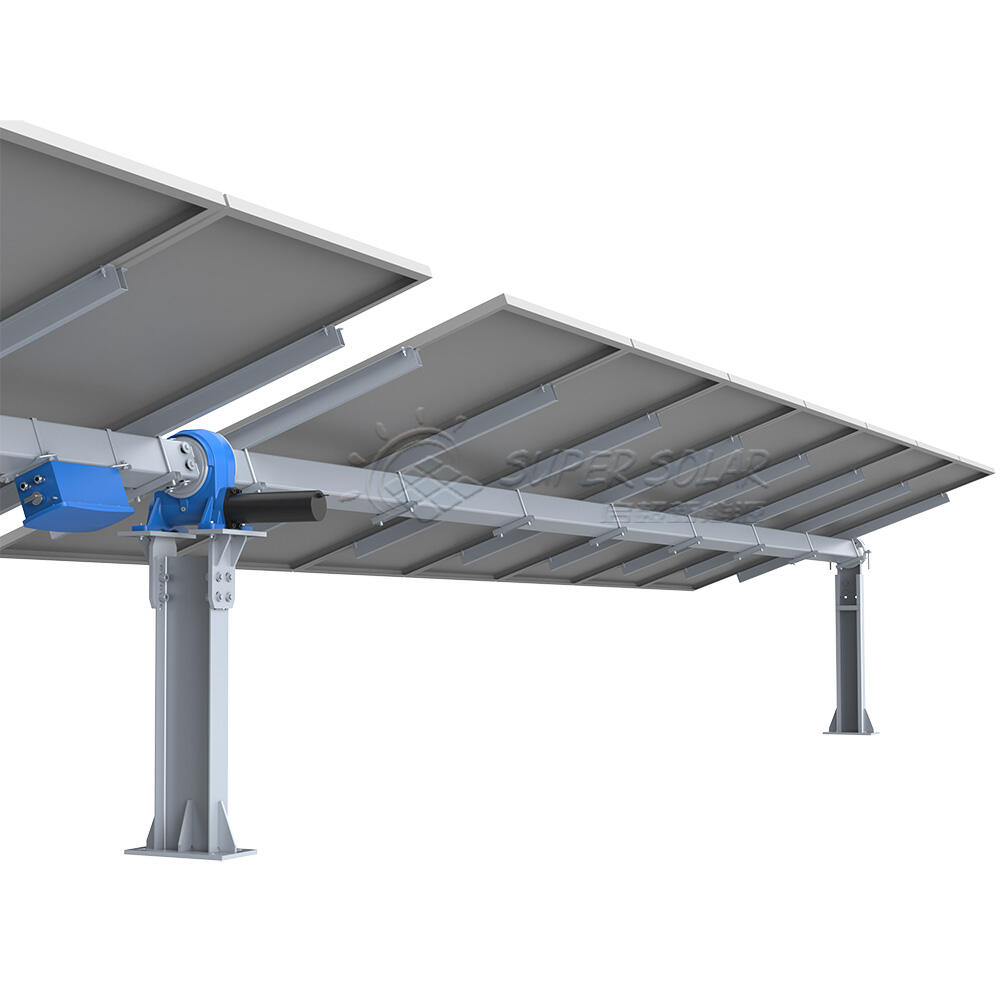
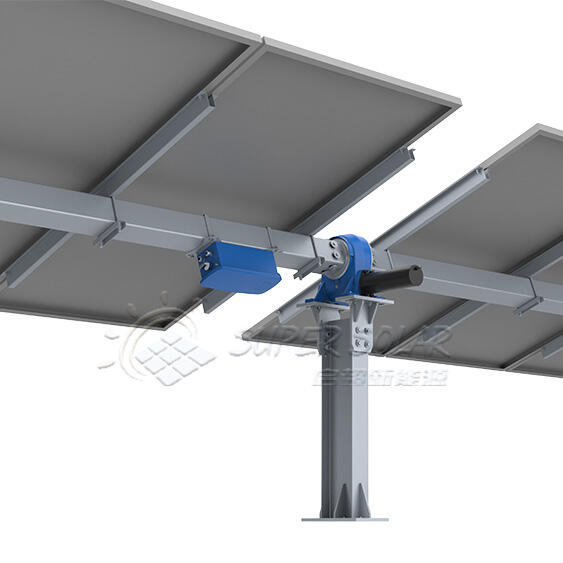
Single axis solar tracker price represents a crucial investment consideration for renewable energy projects seeking to maximize solar panel efficiency and energy output. These innovative tracking systems automatically adjust solar panels along one axis throughout the day, following the sun's movement from east to west to optimize energy capture. The single axis solar tracker price varies significantly based on system capacity, manufacturing quality, installation requirements, and geographic location, typically ranging from $0.15 to $0.35 per watt of installed solar capacity. Understanding the single axis solar tracker price structure helps project developers and homeowners make informed decisions about solar investments. These systems incorporate advanced motor drives, control systems, and weather monitoring capabilities to ensure reliable operation under various environmental conditions. The technology behind single axis trackers includes precision positioning sensors, automated control algorithms, and robust mechanical components designed to withstand extreme weather conditions while maintaining accurate sun-tracking performance. Installation considerations directly impact the overall single axis solar tracker price, as site preparation, foundation requirements, and electrical integration complexity can significantly influence total project costs. Commercial and utility-scale applications benefit most from single axis tracking technology, as the increased energy production typically justifies the additional investment over fixed-tilt systems. Residential applications are increasingly adopting single axis trackers, particularly in areas with high solar irradiance and favorable electricity rates. Maintenance requirements for these systems are generally minimal, consisting primarily of periodic lubrication, sensor calibration, and visual inspections to ensure optimal performance. The return on investment for single axis solar tracker installations depends on local electricity rates, solar resource availability, system financing options, and long-term performance guarantees provided by manufacturers.

New Product Releases

Single axis solar tracker price delivers exceptional value through dramatically increased energy production compared to fixed solar panel installations. These systems typically generate 15-25% more electricity annually by continuously optimizing panel orientation relative to the sun's position, directly translating to higher revenue streams and faster payback periods for solar investments. The enhanced energy output significantly improves project economics, making the initial single axis solar tracker price investment highly attractive for commercial and utility-scale applications where maximizing land utilization efficiency is paramount. Modern single axis tracking systems feature robust construction designed to withstand harsh environmental conditions including high winds, snow loads, and extreme temperatures, ensuring reliable operation throughout their 25-year design life. The automated tracking mechanism eliminates manual adjustments while providing consistent performance optimization, reducing operational complexities and labor costs associated with solar farm management. Single axis solar tracker price competitiveness has improved substantially as manufacturing scales have increased and technology has matured, making these systems accessible to a broader range of applications and budgets. Installation flexibility represents another significant advantage, as single axis trackers adapt to various terrain conditions and site constraints while maintaining optimal energy production capabilities. The modular design of most tracking systems allows for scalable implementations, enabling projects to expand capacity incrementally as funding becomes available or energy demand increases. Maintenance simplicity ensures long-term operational efficiency, with most systems requiring minimal intervention beyond routine inspections and occasional component replacement. Advanced monitoring capabilities integrated into modern tracking systems provide real-time performance data, enabling proactive maintenance scheduling and system optimization. The environmental benefits extend beyond clean energy production, as improved energy efficiency per installed panel reduces the overall land footprint required for solar installations. Financial incentives and tax credits available for solar tracking systems often offset a significant portion of the single axis solar tracker price, further enhancing project viability and reducing overall capital requirements for renewable energy investments.

Latest News

What Is a Solar Tracker?

22

Jul

What Is a Solar Tracker?

Understanding Solar Trackers: Definition and Core Functions What Does a Solar Tracker Do? A solar tracker is a sophisticated device crucial for optimizing the performance of solar panels by orienting them towards the sun throughout the day. Its prim...
View More
A Guide to Choosing the Best Residential Solar Carport System

20

Aug

A Guide to Choosing the Best Residential Solar Carport System

The Rising Popularity of Solar Carports in Residential Homes As the demand for renewable energy solutions continues to grow, the solar carport has become one of the most practical and efficient ways for homeowners to generate electricity. Unlike trad...
View More
Solar Mounting Solutions for Metal Roofs: A Complete Guide for Installers and Distributors

23

Sep

Solar Mounting Solutions for Metal Roofs: A Complete Guide for Installers and Distributors

Introduction Growing demand for solar on metal roofs in commercial & industrial projects The demand for Solar Mounting Solutions for Metal Roofs has increased rapidly across commercial and industrial projects. Metal roofs offer durability, strength,...
View More
Commercial Solar Carport Solutions for Parking and Power

24

Nov

Commercial Solar Carport Solutions for Parking and Power

Transforming Parking Infrastructure into Clean Energy Assets The evolution of commercial parking spaces has taken a remarkable turn with the introduction of solar carports. These innovative structures represent the perfect fusion of functionality and...
View More

Leave Message

Our representative will contact you soon.
Email
Name
Company Name
Message
0/1000

single axis solar tracker price

Maximum Energy Output Optimization

Maximum Energy Output Optimization

Single axis solar tracker price investments deliver unparalleled returns through sophisticated energy optimization technology that fundamentally transforms solar panel performance throughout each day. These advanced systems continuously monitor solar positioning using precision sensors and automatically adjust panel angles to maintain optimal sun exposure, resulting in energy production increases of 15-35% compared to fixed-mount installations. The tracking mechanism follows the sun's east-to-west trajectory with remarkable accuracy, ensuring panels remain perpendicular to incoming solar radiation during peak production hours. This optimization capability becomes particularly valuable during morning and evening periods when fixed panels operate at suboptimal angles, effectively extending productive daylight hours and maximizing energy capture potential. The sophisticated control algorithms integrated into modern tracking systems account for seasonal variations, weather conditions, and site-specific solar patterns to deliver consistent performance optimization year-round. Geographic locations with high direct solar irradiance benefit most dramatically from single axis tracking technology, as the enhanced energy capture directly correlates with improved project economics and accelerated return on investment timelines. Commercial installations utilizing single axis trackers often achieve energy production levels that justify premium electricity sale prices through renewable energy certificate programs and power purchase agreements. The cumulative energy gains over a system's 25-year operational life significantly exceed the initial single axis solar tracker price premium, creating substantial long-term value for property owners and energy investors. Advanced weather protection features ensure tracking systems continue operating safely during adverse conditions, automatically positioning panels in protective stow positions during high wind events or severe weather alerts. The reliability and consistency of energy output enhancement make single axis tracking systems particularly attractive for applications requiring predictable energy generation patterns, such as agricultural operations, manufacturing facilities, and grid-tied commercial installations seeking to optimize demand charge management strategies.
Cost-Effective Technology Integration

Cost-Effective Technology Integration

Single axis solar tracker price competitiveness stems from remarkable technological advances that have streamlined manufacturing processes while enhancing system reliability and performance capabilities. Modern tracking systems incorporate high-quality components including precision gear drives, weather-resistant control electronics, and durable structural materials designed to operate reliably in challenging environmental conditions for decades. The modular design approach adopted by leading manufacturers enables cost-effective production scaling while maintaining stringent quality standards, directly benefiting customers through reduced single axis solar tracker price points and improved system accessibility. Installation efficiency represents a critical cost advantage, as most single axis tracking systems feature pre-engineered mounting solutions that significantly reduce on-site labor requirements and construction timelines compared to complex fixed-mount alternatives. The standardized installation procedures and comprehensive technical documentation provided by manufacturers enable qualified installers to complete projects efficiently while maintaining high quality standards and safety protocols. Maintenance cost advantages emerge from simplified mechanical designs that minimize moving parts while incorporating self-lubricating components and corrosion-resistant materials that extend service intervals and reduce ongoing operational expenses. Remote monitoring capabilities integrated into contemporary tracking systems enable predictive maintenance scheduling and real-time performance optimization, reducing the need for frequent site visits and manual system adjustments. The economies of scale achieved through widespread adoption of single axis tracking technology have driven substantial reductions in component costs while spurring innovation in control systems, motors, and structural materials. Financial benefits extend beyond initial capital costs to include reduced insurance premiums, enhanced property values, and improved financing terms available for solar installations incorporating proven tracking technology. Integration compatibility with existing solar hardware and electrical systems minimizes upgrade costs for facilities expanding their renewable energy capacity. The proven track record of single axis tracking systems in diverse applications from residential installations to utility-scale solar farms demonstrates the technology's versatility and cost-effectiveness across various project scales and geographic regions, reinforcing the compelling value proposition of investing in advanced solar tracking solutions.
Superior Return on Investment Performance

Superior Return on Investment Performance

Single axis solar tracker price investments consistently demonstrate superior financial performance through enhanced energy production that directly translates to increased revenue generation and accelerated payback periods for solar installations. The economic advantages begin with higher electricity production that commands premium prices in markets with time-of-use billing structures, where peak afternoon generation coincides with maximum electricity rates. Commercial and industrial facilities utilizing single axis tracking systems benefit from reduced demand charges through more consistent energy production patterns that help flatten peak consumption periods and optimize electricity cost management strategies. The enhanced energy output enables smaller physical installations to meet equivalent energy requirements compared to fixed-mount systems, reducing land acquisition costs, permitting expenses, and site preparation requirements while maintaining identical energy production targets. Financial modeling consistently demonstrates that single axis solar tracker price premiums typically achieve full cost recovery within 2-3 years through increased energy sales, after which the enhanced production represents pure additional profit for system owners throughout the remaining operational life. Utility-scale installations particularly benefit from tracking technology advantages, as improved capacity factors and reduced levelized cost of energy make projects more competitive in renewable energy auctions and power purchase agreement negotiations. The reliability and predictability of energy production enhancement enable more favorable financing terms and reduced risk premiums from lenders who recognize the proven performance advantages of tracking systems. Insurance cost reductions often accompany single axis tracker installations due to advanced weather protection features and robust construction standards that minimize damage risks during severe weather events. Property value increases frequently exceed the initial single axis solar tracker price investment, as enhanced energy production capabilities make facilities more attractive to potential buyers and improve long-term asset valuations. Tax incentive optimization becomes more effective with tracking systems, as higher energy production maximizes the value of production-based incentives and renewable energy credits available in many markets. The cumulative financial benefits over a system's operational lifetime create compelling investment scenarios that consistently outperform traditional fixed solar installations and many alternative investment opportunities, establishing single axis tracking as a proven strategy for maximizing renewable energy investment returns.

Leave Message

Our representative will contact you soon.
Email
Name
Company Name
Message
0/1000