Premium Solar Tracker Factory - Advanced Manufacturing Solutions for Maximum Energy Efficiency

All Categories

solar tracker factory

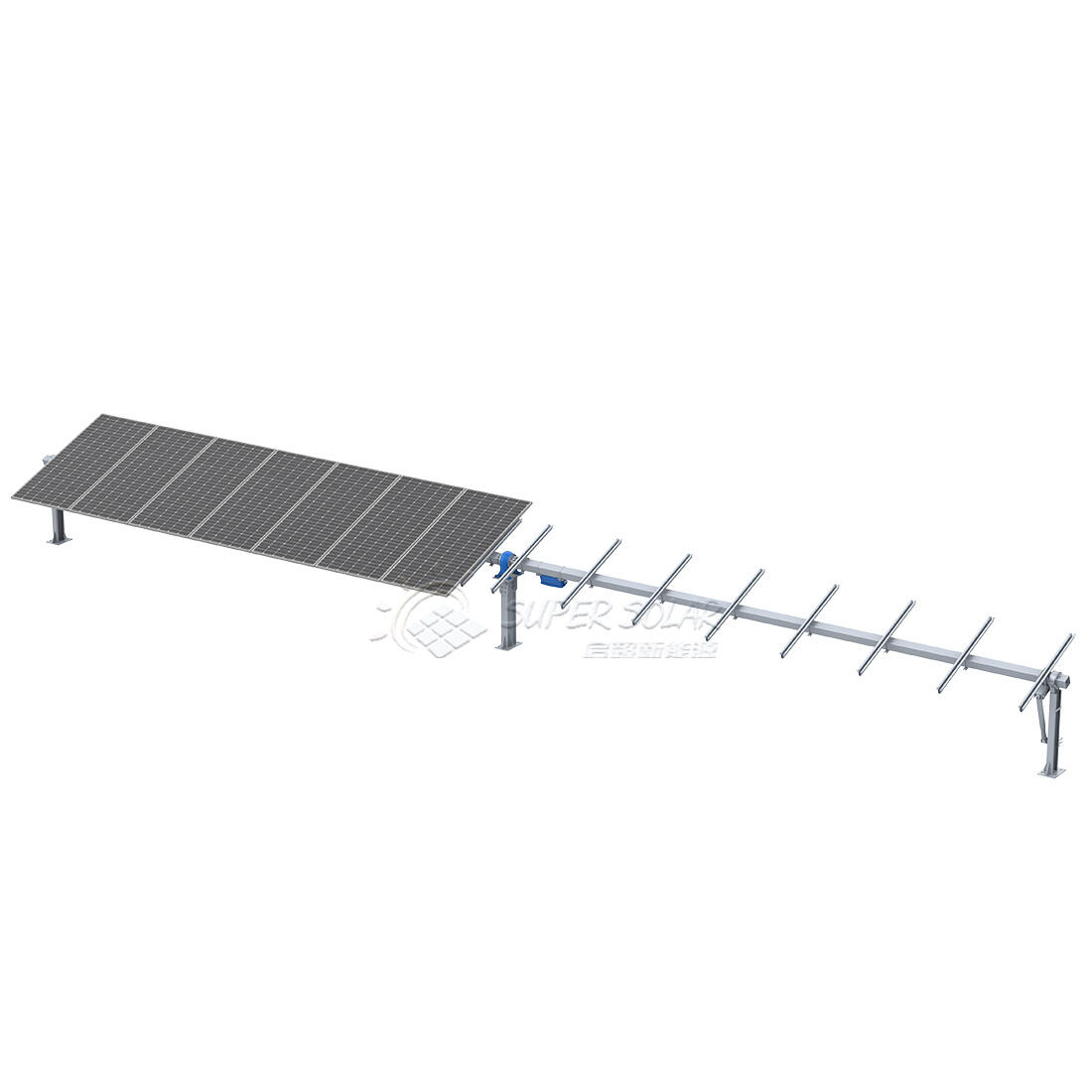
A solar tracker factory represents the pinnacle of renewable energy manufacturing excellence, serving as a specialized production facility dedicated to creating advanced photovoltaic tracking systems. These sophisticated manufacturing centers focus on producing solar tracking devices that automatically orient solar panels toward the sun throughout the day, maximizing energy capture and improving overall system efficiency. The solar tracker factory incorporates cutting-edge production technologies, precision engineering capabilities, and rigorous quality control processes to deliver superior tracking solutions for commercial, utility-scale, and residential solar installations worldwide. Modern solar tracker factory operations utilize automated assembly lines, computer-controlled manufacturing processes, and advanced materials science to produce durable, reliable tracking systems. The facility typically houses multiple production departments including mechanical component manufacturing, electronic control system assembly, software development laboratories, and comprehensive testing centers. Each solar tracker factory maintains strict quality standards through ISO certification processes, ensuring every product meets international safety and performance requirements. The manufacturing process within a solar tracker factory involves precision machining of steel components, assembly of drive mechanisms, integration of smart control systems, and thorough performance validation testing. Advanced solar tracker factory facilities employ lean manufacturing principles, sustainable production practices, and continuous improvement methodologies to optimize efficiency while minimizing environmental impact. These production centers serve global markets by manufacturing various tracker types including single-axis horizontal, dual-axis systems, and specialized tracking solutions for different geographical conditions and installation requirements.

New Products

Solar tracker factory operations provide numerous compelling benefits that directly impact project profitability and long-term performance outcomes. The primary advantage lies in enhanced energy production capabilities, where factory-manufactured tracking systems increase solar panel output by 25-35% compared to fixed-mount installations. This significant improvement translates into faster return on investment and higher revenue generation throughout the system lifecycle. Quality assurance represents another crucial benefit, as solar tracker factory environments maintain controlled manufacturing conditions that ensure consistent product reliability and durability. Factory-produced trackers undergo comprehensive testing protocols including stress testing, weather resistance validation, and performance certification processes that guarantee long-term operational stability. Cost effectiveness emerges as a major advantage through economies of scale, where solar tracker factory production volumes reduce per-unit manufacturing costs and enable competitive pricing for end customers. Standardized manufacturing processes within the solar tracker factory environment ensure interchangeable components, simplified maintenance procedures, and reduced spare parts inventory requirements. Technical support benefits include comprehensive documentation, training programs, and ongoing customer service that factory manufacturers provide throughout the product lifecycle. Innovation acceleration represents a significant advantage, as solar tracker factory research and development departments continuously improve tracking algorithms, mechanical designs, and control systems to enhance performance and reduce maintenance requirements. Supply chain reliability ensures consistent product availability and delivery schedules, eliminating project delays and enabling accurate construction planning. Environmental benefits include reduced carbon footprint through optimized manufacturing processes and improved solar energy harvesting efficiency that maximizes clean energy production per installed system.

Practical Tips

What Is a Single-Axis Solar Tracker?

22

Jul

What Is a Single-Axis Solar Tracker?

What Is a Single-Axis Solar Tracker? Definition and Basic Functionality A single-axis solar tracker is a sophisticated device designed to enhance the efficiency of solar energy systems by orienting solar panels toward the sun as it moves across the ...
View More
Why Choose a Carport Photovoltaique for Residential Solar Solutions?

22

Jul

Why Choose a Carport Photovoltaique for Residential Solar Solutions?

Environmental Impact of Carport Photovoltaique Systems Reducing Carbon Footprint with Solar Energy Carport photovoltaic systems are instrumental in significantly diminishing our reliance on fossil fuels, which in turn lowers greenhouse gas emissions...
View More
What Is a Solar Carport for Residential Homes and Why Use It?

20

Aug

What Is a Solar Carport for Residential Homes and Why Use It?

The Growing Popularity of Residential Solar Carports As homeowners increasingly look for ways to reduce energy costs and embrace sustainable living, the solar carport has emerged as a smart solution. A solar carport not only provides shelter for vehi...
View More
How to Install Solar Mounting Systems on Corrugated Metal Roofs?

24

Nov

How to Install Solar Mounting Systems on Corrugated Metal Roofs?

Understanding Solar Panel Installation on Metal Roofing Installing solar mounting systems on corrugated metal roofs requires careful planning, precise execution, and thorough knowledge of both roofing and solar equipment. Metal roofs present unique c...
View More

Leave Message

Our representative will contact you soon.
Email
Name
Company Name
Message
0/1000

solar tracker factory

Advanced Precision Manufacturing Technology

Advanced Precision Manufacturing Technology

The modern solar tracker factory employs state-of-the-art precision manufacturing technology that sets new industry standards for quality, accuracy, and reliability. This sophisticated approach begins with computer-aided design systems that create detailed engineering specifications for every component, ensuring perfect dimensional accuracy and optimal performance characteristics. The solar tracker factory utilizes advanced CNC machining centers, robotic welding systems, and automated assembly lines that maintain tolerances within microscopic ranges, guaranteeing smooth operation and extended service life. Quality control systems throughout the solar tracker factory include laser measurement devices, coordinate measuring machines, and automated inspection protocols that verify component specifications at every production stage. The manufacturing technology incorporates predictive maintenance systems that monitor equipment performance, preventing defects and ensuring consistent output quality. Advanced materials processing capabilities within the solar tracker factory enable the use of high-strength steel alloys, corrosion-resistant coatings, and weather-resistant components that withstand harsh environmental conditions for decades. The facility employs digital manufacturing integration that connects design, production, and quality assurance systems, enabling real-time monitoring and continuous improvement of manufacturing processes. This technological sophistication allows the solar tracker factory to produce tracking systems with superior mechanical precision, enhanced durability, and optimized performance characteristics that exceed industry standards and customer expectations.
Comprehensive Quality Assurance Systems

Comprehensive Quality Assurance Systems

Every solar tracker factory implements comprehensive quality assurance systems that guarantee exceptional product reliability and long-term performance satisfaction. These rigorous quality control processes begin with incoming material inspection, where specialized teams verify that all raw materials meet strict specifications for strength, durability, and environmental resistance. The solar tracker factory employs multiple quality checkpoints throughout the manufacturing process, including dimensional verification, welding quality assessment, and component functionality testing that ensures every part meets exacting standards. Environmental testing facilities within the solar tracker factory subject tracking systems to extreme weather conditions, including high winds, temperature cycling, and accelerated aging tests that validate long-term reliability and performance stability. The quality assurance program includes comprehensive documentation systems that track every component from raw material to finished product, enabling complete traceability and accountability throughout the manufacturing process. Independent third-party certification agencies regularly audit solar tracker factory operations, verifying compliance with international standards including IEC, UL, and CE requirements that guarantee global market acceptance. Field performance validation programs connect solar tracker factory quality systems with real-world installation data, enabling continuous improvement and optimization of manufacturing processes based on actual operating conditions. The comprehensive approach ensures that every tracking system leaving the solar tracker factory meets the highest standards for mechanical reliability, electrical safety, and long-term performance durability that customers demand for their critical energy infrastructure investments.
Global Supply Chain Excellence

Global Supply Chain Excellence

The solar tracker factory maintains global supply chain excellence that ensures reliable product availability, competitive pricing, and consistent delivery performance worldwide. This sophisticated logistics network begins with strategic supplier partnerships that provide high-quality materials, components, and sub-assemblies from certified vendors who meet strict quality and delivery requirements. The solar tracker factory employs advanced inventory management systems that optimize material flow, minimize carrying costs, and prevent production delays through predictive analytics and demand forecasting capabilities. International distribution networks enable the solar tracker factory to serve customers across multiple continents with standardized products, localized support services, and efficient shipping arrangements that reduce project timelines and costs. Supply chain resilience measures include multiple supplier sources for critical components, strategic inventory positioning, and flexible manufacturing capabilities that maintain production continuity despite global disruptions or market fluctuations. The solar tracker factory implements sustainable supply chain practices including local sourcing initiatives, reduced packaging waste, and carbon footprint optimization that align with environmental sustainability goals while maintaining cost competitiveness. Digital supply chain integration connects the solar tracker factory with suppliers, distributors, and customers through real-time information sharing that enables proactive issue resolution and enhanced customer service. This excellence extends to after-sales support through global spare parts availability, technical service networks, and training programs that ensure optimal system performance throughout the operational lifecycle, providing customers with confidence in their long-term investment success.

Leave Message

Our representative will contact you soon.
Email
Name
Company Name
Message
0/1000