solar carport mounting systems
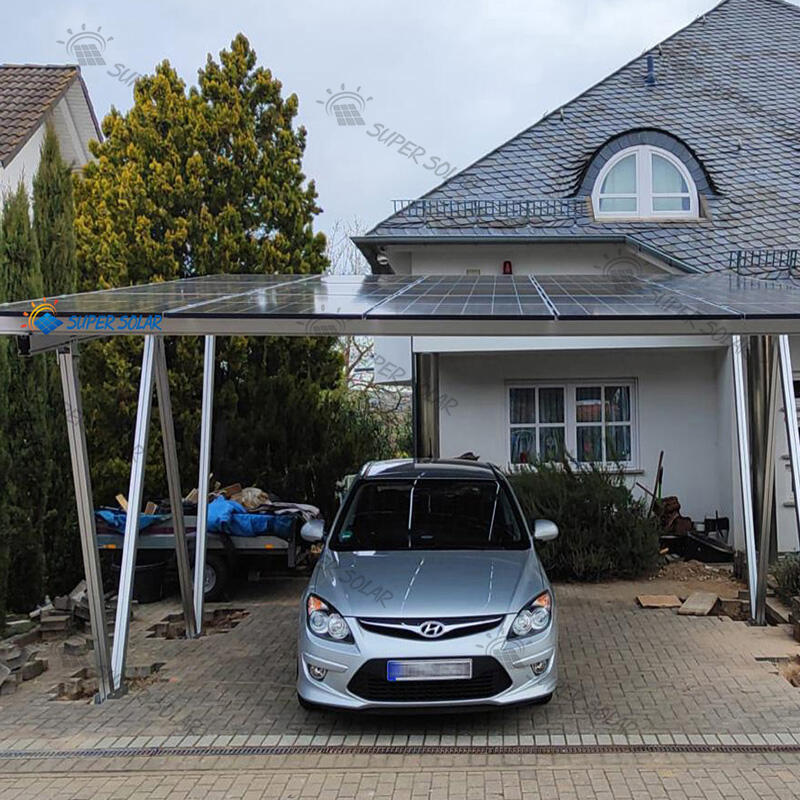
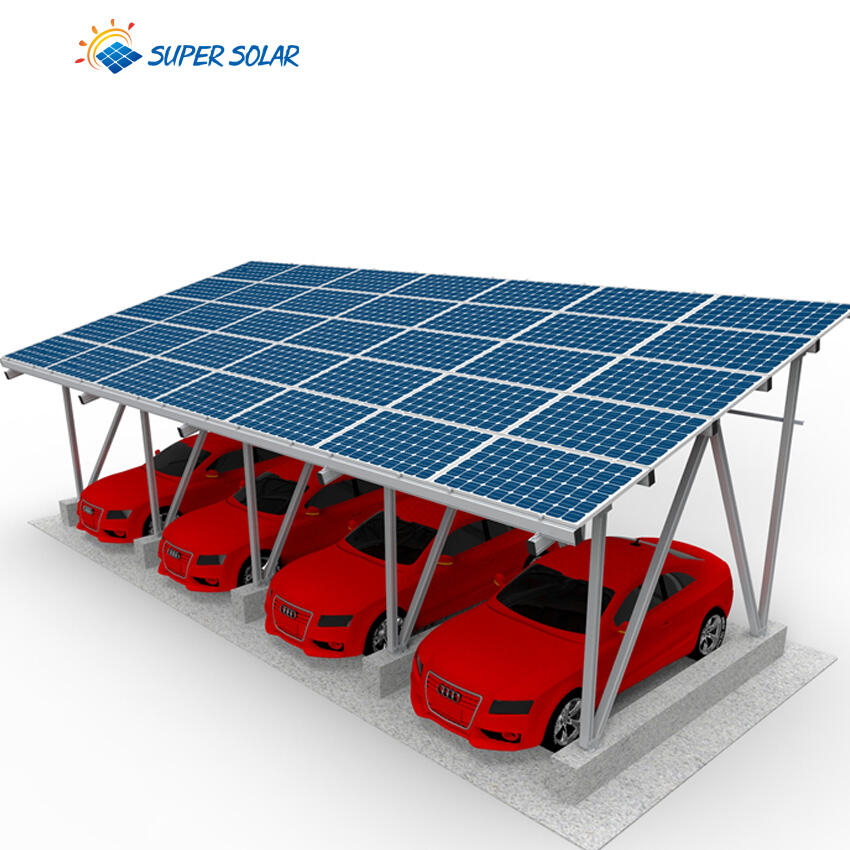
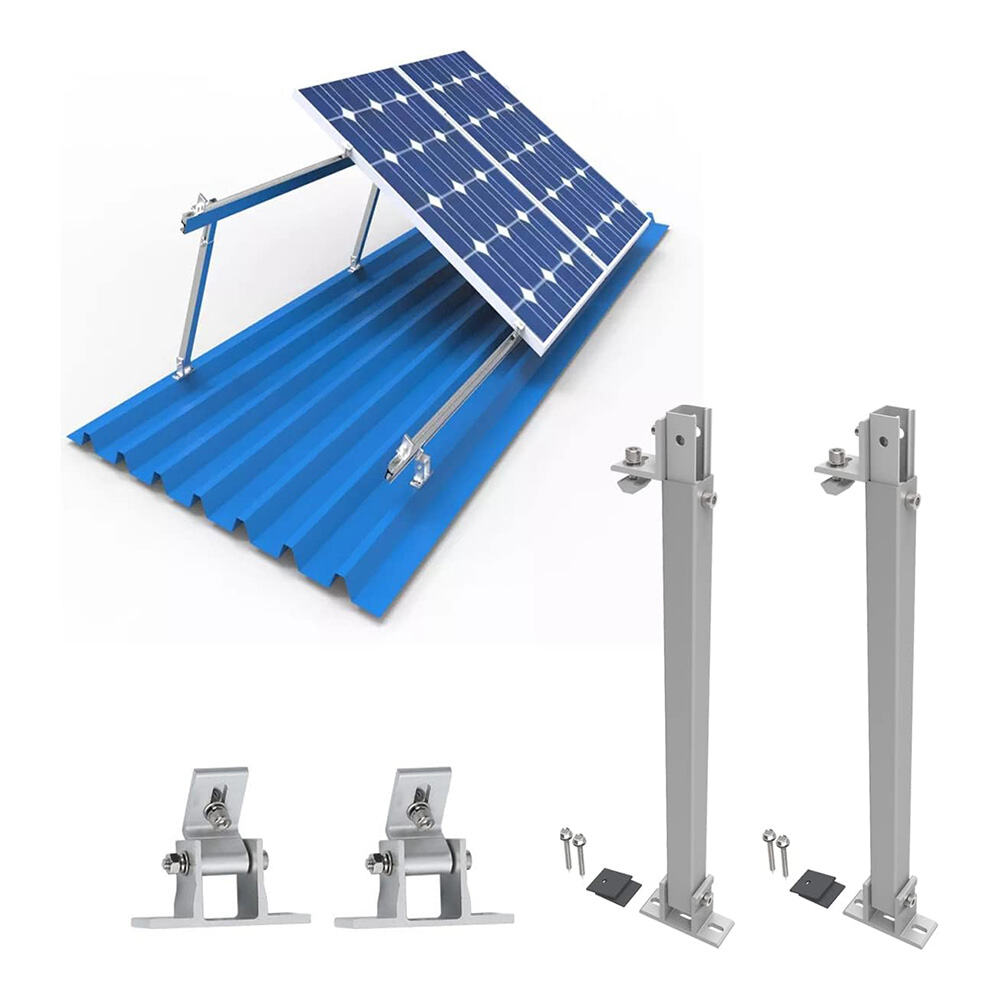
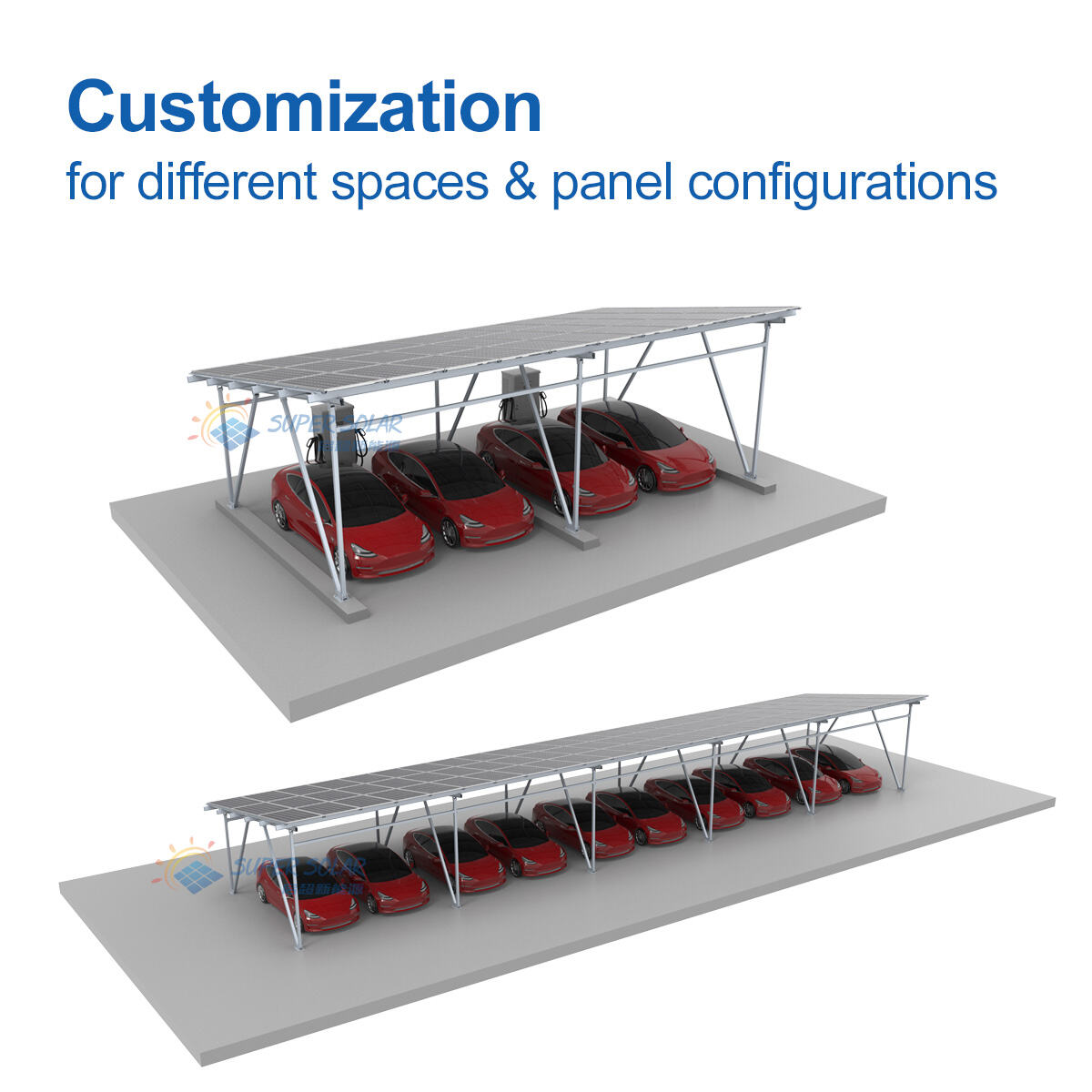
Solar carport mounting systems represent an innovative dual-purpose infrastructure solution that combines vehicle protection with renewable energy generation. These engineered structures serve as covered parking facilities while simultaneously supporting photovoltaic panels on their rooftops, maximizing land utilization efficiency. The primary function of solar carport mounting systems involves creating elevated canopy structures that shield vehicles from weather elements including rain, snow, hail, and harmful UV radiation, while the integrated solar panels generate clean electricity. These systems typically feature robust steel or aluminum framework designed to withstand various environmental conditions including wind loads, snow accumulation, and seismic activity. The technological architecture incorporates precision-engineered mounting rails, adjustable panel brackets, and structural components that ensure optimal solar panel positioning for maximum energy capture. Modern solar carport mounting systems integrate advanced features such as cable management pathways, grounding systems, and accessibility provisions for maintenance operations. The structural design accommodates different parking configurations including single-row, double-row, and multi-level arrangements, adapting to various site requirements and space constraints. These systems support diverse photovoltaic panel types including monocrystalline, polycrystalline, and thin-film technologies, offering flexibility in energy generation capacity. Applications span across commercial properties, retail centers, educational institutions, healthcare facilities, residential complexes, and industrial sites. The mounting systems provide substantial energy production potential, with typical installations generating between 1.2 to 1.8 kilowatts per parking space, depending on geographic location and panel specifications. Installation processes involve minimal ground disturbance compared to traditional solar farms, preserving existing landscaping and site functionality. The modular design allows for phased implementation and future expansion, accommodating growing energy demands and parking requirements. Environmental benefits include reduced carbon footprint, decreased reliance on grid electricity, and contribution to sustainable development goals.
 EN
EN