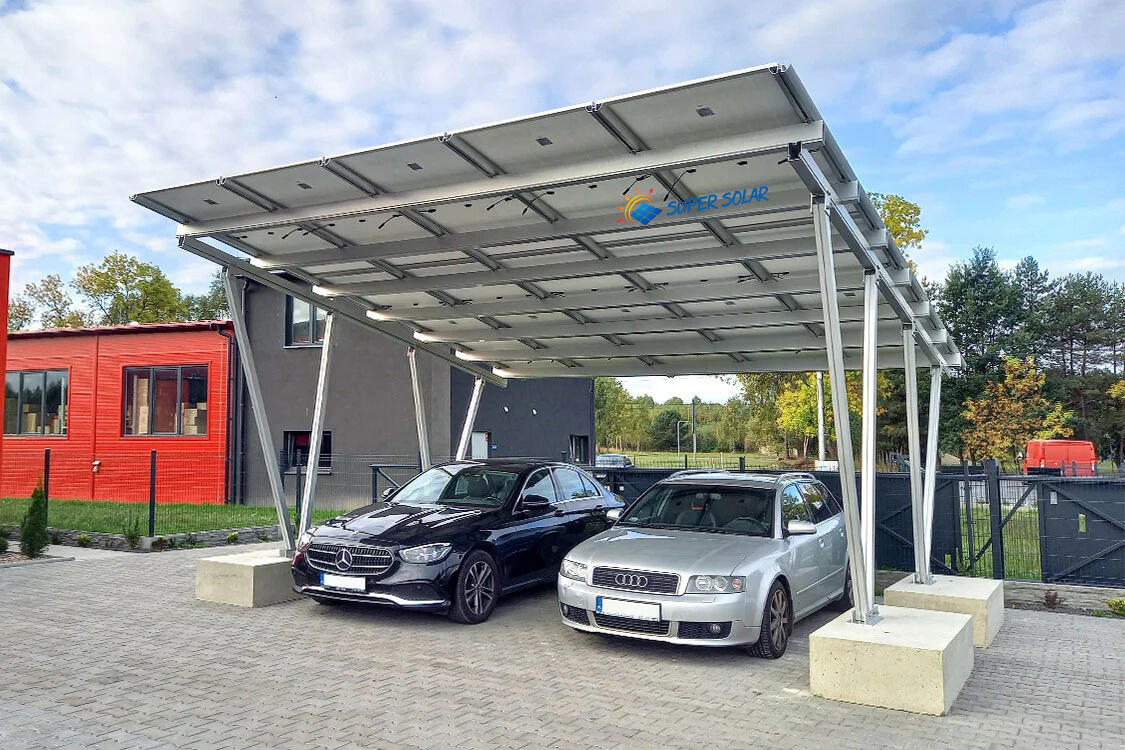
solar charging carport
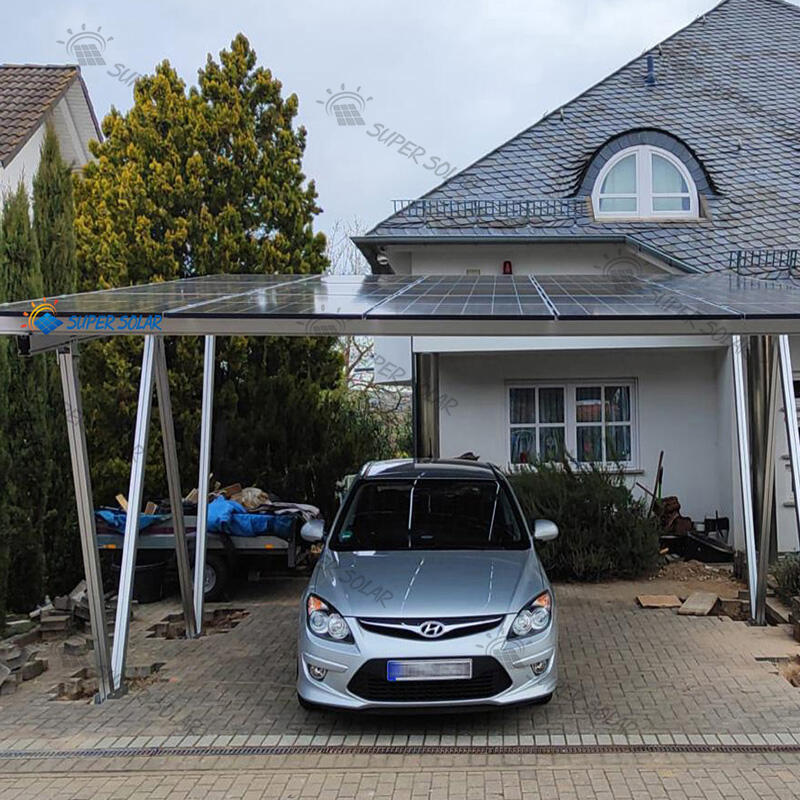
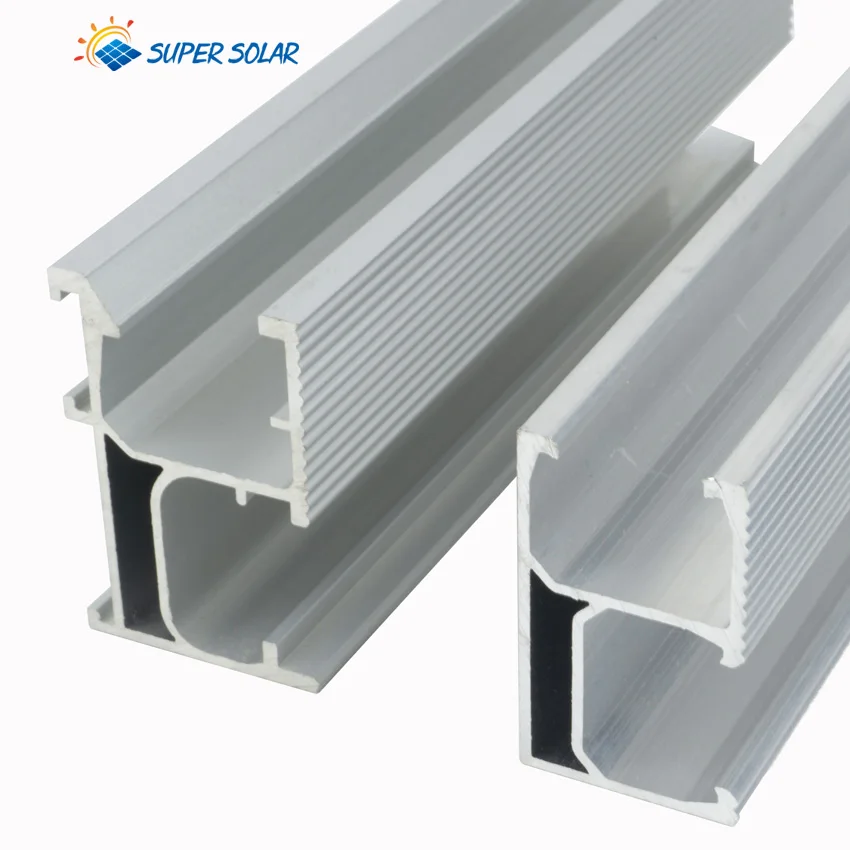
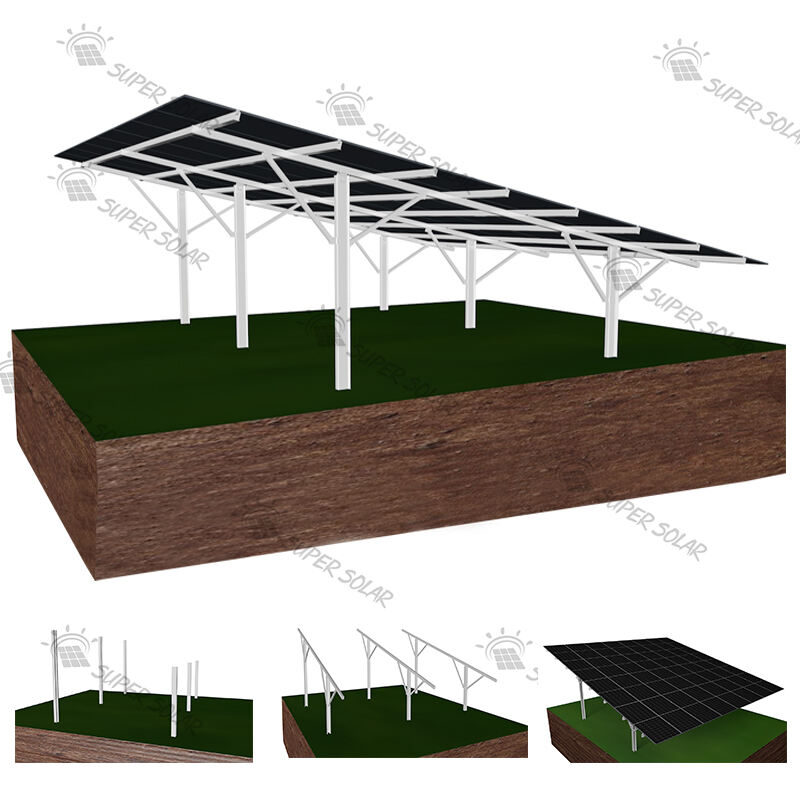
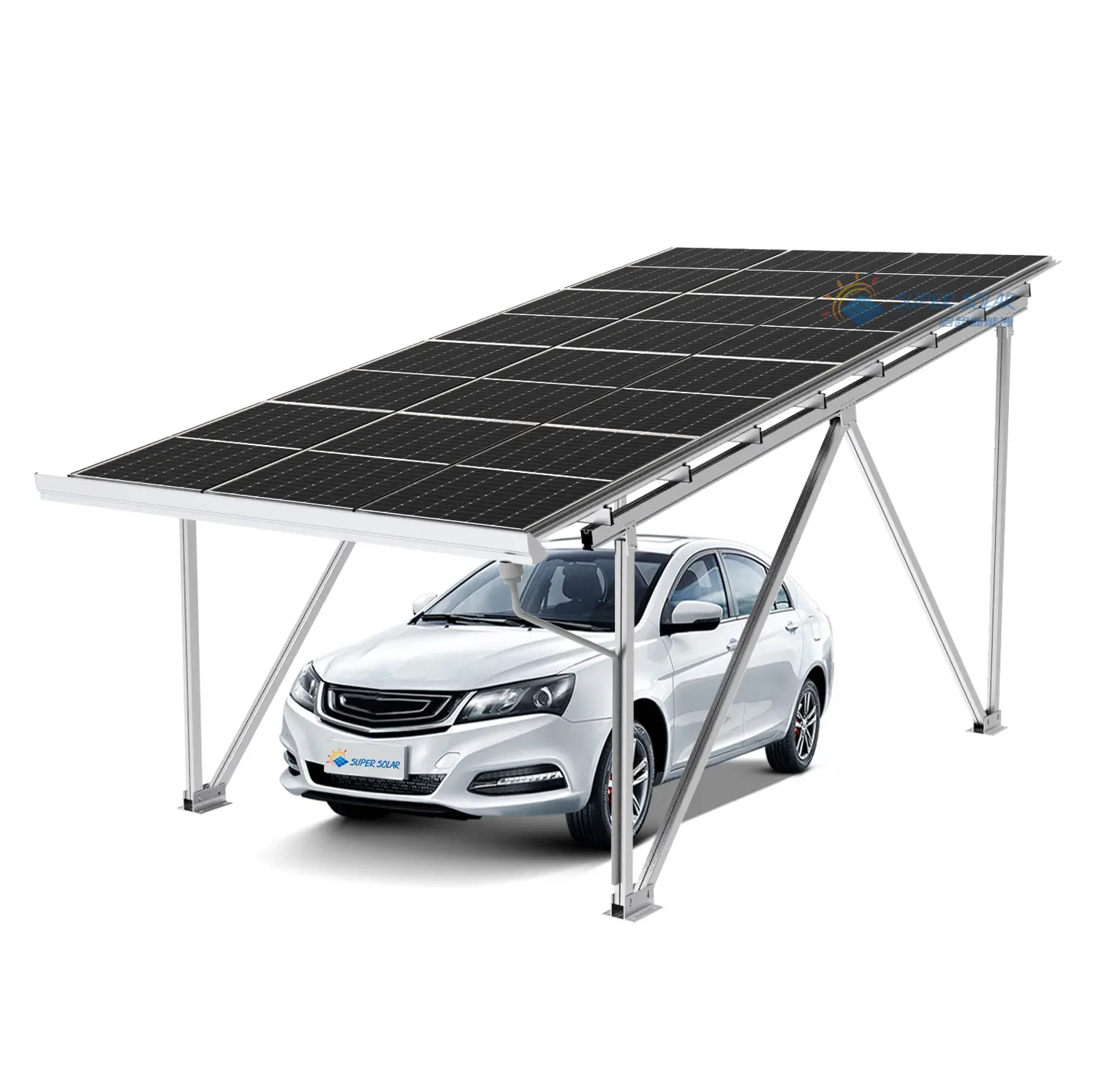
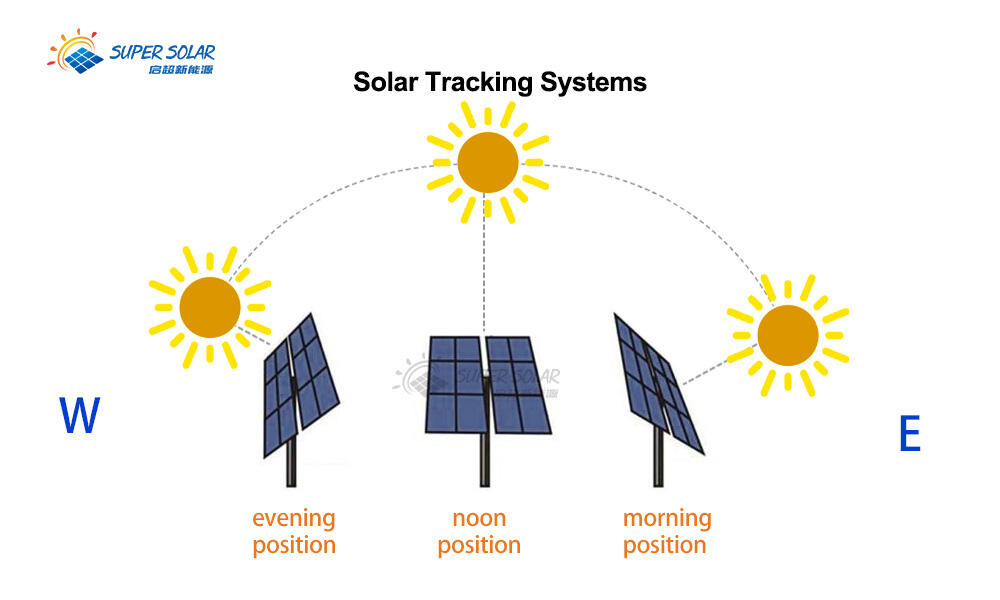
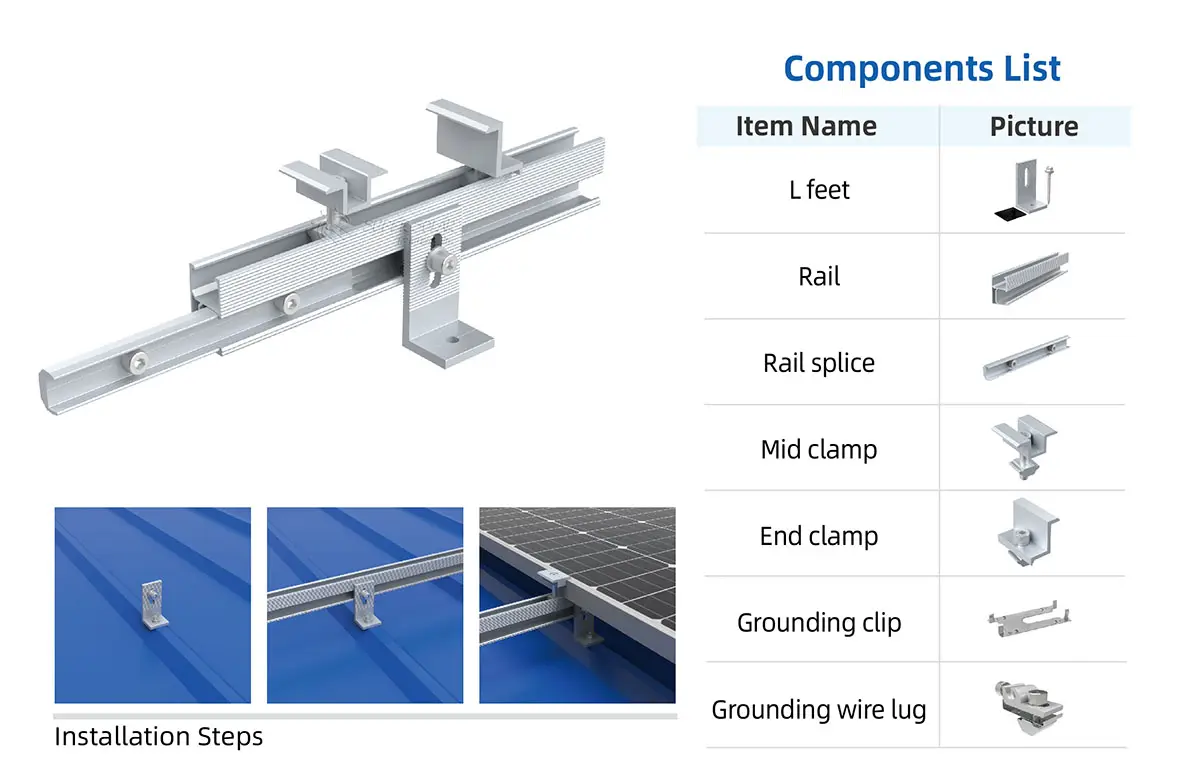
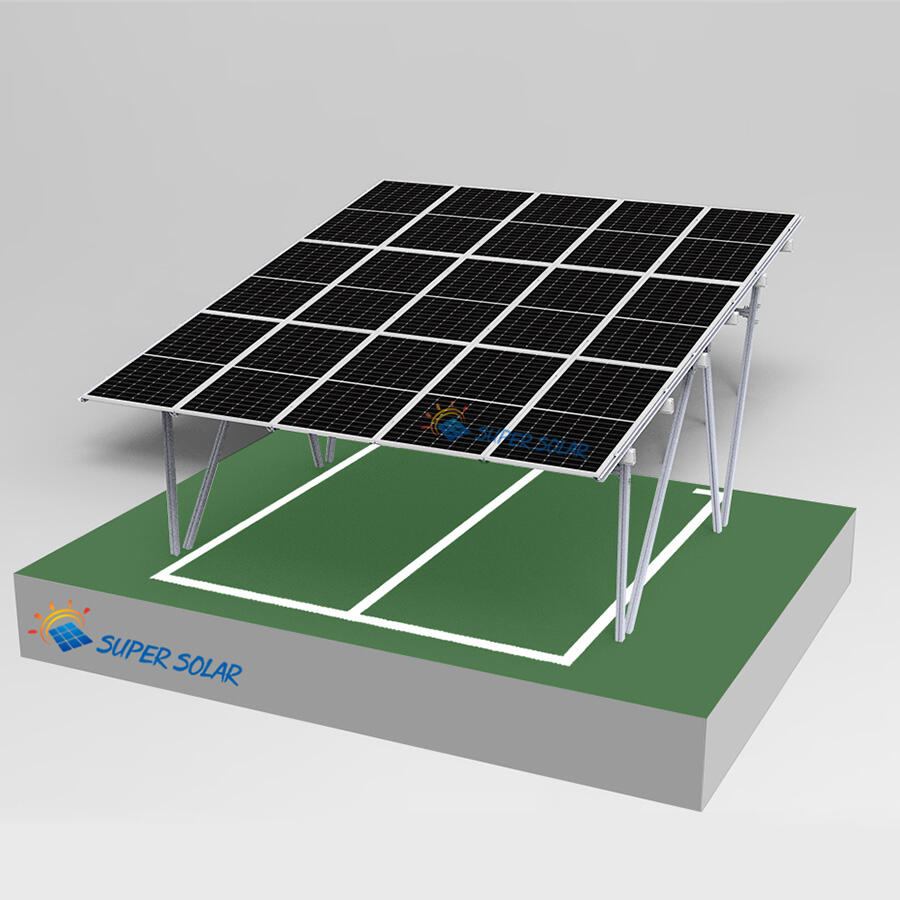
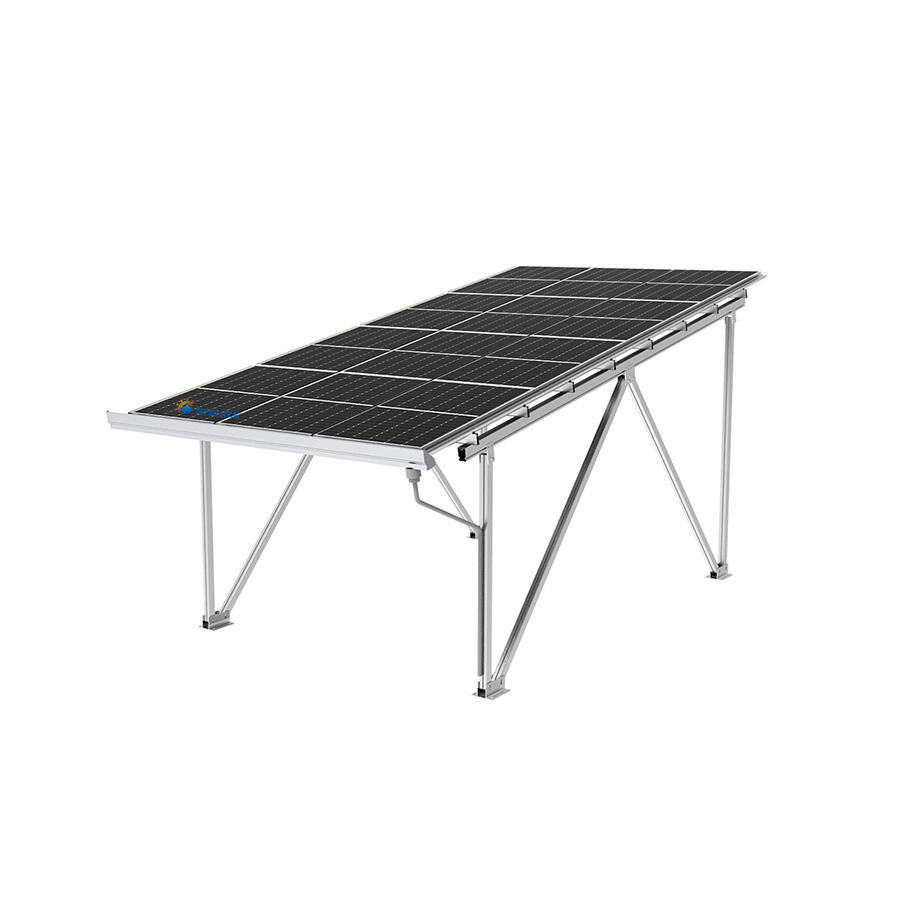
A solar charging carport represents an innovative fusion of sustainable energy generation and practical vehicle protection, creating a dual-purpose structure that maximizes land use efficiency while providing clean electricity. This cutting-edge installation combines traditional carport functionality with advanced photovoltaic technology, enabling property owners to generate renewable energy while sheltering their vehicles from weather elements. The solar charging carport features high-efficiency solar panels mounted on a robust canopy structure that provides comprehensive coverage for parked vehicles underneath. The system incorporates intelligent energy management technology that automatically directs generated electricity to integrated charging stations, battery storage systems, or the electrical grid based on demand and availability. Modern installations utilize monocrystalline or polycrystalline solar panels capable of producing substantial electricity output even in partially shaded conditions. The structural framework typically consists of galvanized steel or aluminum components designed to withstand extreme weather conditions including heavy snow loads, high winds, and seismic activity. Advanced mounting systems ensure optimal panel positioning for maximum solar exposure throughout the day while maintaining structural integrity. The integrated charging infrastructure supports multiple vehicle types including electric cars, e-bikes, and hybrid vehicles through various connector standards such as Type 1, Type 2, and CHAdeMO protocols. Smart monitoring systems provide real-time data on energy production, consumption patterns, and system performance through mobile applications or web-based dashboards. Installation flexibility allows customization for residential driveways, commercial parking facilities, retail centers, educational institutions, and municipal parking areas. The modular design enables scalable expansion to accommodate growing energy needs and vehicle capacity requirements. Environmental benefits include significant carbon footprint reduction, decreased reliance on fossil fuels, and contribution to local grid stability through distributed energy generation.
 EN
EN