Advanced Technology Integration and Smart Energy Management
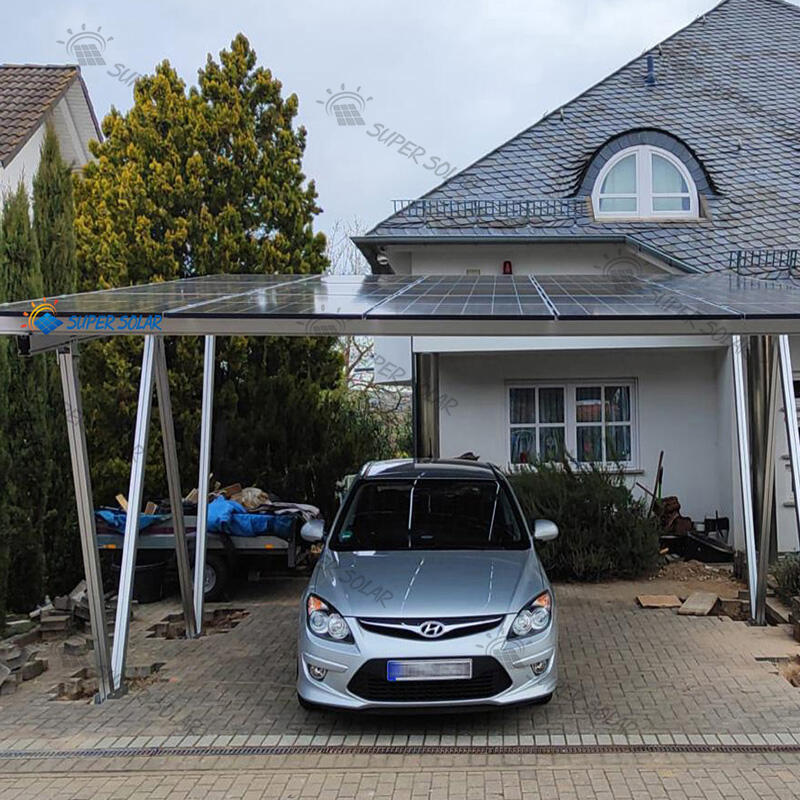
Commercial carport solar systems incorporate cutting-edge technology platforms that deliver sophisticated energy management, real-time monitoring, and intelligent optimization capabilities far beyond basic solar installations. Advanced inverter technology features maximum power point tracking algorithms that continuously optimize energy harvest from each panel, ensuring peak performance even under varying weather conditions or partial shading scenarios. Smart monitoring systems provide comprehensive performance analytics through web-based dashboards and mobile applications, enabling facility managers to track energy production, system efficiency, and maintenance requirements in real-time. Predictive maintenance algorithms analyze system performance data to identify potential issues before they impact energy generation, minimizing downtime and maximizing return on investment. Integration capabilities allow seamless connection with existing building energy management systems, creating holistic energy optimization across entire commercial facilities. Advanced grid-tie functionality enables sophisticated net metering arrangements, automatically managing energy flow between solar generation, facility consumption, and utility grid interactions for optimal financial performance. Battery storage integration options provide energy independence and backup power capabilities, ensuring critical operations continue during utility outages while storing excess solar energy for use during peak-rate periods. Electric vehicle charging station integration creates comprehensive sustainable transportation hubs, with intelligent load management systems balancing solar generation, building energy needs, and EV charging requirements. LED lighting integration utilizes solar-generated power for enhanced parking lot security and visibility, with smart controls adjusting brightness based on ambient light conditions and occupancy detection. Weather monitoring sensors automatically adjust system parameters and provide early warning for severe weather conditions that might require protective measures. Remote diagnostic capabilities enable expert technicians to troubleshoot and optimize system performance without physical site visits, reducing maintenance costs and response times. Advanced analytics provide detailed energy production forecasting, enabling businesses to make informed decisions about energy usage, storage requirements, and future system expansions based on comprehensive performance data and weather predictions.
 EN
EN