Seamless Integration with Smart Energy Management
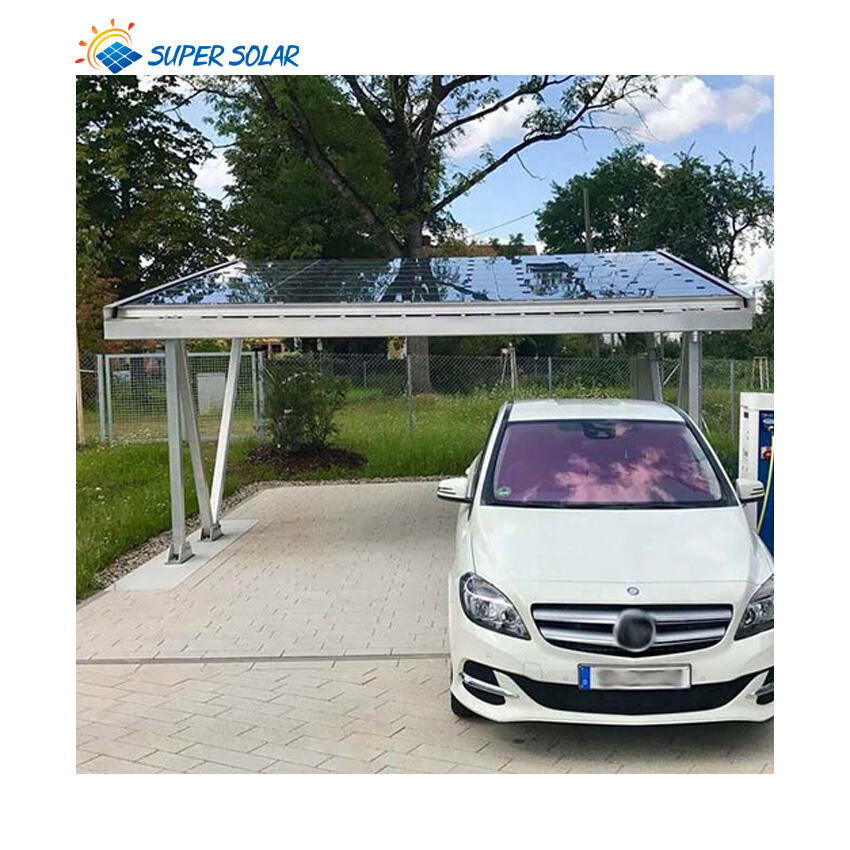
Modern solar carport kits incorporate sophisticated energy management technologies that transform simple parking structures into intelligent power generation hubs capable of optimizing electricity production, consumption, and storage based on real-time conditions and user preferences. The integrated monitoring systems provide detailed performance analytics through smartphone applications and web portals, allowing property owners to track energy production patterns, identify optimization opportunities, and diagnose potential issues before they impact system performance. Smart inverters automatically adjust power conversion efficiency based on grid conditions, weather patterns, and electrical load demands, maximizing energy harvest throughout varying daylight conditions and seasonal changes. Battery storage integration capabilities enable solar carport kits to store excess energy during peak production hours for use during evening periods, power outages, or grid demand peaks when electricity rates are highest. The load balancing features automatically prioritize critical electrical loads during limited production periods while maintaining optimal charging schedules for electric vehicles and battery systems. Advanced forecasting algorithms analyze weather data and historical production patterns to predict daily energy generation, enabling proactive energy management decisions and grid interaction strategies. Electric vehicle charging integration allows direct solar power utilization for transportation needs, reducing both electricity costs and carbon footprints while supporting the transition to sustainable mobility solutions. The scalable architecture supports future expansion through additional panel installations, battery capacity increases, or advanced energy management features as technology evolves and property needs change. Remote diagnostics capabilities enable professional technicians to monitor system health, perform troubleshooting, and schedule maintenance activities without requiring on-site visits for routine system checks. Grid-tie functionality with net metering capabilities allows excess energy production to be fed back into the electrical grid, creating potential revenue streams while supporting community energy needs during peak demand periods. The cybersecurity features protect energy management systems from unauthorized access and ensure data privacy for monitoring and control applications. Integration with home automation systems enables coordinated energy management that considers overall property energy consumption patterns, weather forecasts, and utility rate structures to minimize electricity costs while maximizing renewable energy utilization.
 EN
EN