Advanced Energy Management and Smart Technology Integration
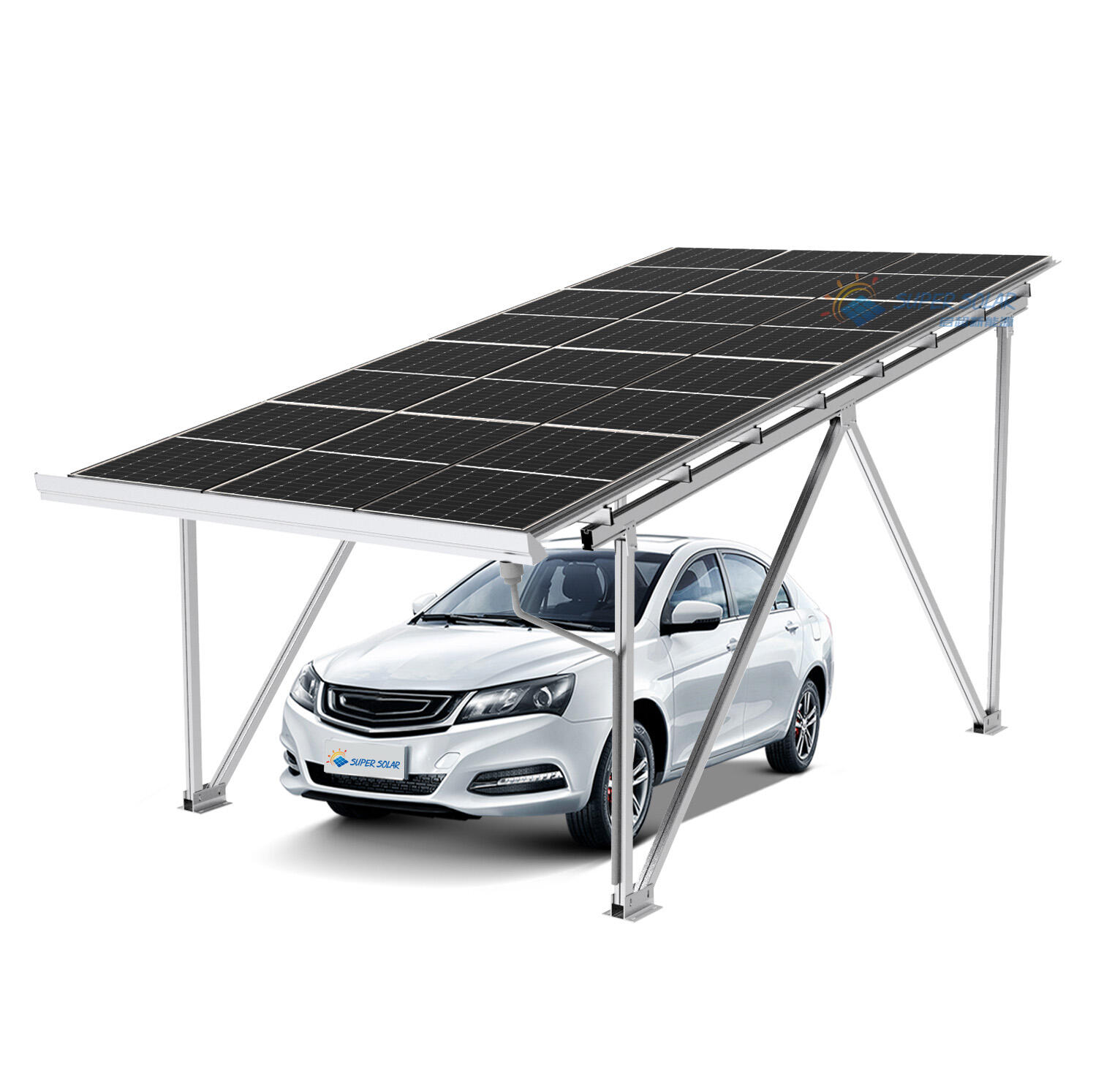
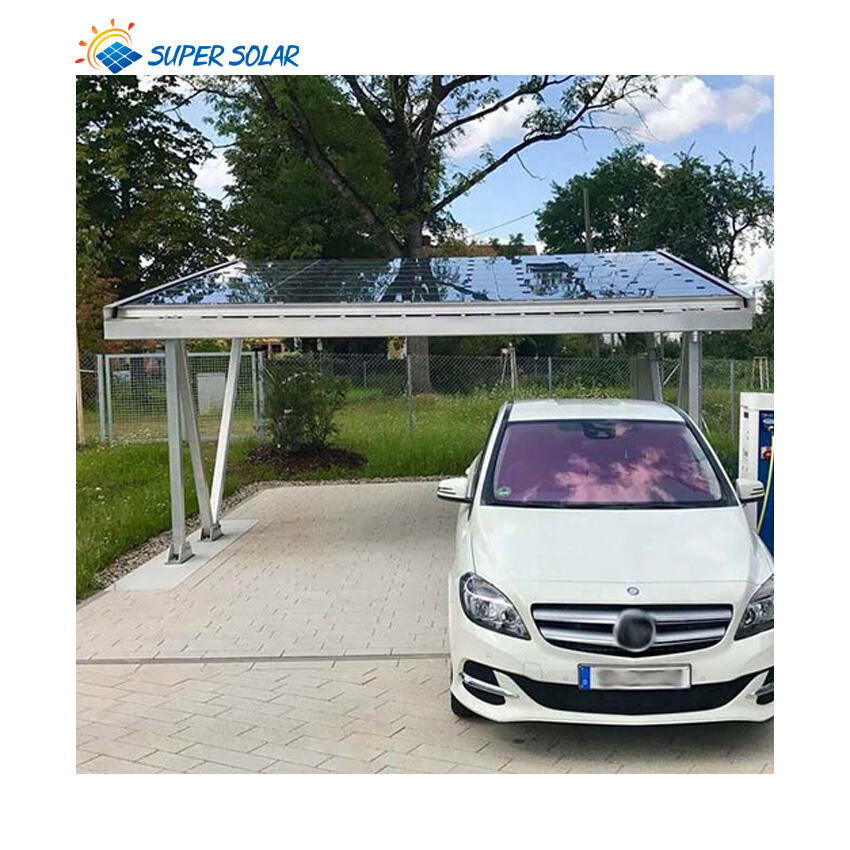
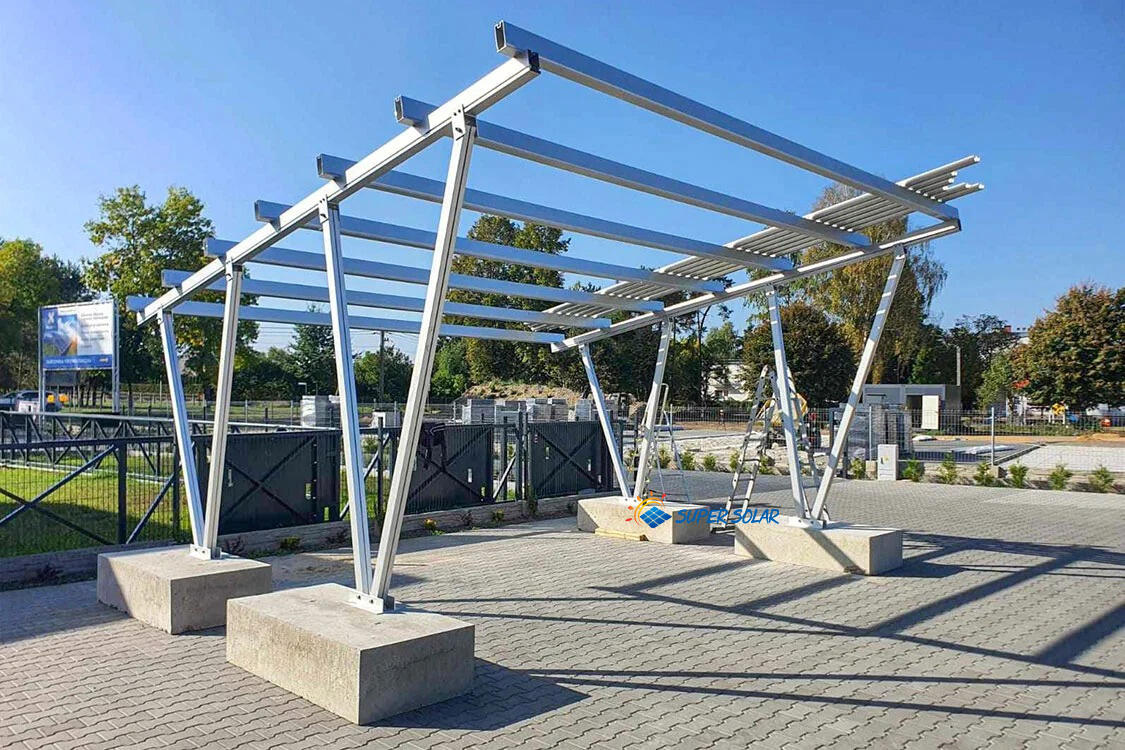
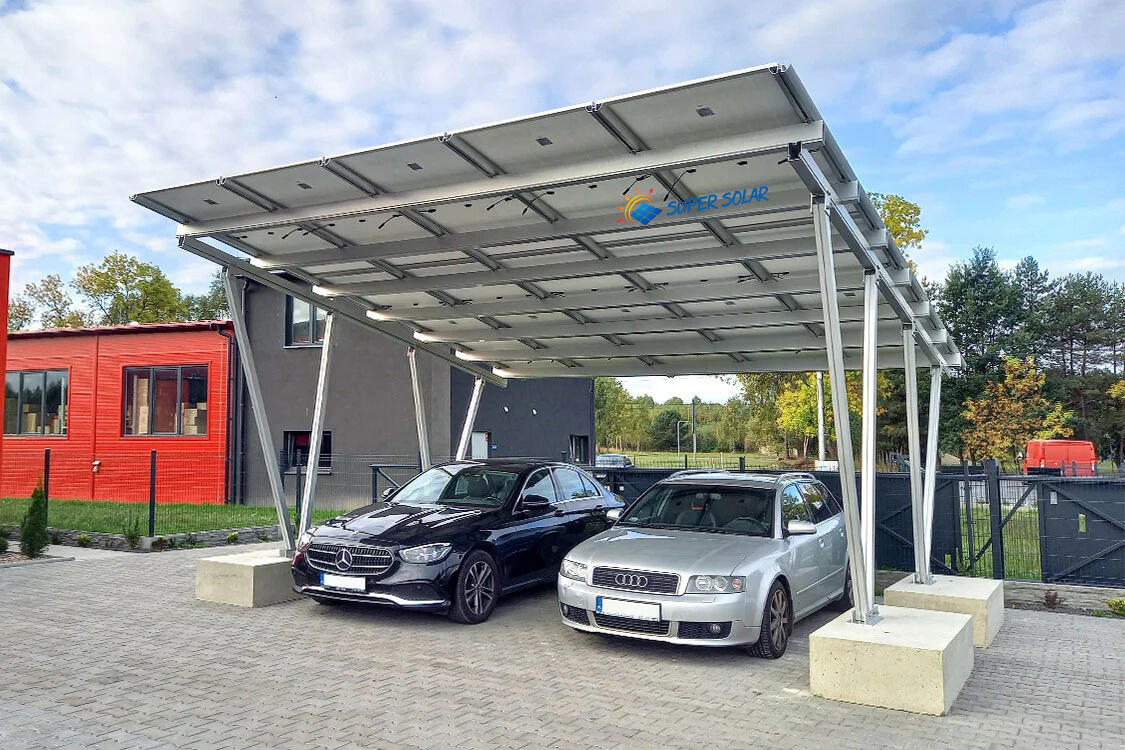
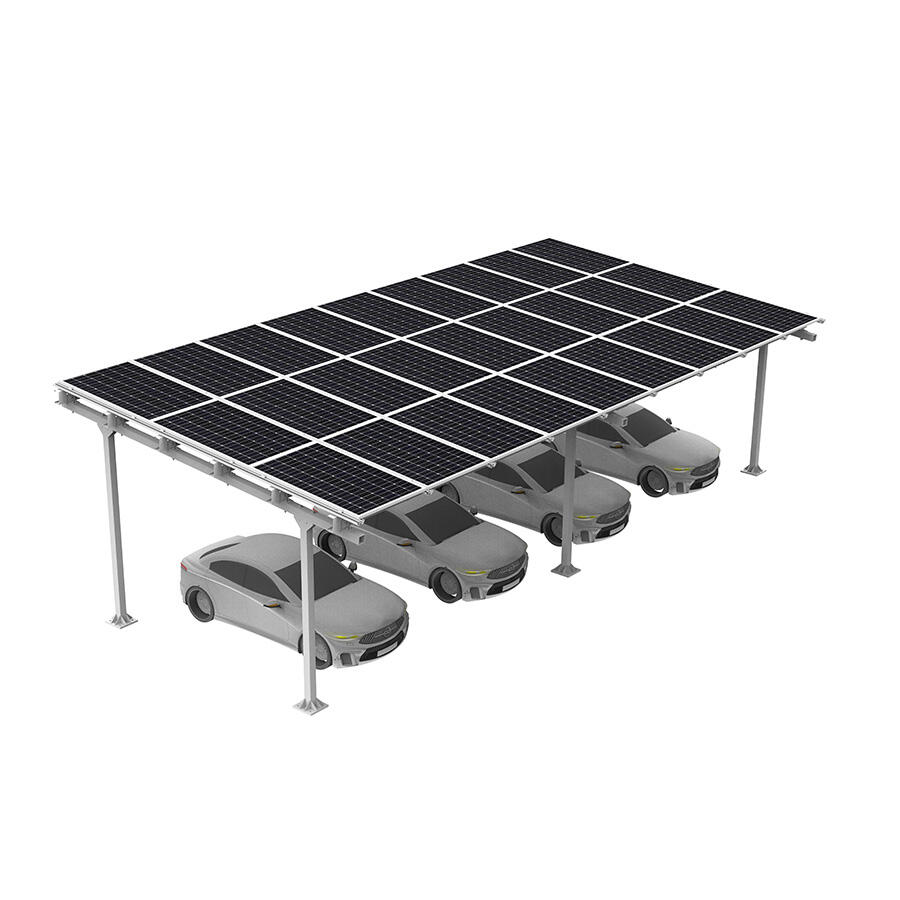
Modern solar powered carport systems incorporate sophisticated energy management technologies that optimize performance, monitor system health, and provide users with comprehensive control over their renewable energy investment. These intelligent systems feature real-time monitoring capabilities that track energy production, consumption patterns, weather conditions, and equipment performance through advanced sensors and communication networks. Users can access detailed analytics through smartphone applications or web-based dashboards that display current energy generation, historical performance data, predicted output based on weather forecasts, and maintenance alerts when system attention becomes necessary. The solar powered carport integrates seamlessly with smart home automation systems, enabling automated load management that prioritizes essential appliances during peak production hours and shifts energy-intensive activities to optimal solar generation periods. Advanced inverter technology includes maximum power point tracking algorithms that continuously adjust system parameters to extract optimal energy from solar panels under varying light conditions, cloud cover, and temperature fluctuations. Grid-tie capabilities allow excess energy production to flow back into the electrical grid, earning credits or payments through net metering programs while providing backup power options during utility outages. Battery integration transforms the solar powered carport into a comprehensive energy storage solution that provides electricity during evening hours, cloudy weather, or emergency situations when grid power becomes unavailable. Smart charging features automatically optimize electric vehicle charging schedules based on solar energy availability, electricity rates, and user preferences, maximizing the use of clean, self-generated power while minimizing grid dependence. Predictive maintenance algorithms analyze system performance trends to identify potential issues before they impact energy production, scheduling maintenance activities during optimal weather windows to minimize downtime. Remote diagnostic capabilities enable technicians to troubleshoot system problems and perform software updates without physical site visits, reducing maintenance costs and improving system reliability. The solar powered carport can also integrate with energy management systems that coordinate with utility demand response programs, automatically adjusting energy consumption during peak demand periods to reduce electricity costs and support grid stability initiatives.
 EN
EN