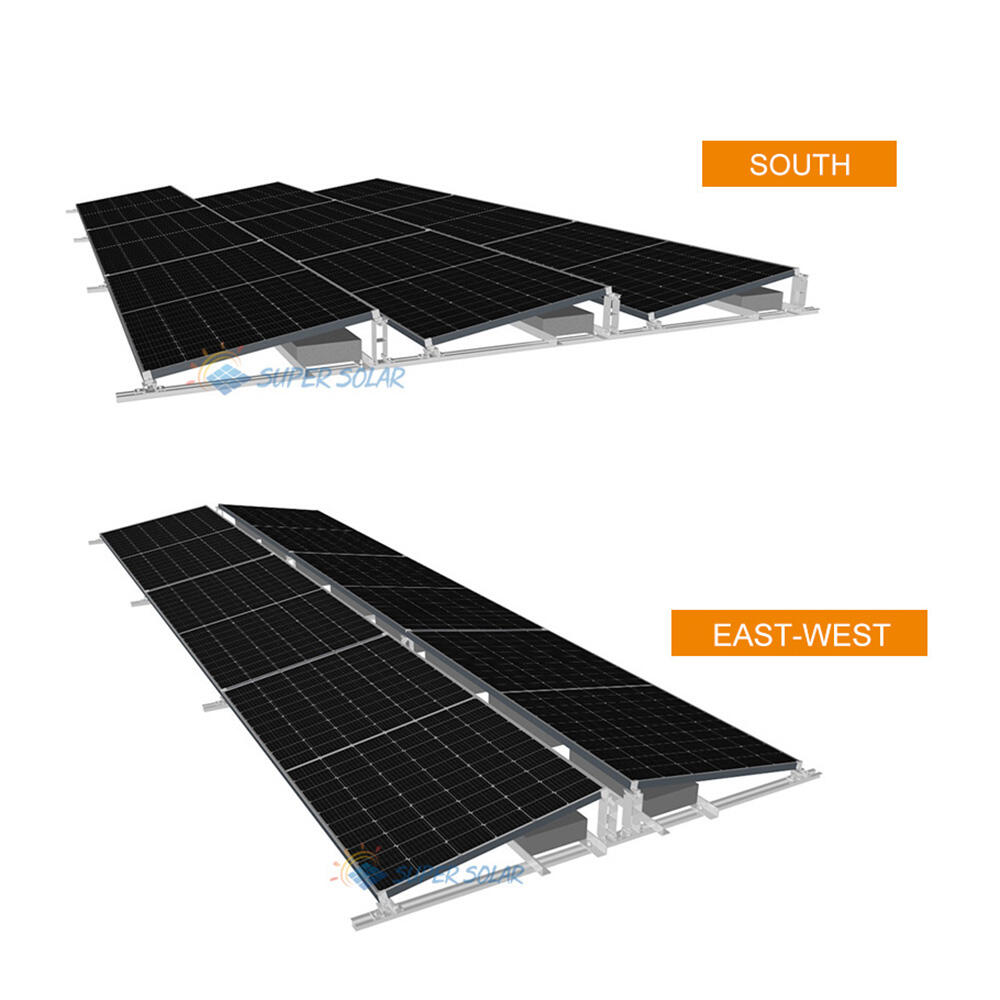
solar pv ground mount
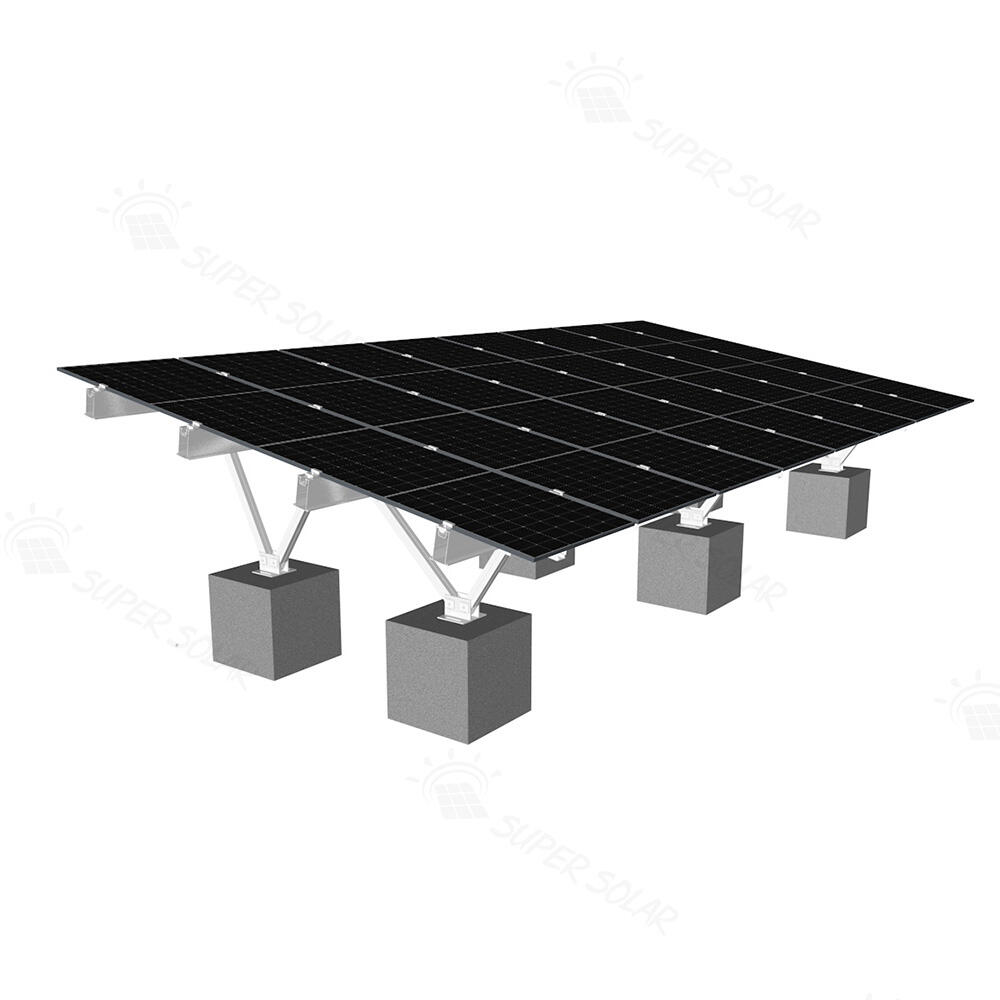
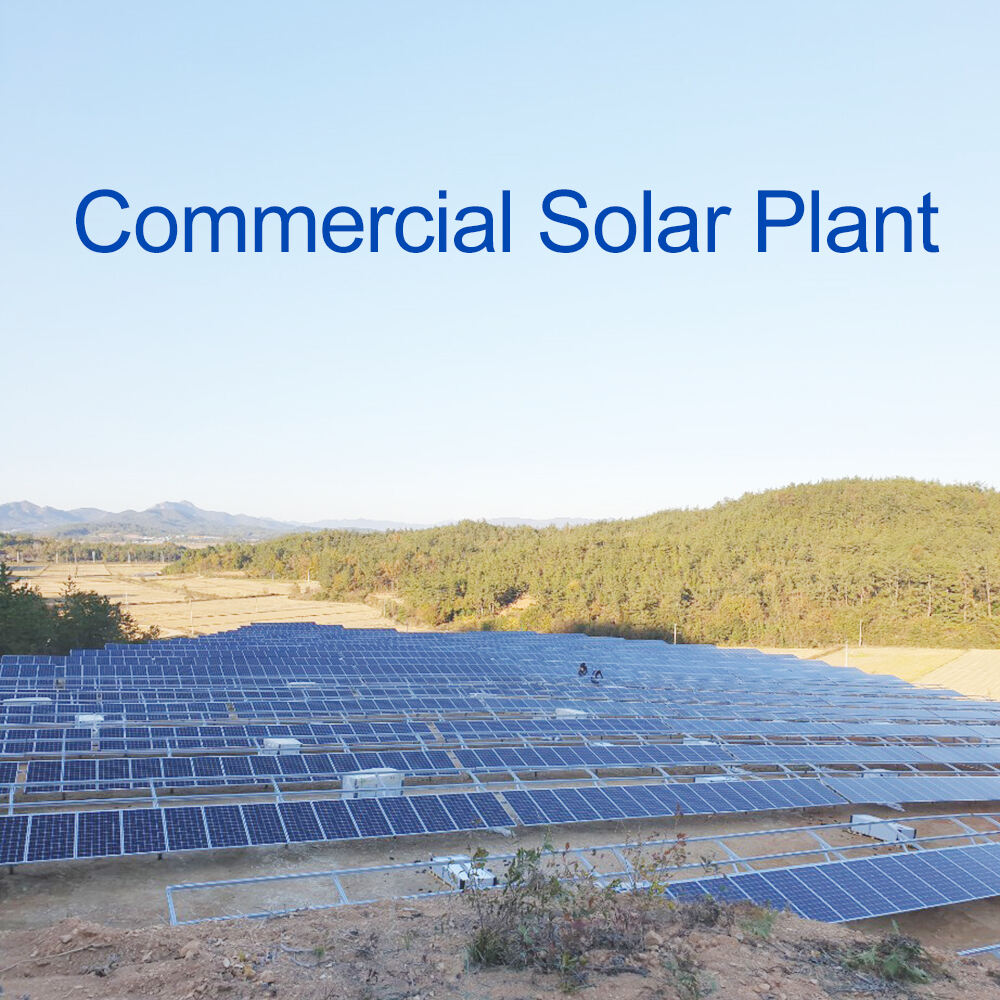
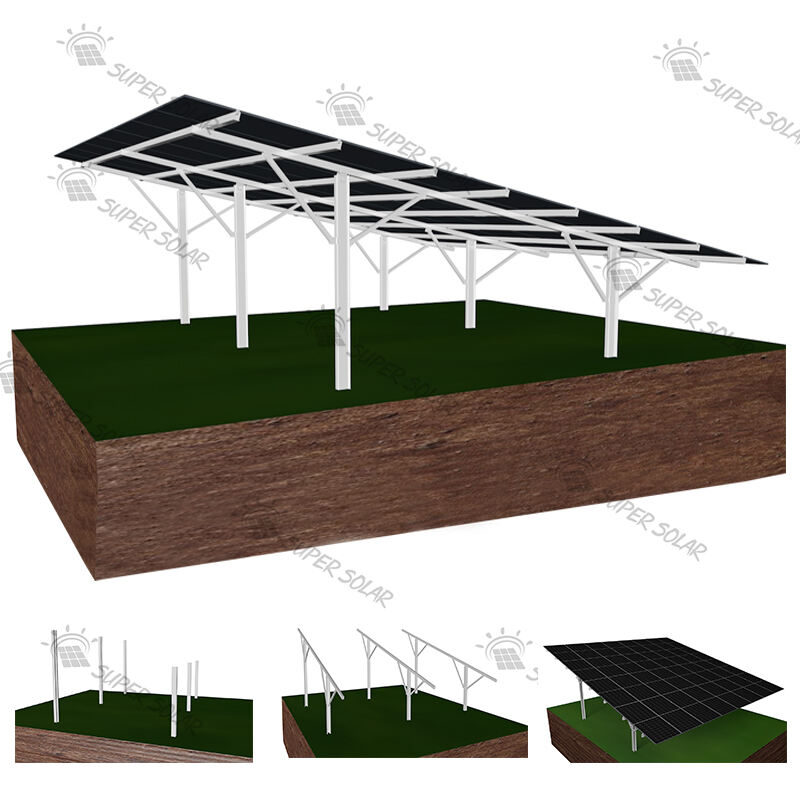
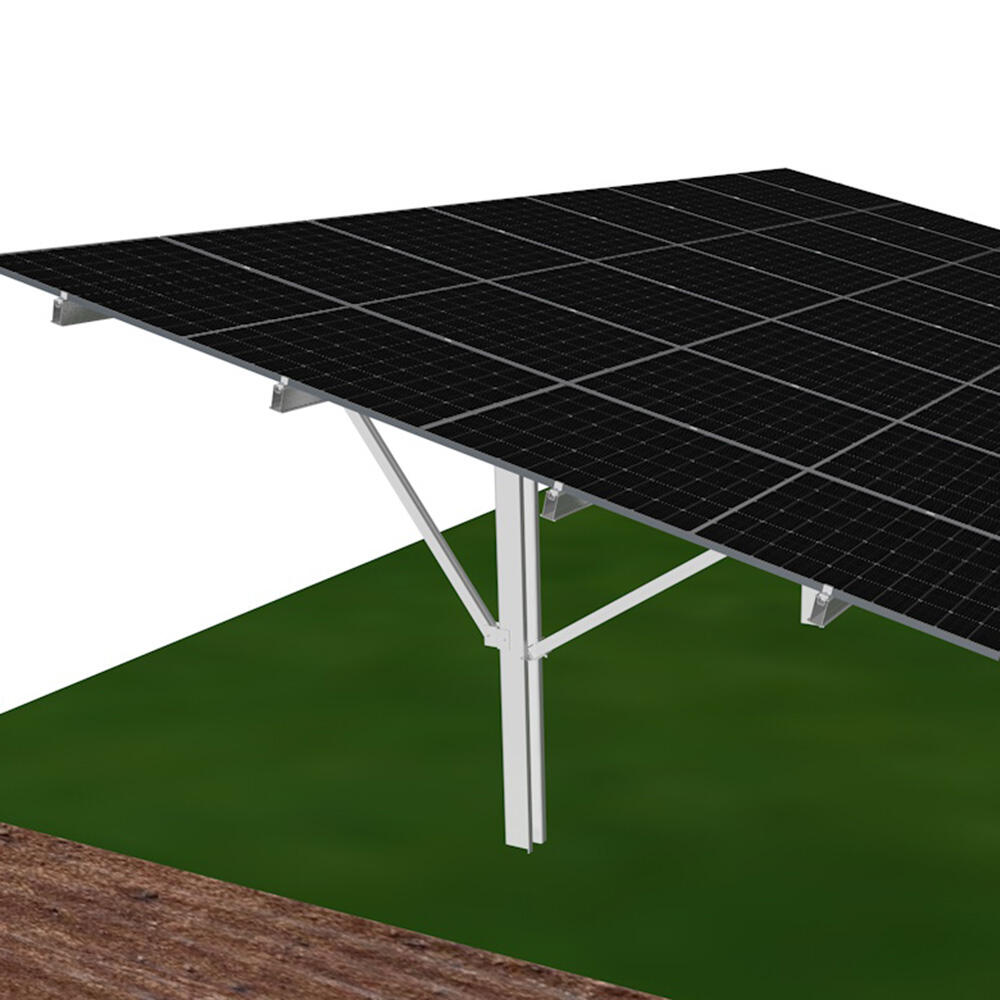
Solar PV ground mount systems represent a fundamental solution for large-scale solar energy installations, providing the structural foundation necessary to securely position photovoltaic panels on ground surfaces. These mounting systems serve as the critical link between solar panels and the earth, ensuring optimal positioning for maximum energy generation while maintaining structural integrity throughout various weather conditions. The primary function of a solar PV ground mount involves supporting solar panels at precise angles and orientations to capture sunlight most effectively, typically ranging from 15 to 45 degrees depending on geographical location and seasonal requirements. Modern solar PV ground mount systems incorporate advanced engineering features including corrosion-resistant materials, typically galvanized steel or aluminum construction, which ensures longevity and durability in outdoor environments. The technological framework encompasses adjustable tilt mechanisms, allowing operators to modify panel angles seasonally for enhanced energy capture efficiency. Wind load calculations and seismic considerations form integral components of solar PV ground mount design, ensuring installations remain stable during extreme weather events. Foundation options vary from concrete footings to helical piles, depending on soil conditions and local building requirements. The modular design of contemporary solar PV ground mount systems facilitates scalable installations, accommodating projects ranging from residential arrays to utility-scale solar farms spanning hundreds of acres. Installation methodology involves precise site surveying, foundation preparation, structural assembly, and panel mounting, requiring specialized knowledge of electrical and mechanical systems. Applications extend across commercial, industrial, and utility sectors, with solar PV ground mount systems supporting everything from small business installations to massive power generation facilities. The versatility of these systems allows deployment in diverse geographical locations, from desert environments to agricultural settings, making solar energy accessible across varied landscapes and climatic conditions.
 EN
EN