Ground Mounted Solar Systems: Complete Guide to Benefits, Installation & Performance

All Categories

ground mounted solar

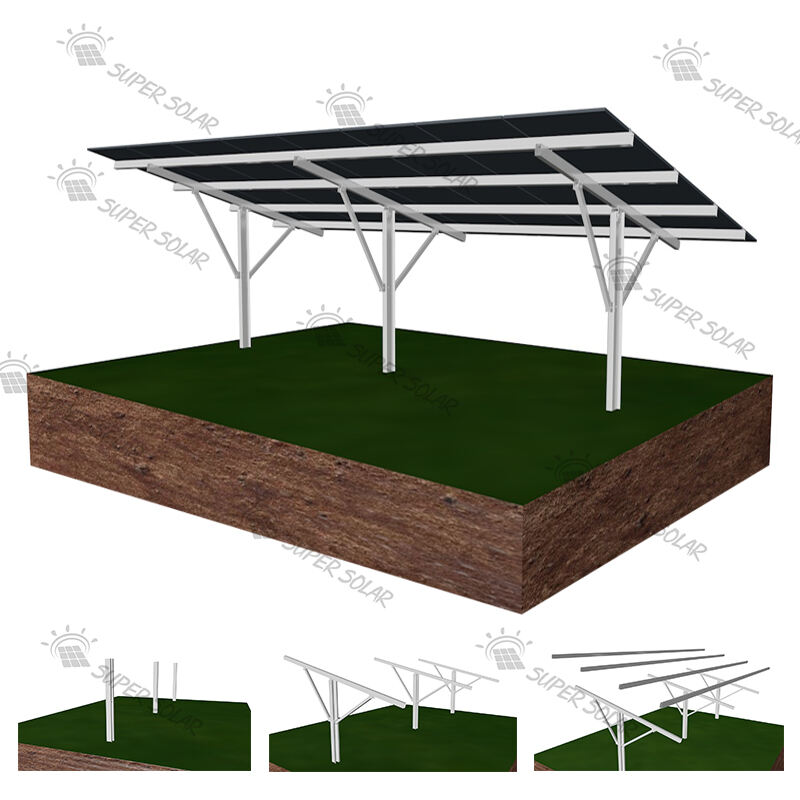
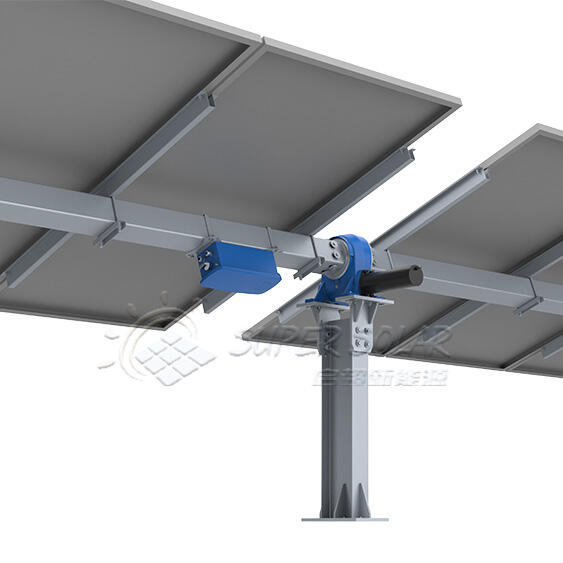
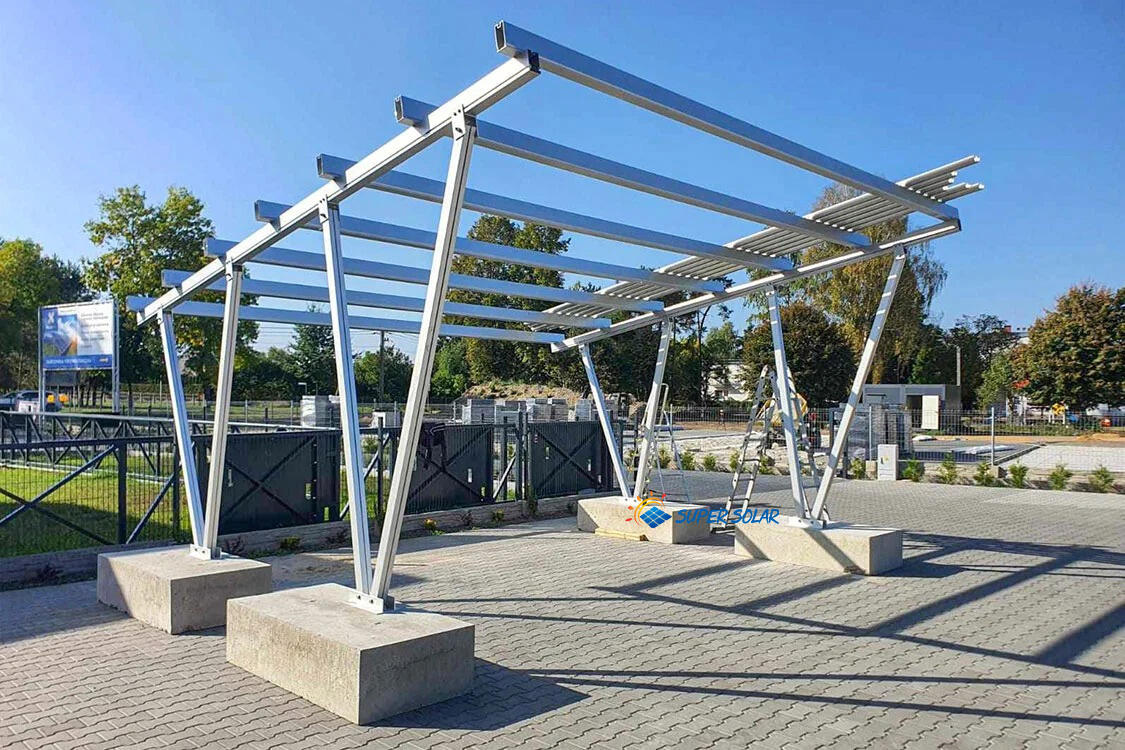
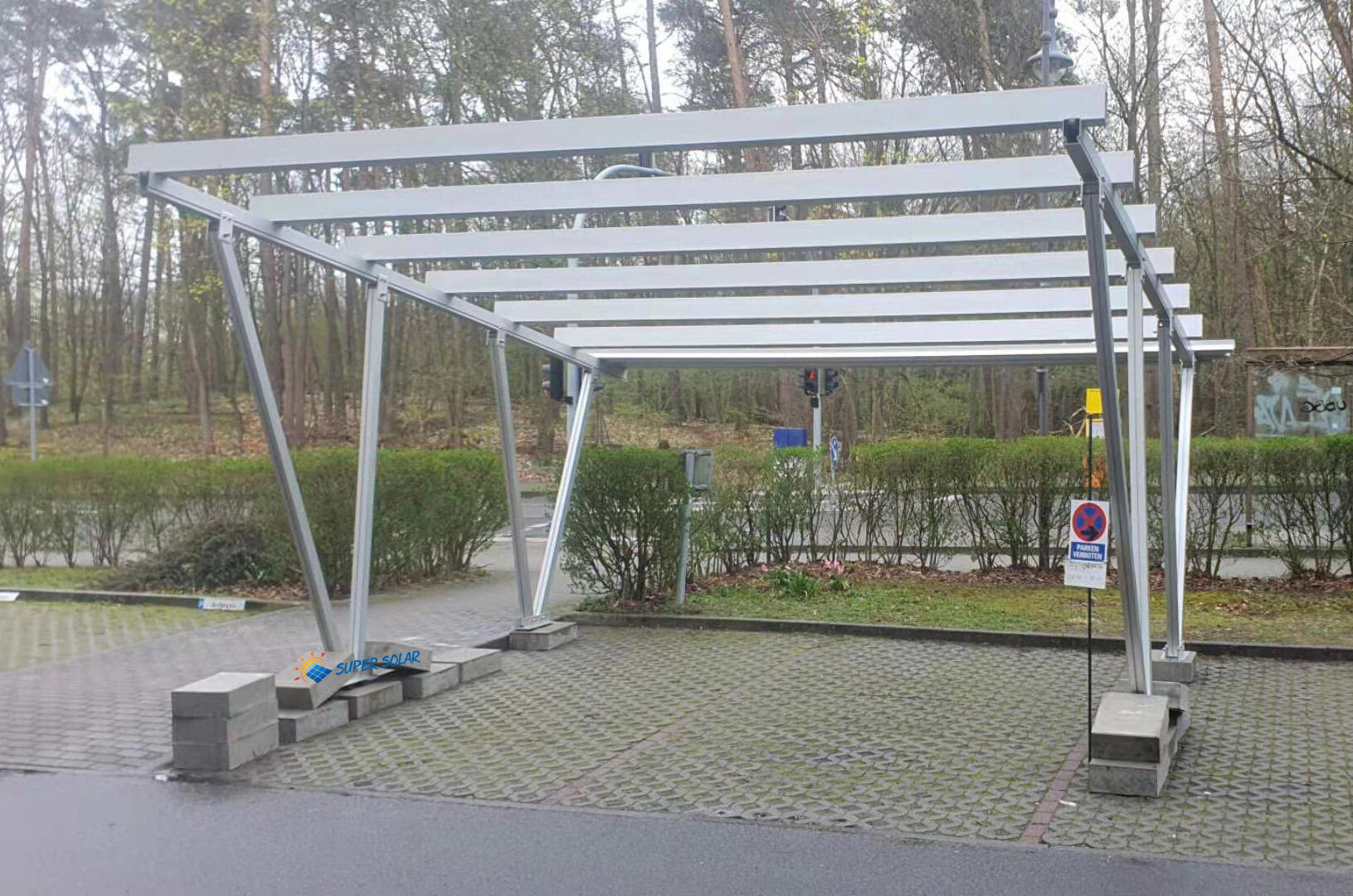
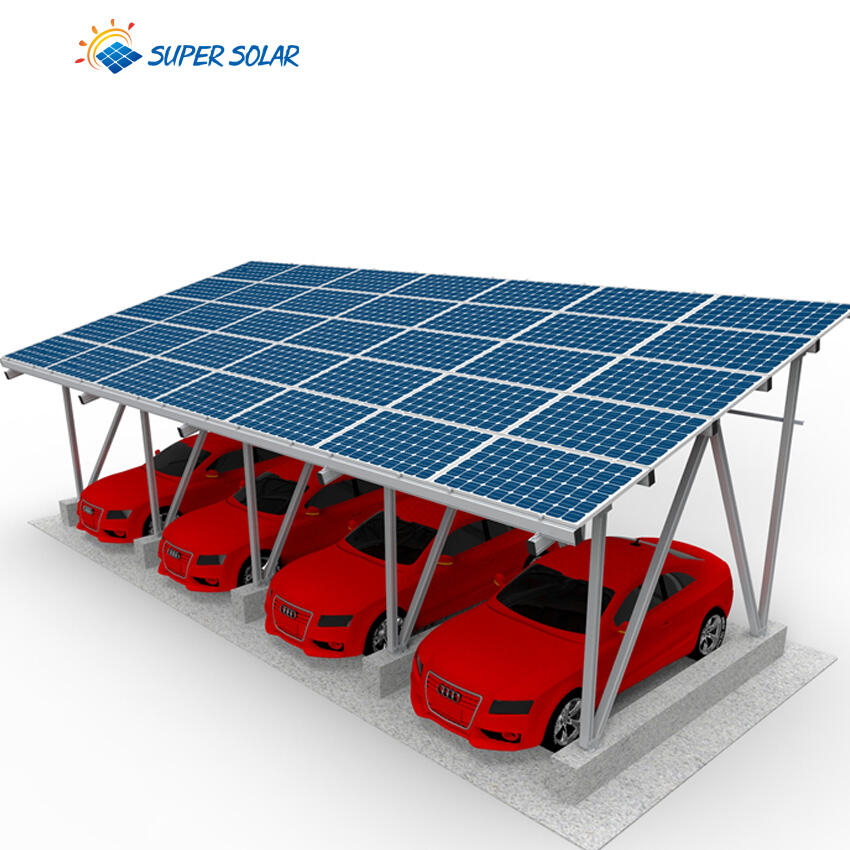
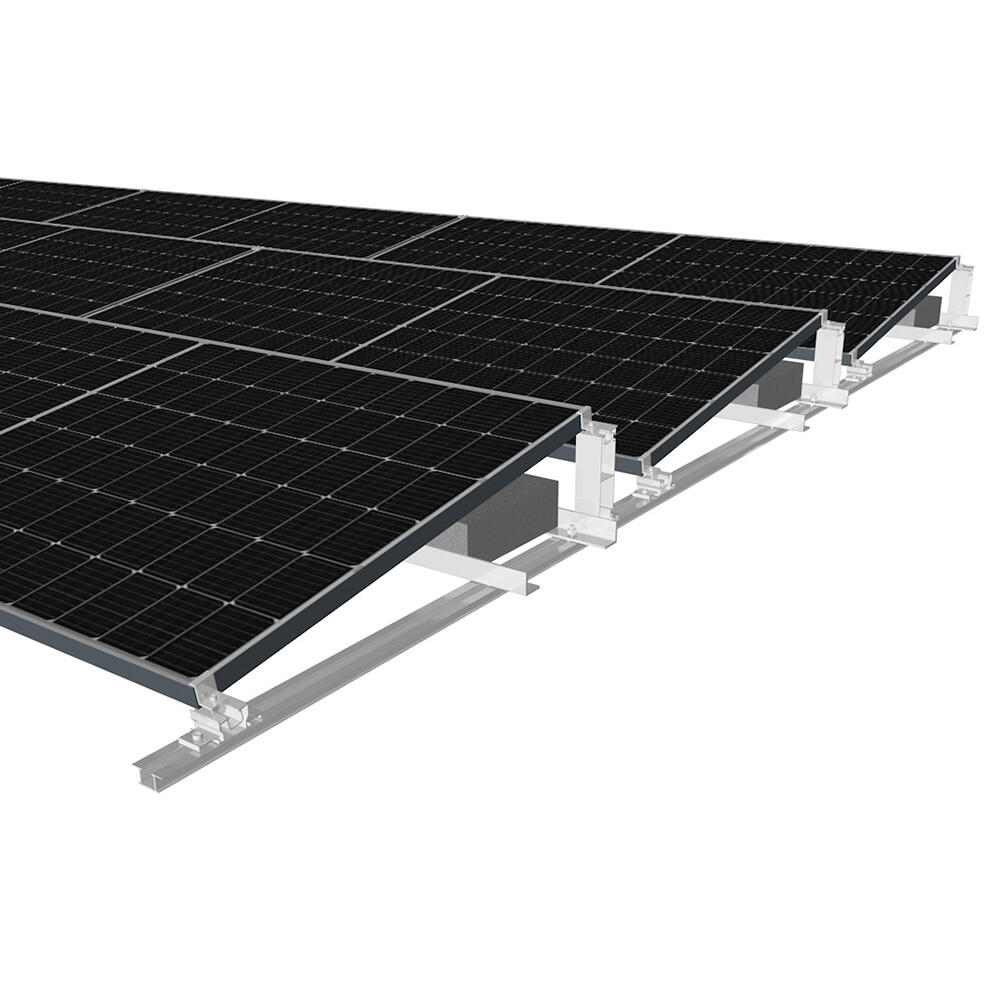
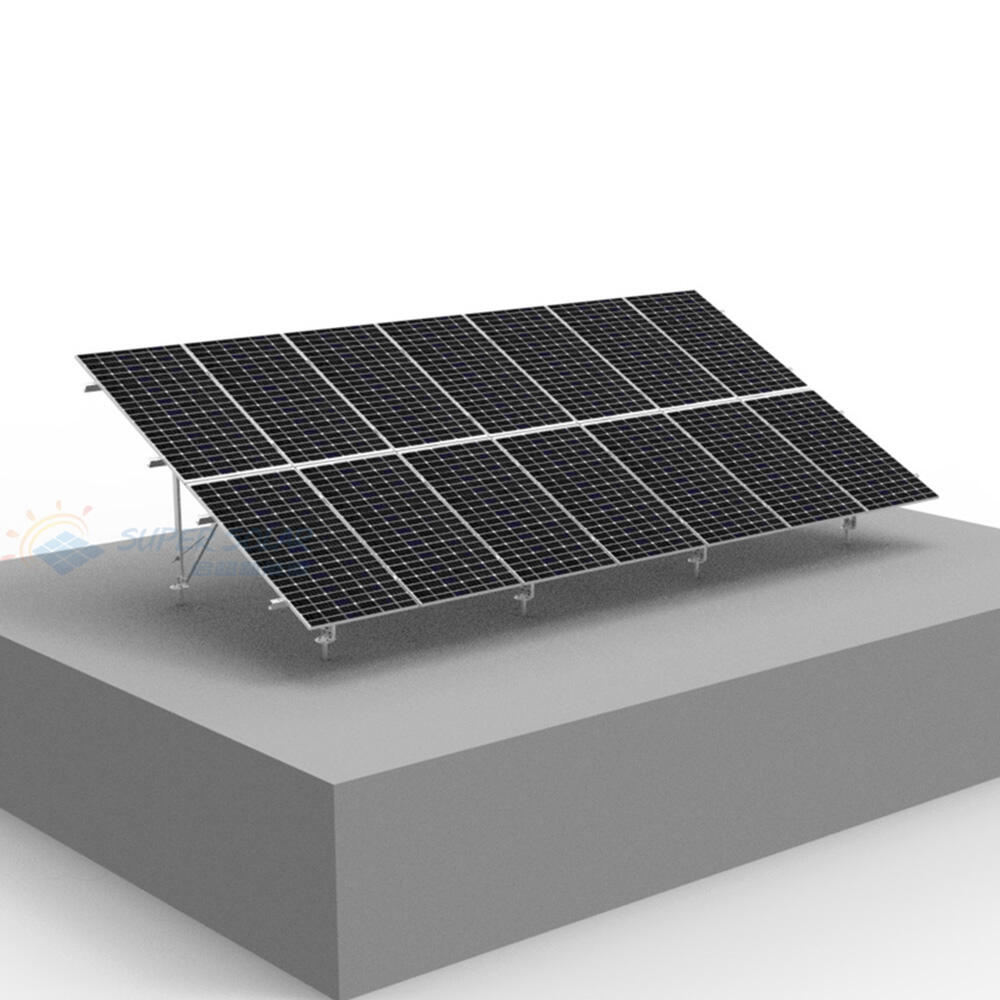
Ground mounted solar systems represent a revolutionary approach to renewable energy generation, offering property owners an efficient and flexible solution for harnessing the sun's power. These installations consist of photovoltaic panels positioned on specialized mounting structures that are directly anchored to the ground, creating independent energy production facilities separate from existing buildings. Unlike rooftop installations, ground mounted solar arrays provide complete design freedom, allowing for optimal panel positioning and spacing to maximize energy capture throughout the day. The technology employs robust aluminum or steel mounting frameworks that secure solar panels at predetermined angles, typically ranging from 15 to 40 degrees depending on geographical location and seasonal requirements. Advanced tracking systems can be integrated into ground mounted solar configurations, enabling panels to follow the sun's path across the sky for enhanced energy production. These systems incorporate sophisticated inverter technology that converts direct current electricity generated by the panels into alternating current suitable for home consumption or grid connection. Ground mounted solar installations accommodate various panel types, including monocrystalline, polycrystalline, and thin-film technologies, each offering distinct performance characteristics and cost considerations. The mounting structures feature weather-resistant materials designed to withstand extreme environmental conditions, including high winds, snow loads, and temperature fluctuations. Installation typically involves concrete foundations or ground screws that provide stable anchoring while minimizing environmental impact. Modern ground mounted solar systems integrate smart monitoring capabilities, allowing users to track energy production, system performance, and maintenance requirements through mobile applications or web-based platforms. These installations can be scaled from small residential arrays generating a few kilowatts to massive commercial and utility-scale projects producing hundreds of megawatts, making ground mounted solar suitable for diverse energy needs and property sizes.

New Product Releases

Ground mounted solar systems deliver exceptional benefits that make them an intelligent investment for property owners seeking sustainable energy solutions. The primary advantage lies in their superior energy production capabilities, as these systems can be positioned at optimal angles and orientations regardless of existing roof conditions or building limitations. This flexibility translates directly into higher electricity generation and faster return on investment compared to constrained rooftop installations. Installation costs often prove more economical since ground mounted solar systems eliminate the need for complex roof penetrations, specialized flashing, and structural modifications that increase project complexity and expense. Maintenance becomes significantly easier when panels are positioned at ground level, allowing technicians to perform cleaning, inspections, and repairs without expensive scaffolding or safety equipment required for roof-based systems. Property owners can easily access their ground mounted solar installation for routine maintenance tasks like snow removal or vegetation management, reducing long-term operational costs. The modular nature of ground mounted solar systems enables seamless expansion as energy needs grow or budgets allow, providing scalability that rooftop systems cannot match. These installations offer remarkable durability since they avoid the thermal stress and moisture exposure associated with rooftop mounting, potentially extending system lifespan and reducing replacement costs. Ground mounted solar arrays can be strategically positioned to avoid shading from trees, buildings, or other obstructions that might compromise rooftop installations, ensuring consistent energy production throughout the day. The systems provide excellent ventilation around panels, preventing overheating that can reduce efficiency and accelerate component degradation. Property aesthetics remain uncompromised since ground mounted solar installations can be positioned in discrete locations away from primary viewing areas, maintaining curb appeal while generating clean energy. Environmental benefits include reduced carbon footprint, decreased reliance on fossil fuels, and contribution to grid stability through distributed energy generation. Financial advantages encompass federal tax credits, state incentives, net metering programs, and long-term electricity cost savings that can eliminate or significantly reduce monthly utility bills. The technology's proven reliability and minimal maintenance requirements make ground mounted solar an attractive option for property owners seeking hassle-free renewable energy solutions with predictable performance and returns.

Practical Tips

What Is a Solar Tracker?

22

Jul

What Is a Solar Tracker?

Understanding Solar Trackers: Definition and Core Functions What Does a Solar Tracker Do? A solar tracker is a sophisticated device crucial for optimizing the performance of solar panels by orienting them towards the sun throughout the day. Its prim...
View More
What Is a Solar Carport for Residential Homes and Why Use It?

20

Aug

What Is a Solar Carport for Residential Homes and Why Use It?

The Growing Popularity of Residential Solar Carports As homeowners increasingly look for ways to reduce energy costs and embrace sustainable living, the solar carport has emerged as a smart solution. A solar carport not only provides shelter for vehi...
View More
Can a Solar Carport Power Your Entire Home Efficiently?

20

Aug

Can a Solar Carport Power Your Entire Home Efficiently?

The Rising Popularity of Solar Carports in Residential Homes As the demand for renewable energy solutions continues to grow, the solar carport has become one of the most practical and efficient ways for homeowners to generate electricity. Unlike trad...
View More
How to Maximize ROI with Commercial Solar Carport Systems

20

Aug

How to Maximize ROI with Commercial Solar Carport Systems

Unlocking the Potential of Commercial Solar Carport Investments For property owners and businesses with large parking areas, a solar carport represents more than just a renewable energy upgrade. It is an investment that transforms unused open space i...
View More

Leave Message

Our representative will contact you soon.
Email
Name
Company Name
Message
0/1000

ground mounted solar

Optimal Energy Production Through Strategic Positioning

Optimal Energy Production Through Strategic Positioning

Ground mounted solar systems excel in energy production by offering unlimited flexibility in panel positioning and orientation, a critical advantage that directly impacts system performance and financial returns. Unlike rooftop installations that must conform to existing architectural constraints, ground mounted solar arrays can be precisely aligned to capture maximum sunlight throughout the year. Solar engineers can calculate the optimal tilt angle based on latitude and seasonal sun patterns, ensuring panels receive direct sunlight during peak production hours. This strategic positioning typically results in 10-25% higher energy output compared to suboptimally oriented rooftop systems, translating into substantial long-term savings and faster payback periods. The ability to avoid shading obstacles represents another crucial benefit, as even minimal shading can significantly reduce overall system performance due to the way solar panels are electrically connected. Ground mounted solar installations can be positioned away from trees, buildings, chimneys, and other structures that might cast shadows during crucial midday hours when energy production peaks. Advanced ground mounted solar systems can incorporate dual-axis tracking technology, allowing panels to follow the sun's movement throughout the day and across seasons, potentially increasing energy production by up to 35% compared to fixed installations. The superior ventilation around ground mounted solar panels prevents overheating, which can reduce efficiency by 10-20% in poorly ventilated rooftop systems. Proper airflow maintains optimal operating temperatures, ensuring panels perform at rated capacity even during hot summer months. Additionally, ground mounted solar systems can be designed with optimal spacing between panel rows to prevent inter-row shading while maximizing land utilization. This careful planning ensures consistent energy production across the entire array, eliminating performance variations that can occur in cramped rooftop installations. The flexibility to use different panel types and configurations within a single ground mounted solar system allows for customized solutions that match specific energy requirements and budget constraints. Property owners can start with a smaller ground mounted solar array and expand capacity as needs grow or finances permit, creating a scalable energy solution that adapts to changing circumstances.
Enhanced Accessibility and Simplified Maintenance

Enhanced Accessibility and Simplified Maintenance

Ground mounted solar systems provide unparalleled accessibility advantages that significantly reduce long-term operational costs and maintenance complexity compared to rooftop alternatives. The ground-level positioning eliminates safety hazards associated with working at heights, allowing property owners and technicians to perform routine maintenance tasks without specialized equipment, insurance considerations, or safety protocols required for roof-based systems. This accessibility translates into lower service costs since maintenance professionals can reach components quickly and safely, reducing labor time and eliminating expensive scaffolding or lift equipment rentals. Regular cleaning becomes a straightforward task that property owners can perform themselves using standard garden hoses and soft brushes, ensuring optimal panel performance without professional service calls. Snow removal, a critical maintenance requirement in northern climates, becomes manageable with ground mounted solar installations, whereas rooftop systems may require professional removal or remain covered for extended periods, reducing energy production during winter months. The ability to easily inspect connections, wiring, and mounting hardware enables proactive maintenance that can prevent minor issues from developing into costly repairs. Ground mounted solar systems allow for convenient vegetation management around the installation perimeter, preventing overgrowth that could create shading or debris accumulation problems. Component replacement becomes significantly more efficient when panels and inverters are accessible at ground level, reducing service time and associated costs. Monitoring equipment, weather stations, and communication devices can be easily installed and maintained within ground mounted solar arrays, enabling sophisticated performance tracking and fault detection systems. The enhanced accessibility also facilitates system upgrades and modifications, allowing property owners to incorporate new technologies or expand capacity without the structural limitations imposed by rooftop installations. Emergency shutoff procedures become safer and more reliable when system components are readily accessible to first responders or maintenance personnel. During extreme weather events, ground mounted solar systems can be quickly inspected for damage and restored to operation more rapidly than elevated installations that require specialized access equipment. This enhanced maintenance capability ensures higher system availability and more consistent energy production over the system's operational lifetime, maximizing the return on investment while minimizing unexpected repair costs and service disruptions.
Flexible Installation Options and Scalable Design

Flexible Installation Options and Scalable Design

Ground mounted solar systems offer exceptional installation flexibility and scalability that makes them suitable for diverse property types and evolving energy needs. The installation process bypasses the structural limitations and complications associated with rooftop mounting, eliminating concerns about roof age, material compatibility, weight capacity, and weatherproofing that can complicate or prevent rooftop solar projects. Ground mounted solar installations can be positioned on various terrain types, from flat lawns to gently sloping fields, with mounting systems designed to accommodate different soil conditions and drainage requirements. The foundation options range from concrete piers to helical ground screws, allowing installers to select the most appropriate anchoring method based on local soil conditions, frost depth, and environmental factors. This flexibility extends to system sizing, as ground mounted solar arrays can start small and expand incrementally as energy needs grow or budgets allow, creating a modular approach that spreads investment costs over time. Property owners can begin with a basic ground mounted solar system and later incorporate battery storage, electric vehicle charging stations, or additional panel capacity without major reconstruction or system redesign. The scalable nature accommodates changing household energy consumption patterns, such as adding electric vehicles, heat pumps, or home additions that increase electricity demand. Zoning and setback requirements are typically more favorable for ground mounted solar installations compared to building-mounted systems, providing greater site selection flexibility within property boundaries. The systems can be designed to complement landscape features, incorporating pathways, fencing, or agricultural dual-use configurations that maximize land utilization while generating clean energy. Advanced ground mounted solar designs can integrate with smart grid technologies, energy storage systems, and home automation platforms, creating comprehensive energy management solutions that optimize consumption and production patterns. The installation timeline often proves shorter than rooftop projects since ground mounted solar systems avoid complications related to electrical panel upgrades, structural reinforcement, or coordination with roofing contractors. Permitting processes may be streamlined for ground mounted solar installations, particularly in rural or suburban areas where property owners have more discretion over land use decisions. The flexible design also accommodates future maintenance access, utility connections, and system modifications that might be required as technology evolves or property uses change over time, ensuring long-term viability and adaptability of the renewable energy investment.

Leave Message

Our representative will contact you soon.
Email
Name
Company Name
Message
0/1000