Ground Mount Solar Ballast Systems: Flexible, Stable, and Cost-Effective Solar Mounting Solutions

All Categories

ground mount solar ballast

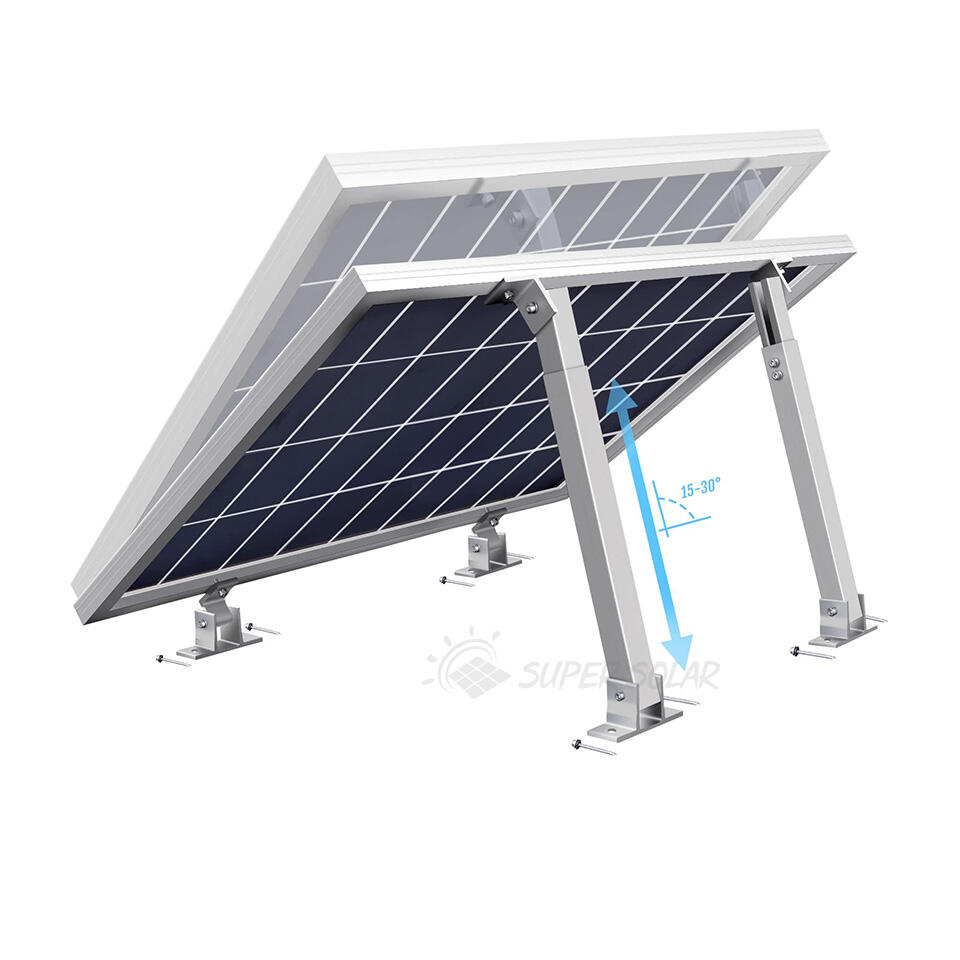
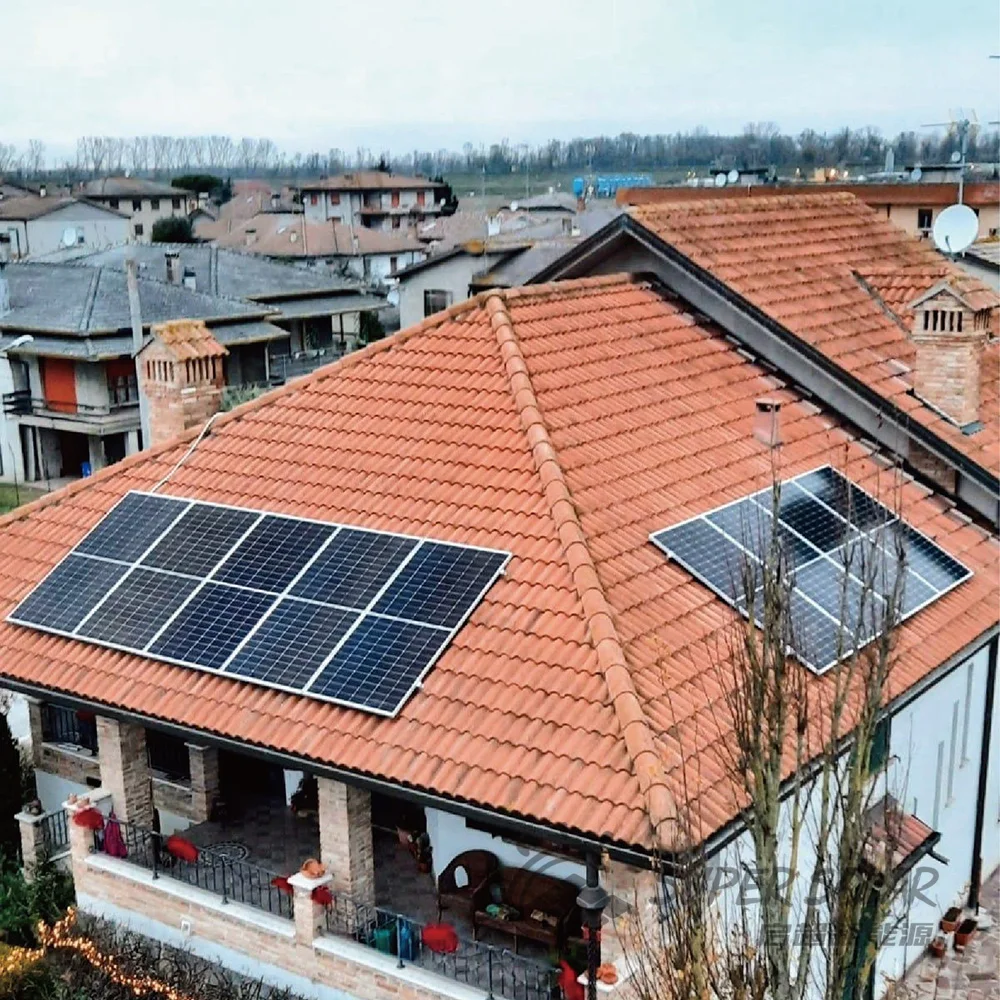
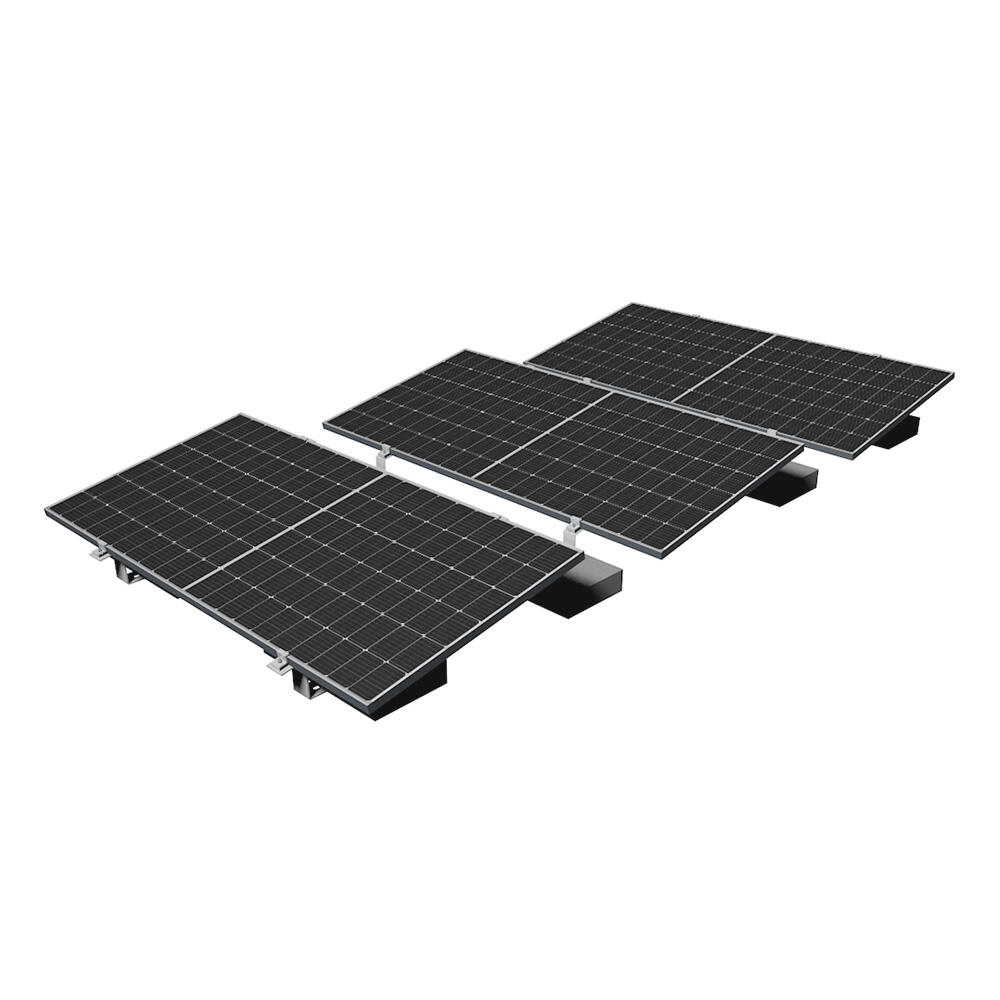
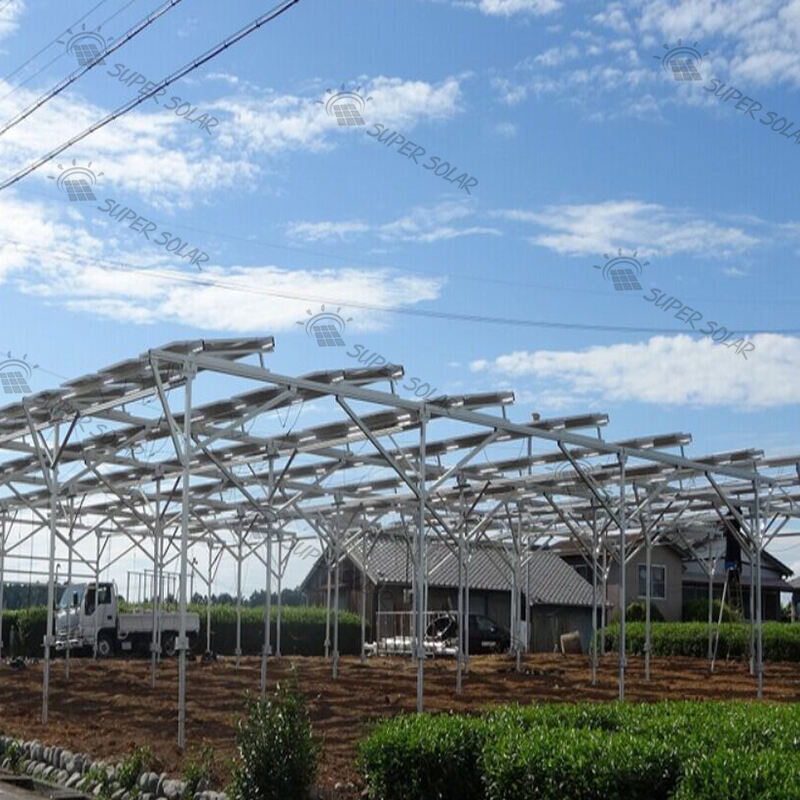
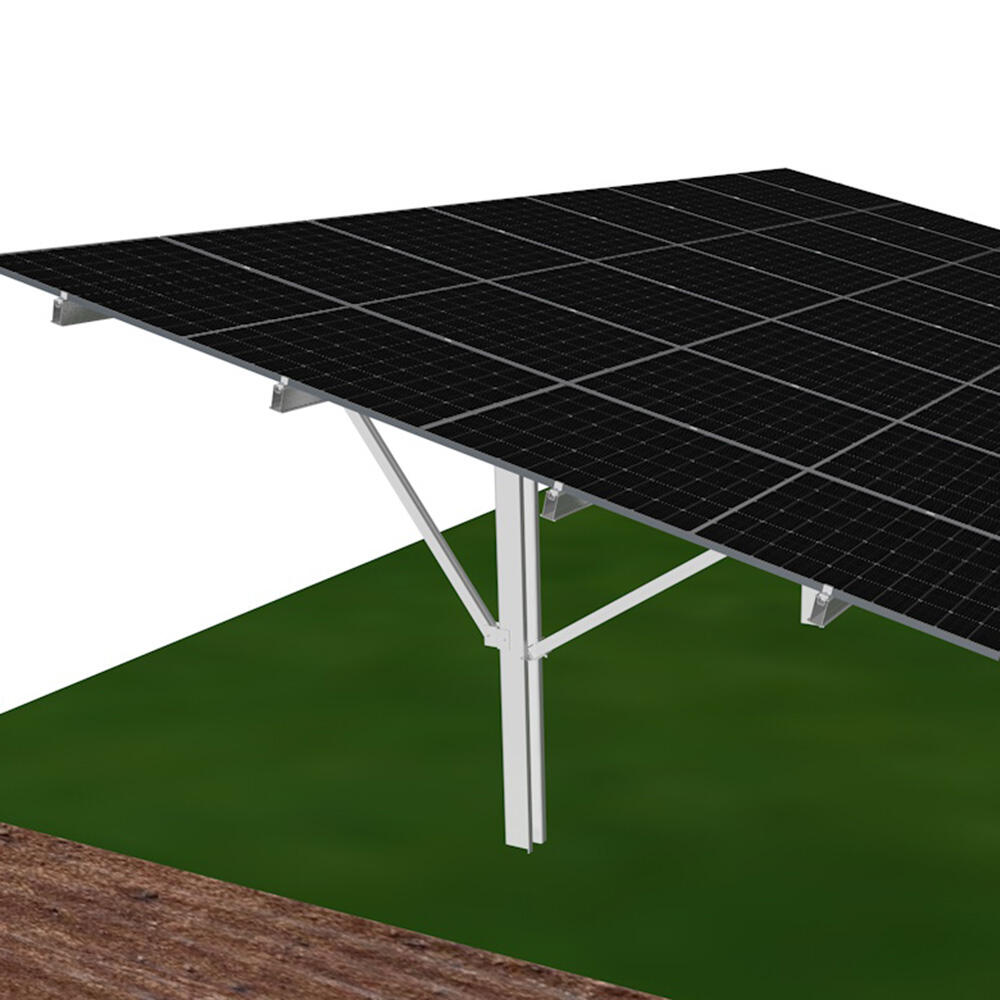
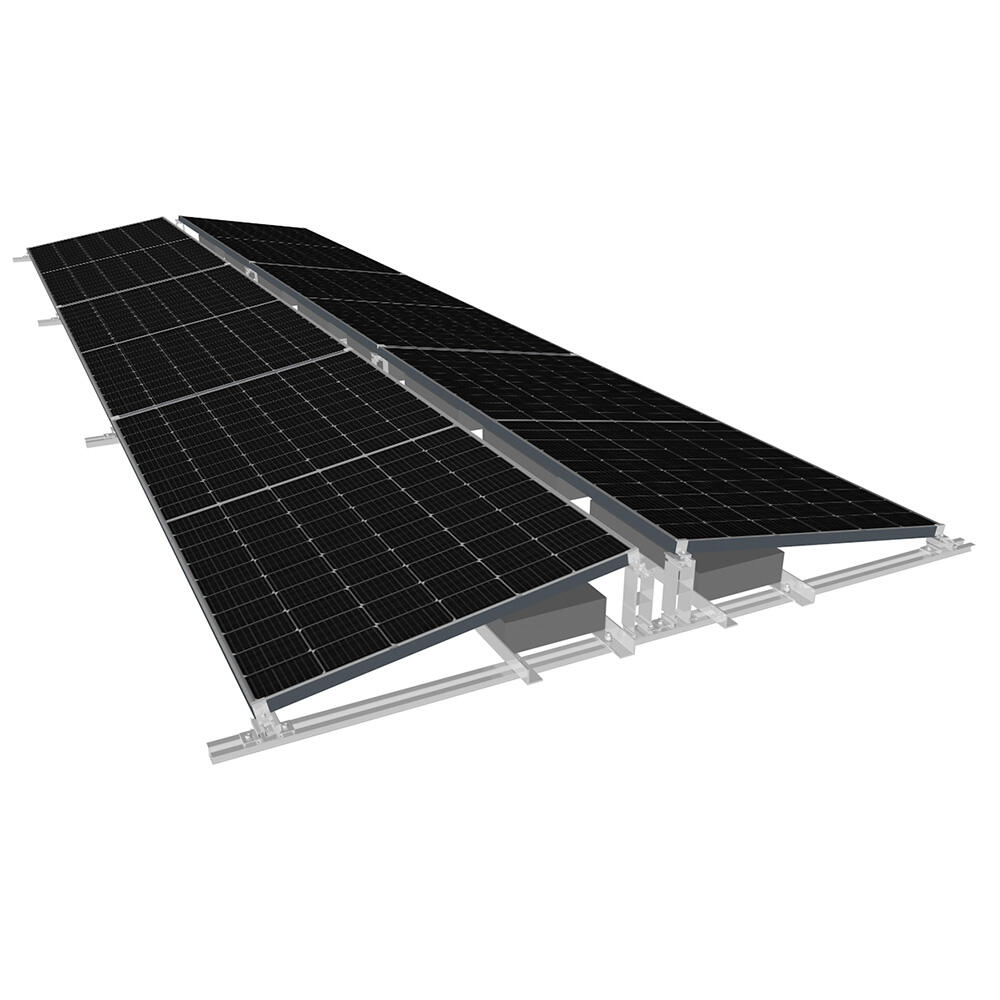
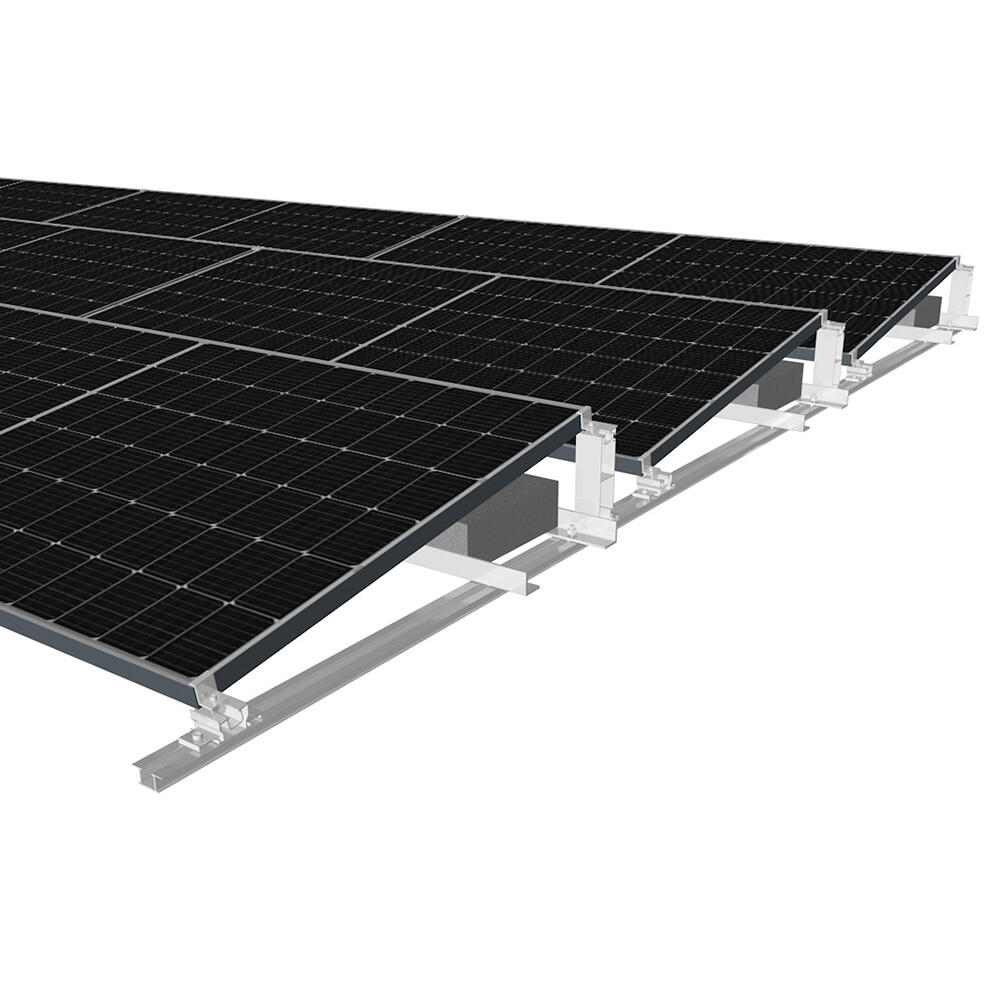
Ground mount solar ballast systems represent a revolutionary approach to solar installation technology, designed specifically for situations where traditional mounting methods may not be feasible or optimal. These innovative systems utilize weighted foundations to secure solar panels without requiring deep excavation or permanent ground modifications. The ground mount solar ballast operates on the principle of gravitational stability, where strategically placed concrete blocks or pre-engineered ballast weights create sufficient downward force to counteract wind uplift and lateral forces that could otherwise compromise the solar array structure. The primary function of a ground mount solar ballast involves providing stable anchoring for photovoltaic installations across various terrain types, from rooftops to open field applications. This mounting solution incorporates advanced engineering calculations that account for local wind loads, seismic considerations, and environmental factors to ensure long-term structural integrity. The technological features of ground mount solar ballast systems include modular design components that allow for flexible configuration based on specific site requirements. These systems typically feature corrosion-resistant materials, adjustable tilt mechanisms, and compatibility with various panel sizes and orientations. Modern ground mount solar ballast solutions integrate weather-resistant coatings and UV-stable components that maintain structural performance throughout extended outdoor exposure. Applications for ground mount solar ballast systems span residential, commercial, and utility-scale installations, particularly in locations where soil conditions prevent traditional foundation methods or where temporary installations are required. The ballast approach proves especially valuable for lease agreements, temporary structures, and installations over sensitive underground infrastructure where drilling or excavation could cause damage.

New Product Recommendations

Ground mount solar ballast systems deliver exceptional value through their non-invasive installation approach, eliminating the need for costly excavation or permanent structural modifications to existing surfaces. This installation method significantly reduces project timelines and labor costs while minimizing site disruption during the mounting process. Property owners benefit from the reversible nature of ground mount solar ballast installations, which preserve the original condition of the installation site and maintain future development options. The ballast system provides superior flexibility for system modifications, expansions, or relocations compared to traditional concrete foundation methods. Installation crews can complete ground mount solar ballast projects faster than conventional mounting systems because the process requires minimal site preparation and no curing time for concrete foundations. This efficiency translates directly into reduced labor expenses and quicker project completion schedules. The modular design of ground mount solar ballast systems enables precise customization for unique site conditions, irregular terrain, and specific energy generation requirements. These systems accommodate various panel technologies and configurations while maintaining optimal positioning for maximum solar exposure throughout different seasons. Maintenance advantages include easier access to individual system components and simplified panel cleaning procedures compared to fixed-mount alternatives. The elevated positioning typical of ground mount solar ballast installations improves air circulation around panels, enhancing their operational efficiency and extending their functional lifespan. Environmental benefits include minimal ground disturbance and the ability to preserve existing vegetation and drainage patterns around the installation site. The ballast approach supports sustainable installation practices by reducing construction waste and eliminating the need for chemical-intensive concrete mixing processes. Long-term economic advantages encompass reduced maintenance requirements, improved energy production efficiency, and retention of property value through non-permanent installation methods that do not affect underlying land use capabilities.

Latest News

What Is a Solar Tracker?

22

Jul

What Is a Solar Tracker?

Understanding Solar Trackers: Definition and Core Functions What Does a Solar Tracker Do? A solar tracker is a sophisticated device crucial for optimizing the performance of solar panels by orienting them towards the sun throughout the day. Its prim...
View More
5 Reasons Installers Prefer Solar L Feet for Metal Roof Projects

23

Sep

5 Reasons Installers Prefer Solar L Feet for Metal Roof Projects

Why metal roof projects are growing The rise of the metal roof project is no accident. More property owners and businesses are turning to this type of roofing for its durability, aesthetics, and ability to support solar energy systems. Unlike traditi...
View More
Commercial Solar Carport Solutions for Parking and Power

24

Nov

Commercial Solar Carport Solutions for Parking and Power

Transforming Parking Infrastructure into Clean Energy Assets The evolution of commercial parking spaces has taken a remarkable turn with the introduction of solar carports. These innovative structures represent the perfect fusion of functionality and...
View More
L-Foot Solar Mounts Explained: Simple & Affordable

24

Nov

L-Foot Solar Mounts Explained: Simple & Affordable

Understanding the Fundamentals of Solar Panel Mounting Systems The solar industry continues to evolve rapidly, and mounting solutions play a crucial role in successful installations. L-foot solar mounts have emerged as one of the most reliable and co...
View More

Leave Message

Our representative will contact you soon.
Email
Name
Company Name
Message
0/1000

ground mount solar ballast

Superior Installation Flexibility and Site Adaptability

Superior Installation Flexibility and Site Adaptability

Ground mount solar ballast systems excel in providing unmatched installation flexibility that adapts to diverse site conditions and project requirements. This adaptability stems from the modular engineering approach that allows installers to configure systems precisely according to specific terrain characteristics, soil conditions, and spatial constraints. Unlike traditional mounting methods that require uniform ground conditions and extensive site preparation, ground mount solar ballast systems accommodate irregular surfaces, sloped terrain, and areas with underground utilities or sensitive landscaping. The system design incorporates adjustable components that enable precise panel positioning and orientation optimization regardless of the underlying surface variations. This flexibility extends to installation timing, as ground mount solar ballast projects can proceed during various weather conditions without the delays typically associated with concrete curing or excavation scheduling. The non-invasive nature of ballast mounting preserves existing site features while providing stable support for solar installations. Property owners particularly value this approach when dealing with leased land, historical sites, or locations where future development plans may require system relocation. The modular components of ground mount solar ballast systems support phased installation approaches, allowing projects to expand incrementally as energy needs grow or budgets allow. This scalability proves especially beneficial for commercial applications where energy demands may increase over time. Installation teams appreciate the reduced complexity of ballast mounting, which requires fewer specialized tools and less extensive crew training compared to traditional foundation methods. The system compatibility with various panel types and inverter configurations ensures that ground mount solar ballast installations can incorporate the latest solar technology without requiring complete system redesigns. Site-specific customization options include variable tilt angles, spacing adjustments, and orientation modifications that optimize energy production for local solar conditions while maintaining structural stability through precisely calculated ballast weights.
Enhanced Structural Stability and Wind Resistance

Enhanced Structural Stability and Wind Resistance

Ground mount solar ballast systems deliver exceptional structural stability through engineered weight distribution that effectively counters environmental forces while maintaining system integrity throughout extreme weather conditions. The ballast design utilizes fundamental physics principles, strategically positioning mass to create a low center of gravity that resists wind uplift and lateral movement without relying on deep foundation anchoring. Advanced engineering calculations determine optimal ballast weights based on local wind load requirements, ensuring each installation meets or exceeds regional building code specifications. The distributed weight approach of ground mount solar ballast systems provides superior stability compared to point-load mounting methods, reducing stress concentrations and improving overall structural performance. This weight distribution strategy proves particularly effective in high-wind environments where traditional mounting systems may require additional reinforcement or deeper foundations. The ballast configuration creates a stable platform that maintains panel positioning accuracy over extended periods, preserving optimal solar exposure angles and preventing efficiency losses associated with structural movement. Modern ground mount solar ballast designs incorporate aerodynamic considerations that minimize wind resistance while maximizing structural stability, resulting in systems that perform reliably in hurricane-prone regions and areas subject to severe weather patterns. The inherent stability of ballast mounting reduces vibration and movement that could otherwise cause premature wear on electrical connections, panel frames, and mounting hardware. Quality ballast systems utilize high-density materials that provide maximum stability per unit volume, optimizing transportation efficiency and installation logistics while ensuring adequate structural performance. The stability characteristics of ground mount solar ballast systems contribute to extended equipment lifespan by minimizing mechanical stress on solar panels, inverters, and electrical components. This enhanced stability translates into reduced maintenance requirements and lower long-term operational costs for system owners. The predictable performance of properly engineered ballast systems enables accurate long-term energy production forecasting and financial planning for solar investments.
Cost-Effective Installation and Long-Term Value

Cost-Effective Installation and Long-Term Value

Ground mount solar ballast systems provide exceptional economic value through reduced installation costs, streamlined project timelines, and lower long-term maintenance requirements that deliver superior return on investment compared to traditional mounting alternatives. The cost advantages begin with simplified site preparation requirements that eliminate expensive excavation, concrete work, and specialized foundation labor typically associated with conventional solar installations. Installation teams can complete ground mount solar ballast projects using standard construction tools and techniques, reducing the need for specialized equipment rental and certified welding or concrete professionals. This accessibility translates into broader contractor availability and competitive pricing for installation services. The modular nature of ballast systems reduces material waste during installation and enables bulk purchasing advantages that lower overall project costs. Transportation efficiencies result from the standardized components of ground mount solar ballast systems, which optimize shipping volumes and reduce freight costs compared to custom-fabricated mounting solutions. Labor cost reductions stem from faster installation procedures that require fewer crew hours and less complex coordination between trades. The elimination of concrete curing time accelerates project schedules, reducing carrying costs and enabling faster system commissioning. Long-term value creation includes reduced maintenance expenses due to the accessible design of ground mount solar ballast installations, which simplifies inspection procedures and component replacement when necessary. The non-corrosive properties of quality ballast materials minimize replacement requirements and extend system operational life beyond traditional mounting alternatives. Economic flexibility advantages include the ability to relocate or reconfigure systems without losing the original infrastructure investment, providing valuable options for changing energy needs or site requirements. Insurance benefits may result from the superior wind resistance and structural stability characteristics of properly engineered ballast systems, potentially reducing coverage costs for commercial installations. The reversible installation approach preserves property values by maintaining original site conditions and future development options, providing additional economic benefits for property owners considering long-term land use strategies.

Leave Message

Our representative will contact you soon.
Email
Name
Company Name
Message
0/1000