solar panel ground mount stands
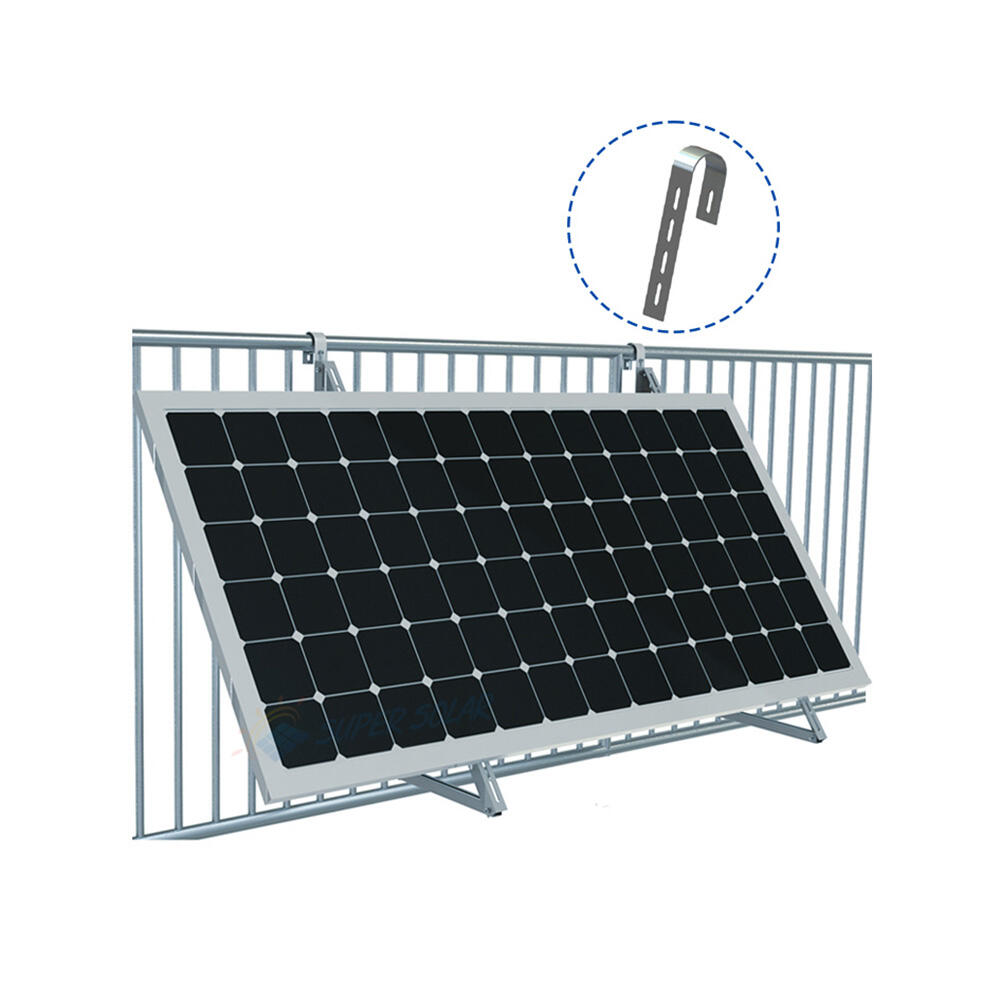
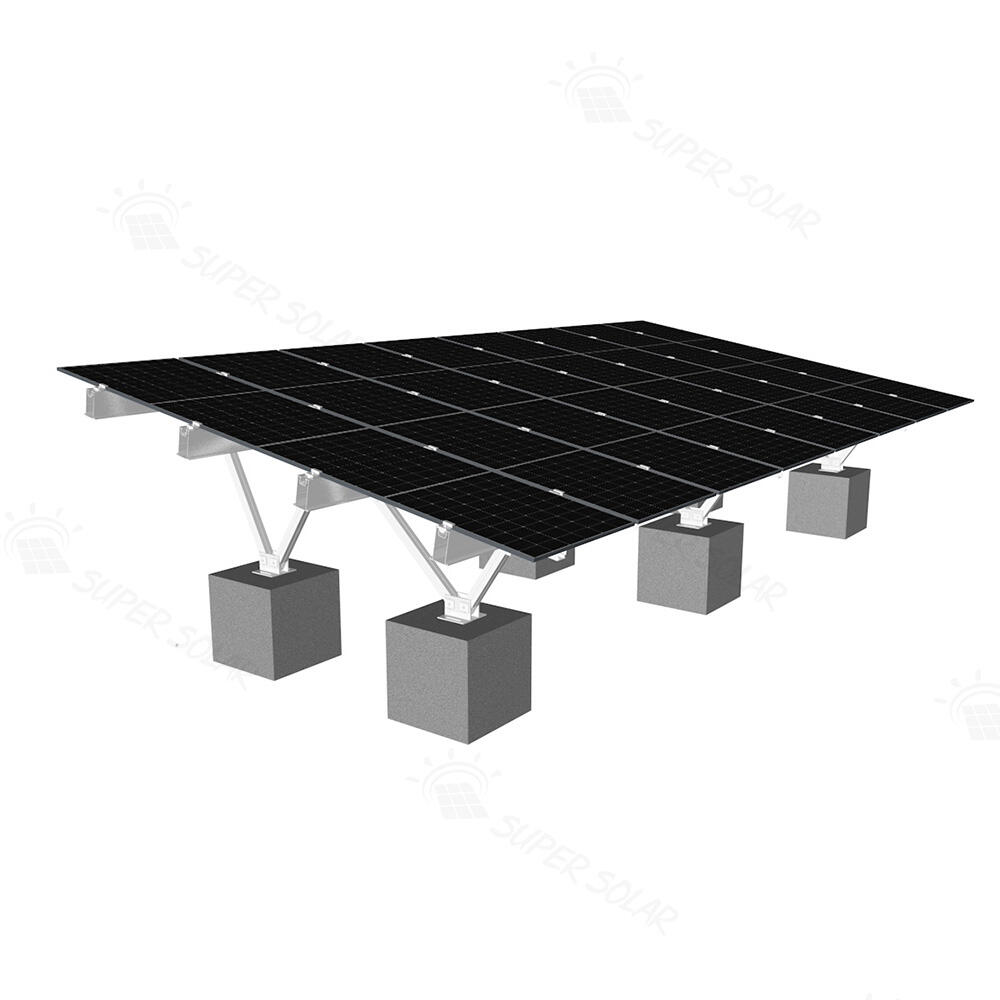
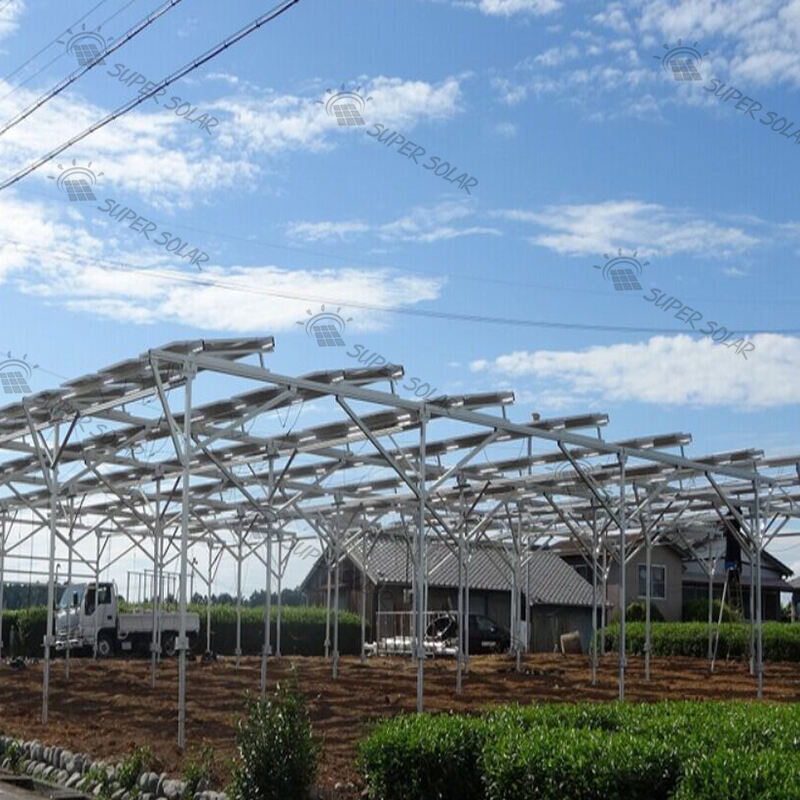
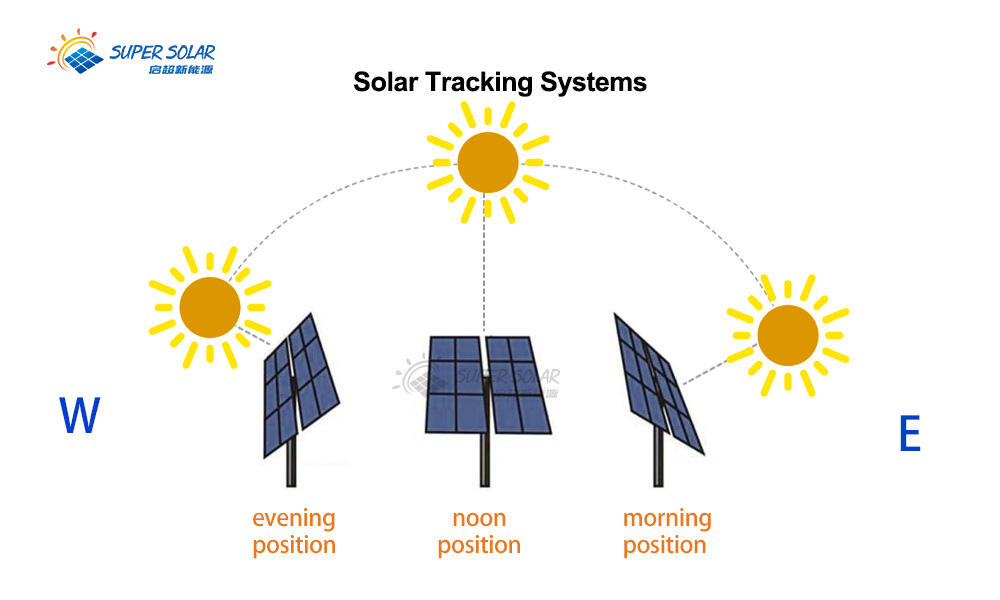
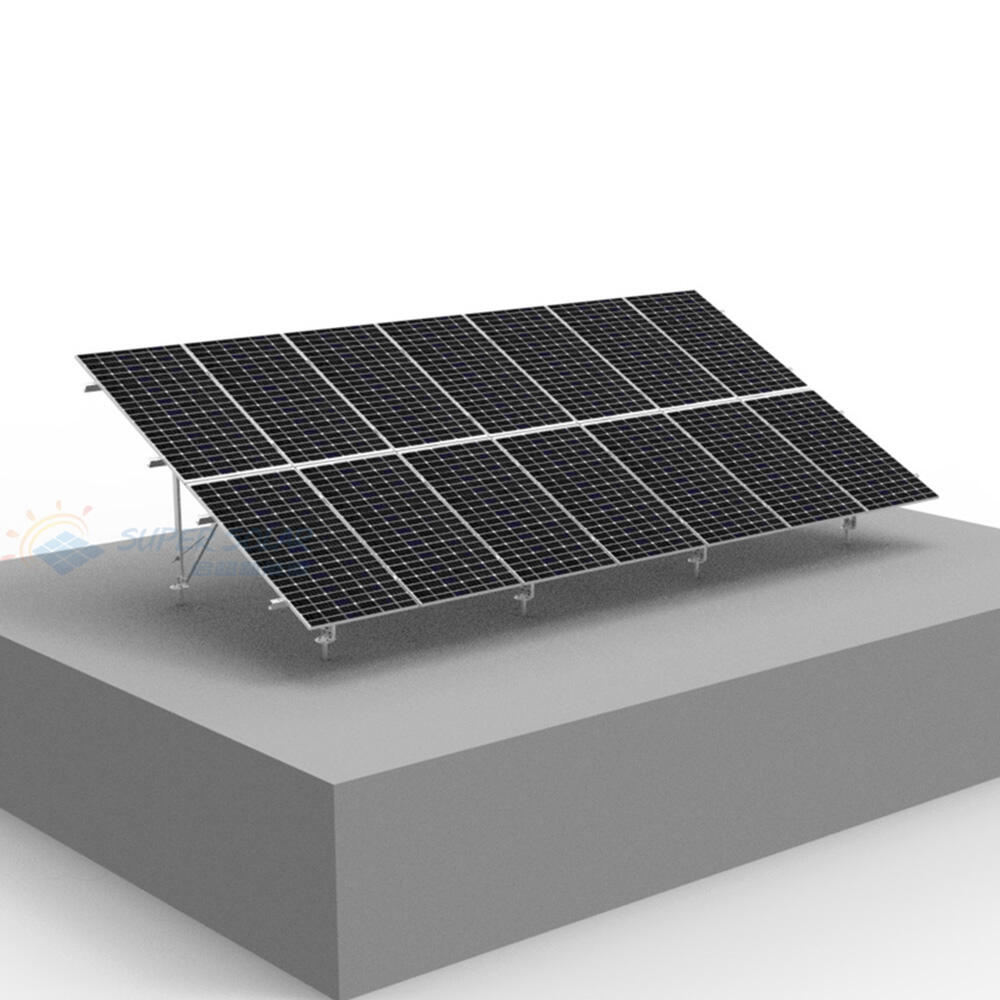
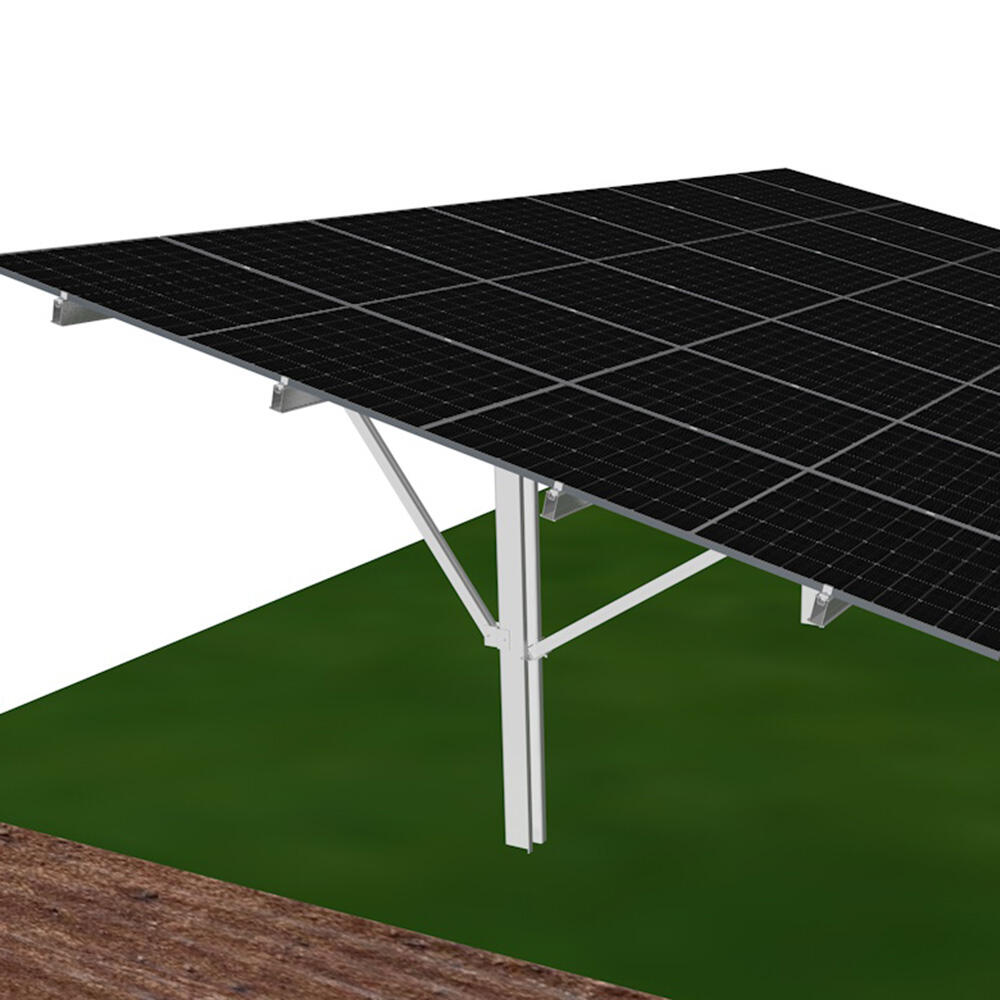
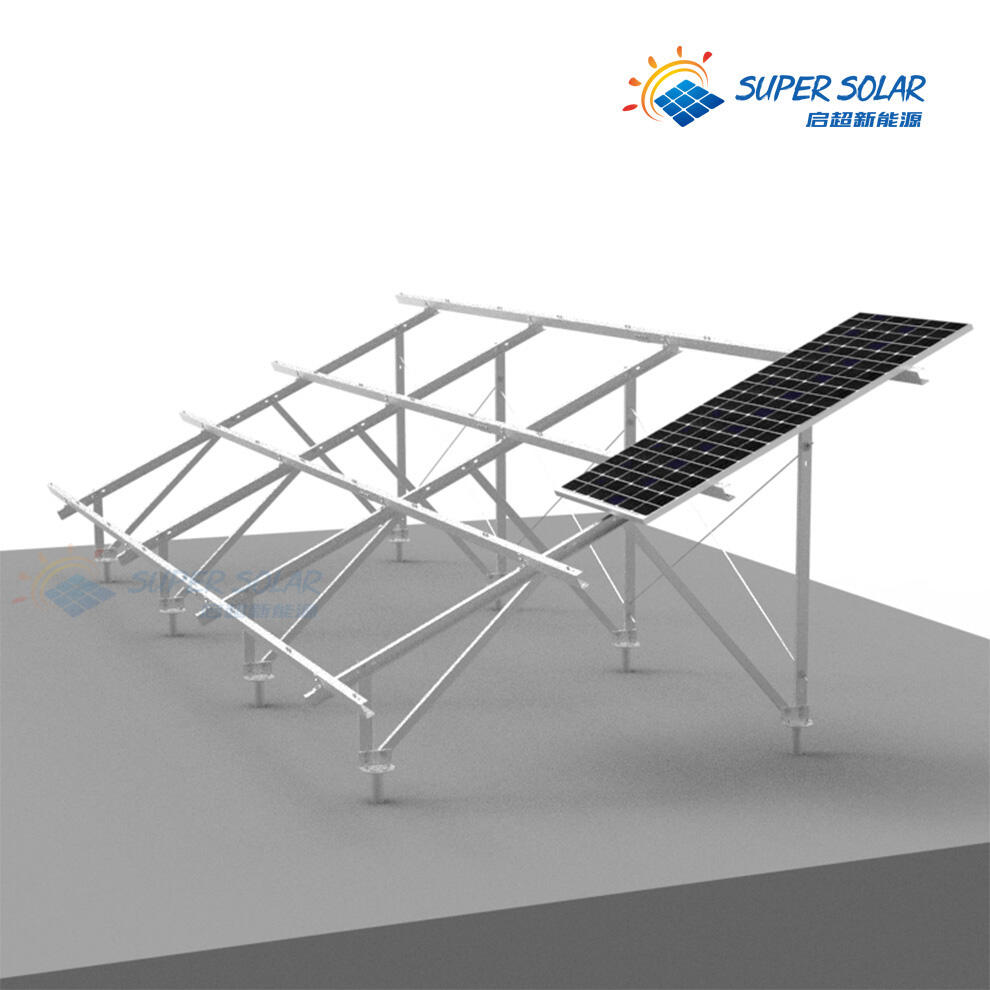
Solar panel ground mount stands represent a fundamental component in photovoltaic energy systems, designed to securely position solar panels at optimal angles for maximum energy capture. These robust mounting structures serve as the foundation for solar installations on flat or gently sloped terrain, eliminating the need for rooftop placement while providing superior accessibility and maintenance capabilities. The primary function of solar panel ground mount stands involves creating stable, weather-resistant platforms that maintain precise panel orientation throughout varying seasonal conditions and environmental challenges. These mounting systems incorporate advanced engineering principles to withstand wind loads, snow accumulation, and seismic activities while ensuring consistent performance over decades. Technological features include corrosion-resistant materials such as galvanized steel or aluminum alloys, adjustable tilt mechanisms for seasonal optimization, and modular designs that accommodate various panel configurations. Many modern solar panel ground mount stands integrate tracking capabilities, allowing panels to follow the sun's path throughout the day for enhanced energy production. The structural design typically includes deep foundation anchoring systems, reinforced cross-bracing, and precision-engineered connection points that secure panels against displacement. Applications span residential properties with adequate yard space, commercial installations requiring large-scale energy generation, agricultural facilities seeking dual land use, and utility-scale solar farms. Ground-mounted systems prove particularly valuable for properties with unsuitable roofing conditions, older buildings with structural limitations, or installations requiring specific orientations that rooftop placement cannot achieve. The versatility of solar panel ground mount stands extends to educational institutions, government facilities, and industrial complexes where energy independence and sustainability goals drive adoption. Installation flexibility allows for custom configurations that work around existing landscape features, utilities, and property boundaries while maximizing available solar exposure throughout the year.
 EN
EN