Premium Solar Ground Mount Racking Systems - Durable Foundation Solutions for Maximum Energy Production

All Categories

solar ground mount racking systems

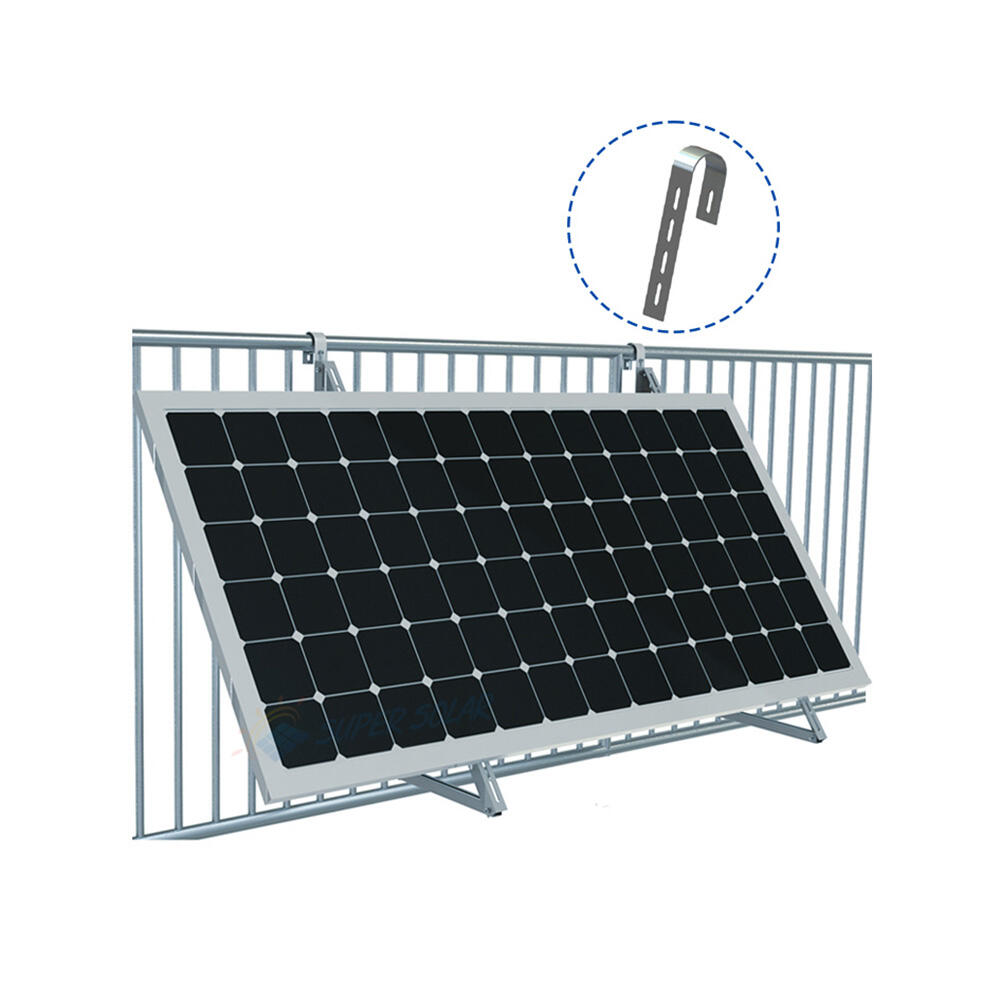
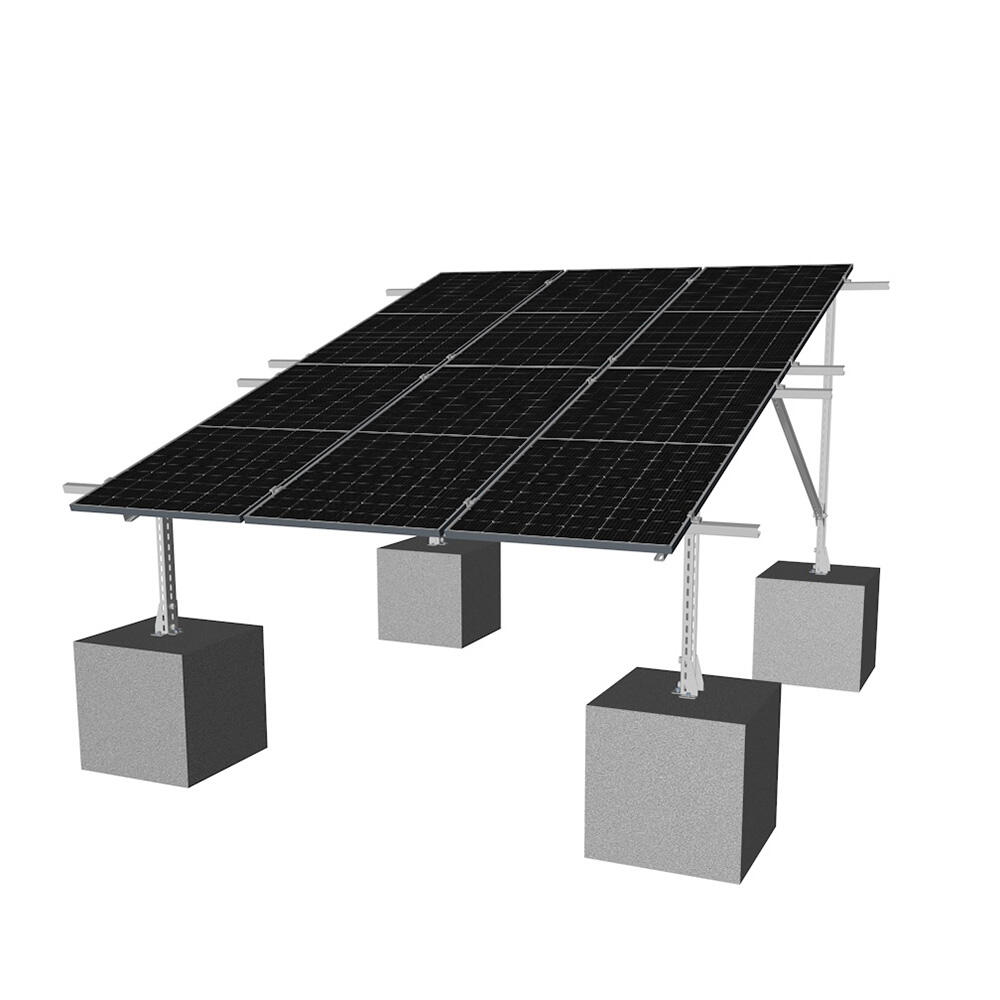
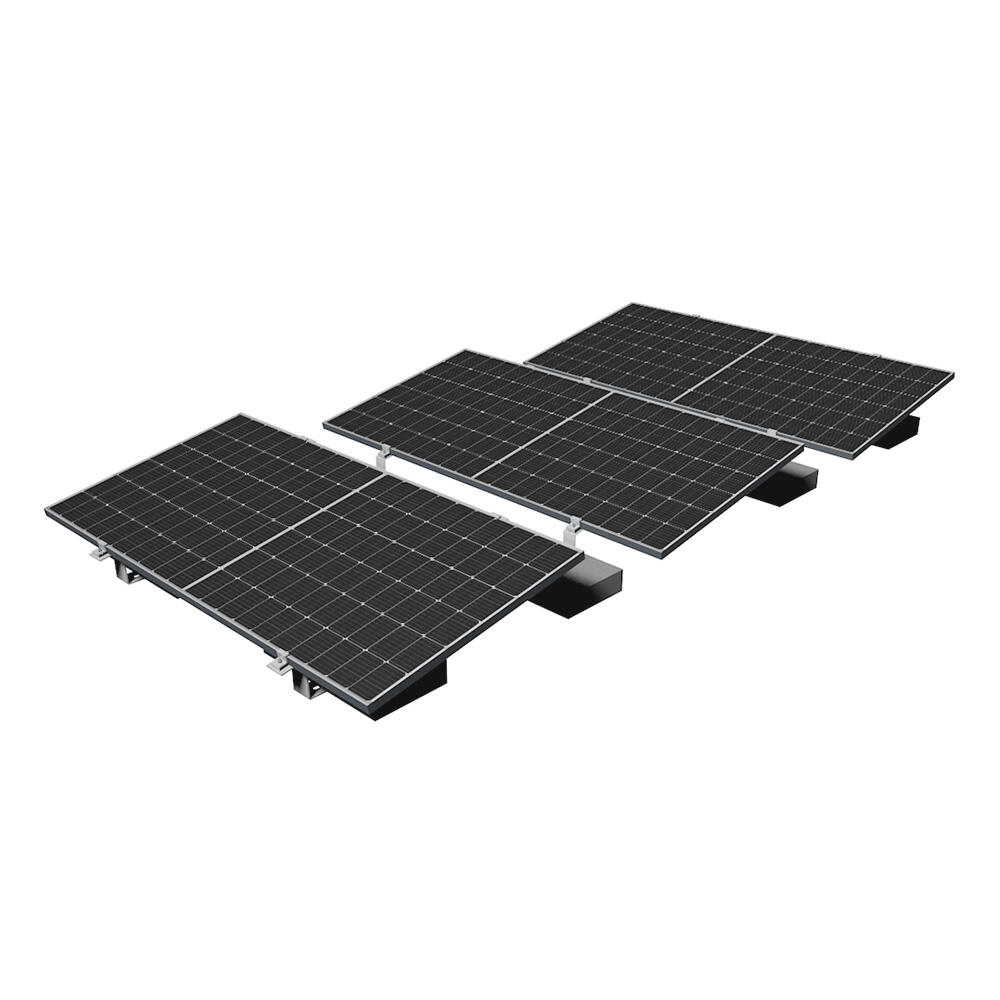
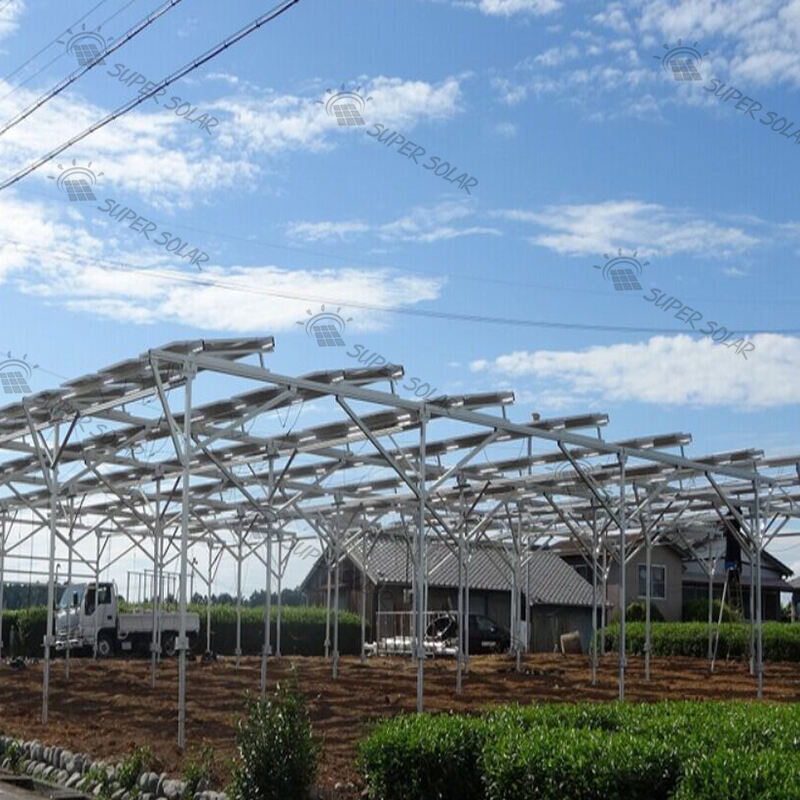
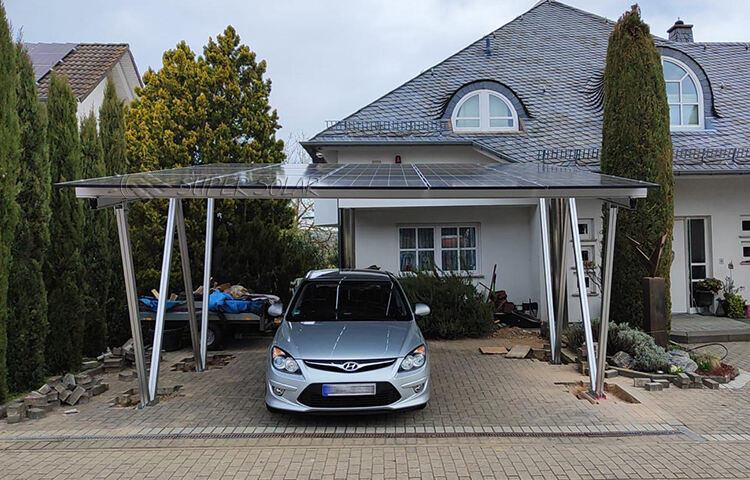
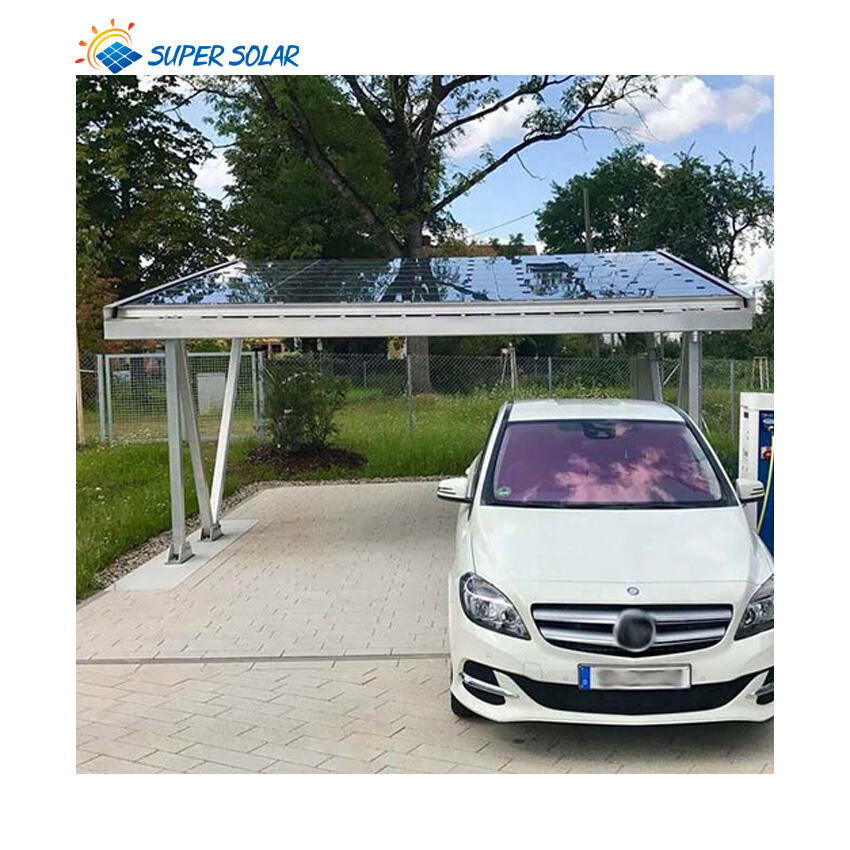
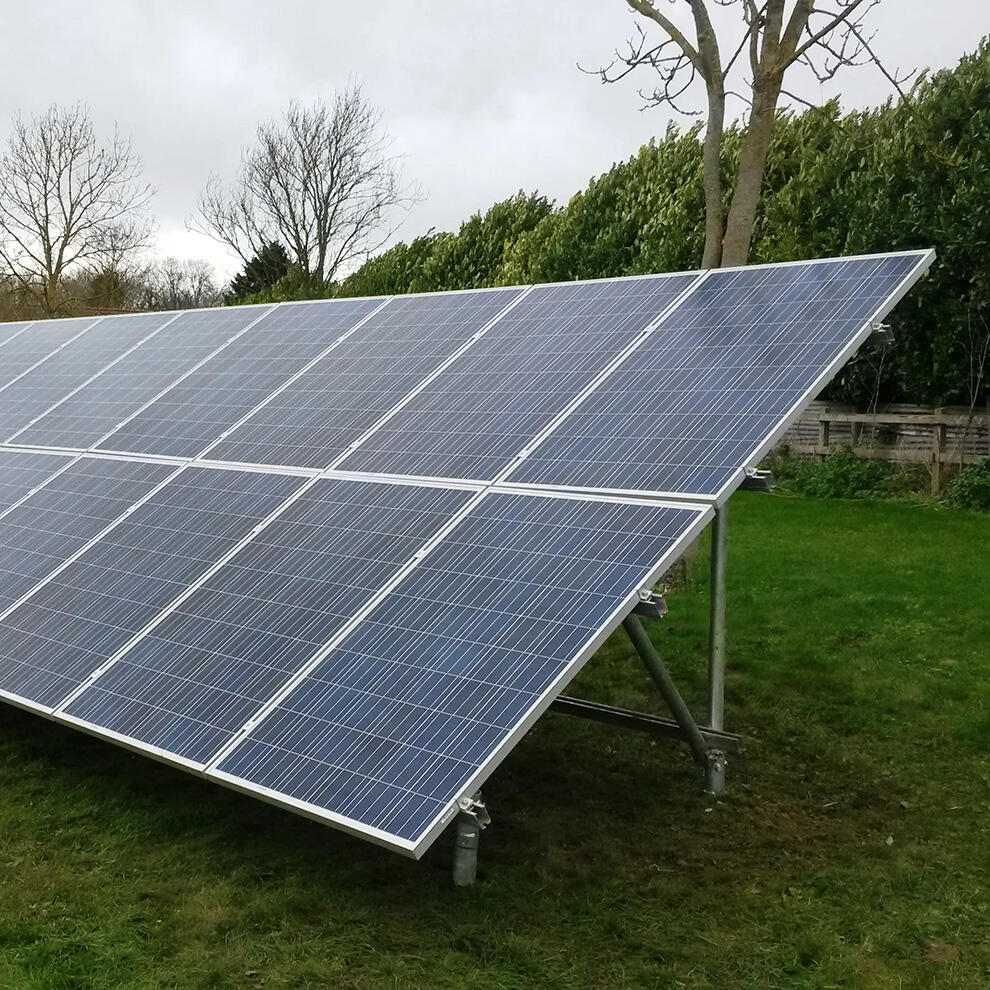
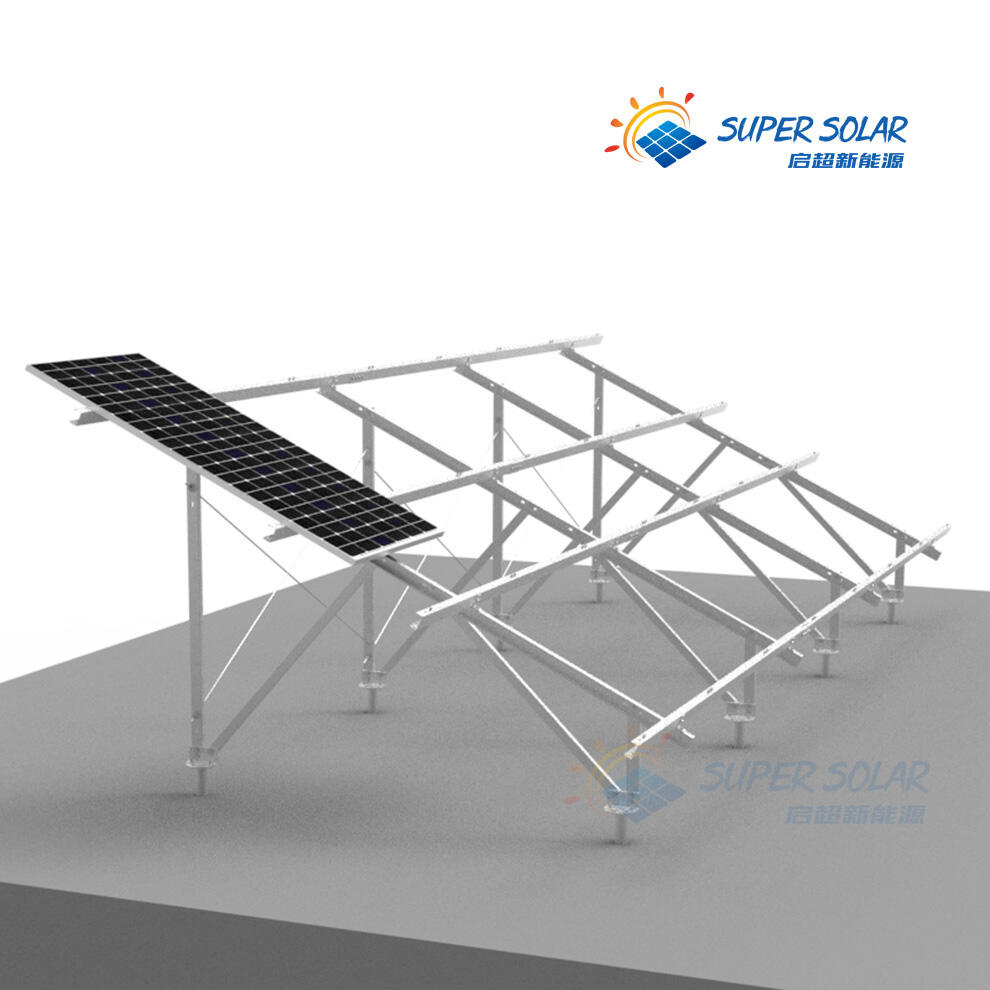
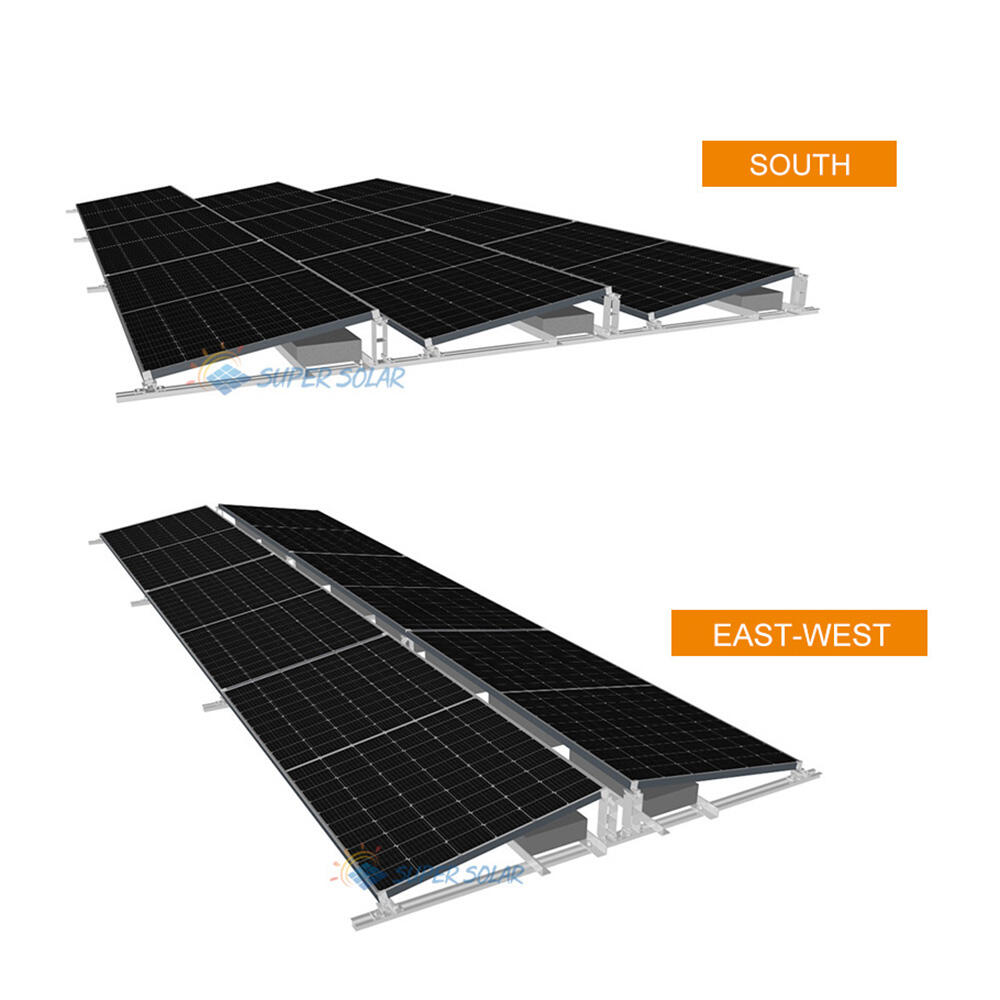
Solar ground mount racking systems represent a fundamental infrastructure solution for utility-scale and commercial solar installations, providing the structural foundation that secures photovoltaic panels to the earth's surface. These sophisticated mounting solutions are engineered to withstand environmental challenges while optimizing energy production through precise panel positioning and orientation. The primary function of solar ground mount racking systems involves creating a stable, durable platform that elevates solar panels at optimal angles for maximum sunlight exposure throughout varying seasons. Modern solar ground mount racking systems incorporate advanced materials such as galvanized steel and aluminum alloys, ensuring exceptional resistance to corrosion and weathering over extended operational periods. The technological features of these systems include adjustable tilt mechanisms that allow for seasonal angle modifications, enhancing energy capture efficiency by up to fifteen percent compared to fixed installations. Pre-engineered foundation solutions within solar ground mount racking systems accommodate diverse soil conditions, from rocky terrain to sandy substrates, utilizing driven piles, concrete ballasts, or helical foundations depending on geological assessments. These mounting solutions integrate seamlessly with various panel types and configurations, supporting both crystalline silicon and thin-film technologies across different wattage specifications. The modular design philosophy behind solar ground mount racking systems enables scalable deployment, allowing projects to expand incrementally while maintaining structural integrity and aesthetic consistency. Advanced drainage considerations built into these systems prevent water accumulation around panel arrays, reducing maintenance requirements and extending equipment lifespan. Applications for solar ground mount racking systems span multiple sectors including utility-scale power generation facilities, commercial rooftop alternatives, agricultural solar farms, and residential installations where roof mounting proves impractical due to structural limitations or shading concerns.

New Product Recommendations

Solar ground mount racking systems deliver exceptional value through their superior accessibility for maintenance operations, allowing technicians to service panels and electrical components without navigating complex rooftop environments or safety harnesses. This enhanced accessibility translates directly into reduced maintenance costs and faster repair response times, ultimately improving system uptime and energy production reliability. The flexible positioning capabilities of solar ground mount racking systems enable optimal solar panel orientation regardless of existing building constraints, achieving maximum energy harvest potential through precise south-facing alignment and ideal tilt angles specific to geographic locations. Property owners benefit significantly from the non-intrusive installation process, as ground mounting eliminates concerns about roof penetrations, structural modifications, or potential water damage that commonly accompany rooftop installations. These systems offer remarkable scalability advantages, supporting project expansion without architectural limitations, making them ideal for growing energy needs or phased development approaches that spread capital investments over time. The enhanced cooling performance achieved through ground mounting improves panel efficiency by maintaining lower operating temperatures compared to roof-mounted alternatives, where heat accumulation reduces photovoltaic performance during peak sun hours. Installation versatility stands out as a major advantage, accommodating various terrain types and soil conditions through adaptable foundation solutions that work effectively on flat land, gentle slopes, or challenging ground conditions. Solar ground mount racking systems provide superior weather resistance through engineered wind and snow load calculations, ensuring structural stability during extreme weather events while protecting valuable solar investments. The modular construction approach simplifies logistics and reduces installation time, with pre-fabricated components that streamline assembly processes and minimize on-site construction complexity. Long-term durability benefits include reduced thermal stress on mounting hardware, extended equipment lifespan, and lower replacement costs compared to rooftop systems that experience greater temperature fluctuations and structural movement. These systems support easy upgrades and modifications, allowing for future technology improvements or system reconfigurations without major infrastructure changes, providing exceptional return on investment flexibility for evolving energy requirements.

Latest News

Why Choose a Carport Photovoltaique for Residential Solar Solutions?

22

Jul

Why Choose a Carport Photovoltaique for Residential Solar Solutions?

Environmental Impact of Carport Photovoltaique Systems Reducing Carbon Footprint with Solar Energy Carport photovoltaic systems are instrumental in significantly diminishing our reliance on fossil fuels, which in turn lowers greenhouse gas emissions...
View More
How Commercial Solar Carport Structures Benefit Large Properties

20

Aug

How Commercial Solar Carport Structures Benefit Large Properties

The Growing Demand for Solar Carport Solutions on Large Properties Across commercial landscapes, the solar carport has become one of the most practical and forward-looking investments for businesses, institutions, and property developers. Unlike trad...
View More
The Ultimate Guide to Installing Solar L Feet on Metal Roofs

23

Sep

The Ultimate Guide to Installing Solar L Feet on Metal Roofs

Pre-installation preparation (roof inspection, tools needed) Conducting a roof inspection before installation Before starting any metal roof project, the roof must be carefully inspected. Installers should check for rust, loose panels, or structural ...
View More
Solar Mounting Solutions for Metal Roofs: A Complete Guide for Installers and Distributors

23

Sep

Solar Mounting Solutions for Metal Roofs: A Complete Guide for Installers and Distributors

Introduction Growing demand for solar on metal roofs in commercial & industrial projects The demand for Solar Mounting Solutions for Metal Roofs has increased rapidly across commercial and industrial projects. Metal roofs offer durability, strength,...
View More

Leave Message

Our representative will contact you soon.
Email
Name
Company Name
Message
0/1000

solar ground mount racking systems

Advanced Foundation Technology and Soil Adaptability

Advanced Foundation Technology and Soil Adaptability

The foundation technology integrated within solar ground mount racking systems represents a pinnacle of engineering innovation, specifically designed to address the diverse geological challenges encountered across different installation sites. This sophisticated foundation approach utilizes comprehensive soil analysis data to determine optimal anchoring solutions, ranging from driven steel piles for stable soils to helical foundations for challenging conditions such as expansive clay or loose sandy substrates. The engineering excellence behind these foundation systems ensures load distribution that exceeds industry safety standards, accounting for wind uplift forces, seismic activity, and ground settlement patterns that could compromise system integrity over the twenty-five-year operational lifespan. Pre-engineered foundation components eliminate the guesswork traditionally associated with ground-mounted installations, providing certified structural calculations that streamline permitting processes and reduce project development timelines. The adaptability of these foundation solutions extends to varying terrain conditions, accommodating slopes up to fifteen degrees without requiring extensive site preparation or grading work that would increase project costs. Advanced corrosion protection technologies, including hot-dip galvanizing and specialized coatings, ensure foundation components maintain structural integrity despite exposure to moisture, chemical soil conditions, and temperature fluctuations throughout decades of service. The modular foundation design facilitates future system modifications or expansions, allowing additional mounting rails or panel configurations without compromising the original structural design or requiring complete system reconstruction. Installation efficiency benefits from standardized foundation components that reduce on-site construction time, minimize heavy equipment requirements, and lower overall project costs while maintaining the highest safety standards. Environmental considerations built into the foundation design include minimal soil disruption, reversible installation processes that support site restoration, and compatibility with agricultural land use for dual-purpose applications where farming continues between panel rows.
Precision Panel Positioning and Energy Optimization

Precision Panel Positioning and Energy Optimization

The precision panel positioning capabilities of solar ground mount racking systems unlock maximum energy production potential through scientifically calculated angles and orientations that respond to seasonal sun path variations and local climate conditions. Advanced tracking mechanisms available in premium solar ground mount racking systems automatically adjust panel angles throughout the day, following the sun's trajectory to capture optimal sunlight and increase energy production by up to thirty-five percent compared to fixed-position installations. The engineering precision behind these positioning systems incorporates GPS coordinates, local weather data, and solar irradiance patterns to calculate ideal panel angles for each specific location, ensuring maximum return on investment through optimized energy harvest. Seasonal tilt adjustment features allow manual or automated modifications to panel angles, accounting for the sun's changing elevation throughout the year and maximizing energy capture during both summer and winter months when solar angles vary significantly. The mechanical reliability of positioning systems utilizes industrial-grade components including sealed bearings, corrosion-resistant actuators, and weather-resistant control systems that operate flawlessly despite exposure to extreme temperatures, moisture, and environmental contaminants. Smart positioning algorithms integrated into modern solar ground mount racking systems analyze real-time weather conditions, automatically adjusting panel angles to optimize performance during partially cloudy conditions or redirect panels during severe weather events to prevent damage. The precision manufacturing standards ensure consistent panel spacing and alignment across large installations, creating uniform energy production and aesthetic appeal while facilitating efficient maintenance access between panel rows. Quality control measures during fabrication guarantee that positioning mechanisms maintain accuracy within fractional degrees over years of operation, preventing energy losses that could result from gradual mechanical drift or component wear. These positioning systems support various panel configurations including portrait and landscape orientations, single and dual-axis tracking options, and custom arrangements that accommodate site-specific constraints while maintaining optimal energy production performance.
Comprehensive Weather Resistance and Durability Engineering

Comprehensive Weather Resistance and Durability Engineering

The comprehensive weather resistance engineered into solar ground mount racking systems ensures reliable performance and structural integrity under the most challenging environmental conditions, from hurricane-force winds to heavy snow loads and extreme temperature variations. Advanced materials selection incorporates marine-grade aluminum alloys and galvanized steel components that resist corrosion, UV degradation, and thermal expansion while maintaining structural strength over decades of continuous exposure to harsh outdoor conditions. The aerodynamic design principles embedded within these racking systems minimize wind resistance and turbulence around panel arrays, reducing structural stress and preventing uplift forces that could compromise system stability during severe weather events. Comprehensive testing protocols subject solar ground mount racking systems to accelerated aging procedures that simulate decades of environmental exposure, ensuring materials and connections maintain performance specifications throughout the expected operational lifespan. The modular construction methodology distributes environmental loads across multiple connection points, preventing single-point failures and ensuring system resilience even when individual components experience stress from extreme weather conditions. Advanced drainage engineering prevents water accumulation around mounting structures and electrical connections, incorporating strategic slopes and channels that direct moisture away from critical system components while preventing ice formation during freeze-thaw cycles. The thermal management design accounts for significant temperature fluctuations, utilizing expansion joints and flexible connections that accommodate thermal growth and contraction without creating structural stress or connection failures. Quality assurance testing includes salt spray exposure, thermal cycling, and mechanical stress testing that exceeds industry standards, providing documented performance guarantees that support long-term warranties and insurance coverage for commercial installations. The weather monitoring integration available with premium systems provides real-time environmental data and automatic protective responses, such as panel positioning adjustments during high wind conditions or snow accumulation alerts that prompt maintenance interventions. These comprehensive durability features translate into reduced maintenance requirements, extended equipment lifespan, and lower total cost of ownership compared to alternative mounting solutions that lack equivalent weather resistance engineering.

Leave Message

Our representative will contact you soon.
Email
Name
Company Name
Message
0/1000