Versatile Applications and Future-Ready Technology Integration
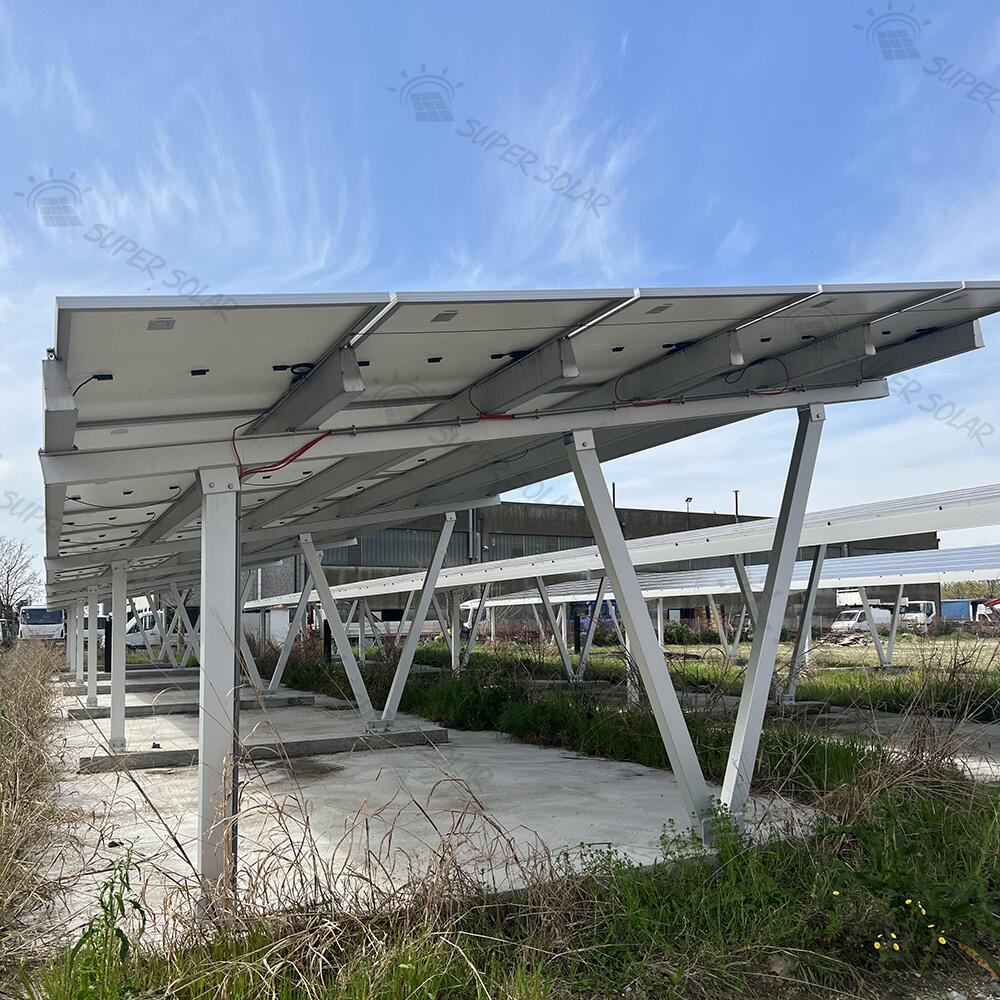
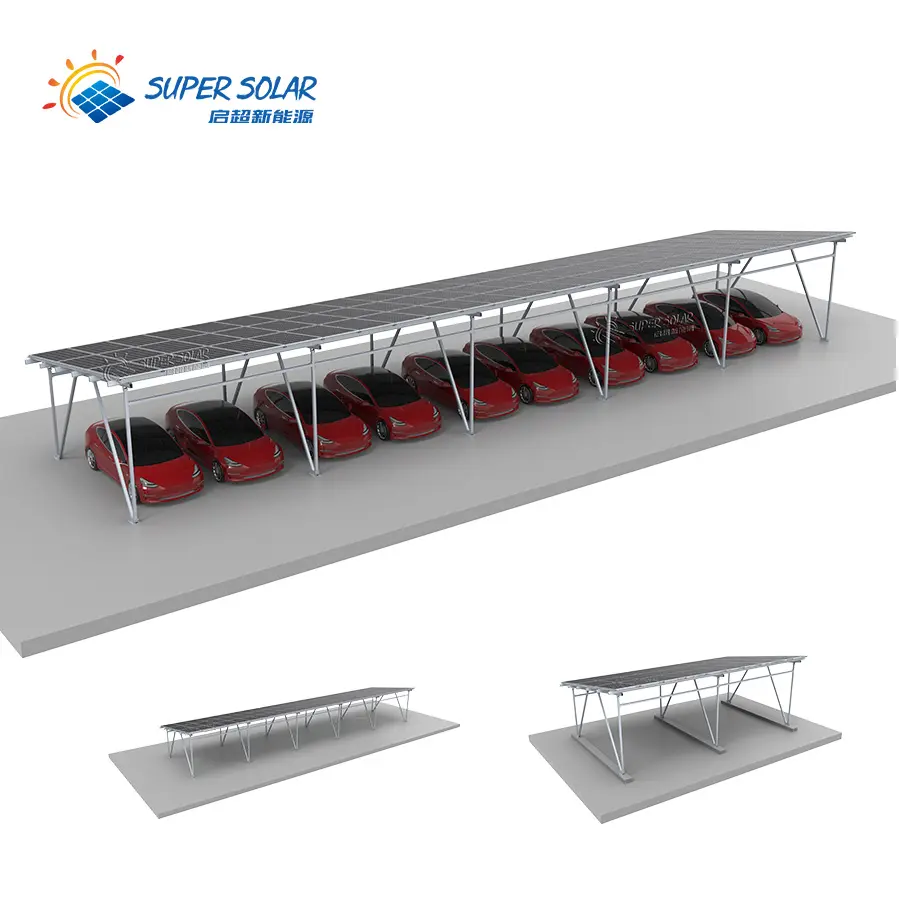
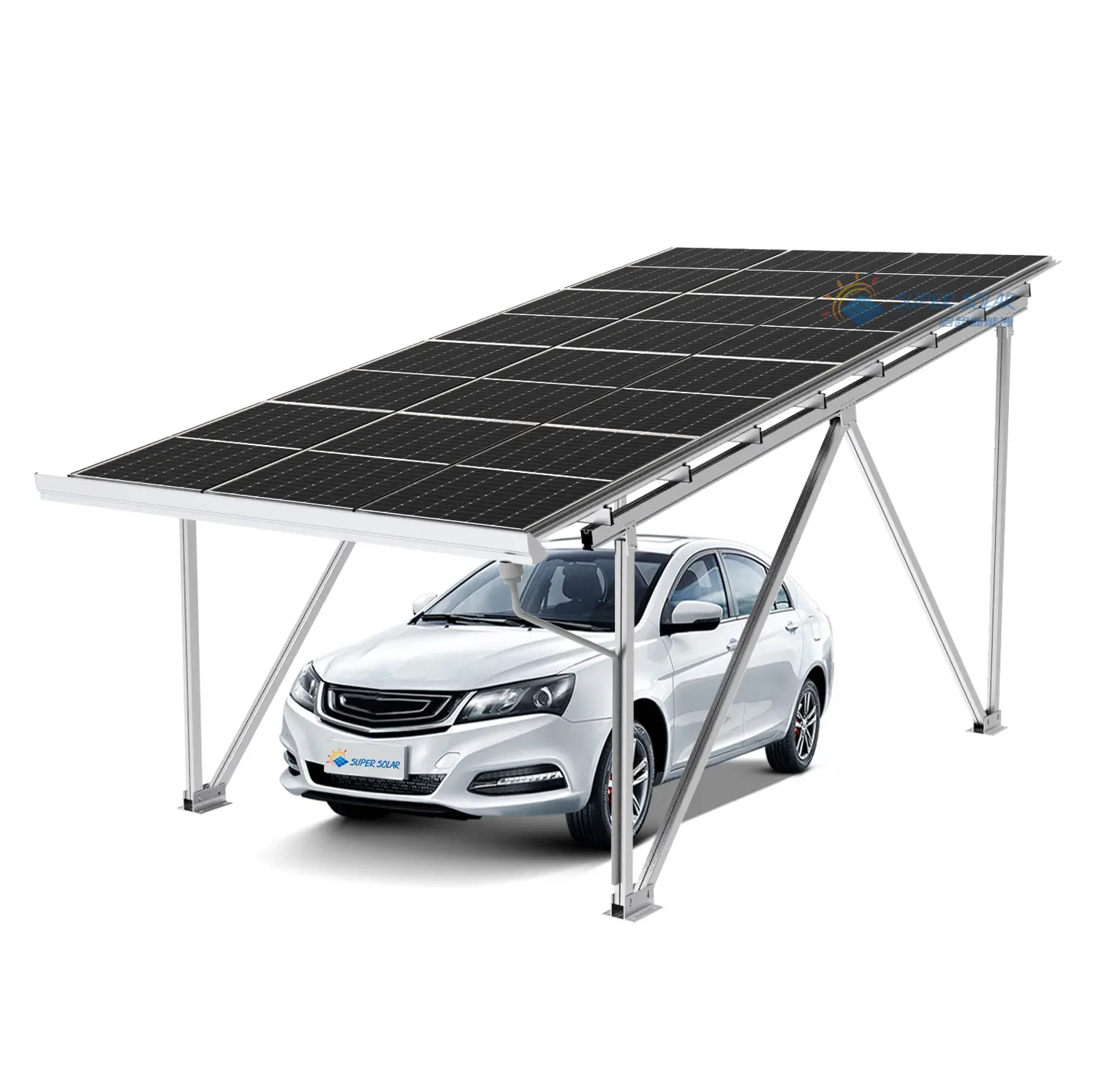
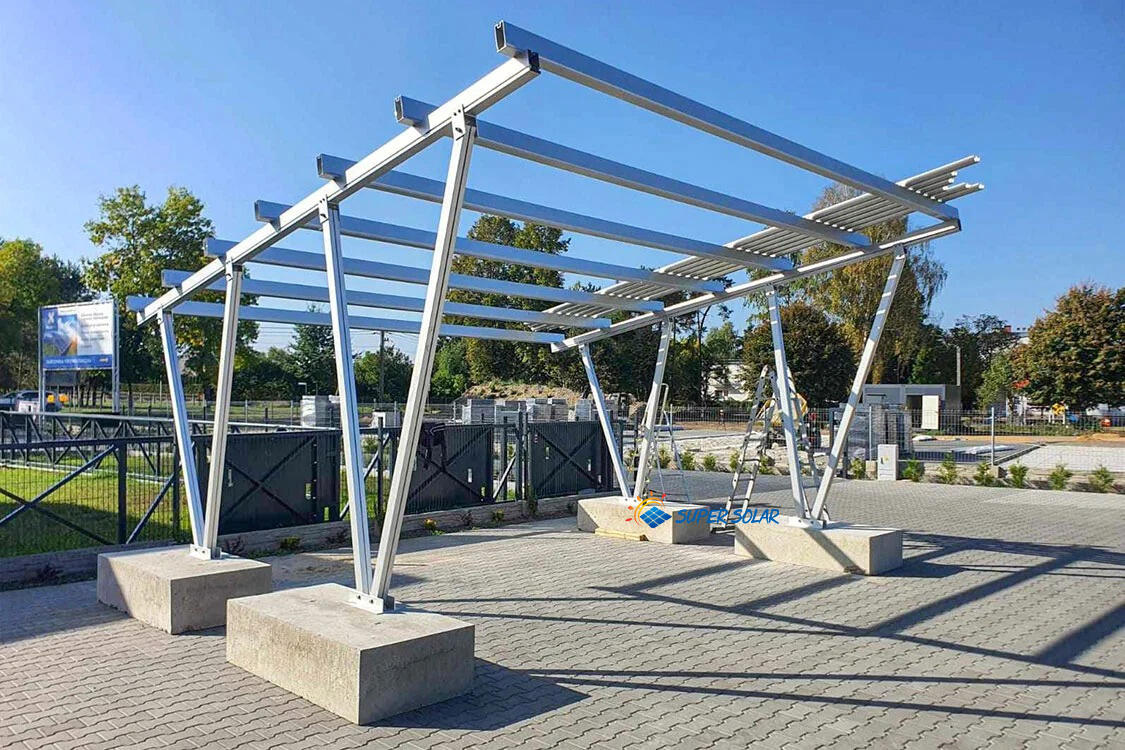
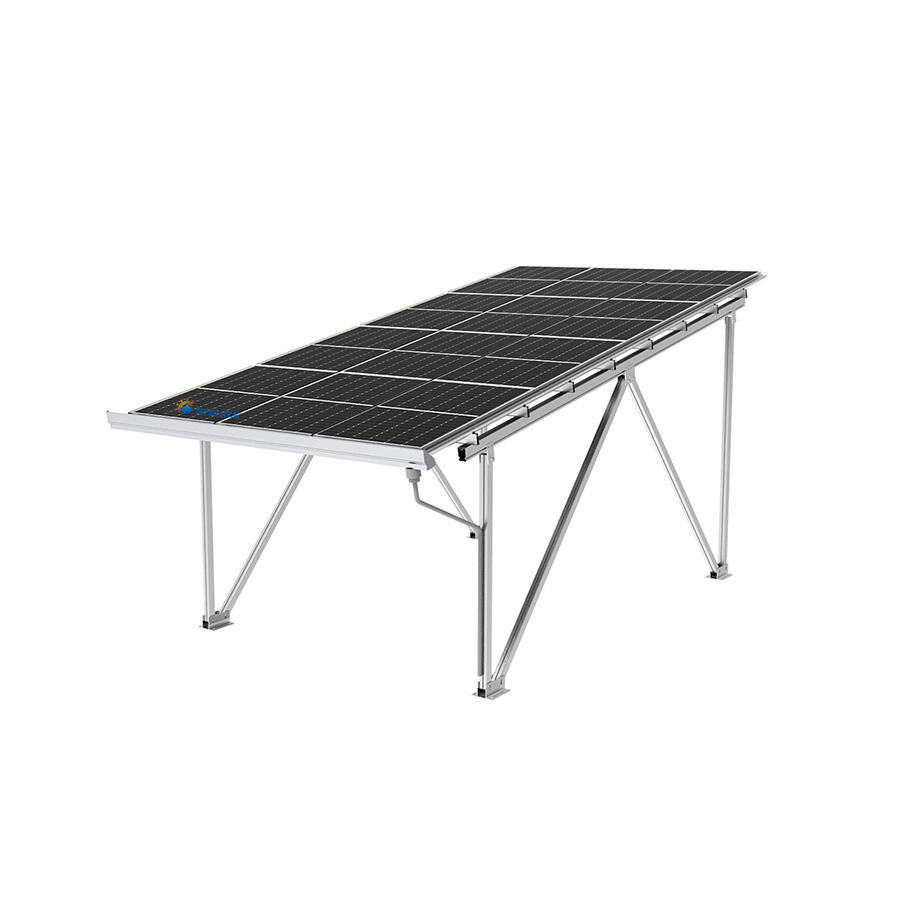
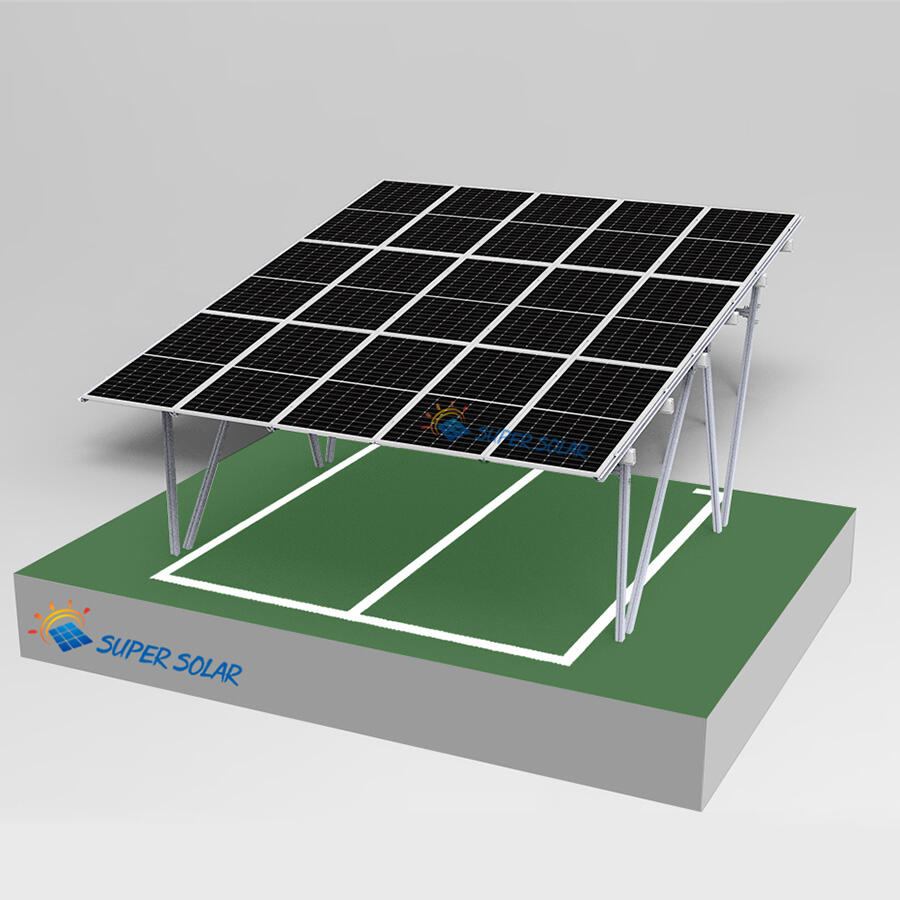
The steel solar carport demonstrates remarkable adaptability across diverse applications and seamlessly integrates with emerging technologies to future-proof property investments. Residential installations transform standard driveways and parking areas into energy-generating assets while providing valuable vehicle protection and property enhancement benefits. Homeowners appreciate the dual functionality that eliminates the need for separate solar ground mounts or rooftop installations that may not be suitable due to shading, structural limitations, or aesthetic concerns. Commercial applications span retail centers, office complexes, educational institutions, healthcare facilities, and industrial sites where large parking areas represent significant untapped potential for renewable energy generation. The modular design enables scalable implementations from small residential installations to massive commercial projects covering hundreds of parking spaces, with each configuration optimized for specific site conditions and energy requirements. Integration capabilities with electric vehicle charging infrastructure position the steel solar carport as an essential component of sustainable transportation ecosystems. The structural design accommodates EV charging stations, electrical distribution equipment, and battery storage systems that enable energy independence and grid resilience during power outages. Smart grid connectivity allows the steel solar carport to participate in demand response programs, energy arbitrage opportunities, and grid stabilization services that provide additional revenue streams while supporting electrical system reliability. Advanced monitoring and control systems enable remote performance optimization, predictive maintenance scheduling, and integration with building management systems for comprehensive energy efficiency strategies. The steel solar carport supports various solar panel technologies including traditional crystalline silicon, thin-film alternatives, and emerging high-efficiency modules that deliver enhanced performance characteristics. Installation flexibility accommodates challenging site conditions including sloped terrain, existing infrastructure constraints, and space limitations through custom engineering solutions. Future technology integration possibilities include energy storage systems, smart charging algorithms, vehicle-to-grid connectivity, and artificial intelligence optimization that continuously improve system performance and economic returns while maintaining the fundamental benefits of durable steel construction and reliable energy generation.
 EN
EN