 EN

 Hot News

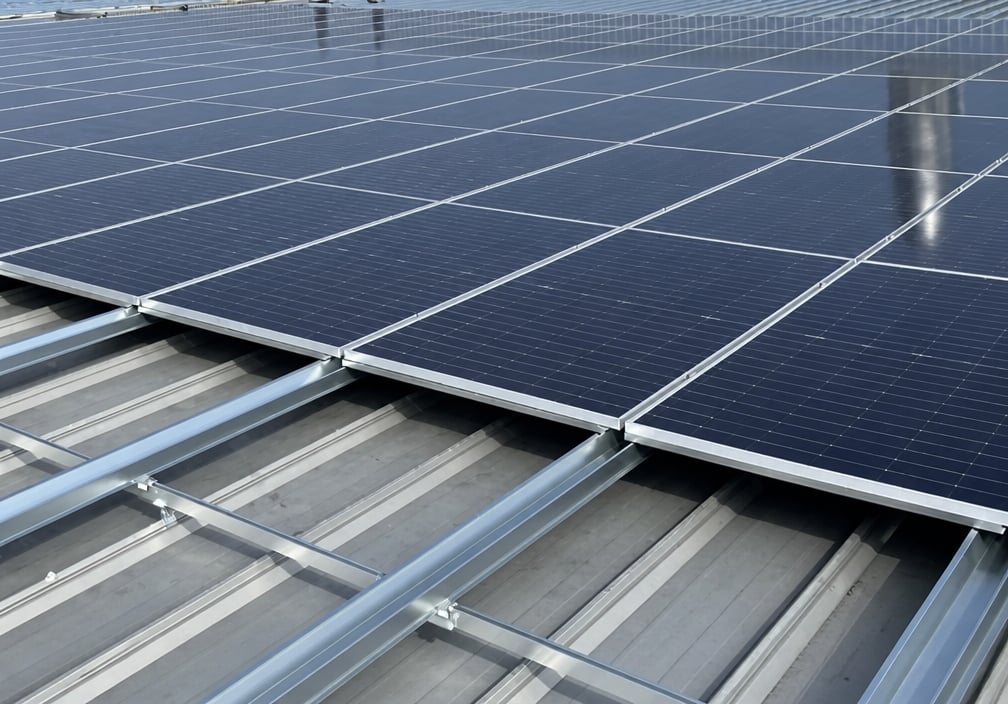
Choosing the right solar mounting structure is an important decision for metal roof solar projects. Among the available options, mini rail solar mounting systems and traditional full rail mounting systems are two widely used solutions.
Both systems are designed to secure solar panels to the roof, but they differ in structural design, installation methods, material usage and project suitability. So, which one is better for your project?
In this guide, we compare mini rail and full rail solar mounting systems from a practical engineering and purchasing perspective, helping installers, EPC contractors and solar distributors make an informed decision.
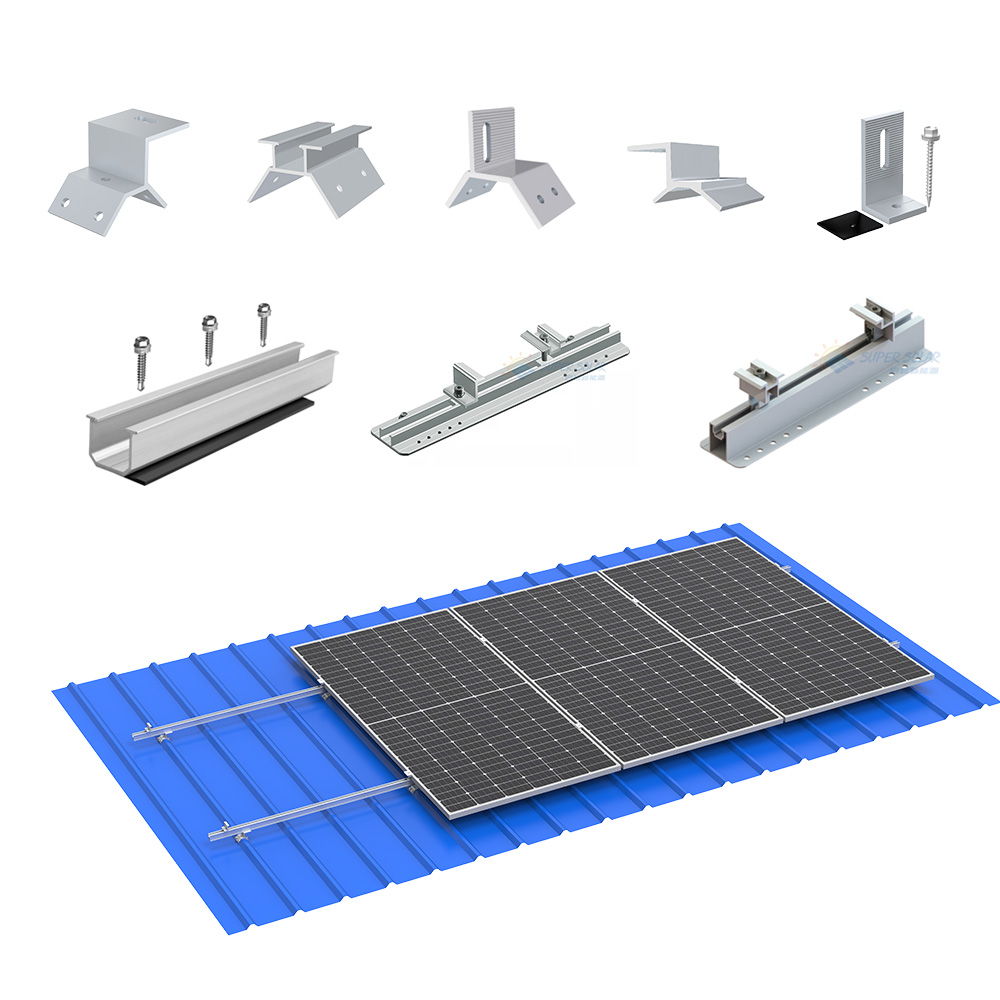
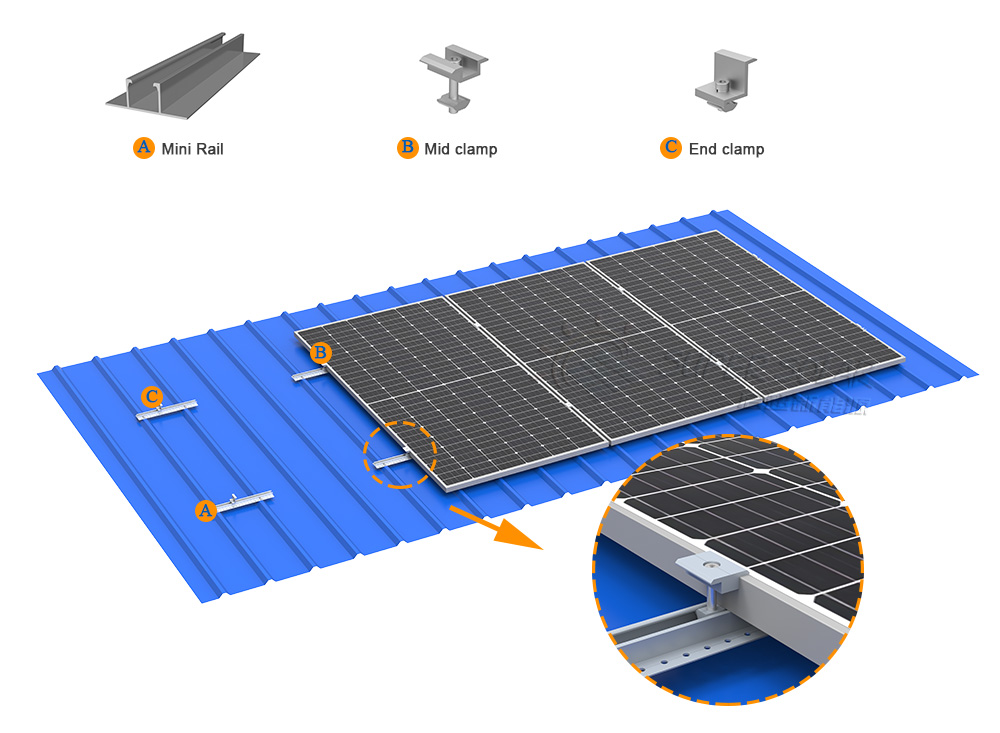
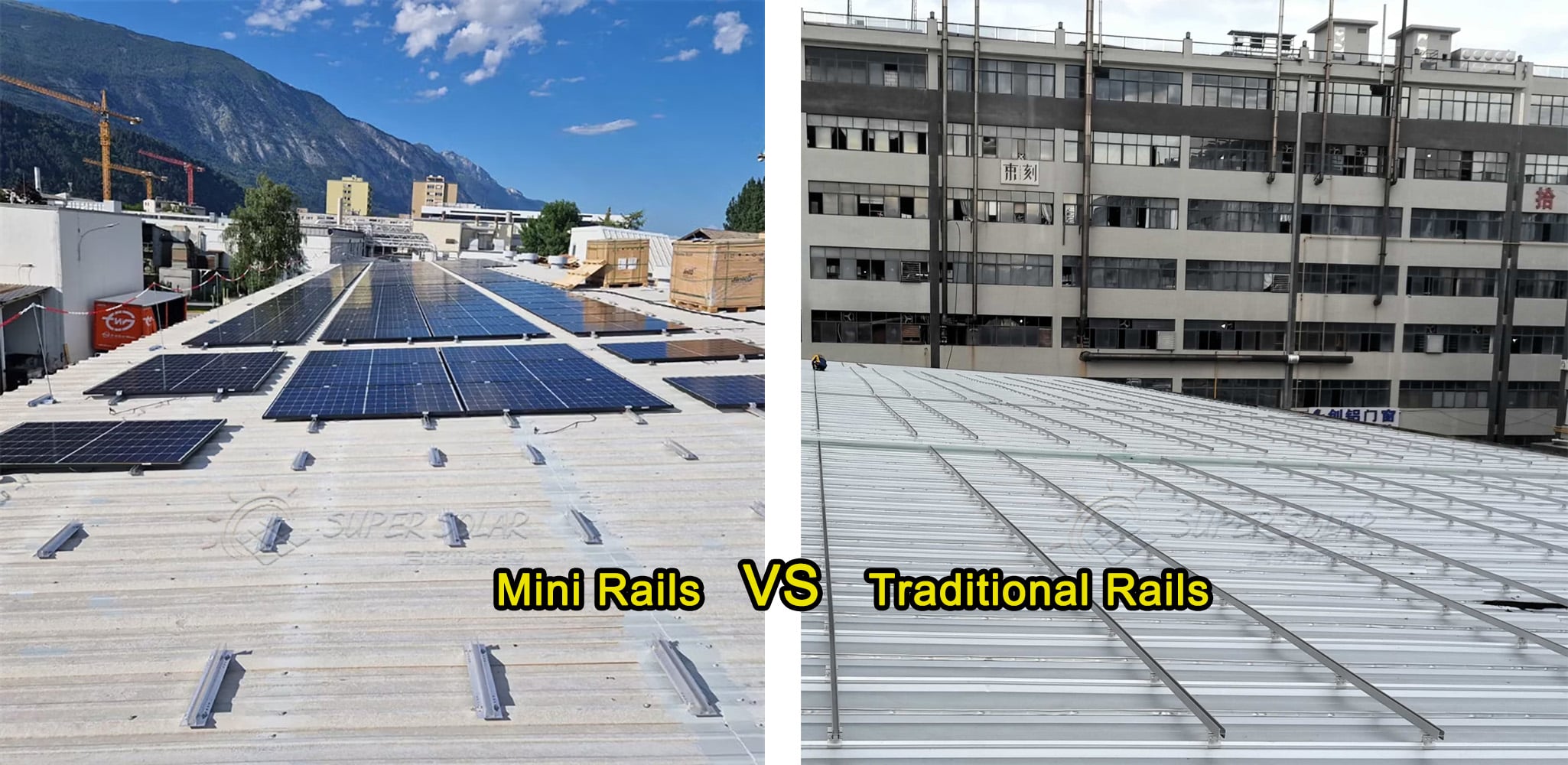
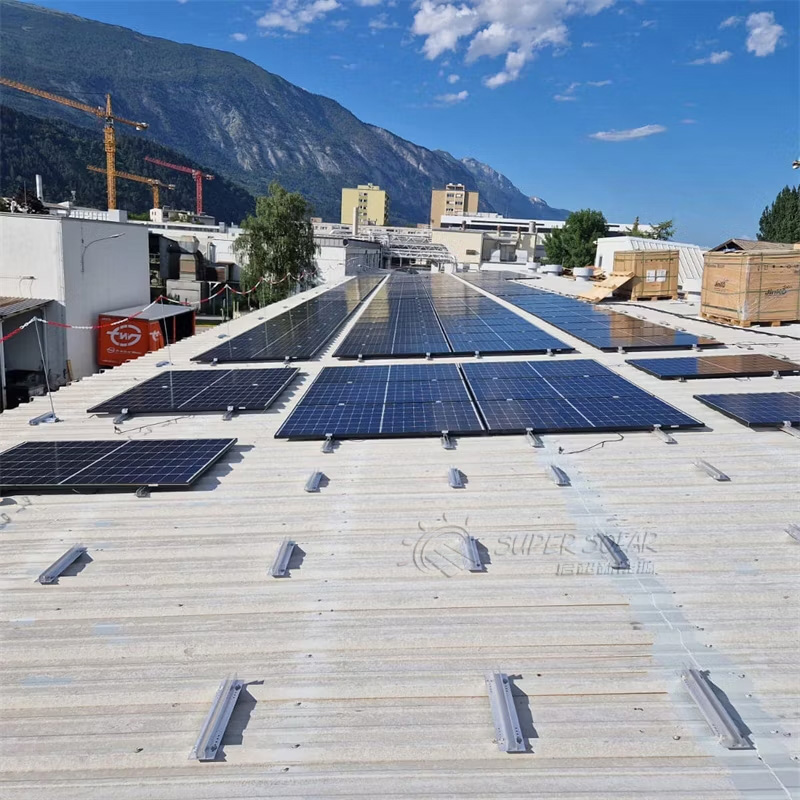
A mini rail solar mounting system uses short aluminum mounting rails instead of continuous rails running along the entire solar panel array. The short rails are fixed to the metal roof using suitable fasteners, and solar modules are secured through compatible mid clamps and end clamps.
This design is commonly used on trapezoidal and corrugated metal roofs, where the mounting points can be positioned according to the roof profile and underlying support structure.
Unlike traditional long rail systems, mini rail solutions generally require less rail material and can simplify transportation and handling.
The mini rails are installed at predetermined positions on the roof, according to the solar module dimensions and structural design. Roof fasteners connect the mounting components to the appropriate supporting structure, while clamps secure the modules to the rails.
The number and spacing of mini rails depend on module specifications, wind and snow loads, roof construction and the mounting system manufacturer's engineering recommendations.
For different metal roof profiles and mounting requirements, see our metal roof solar mounting solutions .
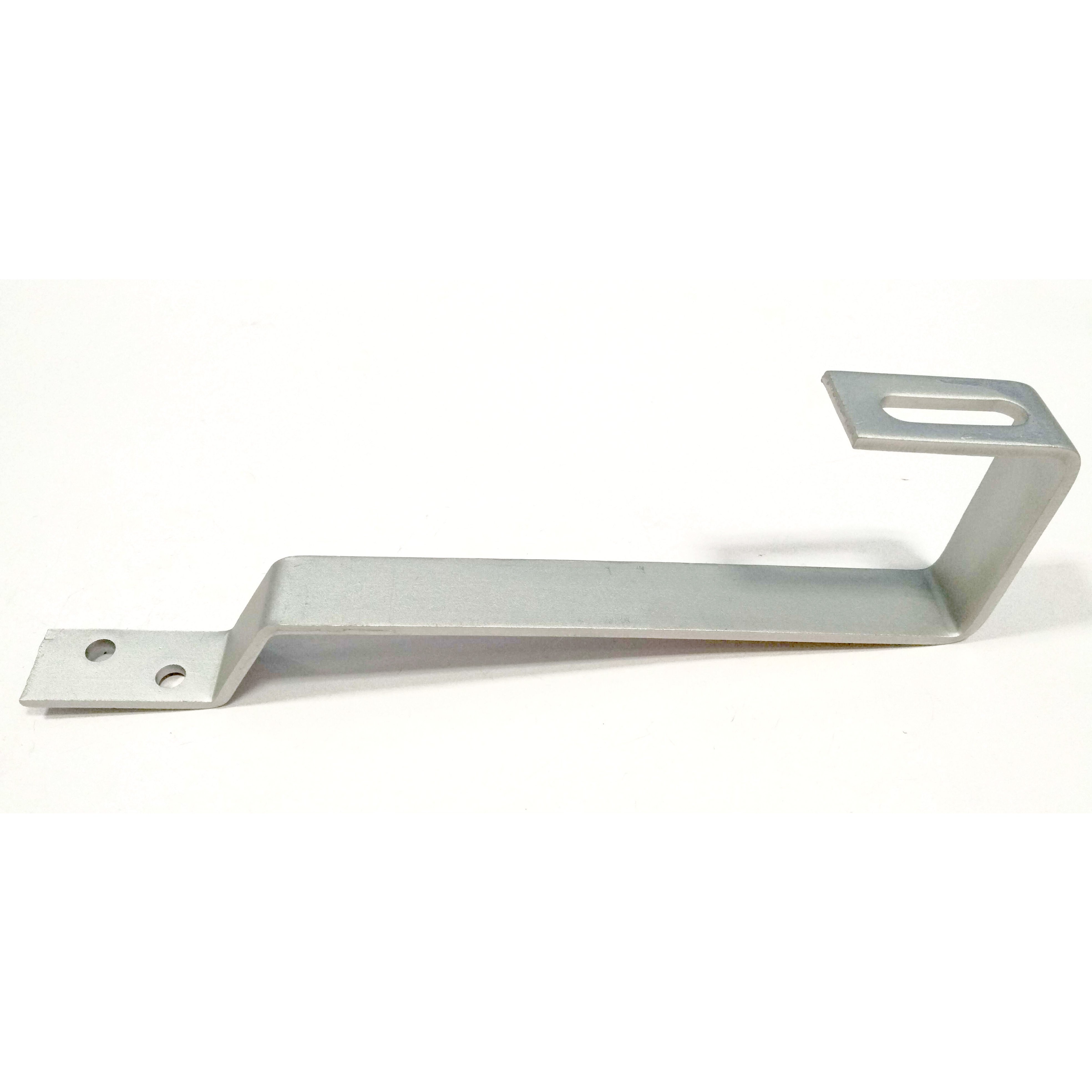
A full rail solar mounting system uses continuous or long aluminum rails to support solar panels across the installation area. The rails are connected to roof attachment points, such as L-feet, hanger bolts or roof-specific brackets.
Solar modules are installed on the rails using mid clamps and end clamps. The continuous rail structure provides flexibility in module positioning and can accommodate different roof layouts.
Full rail systems are widely used in residential, commercial and industrial rooftop solar installations, depending on the roof structure and project requirements.
Roof brackets are fixed to the roof structure at engineered intervals. Aluminum rails are then attached to these brackets, creating a supporting framework for the solar modules.
The modules are positioned and secured using compatible clamps. Rail lengths, attachment spacing and connection details must be designed according to the project's structural requirements.

Super Solar offers various aluminum solar mounting rails for rooftop and ground-mounted PV installations.
The main difference between mini rail and full rail solar mounting systems is their structural configuration. This affects material consumption, transportation, installation workflow and layout flexibility.
| Comparison | Mini Rail System | Full Rail System |
|---|---|---|
| Rail Design | Short aluminum rails | Continuous or long rails |
| Material Usage | Generally less rail material | Generally more rail material |
| Installation | Fewer rail assembly steps | Requires rail alignment and connection |
| Transportation | Compact and easy to handle | Longer components require more handling space |
| Layout Flexibility | Mounting points depend on rail positions | Flexible module positioning along rails |
| Roof Compatibility | Commonly used on suitable metal roofs | Suitable for many roof types with compatible brackets |
| Cost Considerations | Potential savings in rail material and handling | Higher rail material requirements in many layouts |
| Structural Design | Requires properly designed local attachment points | Requires properly designed rail spans and attachments |
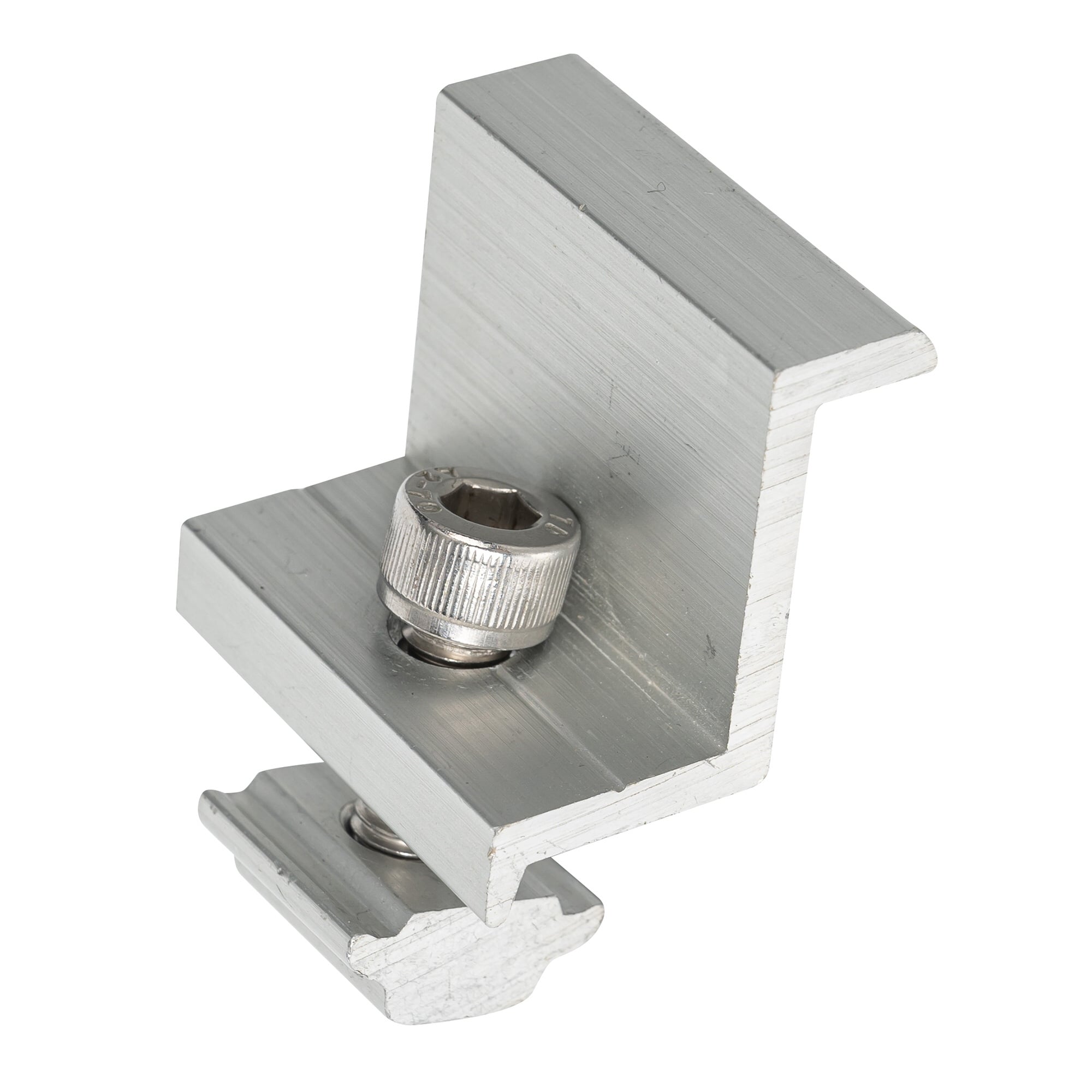
A complete mounting solution also includes compatible solar mounting system components , such as mid clamps, end clamps, roof brackets and fasteners.
It is important to understand that neither system is automatically stronger or more reliable. Structural performance depends on the rail profile, material specifications, fasteners, attachment spacing, roof structure and local environmental loads.
A lower component cost does not always mean a lower project cost. Always compare the complete mounting solution, including brackets, fasteners, clamps, installation labor, transportation and structural requirements.
The best solar mounting solution depends on your roof type, project scale, installation conditions and engineering requirements. Here are some practical selection guidelines.
For large commercial and industrial rooftop projects, the choice should be based on a complete engineering assessment rather than the mounting system type alone.

Before purchasing a mini rail or full rail solar mounting system, buyers should evaluate several technical and commercial factors.
Identify whether the roof is trapezoidal, corrugated or standing seam metal roofing. Check the roof thickness, purlin spacing, supporting structure and permitted attachment locations.
Mounting systems must be designed for local wind speed, snow load where applicable, building height and project location. Ask your supplier for structural calculations and relevant test documentation when required.
Check the aluminum alloy and temper, surface treatment, steel fastener specifications and corrosion protection. Material specifications should be clearly documented.
Make sure the rails, roof brackets, mid clamps, end clamps and fasteners are compatible with the selected solar modules and roof profile.
Compare the complete bill of materials, installation time, packaging, shipping costs and expected maintenance requirements. Do not evaluate the system based on rail price alone.
A reliable mounting supplier should be able to review project drawings, recommend suitable components and provide technical support for different roof conditions and installation requirements.
Before selecting a mini rail system, read our solar mini rail selection guide for more information about roof conditions, fastener selection and installation requirements.
Super Solar provides solar mounting solutions for residential, commercial and industrial rooftop projects. Our product range includes mini rail systems, aluminum rails, roof brackets, clamps and other mounting accessories.
We work with installers, EPC contractors, wholesalers and distributors to provide mounting solutions based on actual project requirements.
Whether you need mini rail systems for metal roof installations or a complete rail-based mounting solution, our team can help evaluate the right configuration for your project.
Contact Super Solar with your roof profile, module specifications and project requirements to discuss a suitable solar mounting solution.
Mini rail systems can be more cost-effective because they generally use less aluminum rail material and may reduce transportation and installation costs. However, the actual savings depend on the roof design, attachment requirements, component pricing and labor costs.
A properly engineered mini rail system can be used in high-wind areas if its components, fasteners, attachment spacing and roof structure meet the required design loads. The complete system must be evaluated for the project's local wind conditions.
No. Mini rail compatibility depends on the roof profile, roof thickness, supporting structure, fastener type and module mounting requirements. A roof-specific assessment is necessary before selecting the system.
Mini rail systems generally use compatible mid clamps and end clamps to secure solar modules. Clamp dimensions and specifications must match the rail design and module frame thickness.
Yes. Depending on the product design, mini rail length, material specifications, fastener selection and packaging can be customized to meet different project and distributor requirements.
Both systems can be suitable for commercial rooftops. Mini rail is often considered for standardized metal roof layouts, while full rail offers greater flexibility for some complex configurations. The final selection should be based on structural calculations, installation conditions and total project cost.
Tell us about your roof type, project capacity and installation requirements. Super Solar can help you evaluate mini rail and full rail options for your next solar project.
Super Solar | Professional Solar Mounting Solutions