 EN
EN

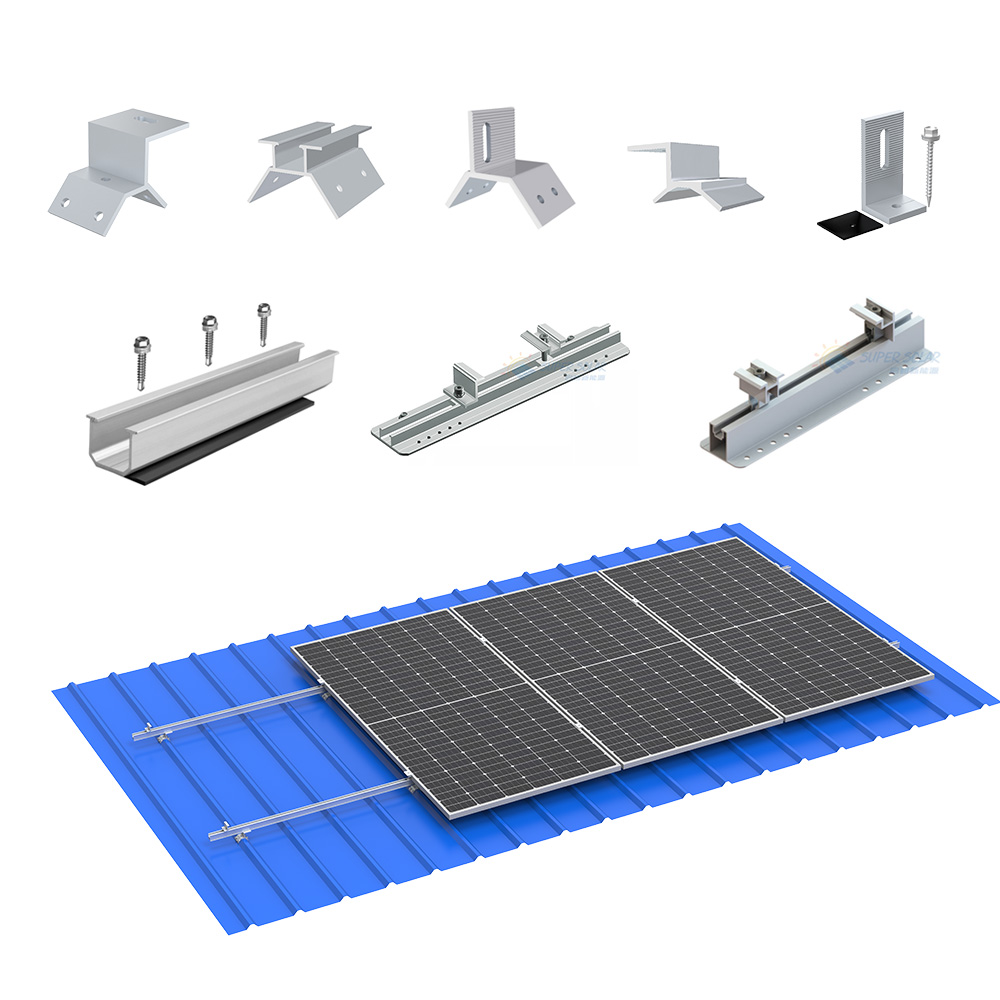

Solar mounting systems consist of several key components that secure photovoltaic modules safely to rooftops or ground structures. Each component plays a critical role in ensuring structural stability, weather resistance, and long-term system reliability.
At Super Solar, we design and manufacture a complete range of solar mounting components for residential, commercial, and industrial installations.
This guide introduces the essential components used in modern solar mounting systems and explains how they work together in rooftop PV installations.
A typical rooftop solar mounting system includes several essential structural elements:
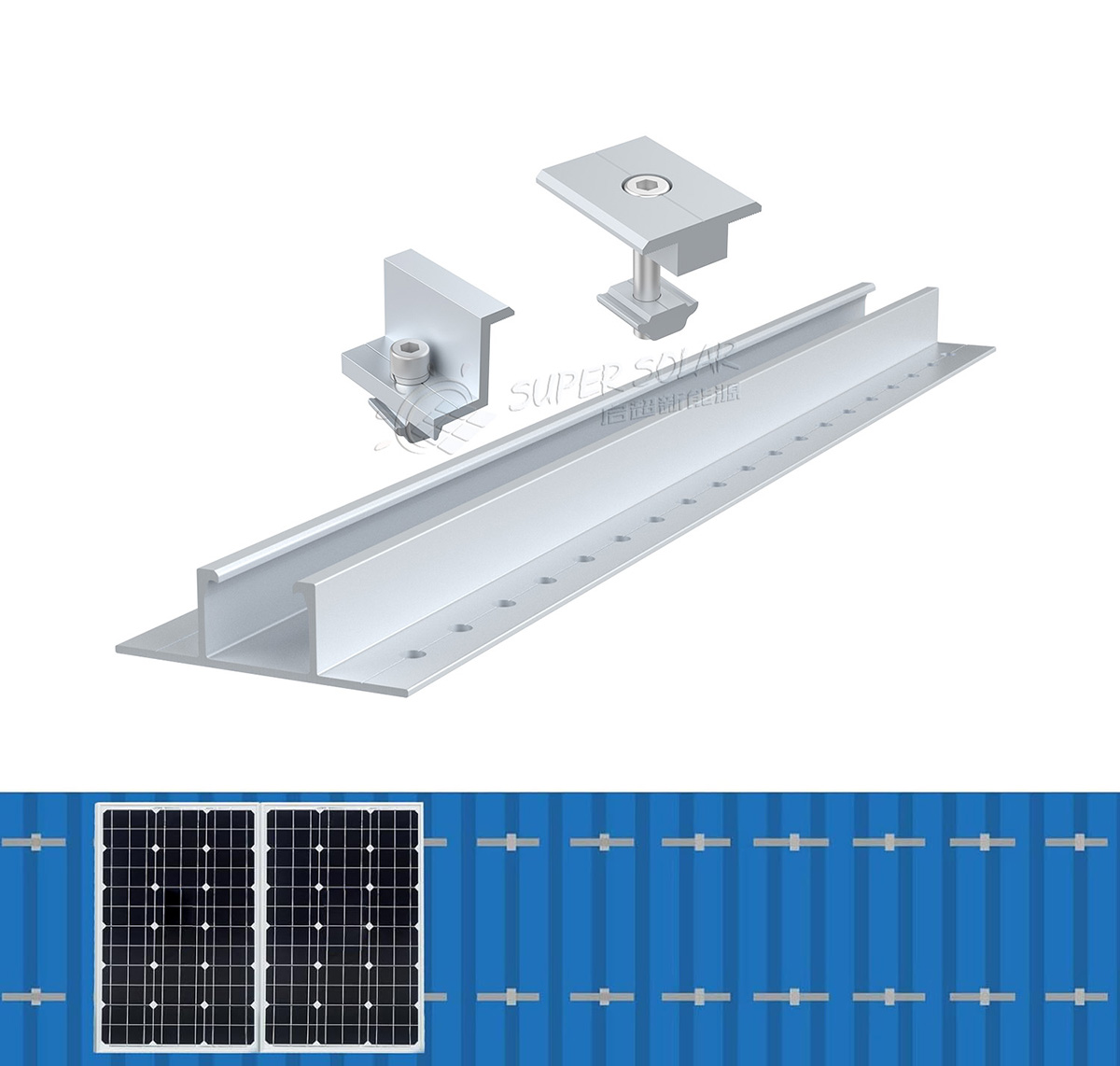
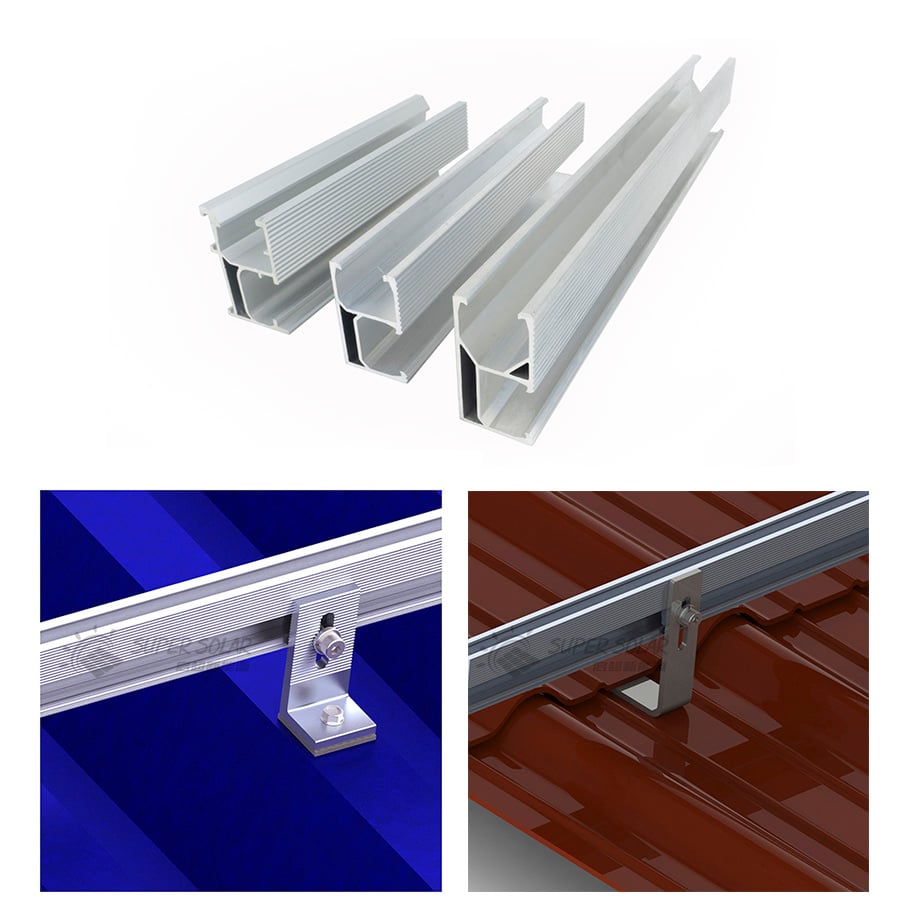
Solar rails
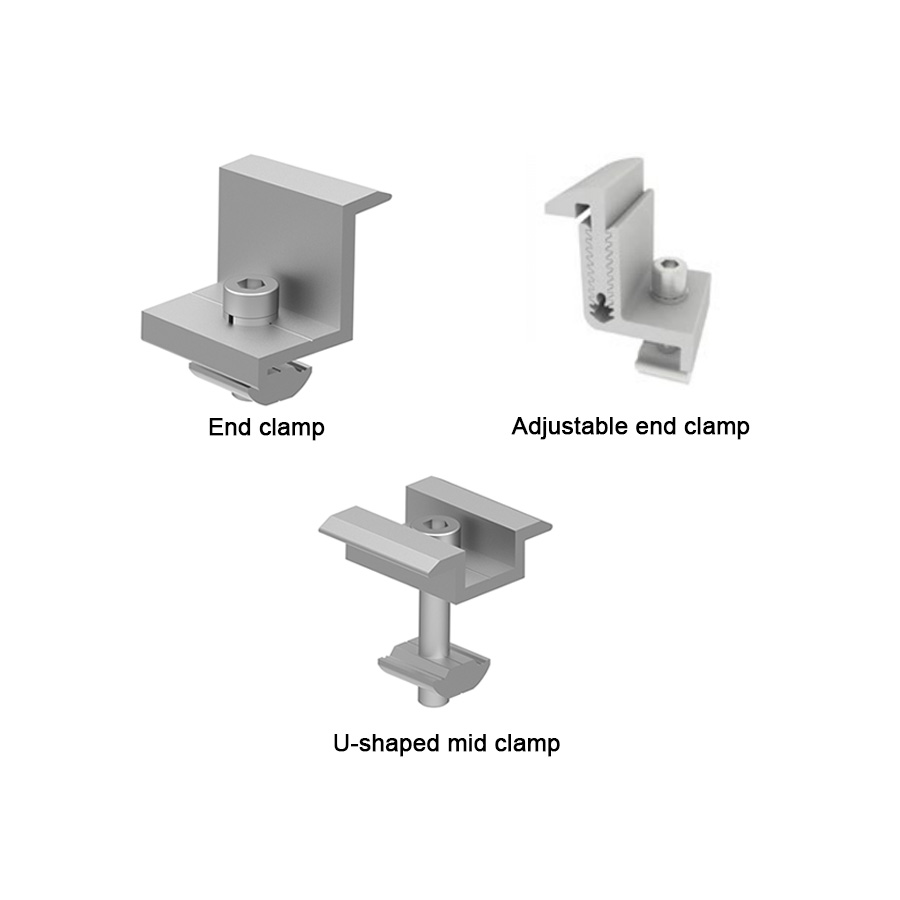
Mid clamps
End clamps
Roof hooks or roof attachments
Metal roof clamps
Grounding accessories
Each component is designed to ensure secure module fixation, load distribution, and easy installation.
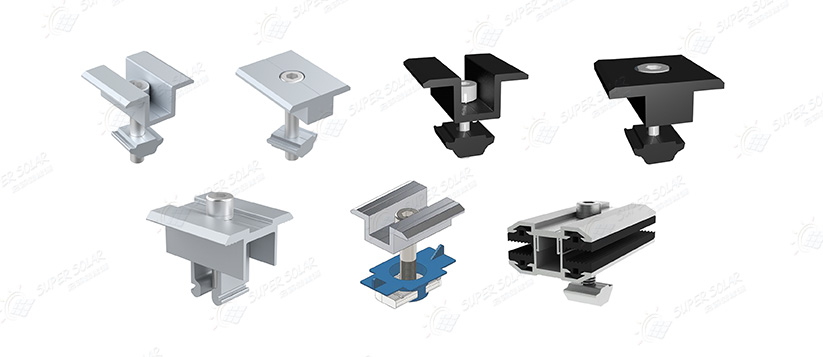
Solar mid clamps are used to secure solar panels between two adjacent modules along the mounting rail.
Fix panels securely to mounting rails
Maintain correct spacing between modules
Ensure structural stability in wind and snow conditions
Mid clamps are typically made of anodized aluminum and compatible with most standard PV module frames.
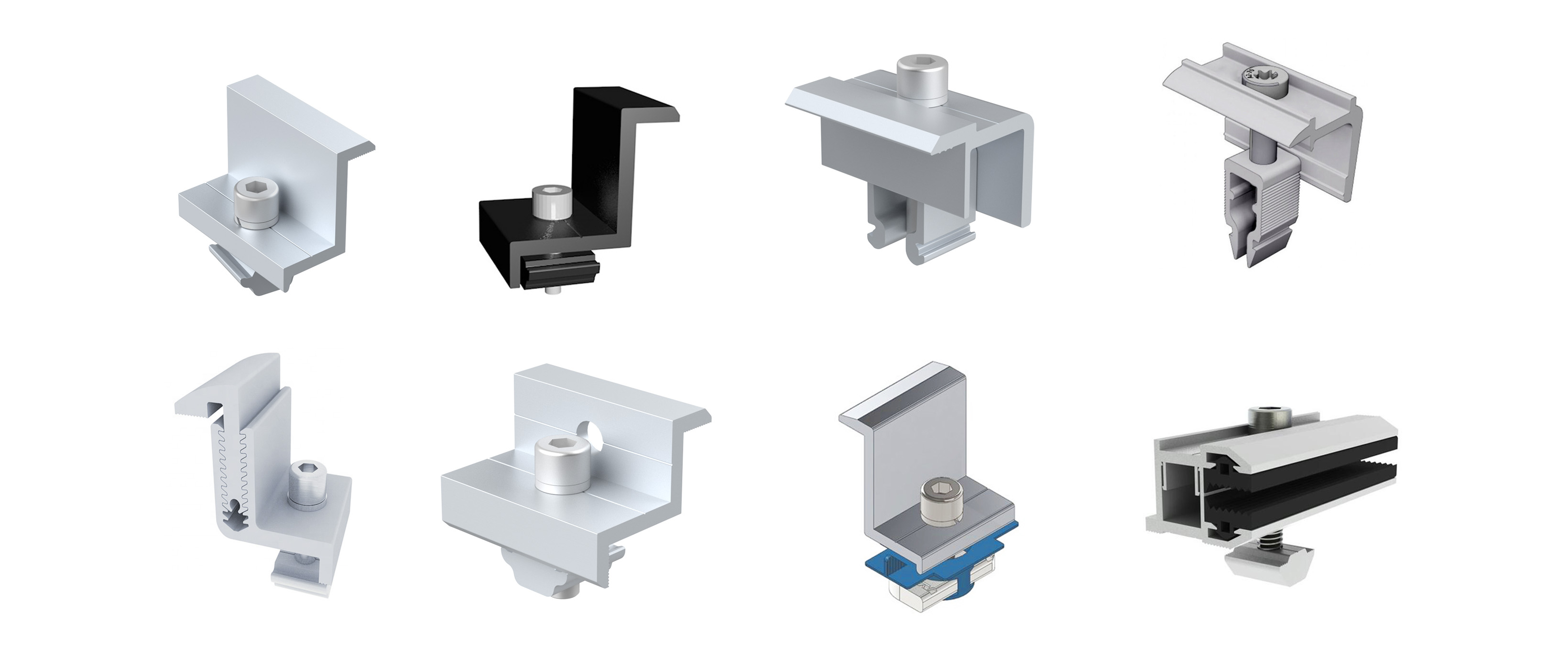
Solar end clamps are installed at the edges of the PV array to secure the outermost modules.
Lock the first and last module in a row
Provide structural support at array boundaries
Ensure clean and professional installation appearance
End clamps are available in multiple heights to match different solar panel frame thicknesses.
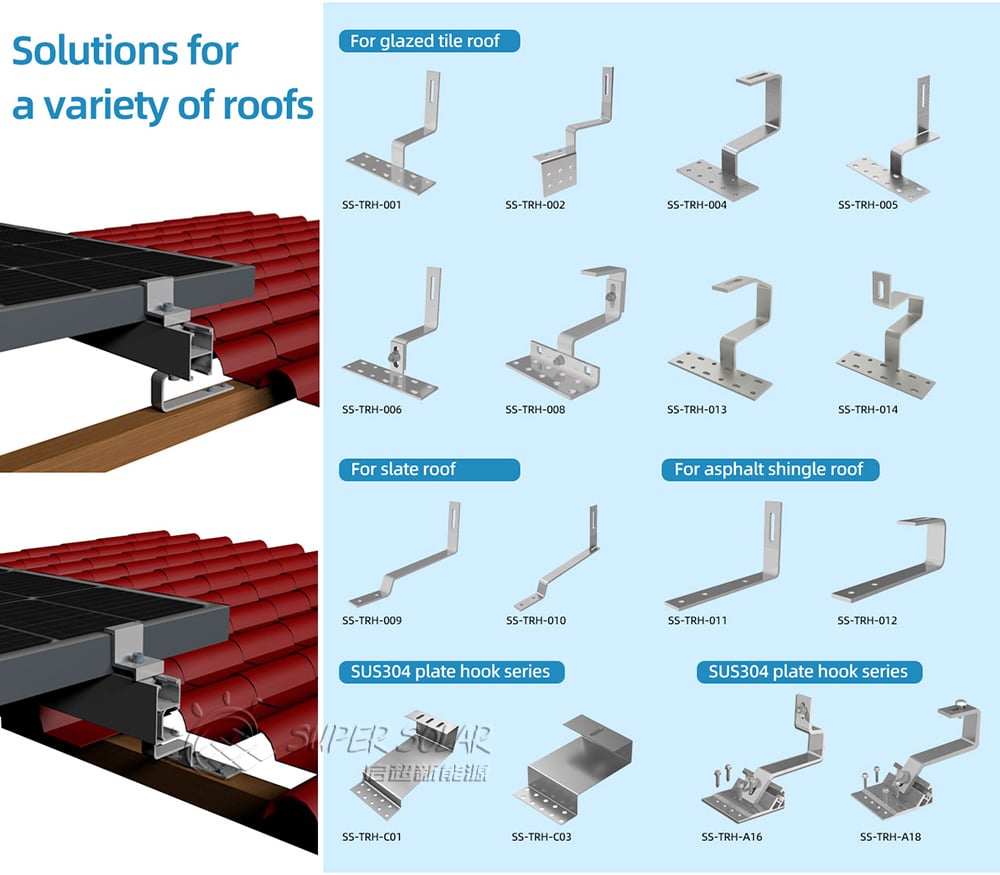
Solar roof hooks are commonly used for tile roof solar installations.
They connect the mounting rails to the roof structure without damaging the roof tiles.
Compatible with various tile roof profiles
Strong structural support
Waterproof installation design
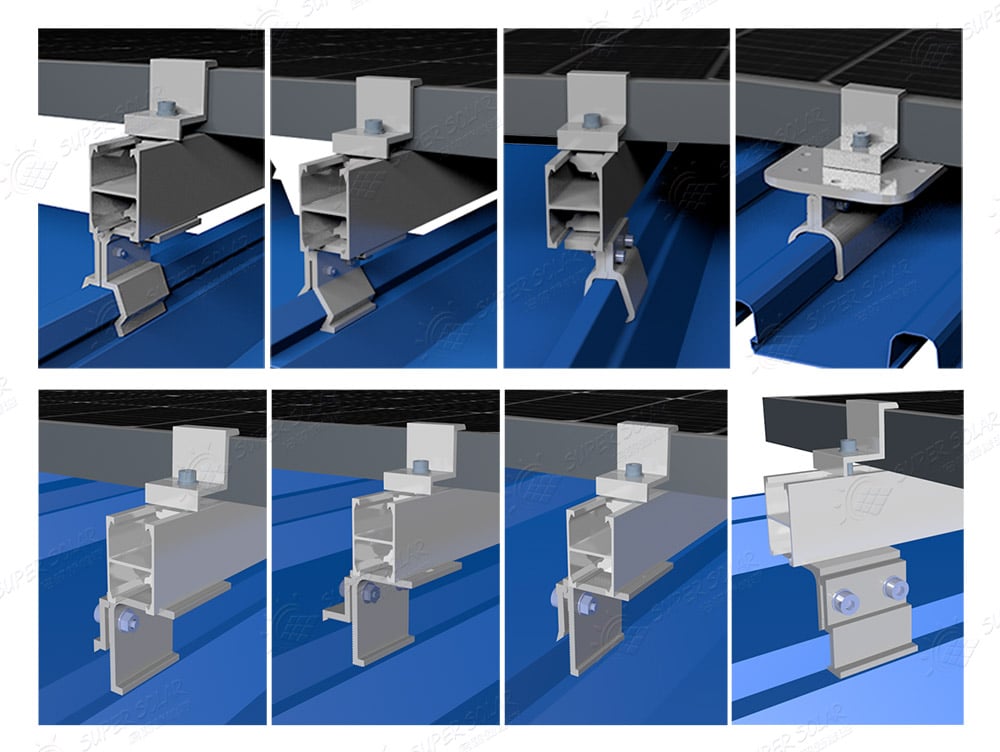
Standing seam solar clamps are used on standing seam metal roofs and allow solar panels to be installed without roof penetration.
Non-penetrating installation
Protect roof waterproofing
Fast installation with minimal tools
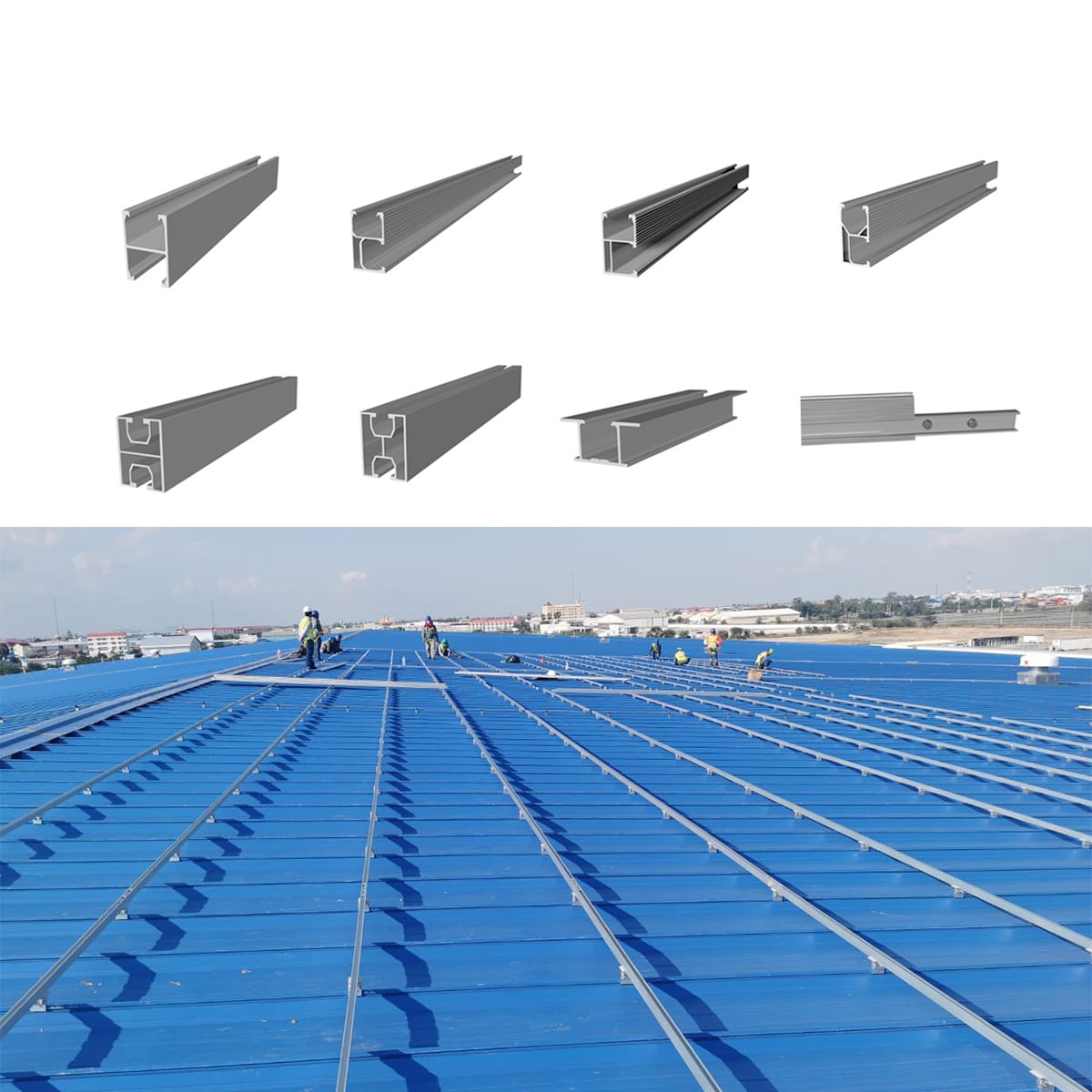
Solar rails provide the structural base for module installation.
They distribute loads evenly across the mounting system and connect panels to roof attachments.
High-strength aluminum alloy
Corrosion resistance
Compatible with multiple clamp types
Rails are essential for most rooftop solar mounting systems.
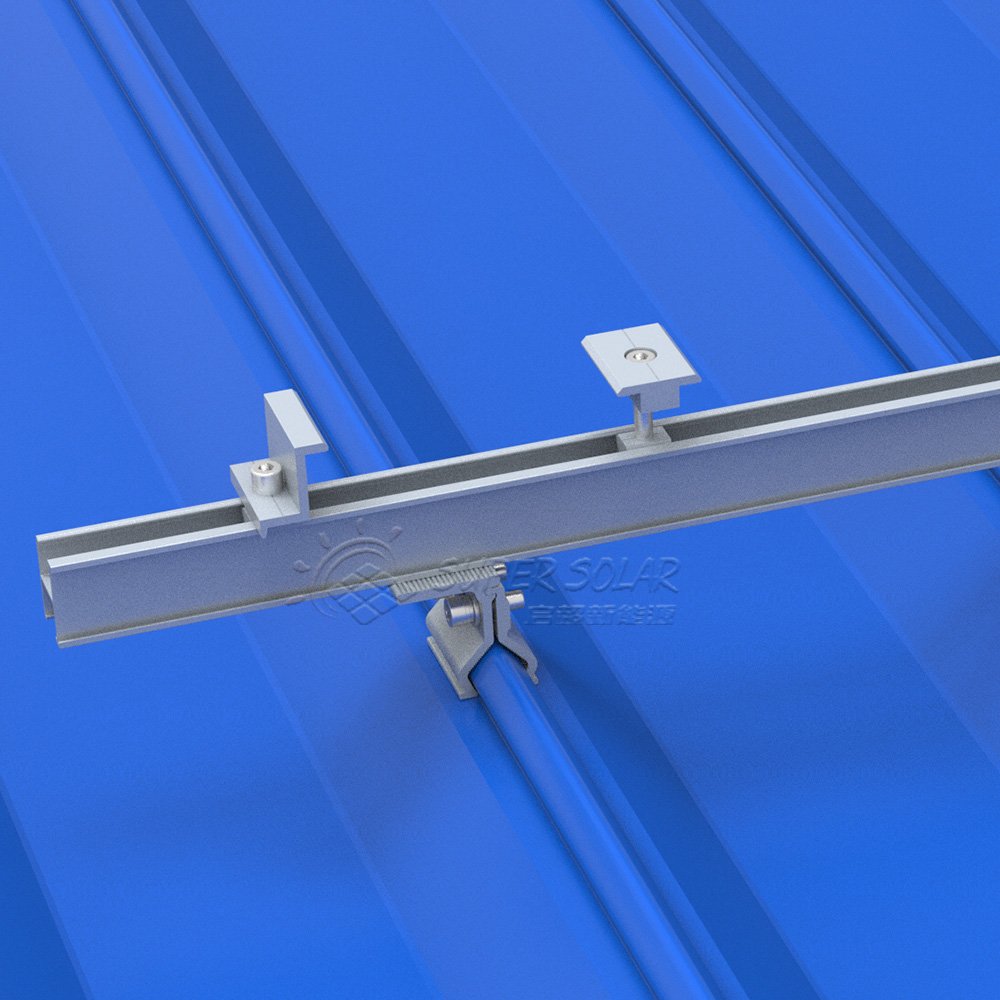
A typical rooftop solar installation follows this structure:
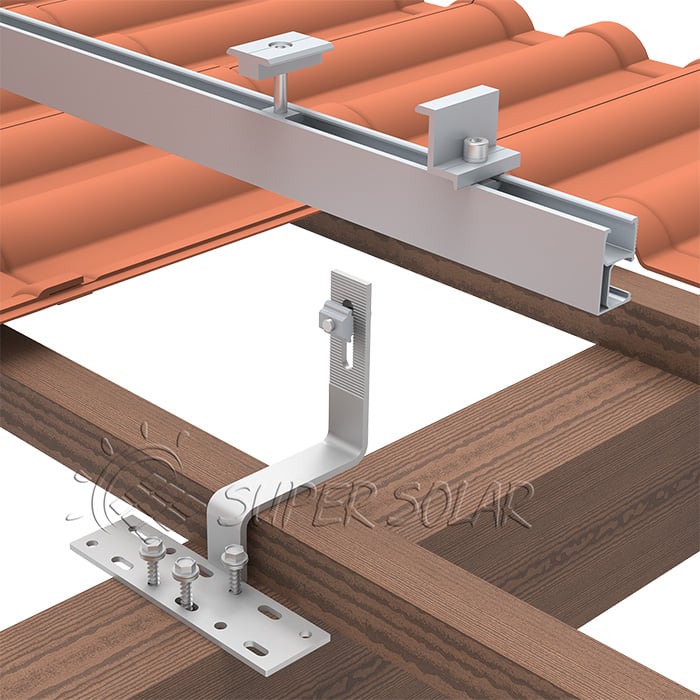 |
 |
Roof Structure
     ↓
Roof Attachment (Hook / Clamp)
     ↓
Solar Mounting Rail
     ↓
Mid Clamp & End Clamp
     ↓
Solar Panels
Each component must be properly designed to ensure:
structural safety
easy installation
long-term durability
High-quality mounting components are critical for the safety and performance of photovoltaic systems.
Key factors include:
material strength
corrosion resistance
compatibility with solar modules
compliance with international standards
Reliable components help ensure solar systems operate safely for 25 years or more.
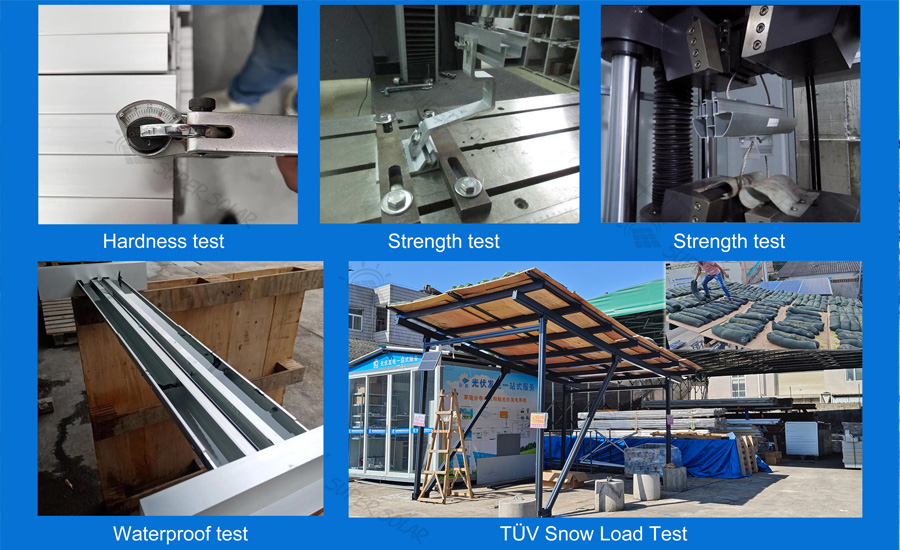
Super Solar provides a comprehensive range of solar mounting components designed for various installation scenarios.
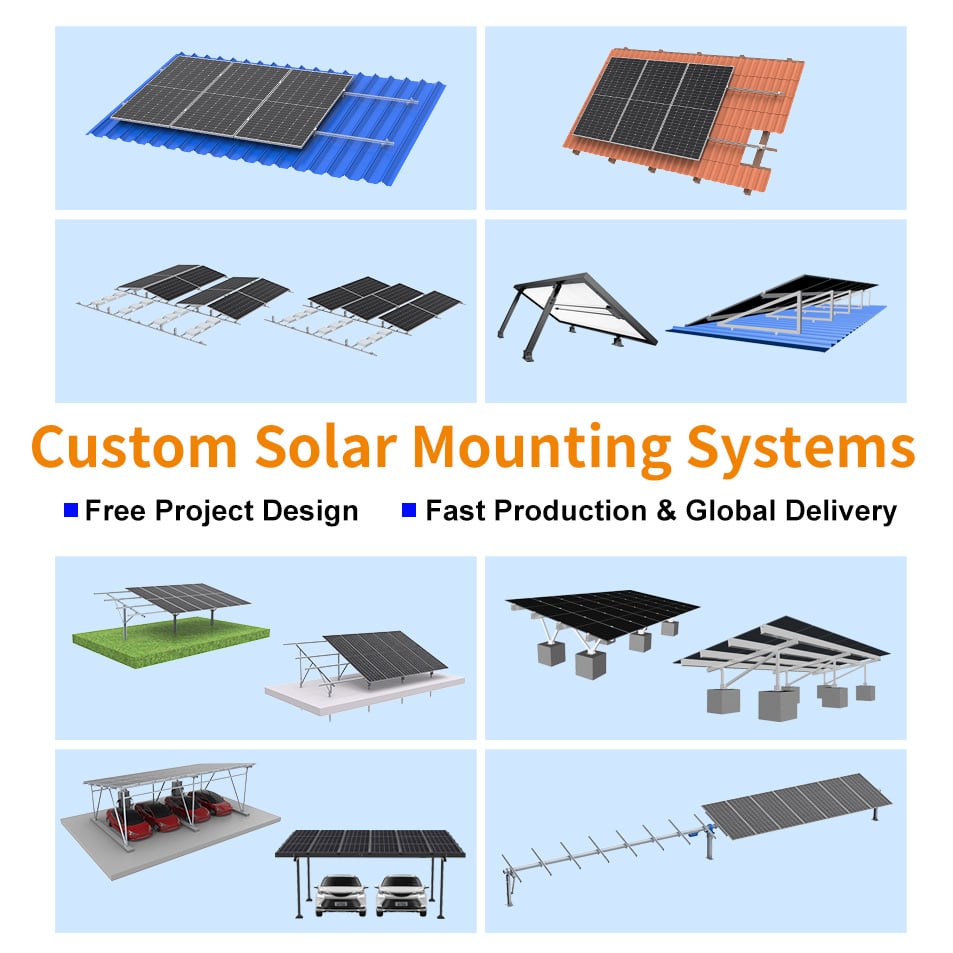
Our products support:
metal roof solar installations
tile roof solar installations
flat roof solar systems
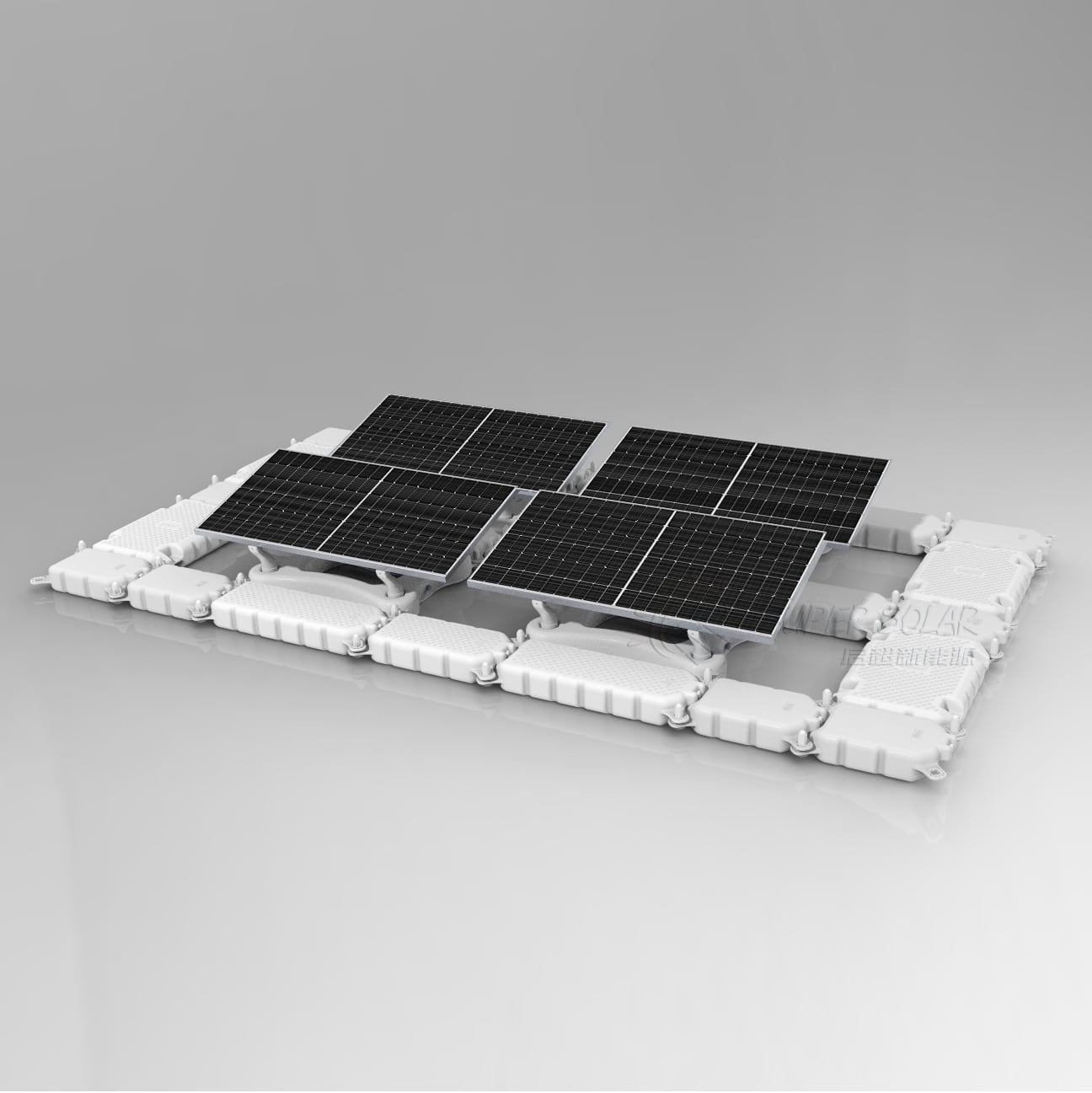
ground mounting systems
With advanced manufacturing and strict quality control, we help installers and distributors build reliable solar projects worldwide.
What are the main components of a solar mounting system?
A solar mounting system typically includes rails, mid clamps, end clamps, roof hooks or roof clamps, and grounding accessories that secure solar panels to the structure.
What is a solar mid clamp used for?
A solar mid clamp secures adjacent solar panels to the mounting rail and maintains proper spacing between modules.
What is the function of a solar end clamp?
Solar end clamps fix the outermost solar panels in place at the edges of a PV array.
Can solar panels be installed on metal roofs without drilling?
Yes. Standing seam solar clamps allow solar panels to be installed on standing seam metal roofs without roof penetration.
 Hot News
2025-11-03
2025-10-22
2025-01-24
2024-06-12
2024-06-12