 EN
EN
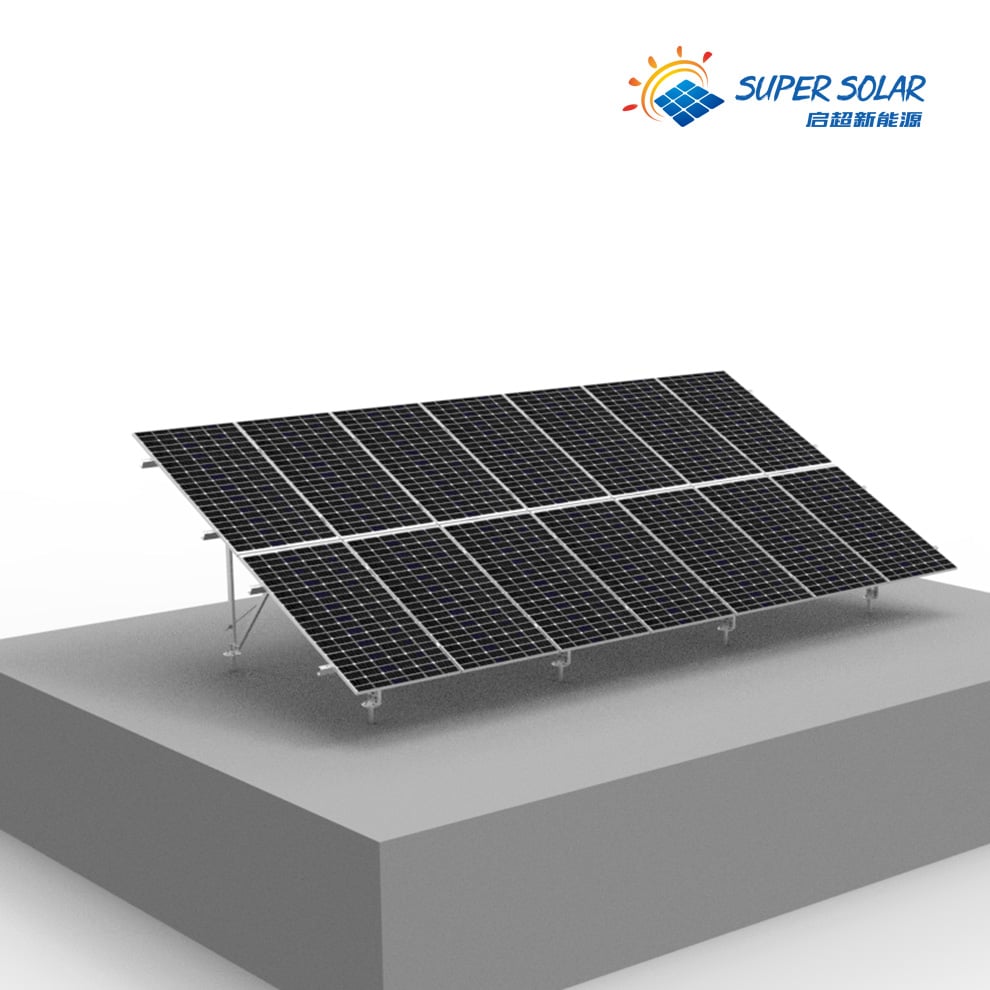
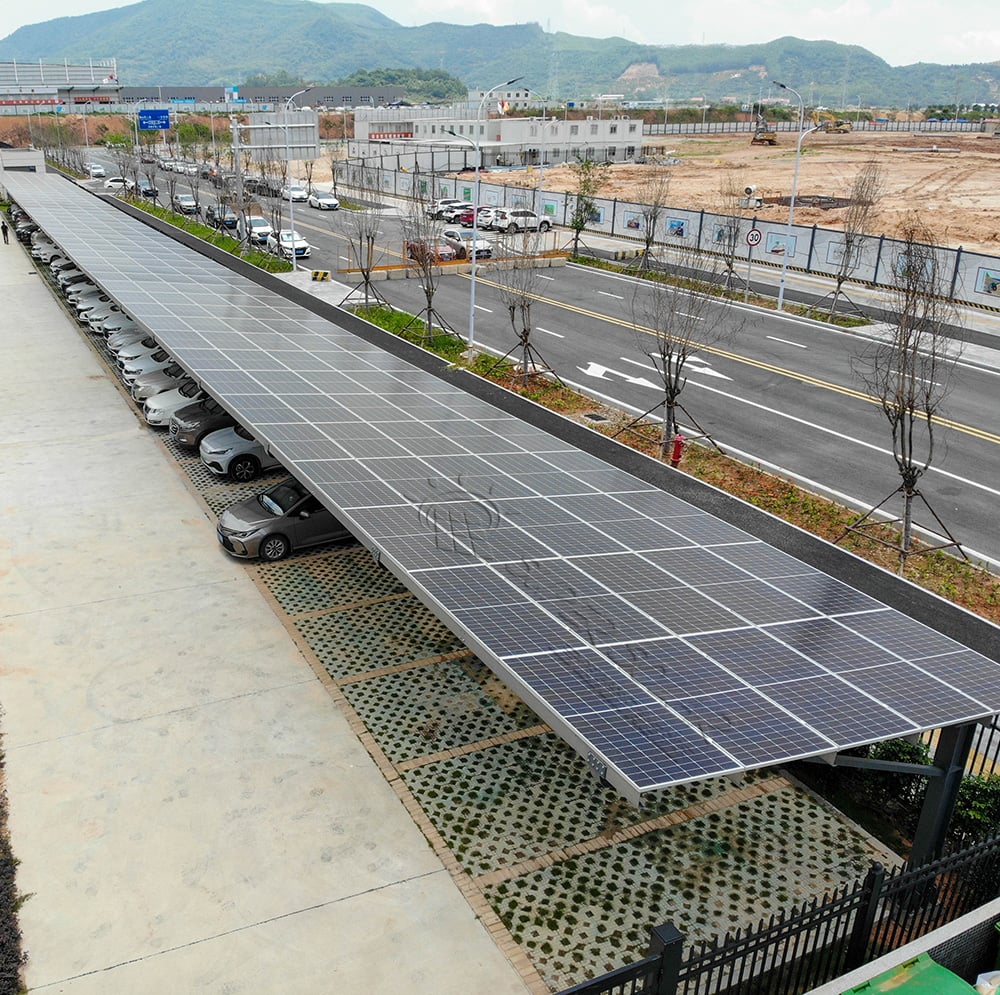
As the demand for renewable energy solutions grows, solar carports have become a popular and reliable choice for both residential and commercial applications. However, when selecting a solar carport, especially for the demanding German market, quality and compliance with rigorous standards are non-negotiable. One of the most trusted certifications in the solar industry is TUV certification—a mark of quality and safety that assures customers that the product meets stringent international standards.
In this blog, we will explore the significance of TUV certification for solar carports (produced by Super Solar), the testing processes involved, and why it is essential for solar carport buyers in Germany.
TUV, short for Technischer Überwachungsverein, is an independent German organization known for its rigorous testing and certification processes across various industries. For solar carports, TUV certification signifies that the product has passed stringent tests related to durability, safety, and performance.
The certification process typically involves comprehensive testing that ensures the solar carport will withstand harsh environmental conditions, particularly in countries like Germany, where weather extremes (such as heavy snow, high winds, and UV radiation) can impact the performance of outdoor structures.
The TUV certification process for solar carports covers multiple critical areas, ensuring that the product will perform safely and efficiently under various environmental conditions. While we may not have the exact test data analysis at this time, we will outline some of the most common testing projects involved in this certification, supplemented by detailed test data we conducted:
One of the most important aspects of TUV testing is ensuring the structural integrity of the solar carport. The system undergoes load testing to verify its ability to withstand heavy loads, such as snow accumulation and wind pressure. In Germany, where heavy snowfalls are common in winter, this is a crucial test for ensuring long-term performance.
Test Data:
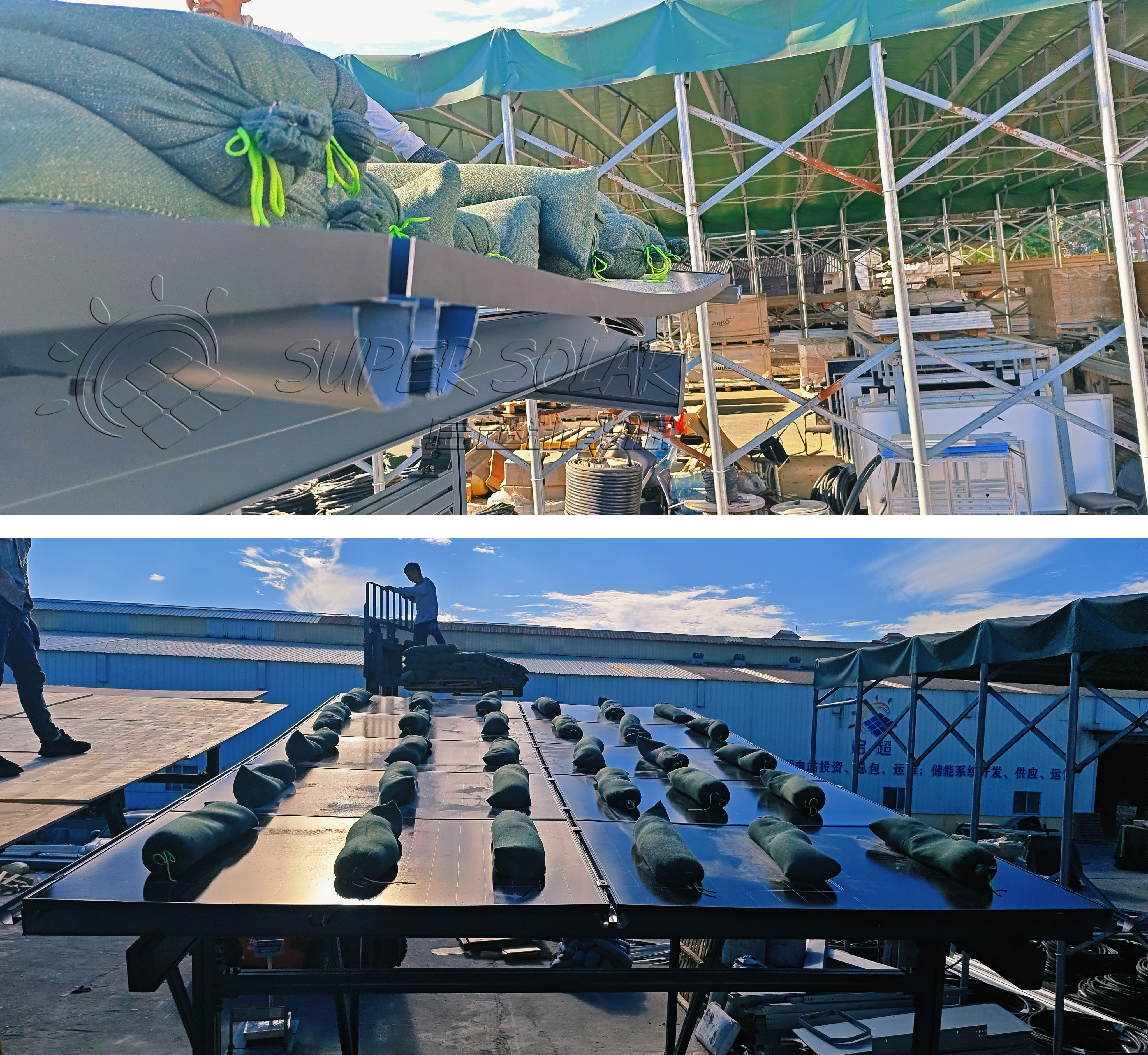
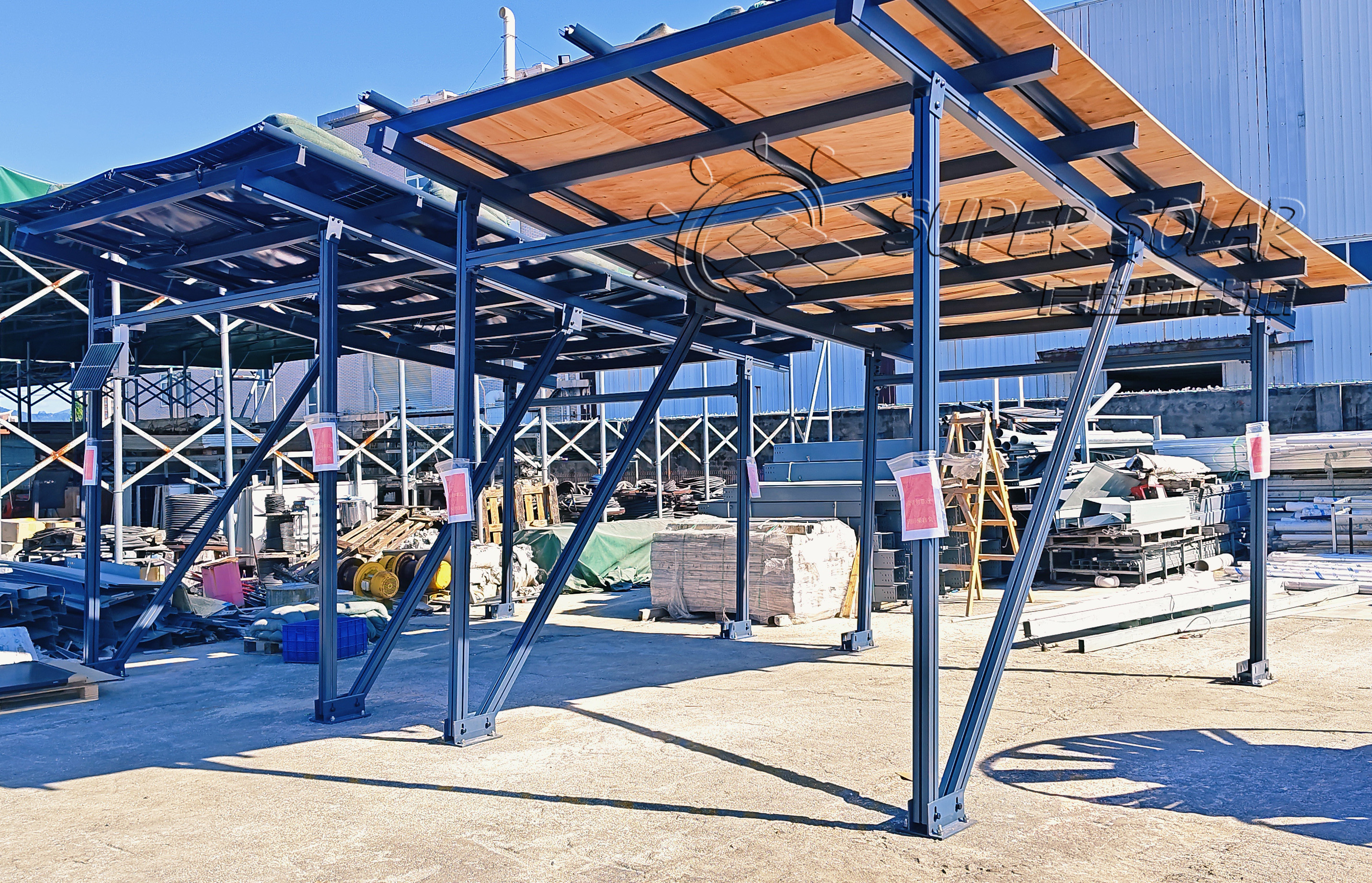
Test Setup: Two solar carports were tested, one with solar modules installed (10 panels) and the other with wooden planks as a load surface.
Test Load: Each solar panel was subjected to a load of 196 kg, with 14 sandbags (14 kg each) used per panel. This means the total load for one carport was 1960 kg.
Test Duration: The total monitoring period for each carport was 48 hours to assess the structural resilience and long-term performance.
Industry Standard: Solar carports must meet load-bearing standards outlined by German regulations, including DIN EN 1991-1-3 (snow load) and DIN EN 1991-1-4 (wind load). TUV certification confirms that the solar carport complies with these requirements.
Given that solar carports are exposed to outdoor elements year-round, corrosion resistance is critical to maintaining the structure's longevity and safety. TUV certification includes salt spray testing to evaluate how well the materials, such as aluminum and steel, resist corrosion.
Test Environment Requirements:
Test Duration: The salt spray test typically lasts 48-72 hours, simulating the corrosive effects of saltwater or humid environments.
Exposure Conditions: The materials are exposed to a controlled saline mist at 35°C to simulate long-term exposure to coastal or humid environments.
Industry Standard: Materials must pass the ISO 9227 salt spray test, which simulates the corrosive effects of saltwater, commonly found in coastal areas or regions with high humidity.
Solar carports need to be able to withstand strong winds without compromising their structural integrity. TUV certification includes wind resistance testing to simulate extreme wind conditions.
Test Environment Requirements:
Wind Speed: The wind resistance test typically simulates wind speeds up to 120 km/h (75 mph), which corresponds to severe storm conditions.
Test Duration: This test is conducted over a 48-hour period to assess how the carport maintains stability under sustained wind loads.
Industry Standard: Solar carports must meet the standards for wind load resistance as specified in DIN EN 1991-1-4. TUV tests the carport to ensure it can withstand gusts of up to 120 km/h, common during severe storms.
Solar carports are designed to provide shade and shelter while supporting solar panels. They must be able to withstand prolonged exposure to the sun without deteriorating. TUV conducts UV resistance testing to verify that the materials will not degrade over time under constant exposure to sunlight.
Test Environment Requirements:
UV Chamber Exposure: The materials are exposed to a UV chamber that mimics natural sunlight conditions. The exposure level and duration are measured in hours to ensure long-term UV resistance.
Testing Standard: ISO 4892-3 provides the standard for UV testing, which measures how well the material resists degradation caused by ultraviolet radiation.
Industry Standard: The materials used must meet ISO 4892-3 standards for UV testing, ensuring that the solar carport will maintain its appearance and functionality over time.
If the solar carport comes with integrated solar panels, TUV certification also ensures that the electrical system complies with safety standards. Testing includes grounding, insulation, and short-circuit protection to ensure safety.
Industry Standard: The system must comply with IEC 61730 (Safety of Photovoltaic Modules) and IEC 61215 (Performance of Photovoltaic Modules) standards for electrical safety and reliability.
Germany is one of the most stringent markets when it comes to renewable energy systems, especially solar power. The country has established clear guidelines for solar products, including carports, to ensure their reliability and safety. TUV certification plays a crucial role in meeting these high standards.
For distributors, installers, and wholesalers, a TUV-certified solar carport represents a product that:
Meets German regulatory requirements for safety and performance.
Enhances customer trust by showcasing a commitment to quality and safety.
Fulfills expectations for long-term reliability, making it an attractive investment for businesses and end-users alike.
While we are currently awaiting the detailed test data analysis from the customer, the TUV certification process offers peace of mind, knowing that the solar carport has undergone thorough testing to meet the highest standards of quality, safety, and durability. In the highly competitive German market, having TUV certification gives your solar carport a competitive edge, reassuring customers that they are investing in a product designed to last for many years.
If you’re looking for a solar carport that can withstand the toughest conditions while providing reliable solar energy generation, a TUV-certified solution is the best choice. Contact us today to learn more about our range of solar carports and how we can support your energy needs!
Answer: TUV certification is a prestigious mark of quality and safety awarded by the independent German organization, Technischer Überwachungsverein (TUV). For solar carports, TUV certification ensures that the product has undergone rigorous testing to meet international standards for safety, durability, and performance, making it suitable for harsh weather conditions, especially in regions like Germany.
Answer: Germany has strict regulations and high standards for renewable energy systems. TUV certification confirms that a solar carport meets the required safety and performance standards for the German market. This certification is essential for ensuring the product can withstand Germany’s harsh climate, including heavy snow, high winds, and prolonged UV exposure.
Answer: Solar carports undergo several critical tests for TUV certification:
Load Testing: Verifies the structure can support heavy loads, such as snow and wind.
Corrosion Resistance: Ensures the materials resist corrosion in outdoor environments.
Wind Resistance: Tests the carport’s ability to withstand strong winds.
UV Resistance: Assures the materials can endure prolonged sunlight exposure without degradation.
Electrical Safety Testing: For integrated solar systems, tests ensure the electrical components meet safety standards.
Answer: During the load test, the solar carport’s structural beams are subjected to a heavy load. For example, in our tests, each panel was loaded with 196 kg (14 sandbags, each 14 kg), resulting in a total weight of 1960 kg per carport. The test was monitored over a 48-hour period to ensure the structure could safely handle such loads, simulating real-life conditions like snow accumulation or heavy objects.
Answer: The time required for TUV certification depends on the complexity of the product and the testing process. On average, it can take several weeks to a few months for all necessary tests and evaluations to be completed, depending on the testing schedule and the specific requirements of the product.
Answer: TUV certification testing includes various environmental conditions:
Salt Spray Test: Simulates coastal environments to assess how the materials resist corrosion from saltwater.
Wind Testing: Exposes the carport to wind speeds up to 120 km/h (75 mph) to test its resilience in storm conditions.
UV Exposure: Tests the materials’ resistance to ultraviolet radiation to ensure longevity under direct sunlight.
These tests are crucial for ensuring the carport will perform reliably in various weather conditions over its lifetime.
Answer: While TUV certification guarantees that the solar carport has passed rigorous safety and performance tests, it does not guarantee specific performance metrics, such as energy output. However, it provides assurance that the carport is built to high-quality standards and will perform reliably under typical environmental conditions.
Answer: A TUV-certified solar carport has been tested and verified to meet high safety, durability, and performance standards. It ensures the product can handle environmental stressors such as heavy loads, corrosion, UV radiation, and extreme weather. Non-certified carports may not have undergone these thorough tests, which could lead to safety and reliability concerns.
Answer: Yes, TUV-certified solar carports are suitable for both residential and commercial purposes. The certification ensures that the product can handle the demanding conditions found in commercial environments, providing reliability and safety for business use, including carports for parking areas, electric vehicle charging stations, and more.
Answer: To verify TUV certification, check the product documentation and certification reports. A genuine TUV-certified product will typically display the TUV logo or certification number on the product or in the product’s manual. Additionally, you can request verification from the supplier or manufacturer, who should be able to provide the official certification details.
 Hot News
2025-11-03
2025-10-22
2025-01-24
2024-06-12
2024-06-12