 EN

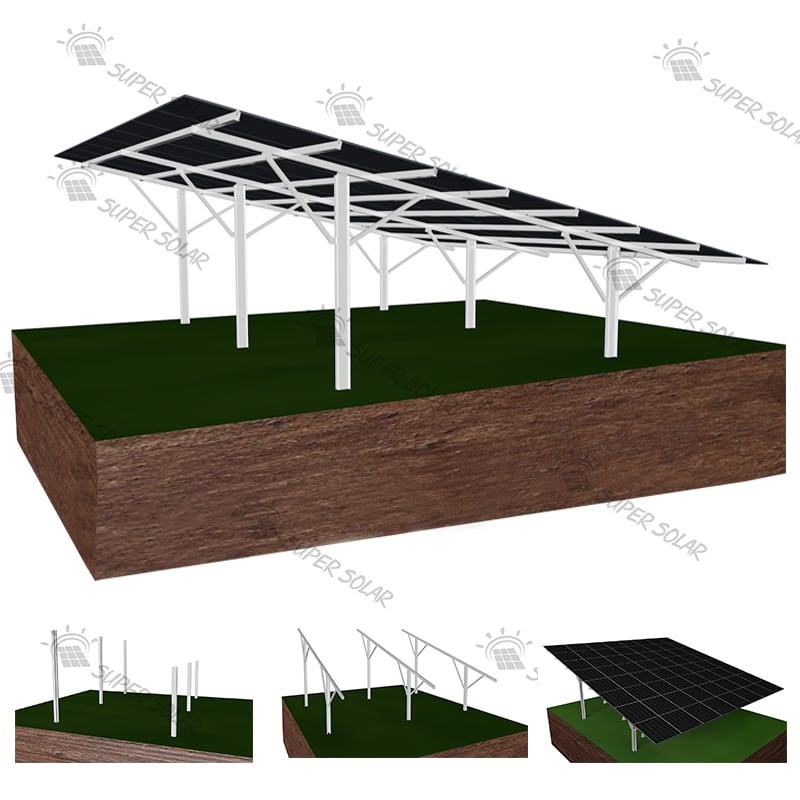
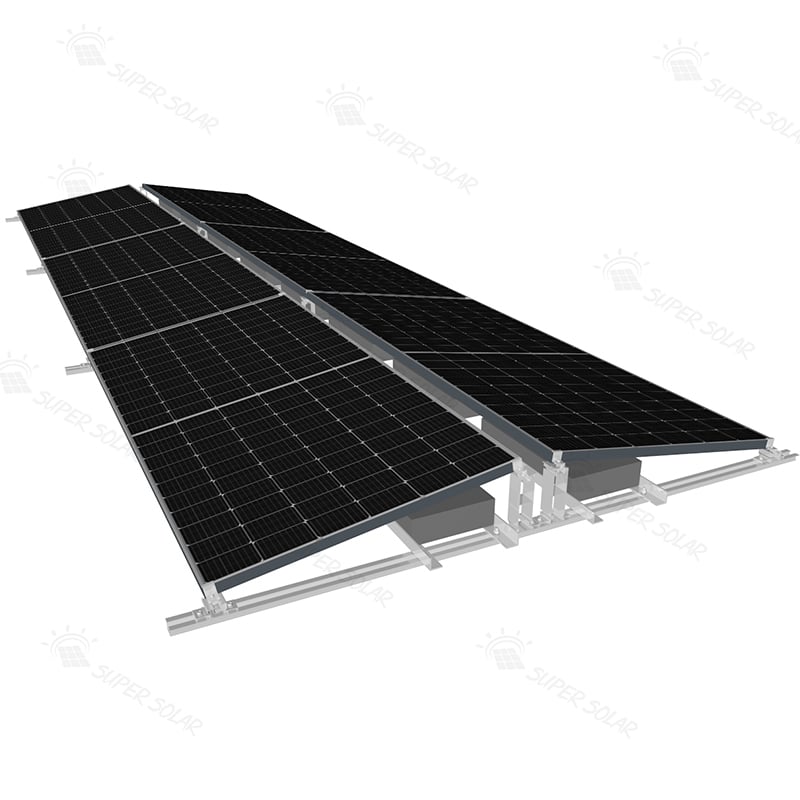

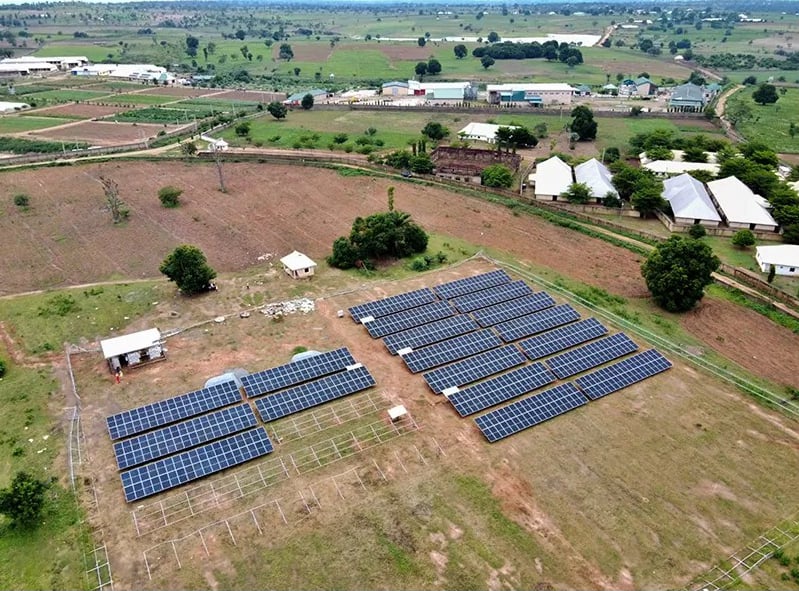
As demand for reliable and cost-effective electricity continues to grow across Nigeria, ground-mounted solar PV systems are becoming an attractive solution for commercial, industrial, and off-grid applications.
This Nigerian solar project combines Super Solar’s carbon steel single-post pile-driven ground mounting system with Huawei inverters and energy storage equipment, bringing together structural support, power conversion, and energy storage in one integrated solar installation.
The mounting structure uses a pile-driven foundation configuration, offering a practical and economical option for suitable ground conditions. Compared with aluminum mounting structures, carbon steel systems can offer a lower overall material cost, making them an attractive choice for cost-sensitive ground-mounted solar projects.
For ground-mounted solar projects, selecting the right mounting structure is essential to balancing project cost, installation efficiency, and long-term structural performance.
In Nigeria, several factors need to be considered:
Super Solar’s carbon steel pile-driven solution addresses these considerations with a focus on structural practicality and cost-effective project delivery.
The project features Super Solar’s carbon steel single-post pile-driven ground mounting system, designed to support photovoltaic modules in an organized ground-mounted array.
Unlike systems that rely on conventional concrete foundations, a pile-driven configuration uses steel posts driven into the ground, subject to geotechnical conditions and engineering requirements.
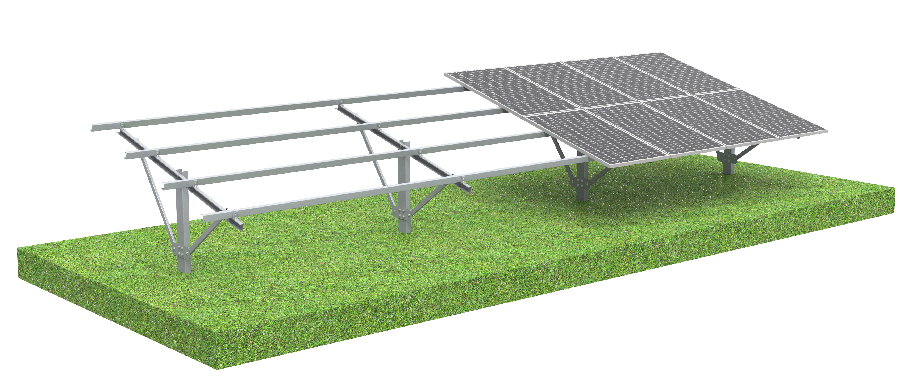
Carbon steel is widely used in ground-mounted solar structures because of its strength, availability, and competitive material cost. Compared with aluminum mounting structures, a properly engineered carbon steel solution can reduce mounting structure costs, particularly for projects where the structural configuration and procurement quantities favor steel.
The actual cost advantage depends on material specifications, protective coatings, foundation requirements, transportation, and installation costs.
The pile-driven configuration can reduce reliance on concrete foundations and associated excavation or curing work when site conditions are suitable. This may help streamline construction and improve installation efficiency.
Pile type, embedment depth, and installation methods should be determined through geotechnical assessment and project-specific engineering.
The single-post arrangement provides a practical structural layout for ground-mounted PV arrays. Its suitability depends on module dimensions, row spacing, terrain, wind loads, and the project’s structural design criteria.
Because carbon steel requires appropriate corrosion protection for long-term outdoor use, the steel grade and coating system are important parts of the design. Hot-dip galvanizing or other engineered protective systems may be specified according to the project’s environmental and service-life requirements.
For developers and EPC contractors seeking to optimize the balance between structural performance and initial investment, carbon steel pile-driven mounting systems can provide an economical alternative to aluminum structures.
| Consideration | Carbon Steel Pile-Driven System | Aluminum Mounting System |
|---|---|---|
| Initial material cost | Generally more economical | Generally higher material cost |
| Structural application | Widely used for utility-scale ground mounting | Suitable for selected ground and rooftop applications |
| Foundation approach | Can use driven steel piles where ground conditions permit | Depends on the system and foundation design |
| Corrosion protection | Requires an appropriate protective coating | Aluminum naturally forms a protective oxide layer |
| Key design considerations | Steel strength, coating durability, pile capacity, structural loads | Alloy selection, profile design, connections, structural loads |
The best option depends on the project’s location, ground conditions, structural requirements, and total installed cost. For suitable ground-mounted projects, Super Solar’s carbon steel pile-driven system offers a cost-conscious solution without compromising the need for proper structural engineering.
The project also incorporates Huawei inverters and energy storage equipment, combining solar generation with power conversion and energy storage capabilities.
The inverters convert the DC electricity generated by the PV modules into usable AC electricity. Their configuration must match the PV array design and the project’s electrical requirements.
The energy storage system stores electrical energy for later use, depending on the installed configuration and energy management strategy. This can help improve the flexibility of solar energy utilization and support the project’s power supply requirements.
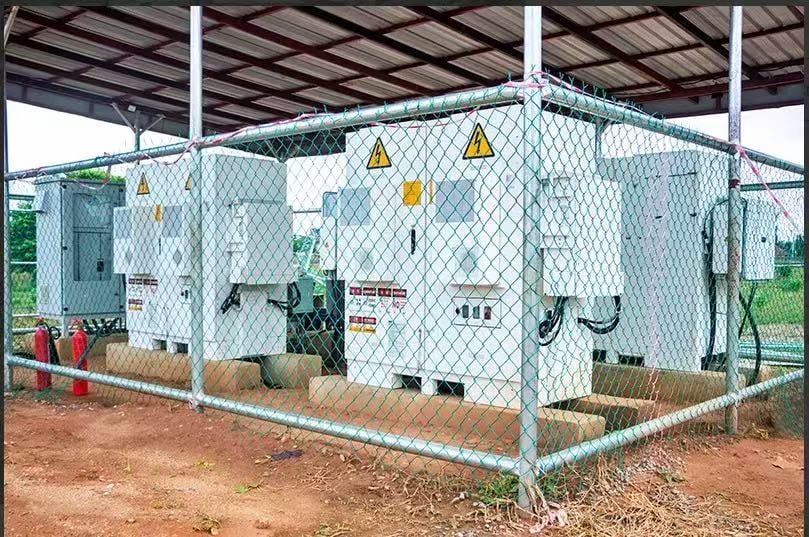
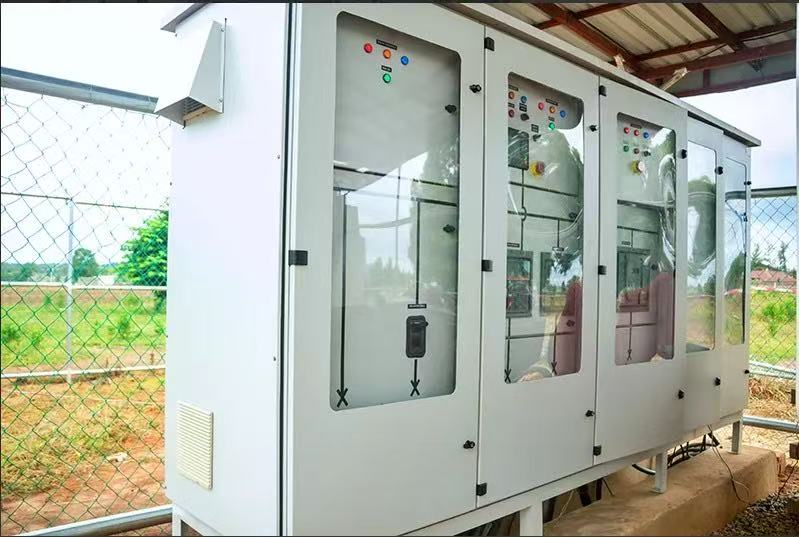
The project brings together three essential components:
Together, these components form an integrated solar energy solution designed around the project’s structural and electrical requirements.
A reliable pile-driven solar mounting system requires careful assessment and installation.
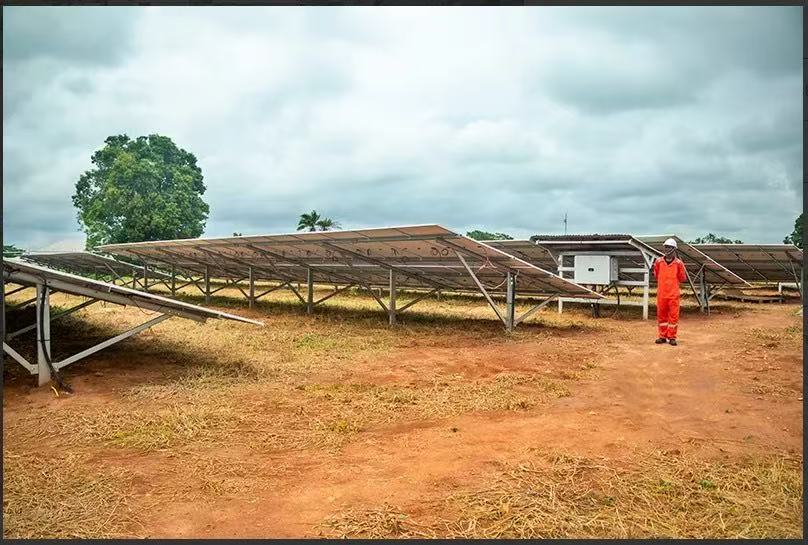
Soil conditions, bearing capacity, and pull-out resistance must be evaluated before determining pile dimensions and embedment depth.
Posts and supporting members must be installed according to approved drawings to maintain the required array geometry and module alignment.
The steel coating specification should reflect the site’s soil and atmospheric corrosivity, with appropriate inspection and quality control during manufacturing and installation.
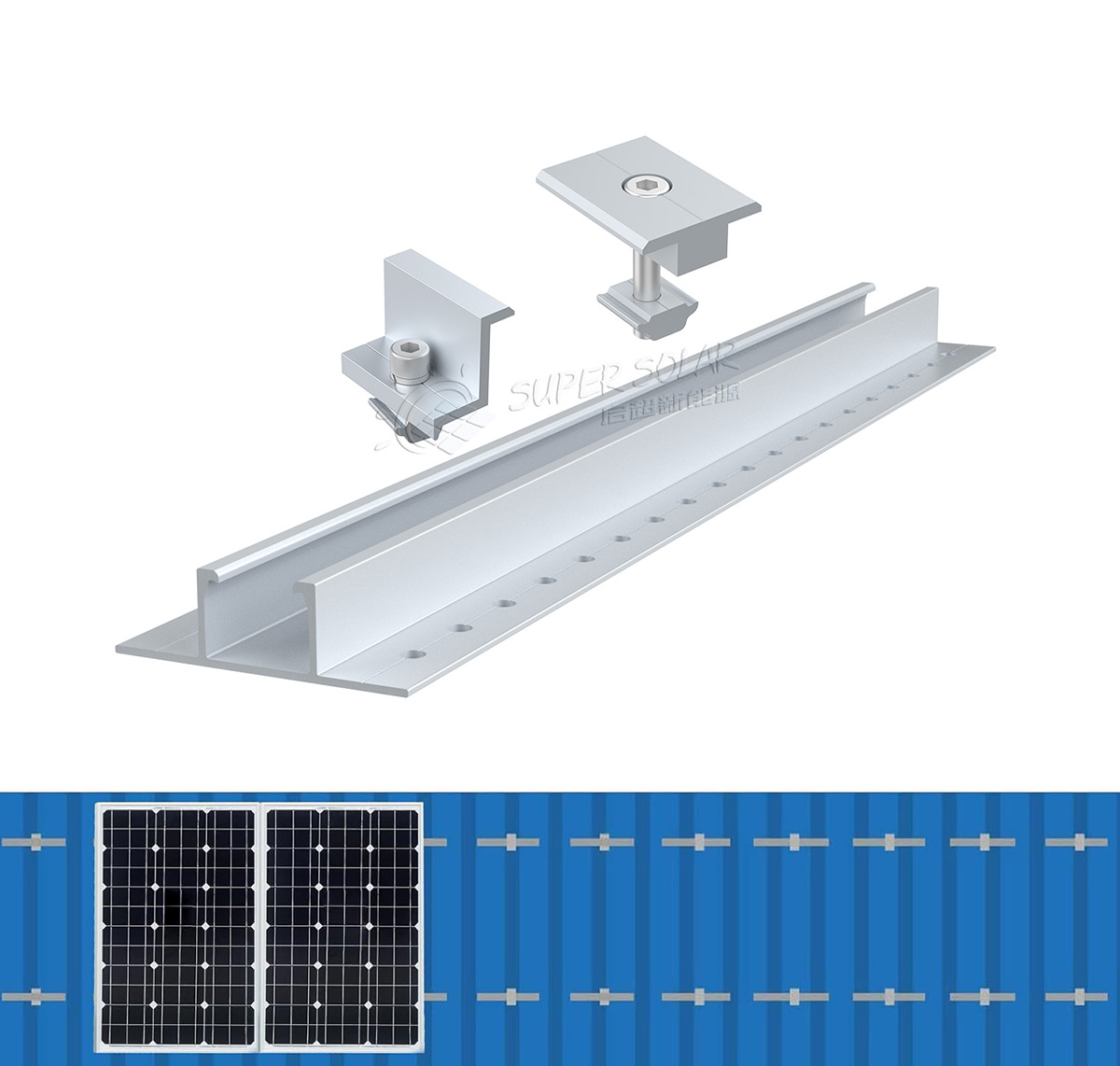
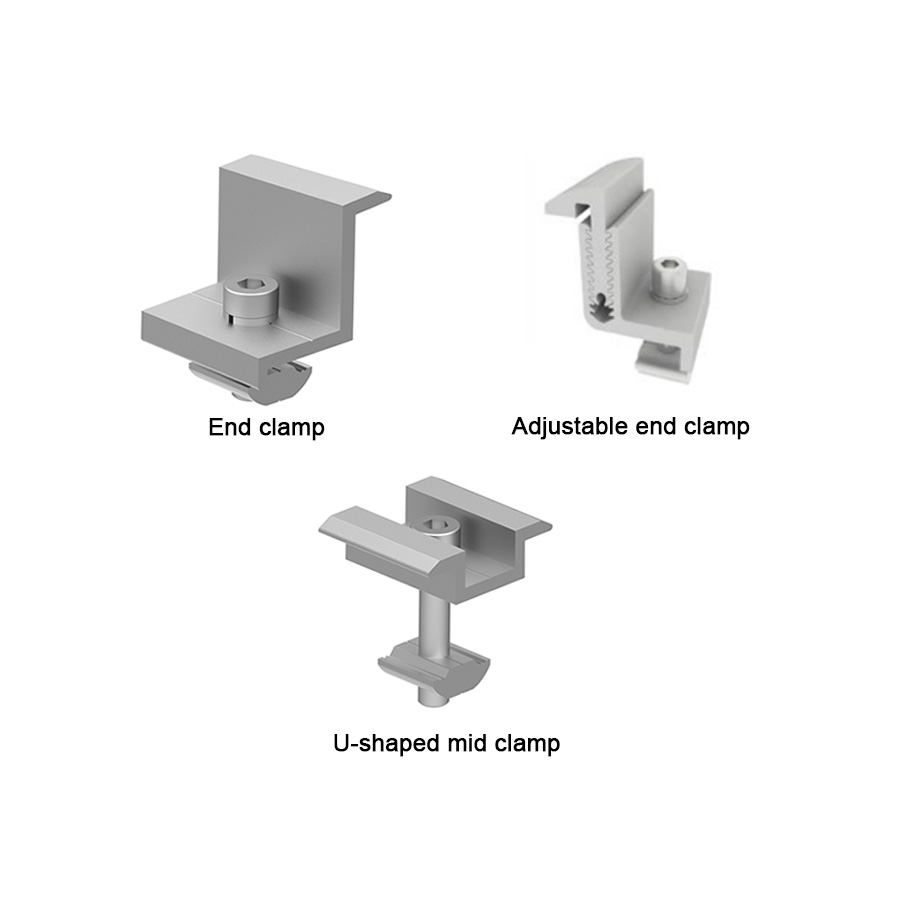
Compatible clamps, rails, and fasteners should be installed according to the manufacturer’s instructions, including specified clamping zones and tightening torques.
The structural layout should allow appropriate cable routing, equipment access, grounding and bonding, and maintenance clearances.
These steps help establish a sound foundation for long-term project operation.
This Nigerian project demonstrates how the mounting structure can contribute to the overall economics of a solar installation.
Super Solar’s carbon steel single-post pile-driven mounting system offers several practical benefits:
This ground-mounted solar project in Nigeria combines Super Solar’s cost-effective carbon steel single-post pile-driven mounting system with Huawei inverter and energy storage technology.
By selecting a mounting structure suited to the site’s ground conditions and engineering requirements, project developers can work toward a competitive balance between structural reliability, installation efficiency, and upfront investment.
For solar developers, EPC contractors, and installers looking for economical ground mounting solutions in Nigeria and across Africa, Super Solar offers mounting systems and accessories tailored to different project requirements.
Contact Super Solar to discuss your project capacity, site conditions, foundation requirements, and mounting structure options. Our team can help identify a suitable and cost-effective solution for your next solar installation.
Contact Super Solar Hot News
2025-11-03
2025-10-22
2025-01-24
2024-06-12
2024-06-12