Ground Mounted Solar Power Plants: Comprehensive Guide to Large-Scale Solar Energy Solutions

All Categories

ground mounted solar power plants

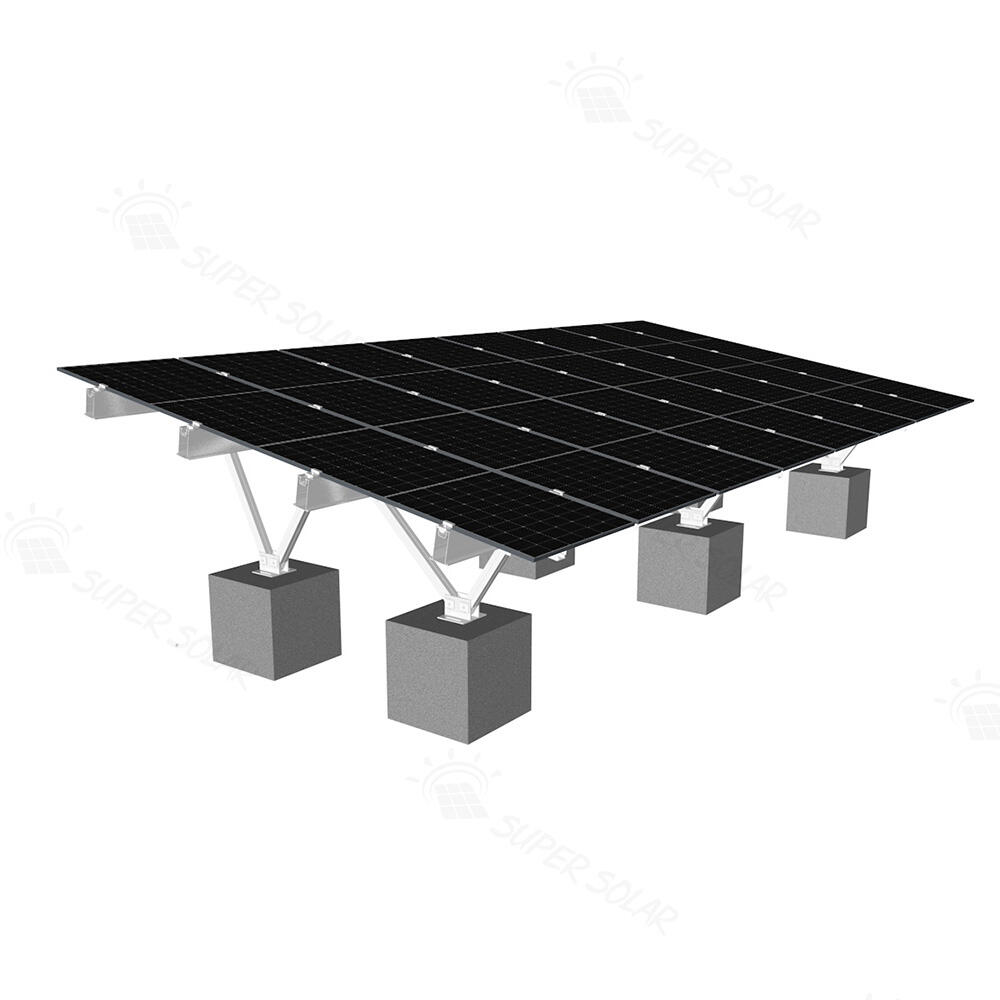
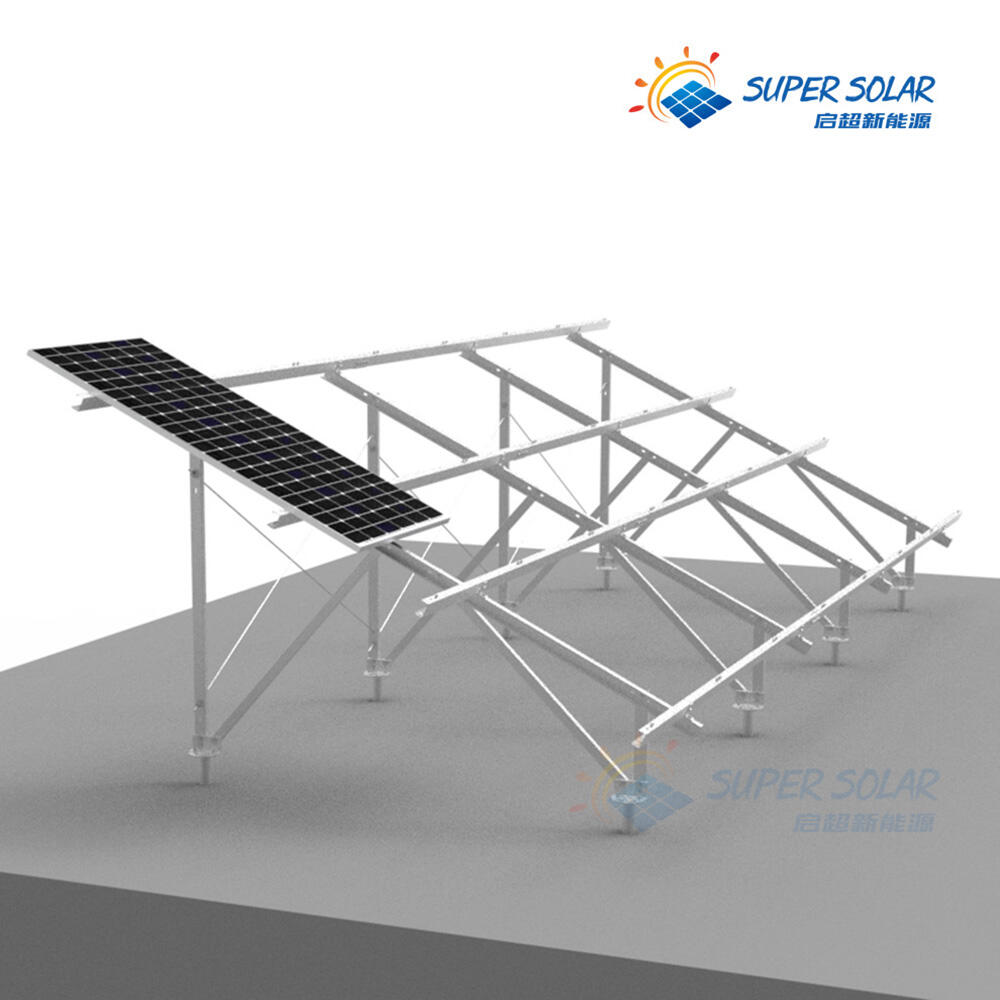
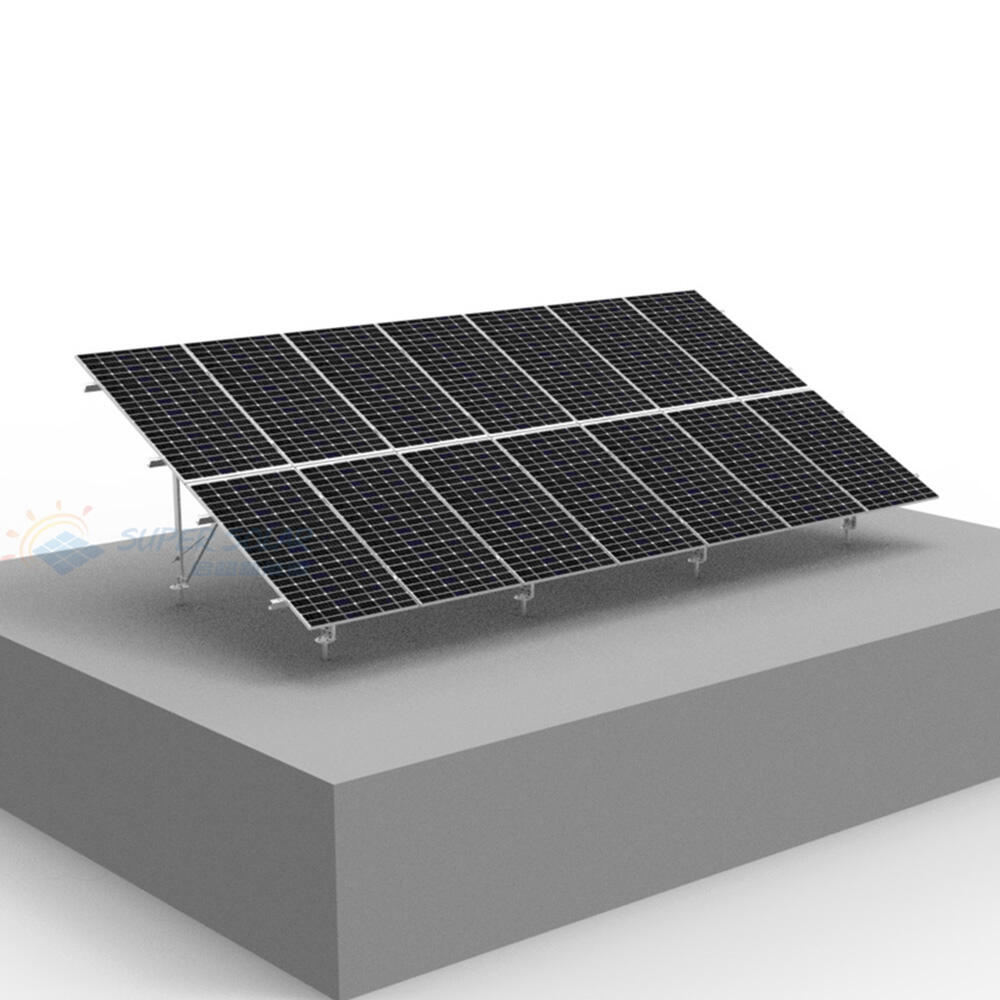
Ground mounted solar power plants represent large-scale renewable energy installations designed to harness sunlight and convert it into electricity through photovoltaic technology. These comprehensive solar facilities are constructed directly on land surfaces, utilizing thousands of solar panels arranged in optimal configurations to maximize energy production. The primary function of ground mounted solar power plants involves capturing solar radiation through crystalline silicon or thin-film photovoltaic modules, which convert sunlight into direct current electricity that is subsequently transformed into alternating current through sophisticated inverter systems for grid integration. The technological architecture of these installations incorporates advanced tracking systems that follow the sun's trajectory throughout the day, significantly enhancing energy capture efficiency compared to fixed-position arrays. Modern ground mounted solar power plants feature robust mounting structures engineered to withstand extreme weather conditions while providing optimal panel positioning for maximum solar exposure. The electrical infrastructure includes high-voltage transformers, switchgear, and transmission lines that facilitate seamless power delivery to utility grids. These facilities typically span hundreds of acres and generate substantial amounts of clean electricity, ranging from several megawatts to gigawatt-scale capacity depending on project scope and regional energy demands. Ground mounted solar power plants serve diverse applications including utility-scale power generation for residential and commercial consumers, industrial energy supply for manufacturing facilities, and grid stabilization services that support electrical network reliability. The modular design allows for phased construction and future expansion opportunities, making these installations highly adaptable to evolving energy requirements. Environmental monitoring systems integrated within ground mounted solar power plants ensure minimal ecological impact while maintaining operational efficiency throughout their 25-30 year operational lifespan.

Popular Products

Ground mounted solar power plants deliver exceptional economic benefits through dramatically reduced electricity costs over their operational lifetime. Property owners and energy developers can achieve substantial savings on utility bills while generating consistent revenue streams through power purchase agreements and renewable energy credits. These installations require minimal ongoing maintenance compared to traditional power generation methods, with automated cleaning systems and remote monitoring capabilities reducing operational expenses significantly. The scalability of ground mounted solar power plants allows investors to start with smaller installations and expand capacity based on energy demands and budget availability, providing flexible investment opportunities that adapt to changing financial circumstances. Ground mounted solar power plants contribute to energy independence by reducing reliance on fossil fuel imports and volatile energy markets, creating stable, predictable electricity costs for decades. The environmental advantages are equally compelling, as these facilities produce zero emissions during operation while offsetting carbon footprints equivalent to removing thousands of vehicles from roads annually. Ground mounted solar power plants preserve air quality by eliminating harmful pollutants associated with coal and natural gas power generation, creating healthier communities for future generations. The land utilization efficiency of these installations allows for agricultural activities to continue beneath elevated panel arrays through agrivoltaic practices, maximizing property value and productivity. Ground mounted solar power plants create substantial employment opportunities during construction phases and provide long-term jobs for operations and maintenance personnel, supporting local economic development. The technological reliability of modern solar equipment ensures consistent power generation for 25-30 years with manufacturer warranties providing financial protection against performance degradation. Grid stability benefits emerge from distributed generation capabilities that reduce transmission losses and enhance electrical system resilience during peak demand periods. Ground mounted solar power plants qualify for various government incentives including tax credits, rebates, and accelerated depreciation schedules that improve project economics and return on investment calculations for developers and property owners.

Practical Tips

What Is a Single-Axis Solar Tracker?

22

Jul

What Is a Single-Axis Solar Tracker?

What Is a Single-Axis Solar Tracker? Definition and Basic Functionality A single-axis solar tracker is a sophisticated device designed to enhance the efficiency of solar energy systems by orienting solar panels toward the sun as it moves across the ...
View More
5 Reasons Installers Prefer Solar L Feet for Metal Roof Projects

23

Sep

5 Reasons Installers Prefer Solar L Feet for Metal Roof Projects

Why metal roof projects are growing The rise of the metal roof project is no accident. More property owners and businesses are turning to this type of roofing for its durability, aesthetics, and ability to support solar energy systems. Unlike traditi...
View More
How to Choose the Right Solar L Foot for Your Metal Roof

23

Sep

How to Choose the Right Solar L Foot for Your Metal Roof

Common roof sheet types (trapezoidal, corrugated, standing seam) When planning a solar mounting system on a metal roof project, understanding the roof sheet profile is essential. Trapezoidal, corrugated, and standing seam roofs each have unique desig...
View More
L-Foot Solar Mounts Explained: Simple & Affordable

24

Nov

L-Foot Solar Mounts Explained: Simple & Affordable

Understanding the Fundamentals of Solar Panel Mounting Systems The solar industry continues to evolve rapidly, and mounting solutions play a crucial role in successful installations. L-foot solar mounts have emerged as one of the most reliable and co...
View More

Leave Message

Our representative will contact you soon.
Email
Name
Company Name
Message
0/1000

ground mounted solar power plants

Advanced Solar Tracking Technology Maximizes Energy Production

Advanced Solar Tracking Technology Maximizes Energy Production

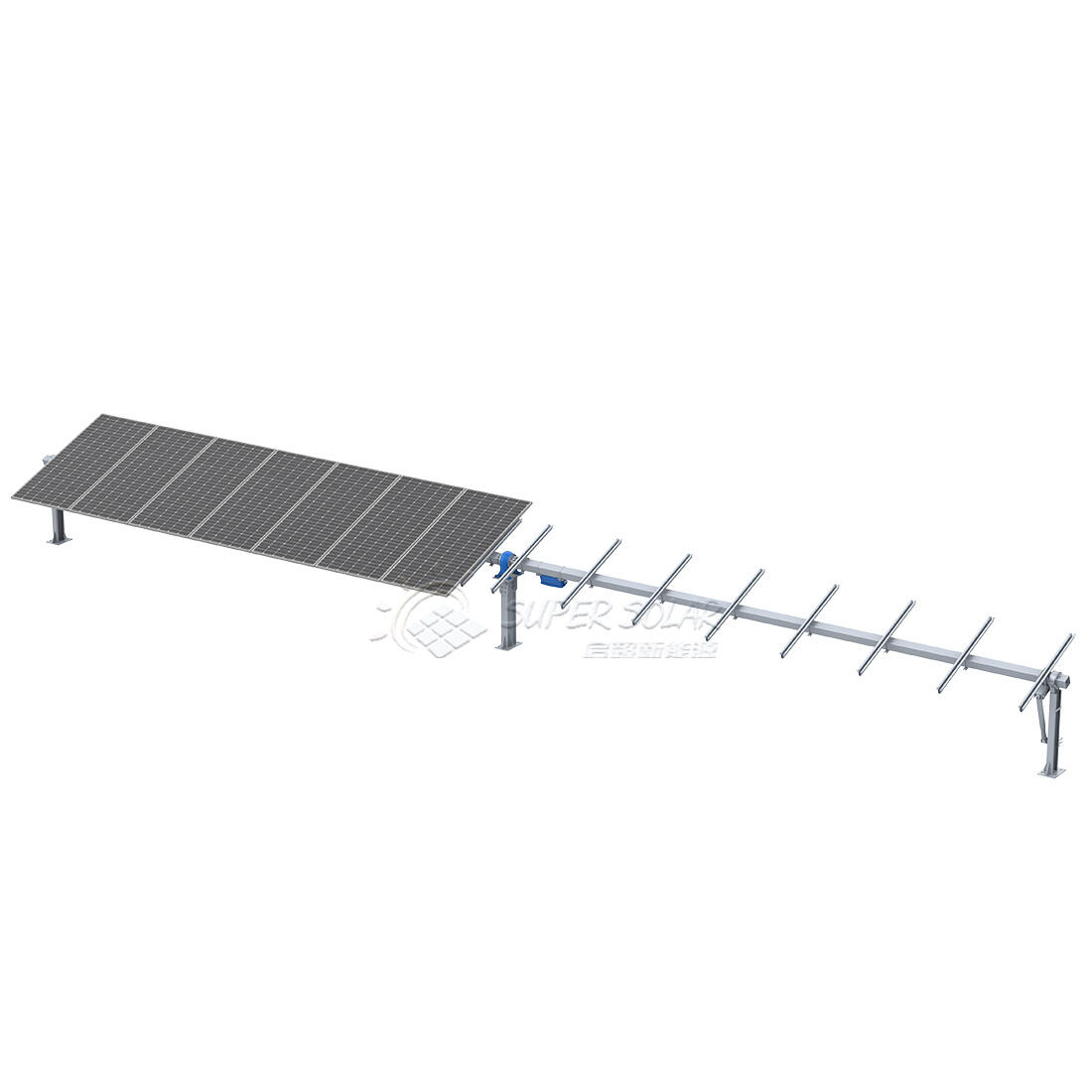
Ground mounted solar power plants incorporate sophisticated tracking systems that represent a revolutionary advancement in solar energy efficiency and power generation optimization. These intelligent tracking mechanisms automatically adjust panel orientations throughout the day to maintain optimal angles relative to the sun's position, resulting in energy production increases of 25-35% compared to fixed-tilt installations. Single-axis tracking systems rotate panels along one plane, typically following the sun from east to west, while dual-axis tracking provides complete three-dimensional positioning capabilities that capture maximum solar radiation throughout all seasons. The precision engineering behind these tracking systems utilizes GPS coordinates, astronomical algorithms, and real-time weather data to calculate optimal panel positioning with remarkable accuracy, ensuring consistent performance regardless of geographic location or seasonal variations. Modern ground mounted solar power plants integrate weather protection features within tracking systems that automatically position panels to minimize wind resistance and snow accumulation during adverse conditions, protecting valuable equipment investments while maintaining operational reliability. The economic benefits of advanced tracking technology compound over time, as increased energy production directly translates to higher revenue generation and faster payback periods for ground mounted solar power plants. Maintenance requirements for tracking systems remain minimal due to robust construction materials and automated lubrication systems that reduce mechanical wear and extend operational lifespans. The data analytics capabilities embedded within tracking controls provide valuable insights into performance optimization opportunities, allowing operators to fine-tune system parameters for maximum efficiency. Environmental benefits multiply as tracking-equipped ground mounted solar power plants generate more clean electricity per acre, reducing land requirements and preserving natural habitats while meeting growing energy demands. The investment value proposition improves significantly when tracking technology is incorporated into ground mounted solar power plants, as higher energy yields justify premium equipment costs through increased cash flows and enhanced project economics.
Modular Design Enables Scalable Expansion and Customization

Modular Design Enables Scalable Expansion and Customization

The modular architecture of ground mounted solar power plants provides unparalleled flexibility for energy developers and property owners seeking adaptable renewable energy solutions that can evolve with changing requirements and available resources. This innovative design approach allows installations to begin with smaller capacity configurations and expand systematically as energy demands increase, budget availability improves, or land use opportunities develop, creating sustainable growth pathways for long-term energy planning. Each module within ground mounted solar power plants operates independently while integrating seamlessly with existing infrastructure, enabling phased construction schedules that minimize upfront capital requirements and reduce financial risks associated with large-scale projects. The standardized components used throughout modular designs ensure consistent performance characteristics across all installation phases while simplifying maintenance procedures and spare parts inventory management for operational teams. Ground mounted solar power plants benefit from economies of scale as modular expansions utilize existing electrical infrastructure including transformers, switchgear, and transmission connections, reducing per-unit installation costs for additional capacity. The customization possibilities inherent in modular designs allow ground mounted solar power plants to accommodate unique site conditions including irregular terrain, existing structures, and environmental constraints while maximizing energy production potential within available space. Technology upgrades become significantly more manageable through modular approaches, as improved panel technologies or enhanced inverter systems can be incorporated into specific modules without disrupting overall plant operations. Financial planning advantages emerge from modular designs as revenue generation begins immediately upon completion of initial phases, providing cash flow that can support subsequent expansion investments. Risk mitigation improves substantially when ground mounted solar power plants utilize modular construction, as performance validation occurs at smaller scales before committing to full project development. The maintenance efficiency of modular installations allows for targeted servicing of individual sections without affecting overall plant output, ensuring maximum uptime and consistent revenue generation throughout operational lifespans.
Comprehensive Land Optimization Creates Multiple Revenue Streams

Comprehensive Land Optimization Creates Multiple Revenue Streams

Ground mounted solar power plants revolutionize land utilization through innovative approaches that generate multiple income sources while preserving agricultural productivity and environmental stewardship. Agrivoltaic integration represents a breakthrough concept where elevated solar panel arrays create beneficial microclimates for crop production beneath, allowing landowners to maintain farming operations while simultaneously generating solar electricity revenue. This dual-use approach increases total land productivity by 35-70% compared to single-purpose utilization, creating sustainable economic models that benefit rural communities and agricultural enterprises. The strategic positioning of panels in ground mounted solar power plants provides natural windbreaks and shade that reduce water evaporation, improve soil moisture retention, and protect sensitive crops from extreme weather conditions, enhancing agricultural yields while producing clean energy. Livestock grazing opportunities expand through careful panel spacing and height adjustments that accommodate sheep, goats, and other animals, creating additional revenue streams from agricultural activities within ground mounted solar power plants. The environmental restoration potential of these installations includes pollinator habitat creation through native plant species cultivation between panel rows, supporting biodiversity while contributing to ecosystem health and agricultural productivity. Ground mounted solar power plants can transform previously unusable land including brownfields, contaminated sites, and marginal agricultural areas into productive energy generation facilities, creating value from properties that would otherwise remain economically dormant. Water management benefits emerge from strategic stormwater collection systems integrated within ground mounted solar power plants, providing irrigation resources for agricultural activities while preventing soil erosion and managing runoff effectively. The carbon sequestration opportunities associated with vegetation management in ground mounted solar power plants contribute to climate change mitigation goals while potentially qualifying for carbon credit programs that generate additional revenue streams. Property tax benefits often accompany ground mounted solar power plants as many jurisdictions provide tax incentives for renewable energy installations while the increased property values support long-term wealth building for landowners and communities.

Leave Message

Our representative will contact you soon.
Email
Name
Company Name
Message
0/1000