солнечные панели навес для автомобиля
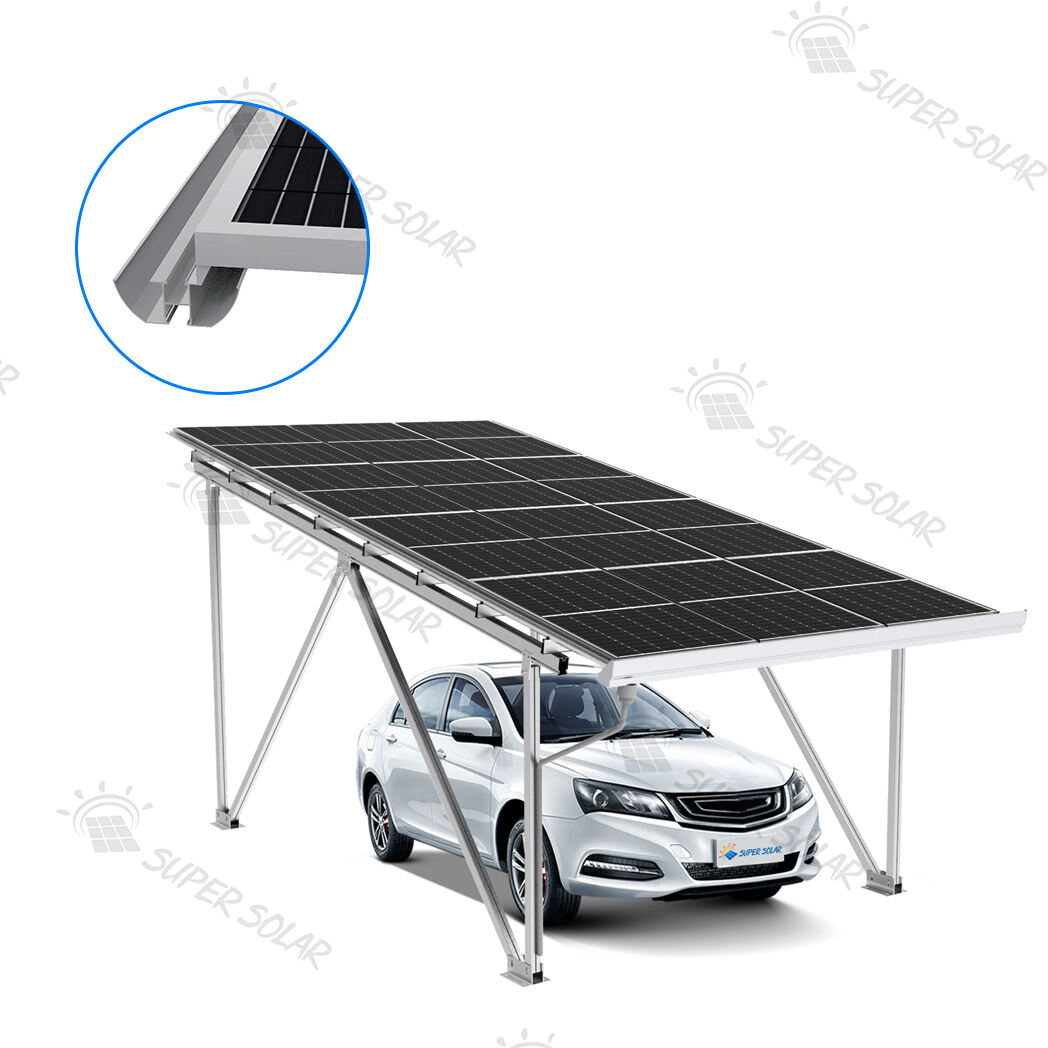
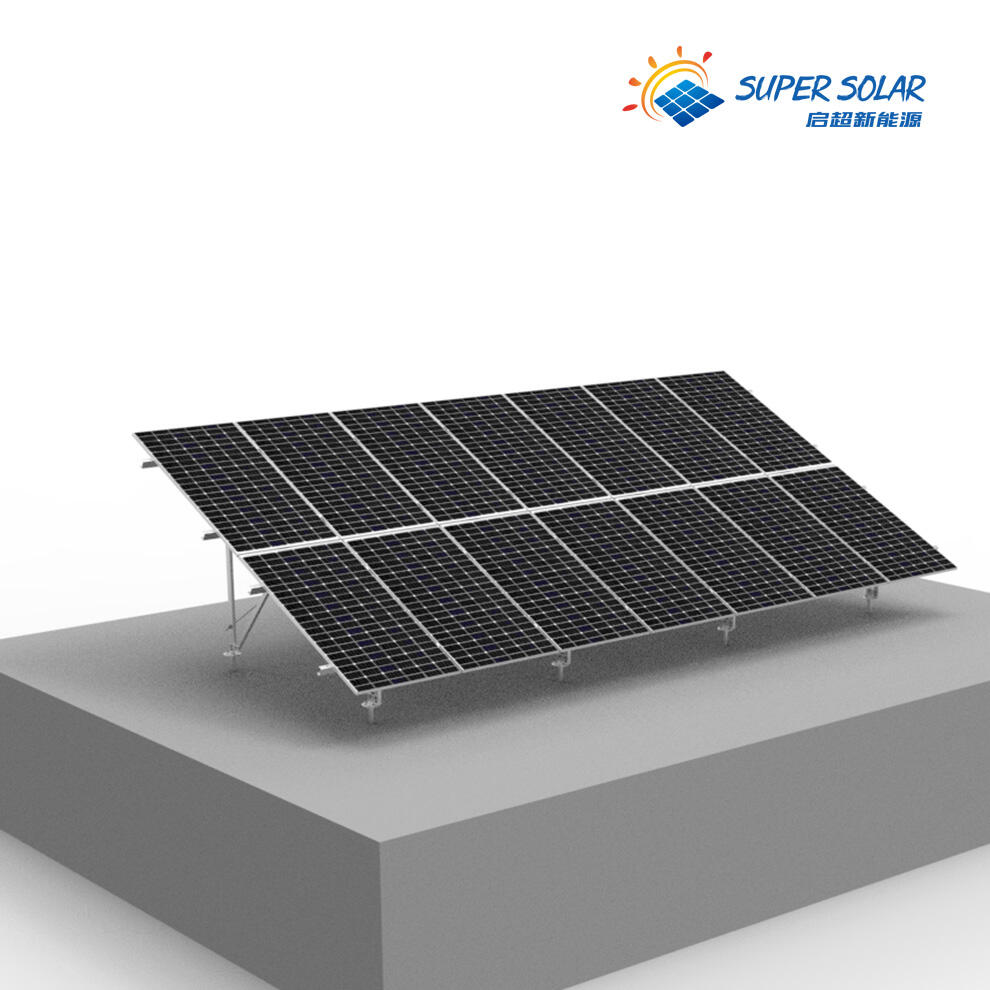
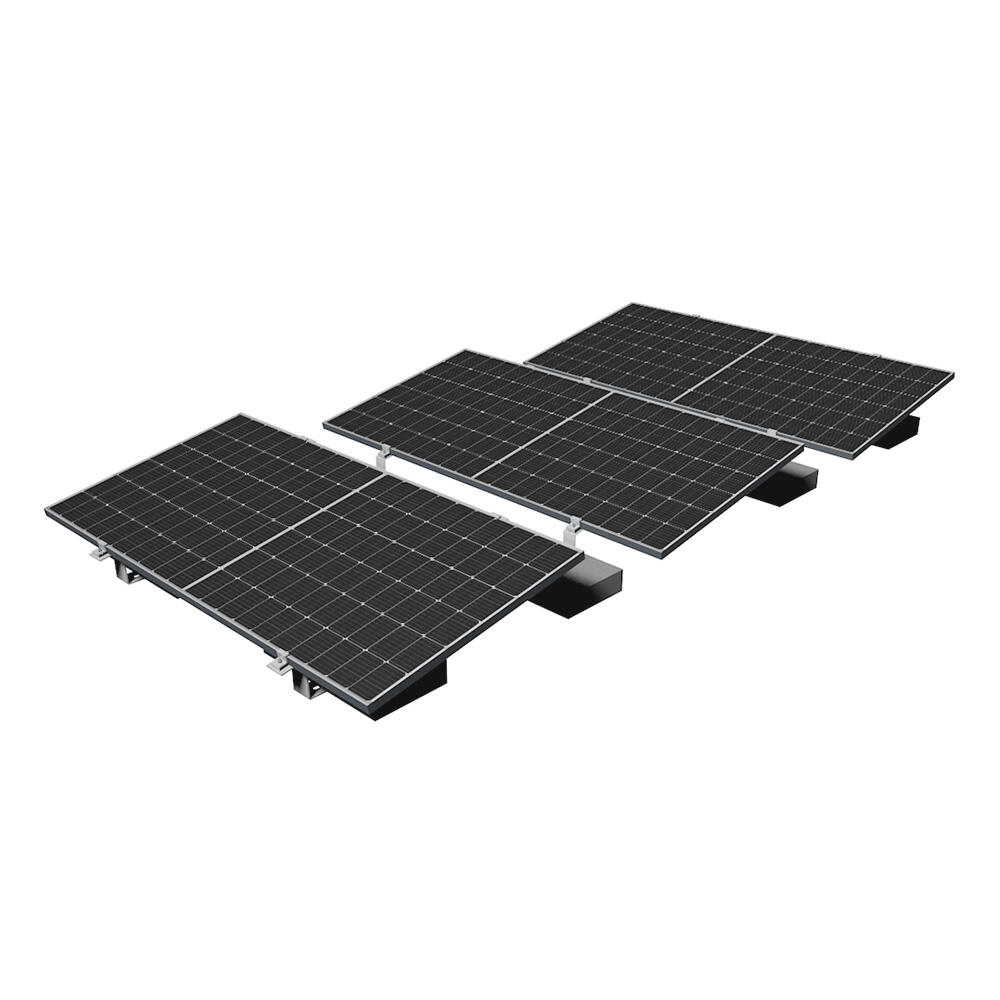
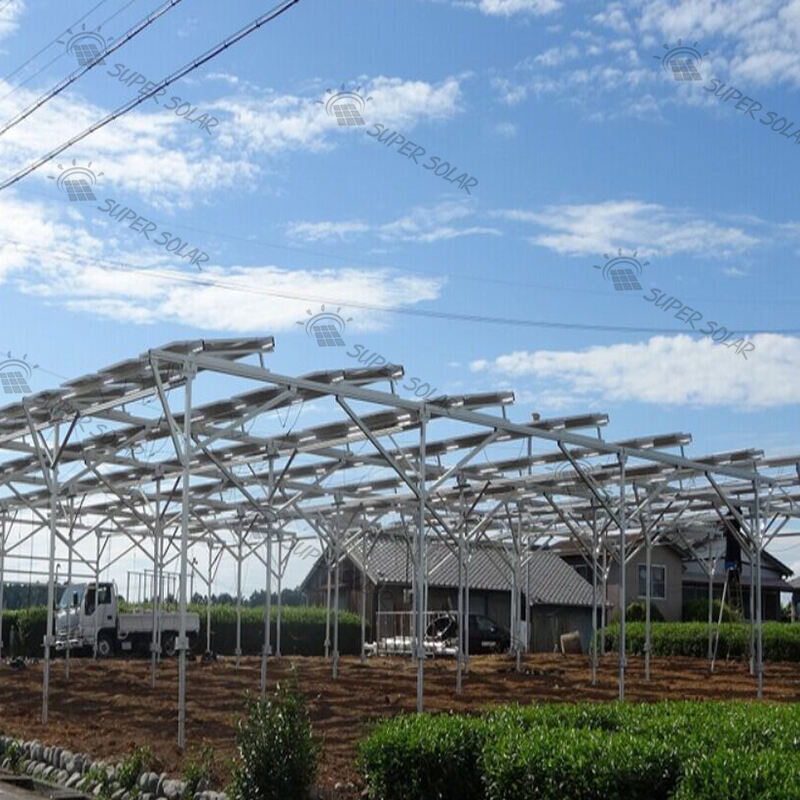
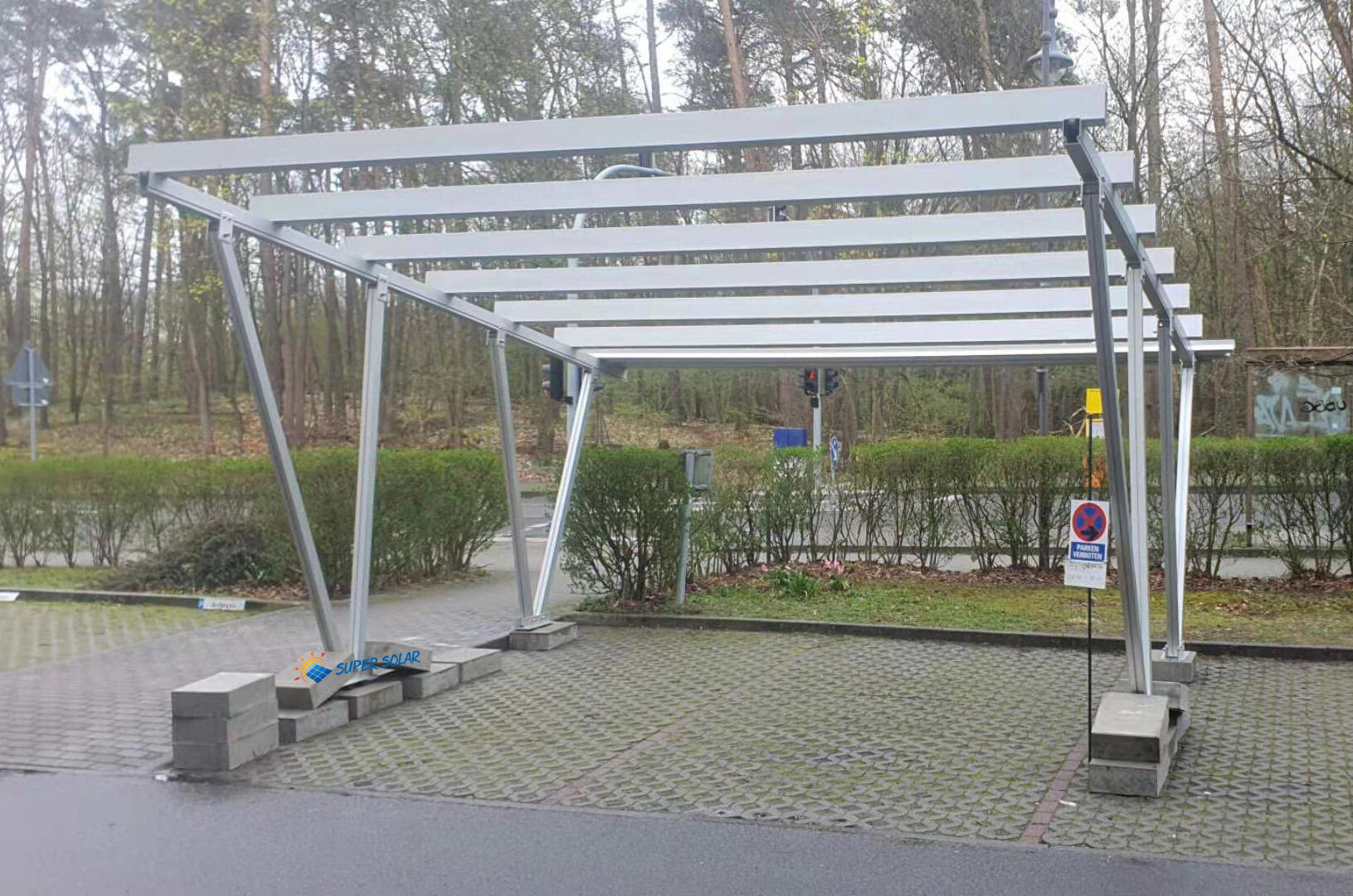
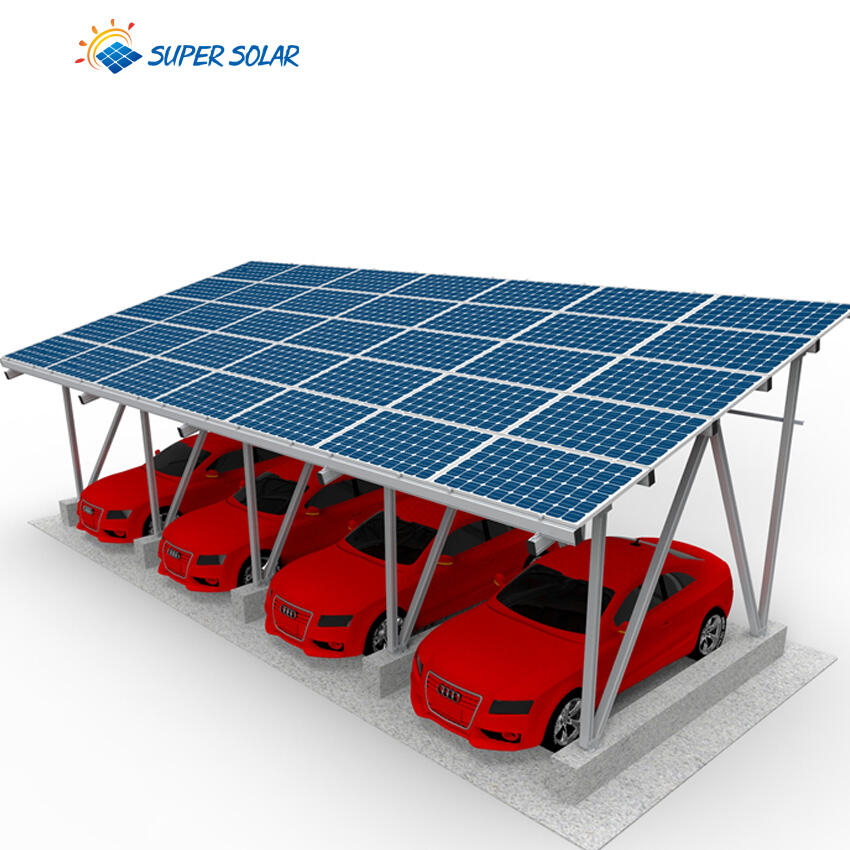
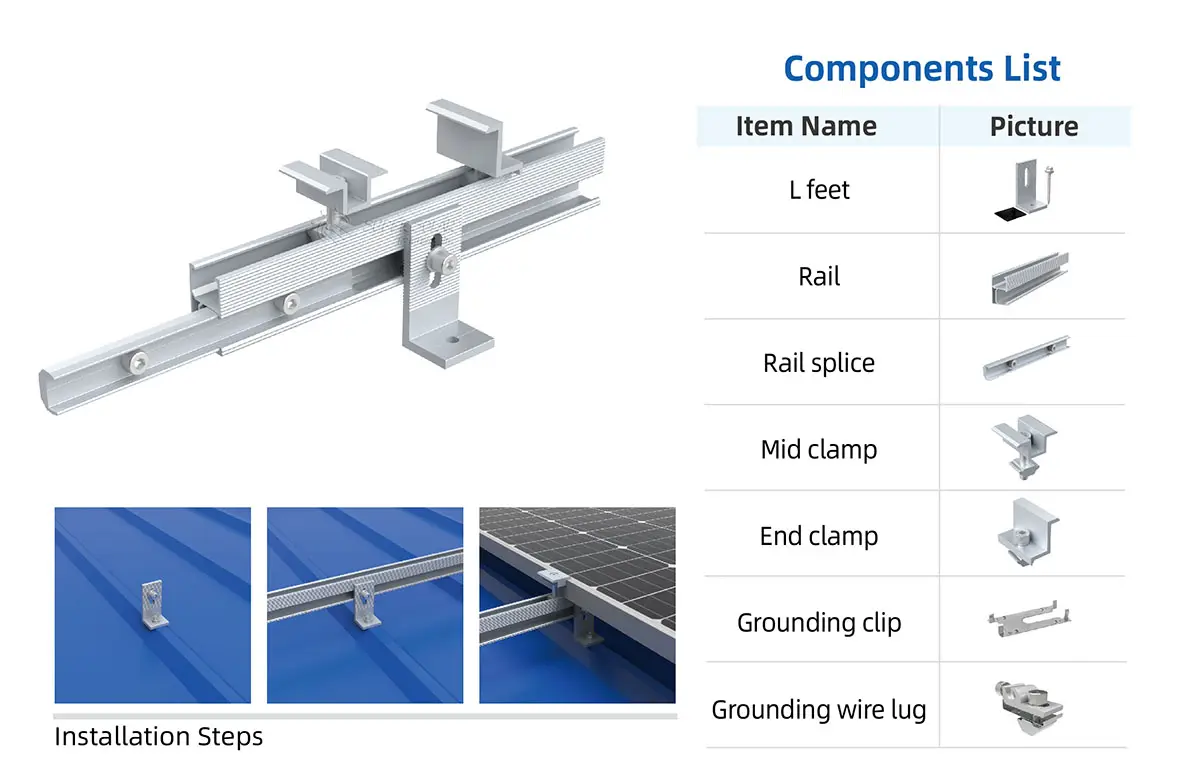
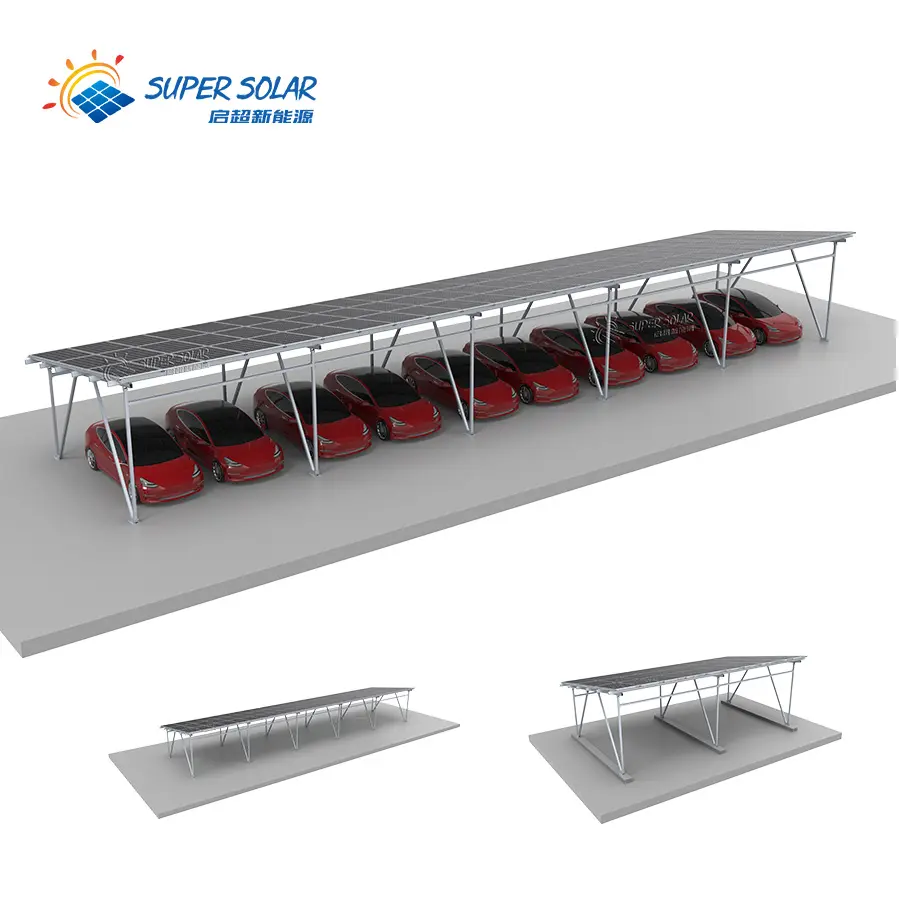
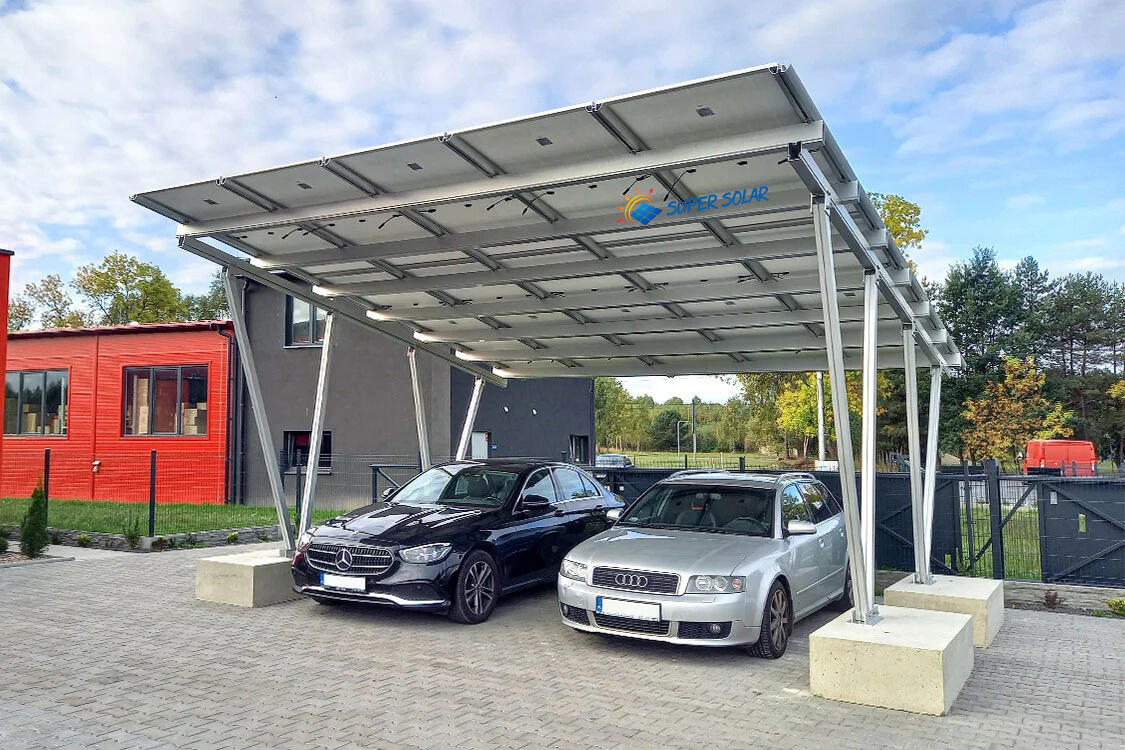
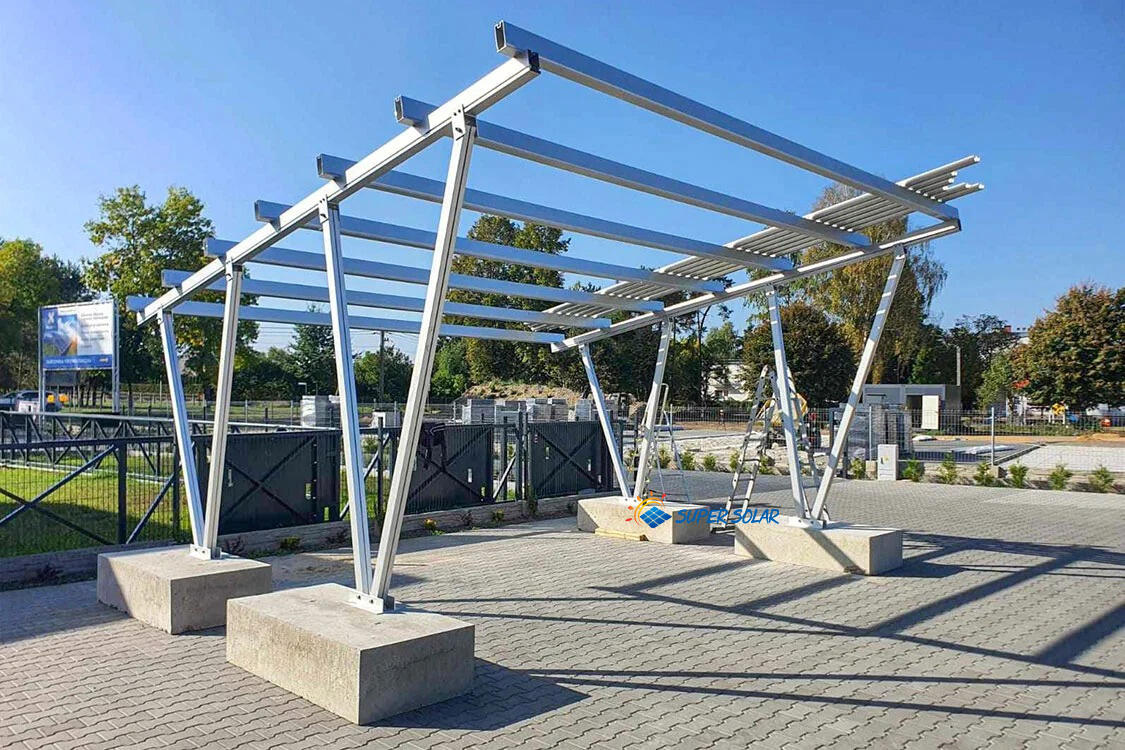
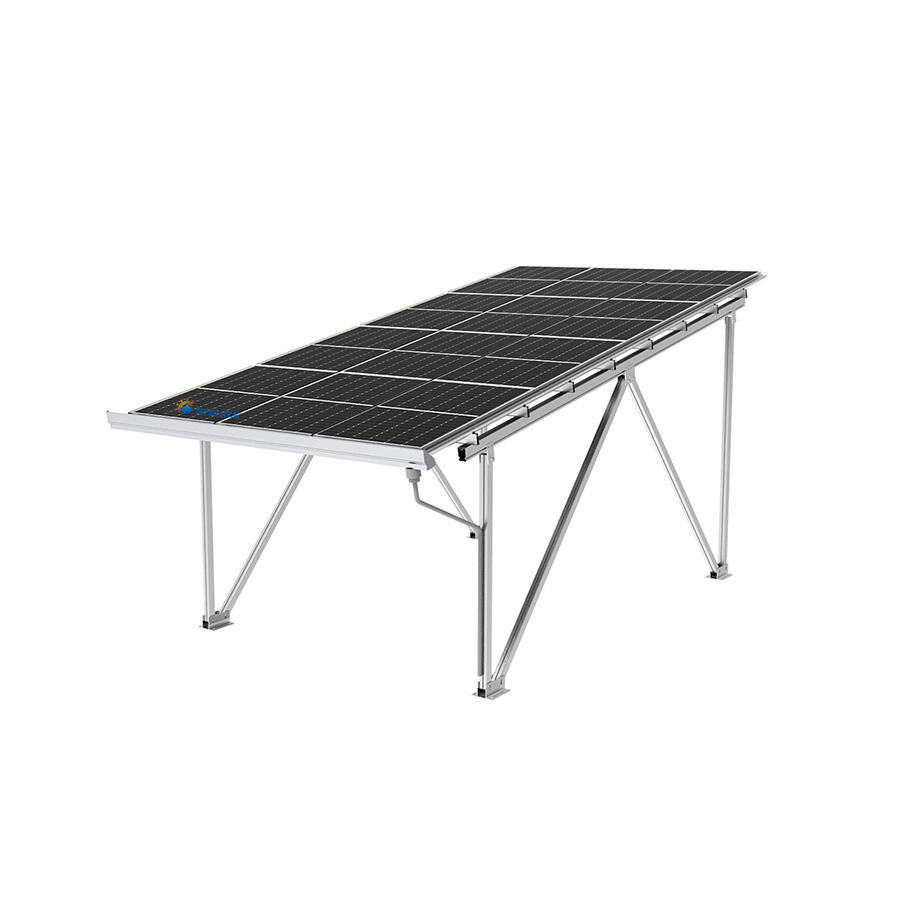
Автомобильный навес с солнечными панелями представляет собой инновационное сочетание парковой инфраструктуры и технологий возобновляемой энергии, создавая многофункциональную конструкцию, которая максимизирует использование земли и одновременно вырабатывает чистую электроэнергию. Эта передовая установка состоит из прочного верхнего навеса, оснащённого фотогальваническими панелями, преобразующими солнечный свет в пригодную для использования электрическую энергию, обеспечивая при этом закрытые парковочные места для автомобилей под навесом. Система автомобильного навеса с солнечными панелями, как правило, включает надёжный каркас из стали или алюминия, предназначенный для выдерживания веса солнечных модулей, а также различных погодных условий, включая ветровые, дождевые и снеговые нагрузки. Фотогальванические модули устанавливаются под оптимальными углами для максимального улавливания солнечной радиации в течение всего дня, что обеспечивает высокую эффективность выработки энергии. Современные установки солнечных навесов оснащаются передовыми крепёжными системами, позволяющими точно выравнивать панели и надёжно фиксировать их на несущей конструкции. Электрические компоненты включают высокоэффективные инверторы, преобразующие постоянный ток от панелей в переменный ток, пригодный для подключения к сети или использования на месте. Интеллектуальные системы мониторинга предоставляют данные в реальном времени о выработке энергии, работе системы и потребностях в обслуживании через цифровые интерфейсы, доступные с помощью смартфонов или компьютеров. Сама конструкция навеса предлагает различные варианты конфигурации, позволяя размещать одно или несколько парковочных мест с возможностью адаптации размеров под конкретные требования площадки. В конструкцию интегрирована система дренажа для эффективного отвода дождевой воды, предотвращающая скопление воды и возможные повреждения конструкции. Навесы с солнечными панелями могут устанавливаться в различных местах, включая жилые дома, коммерческие комплексы, торговые центры, офисные здания, школы и общественные парковки. Монтаж обычно включает подготовку площадки, устройство фундамента, сборку каркаса, установку панелей и подключение электрических систем квалифицированными специалистами. Система подключается к существующей электрической инфраструктуре посредством стандартных сетевых соединений, обеспечивая бесшовную интеграцию с энергоснабжающими организациями и программами учёта избыточной энергии (net metering), где они доступны. Особенности безопасности включают правильное заземление, защиту от перенапряжений и соответствие местным строительным нормам и электротехническим стандартам, чтобы гарантировать надёжную работу и безопасность пользователей.
 EN
EN