advanced solar mounting system for tin roof
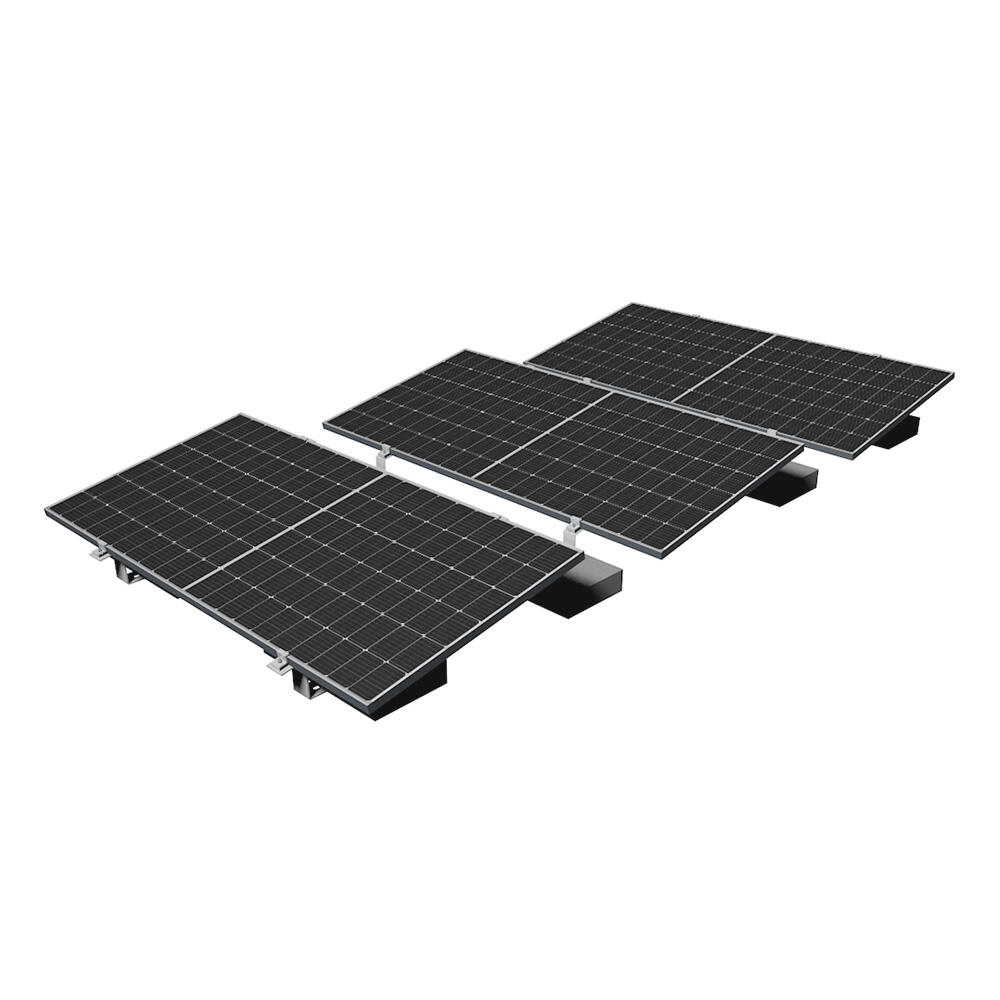
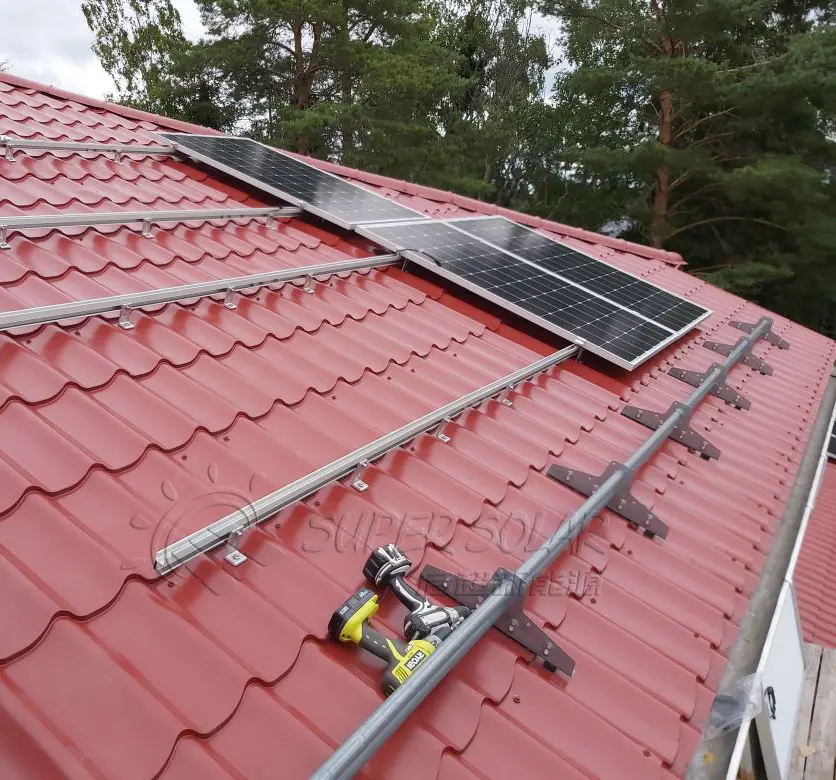
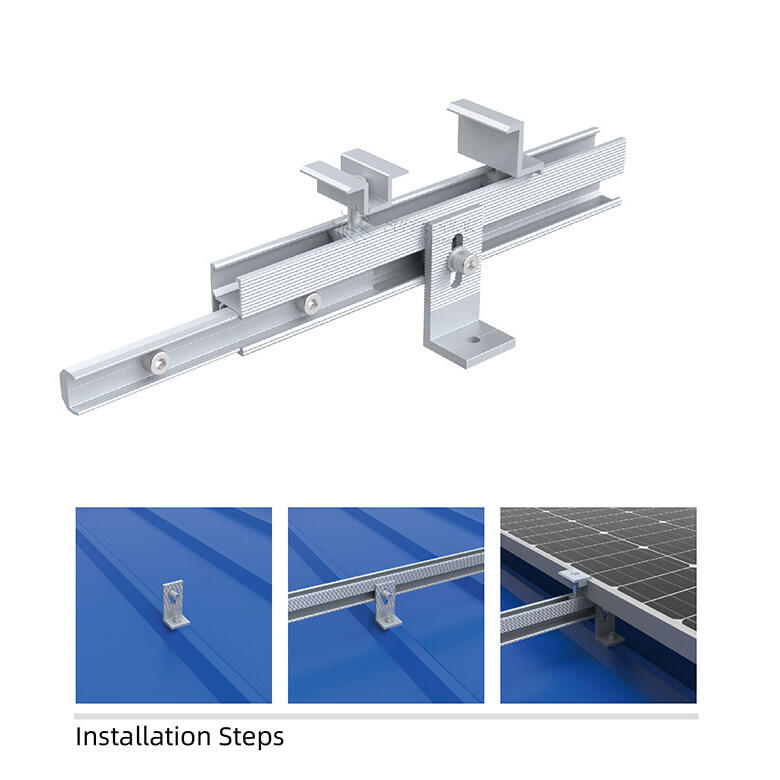
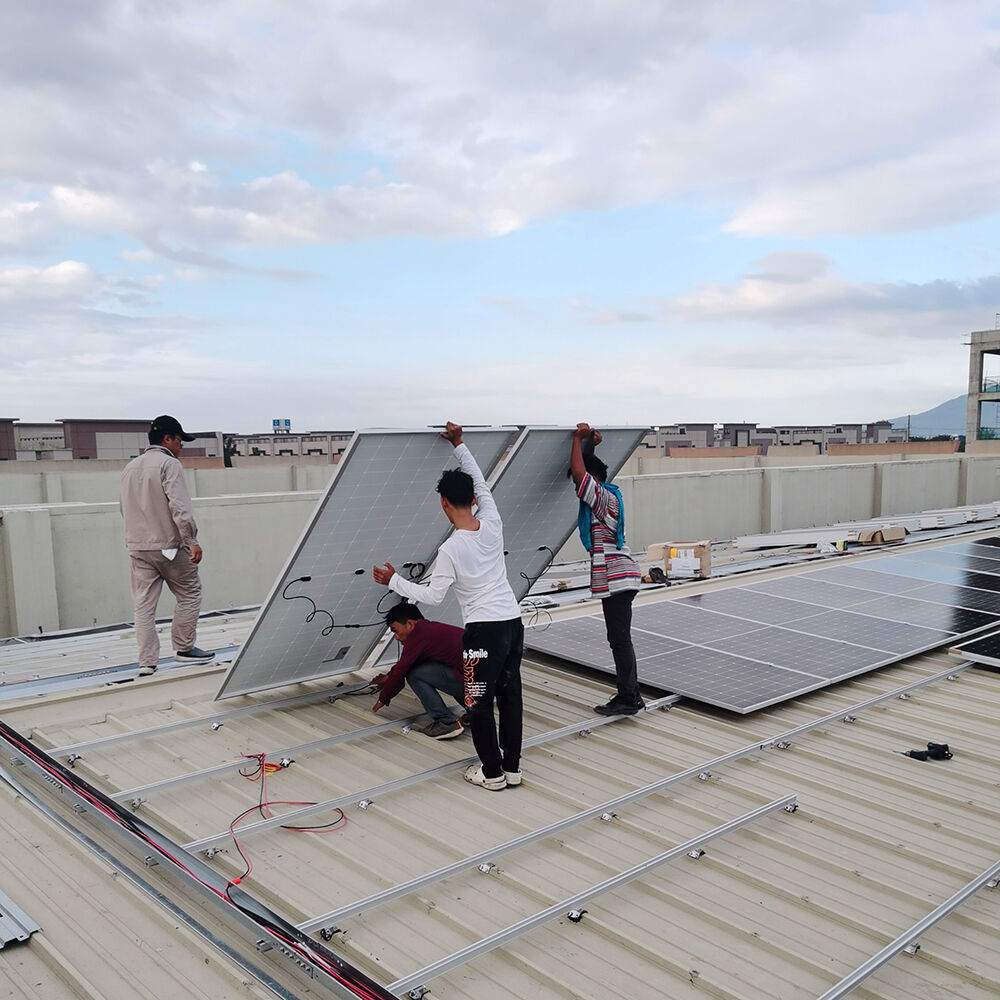
The advanced solar mounting system for tin roof represents a revolutionary breakthrough in renewable energy infrastructure, specifically engineered to address the unique challenges associated with metal roofing installations. This sophisticated mounting solution combines cutting-edge engineering with practical design elements to deliver unparalleled performance and reliability. The system's primary function centers on securely anchoring solar panels to tin roofing surfaces while maintaining structural integrity and weather resistance. The advanced solar mounting system for tin roof incorporates innovative clamping mechanisms that eliminate the need for roof penetration, thereby preserving the waterproof barrier that tin roofs provide. Technological features include precision-engineered aluminum rails with enhanced corrosion resistance, adjustable positioning components for optimal panel alignment, and integrated grounding solutions that meet stringent electrical safety standards. The system's modular design enables rapid installation while accommodating various tin roof profiles and configurations. Applications span across residential, commercial, and industrial sectors, making this advanced solar mounting system for tin roof suitable for warehouses, manufacturing facilities, agricultural buildings, and residential structures. The system's versatility extends to retrofitting existing structures and incorporating into new construction projects. Weather resistance capabilities ensure long-term performance under extreme conditions, including high winds, heavy snow loads, and temperature fluctuations. The advanced solar mounting system for tin roof features pre-assembled components that significantly reduce installation time and labor costs. Quality materials and precision manufacturing processes guarantee decades of reliable service, while the system's design accommodates future maintenance and panel replacement requirements. Environmental sustainability remains a core consideration, with recyclable materials and energy-efficient manufacturing processes contributing to reduced carbon footprint throughout the product lifecycle.
 EN
EN