Premium Aluminum Solar Ground Structure Brands - Advanced Mounting Solutions for Renewable Energy Projects

All Categories

aluminum solar ground structure brands

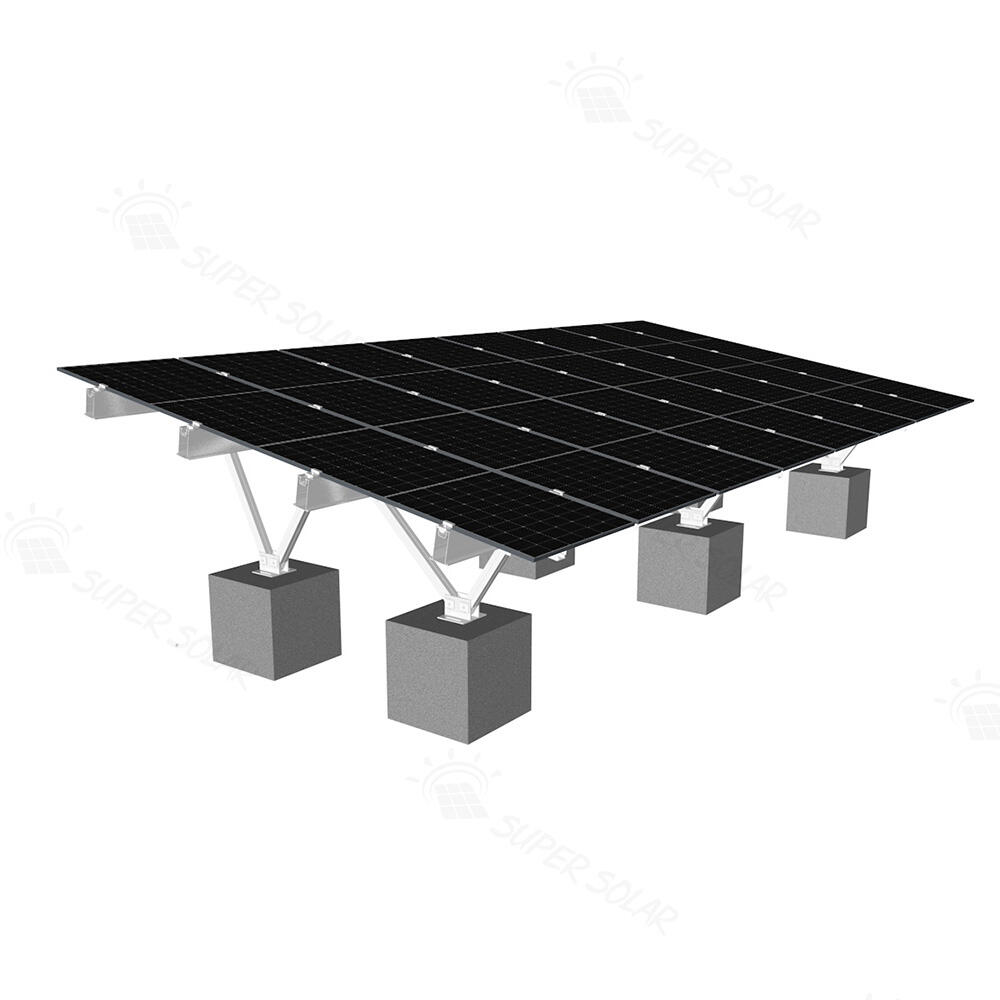
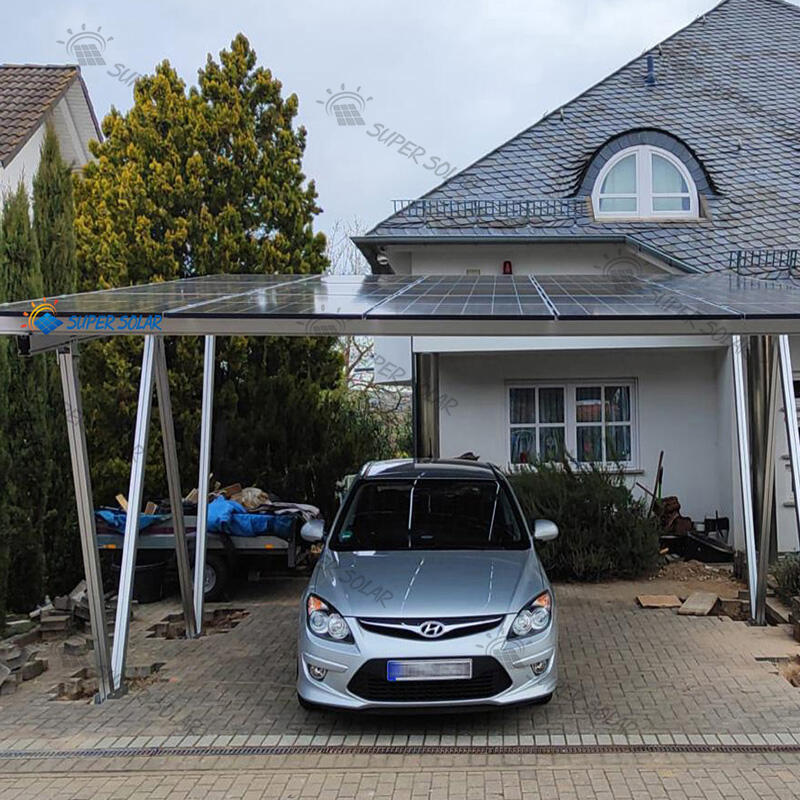
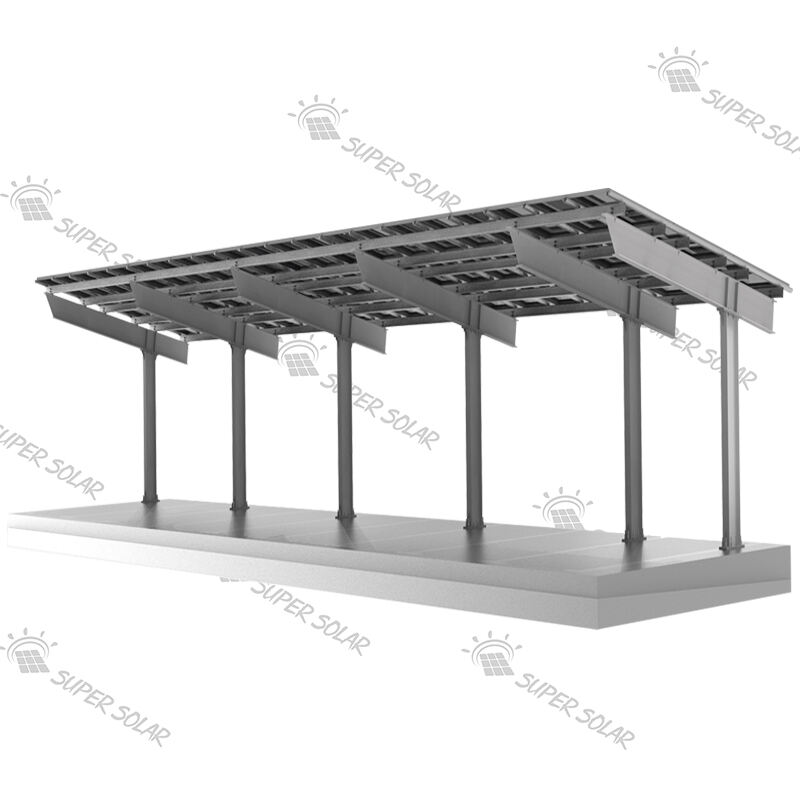
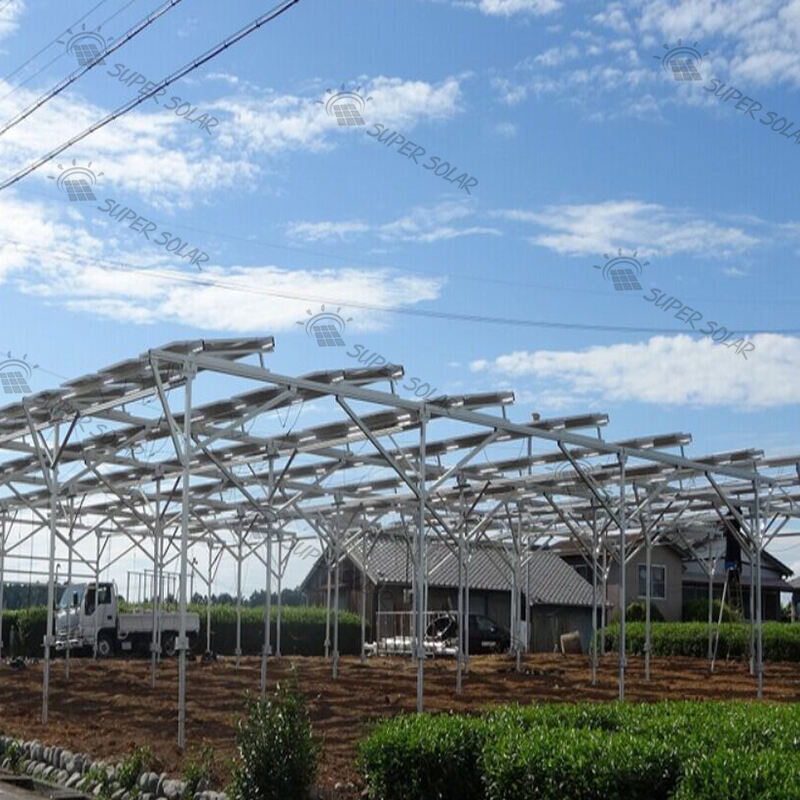
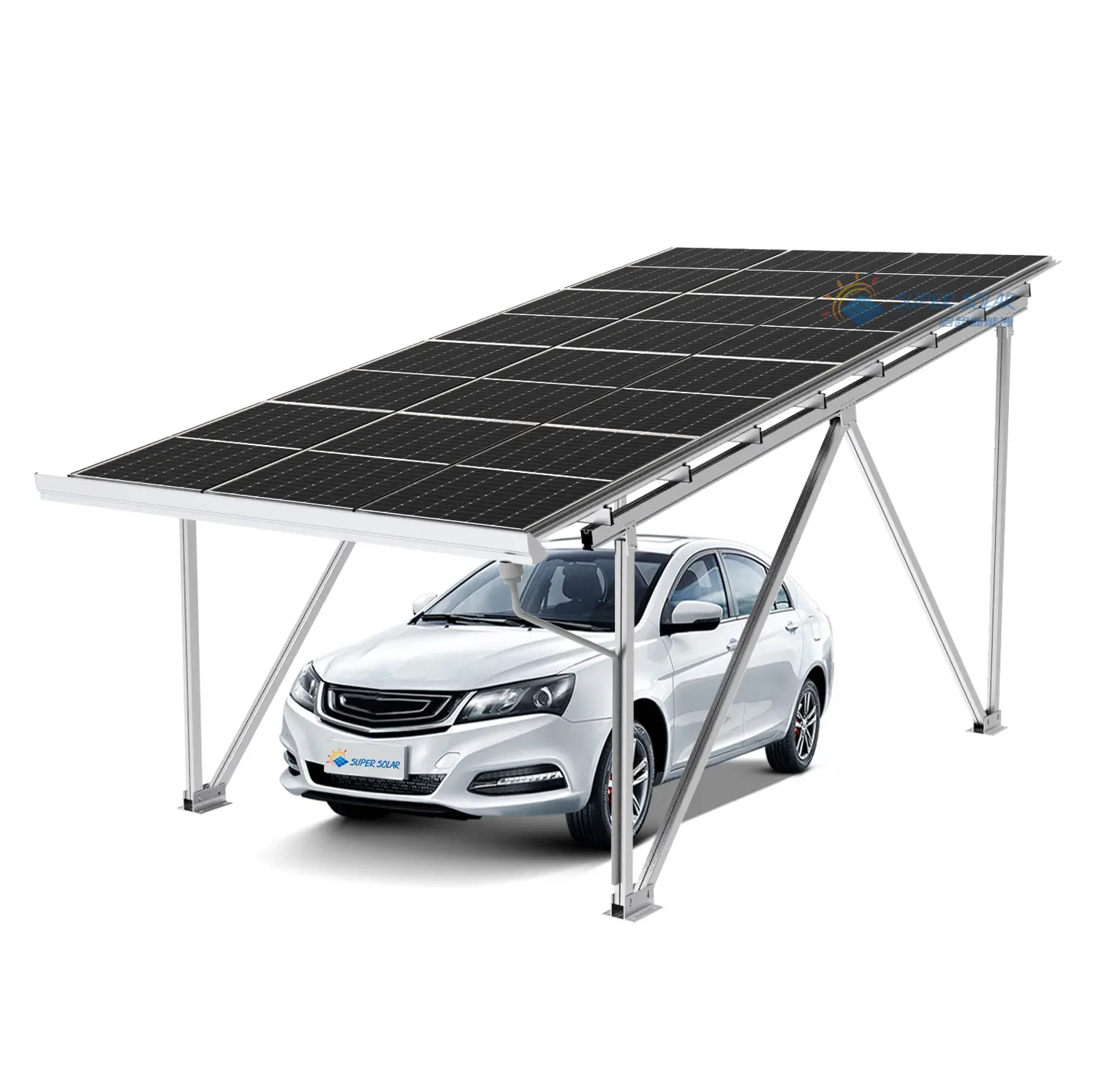
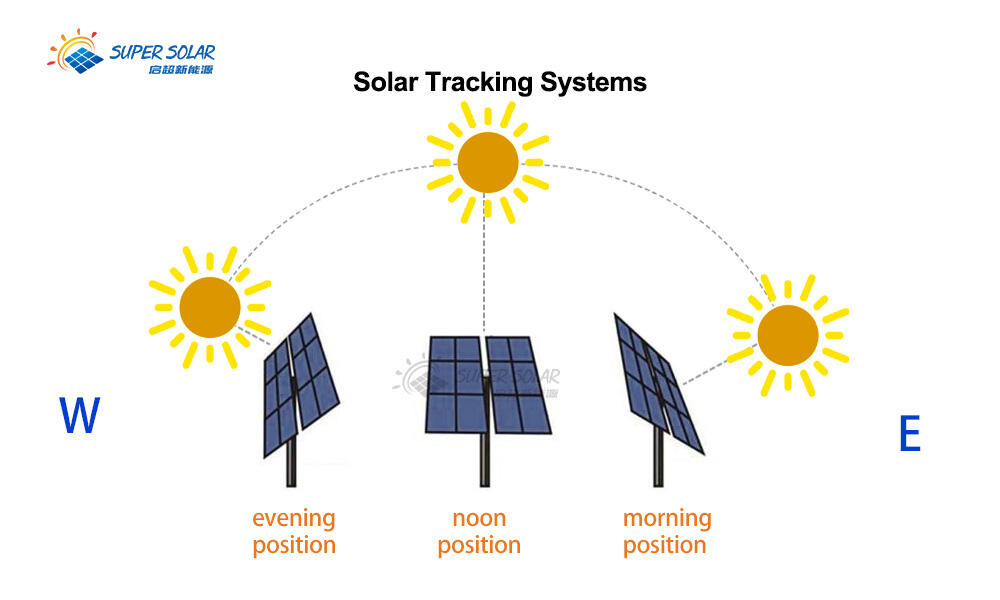
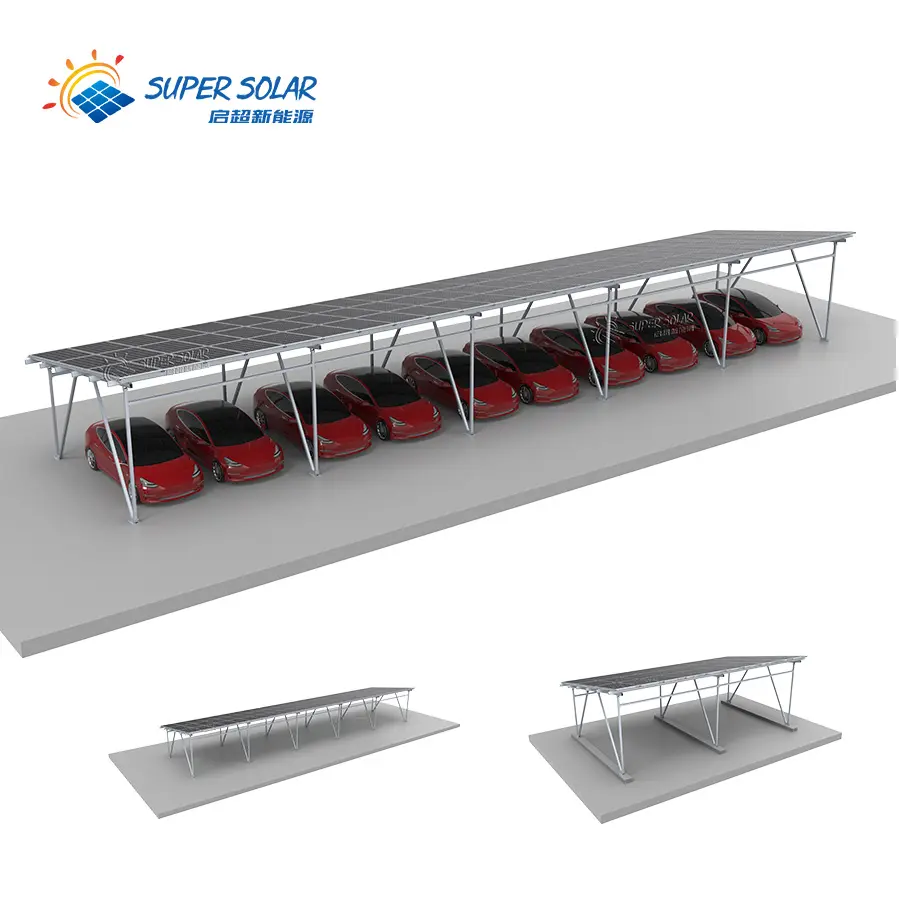
Aluminum solar ground structure brands represent a cornerstone of modern renewable energy infrastructure, providing robust mounting solutions for photovoltaic installations across diverse geographical locations. These specialized systems serve as the backbone for ground-mounted solar arrays, delivering exceptional structural integrity while maintaining cost-effectiveness for large-scale energy projects. Leading aluminum solar ground structure brands have revolutionized the industry through innovative engineering approaches that prioritize both performance and environmental sustainability. The primary function of these systems involves securely anchoring solar panels to the ground while optimizing their positioning for maximum energy capture throughout varying seasonal conditions. Advanced aluminum solar ground structure brands incorporate sophisticated tracking mechanisms that automatically adjust panel orientation to follow the sun's trajectory, significantly enhancing energy production efficiency compared to fixed installations. The technological features embedded within premium aluminum solar ground structure brands include corrosion-resistant coating systems, modular component designs for simplified assembly, and integrated cable management solutions that protect electrical connections from environmental exposure. These structures accommodate various panel configurations, from single-axis tracking systems to dual-axis arrangements that provide superior energy optimization capabilities. Modern aluminum solar ground structure brands utilize high-strength aluminum alloys specifically engineered to withstand extreme weather conditions, including hurricane-force winds, heavy snow loads, and seismic activity. The applications for these systems span utility-scale solar farms, commercial installations, industrial facilities, and distributed generation projects where ground space availability permits optimal solar exposure. Installation flexibility represents another key advantage, as aluminum solar ground structure brands can be adapted to various terrain types, from flat agricultural land to moderately sloped surfaces, making them suitable for diverse project requirements across different climatic zones worldwide.

New Product Recommendations

Aluminum solar ground structure brands deliver exceptional value through their inherent material properties that directly translate into tangible benefits for project developers and system owners. The lightweight nature of aluminum significantly reduces transportation costs and simplifies installation procedures, enabling faster project completion timelines and reduced labor requirements compared to traditional steel alternatives. This weight advantage allows aluminum solar ground structure brands to minimize foundation requirements, reducing excavation needs and overall construction expenses while maintaining superior structural performance standards. The natural corrosion resistance of aluminum eliminates the need for ongoing maintenance painting or coating applications, resulting in substantial long-term operational savings and extended system lifespan that can exceed 25 years with minimal intervention. Aluminum solar ground structure brands demonstrate remarkable thermal expansion characteristics that accommodate temperature fluctuations without compromising structural integrity, preventing stress-related failures that commonly affect other mounting materials in extreme climate conditions. The modular design philosophy embraced by leading aluminum solar ground structure brands enables rapid field assembly using standard tools and equipment, reducing installation time by up to 40 percent compared to welded steel structures while maintaining precise alignment tolerances essential for optimal panel performance. Recyclability represents another significant advantage, as aluminum components can be fully recycled at the end of their service life, supporting circular economy principles and reducing environmental impact throughout the project lifecycle. The electrical conductivity properties of aluminum facilitate effective grounding systems, enhancing safety protocols and regulatory compliance while simplifying electrical installation procedures. Aluminum solar ground structure brands offer superior design flexibility, accommodating various panel sizes and configurations without requiring extensive customization, enabling standardized procurement approaches that reduce project costs and delivery timelines. The aesthetic appeal of aluminum structures provides additional value for installations in visible locations, as the material maintains its appearance over time without developing rust stains or requiring cosmetic maintenance interventions that could disrupt energy production operations.

Tips And Tricks

Top Carport Solar Design Ideas for 2025

24

Nov

Top Carport Solar Design Ideas for 2025

Exploring the Rise of Carport Solar The growing interest in clean energy is reshaping how people view everyday spaces, and one of the most versatile solutions emerging today is Carport Solar. Unlike traditional panels installed solely on rooftops, C...
View More
How Does a Solar Tracker Work?

22

Jul

How Does a Solar Tracker Work?

Fundamentals of Solar Tracking Technology How Solar Trackers Maximize Energy Efficiency Solar trackers play a pivotal role in enhancing the efficiency of solar energy systems. They work by adjusting the orientation of solar panels throughout the day...
View More
Why L Feet Are the Most Cost-Effective Solar Mounting Solution for Metal Roofs

23

Sep

Why L Feet Are the Most Cost-Effective Solar Mounting Solution for Metal Roofs

Cost comparison with other mounting systems Comparing material costs across different solutions When evaluating solar mounting systems, one of the first considerations is material cost. L Feet stand out because they use less material while maintaini...
View More
Commercial Solar Carport Solutions for Parking and Power

24

Nov

Commercial Solar Carport Solutions for Parking and Power

Transforming Parking Infrastructure into Clean Energy Assets The evolution of commercial parking spaces has taken a remarkable turn with the introduction of solar carports. These innovative structures represent the perfect fusion of functionality and...
View More

Leave Message

Our representative will contact you soon.
Email
Name
Company Name
Message
0/1000

aluminum solar ground structure brands

Advanced Corrosion Resistance Technology

Advanced Corrosion Resistance Technology

The superior corrosion resistance technology integrated into aluminum solar ground structure brands represents a fundamental breakthrough in long-term system reliability and performance maintenance. Unlike traditional steel mounting systems that require regular protective coatings and maintenance interventions, aluminum solar ground structure brands utilize the metal's natural oxide layer formation to create an impermeable barrier against environmental degradation. This self-protecting characteristic ensures consistent structural integrity throughout the system's operational lifetime, eliminating concerns about rust formation, metal fatigue, or coating failures that plague conventional alternatives. The advanced corrosion resistance technology extends beyond basic aluminum properties through specialized surface treatments and alloy compositions that enhance durability in challenging environments, including coastal installations where salt exposure accelerates deterioration in other materials. Leading aluminum solar ground structure brands incorporate anodizing processes that create controlled oxide layers with enhanced thickness and density, providing additional protection against chemical exposure, UV radiation, and atmospheric pollutants that can compromise system performance over time. This technology particularly benefits projects in industrial areas where air quality concerns exist, as aluminum structures maintain their structural properties and appearance despite exposure to acidic compounds or other corrosive elements commonly found in manufacturing environments. The corrosion resistance technology also supports installation in agricultural settings where fertilizers, pesticides, and organic compounds could potentially damage less resistant materials, ensuring reliable performance throughout crop rotation cycles and seasonal chemical applications. Furthermore, this advanced protection extends to connection points and fastening systems, where galvanic compatibility prevents electrochemical reactions that could weaken joint integrity or create maintenance requirements. The long-term economic impact of this corrosion resistance technology cannot be overstated, as it eliminates recurring maintenance costs, reduces system downtime for repairs, and maintains optimal energy production efficiency throughout the project's financial modeling period, directly contributing to improved return on investment calculations.

Optimized Structural Engineering Design

Optimized Structural Engineering Design

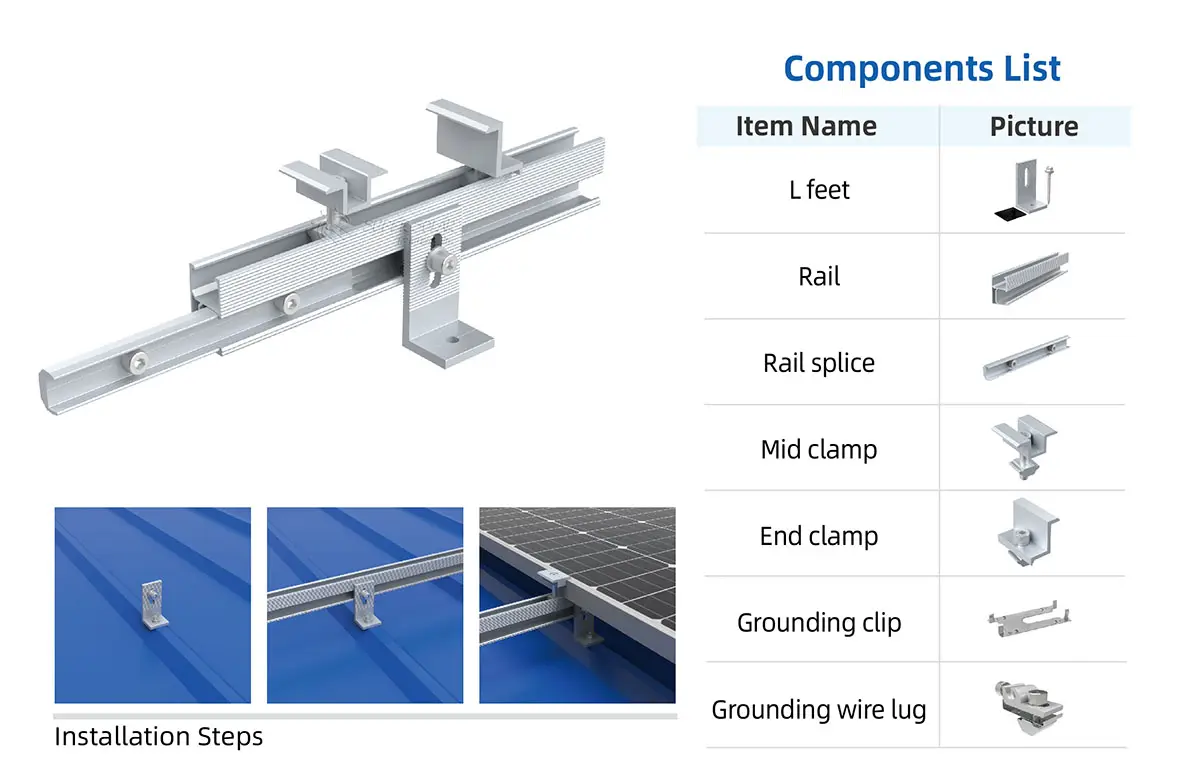
The optimized structural engineering design incorporated into aluminum solar ground structure brands represents decades of advanced materials science and mechanical engineering expertise focused on maximizing system performance while minimizing material usage and installation complexity. These sophisticated designs utilize computer-aided finite element analysis to precisely calculate load distribution patterns, ensuring optimal strength-to-weight ratios that exceed industry safety standards while reducing material costs and environmental impact. The engineering optimization process considers multiple loading scenarios simultaneously, including wind uplift forces, snow accumulation patterns, seismic activity, and thermal expansion cycles, creating structures that maintain stability under extreme conditions while preserving precise panel alignment essential for energy production efficiency. Advanced aluminum solar ground structure brands incorporate innovative connection systems that distribute mechanical stresses evenly throughout the framework, preventing stress concentration points that could lead to premature failure or maintenance requirements during the system's operational lifetime. The optimized design philosophy extends to component standardization, enabling manufacturers to achieve economies of scale while maintaining design flexibility for site-specific requirements and panel configurations. This standardization approach reduces inventory requirements for installers and system owners, simplifying maintenance procedures and ensuring rapid replacement part availability throughout the system's service life. The structural engineering optimization also addresses installation efficiency through components designed for tool-free assembly wherever possible, reducing field labor requirements and minimizing installation errors that could compromise system performance or safety compliance. Furthermore, the optimized design incorporates integrated cable management pathways that protect electrical connections from environmental exposure while maintaining accessibility for maintenance and system modifications. The engineering excellence extends to foundation interface design, where optimized load transfer mechanisms minimize concrete requirements and excavation needs while ensuring adequate resistance to overturning moments and soil settlement effects. This comprehensive approach to structural optimization delivers measurable benefits including reduced project development costs, accelerated installation schedules, enhanced system reliability, and improved long-term performance predictability that supports accurate financial modeling and investment decision-making processes.
Comprehensive Environmental Sustainability Features

Comprehensive Environmental Sustainability Features

The comprehensive environmental sustainability features embedded within aluminum solar ground structure brands position these systems as leaders in responsible renewable energy infrastructure development, addressing both immediate environmental concerns and long-term sustainability objectives throughout the product lifecycle. The inherent recyclability of aluminum components ensures that virtually 100 percent of structural materials can be recovered and reprocessed at the end of system life, creating a closed-loop material cycle that minimizes waste generation and reduces demand for primary aluminum production. This recyclability advantage extends beyond theoretical possibilities, as established aluminum recycling infrastructure exists globally, making end-of-life processing both economically viable and environmentally beneficial compared to disposal alternatives. Leading aluminum solar ground structure brands incorporate recycled aluminum content in their manufacturing processes, further reducing the carbon footprint associated with system production while maintaining structural performance standards essential for long-term reliability. The energy efficiency of aluminum recycling, requiring only five percent of the energy needed for primary production, amplifies the environmental benefits and supports circular economy principles throughout the renewable energy sector. The sustainability features also encompass manufacturing processes that minimize waste generation and energy consumption while eliminating harmful chemical treatments commonly required for steel processing and protection. Advanced aluminum solar ground structure brands utilize powder coating technologies that eliminate volatile organic compound emissions during application and curing processes, contributing to improved air quality in manufacturing facilities and surrounding communities. The lightweight characteristics of aluminum structures reduce transportation-related carbon emissions throughout the supply chain, from manufacturing facilities to installation sites, while enabling more efficient logistics planning and reduced fuel consumption per installed megawatt of solar capacity. Furthermore, the durability and low maintenance requirements of aluminum solar ground structure brands reduce the environmental impact associated with replacement part manufacturing, transportation, and installation over the system's operational lifetime. The sustainability advantages extend to installation practices, where reduced foundation requirements minimize soil disruption and concrete usage, preserving local ecosystems while reducing construction-related environmental impacts. These comprehensive environmental sustainability features align with corporate responsibility objectives and regulatory requirements increasingly important to project financing and approval processes, making aluminum solar ground structure brands the preferred choice for environmentally conscious developers and system owners committed to maximizing the positive environmental impact of their renewable energy investments.

Leave Message

Our representative will contact you soon.
Email
Name
Company Name
Message
0/1000