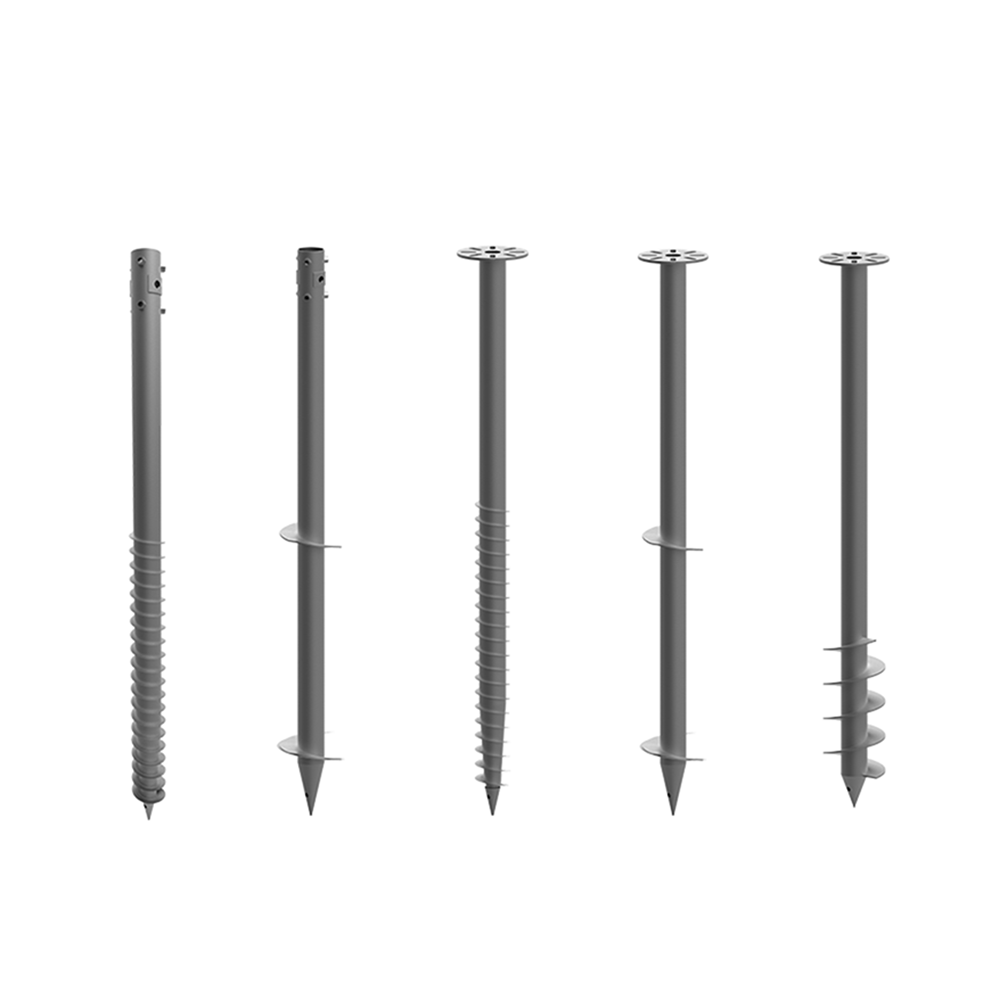
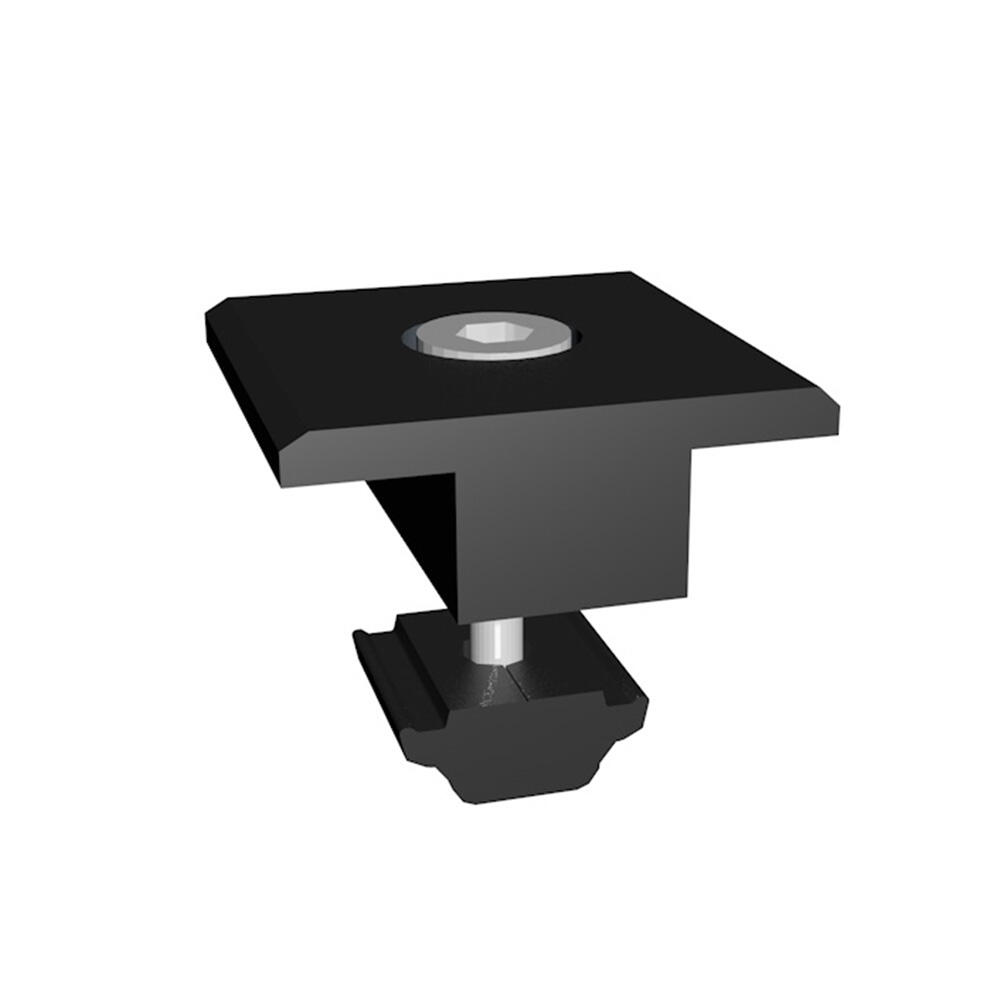
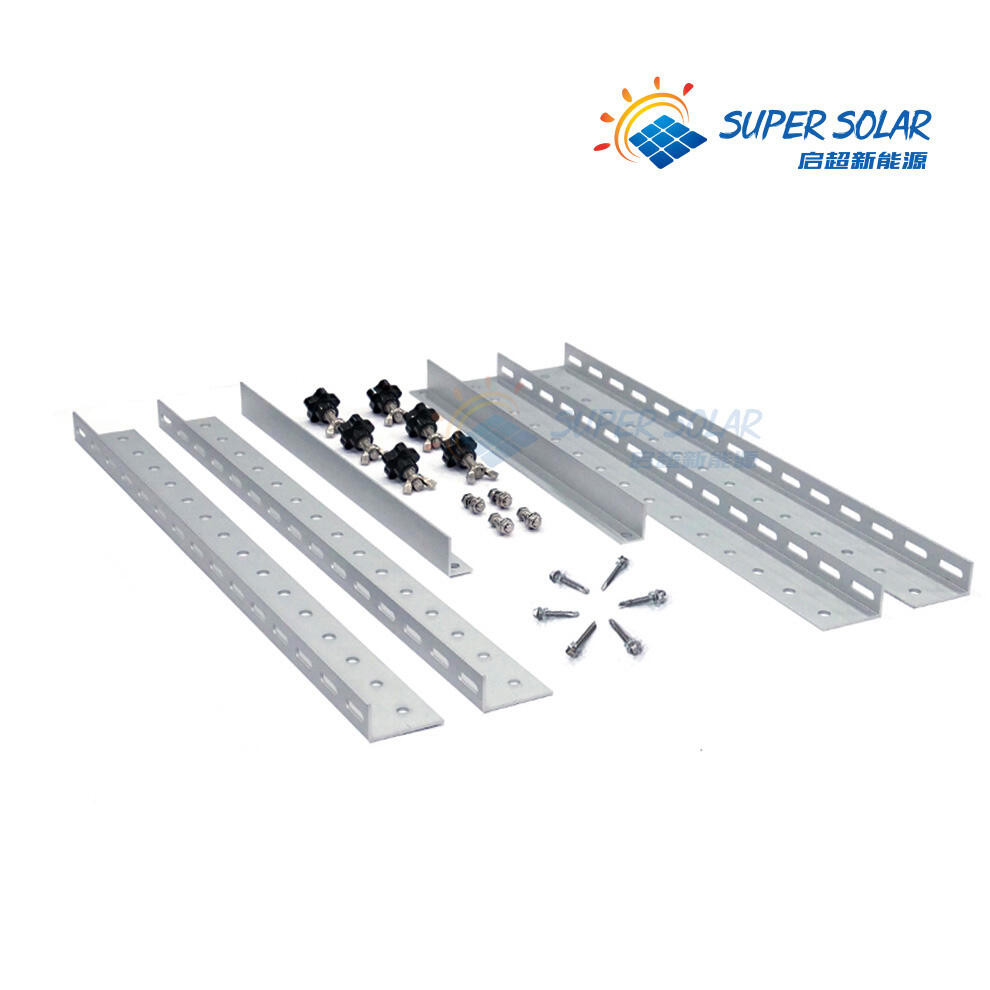
flexible operation solar roof mounting
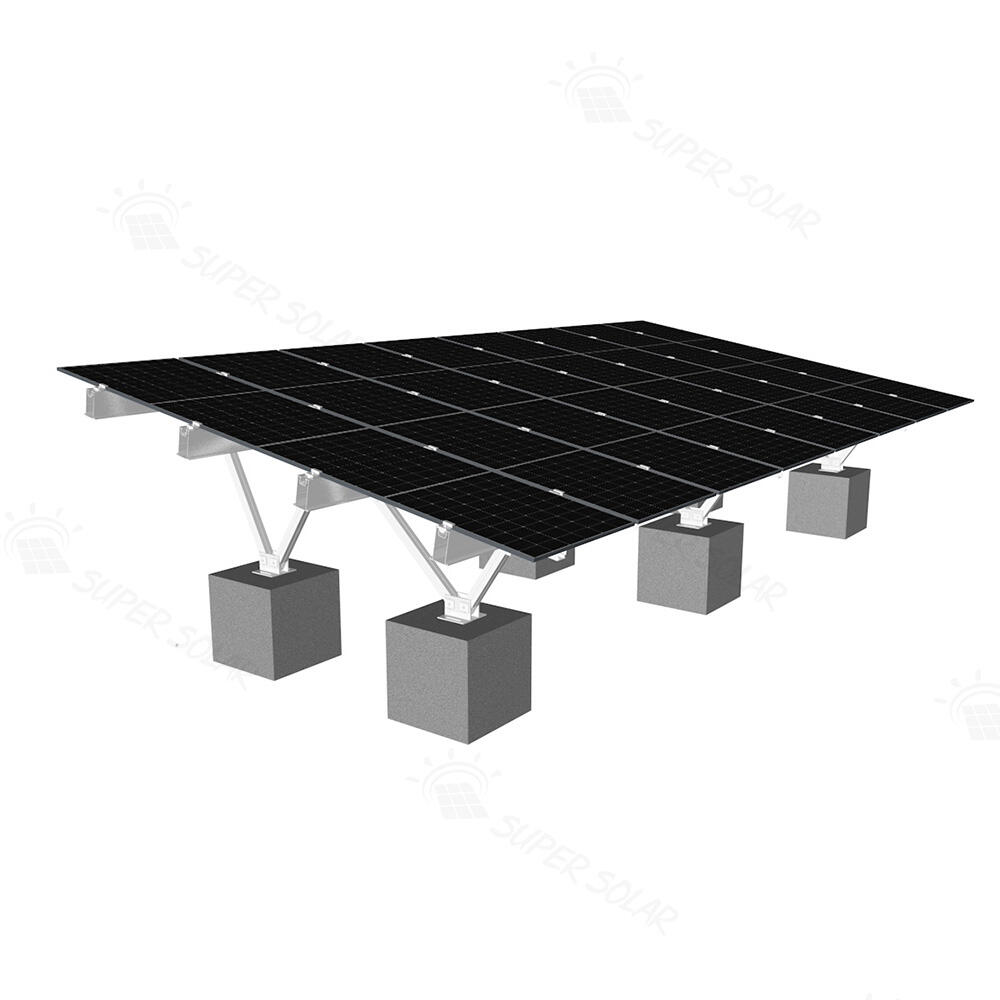
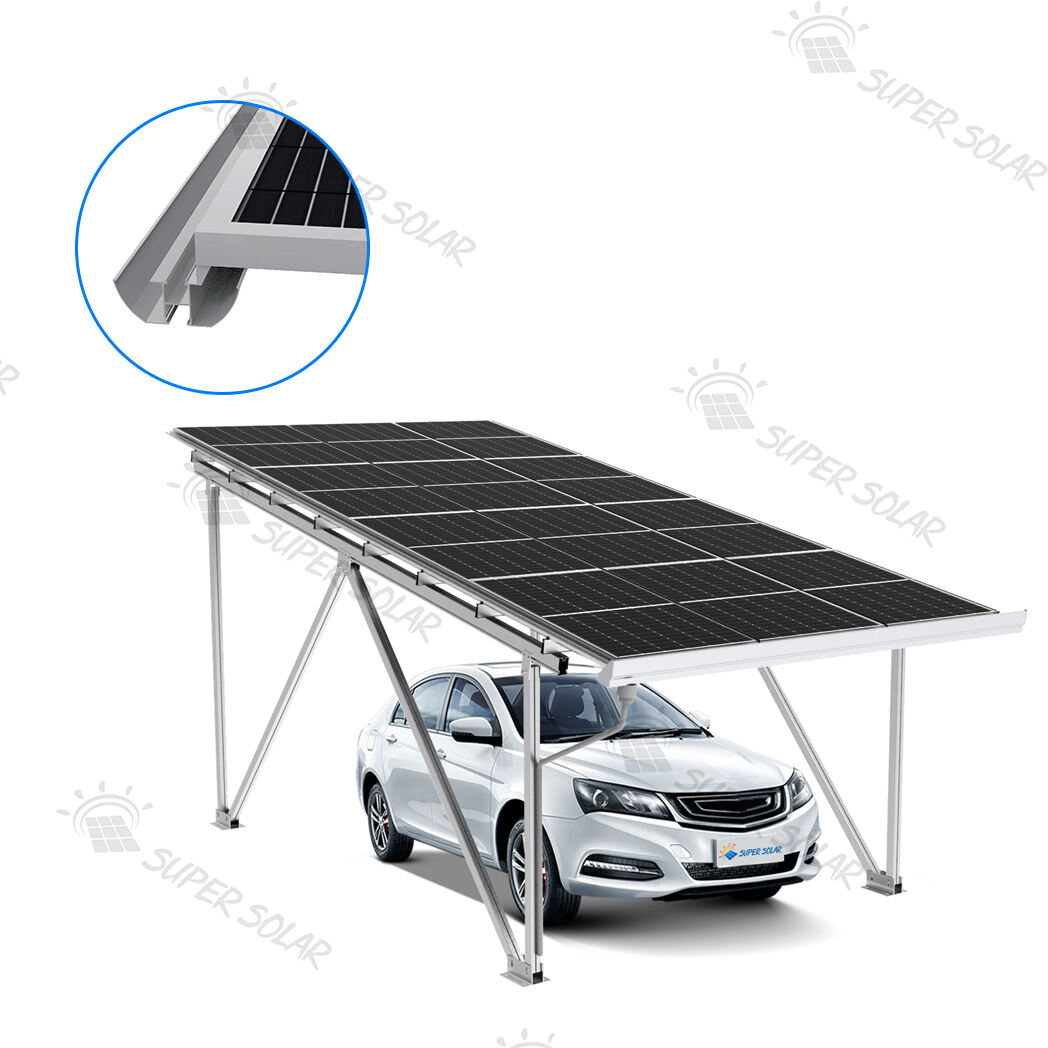
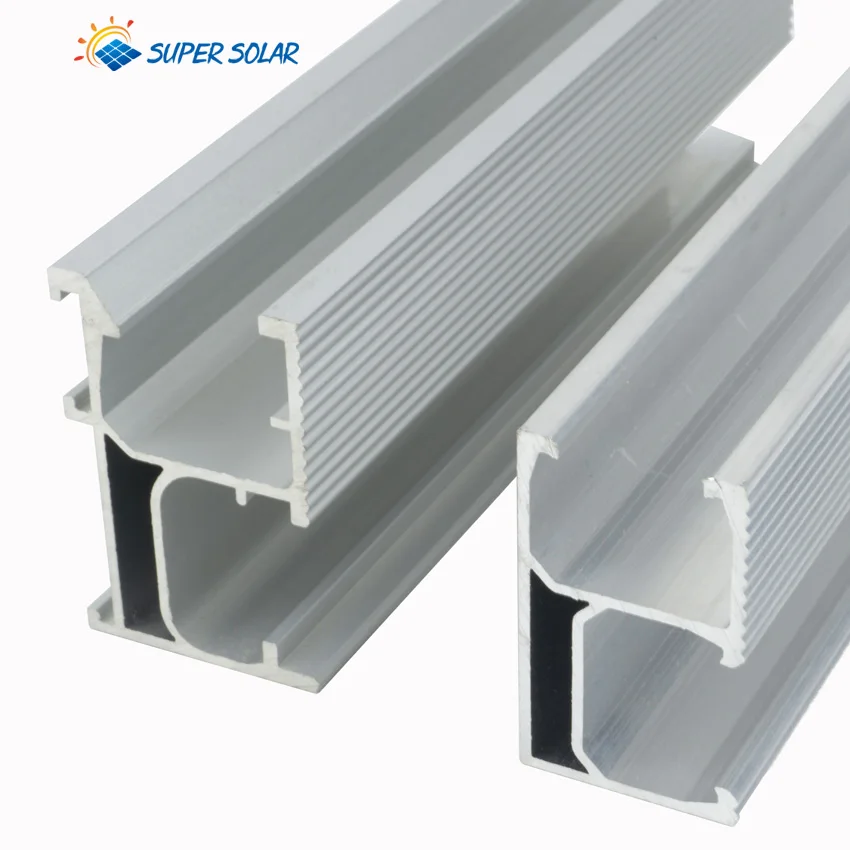
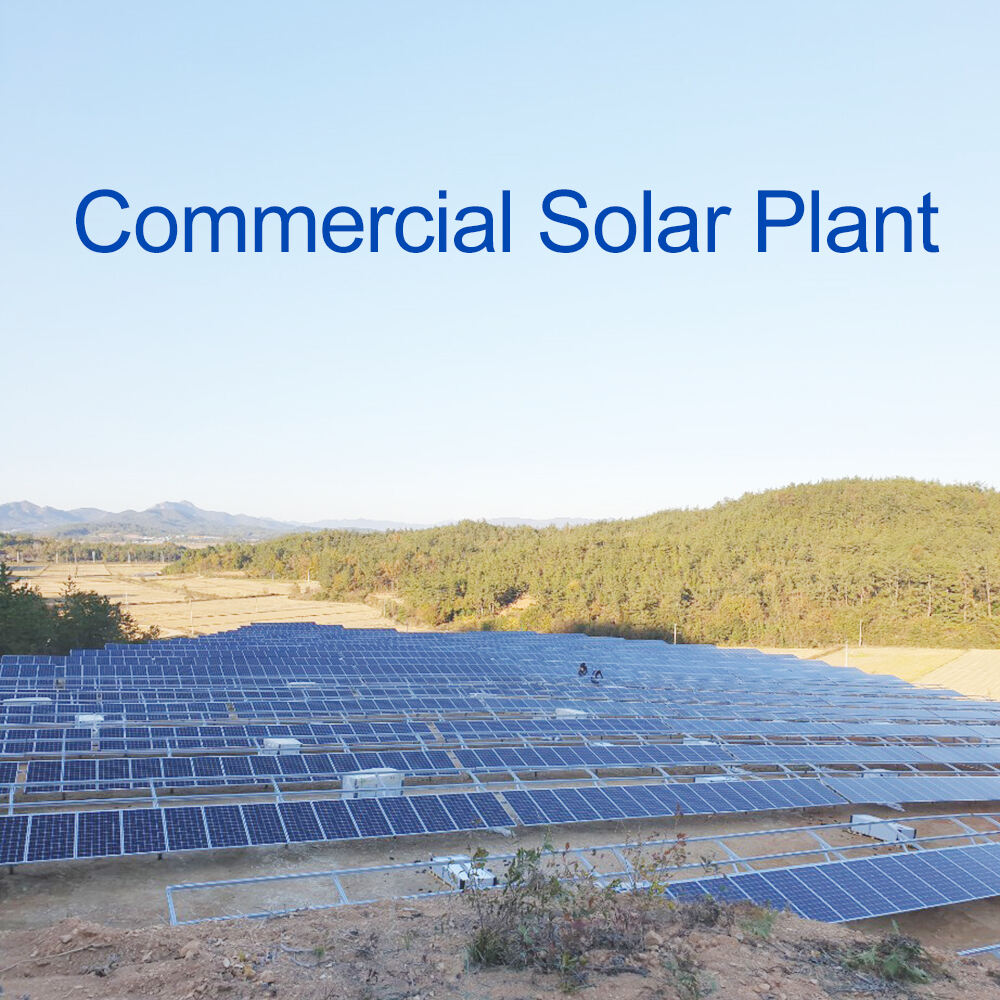
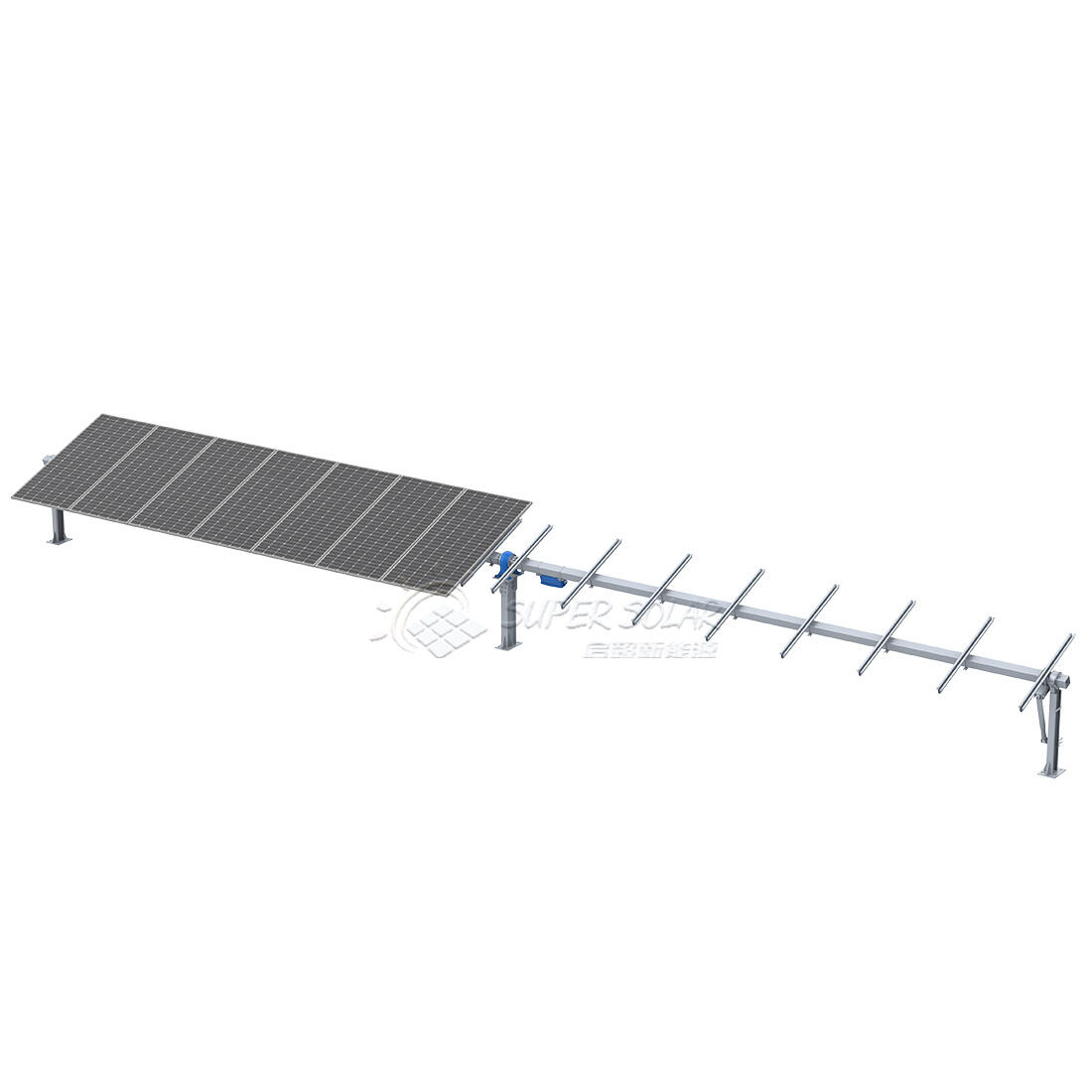
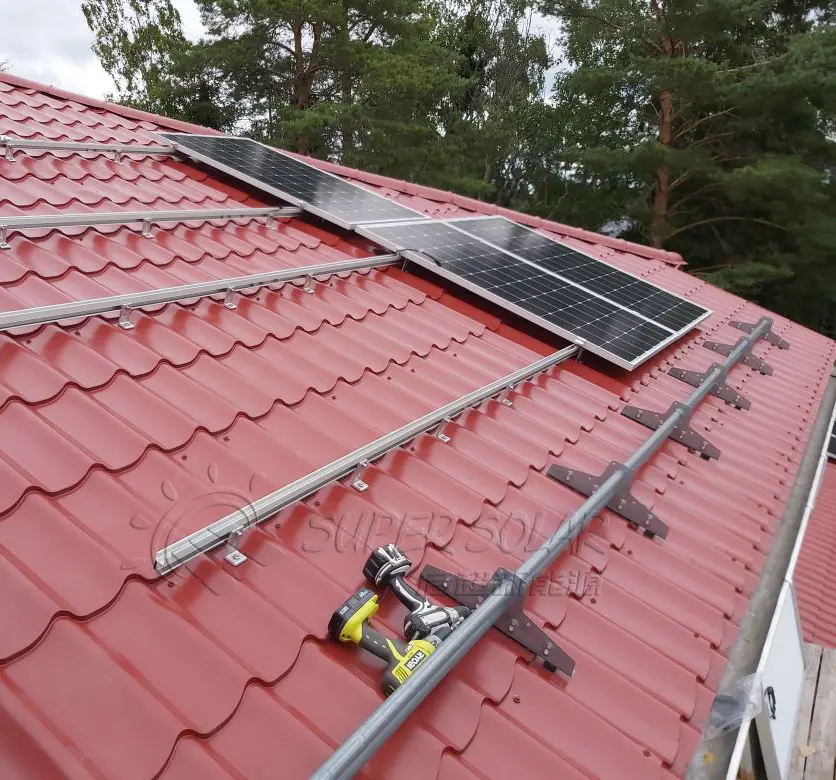
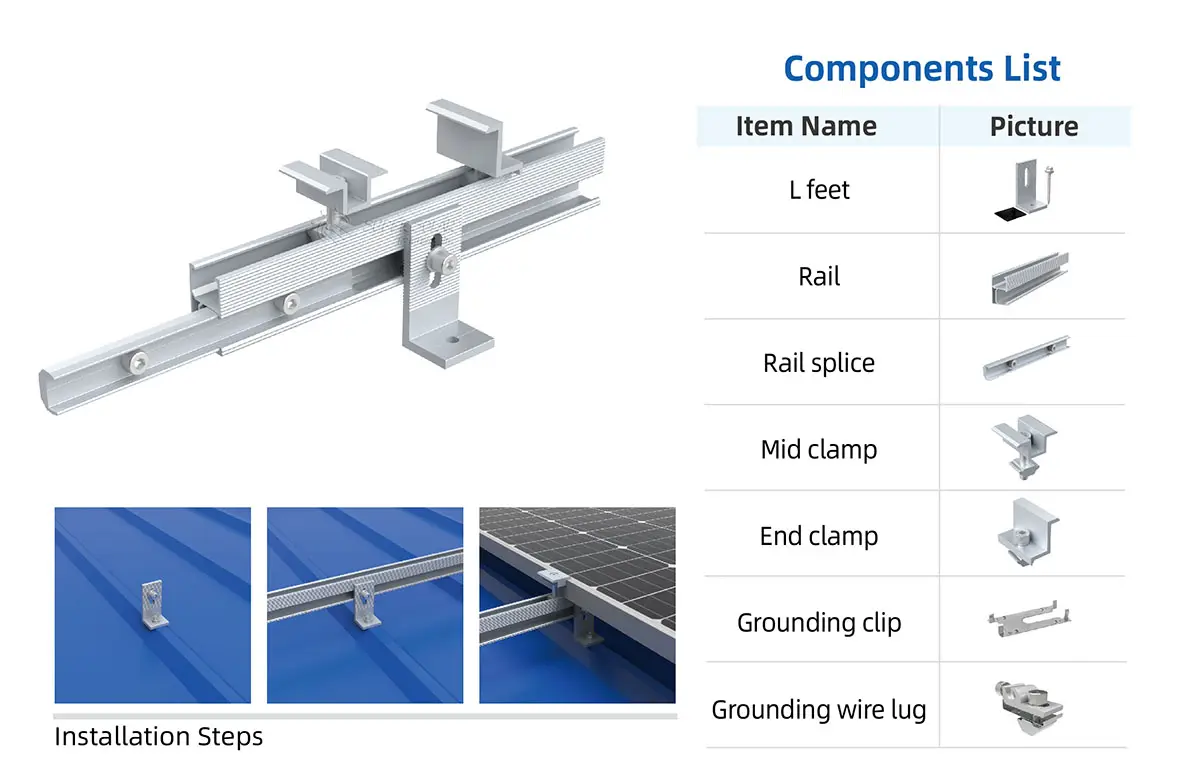
The flexible operation solar roof mounting system represents a revolutionary advancement in photovoltaic installation technology, designed to accommodate diverse roofing structures while maximizing energy efficiency. This innovative mounting solution combines cutting-edge engineering with practical functionality, enabling seamless solar panel integration across various architectural configurations. The flexible operation solar roof mounting system features adjustable components that adapt to different roof angles, materials, and structural constraints without compromising installation integrity. Modern installations utilize advanced aluminum alloy construction with corrosion-resistant coatings, ensuring long-term durability in challenging weather conditions. The system incorporates precision-engineered clamps, rails, and connectors that facilitate rapid deployment while maintaining structural stability. Key technological features include variable tilt mechanisms that optimize solar panel positioning for maximum sunlight exposure throughout different seasons. The flexible operation solar roof mounting includes integrated drainage channels that prevent water accumulation and potential damage to roofing materials. Smart grounding systems provide electrical safety compliance while streamlining installation procedures for certified technicians. Applications span residential properties, commercial buildings, industrial facilities, and agricultural structures where conventional mounting systems prove inadequate. The system accommodates tile roofs, metal surfaces, flat installations, and complex architectural designs that require customized solutions. Installation flexibility extends to retrofit projects where existing structures need solar integration without extensive modifications. The flexible operation solar roof mounting supports distributed weight distribution, reducing structural stress on aging buildings. Advanced weatherproofing ensures reliable performance across diverse climatic zones, from coastal environments with salt exposure to mountain regions experiencing extreme temperature variations. Quality control measures include rigorous testing protocols that validate system performance under simulated environmental stresses, guaranteeing reliable operation throughout the expected 25-year service life of typical solar installations.
 EN
EN