Premium Carbon Steel Ground Mounted Solar Structure Systems - Durable, Cost-Effective Solar Mounting Solutions

All Categories

carbon steel ground mounted solar structure

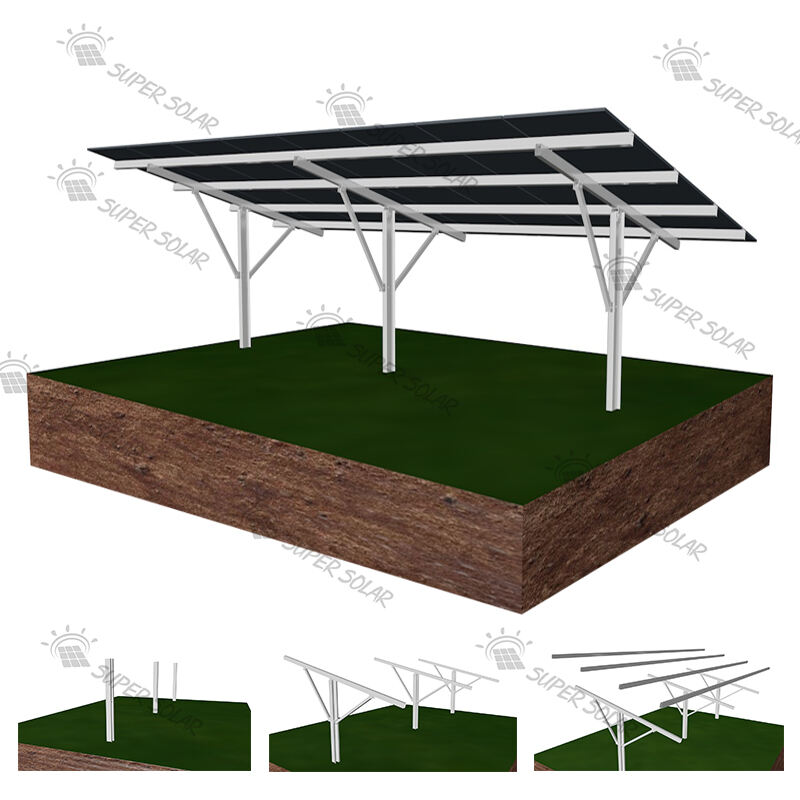
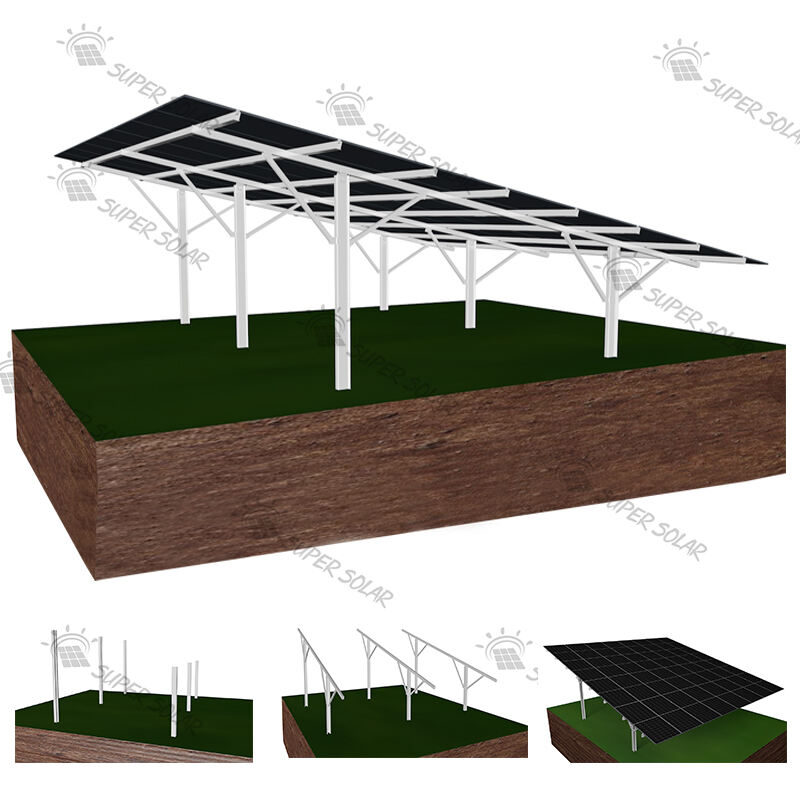
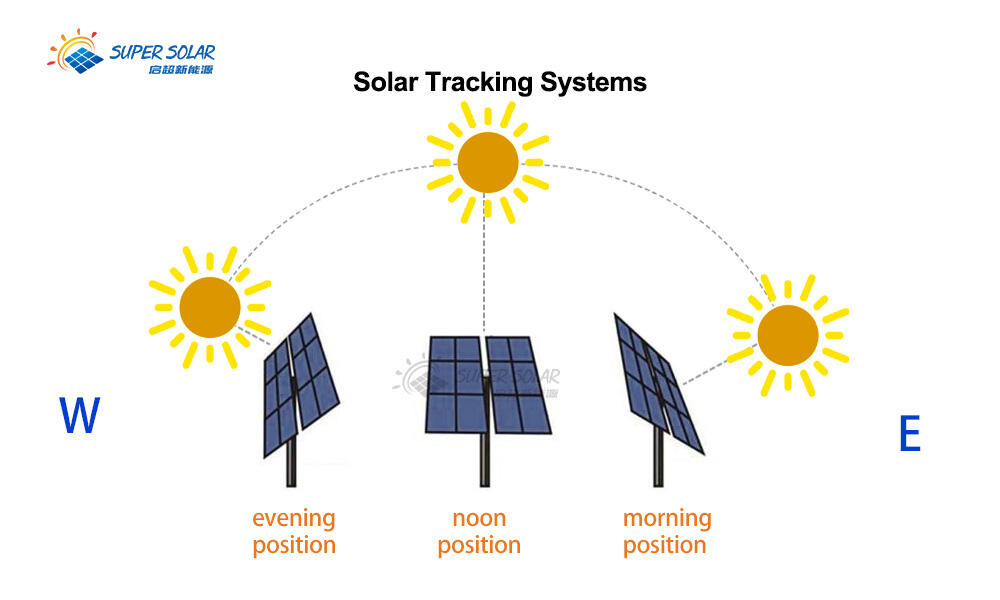
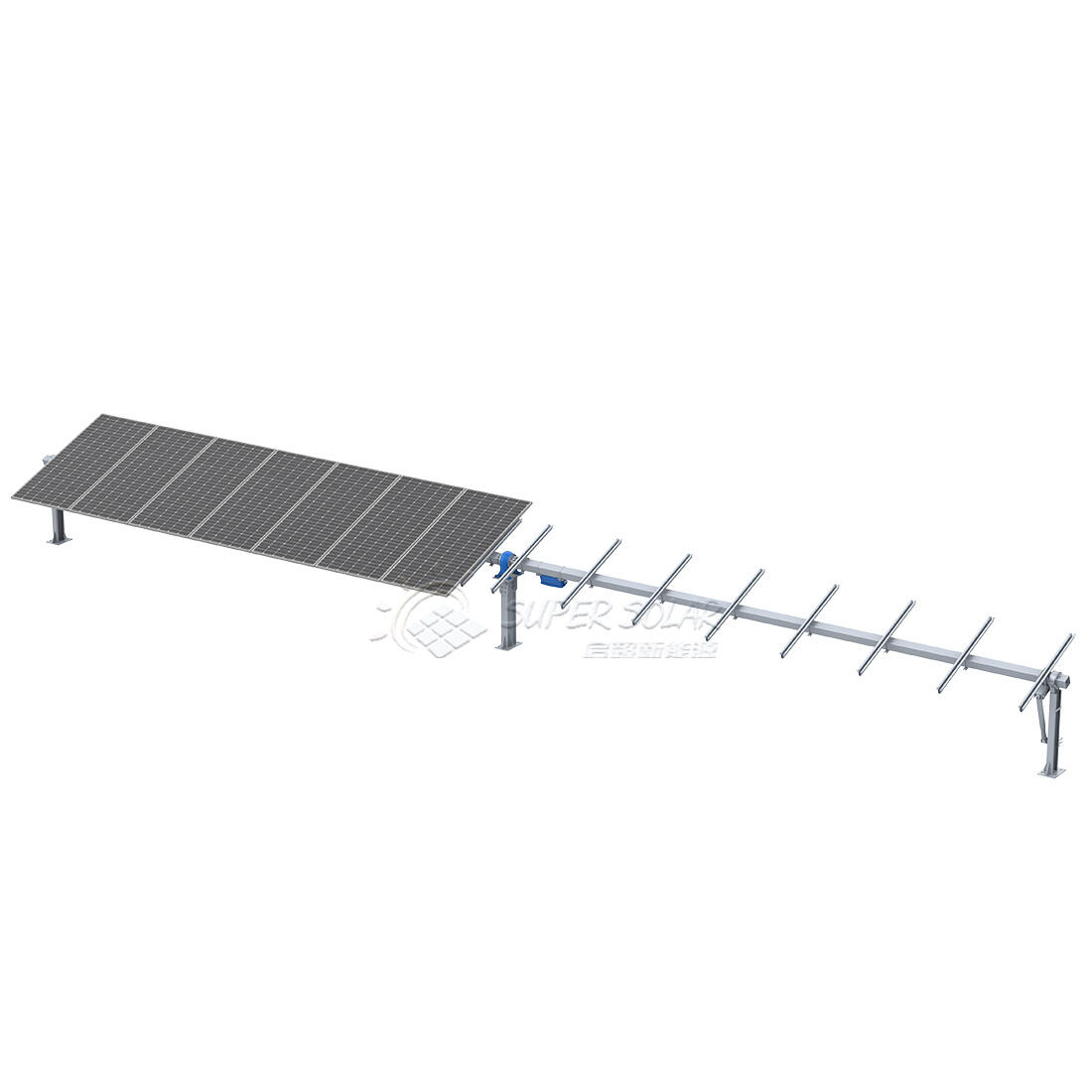
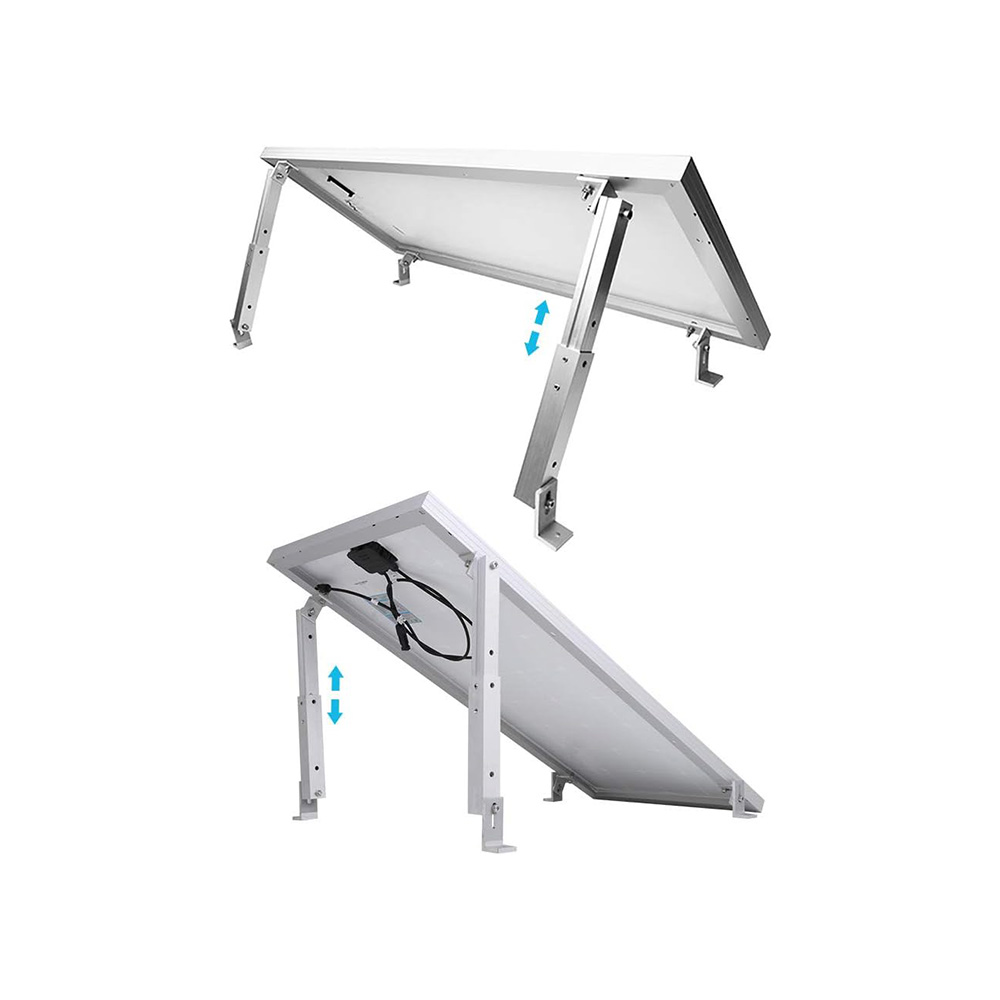
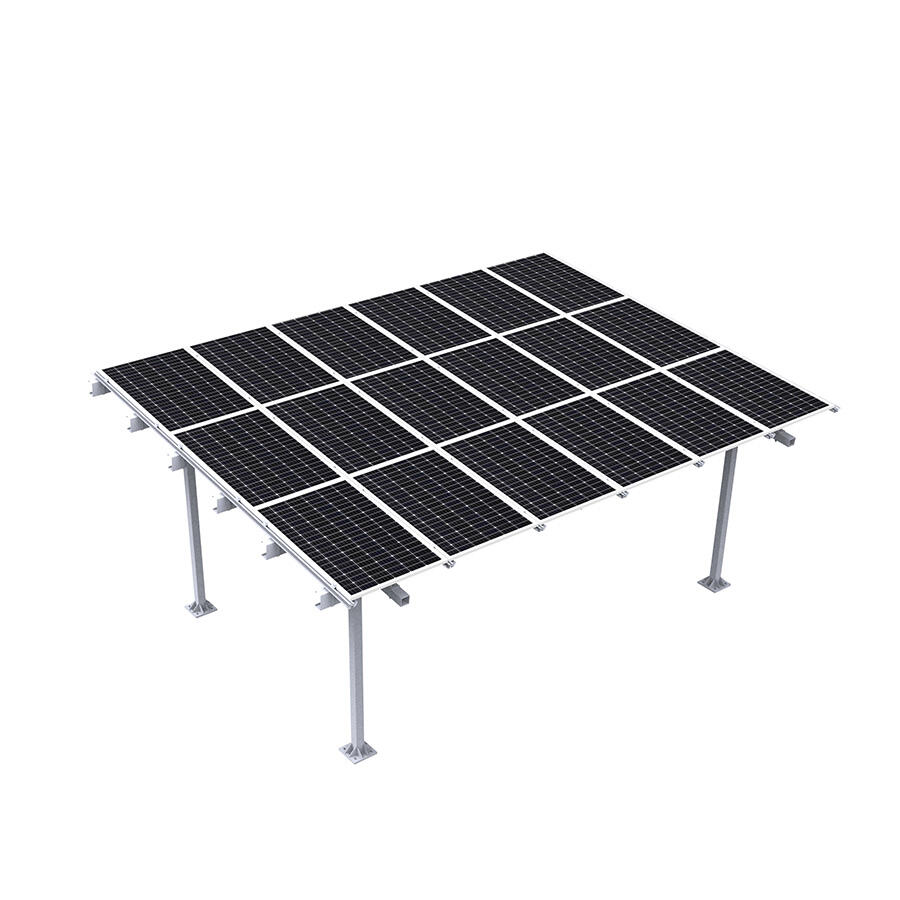
Carbon steel ground mounted solar structure represents a revolutionary approach to renewable energy infrastructure, providing robust support systems for photovoltaic installations across diverse terrains and climatic conditions. These engineered frameworks serve as the foundational backbone for solar panel arrays, ensuring optimal positioning and long-term stability in utility-scale and commercial solar projects. The primary function of carbon steel ground mounted solar structure systems involves securely anchoring solar panels at predetermined angles and orientations to maximize energy generation efficiency while withstanding environmental stresses including wind loads, snow accumulation, and seismic activity. Technologically, these structures incorporate advanced metallurgical engineering principles, utilizing high-grade carbon steel alloys that undergo specialized galvanization processes to enhance corrosion resistance and structural integrity. The modular design philosophy enables rapid assembly and scalability, accommodating various panel configurations and site-specific requirements. Carbon steel ground mounted solar structure applications span across utility-scale solar farms, industrial facilities, agricultural installations, and distributed generation projects where roof-mounted systems prove impractical or insufficient. The versatility of these structures allows deployment on uneven terrain, degraded land, and areas with challenging soil conditions through engineered foundation systems including driven piles, concrete ballasts, and helical anchors. Modern carbon steel ground mounted solar structure designs incorporate sophisticated tracking mechanisms that automatically adjust panel orientation throughout the day, significantly increasing energy yield compared to fixed installations. The integration of intelligent monitoring systems enables real-time structural health assessment and predictive maintenance scheduling. Manufacturing processes employ precision fabrication techniques ensuring consistent quality and dimensional accuracy across all structural components. The inherent strength-to-weight ratio of carbon steel enables efficient material utilization while maintaining exceptional load-bearing capabilities essential for large-scale solar deployments in demanding environmental conditions.

New Products

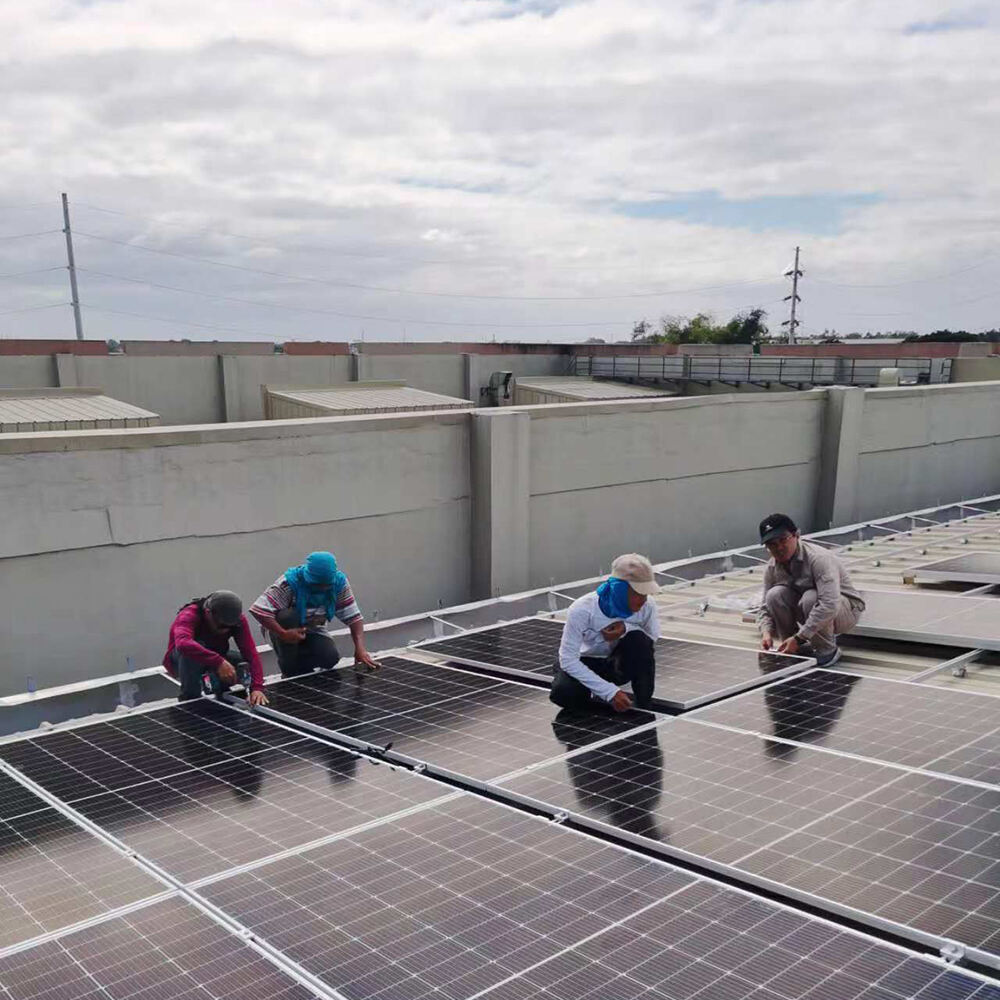
Carbon steel ground mounted solar structure systems deliver exceptional value through their superior durability and cost-effectiveness compared to alternative mounting solutions. These structures withstand harsh weather conditions including hurricanes, hailstorms, and extreme temperature fluctuations without compromising structural integrity or requiring frequent maintenance interventions. The inherent strength of carbon steel allows engineers to design lighter frameworks while maintaining robust load-bearing capabilities, resulting in reduced material costs and simplified installation procedures. Installation teams can deploy carbon steel ground mounted solar structure systems quickly using standard construction equipment and techniques, minimizing project timelines and labor expenses. The modular design philosophy enables mass production benefits, driving down unit costs while ensuring consistent quality across all components. Carbon steel ground mounted solar structure systems adapt seamlessly to various soil conditions and topographical challenges through engineered foundation solutions, eliminating the need for extensive site preparation or terrain modification. This adaptability translates directly into reduced project development costs and faster permitting processes. The proven track record of carbon steel in infrastructure applications provides investors and project developers with confidence in long-term performance and return on investment. Maintenance requirements remain minimal due to the galvanized coating protection and robust structural design, resulting in lower operational expenses throughout the system lifecycle. Carbon steel ground mounted solar structure installations can accommodate future expansion or reconfiguration needs without requiring complete system replacement, providing valuable flexibility for evolving energy requirements. The standardized connection methods and component specifications facilitate easy replacement of individual elements if needed, ensuring minimal downtime and repair costs. These structures support various panel technologies and configurations, allowing project developers to optimize energy output based on specific site characteristics and performance objectives. The fire resistance properties of carbon steel provide additional safety benefits compared to alternative materials, particularly important for installations in wildfire-prone regions. Carbon steel ground mounted solar structure systems demonstrate excellent value retention and can be relocated or repurposed at project end-of-life, maximizing asset utilization and minimizing waste generation.

Tips And Tricks

How Does a Solar Tracker Work?

22

Jul

How Does a Solar Tracker Work?

Fundamentals of Solar Tracking Technology How Solar Trackers Maximize Energy Efficiency Solar trackers play a pivotal role in enhancing the efficiency of solar energy systems. They work by adjusting the orientation of solar panels throughout the day...
View More
What Is a Single-Axis Solar Tracker?

22

Jul

What Is a Single-Axis Solar Tracker?

What Is a Single-Axis Solar Tracker? Definition and Basic Functionality A single-axis solar tracker is a sophisticated device designed to enhance the efficiency of solar energy systems by orienting solar panels toward the sun as it moves across the ...
View More
How to Design and Install a Solar Carport for Your Business?

24

Nov

How to Design and Install a Solar Carport for Your Business?

The Growing Impact of Solar Carports in Modern Business Infrastructure Solar carports represent a revolutionary advancement in sustainable business infrastructure, combining practical parking solutions with clean energy generation. As businesses incr...
View More
How to Install Solar Mounting Systems on Corrugated Metal Roofs?

24

Nov

How to Install Solar Mounting Systems on Corrugated Metal Roofs?

Understanding Solar Panel Installation on Metal Roofing Installing solar mounting systems on corrugated metal roofs requires careful planning, precise execution, and thorough knowledge of both roofing and solar equipment. Metal roofs present unique c...
View More

Leave Message

Our representative will contact you soon.
Email
Name
Company Name
Message
0/1000

carbon steel ground mounted solar structure

Exceptional Structural Reliability and Weather Resistance

Exceptional Structural Reliability and Weather Resistance

Carbon steel ground mounted solar structure systems excel in providing unmatched structural reliability through advanced engineering design and superior material properties that ensure decades of dependable performance in challenging environmental conditions. The fundamental strength characteristics of carbon steel create a robust foundation capable of withstanding extreme weather events including hurricane-force winds exceeding 150 mph, heavy snow loads, and seismic activity without structural failure or performance degradation. Engineering teams conduct comprehensive finite element analysis and wind tunnel testing to optimize structural geometry and connection details, ensuring each carbon steel ground mounted solar structure meets or exceeds international building codes and industry standards. The galvanization process applied to carbon steel components creates a metallurgically bonded zinc coating that provides superior corrosion protection compared to painted or powder-coated alternatives, extending service life and maintaining structural integrity in coastal environments with high salt exposure. Advanced hot-dip galvanizing techniques ensure complete coverage of all surfaces including interior cavities and connection points, eliminating potential corrosion initiation sites that could compromise long-term performance. The inherent ductility of carbon steel allows structures to flex under dynamic loading conditions without brittle failure, providing enhanced safety margins during extreme weather events. Quality control protocols throughout the manufacturing process include material certification, dimensional verification, and coating thickness measurements to ensure consistent performance across all structural components. Carbon steel ground mounted solar structure systems undergo rigorous testing including accelerated weathering exposure, cyclic loading simulation, and corrosion resistance evaluation to validate design assumptions and material specifications. The proven performance history of carbon steel in infrastructure applications spanning bridges, buildings, and transmission towers provides extensive data supporting reliability projections for solar mounting applications. Independent third-party testing and certification validate structural performance claims, providing project stakeholders with confidence in system reliability and insurance coverage options.
Cost-Effective Installation and Maintenance Solutions

Cost-Effective Installation and Maintenance Solutions

Carbon steel ground mounted solar structure systems deliver outstanding economic value through streamlined installation processes and minimal maintenance requirements that significantly reduce total project costs and operational expenses over the system lifetime. The standardized design and manufacturing approach enables bulk procurement benefits and supply chain efficiencies that translate into competitive pricing for project developers and end customers. Installation crews can utilize conventional construction equipment and proven assembly techniques, eliminating the need for specialized tools or extensive training programs that increase labor costs and project complexity. The modular component design facilitates efficient transportation and on-site handling, reducing shipping expenses and crane requirements during installation phases. Carbon steel ground mounted solar structure systems arrive pre-fabricated with precise tolerances and standardized connection details, minimizing field modifications and assembly time while ensuring consistent quality and performance. Foundation requirements remain flexible and adaptable to various soil conditions through engineered solutions including driven piles, ballasted systems, and concrete footings, eliminating costly site preparation and grading operations. The lightweight design characteristics of optimized carbon steel structures reduce foundation loading requirements, enabling smaller and more economical foundation systems compared to heavier mounting alternatives. Post-installation maintenance needs remain minimal due to the durable galvanized coating and robust structural design that resist environmental degradation and mechanical wear. Routine inspection protocols require only visual assessment and basic mechanical checks, eliminating the need for specialized maintenance equipment or highly trained technicians. Component replacement procedures utilize standard fastening systems and readily available parts, ensuring quick resolution of any maintenance issues without extended system downtime. The longevity of carbon steel ground mounted solar structure systems provides excellent return on investment through decades of reliable service with minimal ongoing expenses. Warranty coverage typically extends 20-25 years for structural components, providing financial protection and peace of mind for system owners and investors throughout the project lifecycle.
Versatile Design Adaptability and Future-Proof Technology

Versatile Design Adaptability and Future-Proof Technology

Carbon steel ground mounted solar structure systems demonstrate exceptional versatility through innovative design solutions that accommodate diverse site conditions, panel technologies, and future expansion requirements while maintaining optimal performance characteristics. The modular architecture enables customization for specific project parameters including panel dimensions, tilt angles, row spacing, and tracking configurations without requiring extensive engineering modifications or specialized components. Carbon steel ground mounted solar structure designs seamlessly integrate with various foundation types ranging from driven piles in stable soils to ballasted systems for sensitive environments where ground penetration must be minimized. The structural framework accommodates multiple panel orientations including fixed-tilt, single-axis tracking, and dual-axis tracking configurations, allowing project developers to optimize energy generation based on site-specific solar resources and economic considerations. Advanced connection systems enable rapid assembly and disassembly for temporary installations or system relocation scenarios, providing valuable flexibility for evolving land use requirements or lease agreements. The inherent strength and stiffness properties of carbon steel support larger panel arrays and higher mounting heights compared to alternative materials, enabling increased power density and improved land utilization efficiency. Carbon steel ground mounted solar structure systems adapt to challenging topographical conditions including sloped terrain, irregular boundaries, and areas with existing infrastructure constraints through engineered solutions and custom configurations. The compatibility with emerging panel technologies including bifacial modules, flexible panels, and concentrated photovoltaic systems ensures long-term relevance and investment protection as solar technology continues advancing. Future expansion capabilities allow incremental capacity additions without disrupting existing installations, supporting phased development strategies and growing energy demands. The standardized interface specifications facilitate integration with monitoring systems, cleaning equipment, and maintenance platforms, creating comprehensive solar installation solutions. Environmental compliance features include wildlife-friendly designs, vegetation management considerations, and end-of-life recyclability that support sustainable development objectives and regulatory requirements across diverse jurisdictions and ecological settings.

Leave Message

Our representative will contact you soon.
Email
Name
Company Name
Message
0/1000