Low Cost Solar Ground Mounting Systems - Affordable Renewable Energy Solutions

All Categories

low cost solar ground mounting

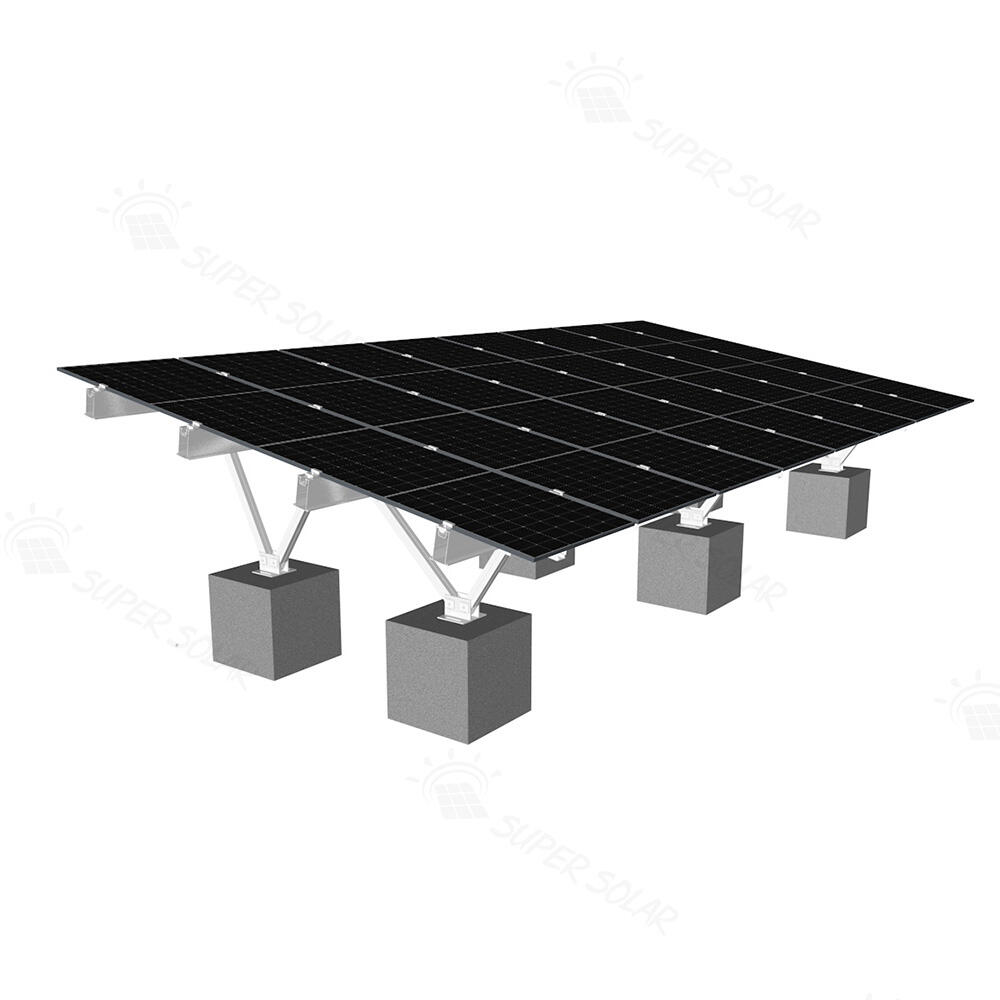
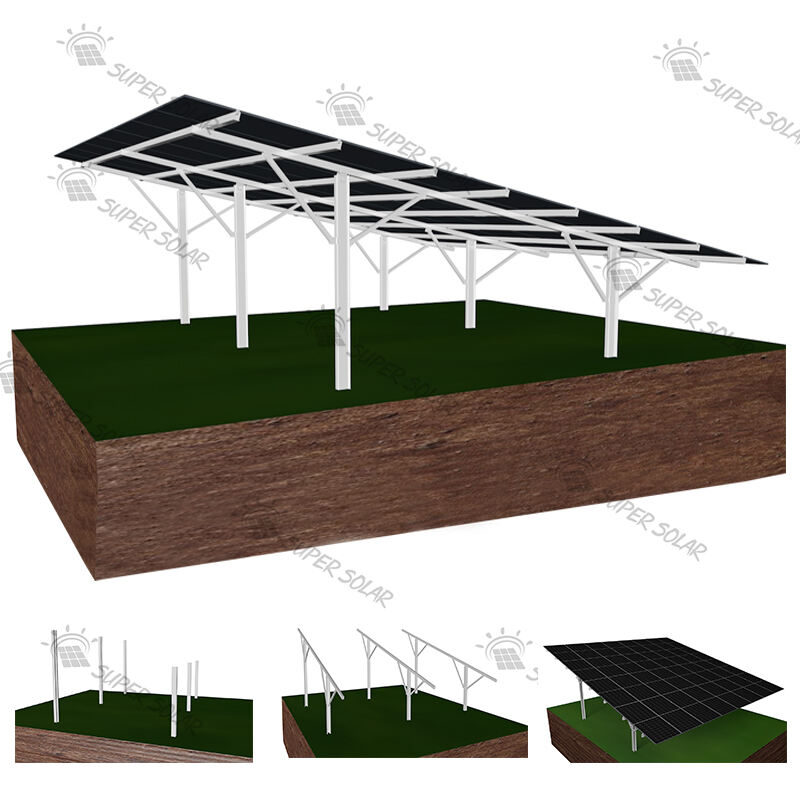
Low cost solar ground mounting systems represent a revolutionary approach to solar energy deployment, offering property owners and businesses an accessible pathway to harness renewable energy without significant upfront investments. These mounting solutions are specifically engineered to secure solar panels directly to the ground surface, eliminating the need for expensive roof modifications or structural reinforcements. The primary function of low cost solar ground mounting involves providing stable, durable foundations that maintain optimal panel positioning for maximum solar energy capture throughout varying weather conditions. These systems utilize advanced aluminum alloy construction combined with galvanized steel components, ensuring exceptional resistance to corrosion while maintaining structural integrity over decades of operation. The technological features include adjustable tilt mechanisms that allow precise angle optimization based on geographical location and seasonal variations, maximizing energy production efficiency. Installation processes are streamlined through pre-engineered components that require minimal specialized tools or extensive technical expertise. The modular design enables scalable configurations, allowing users to start with smaller installations and expand capacity as energy needs grow or budgets permit. Applications span residential properties, commercial facilities, agricultural operations, and remote locations where traditional grid connections prove economically unfeasible. The ground-mounted approach provides superior accessibility for maintenance activities, cleaning procedures, and system monitoring compared to rooftop installations. These mounting systems accommodate various panel sizes and weights while maintaining compliance with local building codes and engineering standards. Environmental considerations are addressed through minimal ground disturbance during installation and the option for vegetation growth beneath elevated panel arrays. The versatility of low cost solar ground mounting makes it particularly suitable for properties with adequate land space, older buildings with structural limitations, or installations requiring future relocation flexibility.

New Product Recommendations

Low cost solar ground mounting delivers exceptional value through reduced installation expenses compared to conventional mounting alternatives. Property owners save significantly on labor costs because ground installations eliminate the need for specialized roofing expertise, safety equipment, and complex structural assessments required for roof-mounted systems. The installation process typically requires fewer workers and shorter completion timeframes, directly translating to lower project costs. Maintenance advantages become immediately apparent as ground-level access eliminates expensive lift equipment or safety harnesses needed for routine cleaning and inspections. Technical personnel can quickly identify and resolve issues without scheduling specialized roof access procedures, reducing ongoing operational expenses. Performance benefits emerge through optimal positioning capabilities that maximize energy generation throughout the day and across seasons. Unlike roof installations constrained by existing architectural angles, low cost solar ground mounting allows precise orientation adjustments for peak solar exposure. This flexibility often results in 15-20% higher energy production compared to suboptimal roof placements. Durability advantages stem from reduced environmental stress factors, as ground-mounted systems avoid thermal cycling effects that impact roof-mounted installations. The mounting structures experience more consistent temperatures and avoid the expansion-contraction cycles that can compromise connection integrity over time. Scalability represents another crucial advantage, enabling property owners to expand solar capacity incrementally as energy needs grow or financial resources become available. The modular nature of these systems supports phased development approaches that spread costs over multiple budget cycles. Safety benefits include elimination of roof penetrations that could create leak points or structural vulnerabilities. Ground installations also reduce fire safety concerns associated with rooftop electrical systems, providing peace of mind for property insurance and regulatory compliance. Land use efficiency improves through dual-purpose applications where solar panels provide weather protection for vehicle parking, equipment storage, or agricultural activities. The space beneath elevated panel arrays remains functional for various purposes while generating clean energy above. Future adaptability ensures long-term value as system components can be relocated, reconfigured, or upgraded without major structural modifications to existing buildings.

Latest News

How Does a Solar Tracker Work?

22

Jul

How Does a Solar Tracker Work?

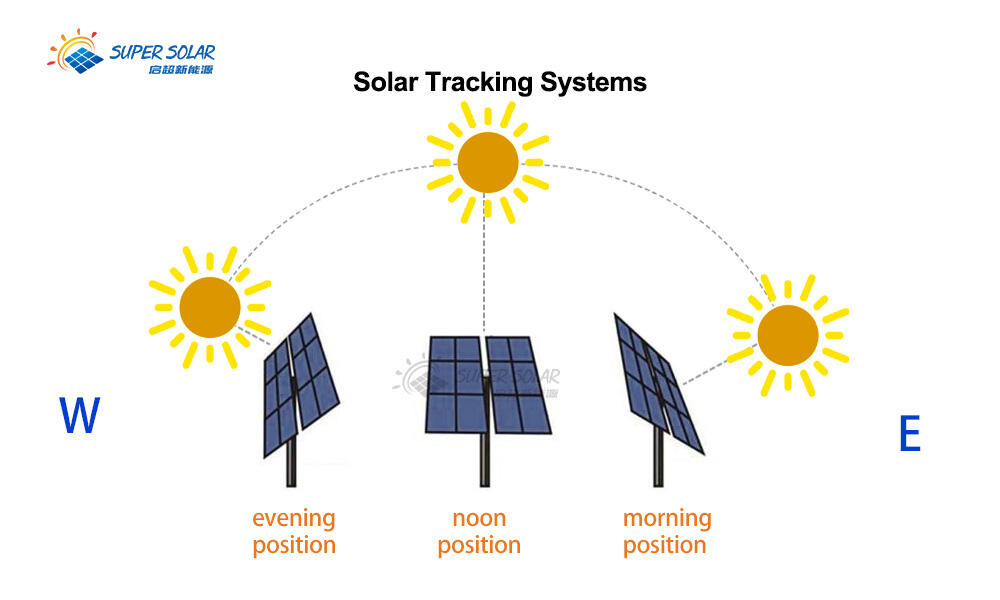
Fundamentals of Solar Tracking Technology How Solar Trackers Maximize Energy Efficiency Solar trackers play a pivotal role in enhancing the efficiency of solar energy systems. They work by adjusting the orientation of solar panels throughout the day...
View More
How Commercial Solar Carport Structures Benefit Large Properties

20

Aug

How Commercial Solar Carport Structures Benefit Large Properties

The Growing Demand for Solar Carport Solutions on Large Properties Across commercial landscapes, the solar carport has become one of the most practical and forward-looking investments for businesses, institutions, and property developers. Unlike trad...
View More
Commercial Solar Carport Solutions for Parking and Power

24

Nov

Commercial Solar Carport Solutions for Parking and Power

Transforming Parking Infrastructure into Clean Energy Assets The evolution of commercial parking spaces has taken a remarkable turn with the introduction of solar carports. These innovative structures represent the perfect fusion of functionality and...
View More
L-Foot Solar Mounts Explained: Simple & Affordable

24

Nov

L-Foot Solar Mounts Explained: Simple & Affordable

Understanding the Fundamentals of Solar Panel Mounting Systems The solar industry continues to evolve rapidly, and mounting solutions play a crucial role in successful installations. L-foot solar mounts have emerged as one of the most reliable and co...
View More

Leave Message

Our representative will contact you soon.
Email
Name
Company Name
Message
0/1000

low cost solar ground mounting

Cost-Effective Installation and Rapid Return on Investment

Cost-Effective Installation and Rapid Return on Investment

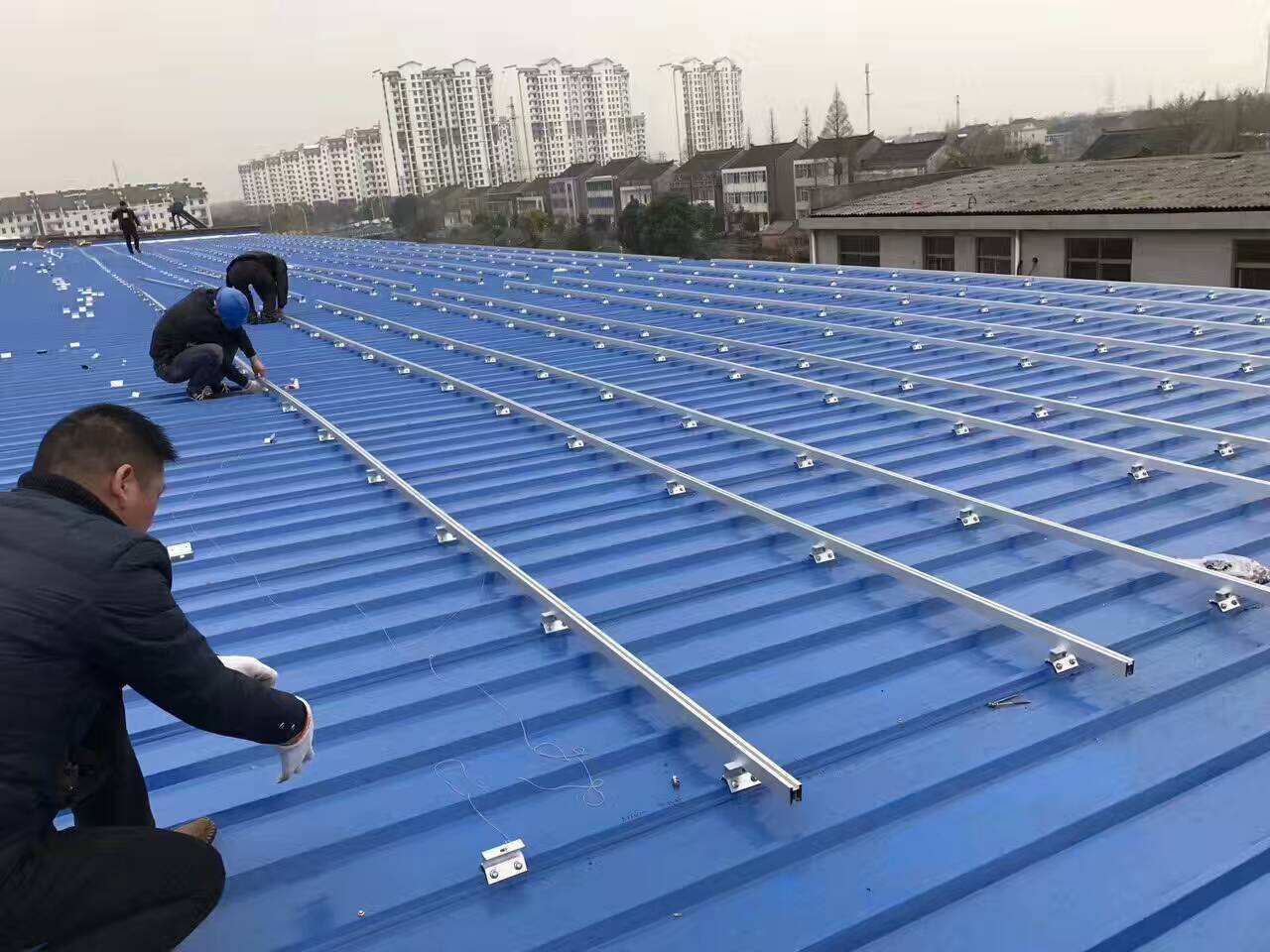
Low cost solar ground mounting systems excel in delivering exceptional financial value through dramatically reduced installation expenses and accelerated payback periods that make solar energy accessible to a broader range of property owners. The installation process requires significantly less specialized labor compared to rooftop alternatives, as technicians work at ground level without expensive safety equipment, scaffolding, or crane operations that typically inflate project costs. Standard construction crews can complete most installations using basic tools and equipment already available in their inventory, eliminating the need for specialized solar installation contractors that command premium rates. The streamlined installation timeline, often completed in one to three days depending on system size, minimizes labor expenses and reduces project management overhead. Material costs remain competitive through efficient manufacturing processes and standardized component designs that leverage economies of scale. The mounting hardware utilizes readily available aluminum and steel materials sourced through established supply chains, avoiding exotic materials or custom fabrication expenses. Property owners benefit from immediate energy production without waiting for complex permitting processes or structural engineering assessments required for roof installations. The financial returns accelerate through optimal energy generation capabilities that exceed typical roof-mounted performance by 15-25% due to precise positioning and improved ventilation around panels. Maintenance cost savings accumulate over the system lifespan as ground-level access eliminates expensive lift equipment rentals and specialized technician requirements for routine cleaning and repairs. Insurance benefits may include reduced premiums due to eliminated roof penetration risks and improved fire safety profiles compared to rooftop installations. Tax incentive optimization becomes more straightforward as ground-mounted systems clearly qualify for renewable energy credits and depreciation benefits. The modular expansion capability allows property owners to start with affordable starter systems and add capacity as cash flow improves, spreading the investment over multiple tax years while maintaining continuous energy production benefits.
Superior Performance Through Optimal Positioning and Maintenance Access

Superior Performance Through Optimal Positioning and Maintenance Access

Low cost solar ground mounting systems deliver exceptional energy generation performance through precise positioning capabilities and maintenance accessibility that significantly outperform traditional installation methods. The adjustable mounting mechanisms enable optimal tilt angle configuration based on specific geographical coordinates, seasonal variations, and daily sun path calculations that maximize energy capture throughout the year. Unlike roof installations constrained by existing architectural angles and orientations, ground-mounted systems achieve ideal positioning for peak solar irradiance, often resulting in 20-30% higher energy production compared to suboptimal roof placements. The elevated positioning promotes superior air circulation around solar panels, maintaining lower operating temperatures that enhance electrical efficiency and extend equipment lifespan. Heat dissipation improvements translate directly to increased power output, as solar panels generate more electricity when operating at optimal temperature ranges. Maintenance accessibility represents a crucial performance advantage, enabling regular cleaning schedules that maintain peak efficiency levels throughout the system lifespan. Property owners can easily remove dust, debris, and environmental contamination that reduces energy production, ensuring consistent performance without expensive professional cleaning services. Snow removal becomes manageable in winter climates, allowing continued energy generation during cold months when roof-mounted systems may remain covered for extended periods. Component inspections proceed efficiently at ground level, enabling early detection of connection issues, hardware wear, or panel damage before problems impact energy production. Vegetation management beneath the panel array provides additional benefits through reduced ground maintenance requirements while supporting local ecosystems. The spacing between panel rows prevents shading issues that commonly affect roof installations with complex geometries or nearby obstructions. Monitoring equipment installation and maintenance become straightforward tasks that property owners can perform without specialized technical support. Performance optimization continues throughout the system lifespan as angles can be adjusted seasonally or components upgraded without major structural modifications. The combination of optimal positioning, superior cooling, and accessible maintenance creates a performance advantage that compounds over decades of operation.

Versatile Applications and Environmental Benefits

Versatile Applications and Environmental Benefits

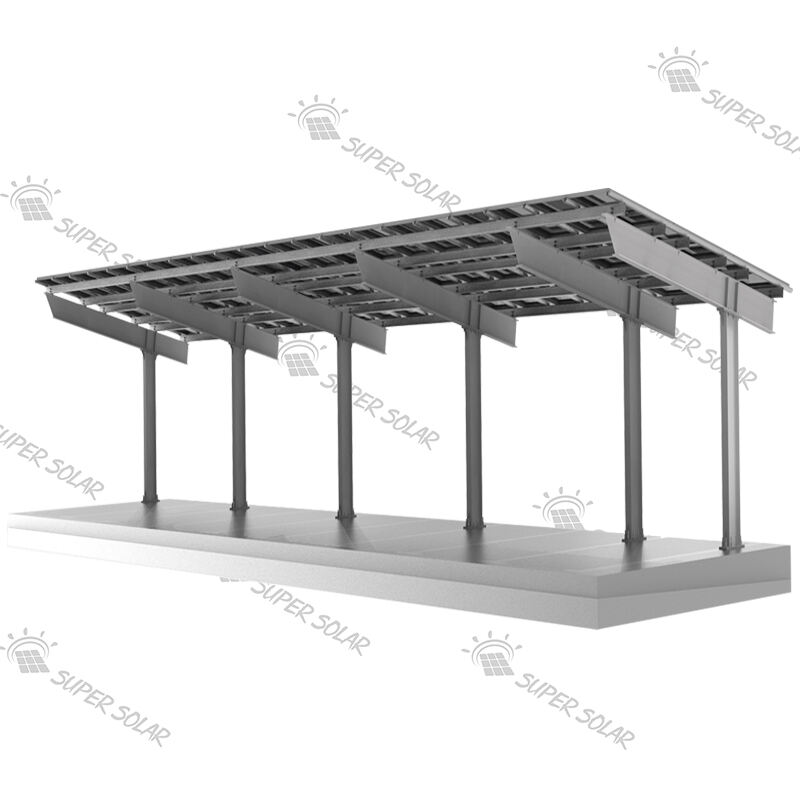
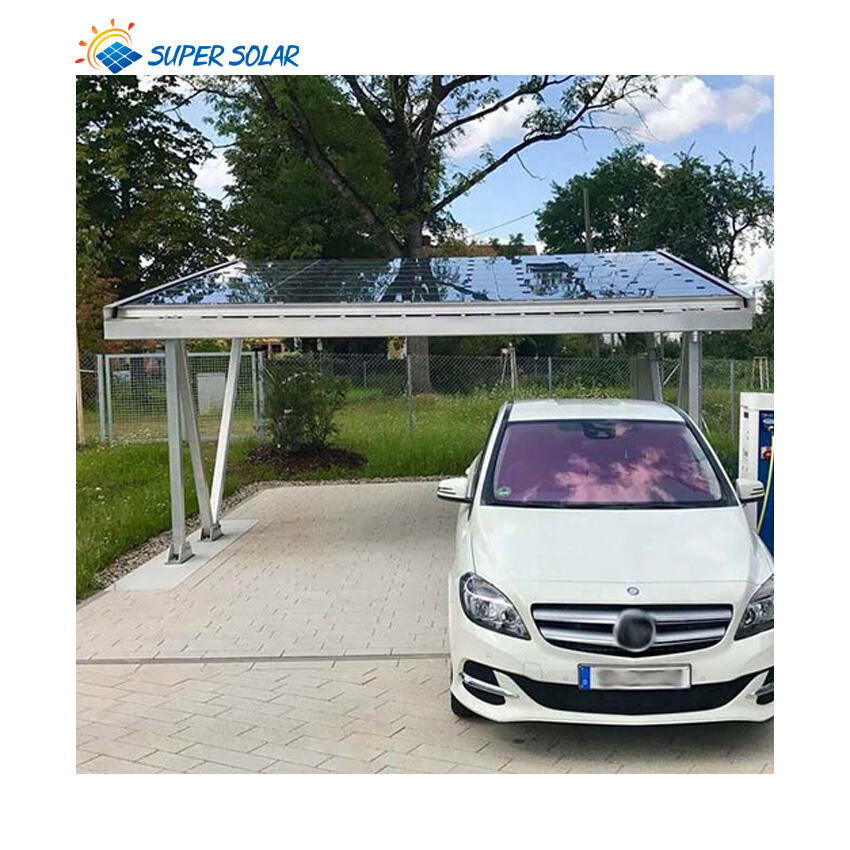
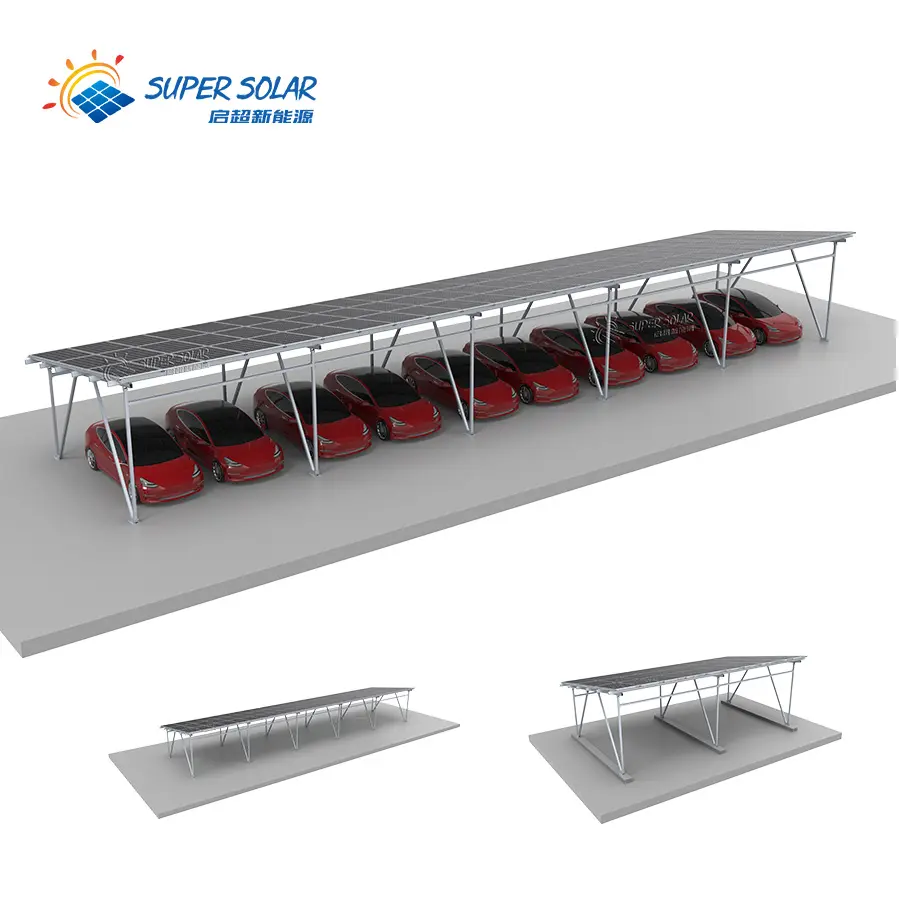
Low cost solar ground mounting systems provide remarkable versatility across diverse applications while delivering significant environmental benefits that extend beyond clean energy generation. Agricultural operations discover dual-purpose functionality as elevated panel arrays provide weather protection for livestock, equipment storage, and crop cultivation while generating renewable energy for farm operations. The agrivoltaic approach maximizes land use efficiency by combining food production with energy generation, creating additional revenue streams for agricultural businesses facing economic pressures. Residential properties with adequate land space benefit from flexible placement options that avoid architectural constraints or structural limitations affecting older buildings unable to support rooftop installations. Commercial and industrial facilities utilize ground-mounted systems for parking canopies, equipment shelters, and outdoor work area coverage while producing substantial energy cost savings. Remote location applications become economically viable where grid connections prove expensive or impractical, providing reliable power for telecommunications, monitoring equipment, or emergency facilities. Environmental benefits emerge through minimal ecosystem disruption during installation, as ground preparation requires limited excavation compared to foundation-intensive alternatives. Native vegetation can continue growing beneath elevated panel arrays, supporting local wildlife habitats and maintaining natural drainage patterns. Carbon footprint reduction accelerates through clean energy generation while avoiding the transportation and installation emissions associated with complex rooftop projects. Soil conservation improves as panel coverage reduces erosion while maintaining root systems and ground stability. Water management benefits include rainfall collection possibilities and reduced evaporation in arid climates where panels provide ground shading. End-of-life considerations favor environmental sustainability as components remain easily accessible for recycling or relocation without building demolition requirements. The modular design supports circular economy principles through component reuse and system reconfiguration as technology advances or site requirements change. Biodiversity enhancement occurs through pollinator-friendly landscaping beneath panel arrays, creating habitat corridors that support declining bee populations and native plant species. Temperature moderation effects create microclimates that benefit both energy production and surrounding ecosystems. Community acceptance improves through visual integration possibilities and demonstrated environmental stewardship that builds public support for renewable energy adoption.

Leave Message

Our representative will contact you soon.
Email
Name
Company Name
Message
0/1000