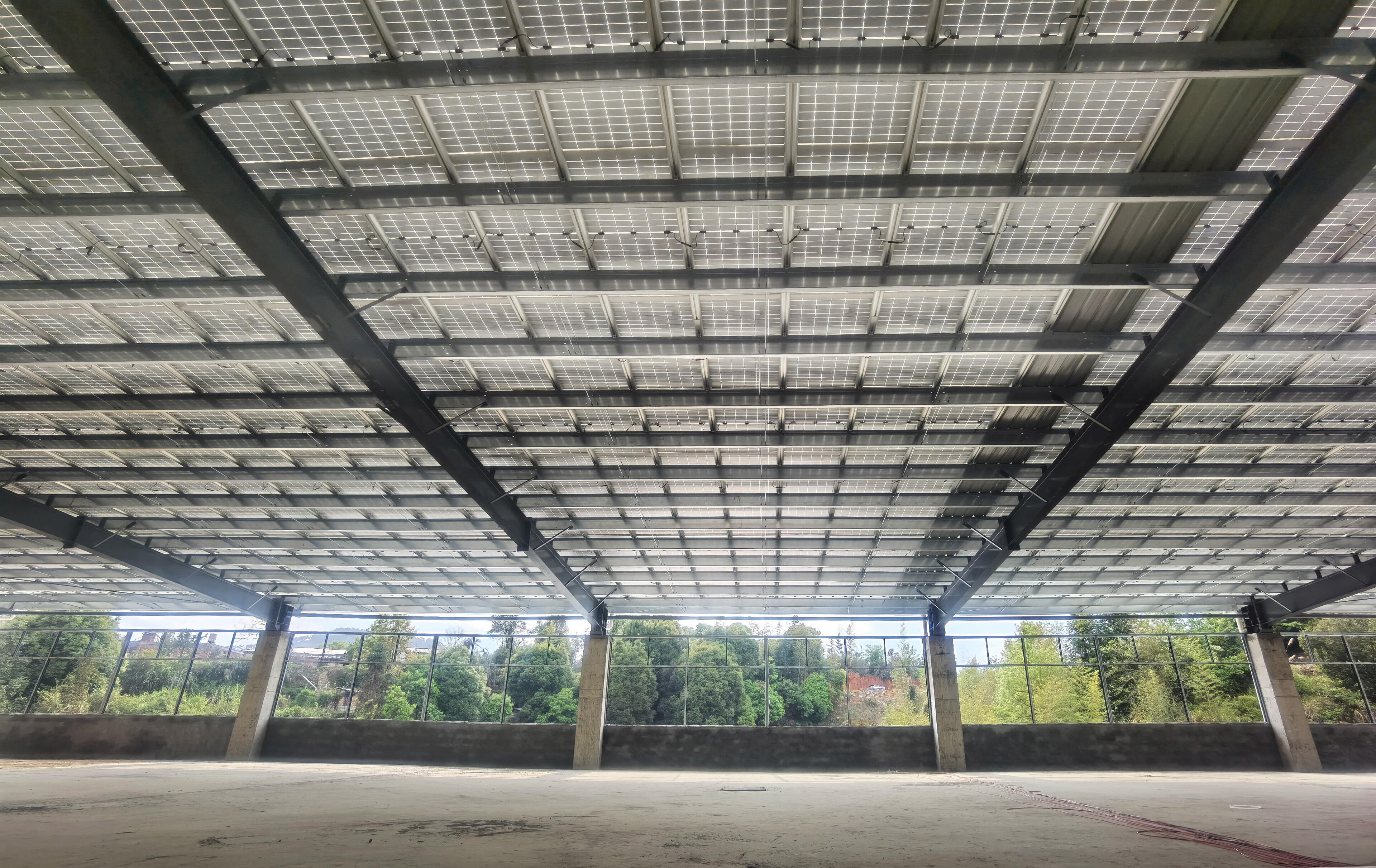
Superior Structural Load Distribution
The exceptional structural load distribution capabilities of commercial flat roof solar mount systems ensure safe and effective solar installations across diverse building types and roof conditions. Advanced engineering principles guide the design of these mounting systems to distribute solar panel weight, wind forces, and environmental loads evenly across the supporting roof structure. The commercial flat roof solar mount incorporates sophisticated load-spreading mechanisms that prevent point loading and reduce stress concentrations that could compromise building integrity. Structural analysis software models real-world conditions to optimize component placement and spacing for maximum stability with minimum roof loading. The mounting system design accounts for both static loads from the solar panels and ballast as well as dynamic forces from wind uplift, snow accumulation, and thermal cycling. Professional structural engineers evaluate each installation to ensure compatibility with existing building specifications and local code requirements. The distributed loading approach allows commercial flat roof solar mount installations on buildings that might not support more concentrated mounting methods. Specialized footpad designs increase the contact area between mounting components and the roof surface, further reducing pressure points and enhancing stability. The system accommodates various roof membrane types including EPDM, TPO, modified bitumen, and built-up roofing without compromising performance or causing damage. Load distribution calculations consider long-term settlement and creep factors to maintain system performance throughout the installation's operational lifetime. Quality commercial flat roof solar mount systems include detailed documentation and calculations that facilitate permit approval and inspection processes. The engineering approach enables installations on older buildings with limited structural capacity by optimizing load paths and minimizing additional stress. Monitoring capabilities can detect any structural changes or settlement that might affect system performance, enabling proactive maintenance interventions.
 EN
EN